ONE of the biggest head-scratchers if you are nearing your golden years is how to make your money stretch through retirement.
But there’s a way to guarantee an income for LIFE and give you a healthy £8,000 a year while making sure you don’t run out of cash – here’s what you need to know.
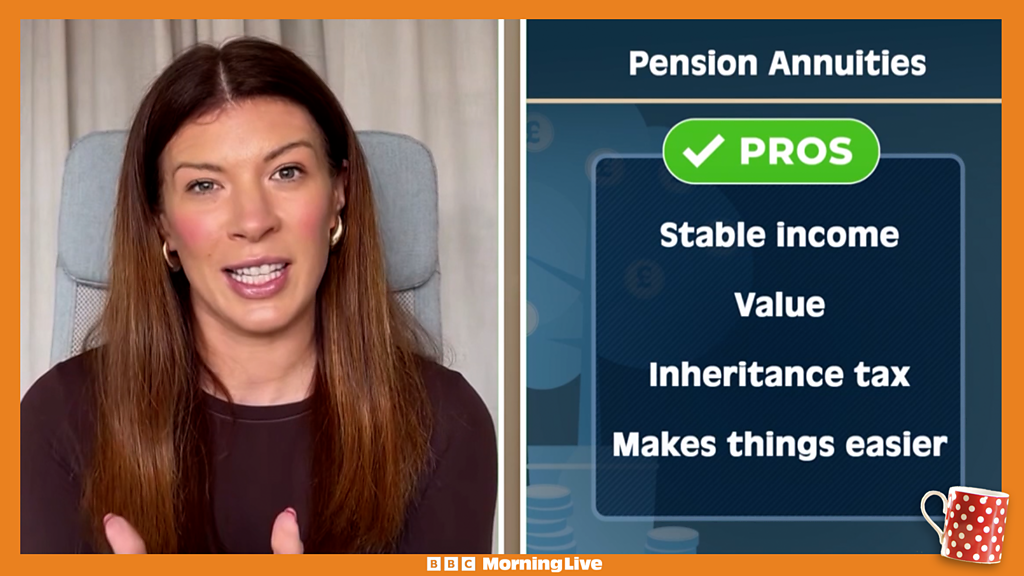
If you want to make your money stretch for your whole retirement, then a pension annuity could be perfect for you and with rates at their highest level in over a decade, experts suggest now could be a good time to get one.
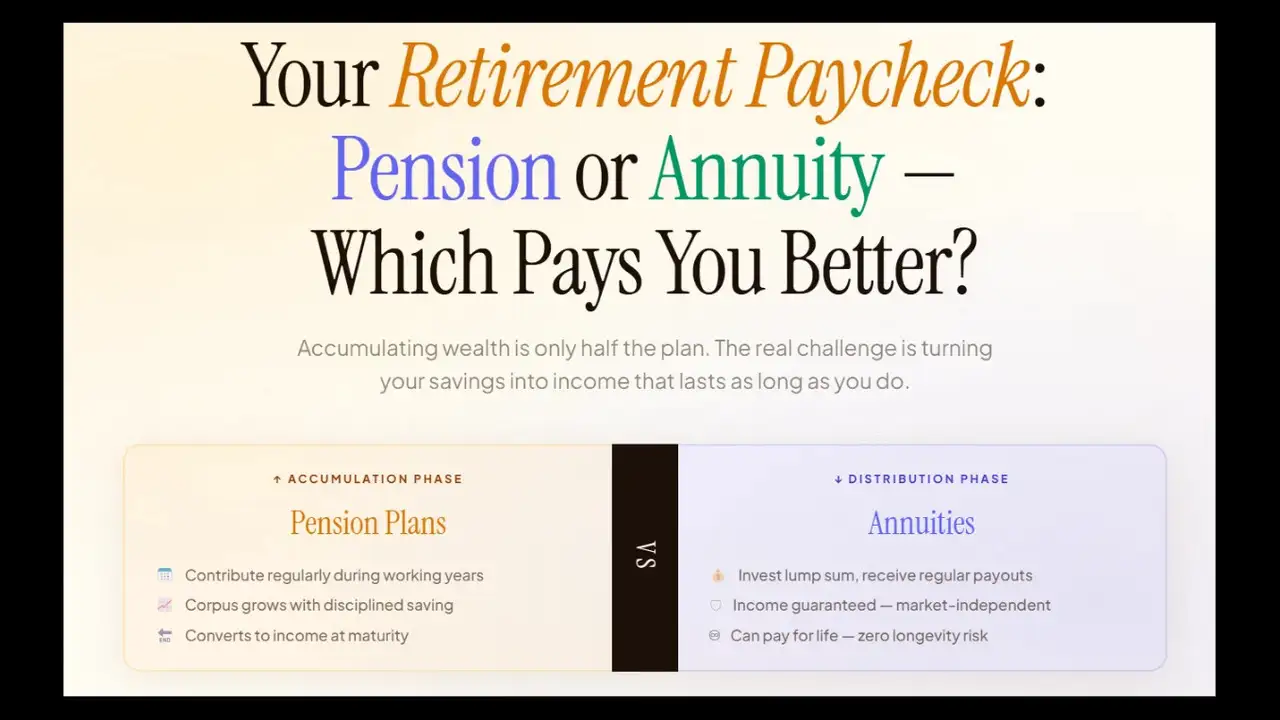
Annuities are products you can buy with your pension pot that give you a guaranteed income until you die.
They can be a great option if you want security about your finances without the hassle of managing investments or checking pension statements.
Here we explain all the options to help you avoid running out of cash in retirement.
How to bag an income for life
An annuity converts a lump sum into a guaranteed regular income until you die.
You can usually take up to 25 per cent of your pension from your pot tax-free.
After this, you can use the rest of your pension pot to buy an annuity and any income you get is taxed as earnings.
Currently, you need to be 55 or older to buy an annuity, but this is set to rise to 57 from April 2028.
A 65-year-old who spends £100,000 on an annuity could currently get an average income of £7,945 a year, according to financial planner Retirement Line.
Five years ago, the same retiree would have got just £4,750.
Mark Ormston, of Retirement Line, says now is a good time to consider annuities as rates remain near their highest levels in more than 15 years.
“Ongoing global tensions and volatile stock markets can put pension income in a vulnerable position to any sudden market dips,” he says.
“An annuity transfers that investment and longevity risk to the annuity provider, providing peace of mind that you will receive that level of income no matter what happens.”
All providers offer different annuity rates, so shop around to get the best deal.
Scottish Widows currently has the best annuity rate, at £7,998 a year.
In comparison, Just would give the same customer a return of £7,462 a year – £536 less.
Over a 20-year retirement, this would leave you £10,720 worse off.
But annuities are a big commitment, as once you take one out, you can’t make any changes to it, so if rates rise, then you can’t shop around for a better deal.
This also means that you won’t be able to get any extra cash in an emergency, for example, if your car breaks down.
Meanwhile, you may not be protected from inflation depending on the type of annuity you take out.
There are two types of annuity: level and escalating annuities.
Level annuities give you a fixed income that stays the same for your whole retirement.
With an escalating annuity, your retirement income goes up every year in line with inflation.
You may also get a larger payment if you have complex health issues or a shorter life expectancy, for example, because you had a heart attack.
Robert Plumptre, individual annuity performance lead at Aviva, says: “Once an annuity is set up, the income is fixed and guaranteed for however long you live.
“That means, if your health changes later, your payments won’t increase, but they won’t fall either, so you’ll continue to receive the same income for as long as you live.”
Why you should mix and match
You could get the best of both worlds by mixing and matching your pension.
For example, you could buy an annuity with some of your savings, then draw down the rest of your pension pot.
Pension drawdown allows you to withdraw some income from your pension while keeping the rest invested.
Doing this guarantees you enough income to cover your basic needs while still exposing the rest of your pot to the stock market, so it can continue to grow.
This strategy also allows you to take extra money from your pension pot if you need it.
One way to do this is to work out how much you need to cover your essential costs and buy an escalating annuity.
By doing this, you guarantee that you can pay your bills, food shop and fuel.
The rest of your pot could remain invested so it can continue to grow, and you can take money from it when you need to.
Or you could initially take money from your pension pot through drawdown, then buy an annuity later on.
Doing this would mean that you are older when you buy the annuity.
Providers typically offer a better rate to older customers, so this could boost your income.
Meanwhile, most annuities stop paying out when you die, leaving your family and friends with nothing.
But with this strategy, your loved ones would still receive some money from your pension pot.
How to NEVER run out of cash
An annuity is not the only way to guarantee income in retirement.
Withdrawing money from your pension pot at the right rate can make it last for your whole retirement.
A rule of thumb is to withdraw 4 per cent of your pot in the first year of retirement, then increase the amount each year with inflation.
This would allow the fund to last for at least 30 years in most scenarios.
The logic is that the return on your investment can be uncertain and markets can fall, which can be damaging in the early years of your retirement.
But Ed Monk, pensions and investment specialist at Fidelity International, warns: “Even relatively small increases in withdrawal rates can significantly increase the risk of running out of money.”
If you have a smaller pot than the amount you withdraw, it can significantly shorten how long the income lasts, even if the differences in percentage are modest.
Another option is to only withdraw the interest or dividends you get from your pension and keep the rest invested so it can continue to grow.
But to do this, you will need a large pension which performs well.
Review your pension withdrawals regularly and avoid taking too much money too early.
What are the different types of pensions?
WE round-up the main types of pension and how they differ:
- Personal pension or self-invested personal pension (SIPP) – This is probably the most flexible type of pension as you can choose your own provider and how much you invest.
- Workplace pension – The Government has made it compulsory for employers to automatically enrol you in your workplace pension unless you opt out.
These so-called defined contribution (DC) pensions are usually chosen by your employer and you won’t be able to change it. Minimum contributions are 8%, with employees paying 5% (1% in tax relief) and employers contributing 3%. - Final salary pension – This is also a workplace pension but here, what you get in retirement is decided based on your salary, and you’ll be paid a set amount each year upon retiring. It’s often referred to as a gold-plated pension or a defined benefit (DB) pension. But they’re not typically offered by employers anymore.
- New state pension – This is what the state pays to those who reach state pension age after April 6 2016. The maximum payout is £230.25 a week and you’ll need 35 years of National Insurance contributions to get this. You also need at least ten years’ worth to qualify for anything at all.
- Basic state pension – If you reach the state pension age on or before April 2016, you’ll get the basic state pension. The full amount is £176.45 per week and you’ll need 30 years of National Insurance contributions to get this. If you have the basic state pension you may also get a top-up from what’s known as the additional or second state pension. Those who have built up National Insurance contributions under both the basic and new state pensions will get a combination of both schemes.