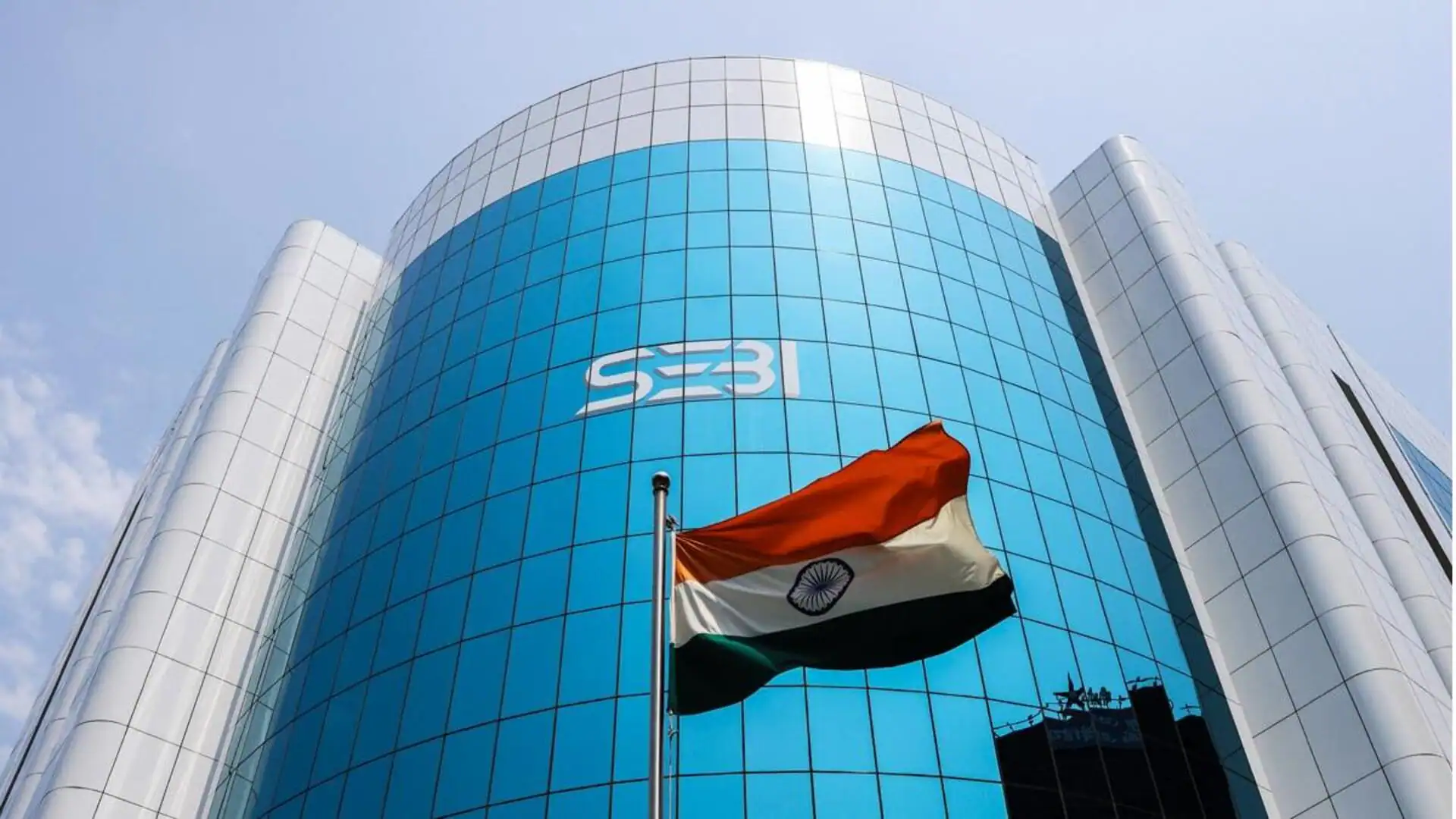
In a circular dated August 17, 2026, SEBI said the revision follows the recent overhaul of the SEBI (Mutual Funds) Regulations, 2026 and the SEBI Intermediaries Regulations.
At present, applications for mutual fund registration are processed in two stages. The first stage involves in-principle approval for the sponsor or applicant to set up a mutual fund, while the second stage involves final registration of the mutual fund.
Under the existing process, the in-principle approval application is submitted in Form A, while the final registration application is accompanied by Forms C and D.
Under the revised framework, these existing forms have been consolidated into a single application form, with the revised format provided as Annexure A to the circular. SEBI said all other conditions specified in its Master Circular for Mutual Funds dated March 20, 2026 will remain unchanged.
What the revised form requires
The revised Form A covers details of the sponsor, including its constitution, registered and operating addresses, contact details, shareholding pattern, ultimate beneficial ownership, capital structure and proposed net worth contribution to the asset management company (AMC).
Sponsors are also required to provide their latest net worth and audited balance sheet and profit and loss account for the last five financial years.
The application provides two eligibility routes under Regulation 5(a).
Under Route 1, the sponsor must, among other requirements, have at least five years of financial-services experience, positive net worth in each of the preceding five years, positive liquid net worth exceeding its proposed capital contribution to the AMC, and profitability in its financial-services business in each of those five years.
It must also have an average net annual profit of at least ₹10 crore from financial services during the preceding five years.
Under Route 2, the AMC must appoint experienced personnel such that the combined experience of its Chief Executive Officer, Chief Operating Officer, Chief Risk Officer, Chief Compliance Officer and Chief Investment Officer is at least 30 years, with each having at least three years of relevant experience.
The AMC must have a net worth of at least ₹150 crore at the time of registration, to be infused by the sponsor. The sponsor must also have positive liquid net worth exceeding its proposed capital contribution, while the initial shareholding equivalent to capital contributed to the AMC, to the extent of at least ₹150 crore, must be locked in for five years.
The revised application also seeks details of the sponsor’s business activities and experience, regulated activities of its associates and subsidiaries, management and group companies, regulatory history and fit-and-proper declarations.
Sponsors must provide details of customer onboarding and grievance handling, compliance processes, conflicts of interest, insider and employee trading policies, complaints history and regulatory actions.
For pooled investment vehicles and private equity sponsors, additional requirements include evidence of fund or investment management experience of at least five years and experience of investing in the financial sector, with committed and drawn-down capital of at least ₹5,000 crore as on the date of application to SEBI.
Final AMC registration
The consolidated form also contains a Stage II section for final registration of the AMC. It requires details including the AMC’s name, office addresses, compliance officer, main object clause, capital structure and shareholding, net worth, associates and group companies, board, key management personnel, internal controls and policy manuals.
For the AMC, applicants must also provide information on business plans, infrastructure, investor services, IT infrastructure, business continuity and disaster recovery, compliance processes, conflict-of-interest policies and insider and employee trading policies.
SEBI said the circular has been issued under Section 11(1) of the SEBI Act, 1992, read with the SEBI (Mutual Funds) Regulations, 2026, with the stated objective of protecting investors and promoting and regulating the securities market.
Also read: ‘CAS is here to stay for sure’: SEBI Chairman says regulator will look at constraints