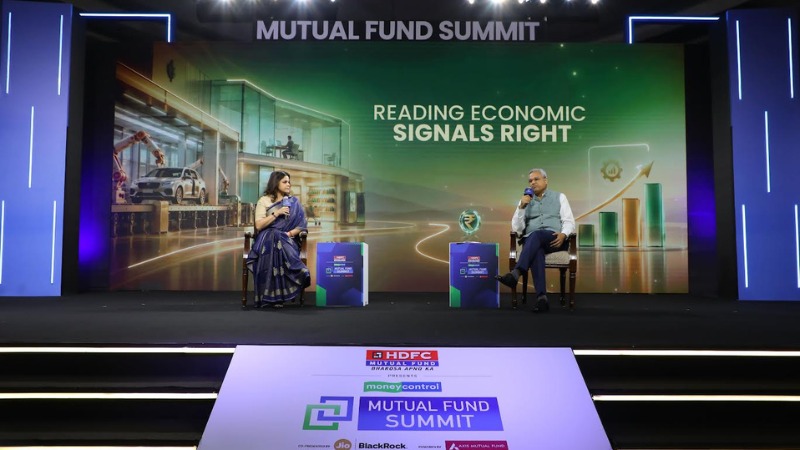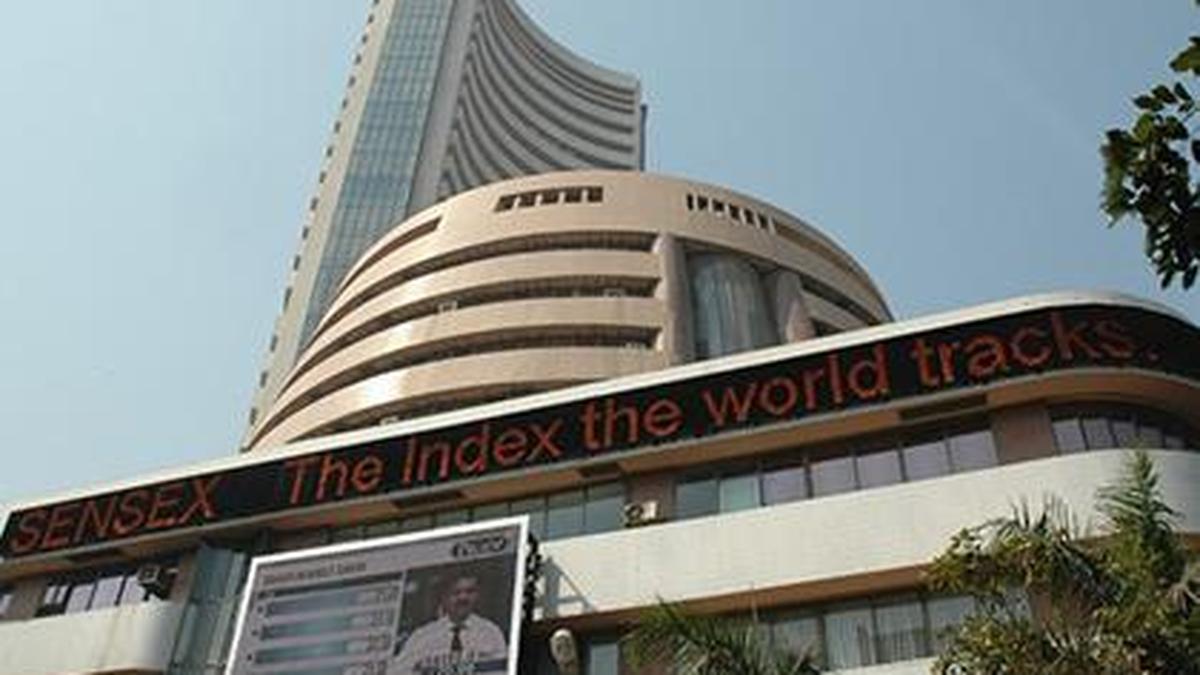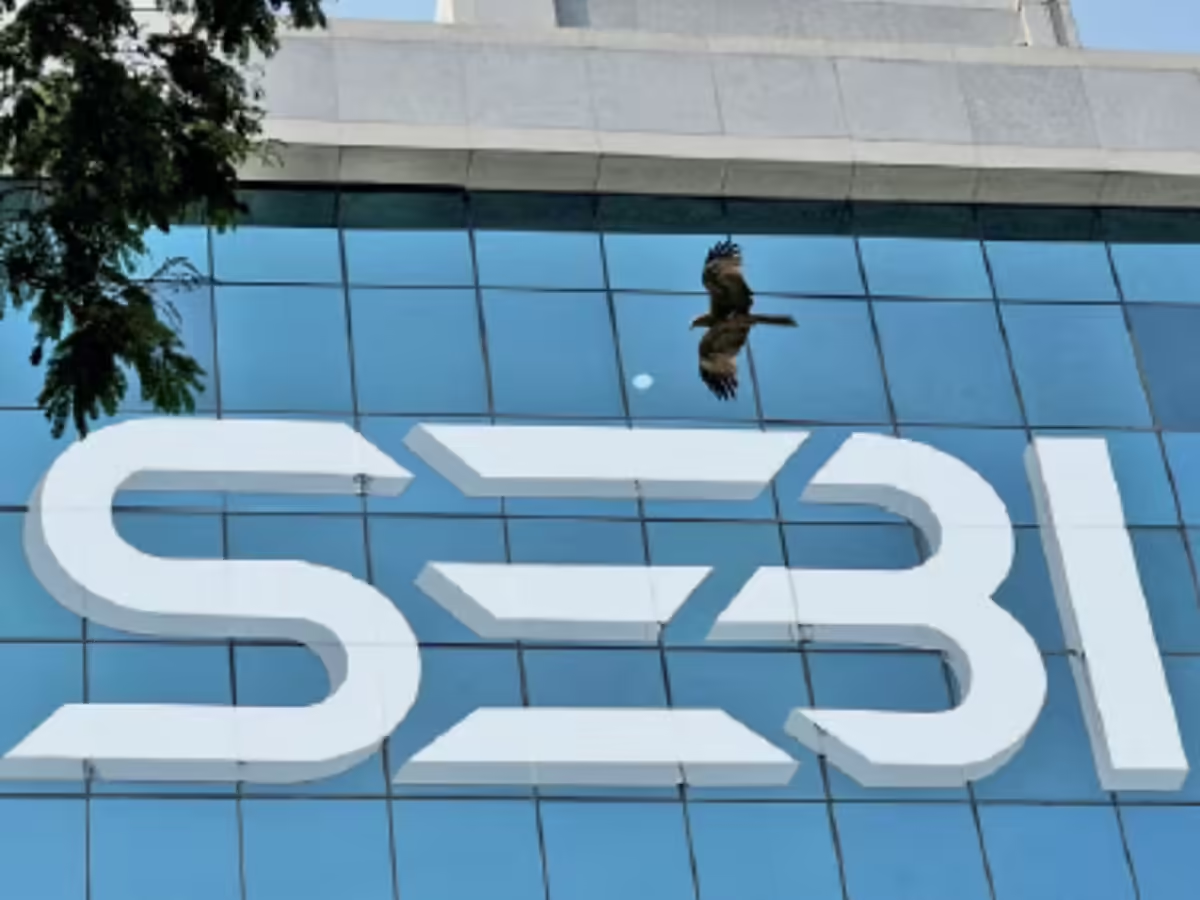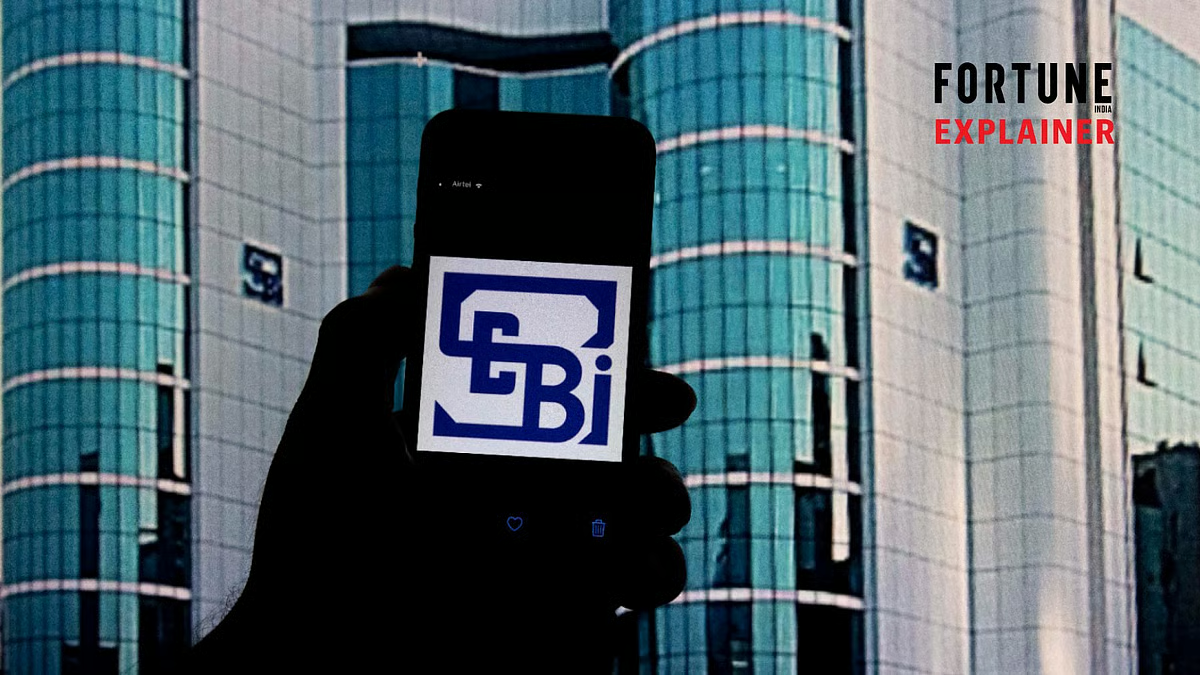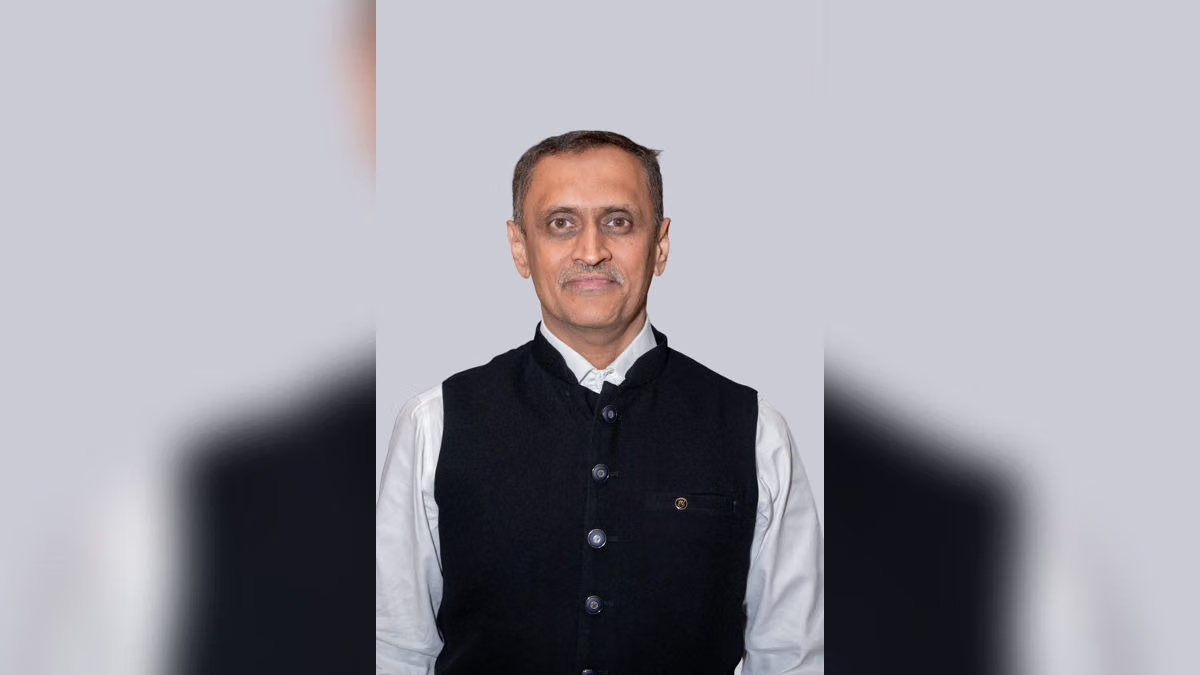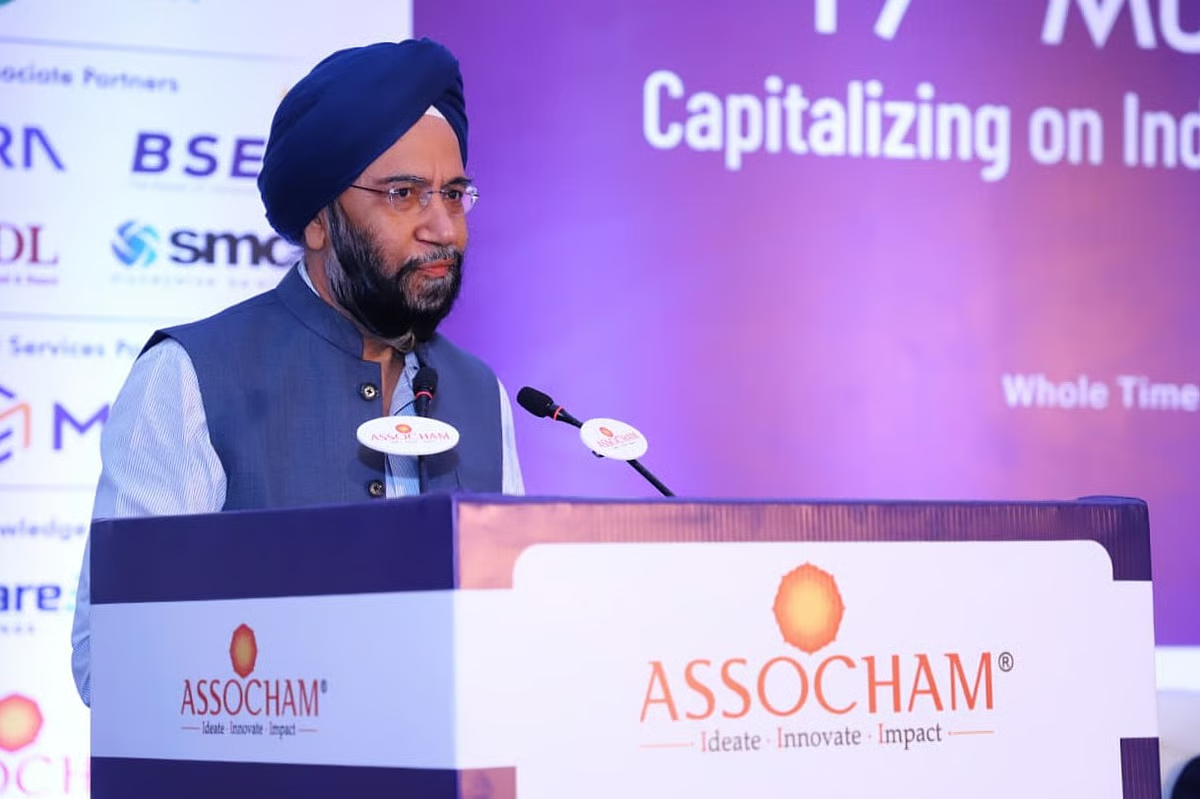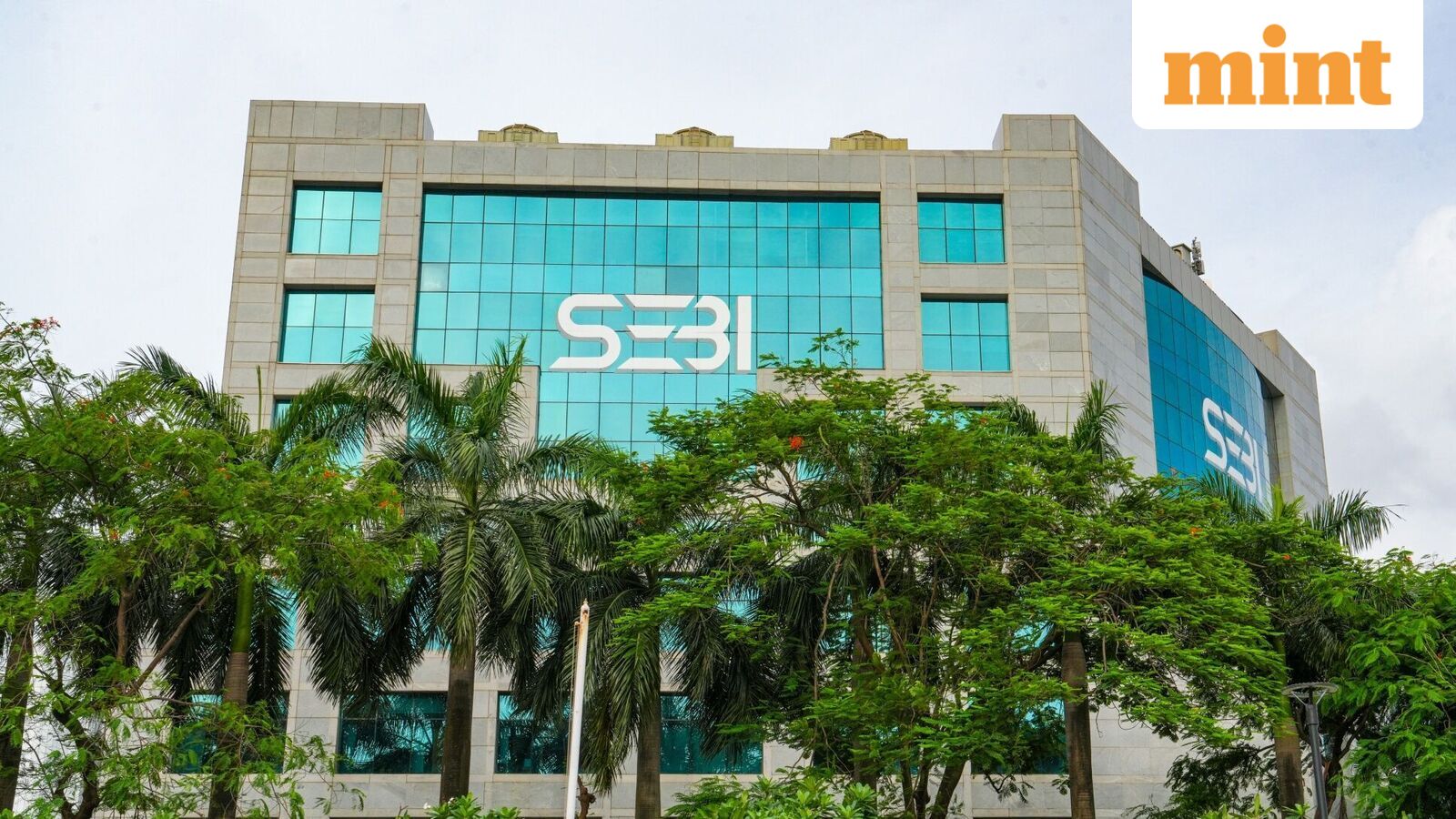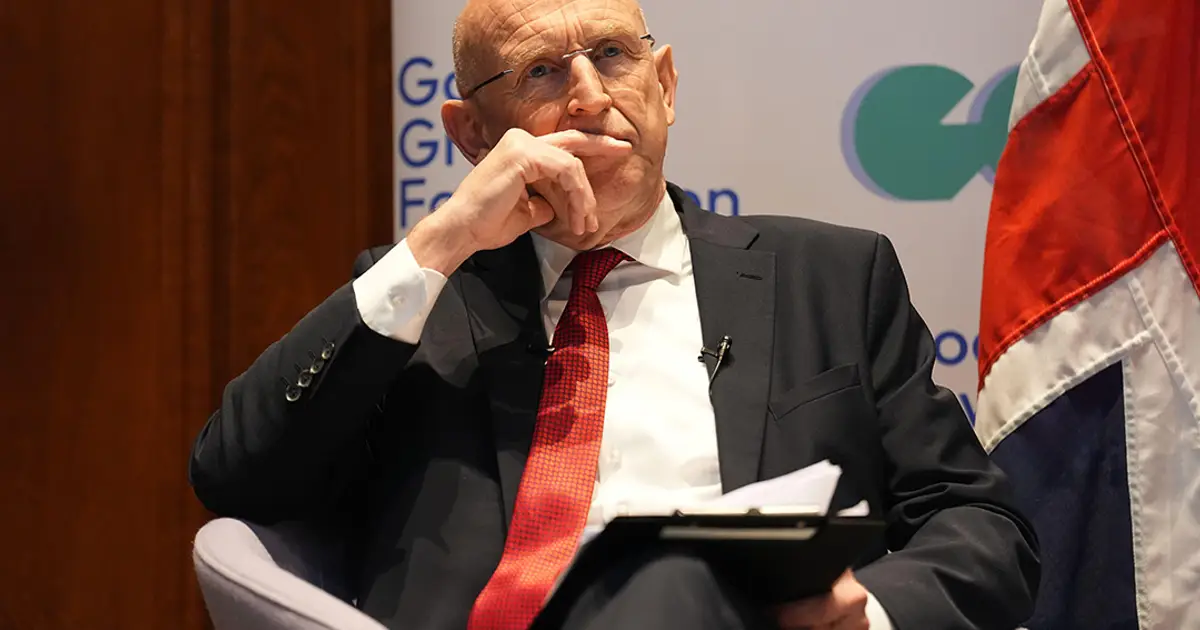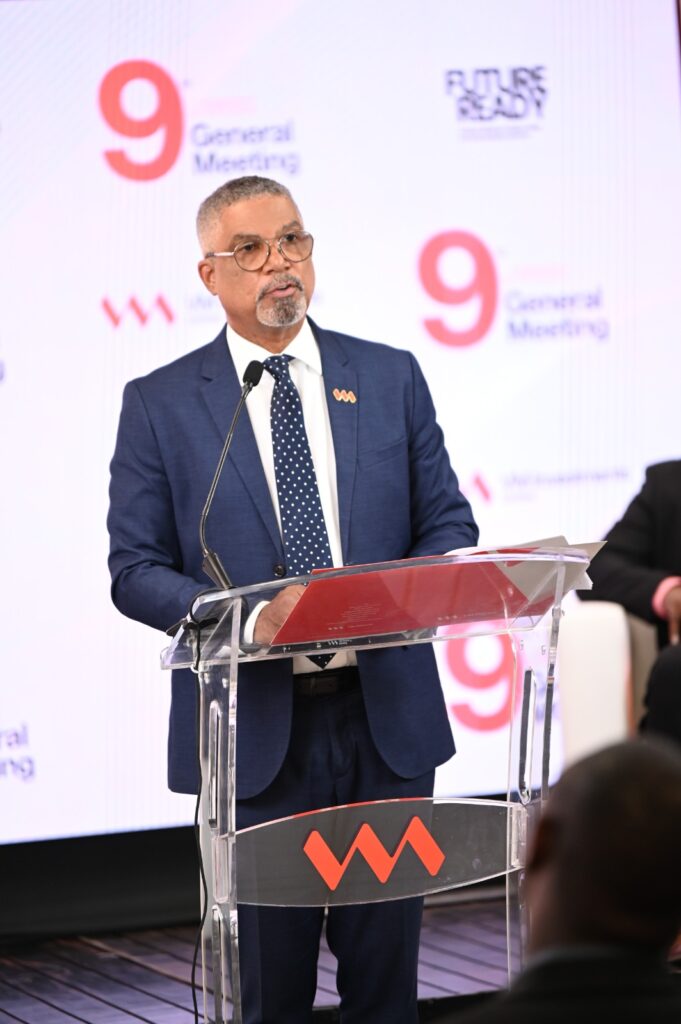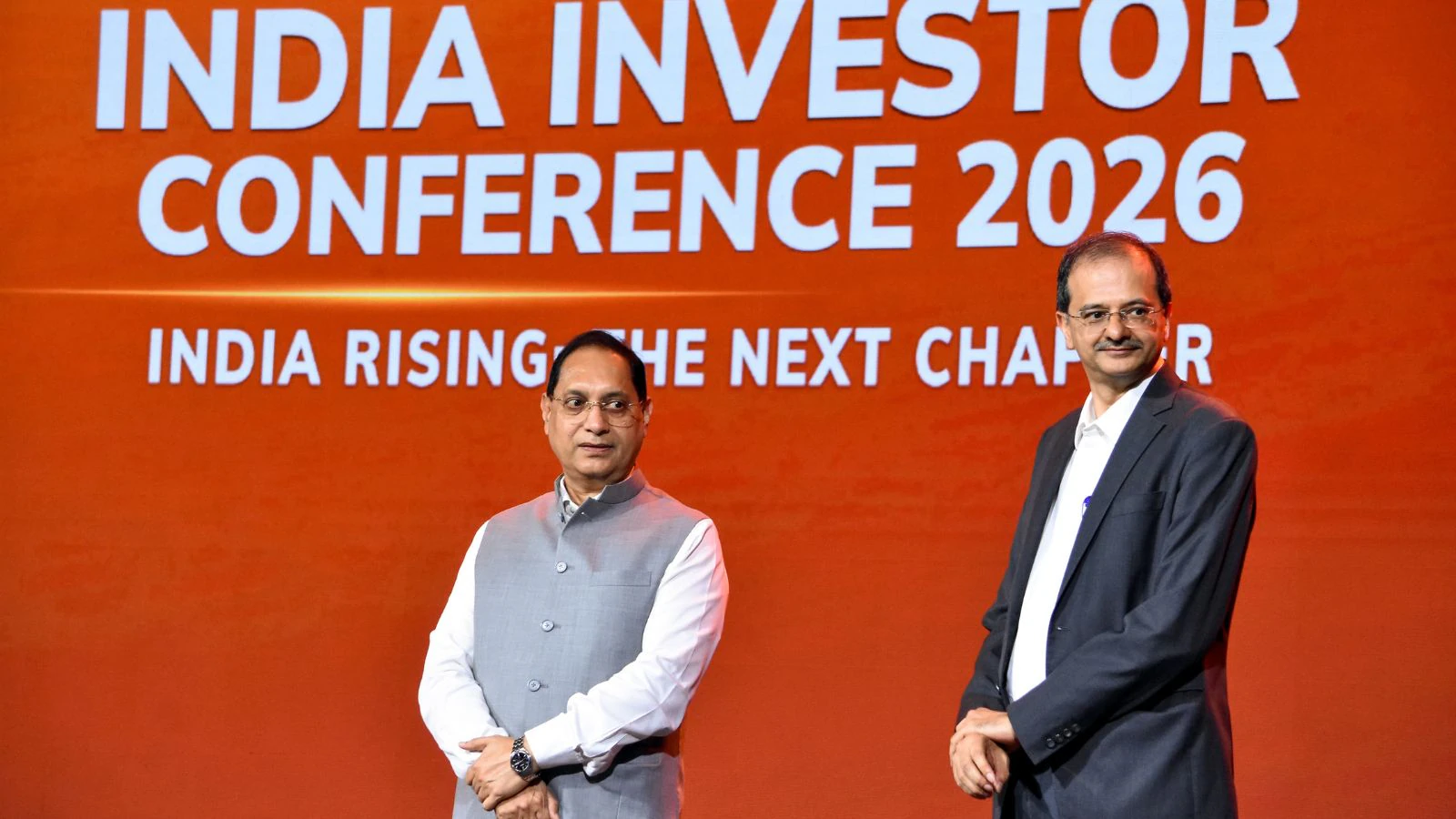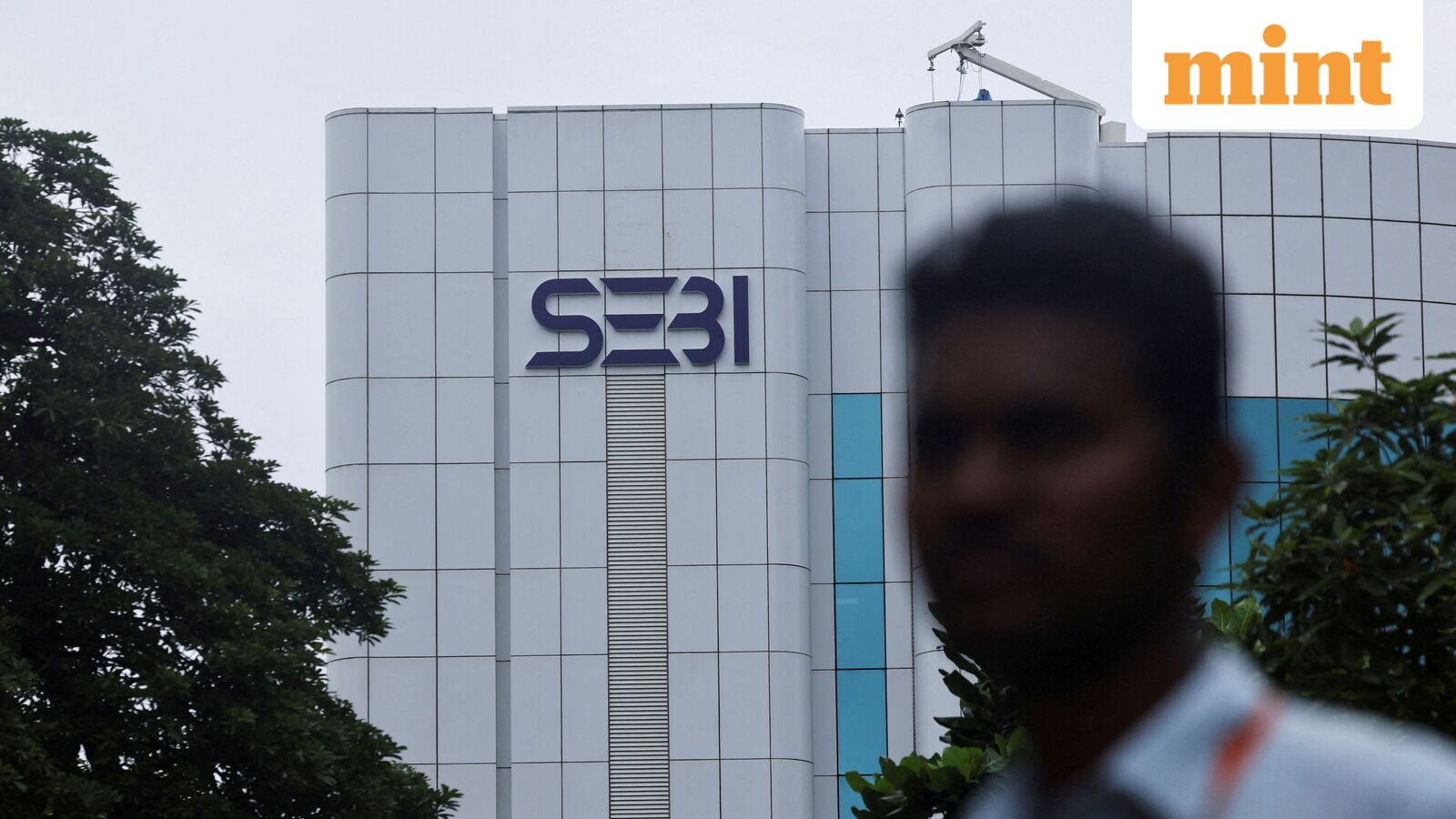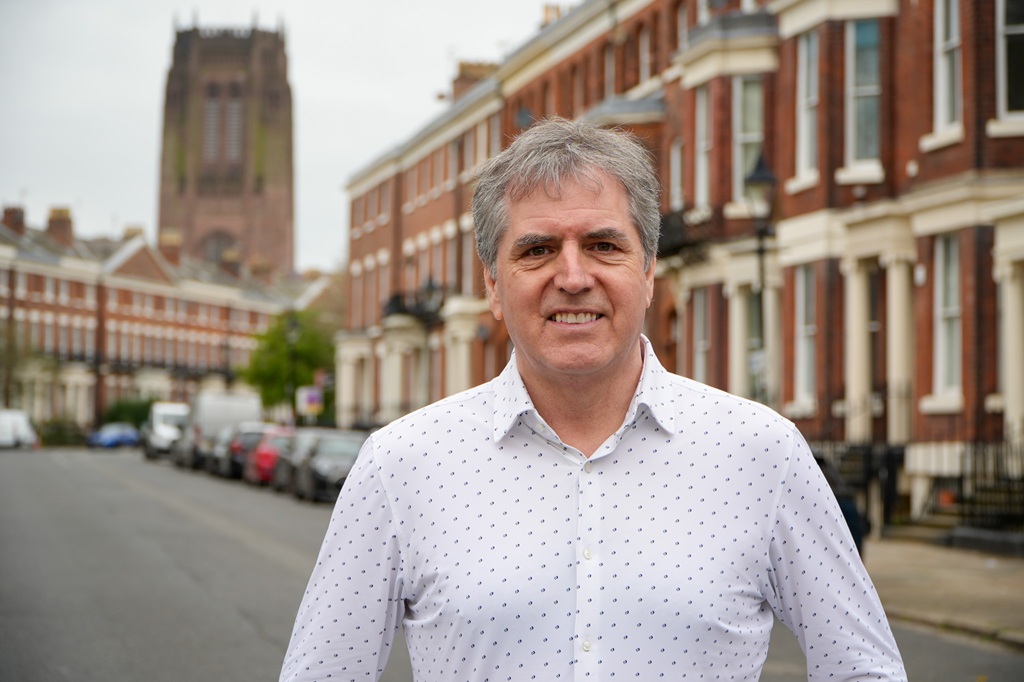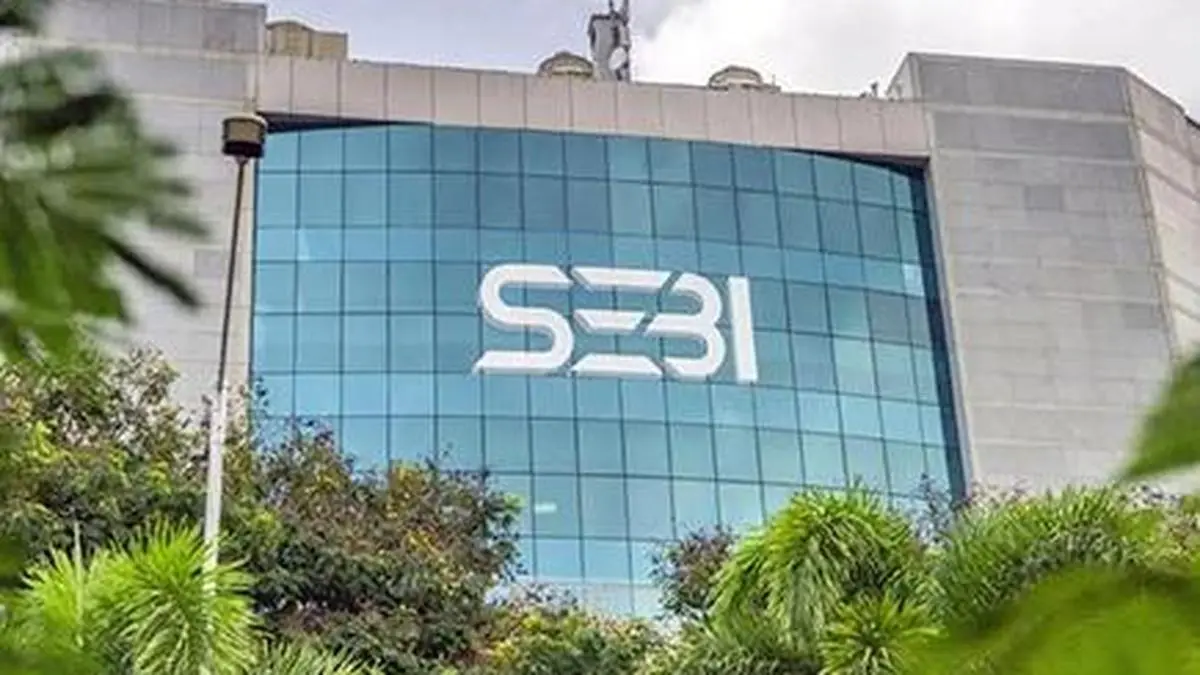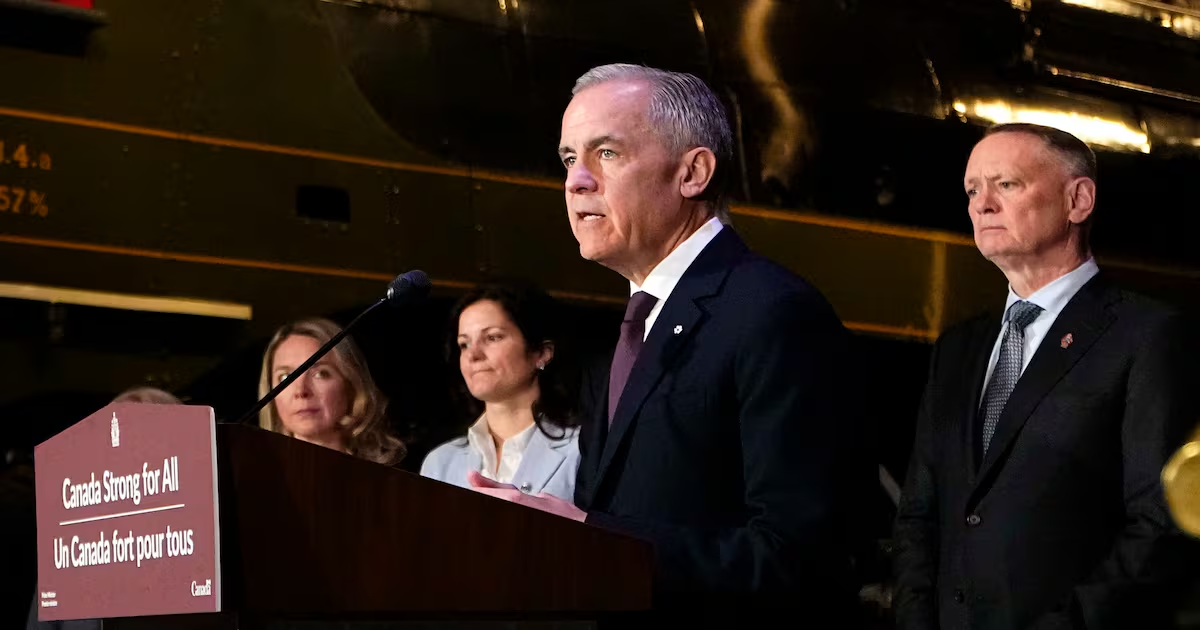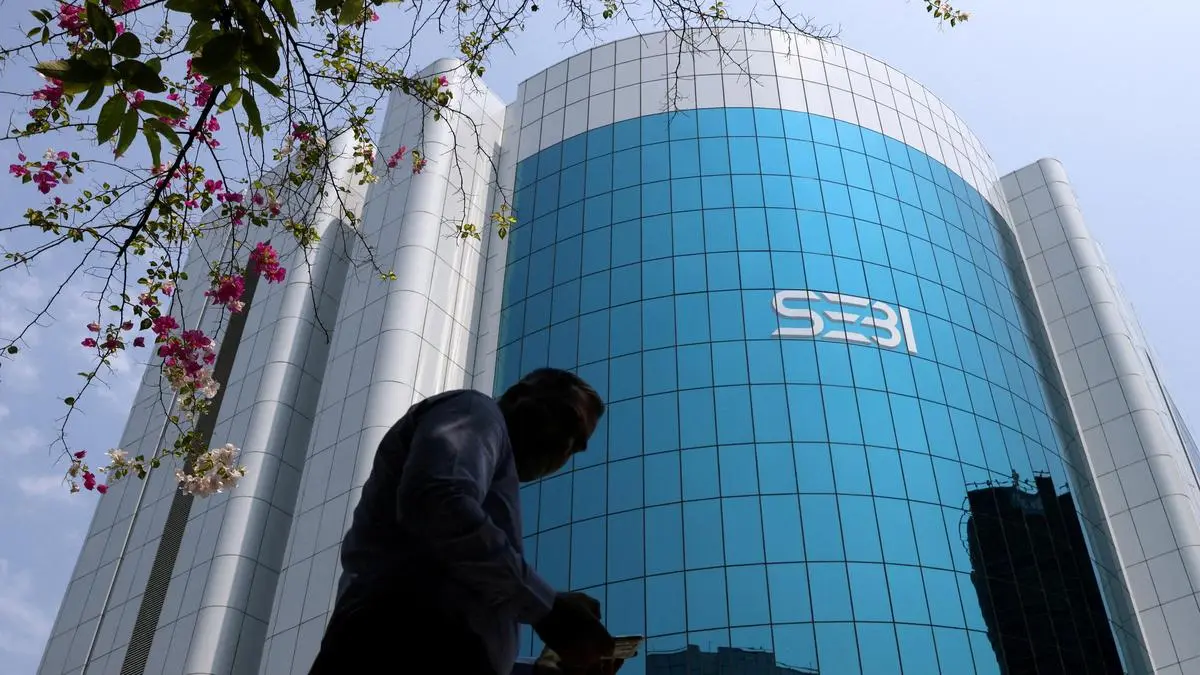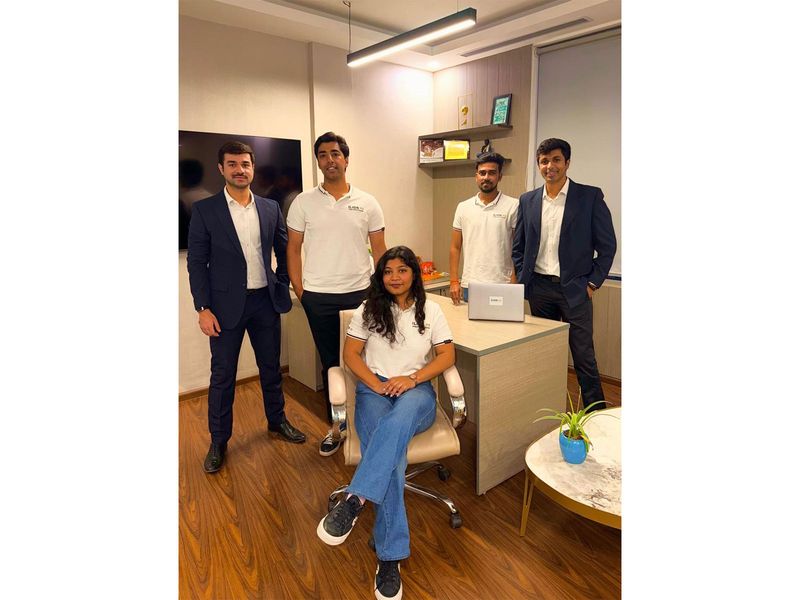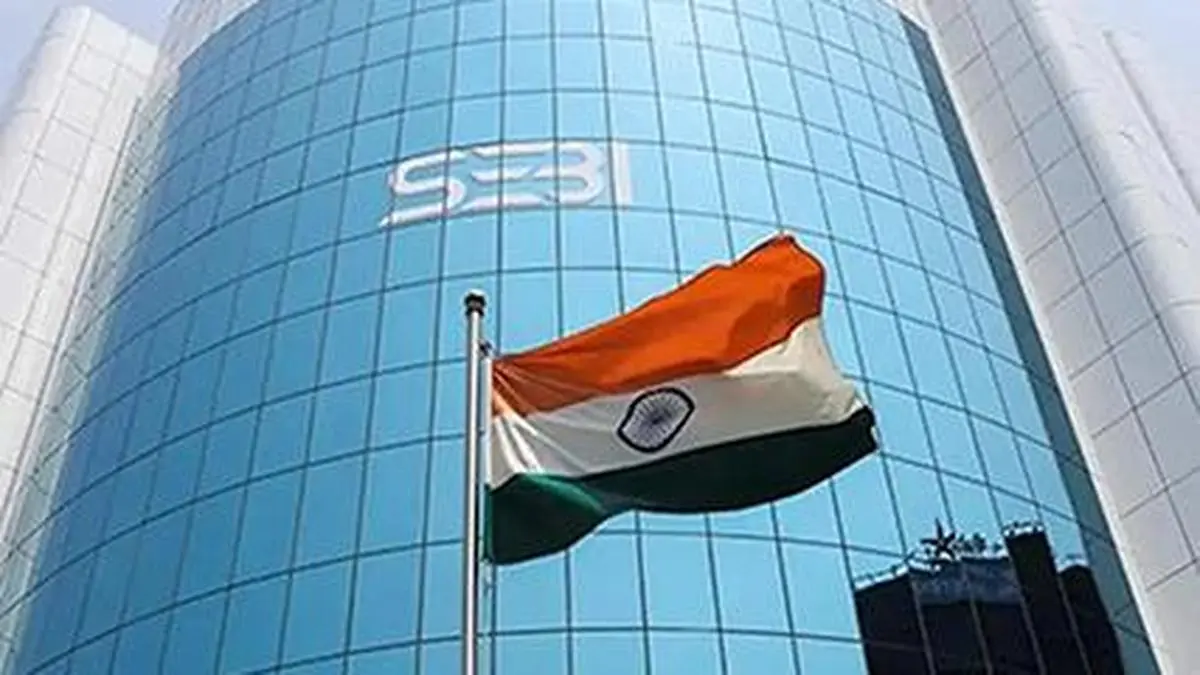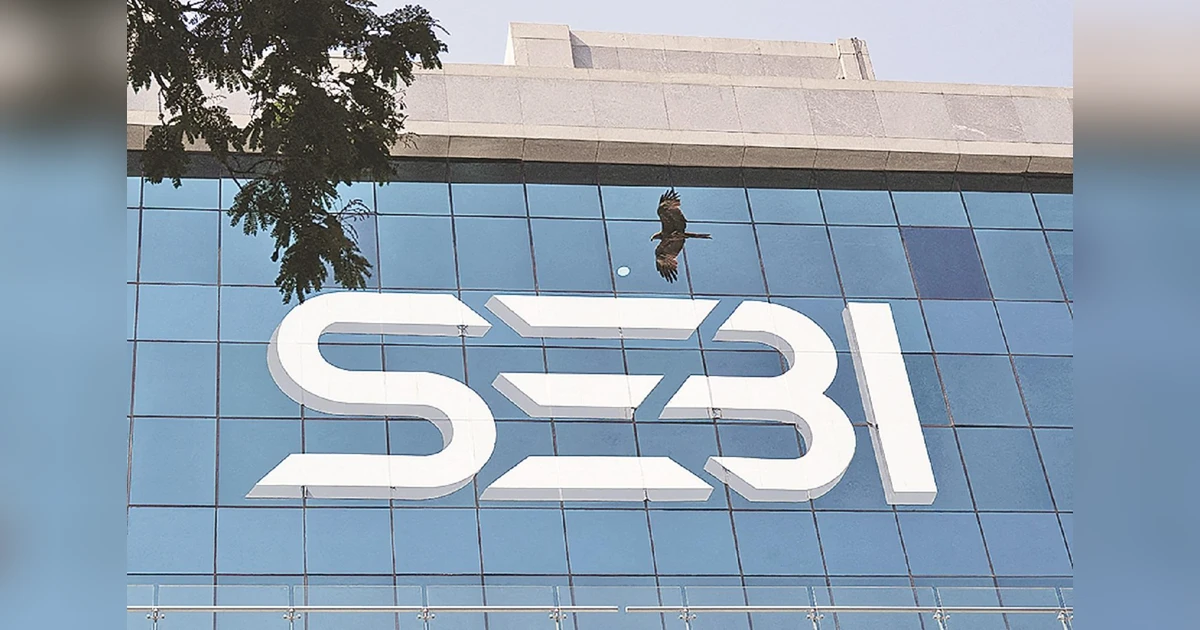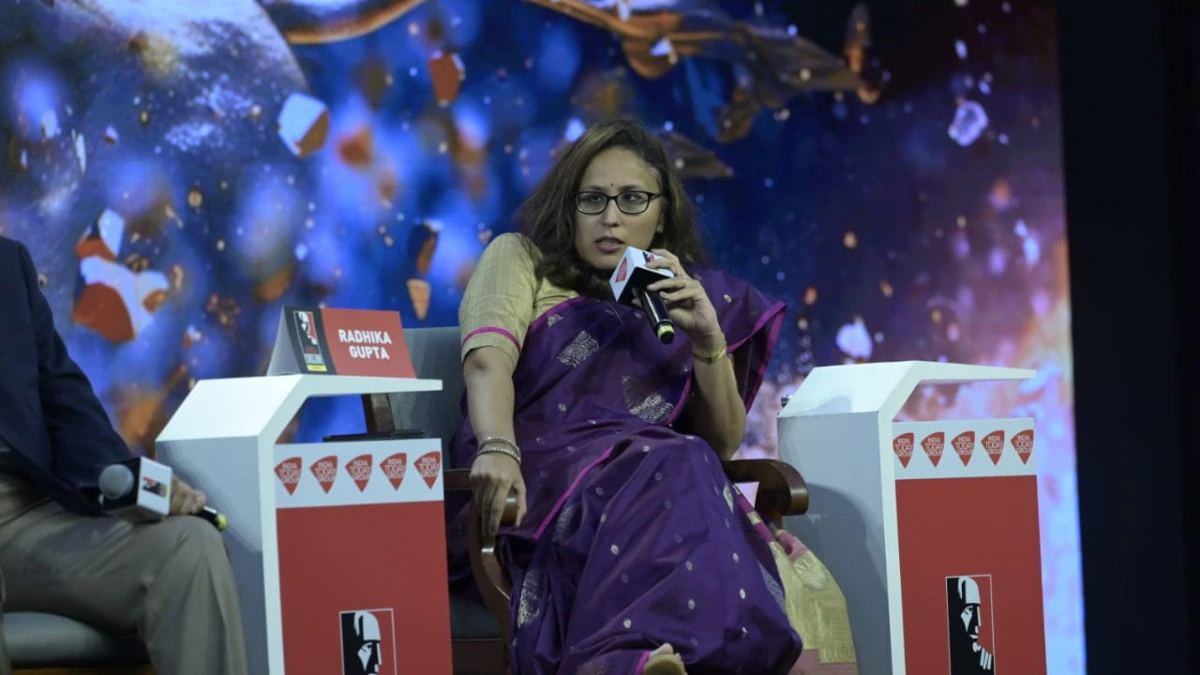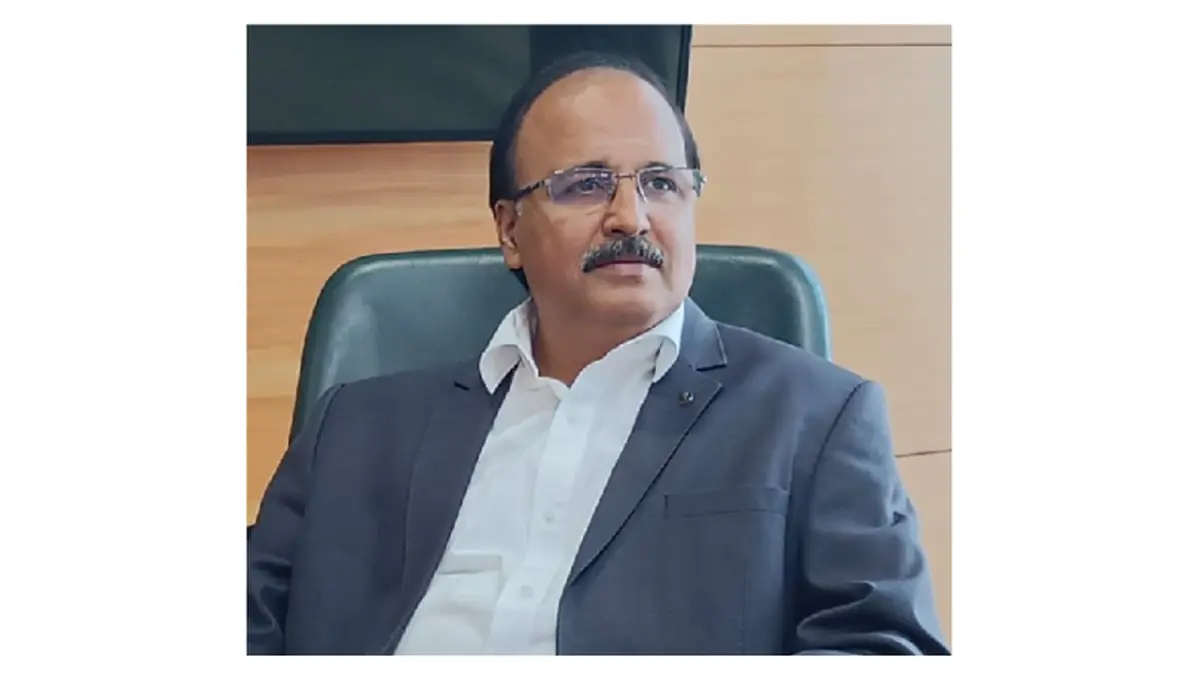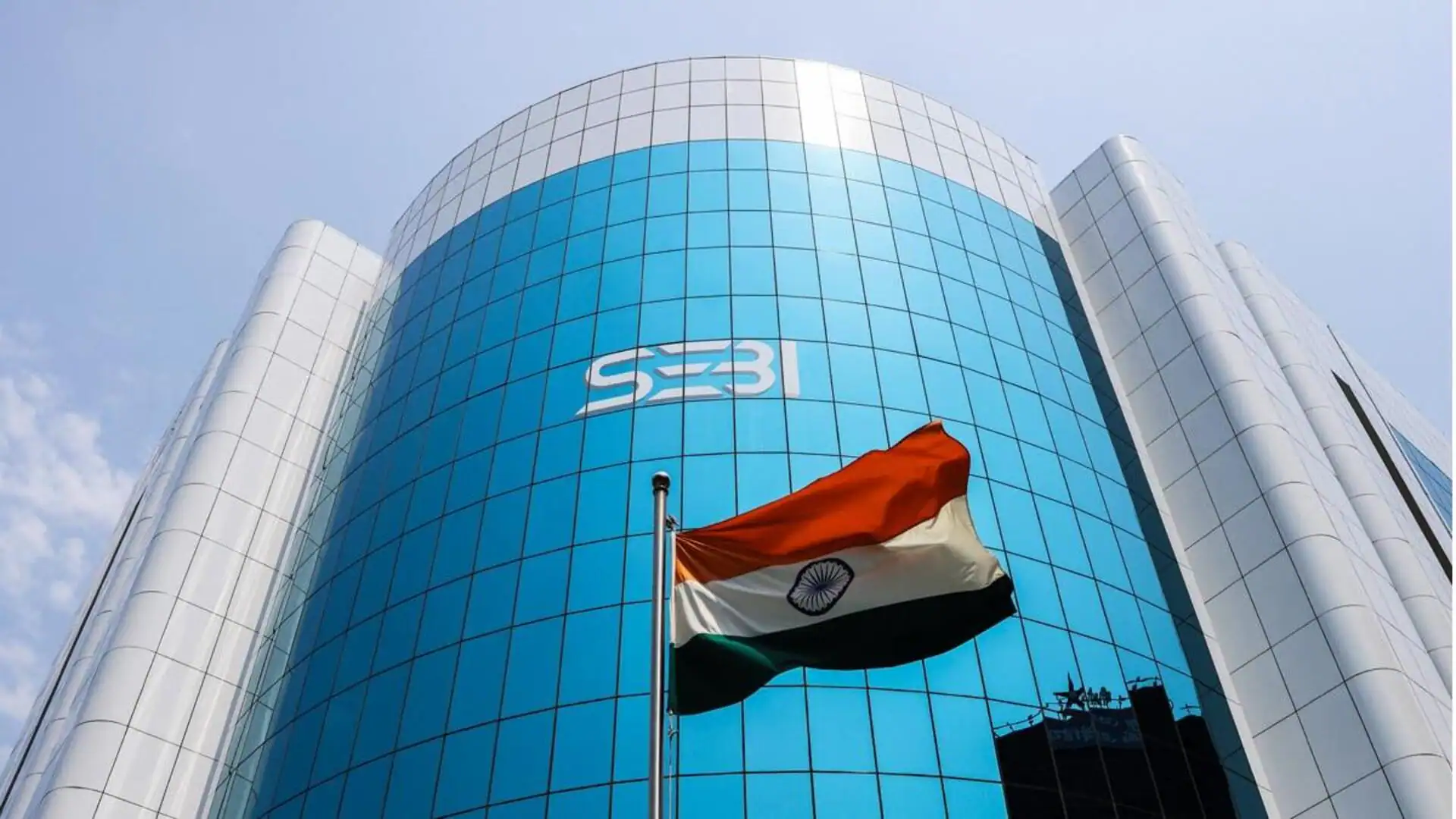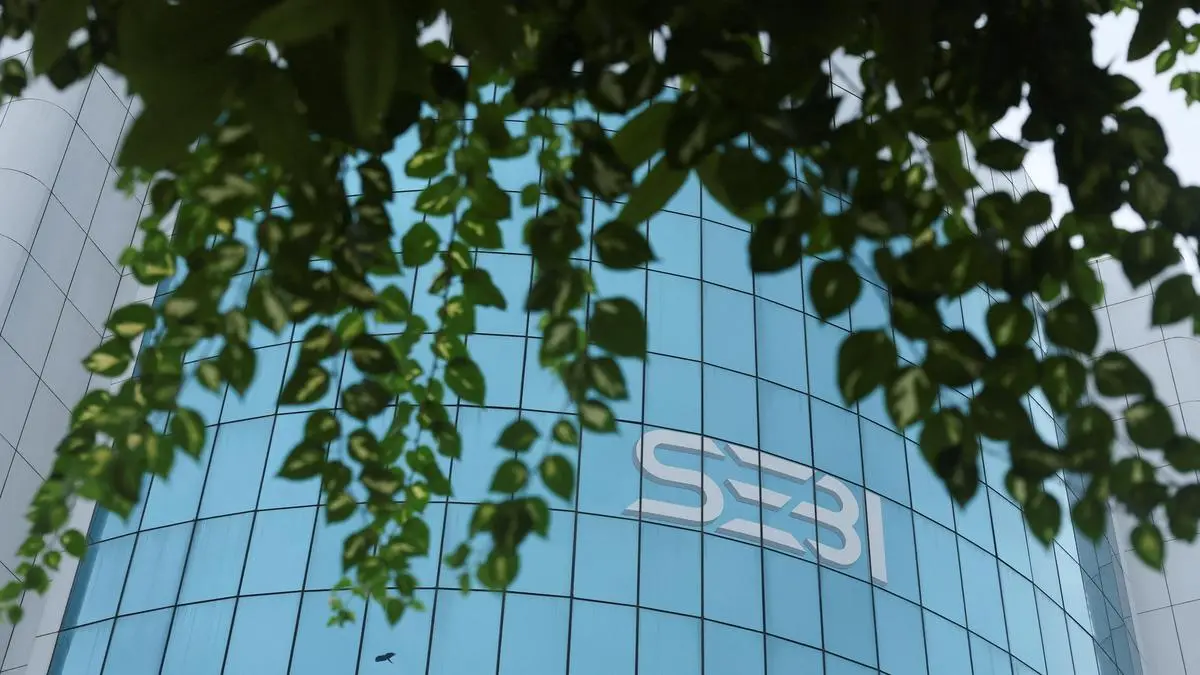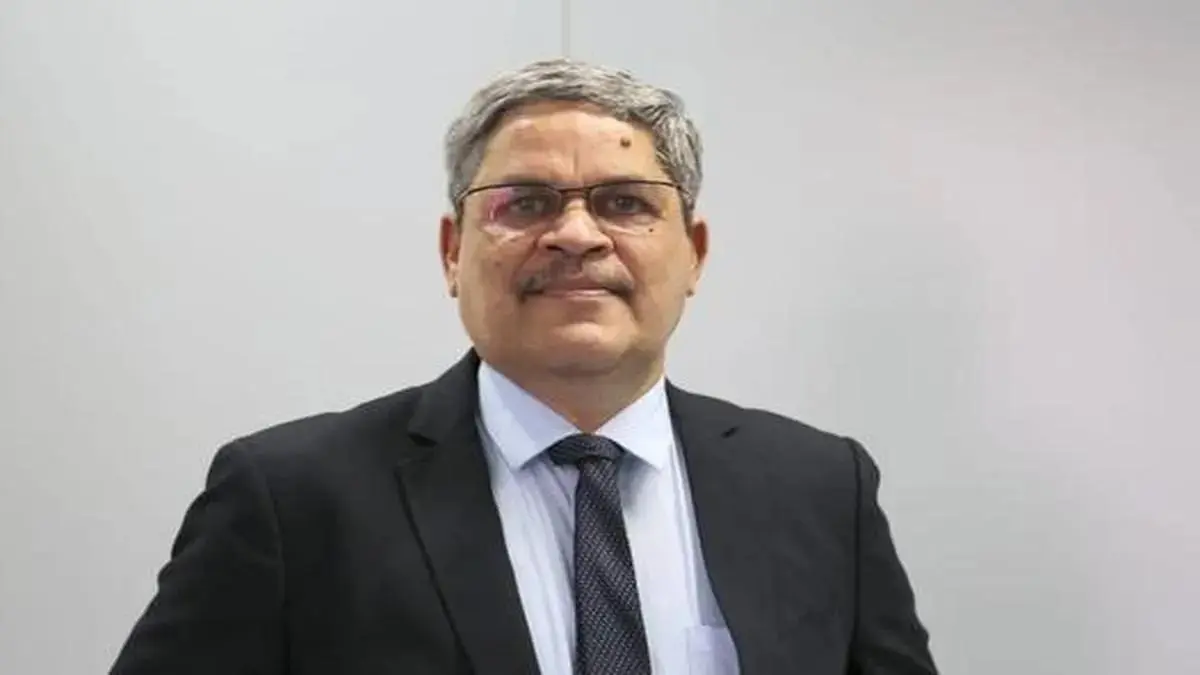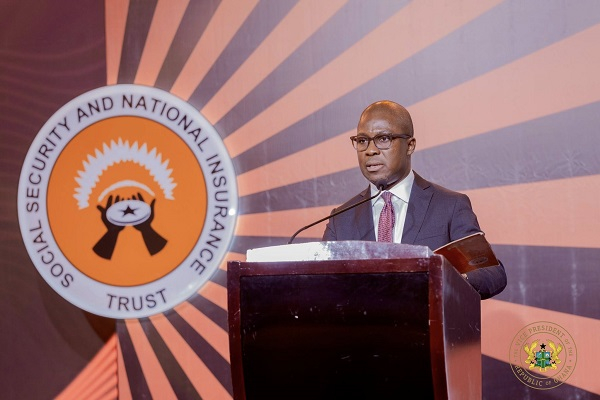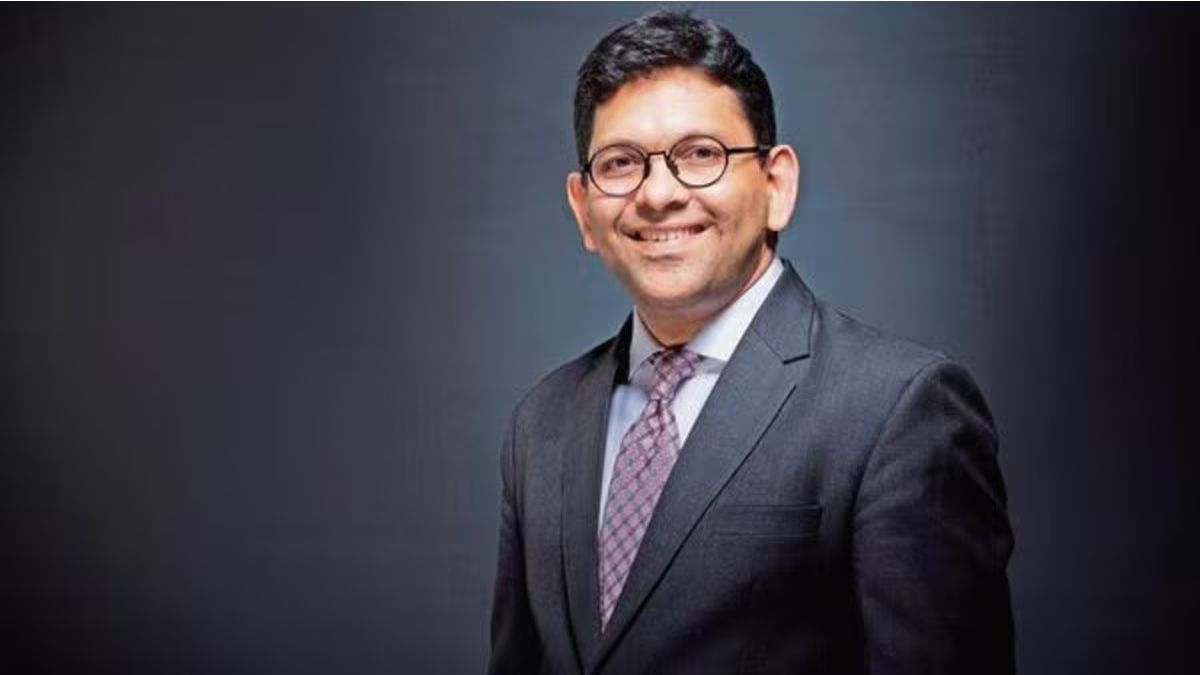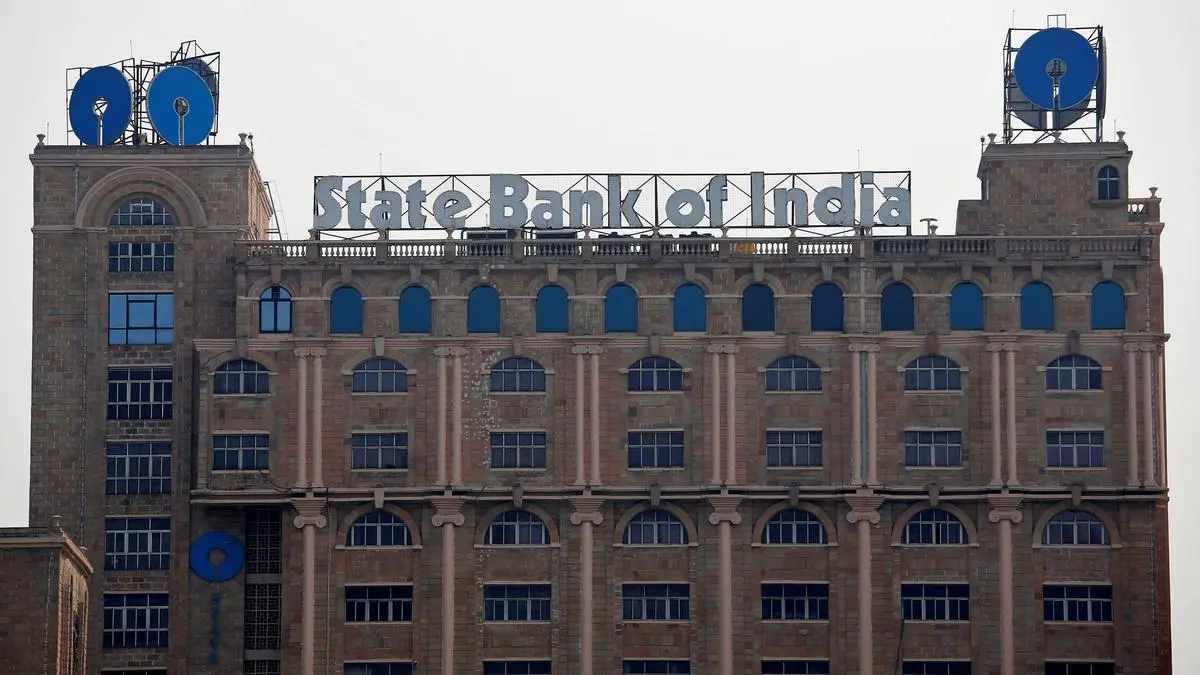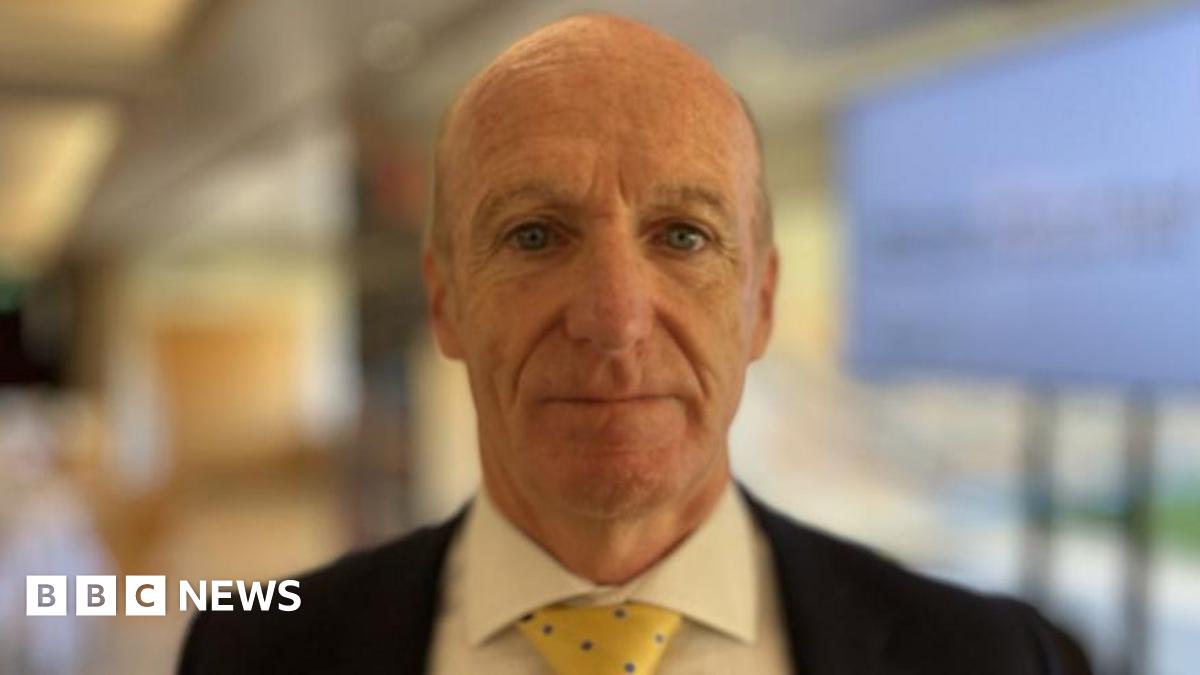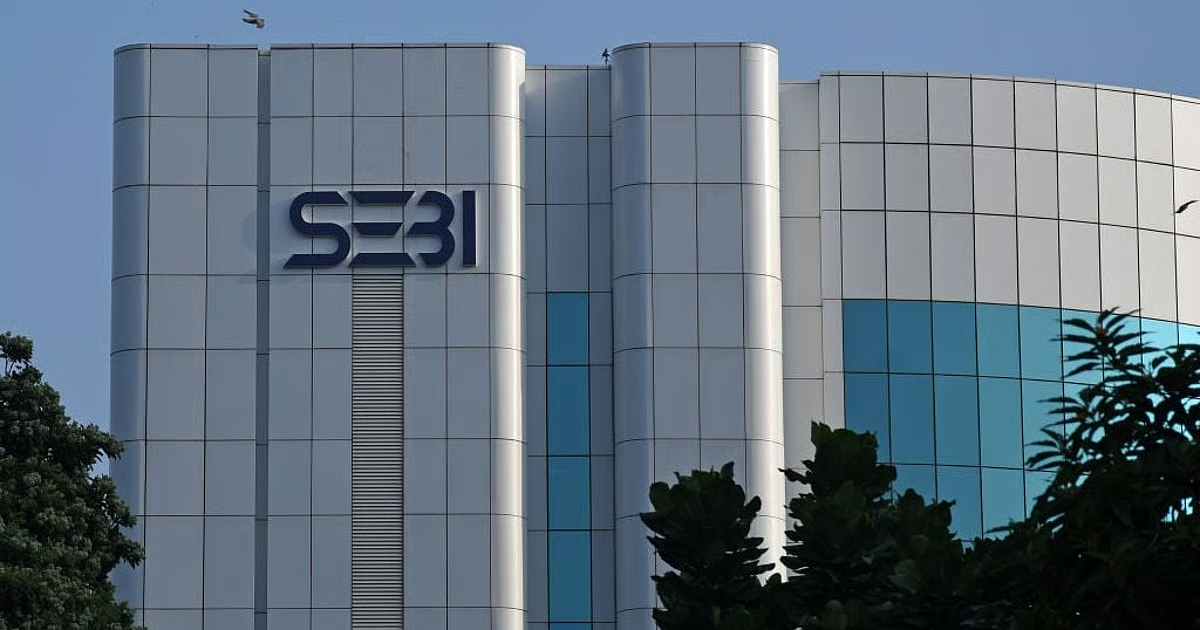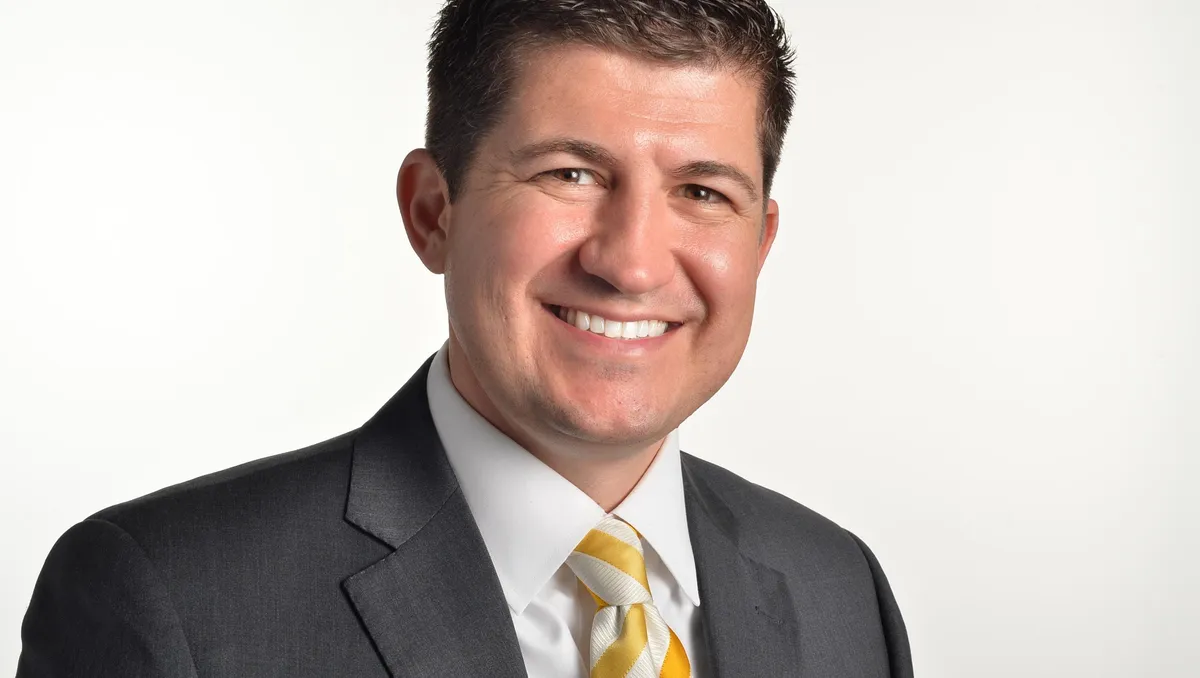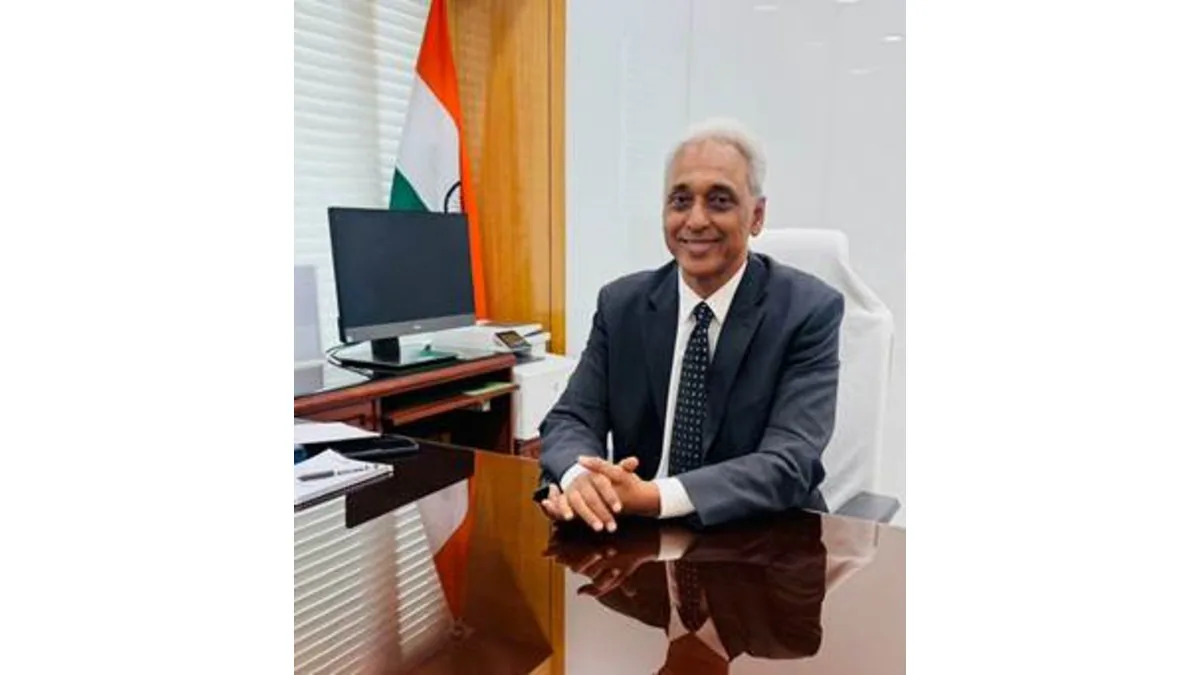
The decision was approved at SEBI’s board meeting on Friday, June 19, chaired by SEBI Chairman Tuhin Kanta Pandey.
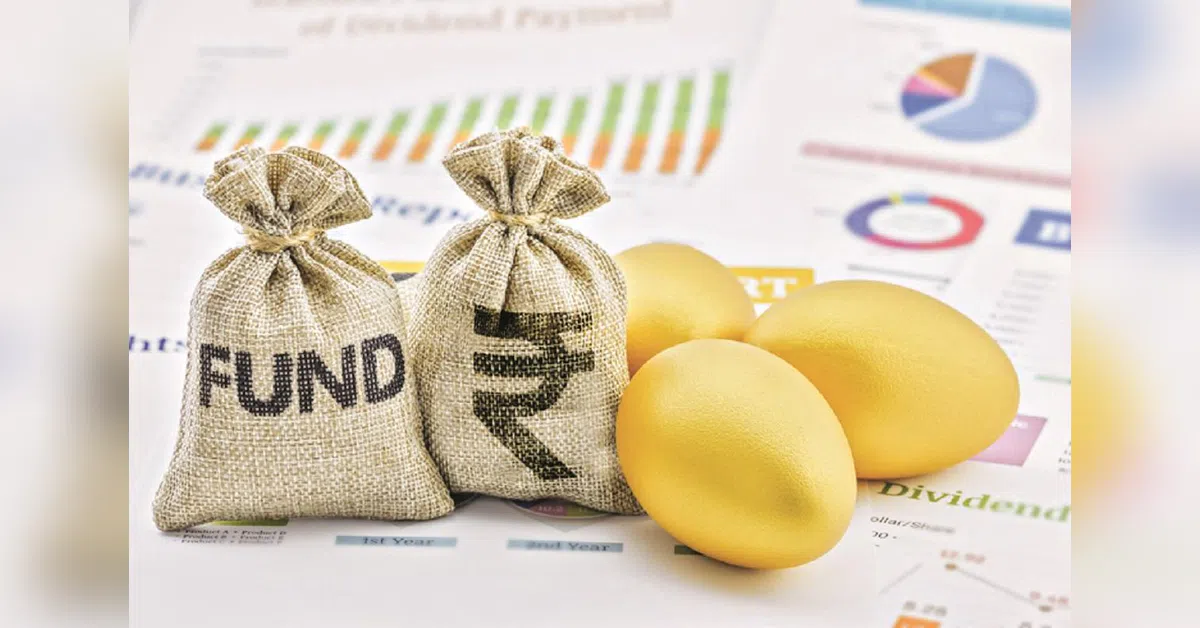
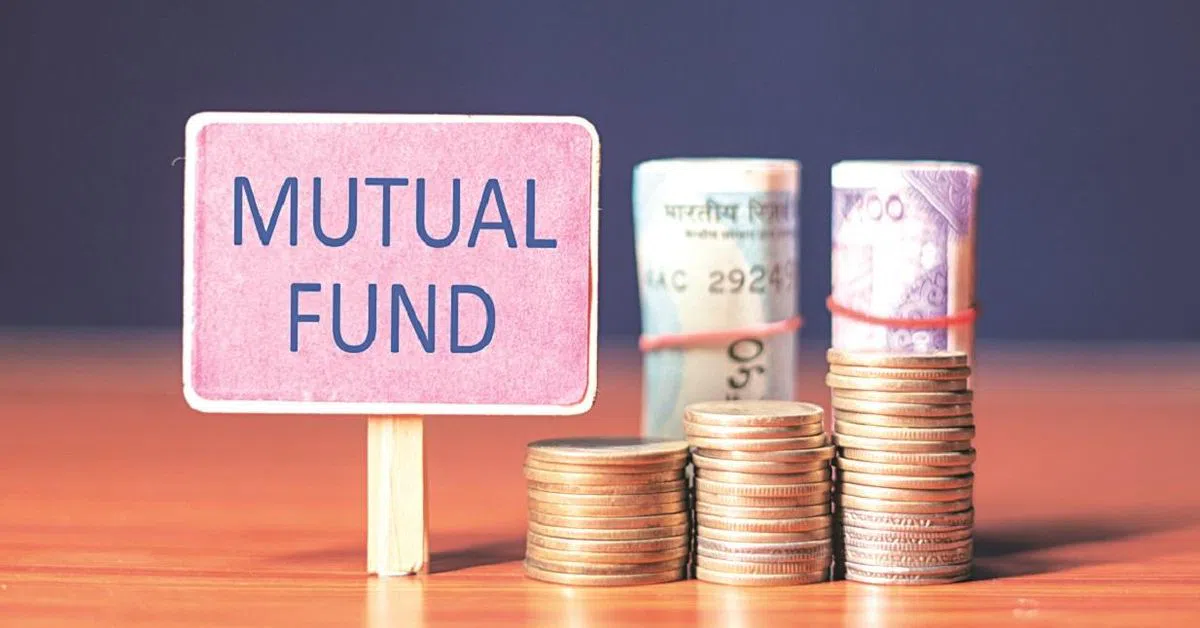
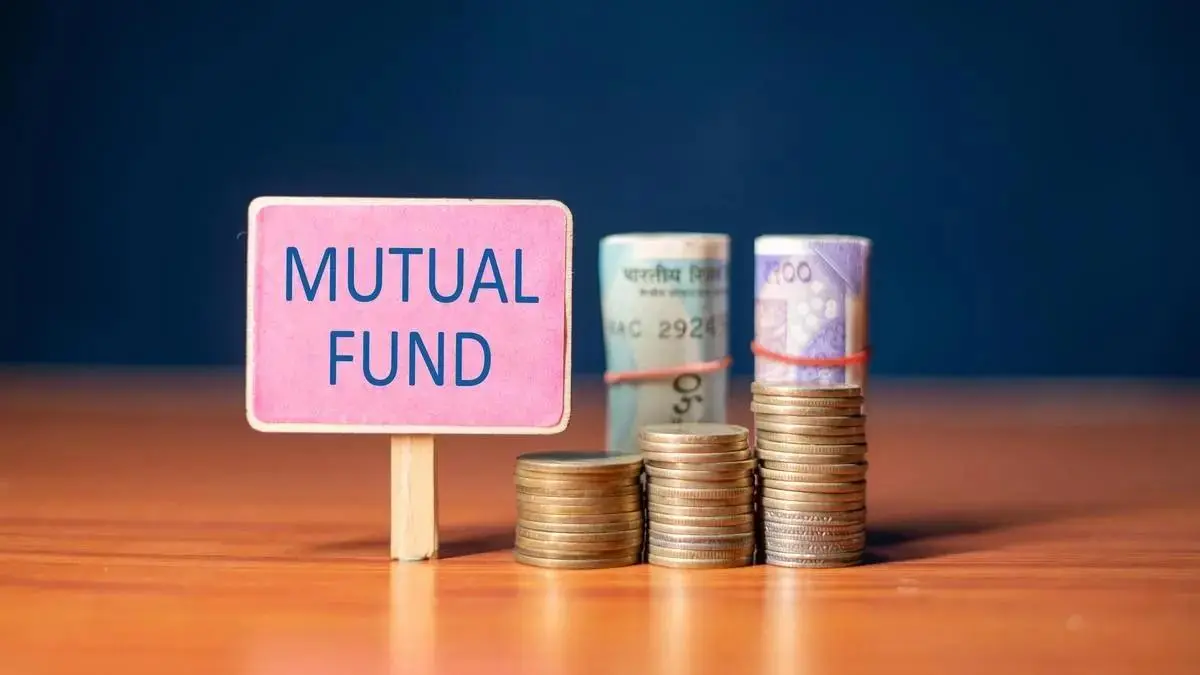
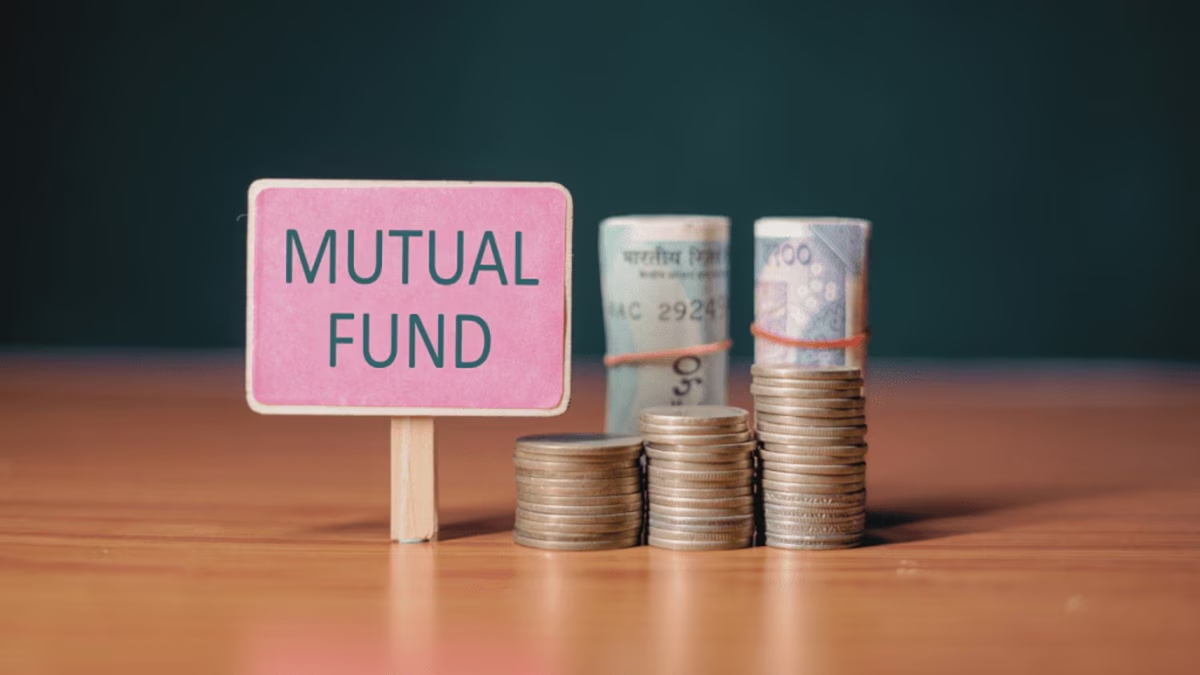
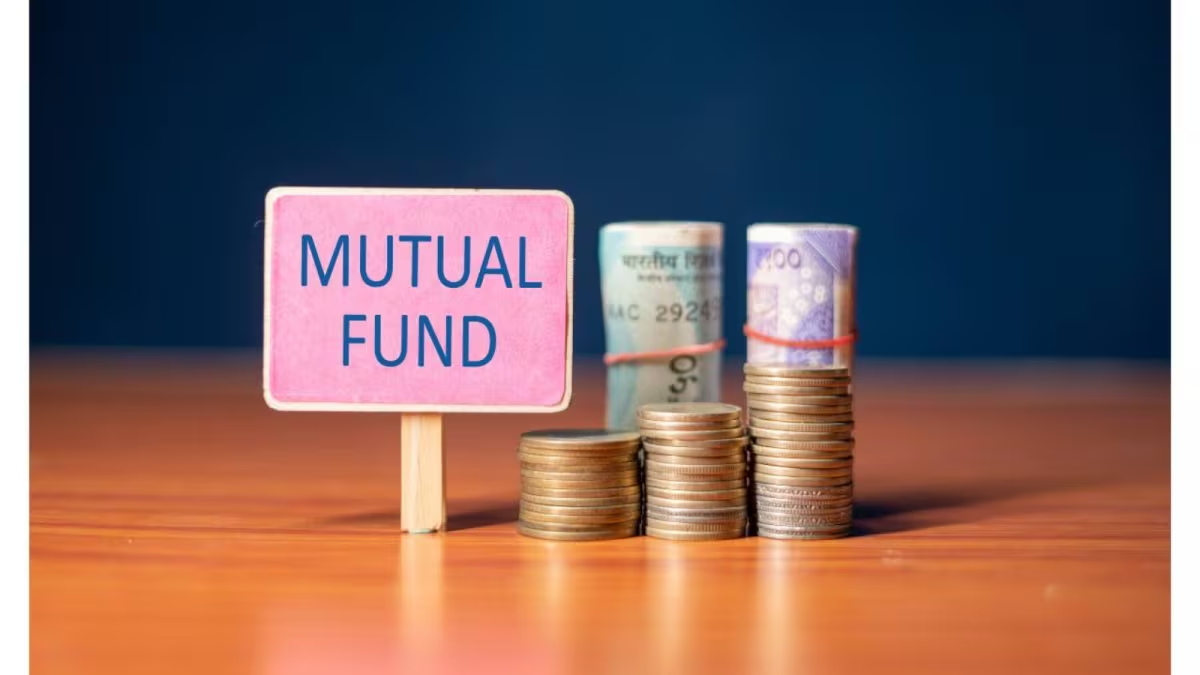
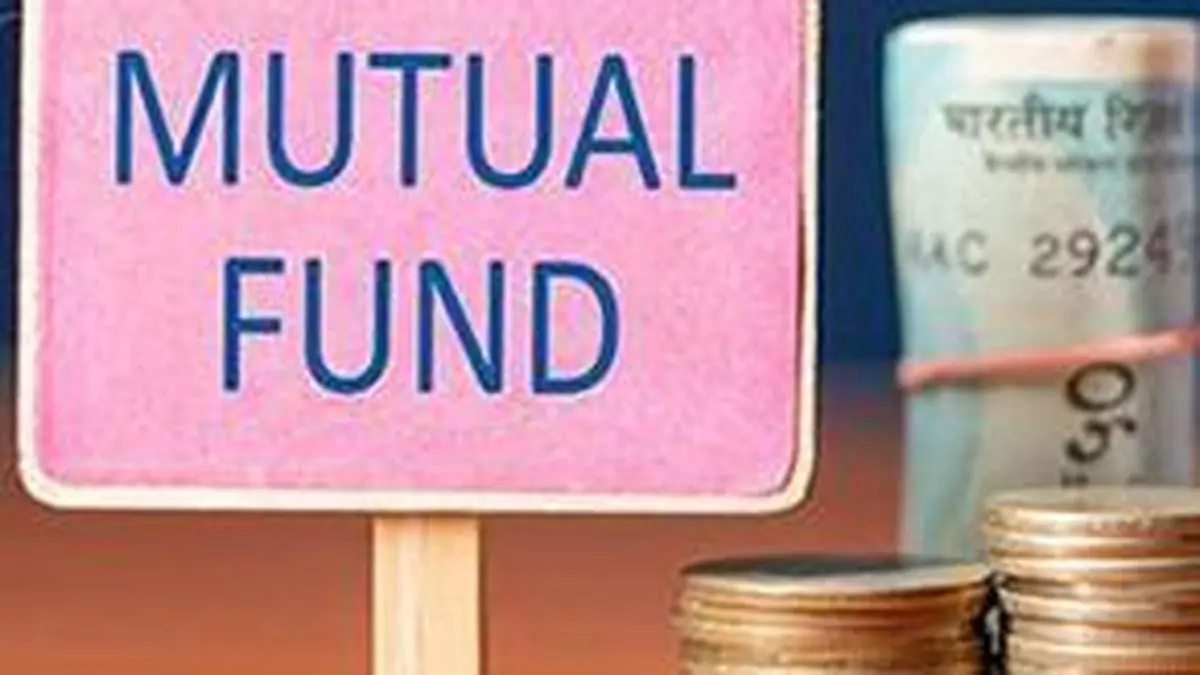
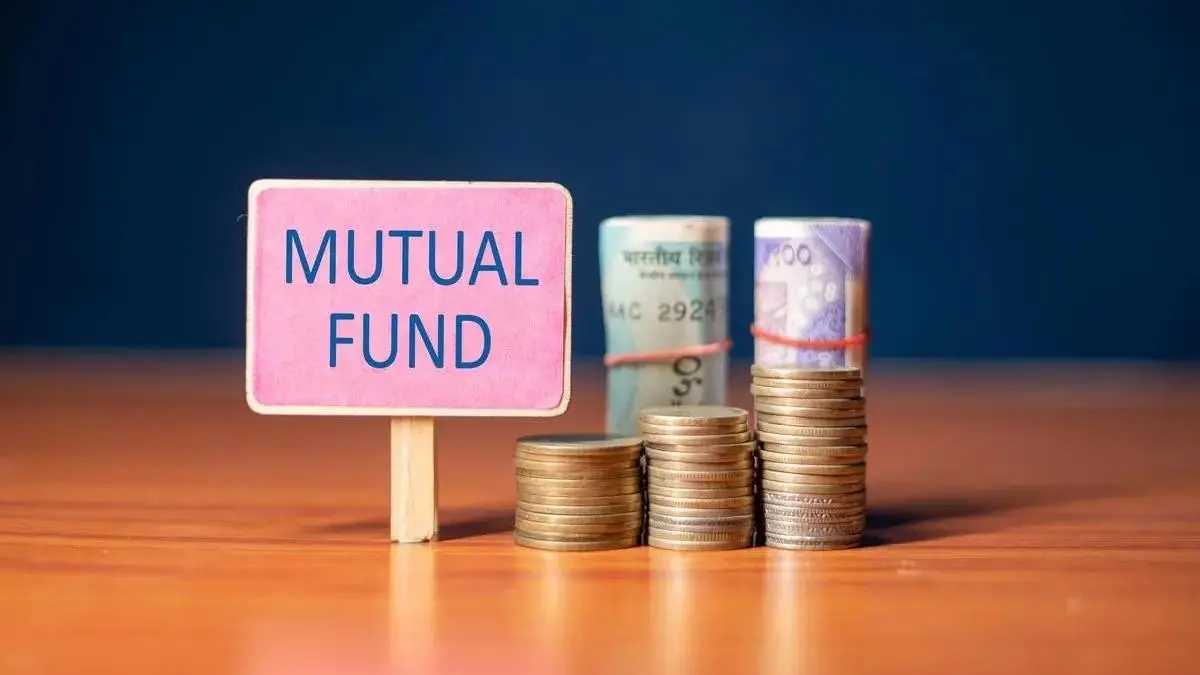
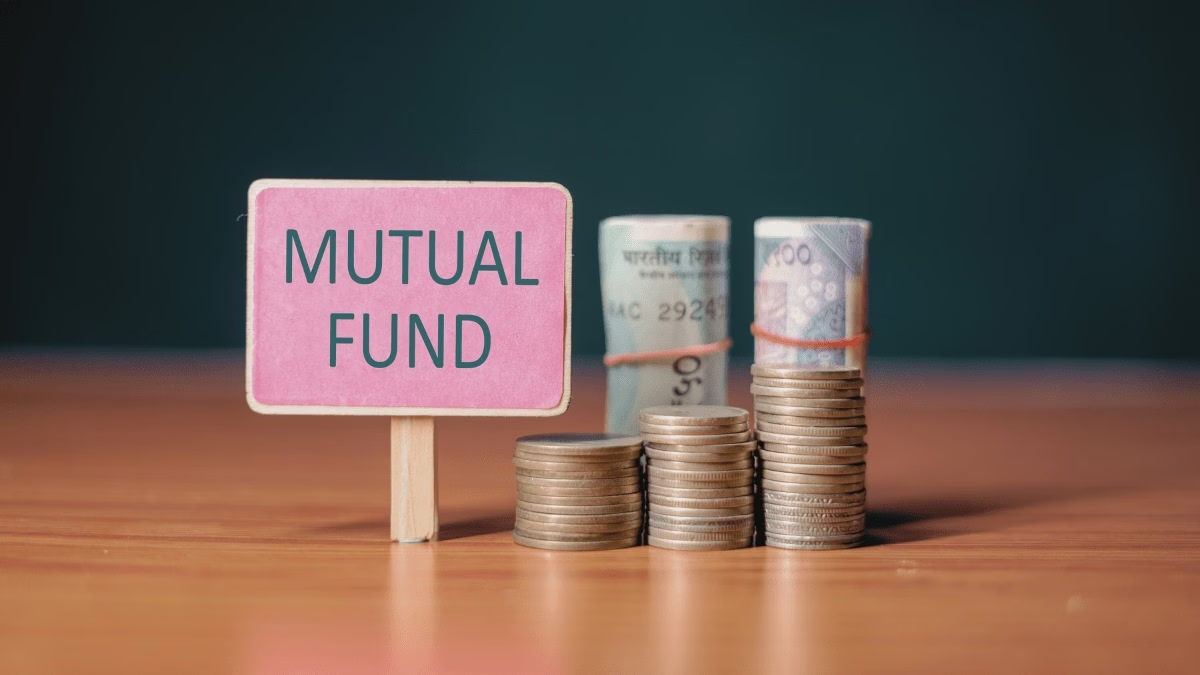
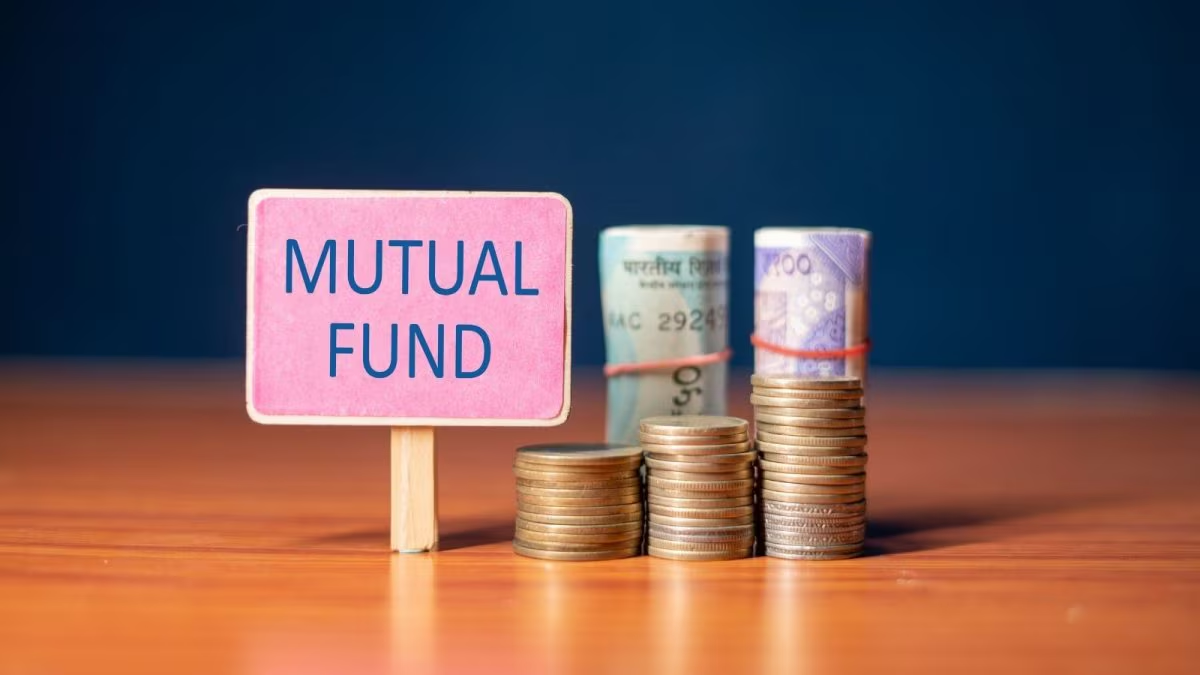
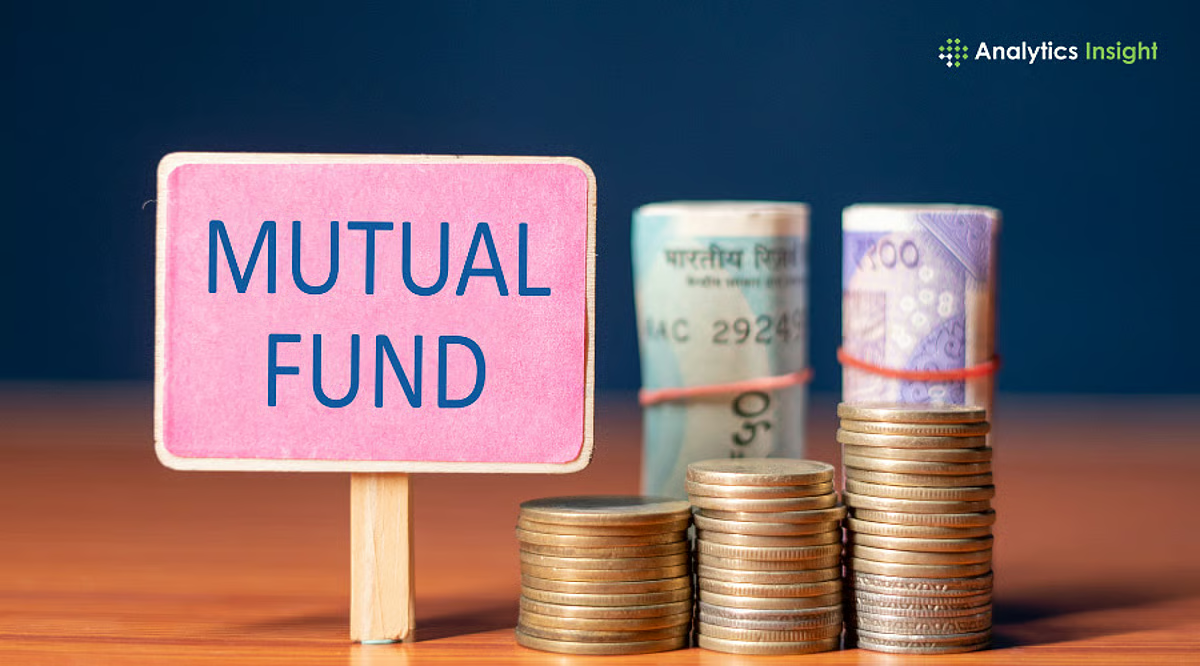
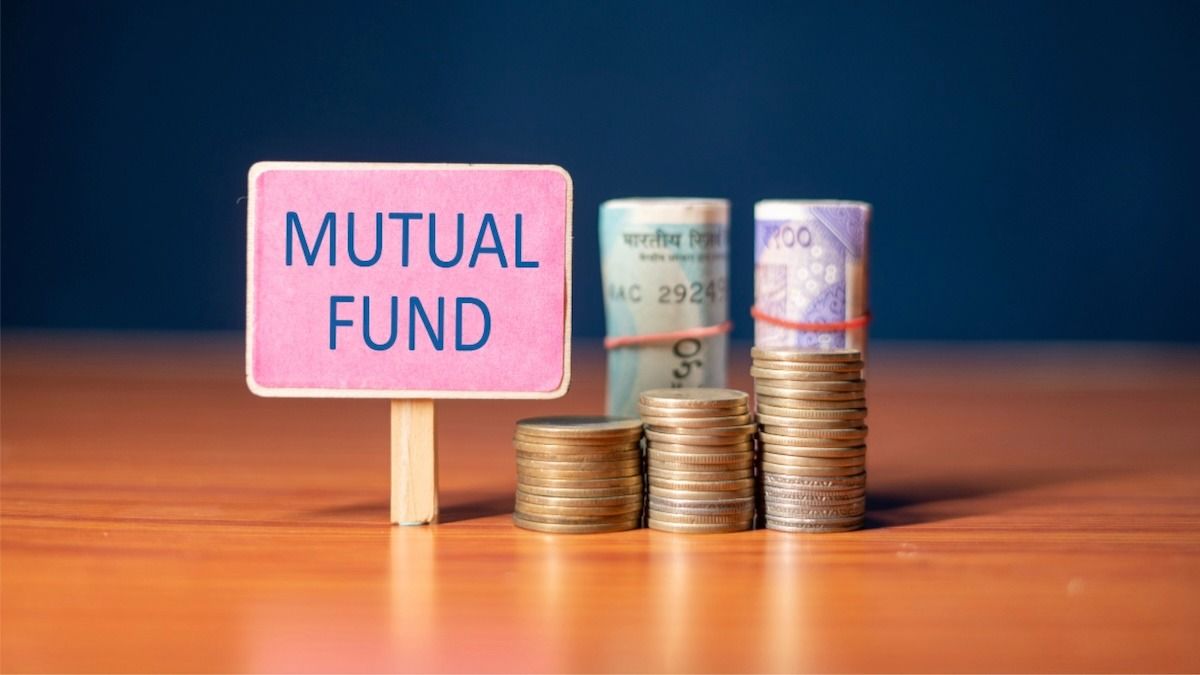
Under the revised framework, mutual funds can use intraday borrowings to bridge timing gaps between pay-in and pay-out obligations within an asset class, meet foreign exchange settlement requirements, fulfil mark-to-market obligations on derivative positions, settle securities transactions and repay existing borrowings.
Also read: SEBI cuts approval time for alternative investment funds with new GARUDA framework
Previously, mutual funds were allowed to access intraday borrowing largely for redemption payouts, interest payments and Income Distribution-cum-Capital Withdrawal (IDCW) obligations, with the borrowing amount linked to guaranteed receivables expected on the same day.
SEBI said the changes are aimed at addressing temporary timing mismatches that arise during settlement cycles, where payment obligations may fall due before corresponding receivables are credited.
The regulator has also allowed mutual funds to avail intraday borrowings against expected inflows that are not formally guaranteed, including proceeds from secondary market sales, maturity proceeds and other settlement-related receivables.
Read more: SEBI brings back stock market route for company share buybacks from August 2026
However, SEBI clarified that intraday borrowings cannot be used as a source of leverage. All such borrowings must be repaid before the close of the trading day.
Any amount remaining outstanding beyond the same day will be treated as regular borrowing and will be subject to the existing borrowing limits prescribed under mutual fund regulations.
According to the regulator, the cost of intraday borrowing, as well as any losses arising from delays in receiving expected funds, will continue to be borne by the AMC and not by mutual fund investors.
SEBI noted that the move would provide greater flexibility in liquidity management and help mutual funds manage settlement obligations more efficiently without disrupting investment activities.
The decision forms part of a broader set of market reforms approved by SEBI’s board on Friday. The regulator also cleared the reintroduction of open-market share buybacks through stock exchanges under a revised framework.