A new Financial Times investigation has revealed how Iran’s Revolutionary Guards allegedly used a company based in the United Arab Emirates to procure advanced Chinese satellite communications equipment connected to its military drone operations.
The article says Iran managed to use commercial networks inside the UAE even after Tehran later launched missiles and drones at the Gulf state during the escalating Middle East conflict.
The procurement operation involved military-grade satellite antenna technology that was allegedly routed through a UAE-based company called Telesun, located in the emirate of Ras al Khaimah.
The equipment was reportedly linked to Iran’s Islamic Revolutionary Guard Corps Aerospace Force, the same military branch associated with Iran’s ballistic missile and drone programmes.
The shipment reportedly moved through Dubai before reaching Iran
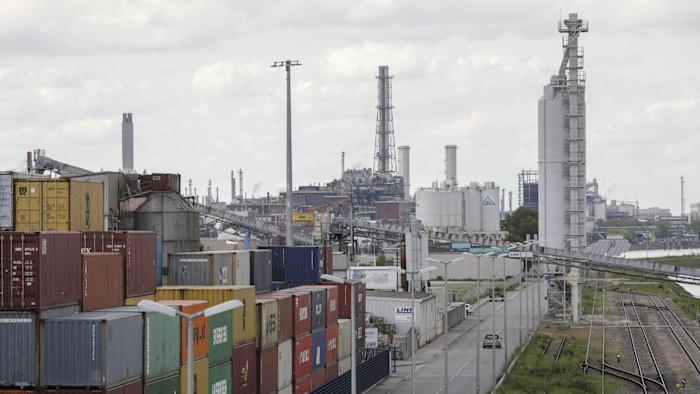
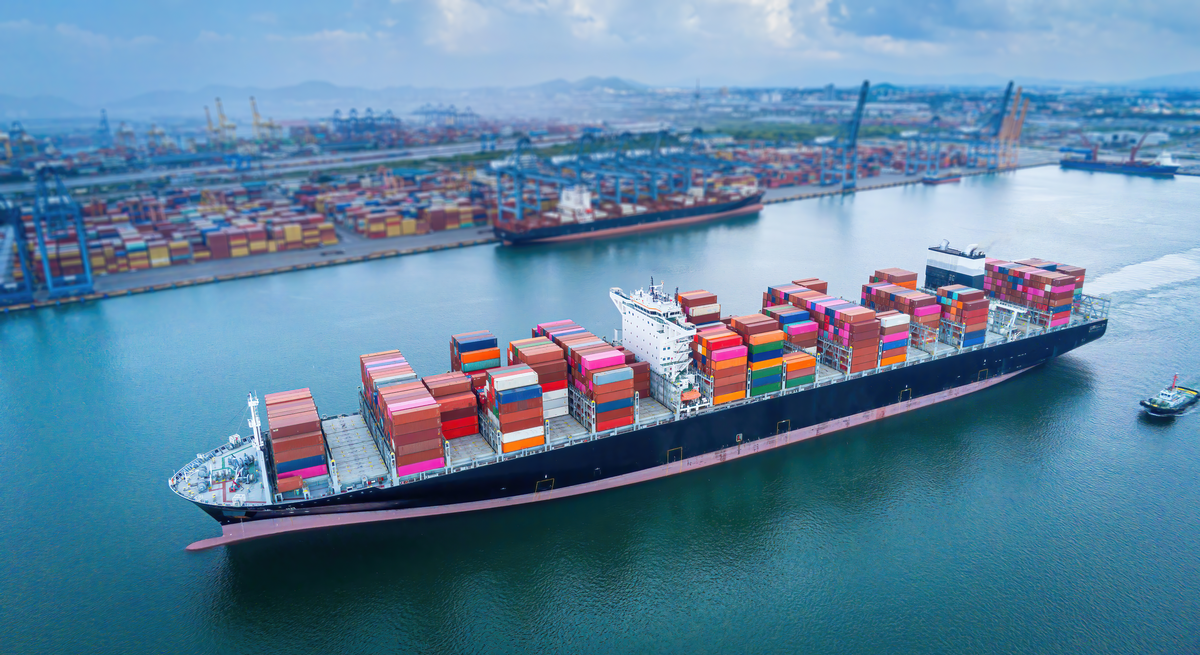
Nearly 1.8 tonnes of Chinese-made satellite antenna equipment travelled from Shanghai to Iran using commercial shipping routes through the UAE.
According to shipping records and customs documents, the cargo first arrived at Dubai’s Jebel Ali container port aboard a Chinese vessel before later being transferred onto an Iranian ship called the Rama III.
The Iranian vessel then attempted to disguise its actual movements by broadcasting false navigational data while travelling through Gulf waters, a practice known as “spoofing.”
Satellite imagery showed discrepancies between the ship’s publicly transmitted location and its actual position, suggesting deliberate attempts to conceal that it had travelled toward Iran.
Later satellite images allegedly showed a vessel matching the Rama III docked at Iran’s Shahid Rajaee port in Bandar Abbas, the final delivery destination named in the shipping documents.
The equipment was allegedly tied to Iran’s drone and missile programmes
The shipment included a large motorised satellite antenna manufactured by the Chinese company StarWin.
Documents reportedly showed the equipment was consigned to an Iranian telecommunications company called Ertebatat Faragostar Kish, or EFK.
EFK was allegedly working on behalf of another Iranian company called Saman Industrial Group.
The United States Treasury sanctioned Saman in 2023, accusing it of acting as a commercial front for the Revolutionary Guards’ Aerospace Force Self Sufficiency Jihad Organization, a research and development unit associated with missiles, electronic warfare systems and drones.
American authorities have previously accused the organisation of using international intermediary companies to obtain drone-related components, including servomotors, antennas and other equipment with military applications.
The UAE’s role highlights wider sanctions concerns
There have been long-running concerns surrounding the UAE’s role as a regional trade and logistics hub.
For decades, the Emirates has hosted large Iranian business communities and extensive offshore commercial activity. Analysts quoted in the report argue that free-trade zones across the UAE can sometimes make it difficult to fully monitor shipments and financial flows, creating opportunities for sanctions evasion and illicit procurement networks.
Iran allegedly relied on commercial infrastructure inside the UAE despite later targeting the Gulf state with missile and drone attacks during the regional conflict.
Iran launched more than 2,800 drones and missiles at the UAE during retaliatory strikes linked to the broader US-Israeli confrontation.
Growing Chinese links
China’s role in Iran’s military and technological supply chain has expanded.
Earlier this year, the Financial Times separately reported that Iran’s Revolutionary Guards had secretly acquired a satellite from a Chinese company called The Earth Eye, allegedly using it to monitor US military facilities and Gulf infrastructure before launching attacks.
The United States later imposed sanctions on The Earth Eye, accusing it of supporting Iranian military operations.
While neither Telesun nor Iranian officials responded to the Financial Times investigation, the report illustrates how Iran continues to rely on complex international commercial networks to obtain strategically sensitive technologies despite years of sanctions and export controls.