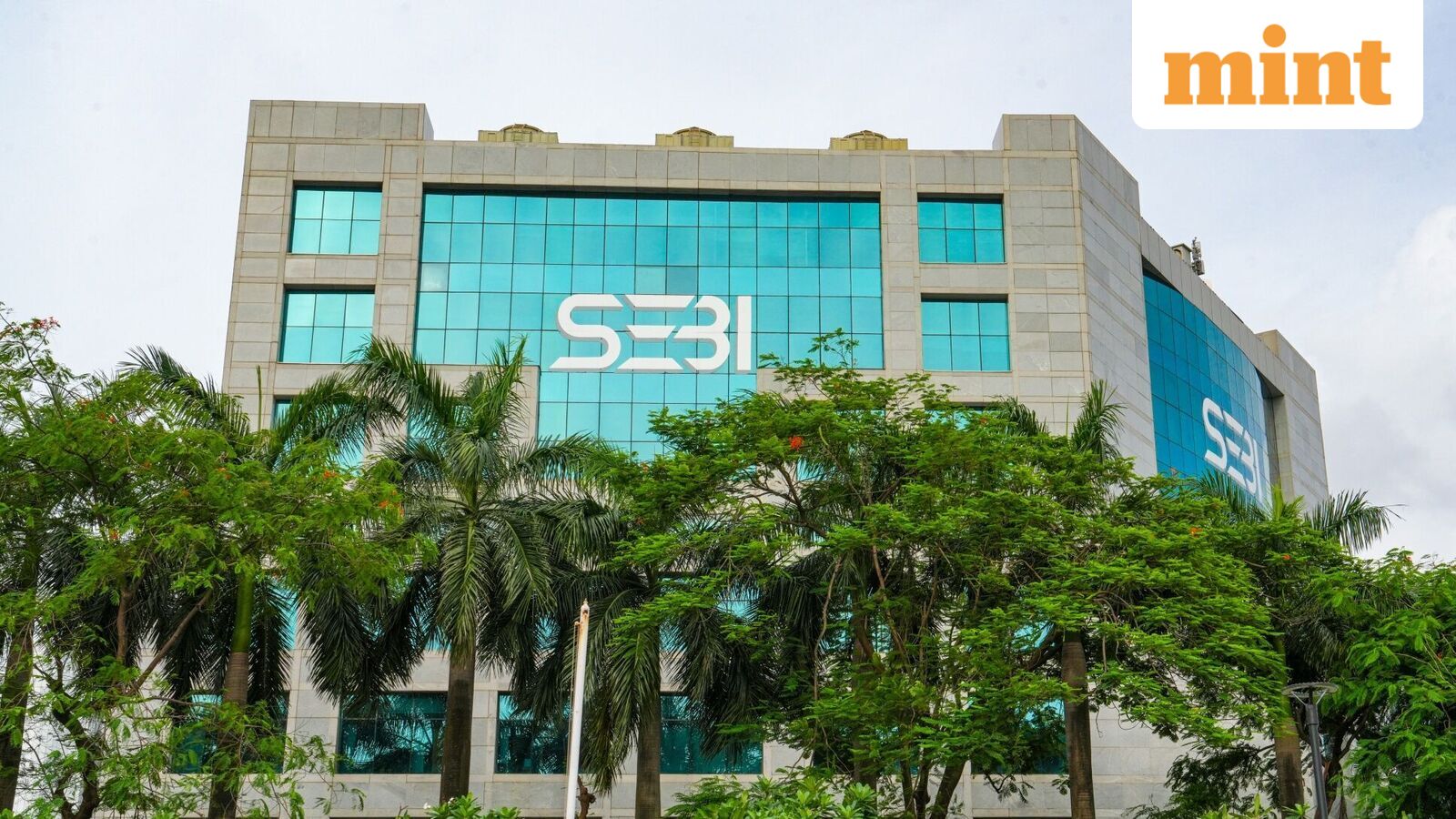
SBI Mutual Fund offers a wide variety of mutual fund schemes. These include equity, debt, hybrid, index and other funds. Each type has a different role to play. Investors can select a scheme as per their goal, time period and risk level. That’s why it’s important to understand how each scheme works before you invest.
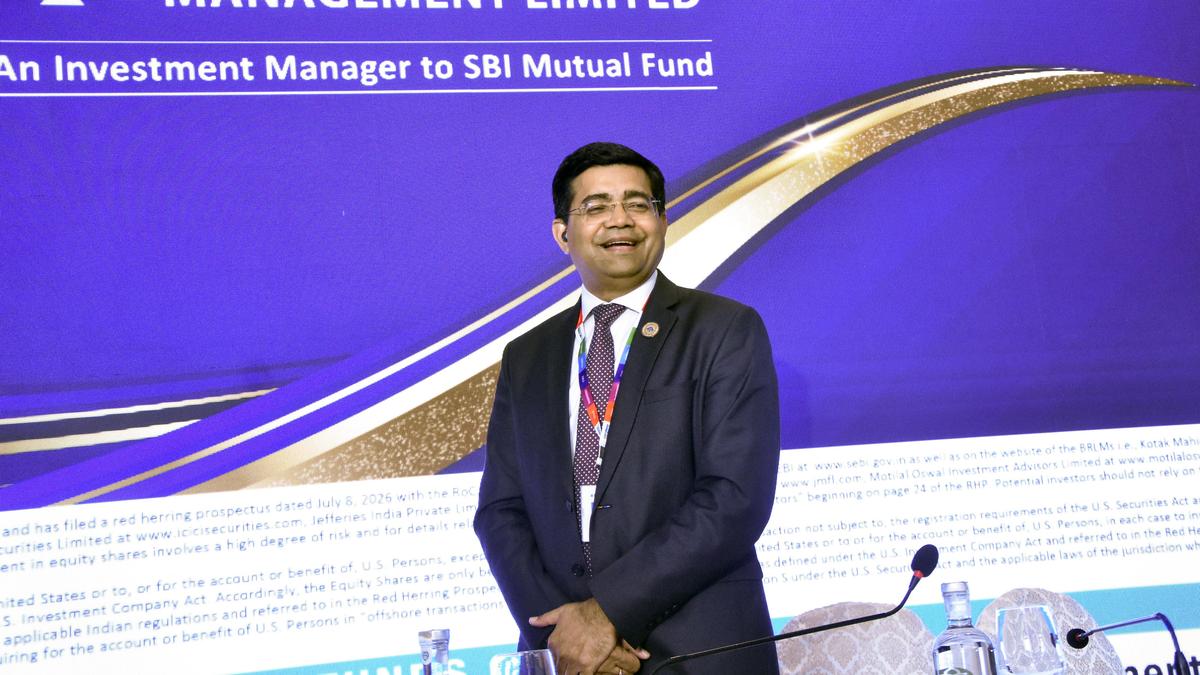
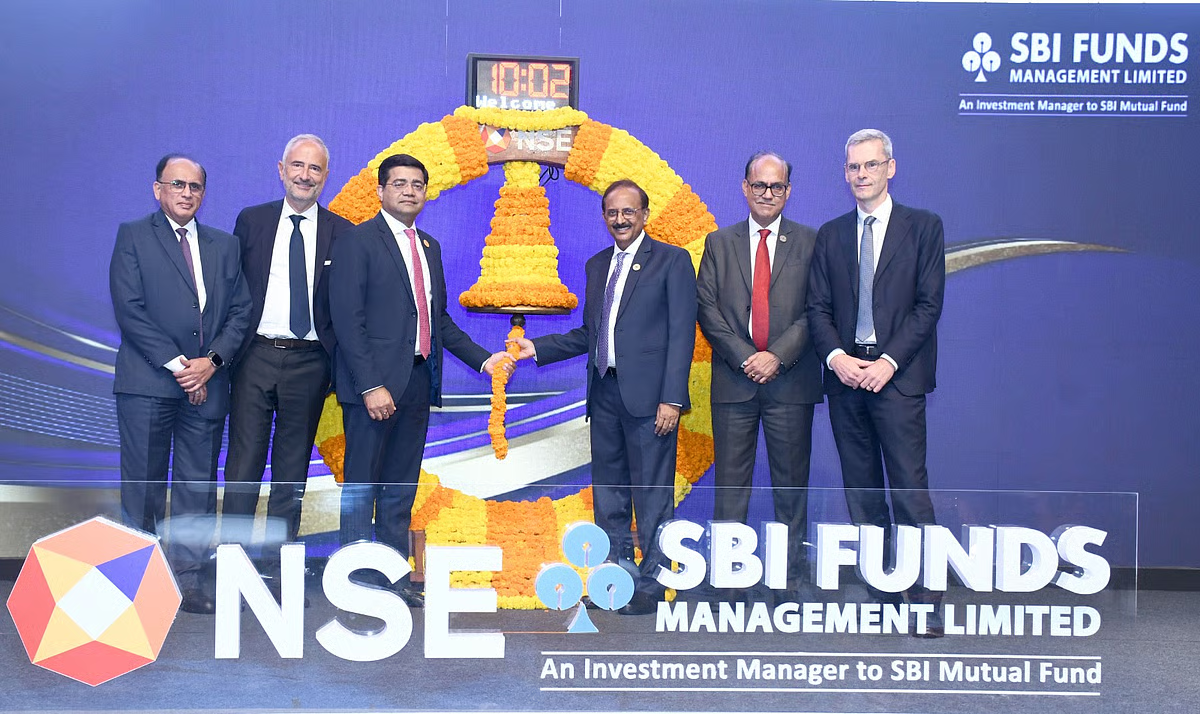
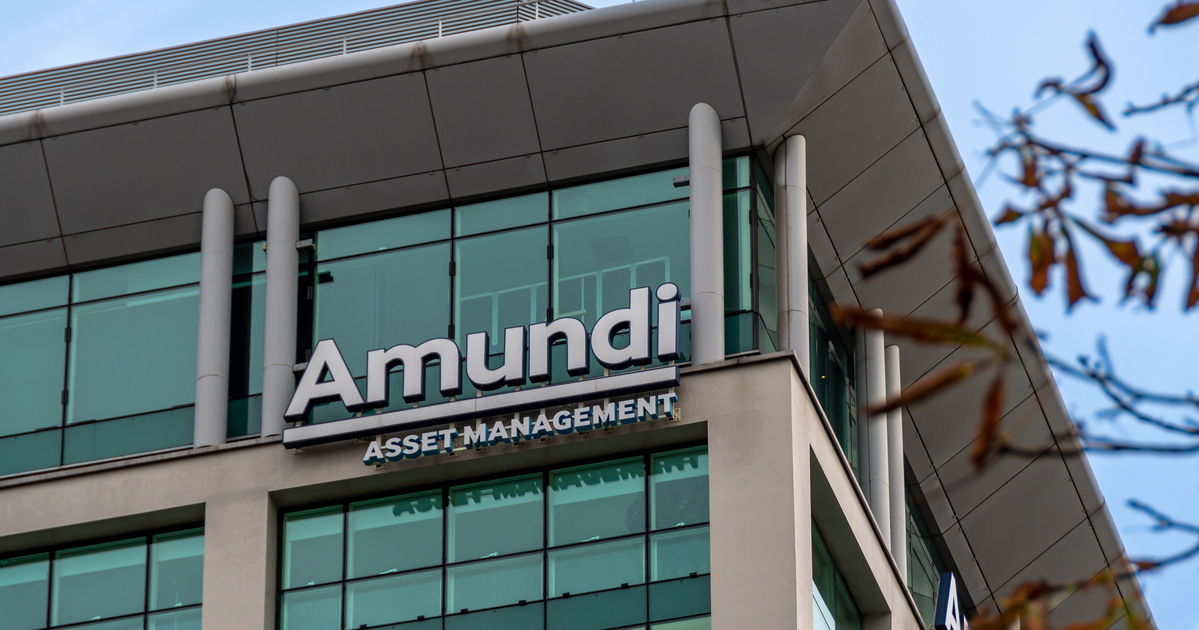
A Mutual Fund AMC looks after the money that is collected from the investors. SBI Mutual Fund is managed by SBI Funds Management Ltd. It is a joint venture of State Bank of India and Amundi. The fund house takes care of investment, research, risk and scheme operations. It also regularly disseminates information about its funds.
Different Types of Mutual Fund Schemes
SBI Mutual Fund provides schemes in different categories.
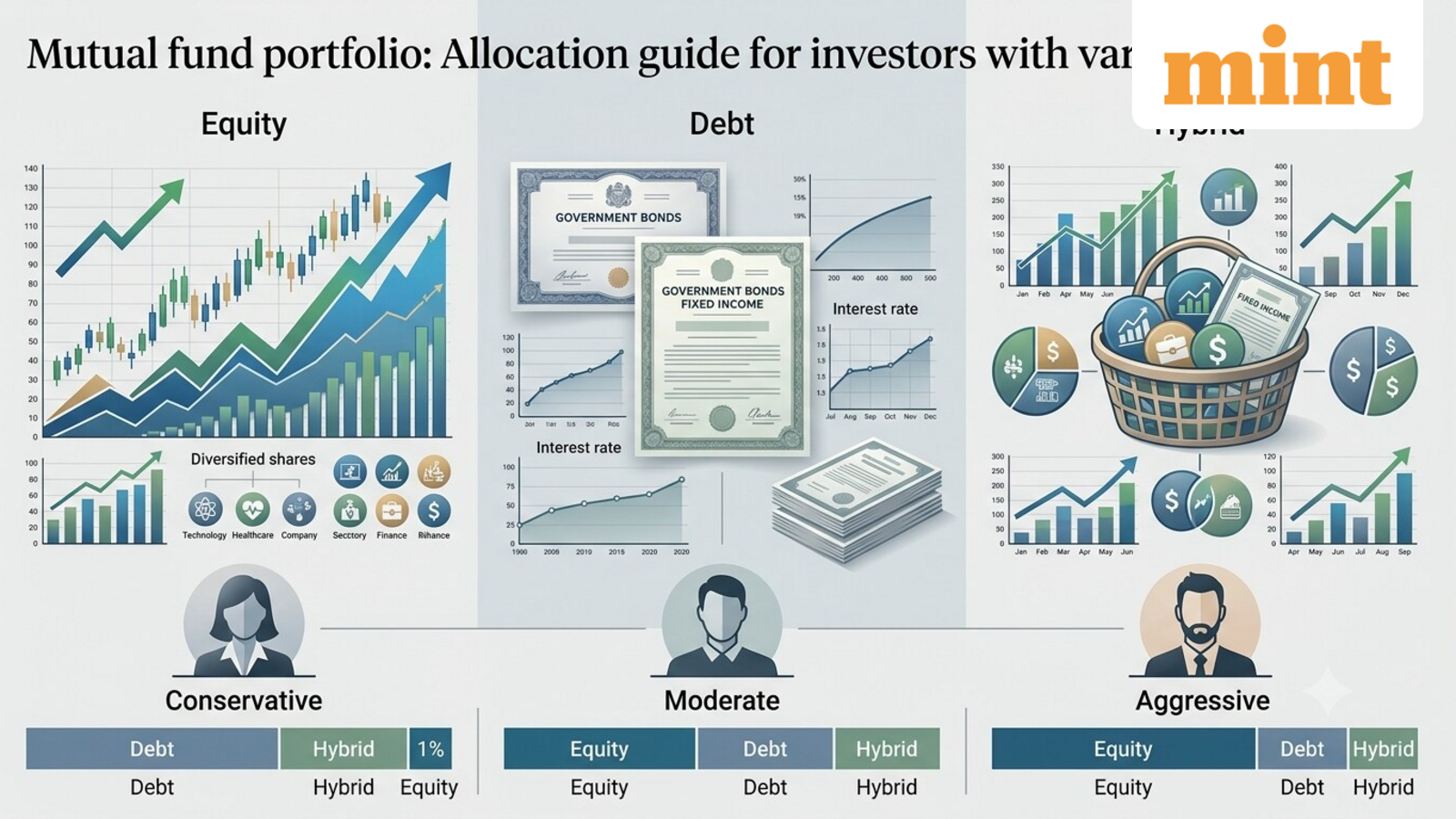
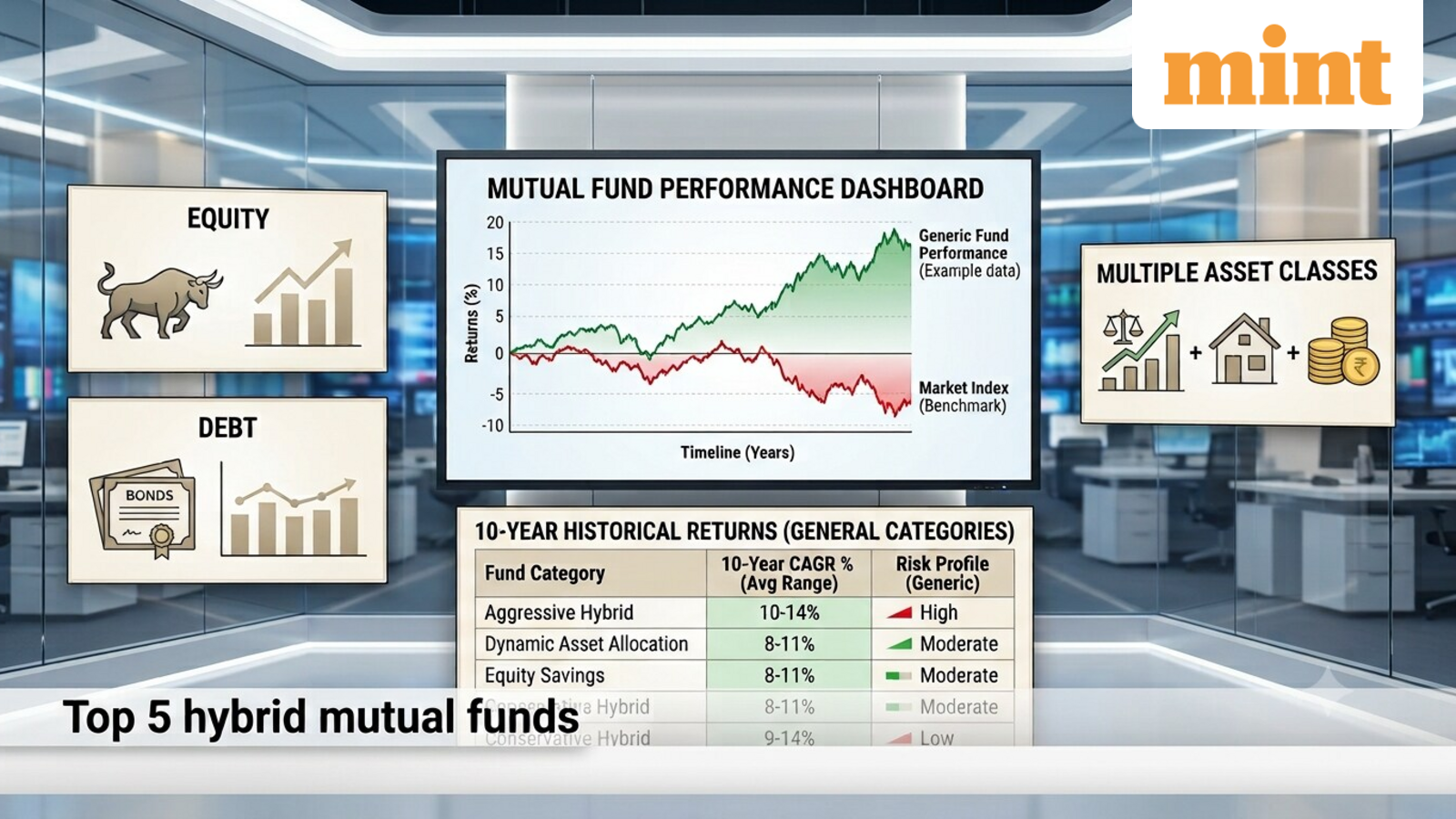
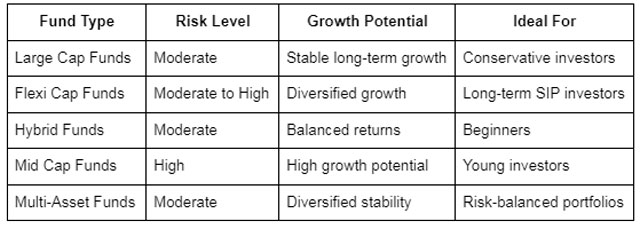
Equity funds invest primarily in shares of companies. They might be appropriate for investors with long-term goals who can handle market changes.
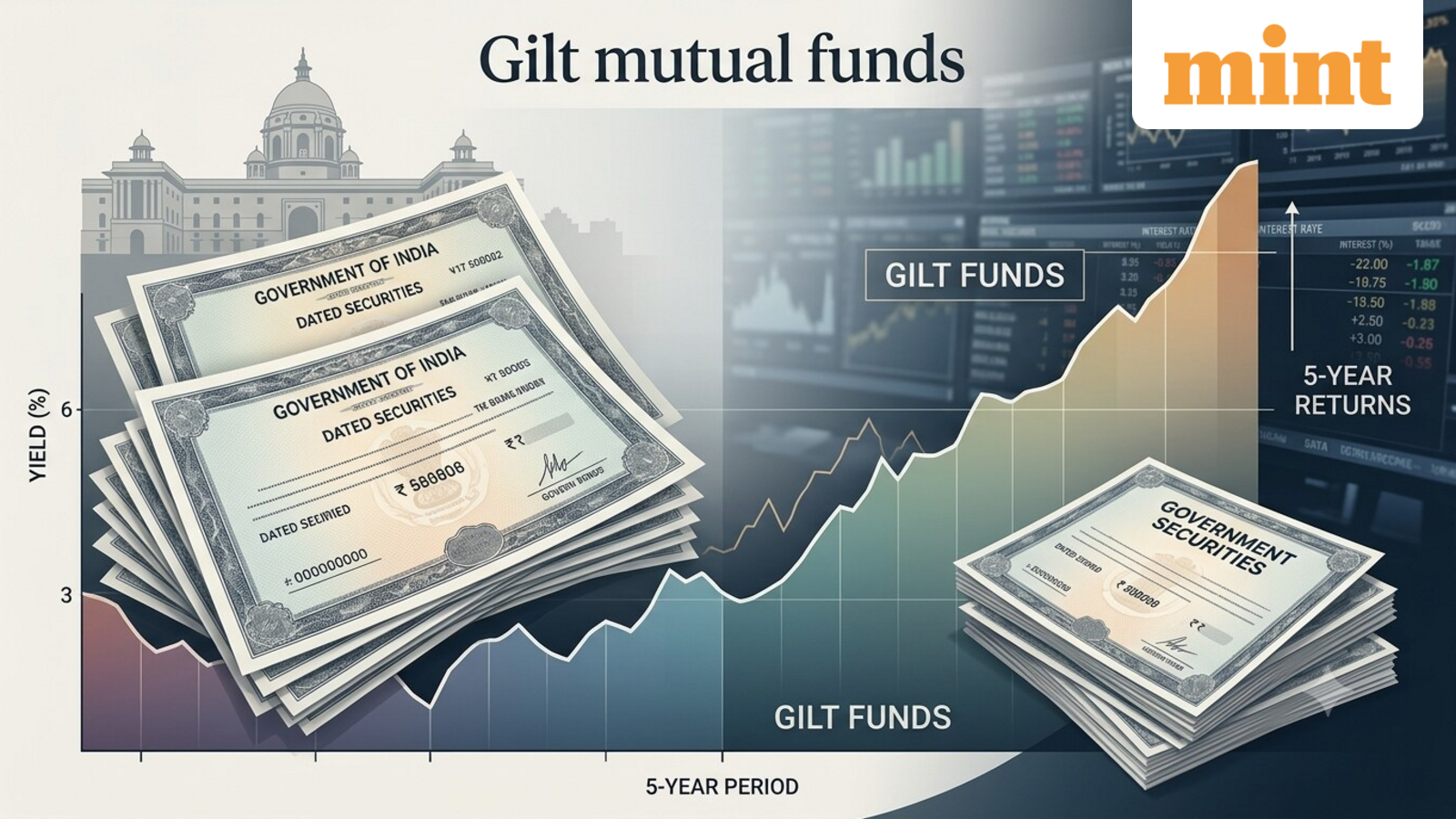
Debt funds primarily invest in bonds and other fixed income products. Risks to them include changes in interest rates and the credit quality of issuers.
Hybrid funds invest in both equity and debt. The composition depends on the hybrid scheme type.
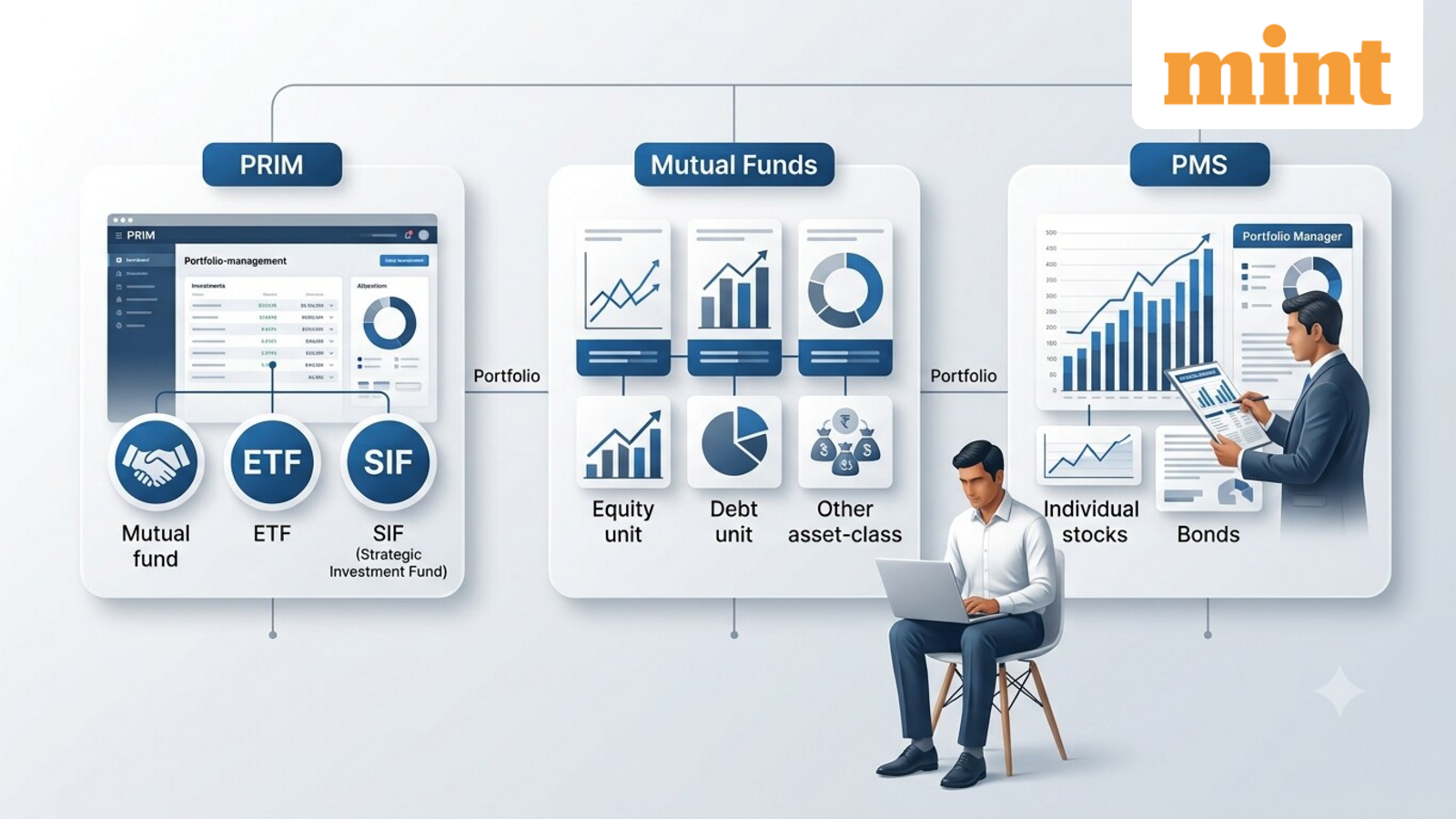
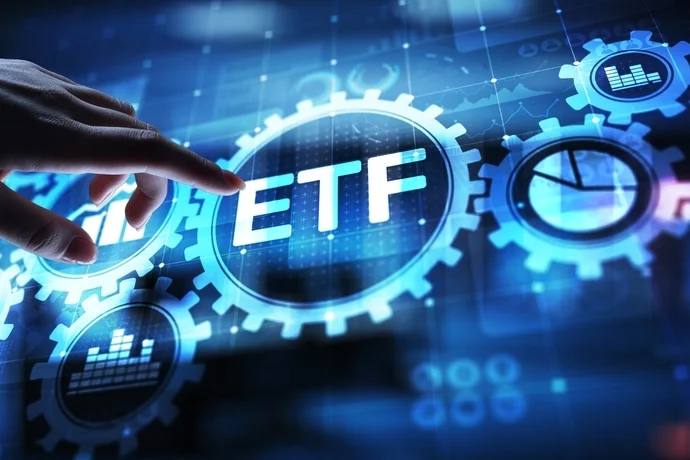
The fund house also has index funds and Exchange Traded Funds (ETFs). These funds are intended to mirror a selected market index.
The range provides investors with a variety of options to suit a range of financial needs.
Professional Fund Management
Mutual funds are run by fund managers and research teams. They analyse markets and select investments in line with the scheme’s plan.
An equity fund manager may look at a company’s earnings, growth, debt levels and market value. Interest rates, bond quality, maturity and liquidity may be considerations for a debt fund manager.
It allows investors to get into the market without having to pick every stock or bond themselves.
Diversification Within a Portfolio
A mutual fund typically invests in many securities. That’s called diversification.
For example, an equity fund might hold shares in many companies and sectors. A debt fund can invest in bonds issued by different issuers.
Diversification doesn’t eliminate risk. But it can reduce the impact of one security on the whole portfolio.
Investors should still review the scheme’s portfolio before committing to it.
Access to Scheme Information
Mutual funds offer documents explaining how a scheme works.
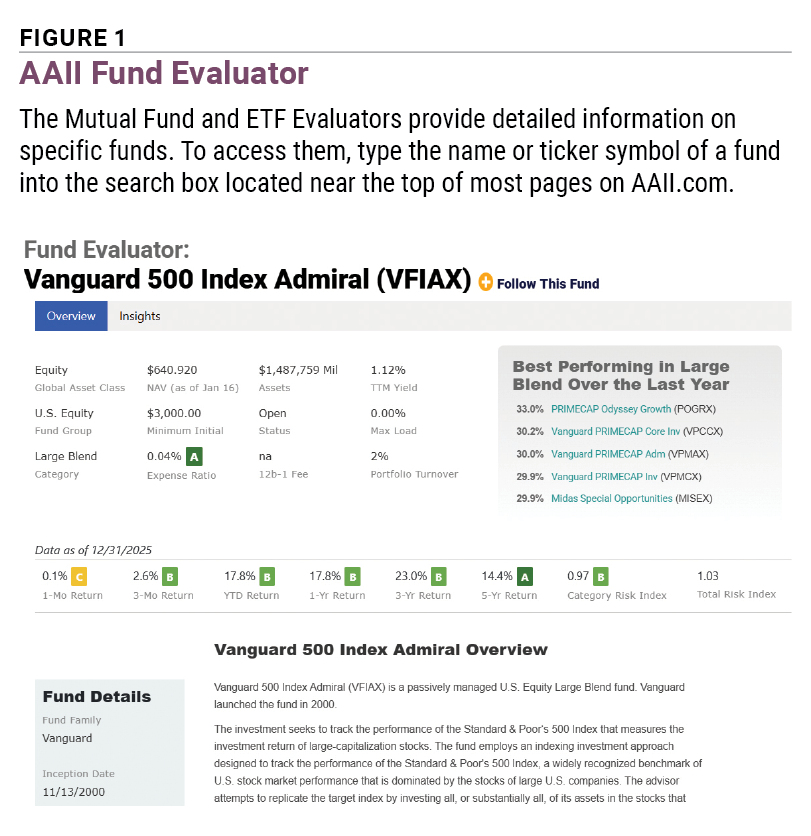
Investors can peruse the Scheme Information Document and Key Information Memorandum. They can also view the fund factsheet, portfolio details, expense ratios and Riskometer.
Riskometer indicates the level of risk associated with a scheme. Portfolio disclosures reveal where the fund has invested its money.
Such details can help investors understand a scheme before they invest.
SIP and Lump Sum Investment Plans
Many SBI Mutual Fund schemes allow SIP and lumpsum investments.
A Systematic Investment Plan or SIP is a way for a person to invest a fixed amount at regular intervals. This can be monthly or some other frequency available.
A lump-sum investment is an investment of a sum of money at one time.
The right approach will depend on your income, your cash available, your financial objectives and your investment plans.
How to Check SBI Mutual Fund Scheme Details
Investors can follow a simple process before opting for a scheme:
- Define the financial goal.
- Decide the investment period.
- Check the suitable fund category.
- Read the scheme’s investment objective.
- Review the Riskometer.
- Check the portfolio and expense ratio.
- Compare the scheme with its benchmark.
- Review past performance across different periods.
- Choose between SIP and lump-sum investing.
Past returns should not be taken as a guarantee of future returns.
Risks to be aware of
There is always a risk associated with any mutual fund.
Equity funds are subject to stock market movements. Debt funds are subject to interest rate risk and credit risk. Hybrid funds may face the risk of both asset classes.
Investors should also look at the exit loads, taxes, expenses and time taken to meet their goal.
Don’t pick a fund just because of its brand name or because it has done well recently.
Conclusion
SBI Mutual Fund has the schemes in various investment categories. The schemes provide professional management, diversification, regular disclosures and various ways to invest.
But every scheme has its own risk and purpose. Investors must study the fund category, costs, portfolio, risk level, and investment period before selecting. The scheme should suit the financial goal and risk capacity of the investor.
Sources