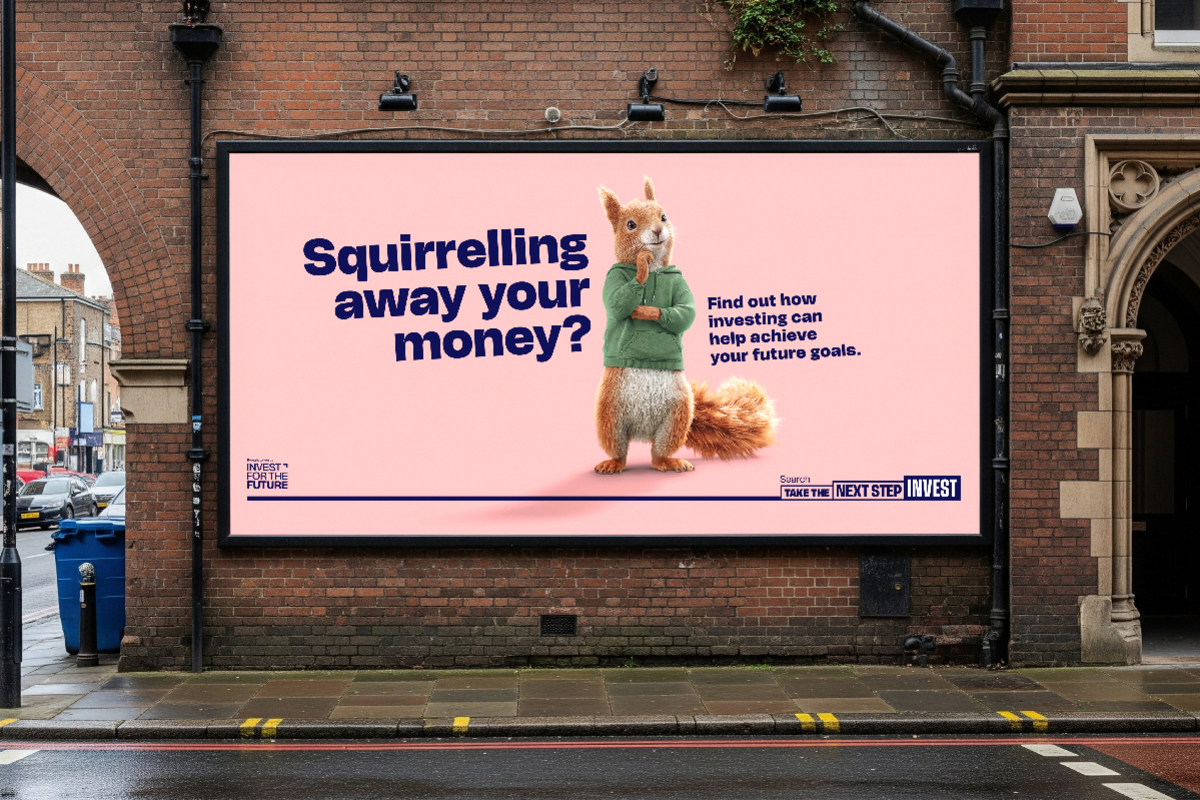

WHEN you finish working, you’ll finally be able to access all your hard-earned pension savings that you have squirrelled away over many years while you were working.
Most retirees want one simple thing: the highest possible monthly income that lasts for as long as possible.
However, there are lots of different ways of achieving this goal, and there is no one-size-fits-all approach.
Two options are using the money to buy an annuity or using it as a drawdown mechanism.
Payouts on annuities have rocketed recently alongside their popularity, with rates hitting a 23-year high this month.
The value of premiums paid into individual pension annuities reached £7.4billion in 2025 – the highest annual level since 2014, according to the Association of British Insurers (ABI).


Average annual payouts are now up by more than £100 since March alone, standing at £3,653 on a £50,000 pot, Moneyfactscompare.co.uk has found.
Meanwhile, a 65-year-old with a £100,000 pension can get up to £8,061 per year from a single life annuity with a five-year guarantee – up by more than 60% on the £4,940 available five years ago, according to Hargreaves Lansdown.
Yet each method has its pros and cons, and it’s a good idea to take professional advice to understand how either option would work for your specific circumstances.
Here we look at the key differences between annuity and drawdown pensions.
Get FREE pension advice and boost your pot by £1,000s

*If you click on this link we will earn affiliate revenue
Sticking with your current provider could cost you thousands of pounds in retirement.
That’s why Pense is offering free pension advice for people with pots of all sizes – whether it’s a drawdown or annuity.
Speak to one of their specialists to get a detailed breakdown of your options.
Pense Ltd is authorised and regulated by the Financial Conduct Authority number 231629.
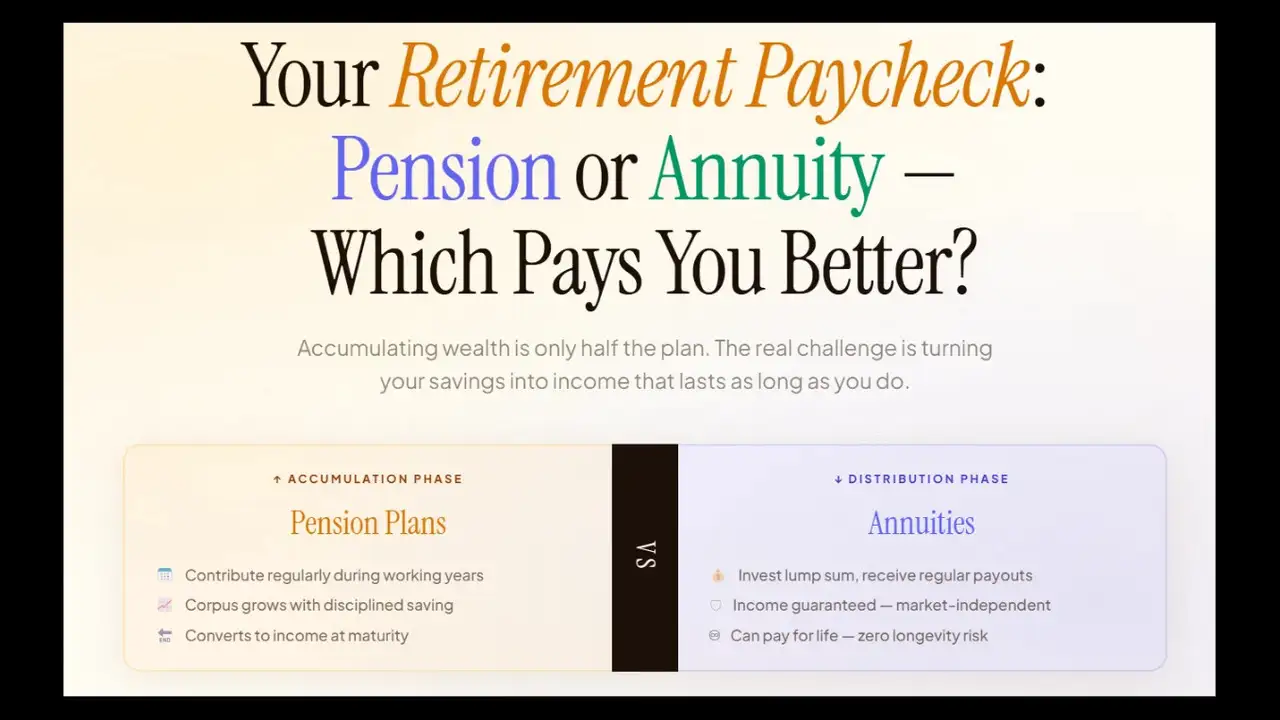
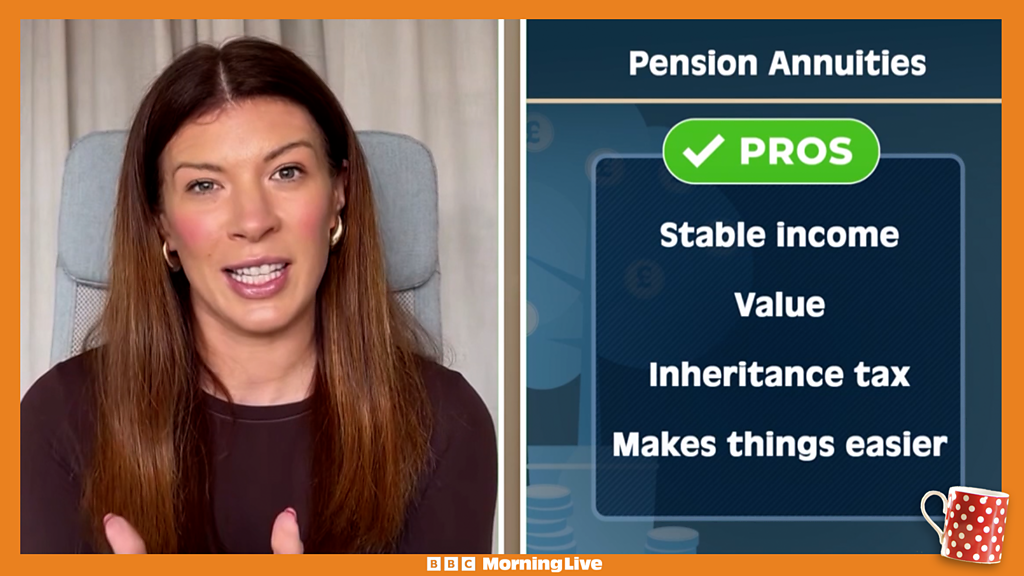
Annuity – a guaranteed income for life or set time period
Put simply, an annuity is a type of insurance product that you buy with pension savings and it will pay out a set income for the rest of your life under a single life product.
You could also get a fixed-term annuity for a certain amount of time.
Or you can opt for a joint life annuity, which will pay an income until both you and your spouse have both died.
The latter can be a handy option if just one pension is the main source of funding retirement for a couple.
The benefits of an annuity is that you have a guaranteed set income for the rest of your life, which can provide peace of mind.
However, the income you can get from an annuity depends on several factors, including current rates, and you may feel that you can use pension cash to get a higher income through other options.
Rates were not very attractive for a long time, which led to a falling number of people opting for annuities.
However, in the past couple of years, higher rates have meant pension annuities have become more popular.
Different providers pay different rates – don’t make the mistake of simply buying an annuity with your current pension provider.
As with most purchases, it pays to shop around, and an annuity could be one of the most important purchases of your life.
There are also different income options for annuities, including those that rise in line with inflation.
If you are in poor health, you could also get an enhanced annuity which will pay out a higher rate based on the expectation that you won’t live as long.
The options can feel overwhelming, which is why it’s important to get advice before making a move.
Drawdown – embrace the flexibility
Drawdown pension policies allow retirees to keep at least part of their pension cash invested and then take an income from the pot at regular intervals.
The potential benefit is that keeping cash invested for longer, gives it more time to grow and ultimately a bigger pot of money over the course of your retirement.
However, the downside is that values can go up and down depending on stock and financial markets.
You should also be adjusting your investment strategy in line with your risk appetite.
It can be tricky to understand the best way to invest cash in drawdown pensions, which is why it’s important to get advice
The main difference with an annuity is that drawdown doesn’t offer the secure guaranteed option that comes with an annuity.
You’ll need to carefully plan how much you can take from your pension or you run the risk of running out of money later in retirement.
Mix the strategies
There is also nothing to stop you from using a drawdown pension for a few years and later using the rest of the cash to buy an annuity.
Or you can also do a mixture of a drawdown and an annuity, dividing cash between the two options.
This can provide a level of certainty with an annuity while keeping the flexibility offered with drawdown.
Getting advice from a trusted source is key to finding the option that works for your particular circumstances.