Nigeria’s capital market is undergoing one of the most significant transformations in its modern history. Economic reforms, evolving monetary policy, increasing domestic participation and the growing sophistication of institutional investors are reshaping the investment landscape.
While market volatility has remained a defining feature of recent years, it has also created opportunities for investors willing to adopt a disciplined, long-term approach to wealth creation and capital preservation.
For many years, conversations around investing in Nigeria have often been framed around uncertainty. Inflationary pressures, currency adjustments and global economic disruptions have understandably influenced investor sentiment. However, focusing solely on these challenges risks overlooking a more important reality: Nigeria’s capital market remains one of the most powerful vehicles for mobilising capital, creating wealth and supporting economic development.
A Market at an Inflection Point
Nigeria’s capital market plays a critical role in economic development by connecting surplus capital with productive investment opportunities. Through equities, bonds and other securities, businesses gain access to funding while investors gain opportunities to grow and preserve wealth.
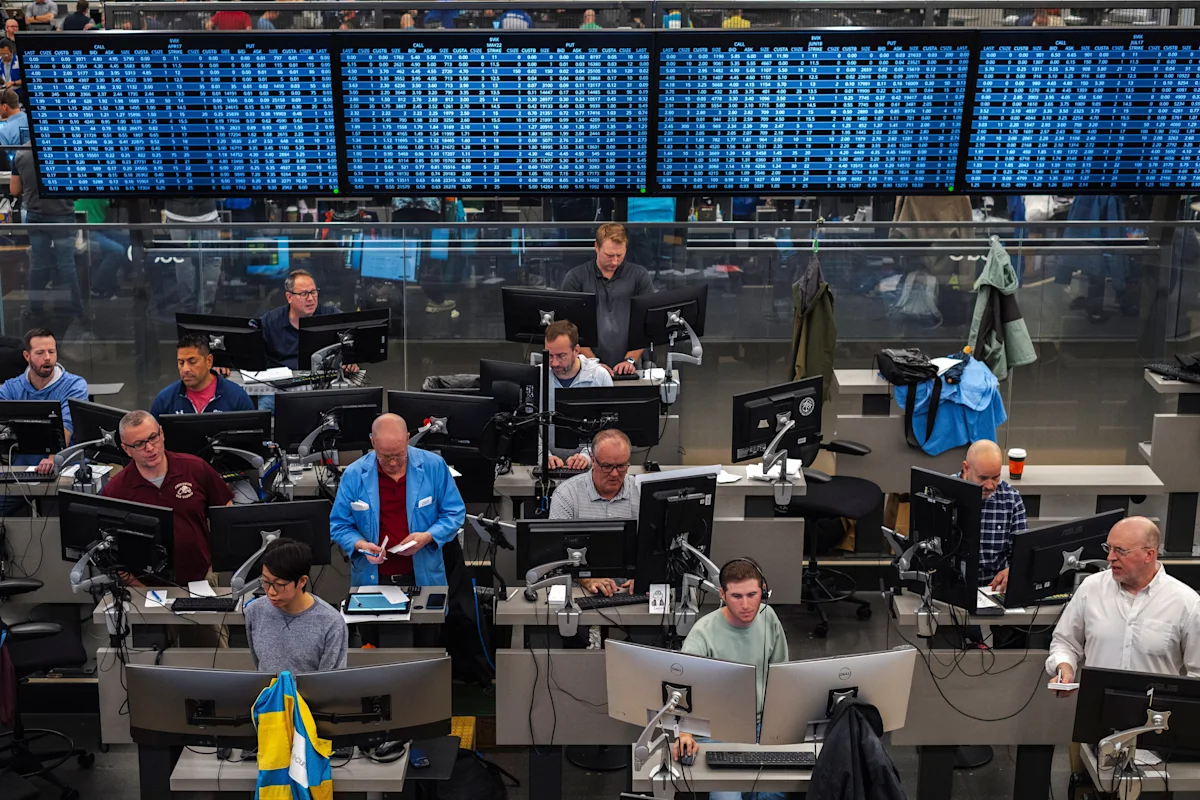
Recent developments have reinforced the growing importance of the market. According to the Nigerian Exchange Group, the equities market delivered strong growth in recent periods. The NGX All-Share Index gained 51.19 percent in FY2025 and delivered a further 47.43 percent return by June 2026, outperforming major global benchmarks over the same period.
The performance reflects renewed investor confidence, improved market liquidity, and optimism around Nigeria’s economic reforms. At the same time, elevated interest rates have made fixed income instruments increasingly attractive to both institutional and retail investors.
The Renewed Appeal of Fixed Income Investments
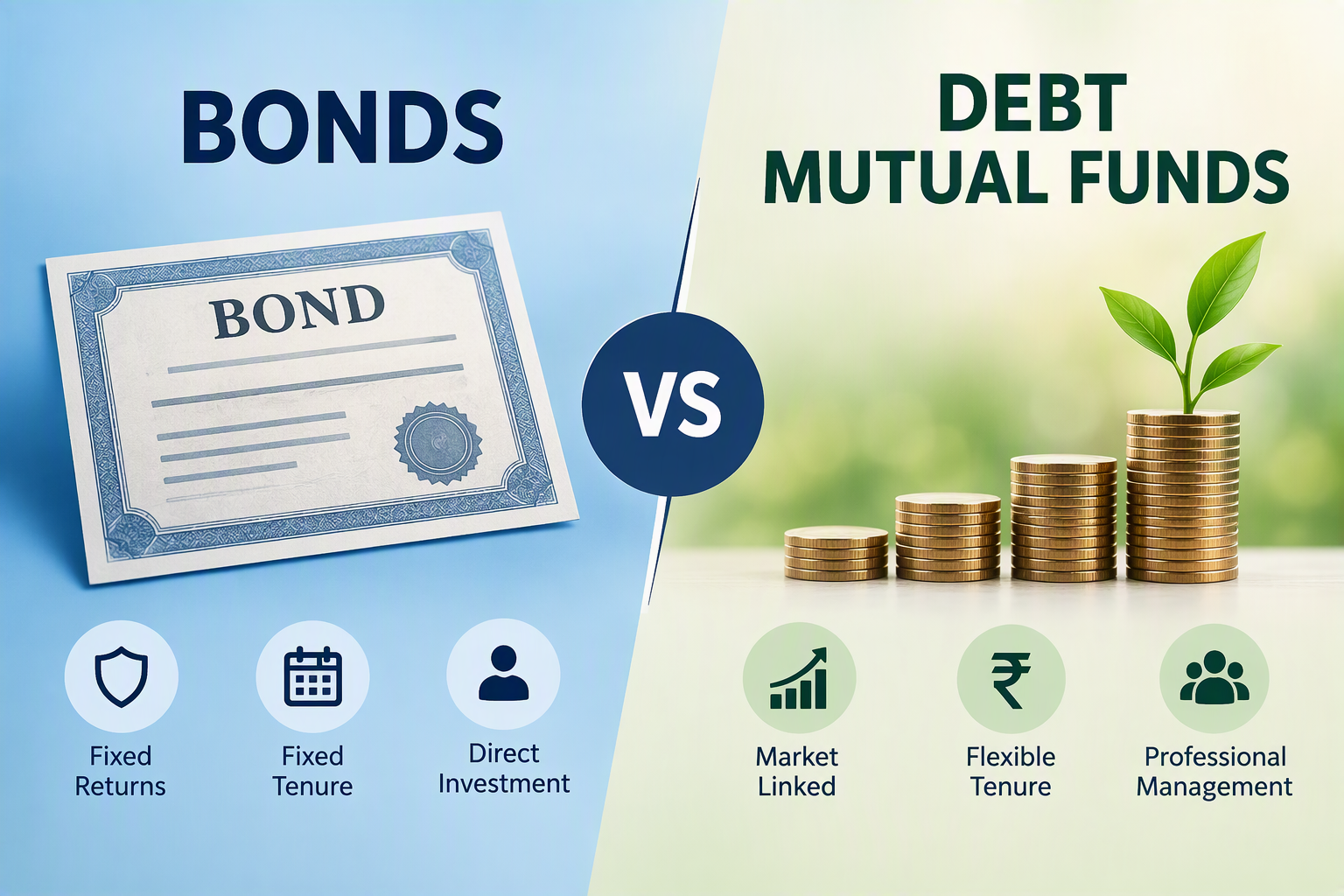
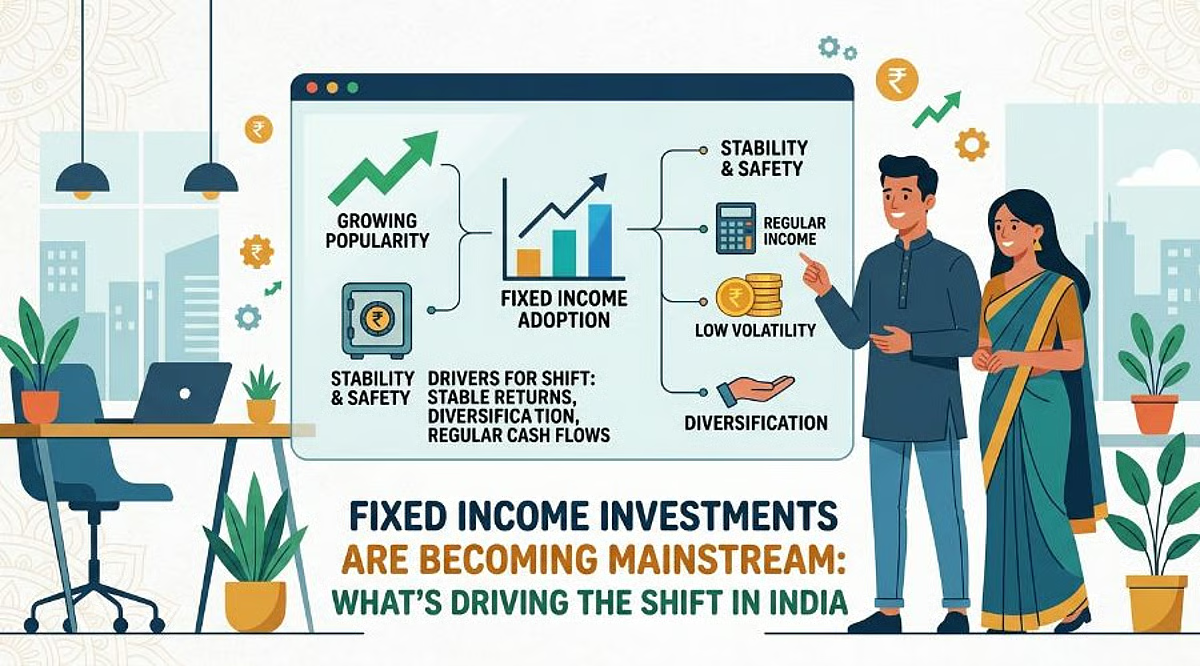
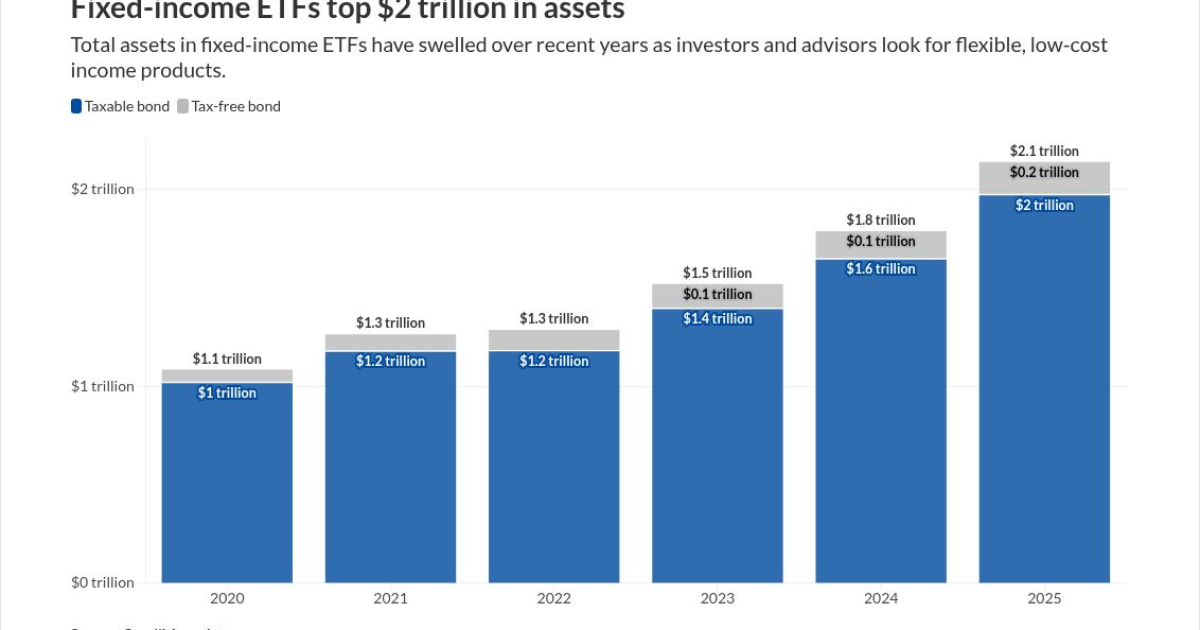
In recent years, fixed income securities have re-emerged as an attractive asset class within Nigeria’s investment landscape. Treasury Bills, Federal Government Bonds, Sukuk issuances and high-quality corporate bonds have benefited from higher yields driven by monetary tightening and efforts to manage inflationary pressures. For investors seeking relatively stable returns and capital preservation, fixed income instruments offer several advantages.
Firstly, they provide predictable income streams, making them particularly attractive to pension funds, insurance companies, institutional investors and individuals approaching retirement. Additionally, they help mitigate portfolio volatility. During periods of market uncertainty, fixed income assets often provide stability that can balance exposure to more volatile investments. Also, government securities continue to offer a high degree of security backed by sovereign creditworthiness, making them suitable for conservative investors.
However, the true value of fixed income investing extends beyond yield generation. These instruments play a critical role in financing national development. Government bonds help fund infrastructure projects, while corporate bonds provide businesses with long-term capital needed for expansion and job creation.
Equities Remain a Powerful Wealth Creation Tool
While fixed income investments offer stability, equities remain one of the most effective tools for long-term wealth creation.
Historically, equities have outperformed many traditional asset classes over extended periods by providing exposure to business growth, dividend income and capital appreciation. Despite short-term market fluctuations, quality companies with strong fundamentals often create substantial value for shareholders over time. According to data compiled by Nairametrics from the NGX, no fewer than 45 listed companies posted gains of over 100%, with some stocks returning over 1,000% in FY2025.
Nigeria’s equities market presents compelling opportunities across sectors such as banking, telecommunications, consumer goods, energy and industrials. Recent banking sector recapitalization, that saw an injection of 4.65trn additional capital, is expected to strengthen balance sheets, improve competitiveness and support long-term value creation within the sector.
The Power of Diversification
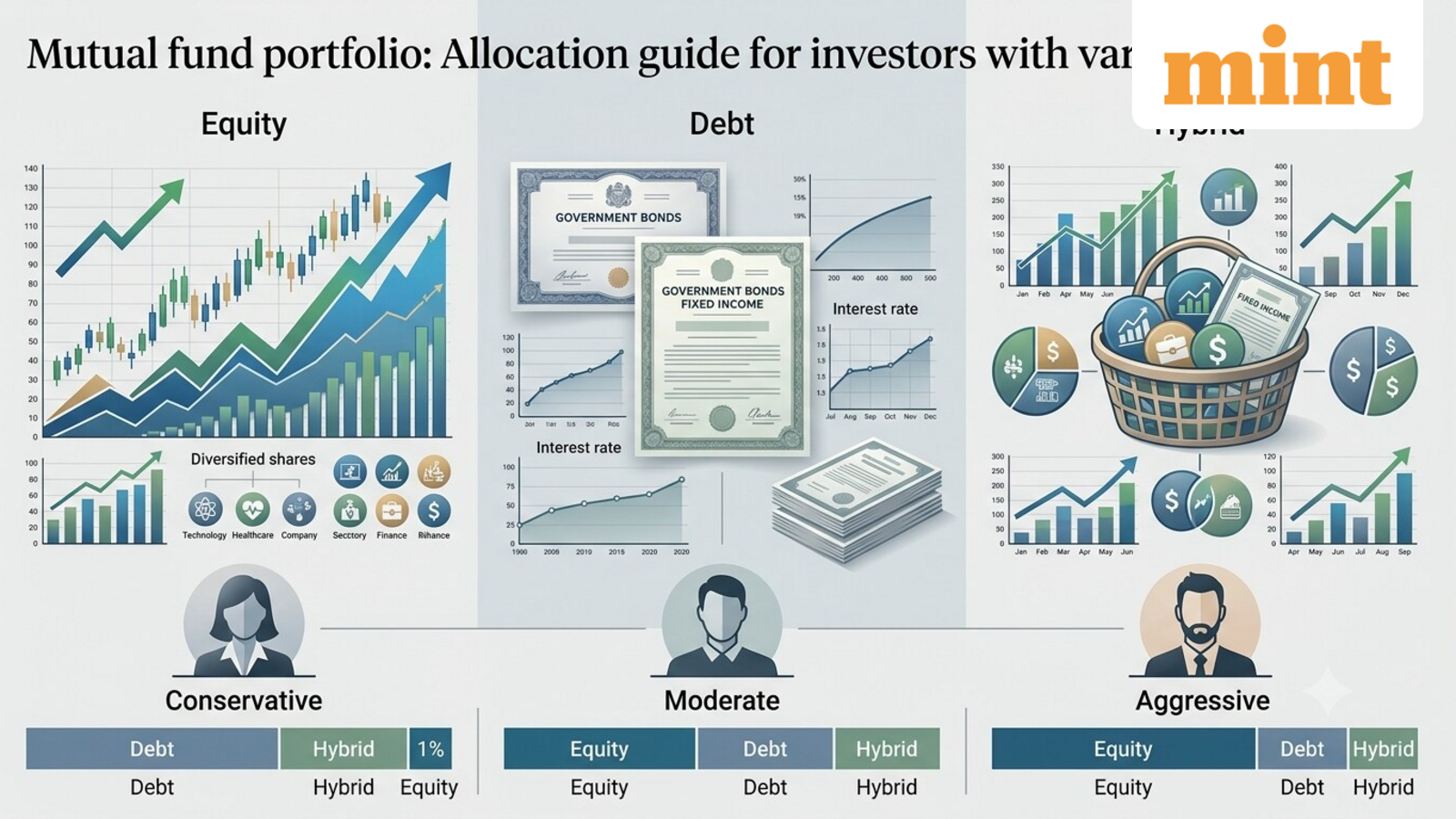
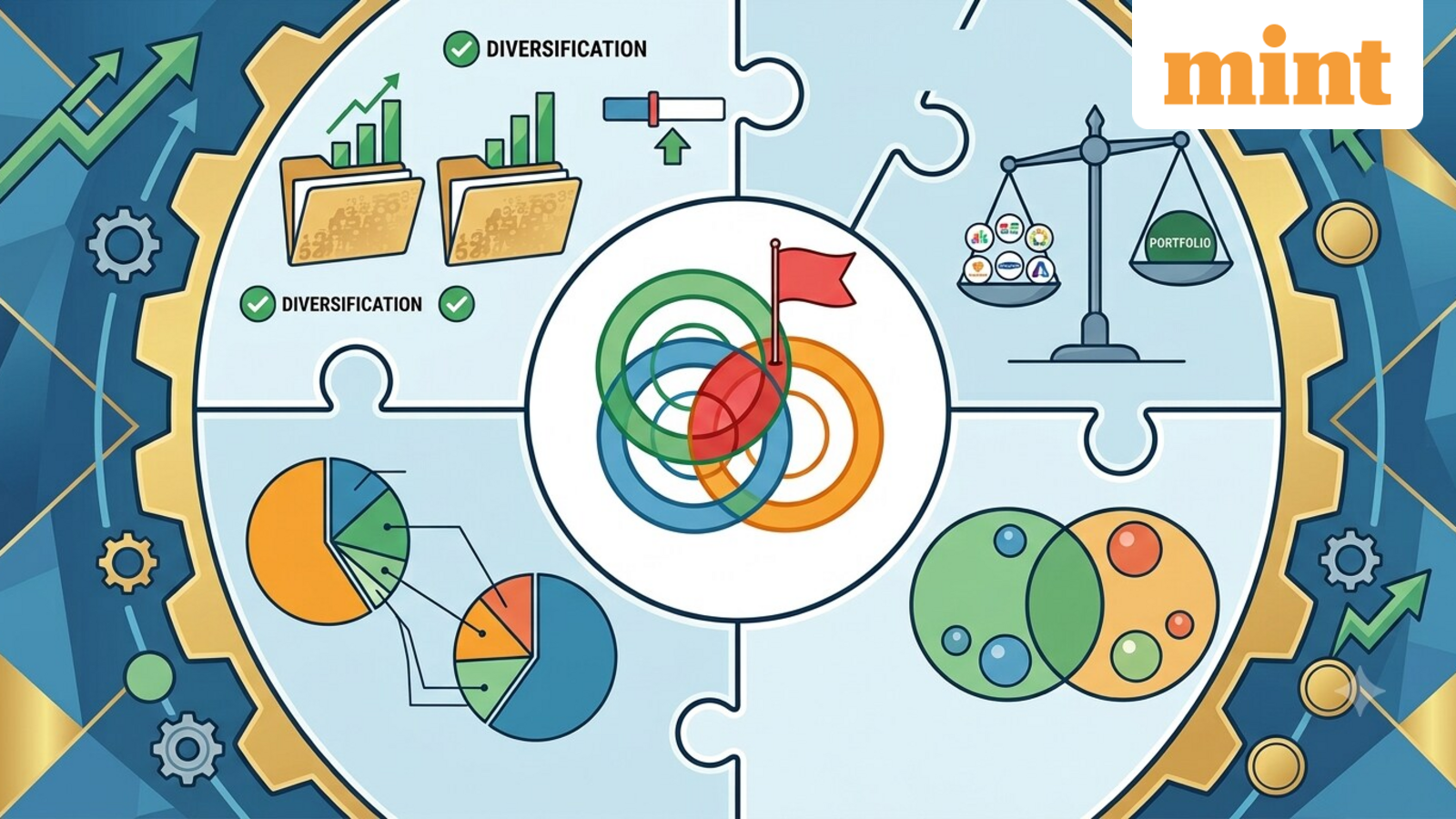
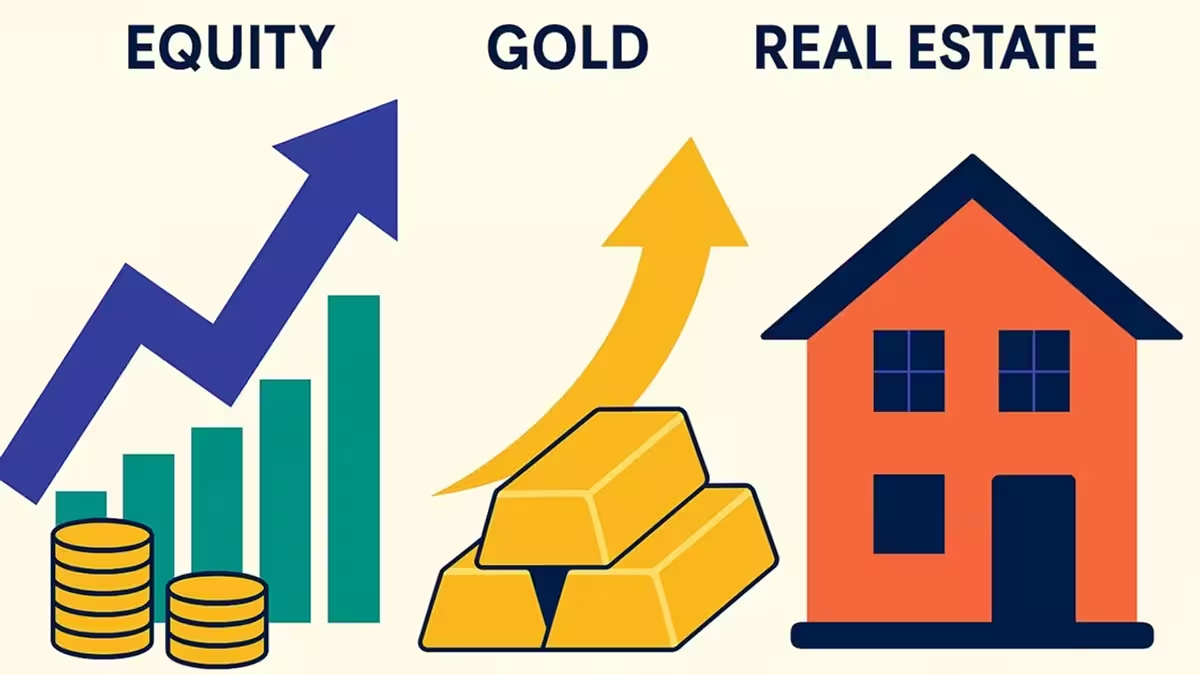
One of the most important lessons for investors in today’s environment is that no single asset class can consistently outperform under all market conditions. Interest rate cycles, inflation trends, currency movements and economic reforms affect asset classes differently. This makes diversification an essential component of successful investing.
A balanced portfolio that combines fixed income and equities allows investors to pursue growth while managing risk. Rather than viewing investments in isolation, investors should focus on constructing portfolios that align with their financial goals, risk tolerance and investment horizons.
Expanding Participation Through Institutional Partnerships
One of the most promising developments in Nigeria’s capital market ecosystem is the growing role of institutional partnerships in expanding access to investment opportunities.
Historically, participation in capital markets was often concentrated among high-net-worth individuals and institutional investors. today, partnerships involving asset managers, pension fund administrators, insurance companies, cooperatives, employers and fintech platforms are helping democratise access to investment products. These partnerships are critical because they address one of the biggest barriers to market participation-trust and accessibility.
Asset managers, for example, through professionally managed investment vehicles, help customers access the market using minimal capital. Pension administrators have established relationships with millions of contributors who can benefit from broader financial education and investment awareness. Insurance firms possess extensive customer networks that can be leveraged to deepen financial participation.
Financial Inclusion Through Capital Markets
Financial inclusion is often discussed in the context of bank accounts and payment systems. While these are important, true financial inclusion must extend beyond access to basic financial services.
Inclusion should also mean access to wealth-building opportunities. When individuals can invest in government securities, mutual funds and equities as well as access insurance and retirement products, they become active participants in economic growth rather than passive observers. Institutional partnerships are helping bridge this gap by making investment products more accessible, affordable and understandable.
This trend has the potential to significantly deepen domestic participation in Nigeria’s capital markets while strengthening long-term savings and investment culture.
Looking Ahead
Nigeria’s capital market stands at an important crossroad. Economic reforms, demographic trends, technological innovation and institutional collaboration are creating conditions for deeper market development and broader participation.
While challenges remain, including inflation, market volatility and investor education gaps, the long-term fundamentals remain compelling. Opportunities within fixed income and equities are not mutually exclusive, rather they are complementary components of a resilient investment strategy capable of delivering both stability and growth.
For institutional investors, corporate and individual investors alike, the focus should be on strategic asset allocation, disciplined investing and long-term value creation. Most importantly, the future growth of Nigeria’s capital market will depend on expanding participation. The next chapter of Nigeria’s capital market story will not be defined solely by market performance; it will be defined by how effectively we connect more people to the opportunities the market creates.
That is where the greatest untapped value lies.
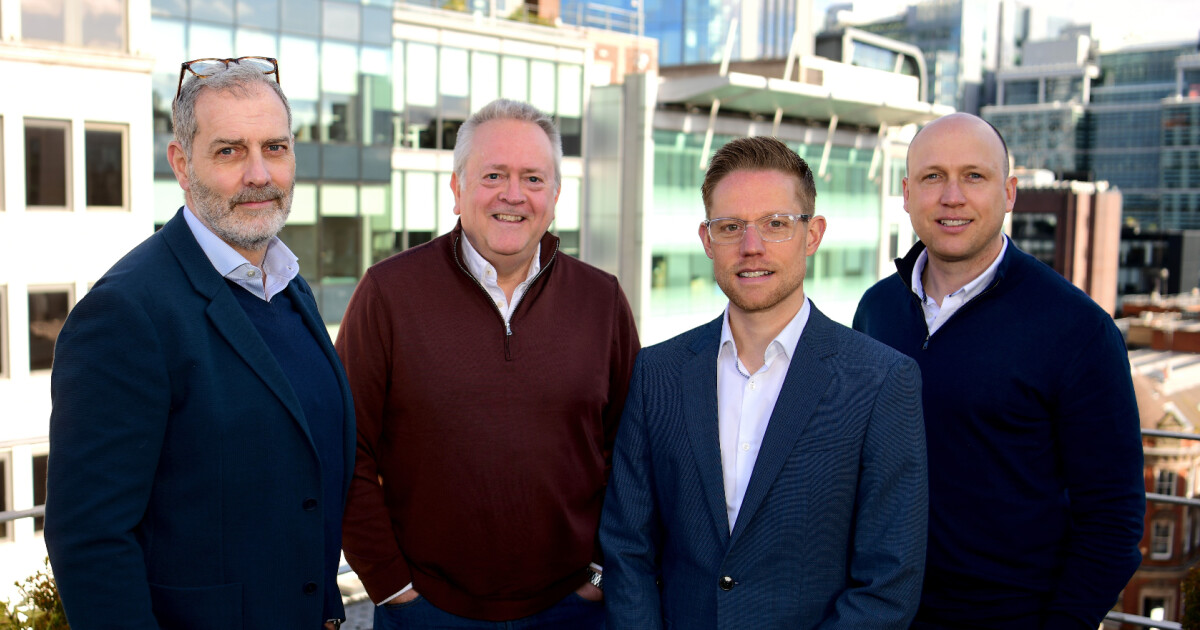
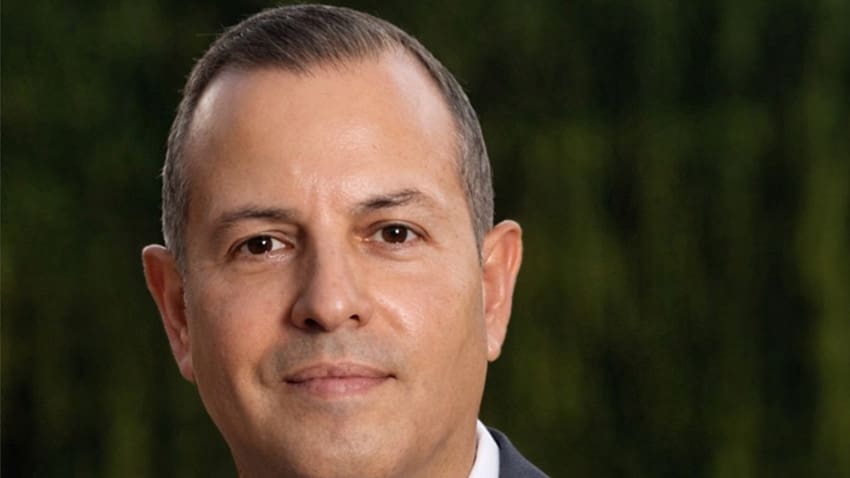
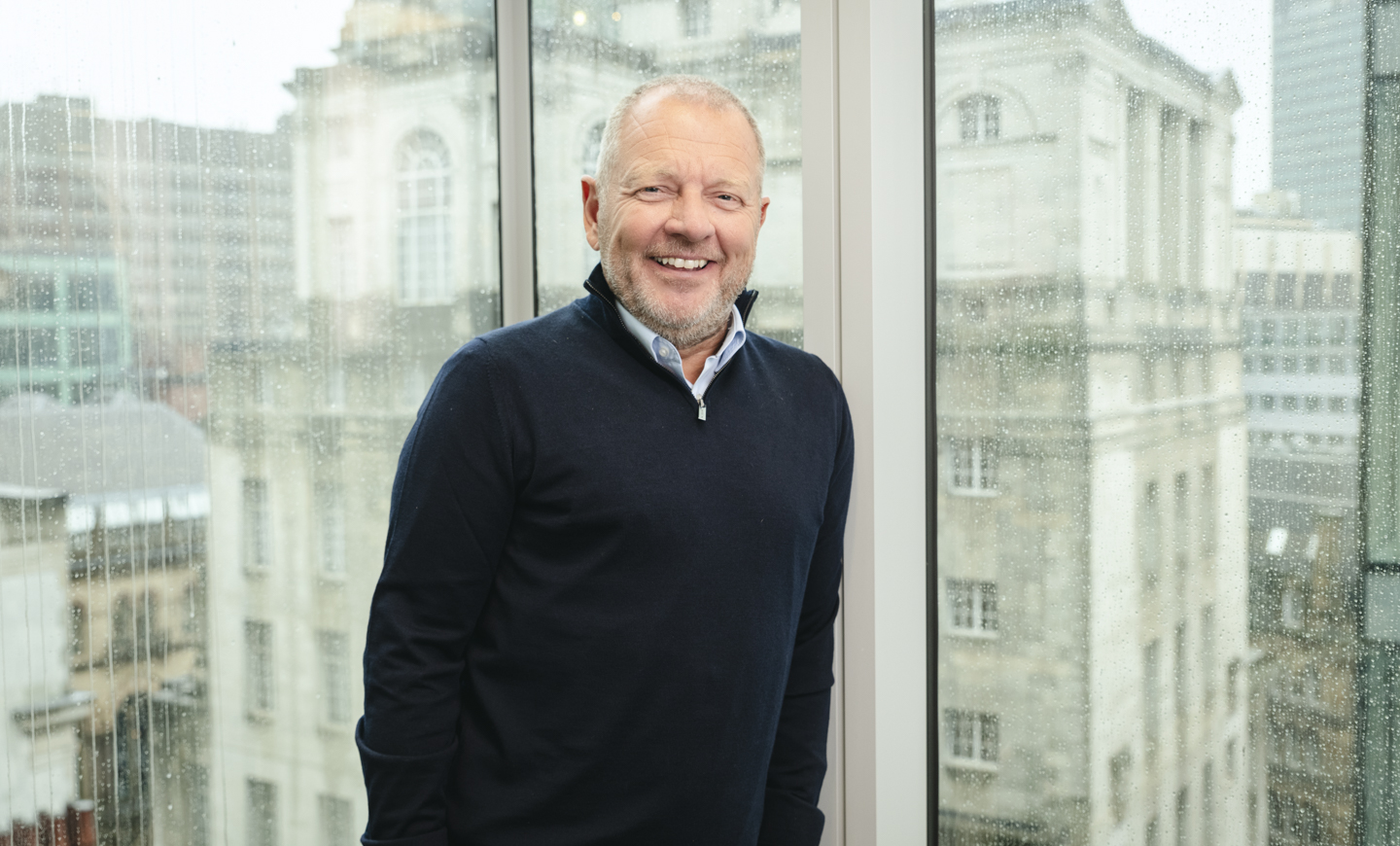
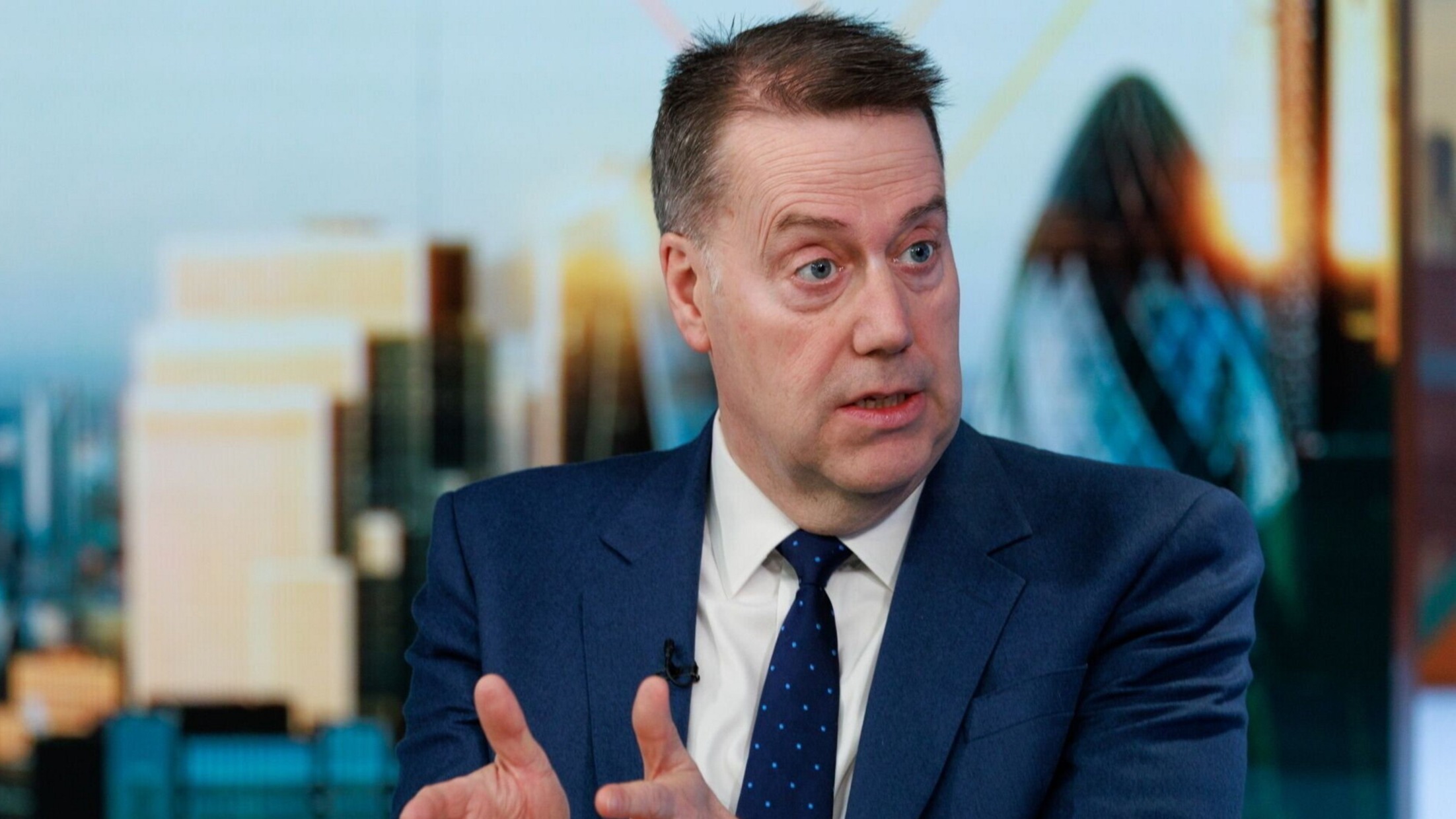
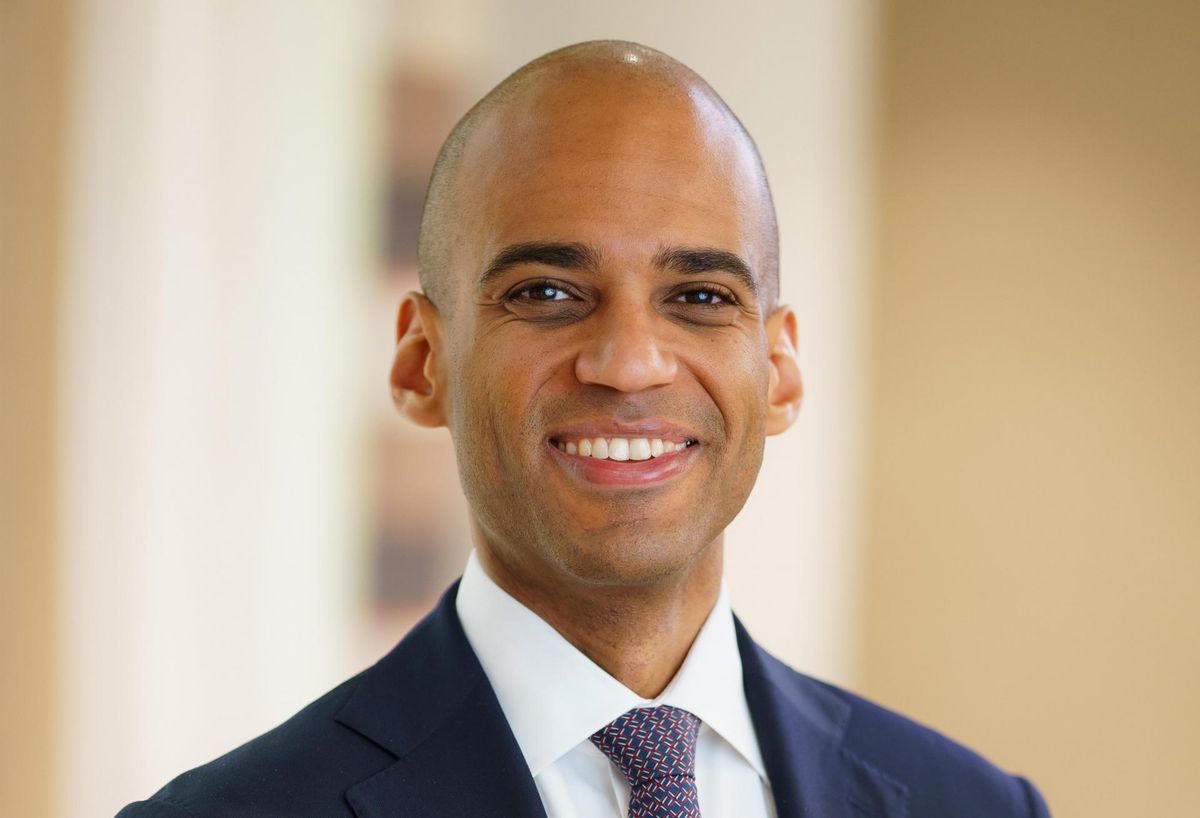
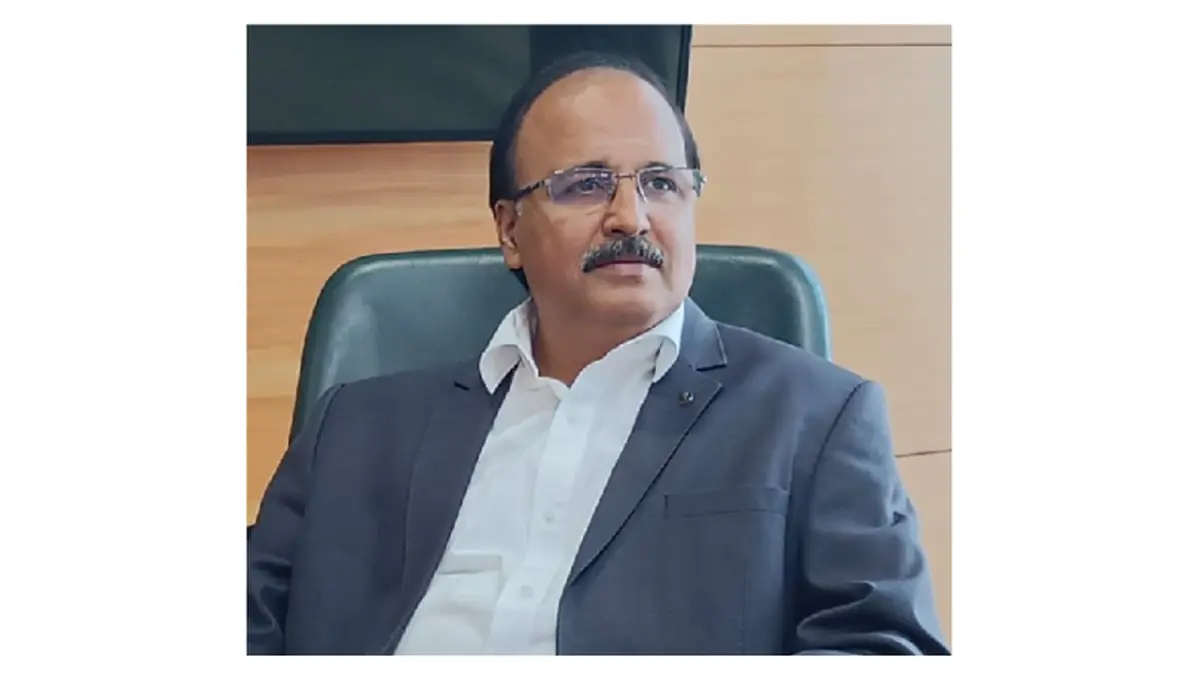
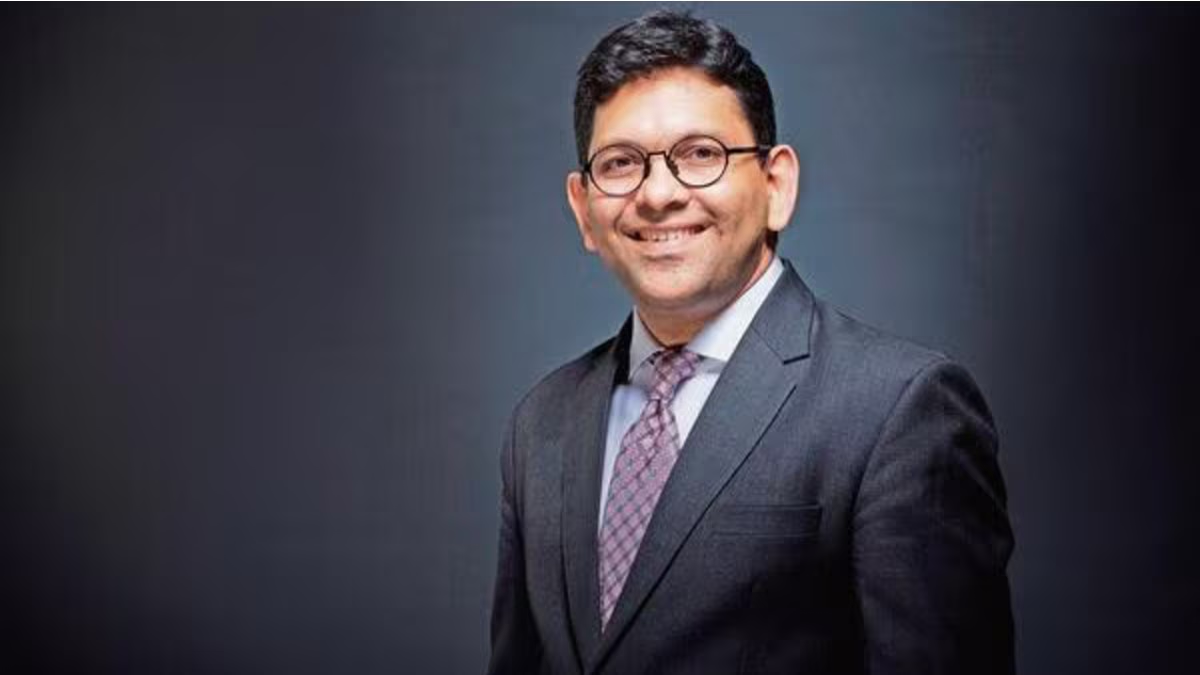
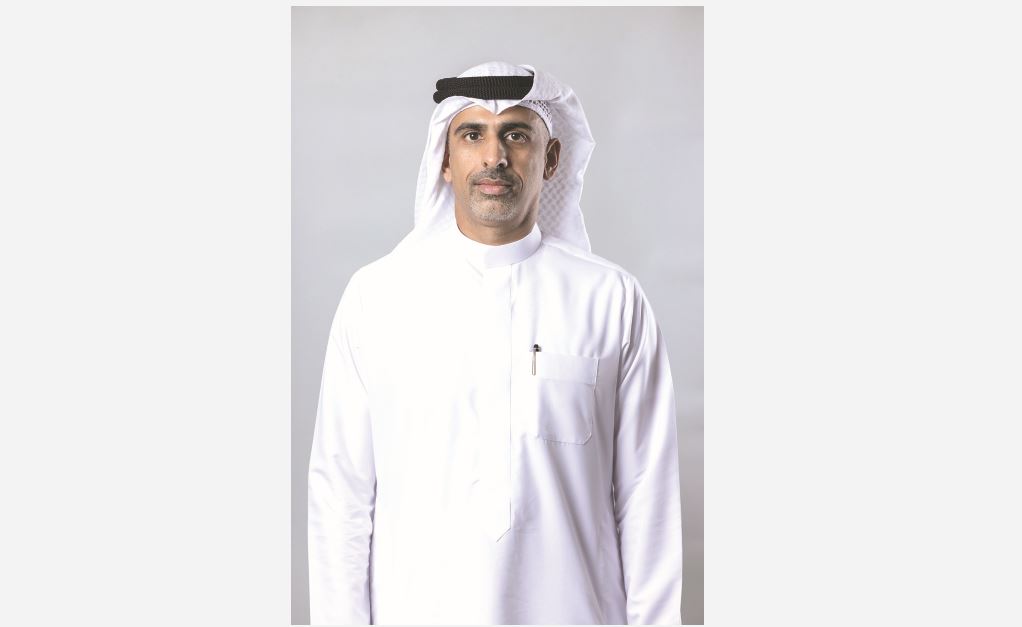
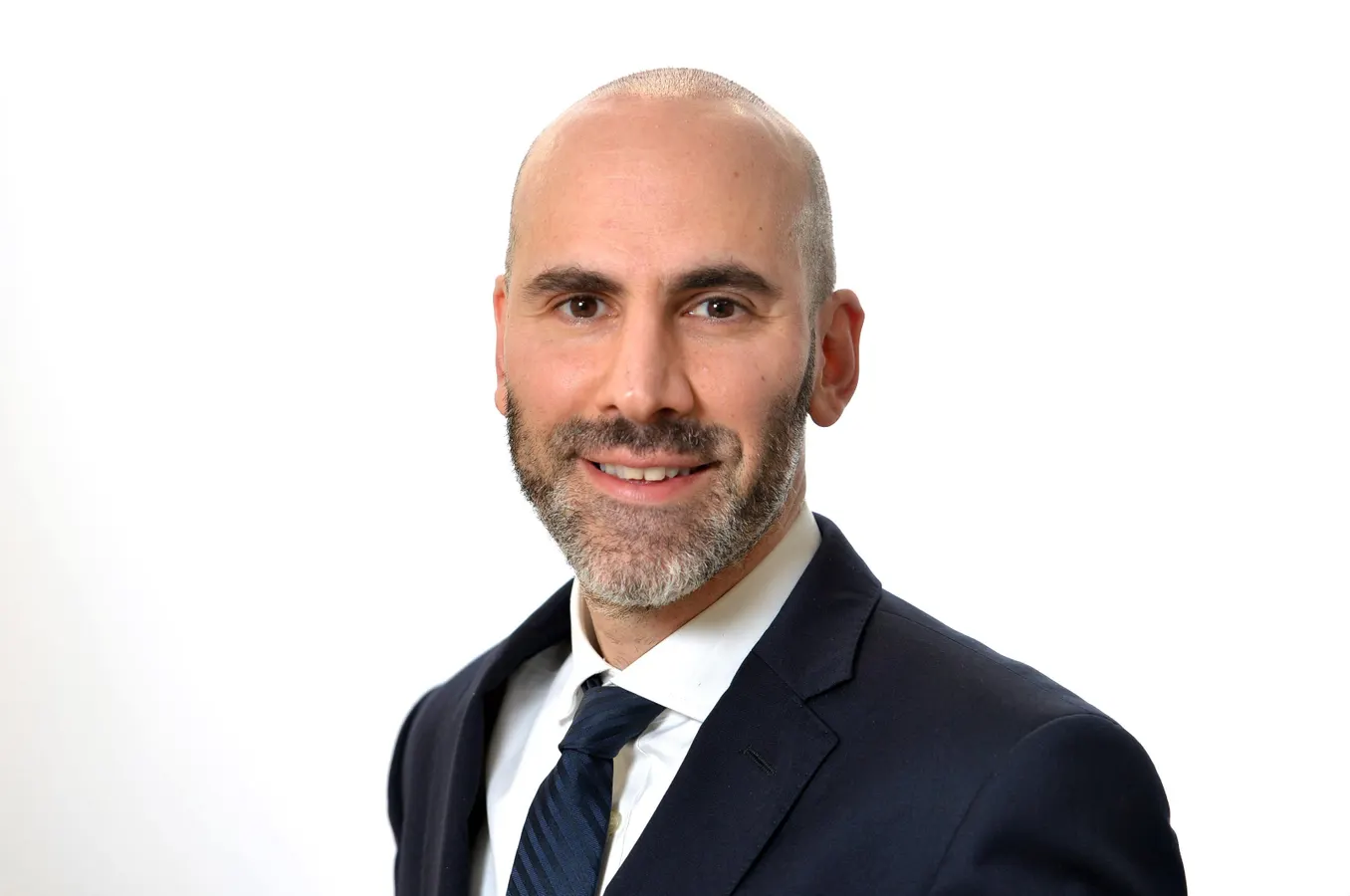
Hakeem Muhammed, executive director, global markets and institutional banking, FSDH Merchant Bank