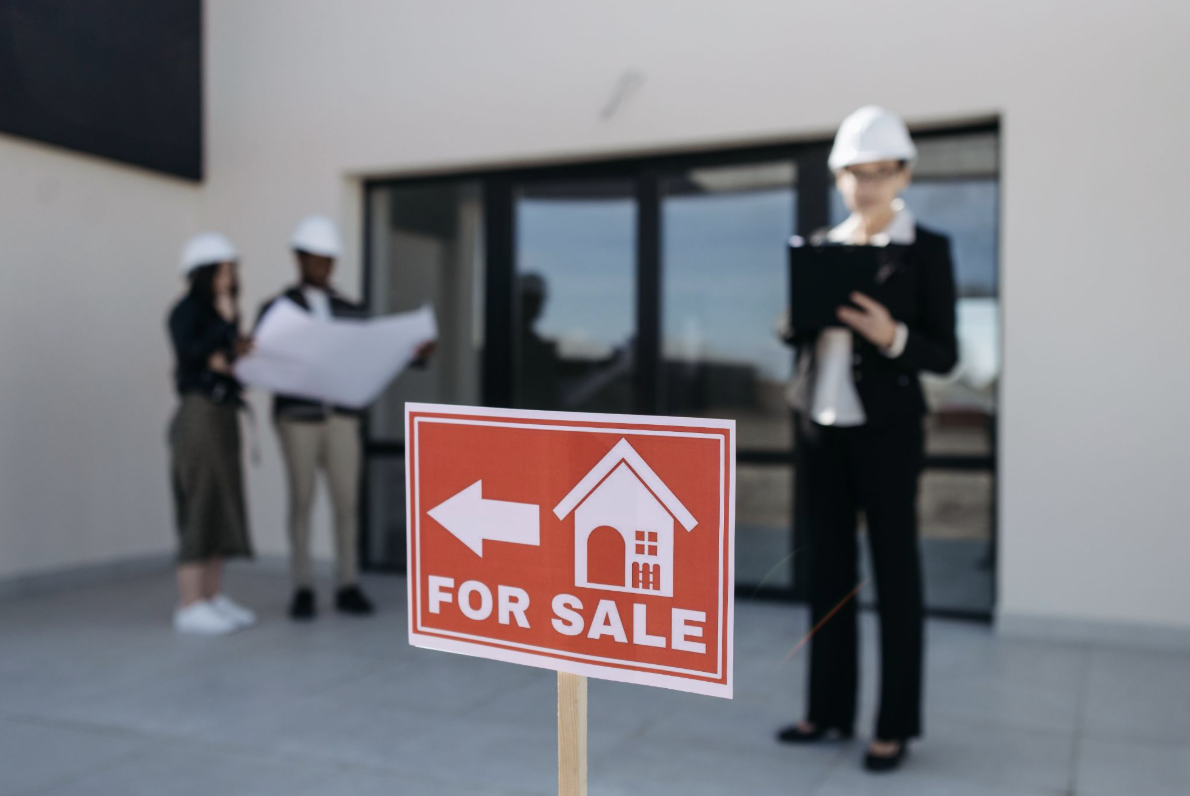
An operating model built to deliver pairs agile governance with trusted data, giving corporate real estate decision-makers the tools to act ahead of fluctuating office space requirements.JLL CONSULTING
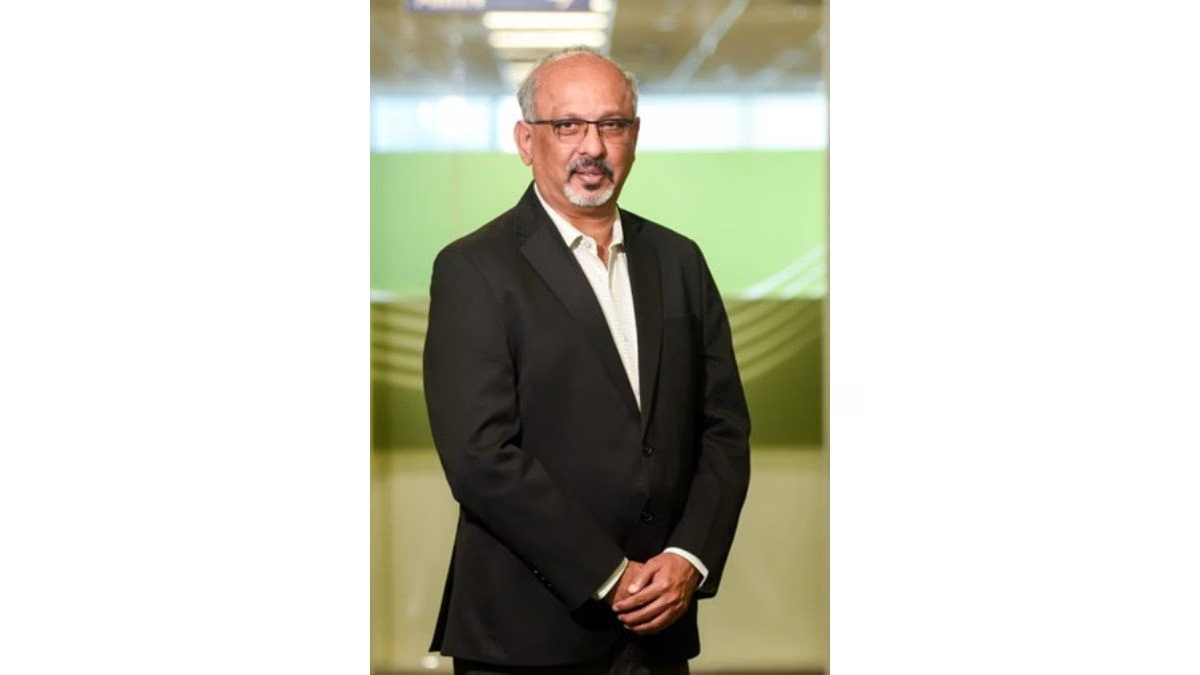
BY CASSIA SOOKHOO, Director, JLL Consulting, and
DANIEL ROONEY, Managing Director, JLL Consulting
Portfolio optimization has been the top corporate real estate objective for three years running, cited by 71 per cent of respondents in JLL’s 2026 benchmark data.
Return-to-office mandates have only sharpened that focus. Cost reduction has dominated executive conversations for years, yet global office utilization sits stuck at 54 per cent against a target of 79 per cent. That 25-point gap has outlasted countless portfolio reviews and consolidations. Strategy alone clearly can’t close it.
The gap persists because most organizations treat underutilization as a footprint problem. On paper, it looks like one. It isn’t. The root causes sit in the operating model. Governance is slow, and talent and change management frameworks aren’t ready for artificial intelligence (AI). Space data is also unusable. Until leaders fix the operating model behind their portfolios, the utilization gap will keep hitting the balance sheet.
Three operating model gaps explain why so many real estate strategies are still stalled.
Governance moves slower than the business
Traditional real estate governance runs on annual lease cycles and rigid approval calendars. That breaks down when business units need to scale headcount up or down within a quarter. Governance has to absorb those swings. Finance, real estate and business leaders need shared decision triggers and clear decision rights, so outcomes take weeks, not quarters.
Teams are structured for yesterday’s mandate
JLL research shows 50 per cent of occupiers lack enough digital and AI talent, and 70 per cent have no change management framework for AI. That hurts data-heavy functions like portfolio strategy most. Monthly scenario planning, which blends utilization, booking and business driver data, can’t happen without people who can interpret the data and a change framework to act on it.
Data is not built to drive action
Space data accuracy is the second-highest priority in JLL’s 2026 findings, with reporting quality close behind. It has displaced the cost-reduction priorities of previous years. Leaders can’t optimize what they can’t see or act on quickly. Even well-resourced teams can’t turn strategy into fast decisions without data they trust.
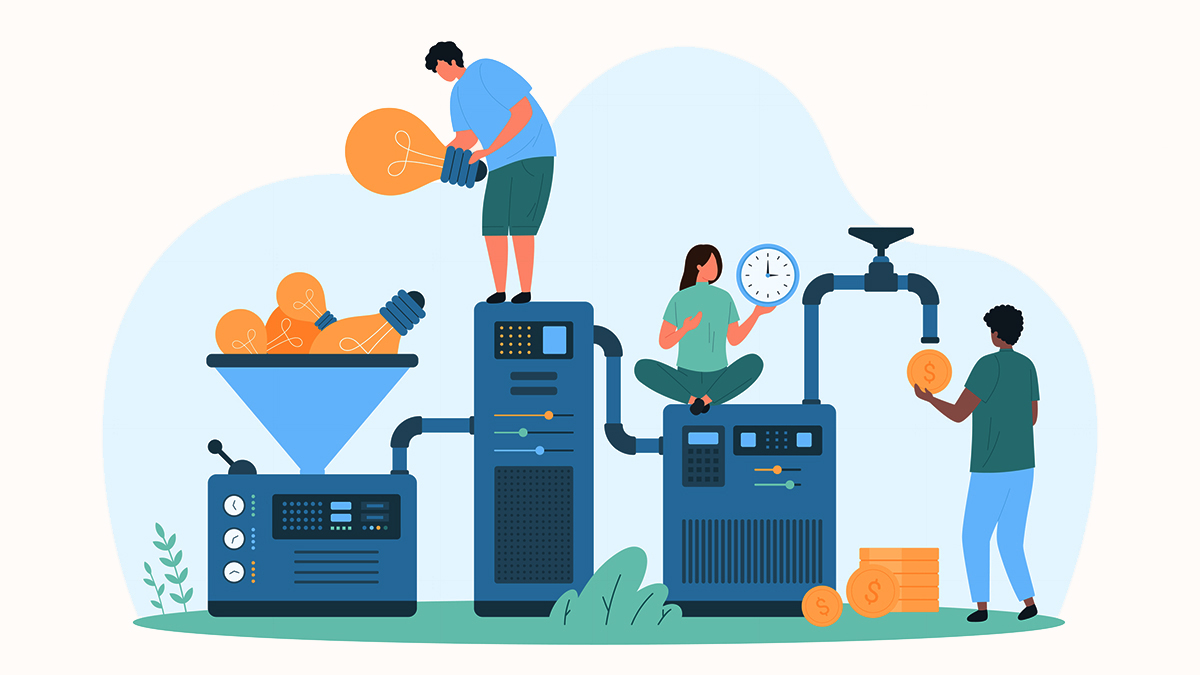
The payoff is substantial. Organizations that pair agile governance with AI-equipped talent and trusted data execute continuously instead of reacting to portfolio demands once a year. Closing the gap between 54 per cent utilization and the 79 per cent target takes more than a better real estate strategy. It takes an operating model built to deliver.
The pattern across JLL’s 2026 findings is clear: transformation has to be continuous, not a one-off initiative. Continuous transformation is an organizational capability first and a real estate outcome second. A real estate strategy is only as good as the governance that acts on it and the people and data behind it.
Before you commit capital to your next portfolio move, step back and ask: “Do we have the right operating model to turn strategy into execution, and to give space users a seamless change experience?”
If the answer is unclear, evaluate and align the operating model supporting the portfolio with the future direction of the business.
Advertising feature produced by Randall Anthony Communications. The Globe’s editorial department was not involved.