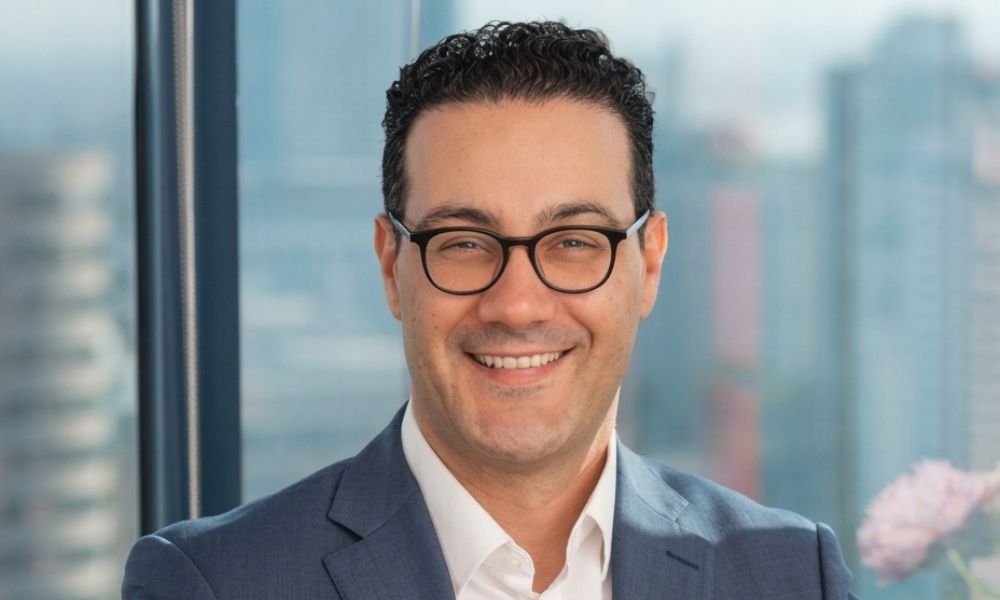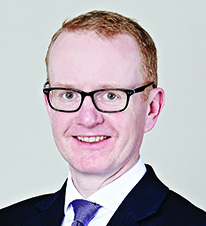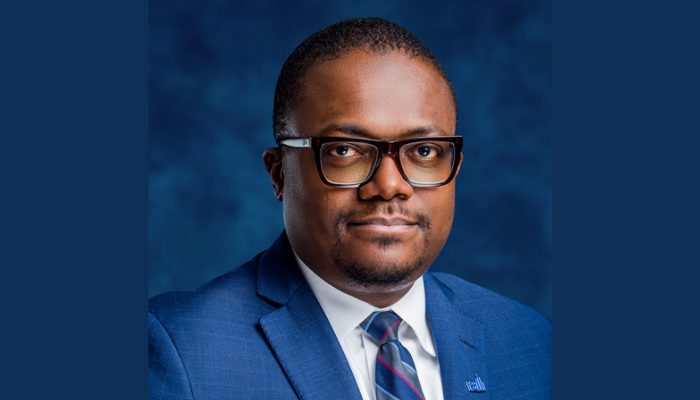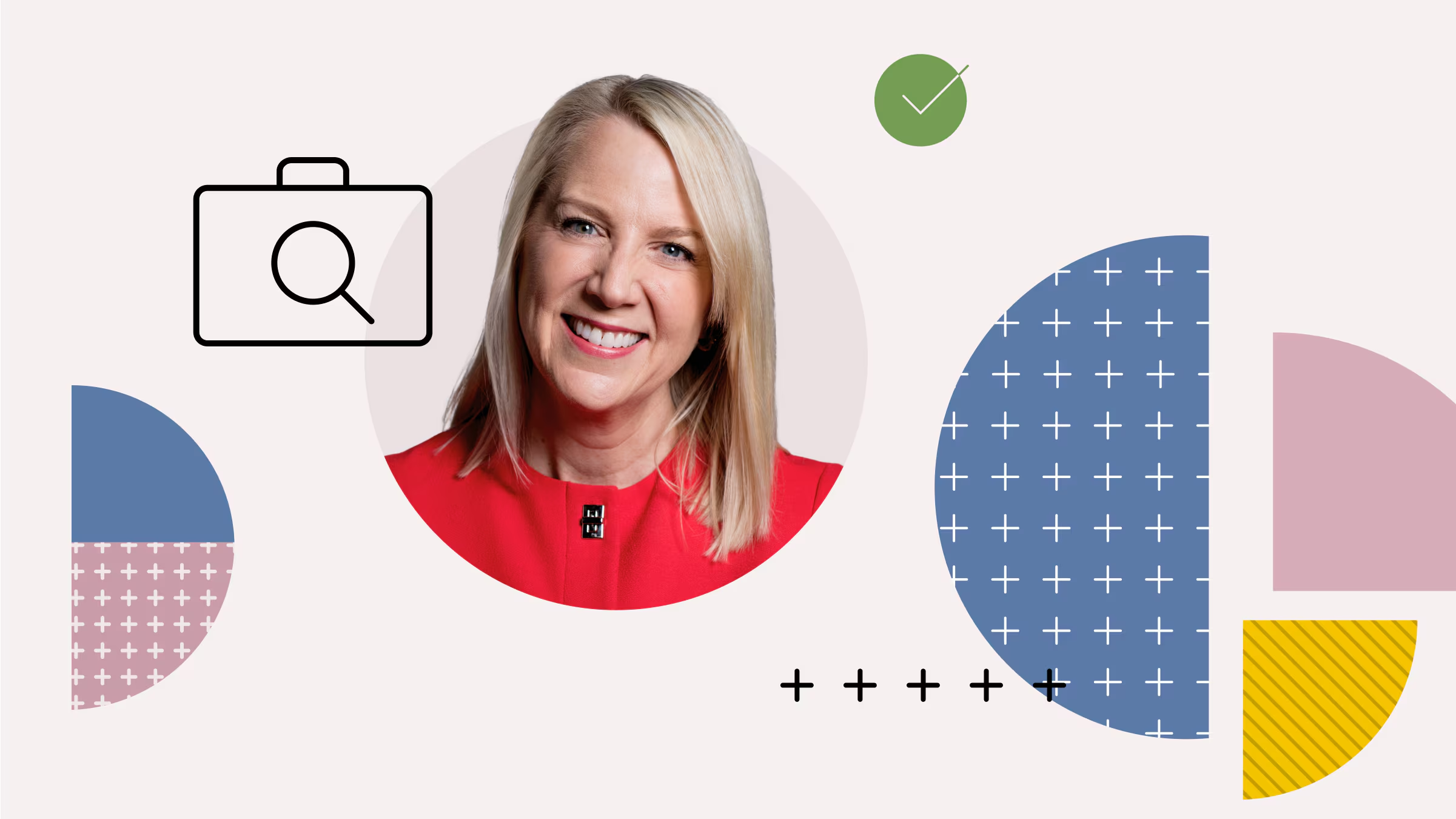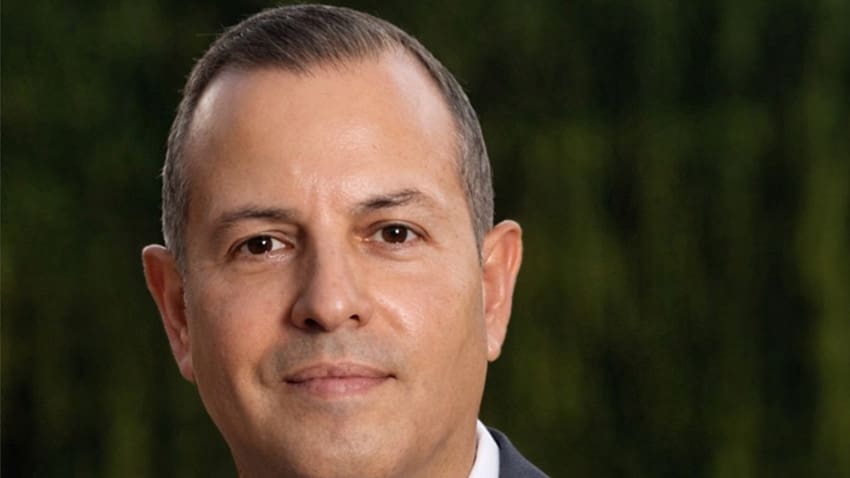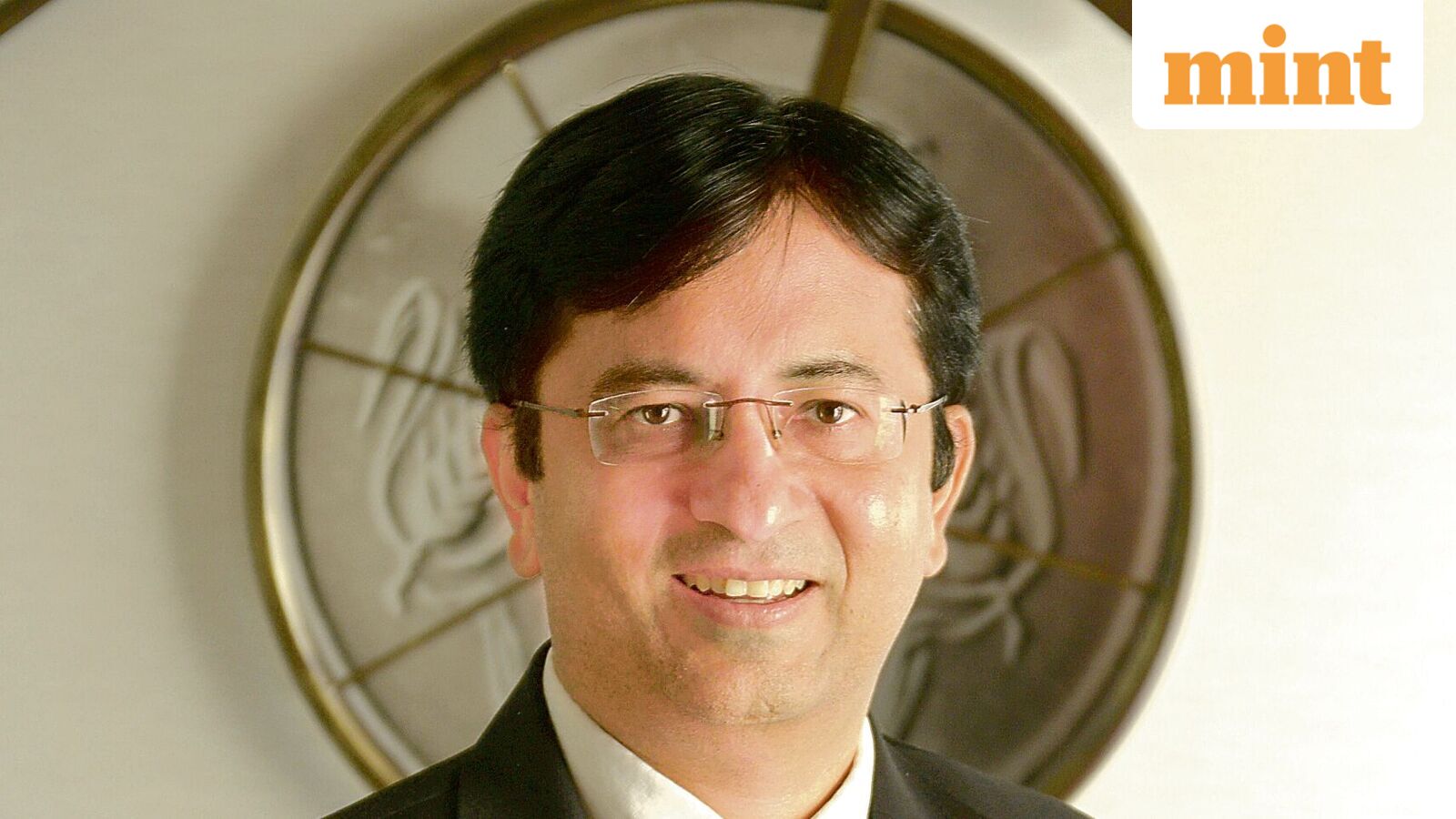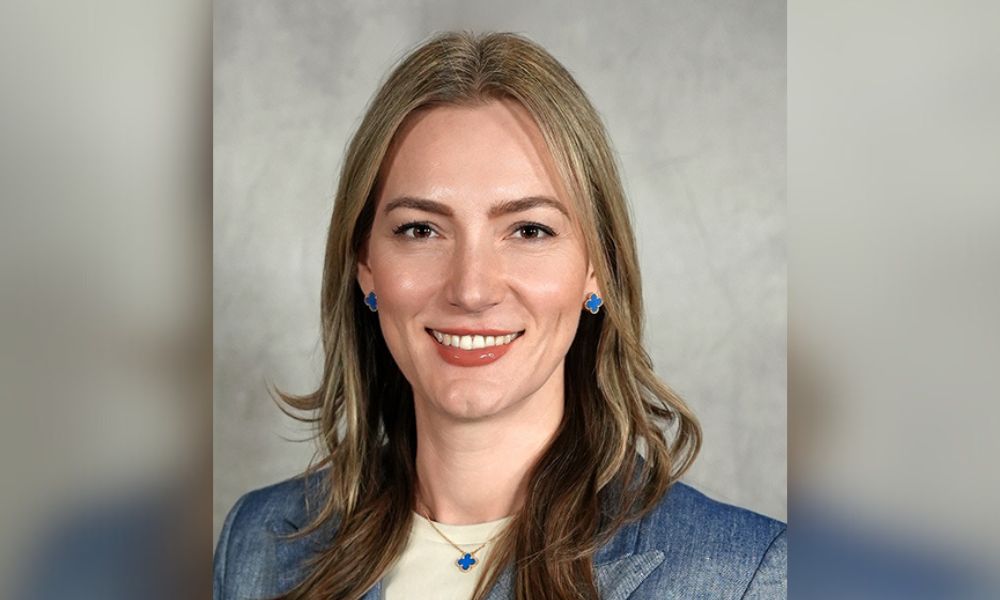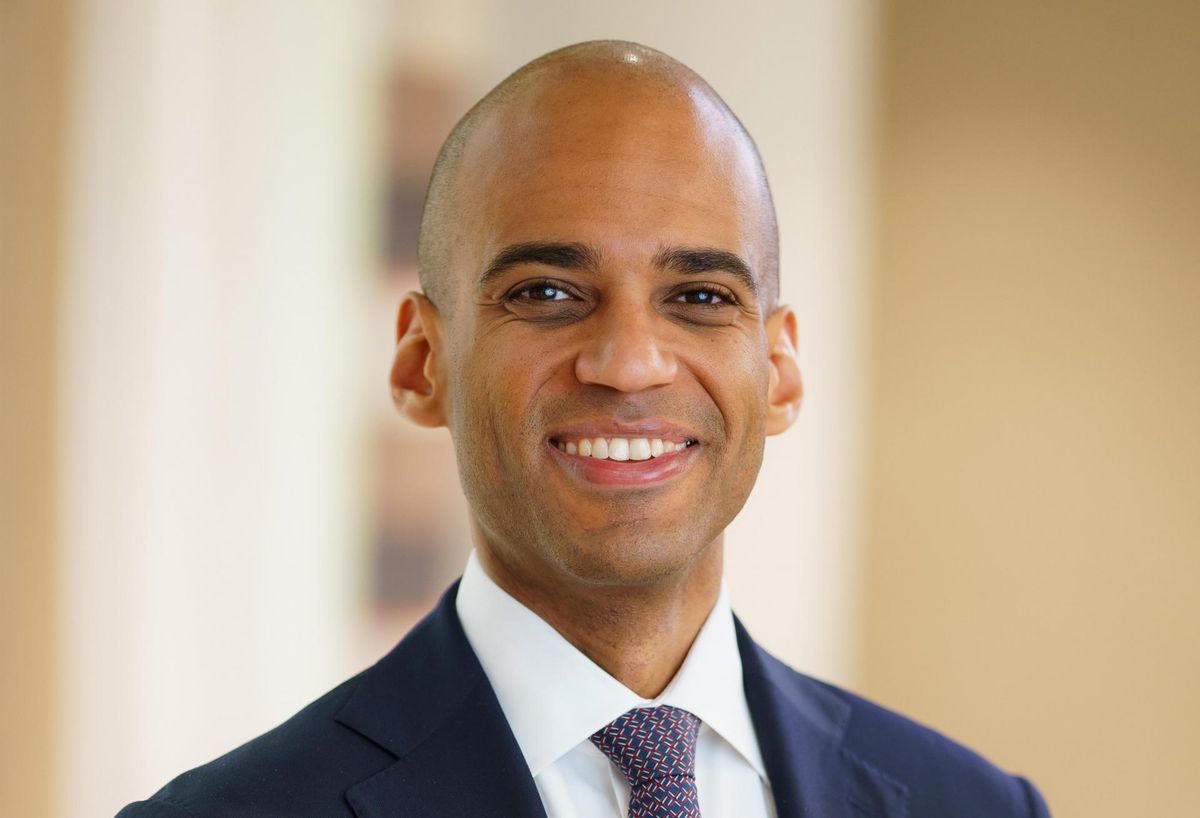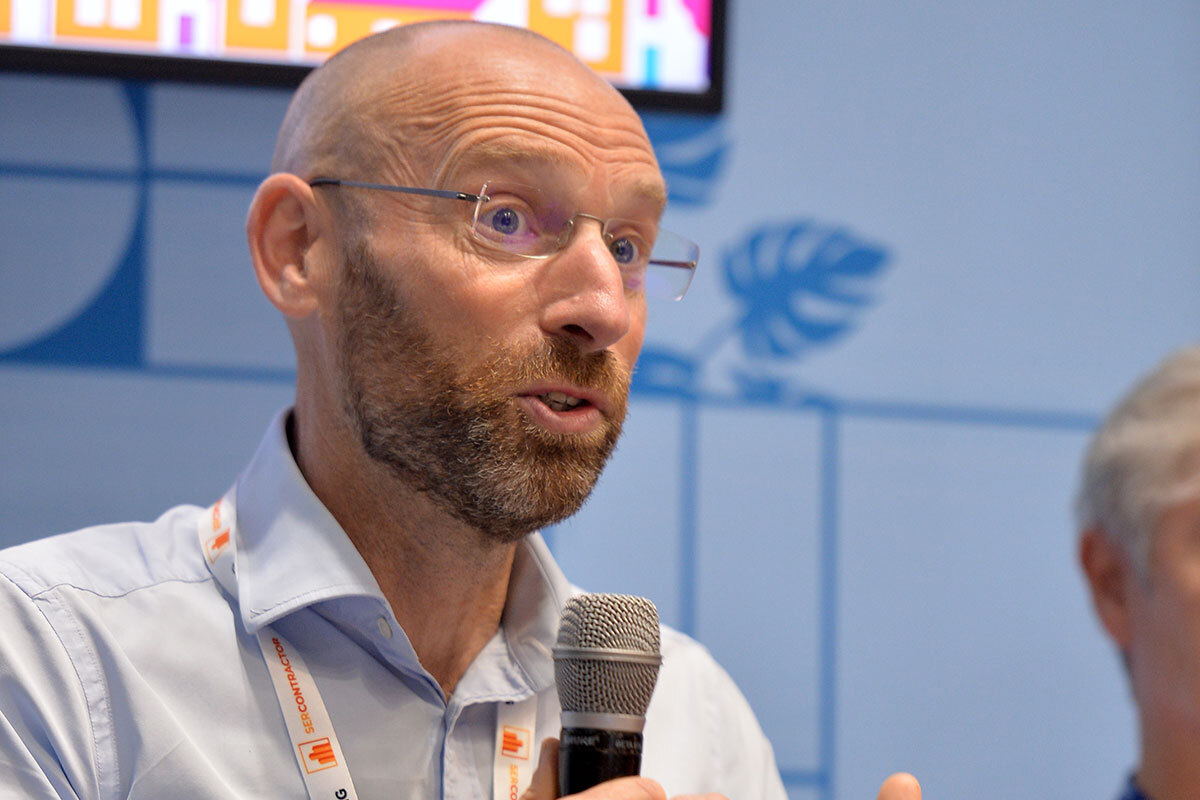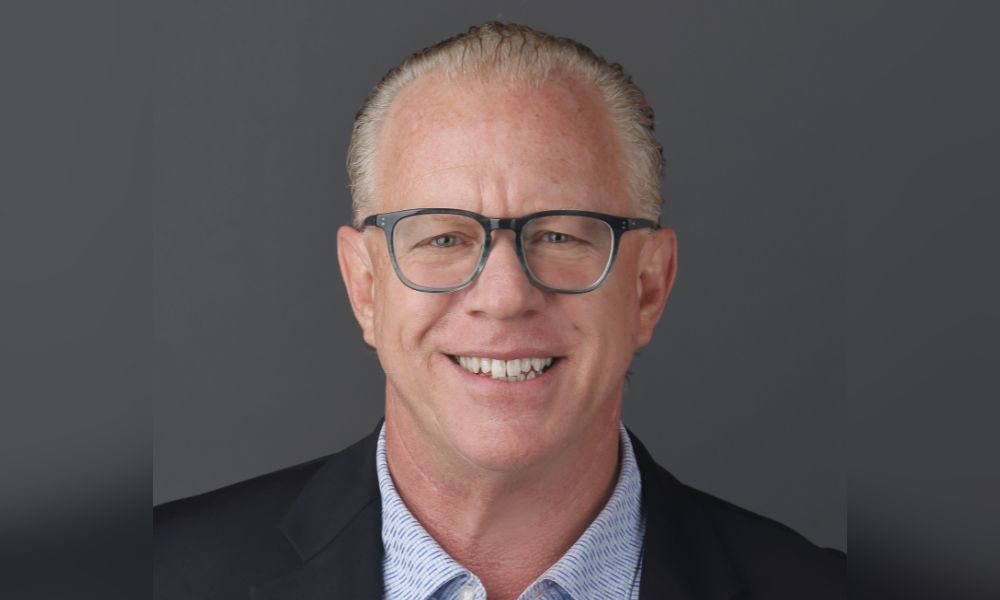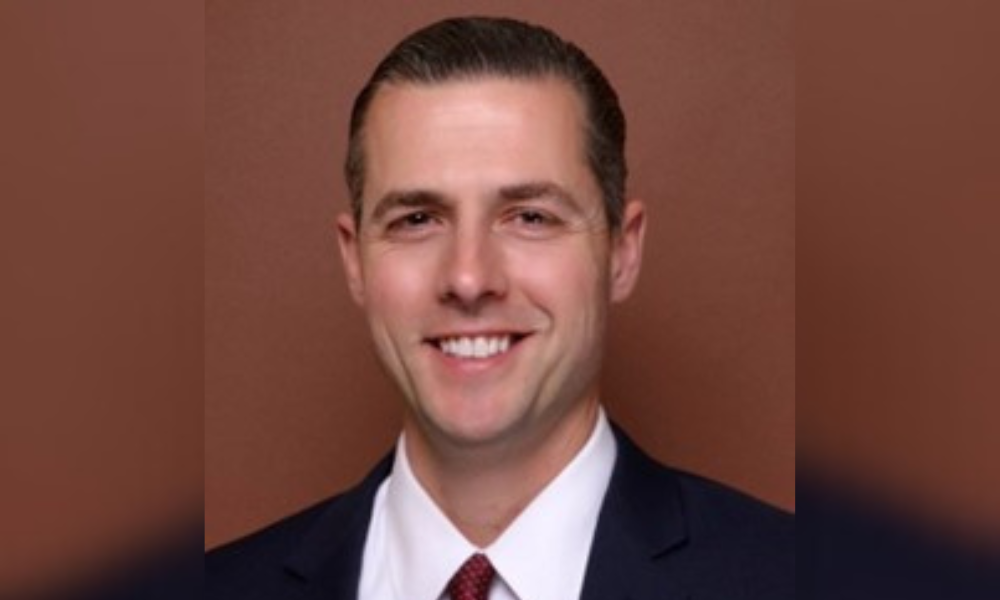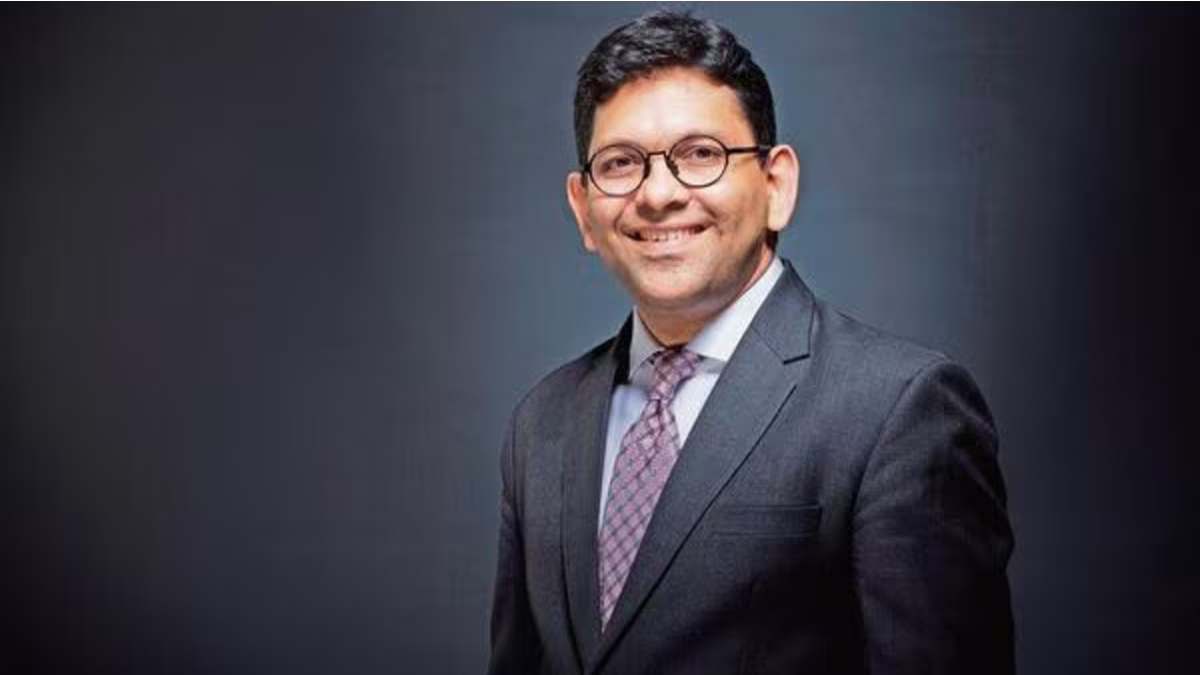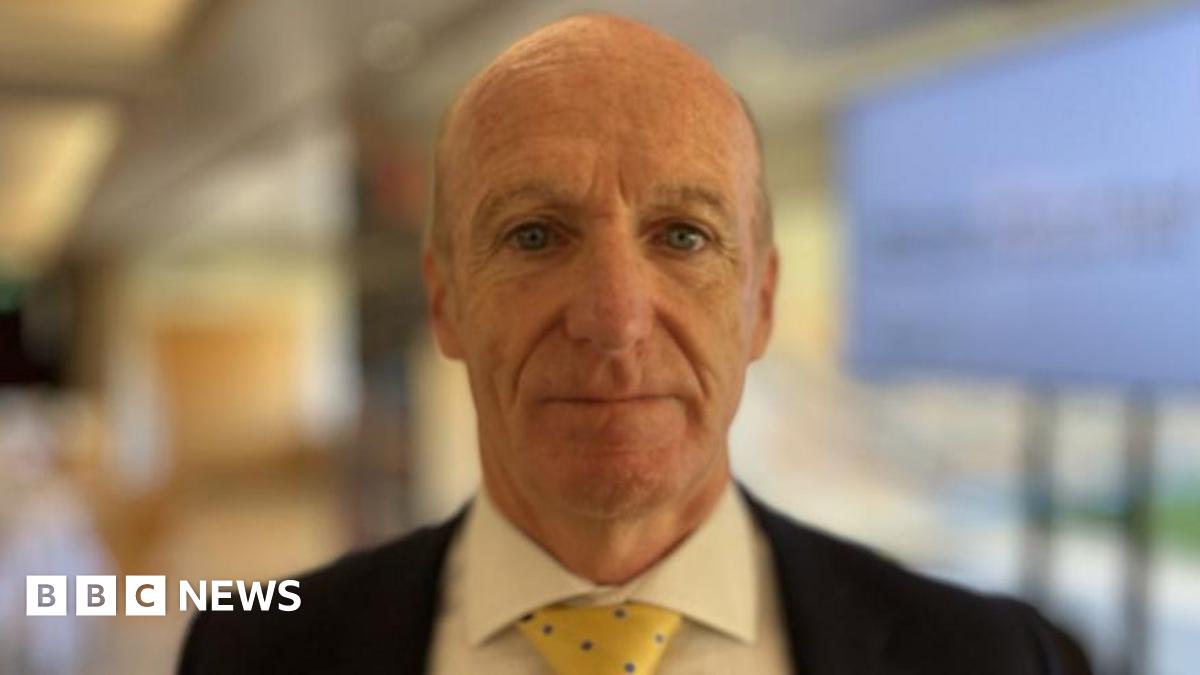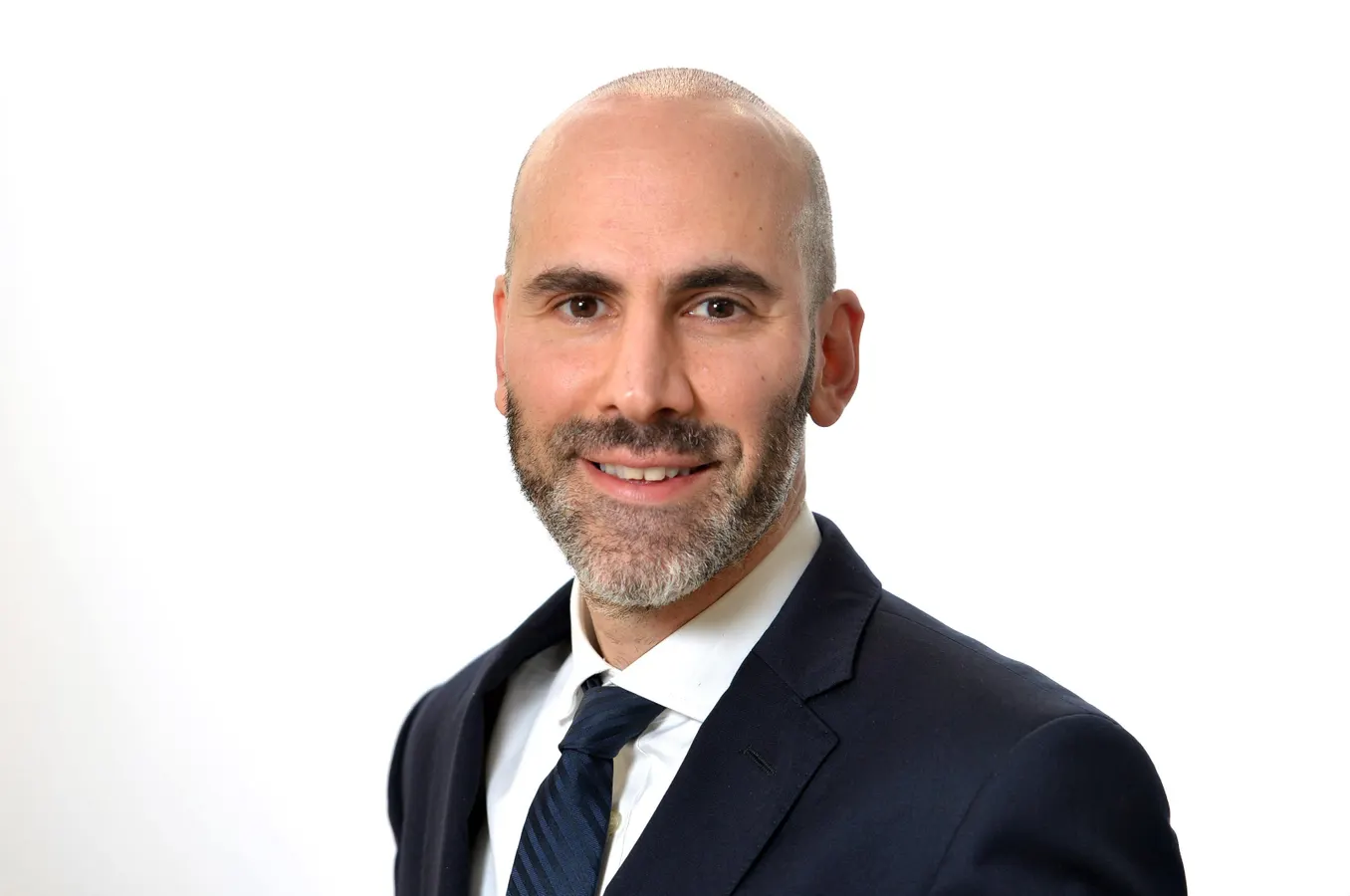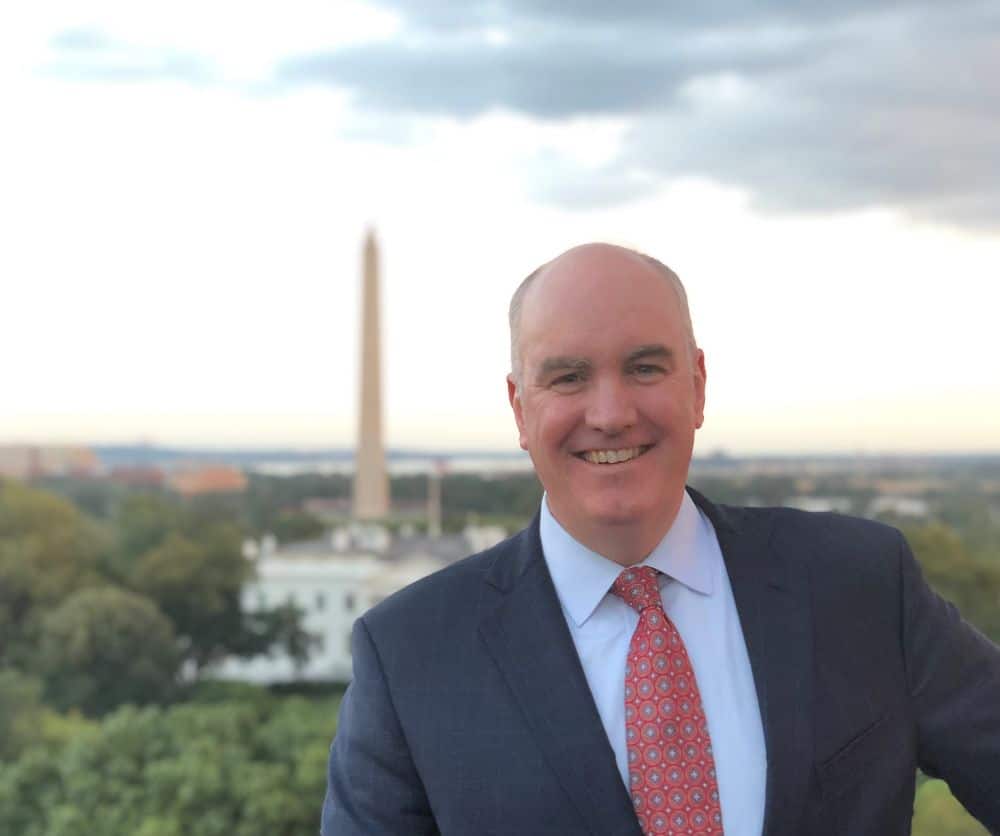
Jim Costello has spent over three decades studying commercial real estate. But his work is not just about numbers. It is about understanding how cities grow, how markets shift, and how data tells a deeper story.
Today, as Chief Economist at MSCI Real Assets, Costello sits at the center of global real estate analysis. His career reflects a rare mix of public data insight and private market expertise.
“I’ve always focused on the intersection of government data and private real estate performance,” he says. “That’s where the real story is.”
How Jim Costello Got Started in Real Estate Economics
Costello’s journey began in Plainfield, Illinois, a farm town that slowly turned into a suburb of Chicago during his teenage years. Watching that transformation shaped how he thinks about growth and development.
“I saw firsthand how a place can change over time,” he says. “That stuck with me.”
After graduating from the University of Chicago in 1989, he took an unusual first step. He managed a team of Census workers during the 1990 Census. It was not glamorous, but it gave him hands-on experience with large-scale data collection.
“That job taught me how raw data comes together,” he says. “You realize how messy and human the process can be.”
He later worked with the DuPage County Development Department while finishing his master’s degree. That role gave him exposure to how local governments use data to guide decisions.
Building a Career at CBRE and Torto Wheaton Research
In 1994, Costello moved into the private sector with CBRE in Chicago. Two years later, he relocated to Boston to join Torto Wheaton Research, a major step in his career.
TWR was a unique partnership. It brought together academic insight and real-world market data. For Costello, it was the perfect environment to grow.
“We were building frameworks to understand risk and value in real estate,” he says. “A lot of what the industry uses today started in that period.”
He spent nearly 20 years there. During that time, he helped shape how analysts think about market cycles, asset pricing, and risk.
“It was about asking better questions,” he explains. “Not just what is happening, but why.”
Transitioning to Real Capital Analytics and MSCI
After leaving TWR in 2014, Costello worked as an independent consultant. One of his clients, Real Capital Analytics, soon brought him on full-time in 2015.
That move marked another shift. RCA focused heavily on transaction data, giving Costello a new lens on market behavior.
“When you look at deals, you see what people are actually willing to pay,” he says. “That’s different from just tracking trends.”
In 2021, RCA was acquired by MSCI. Costello stayed on and now serves as Chief Economist for MSCI Real Assets, while also holding the title of Executive Director internally.
His role involves translating complex data into clear insights for clients around the world.
“My job is to tell the story behind the numbers,” he says. “Data doesn’t speak for itself. You have to interpret it.”
Advising Policymakers During Economic Crises
Costello’s expertise has not been limited to private clients. He has also worked with policymakers, including advising the U.S. Treasury after the Global Financial Crisis.
“That period showed how connected real estate is to the broader economy,” he says. “You can’t look at it in isolation.”
During the COVID-19 pandemic, he again stepped into a key role. Drawing on his long-term perspective, he helped industry leaders understand how this downturn differed from past cycles.
“Every crisis has its own pattern,” he says. “The challenge is figuring out what is unique this time.”
Leadership in Commercial Real Estate Research
Beyond his day-to-day work, Costello remains active in the broader industry. In 2025, he became President of the Real Estate Research Institute. He also serves with the Counselors of Real Estate and has held leadership roles with the Mortgage Bankers Association.
These positions reflect his influence in the field, but he sees them as part of a larger mission.
“I’ve always tried to support the academic side of real estate,” he says. “That’s where new ideas come from.”
His recognition as a Hoyt Institute Fellow highlights those contributions. He often guest lectures and helps universities with research and fundraising.
“It’s important to give back to the community that shaped you,” he adds.
A Long-Term View on Markets and Data
Across his career, one theme stands out. Costello takes a long view. He studies patterns over decades, not just quarters.
“Short-term moves can be misleading,” he says. “You need context to understand what really matters.”
This perspective comes from years of watching markets rise, fall, and recover. It also comes from his early experiences working with both public and private data sources.
“The more angles you look at, the clearer the picture becomes,” he explains.
Life Beyond the Data
Outside of work, Costello enjoys cycling and travel. He often combines the two, like a recent multi-day ride through the Netherlands.
“That was three days of about 40 miles each day,” he says. “It gives you time to think.”
He hopes to take a similar trip through the southern islands of Japan in the future.
For someone who spends so much time analyzing markets, those moments offer a different kind of perspective.
“Sometimes stepping away helps you see things more clearly,” he says.
Jim Costello’s career is built on curiosity, consistency, and a deep respect for data. From managing Census workers to advising global institutions, his path reflects a steady focus on understanding how real estate markets really work.
And as he puts it, the work is far from done.
“There’s always more to learn,” he says. “That’s what keeps it interesting.”
Have you read?
Wildfire-Proofing Your Home: A Wildland Firefighter’s Essential Preparation Guide.
Who Is Elevating You? The Leadership Relationships That Shape Long-Term Success.
How LEGO-Inspired Thinking Helped Transform Our Business Strategy and Vision.
10 Must-Have Agenda Items Every CEO Should Prioritize for Effective Leadership.
How to Build Business Resilience and Thrive During Times of Disruption.