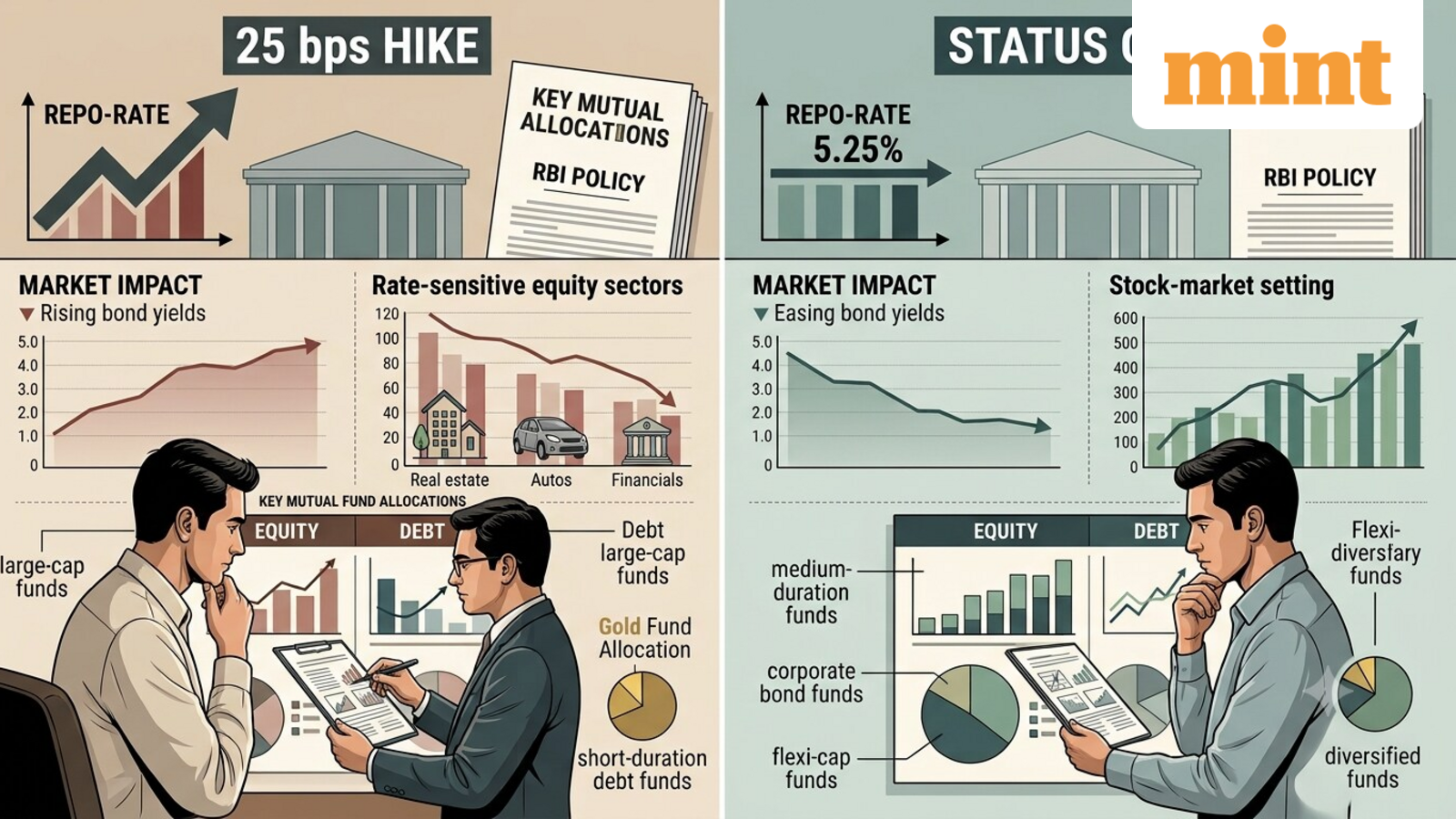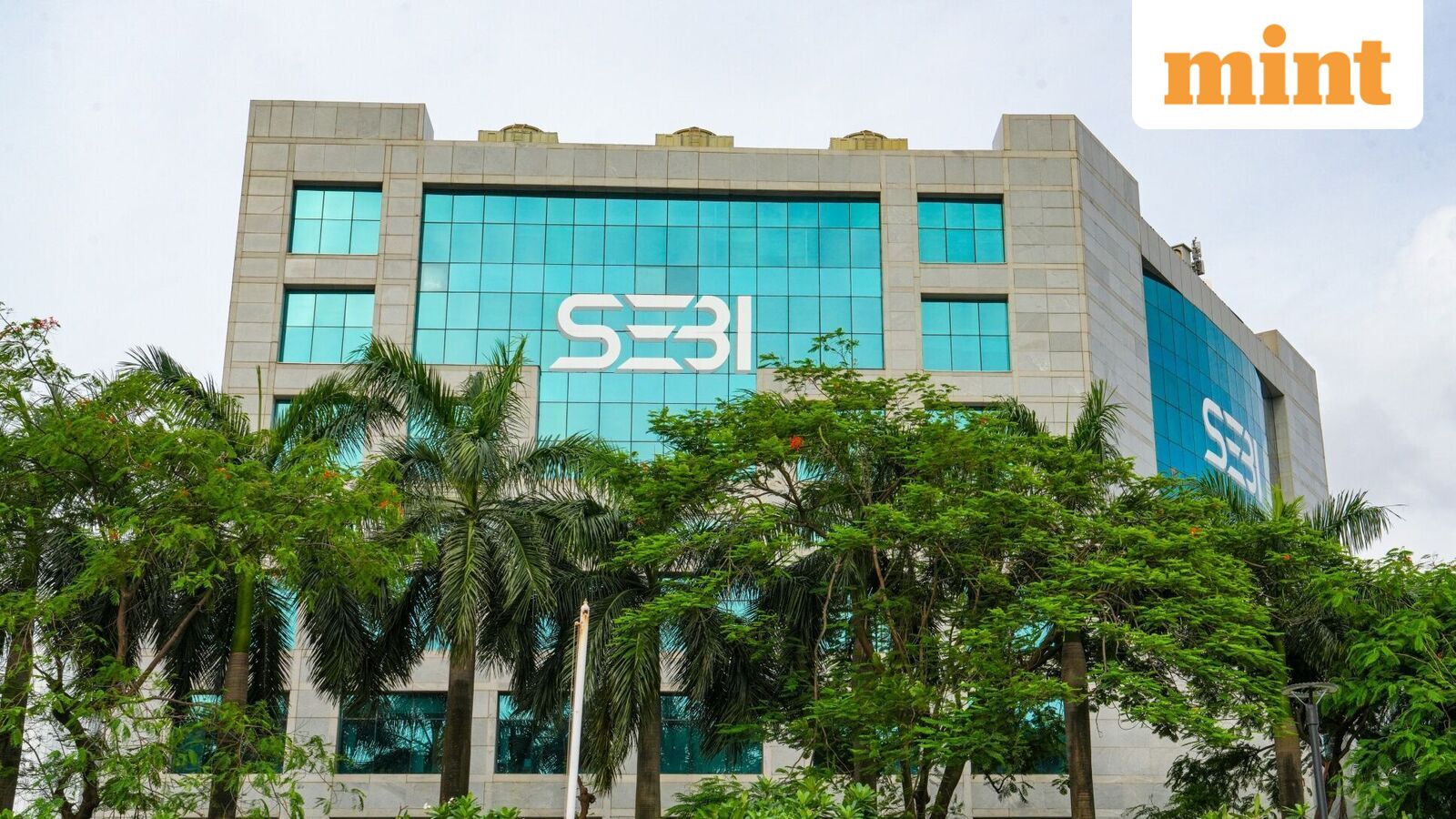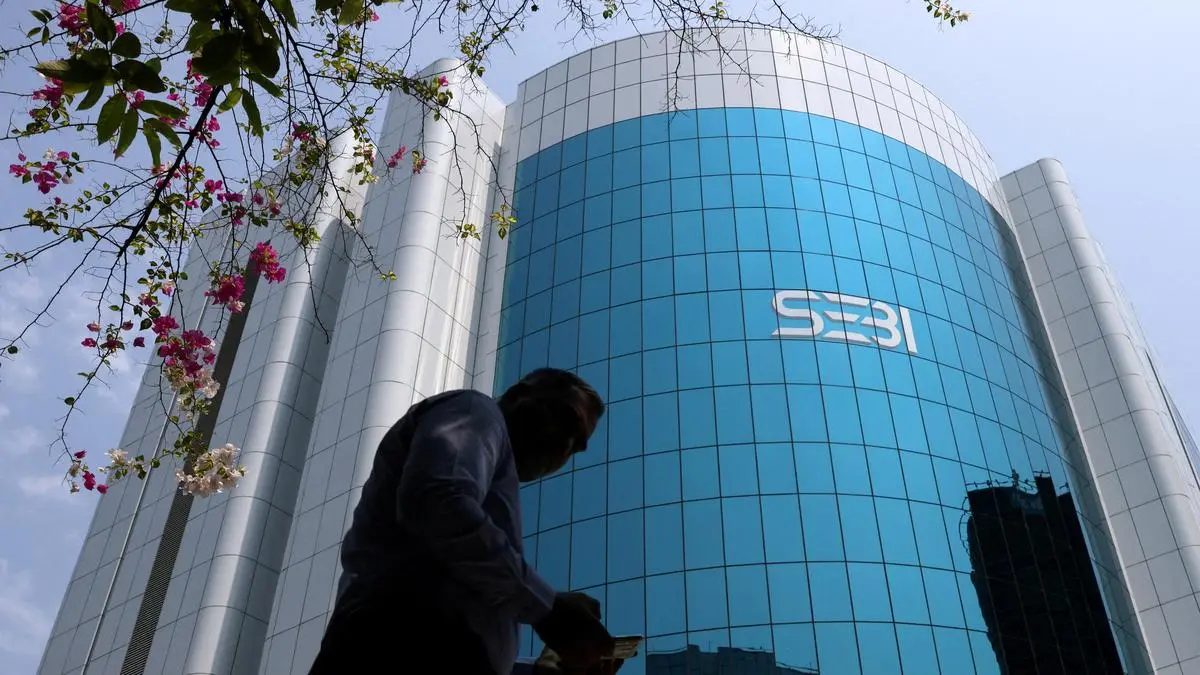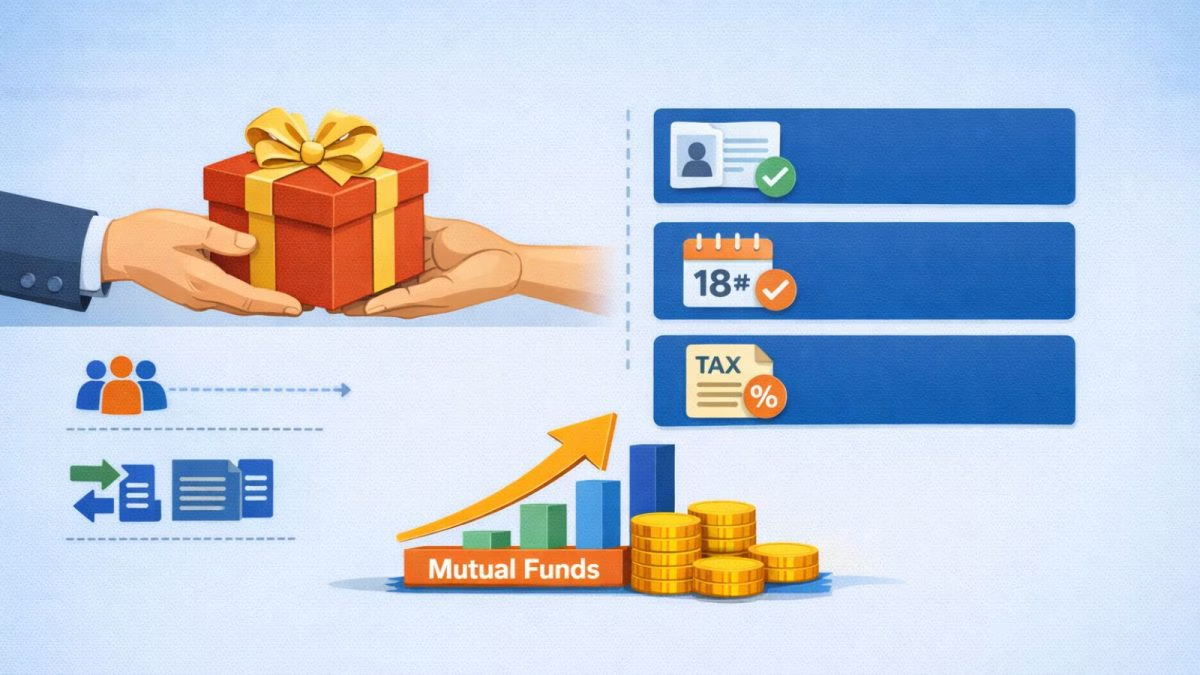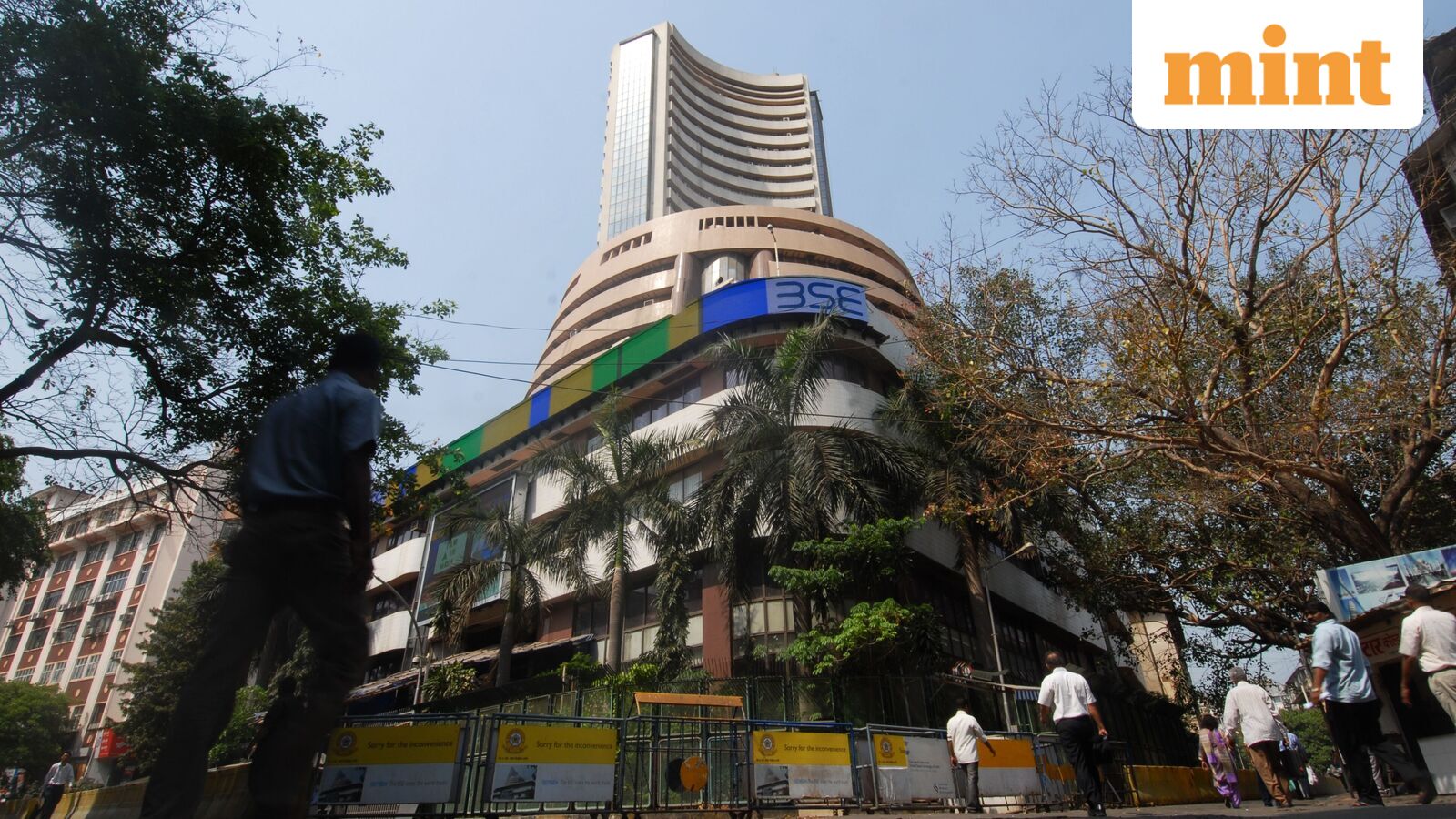

The Securities and Exchange Board of India (SEBI) has recommended removing capital gains tax on switching between mutual fund schemes.
According to a Reuters report on Monday, SEBI has recommended that switching from one mutual fund scheme to another should not be treated as a taxable sale if the units have been held for more than a year.
Here’s what mutual fund switching means, how it is taxed under current rules, and what could change.
What does mutual fund switching mean?
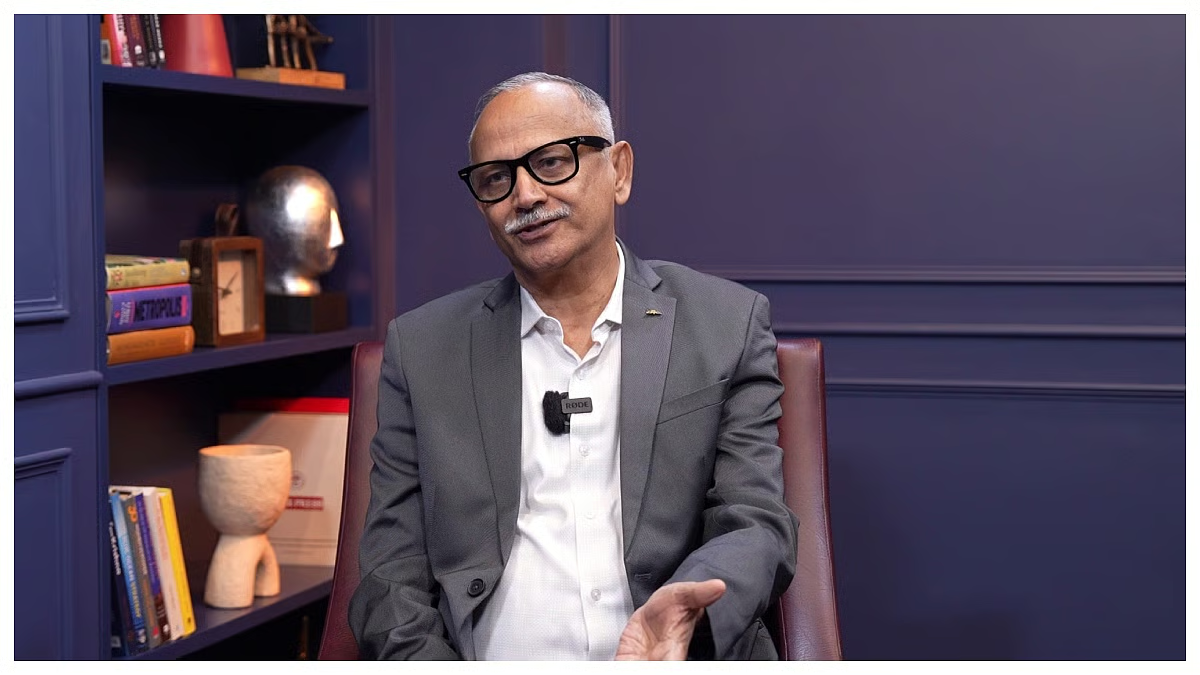
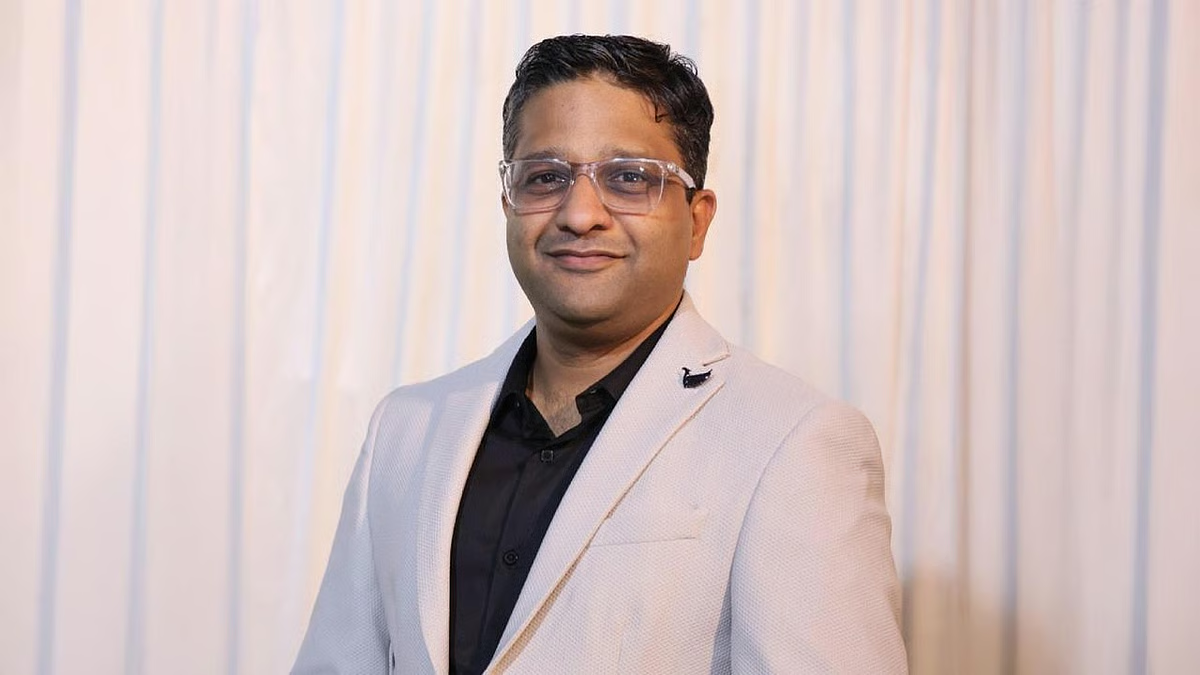
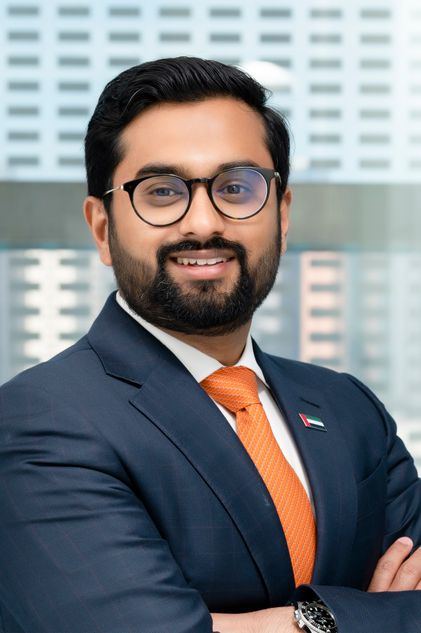
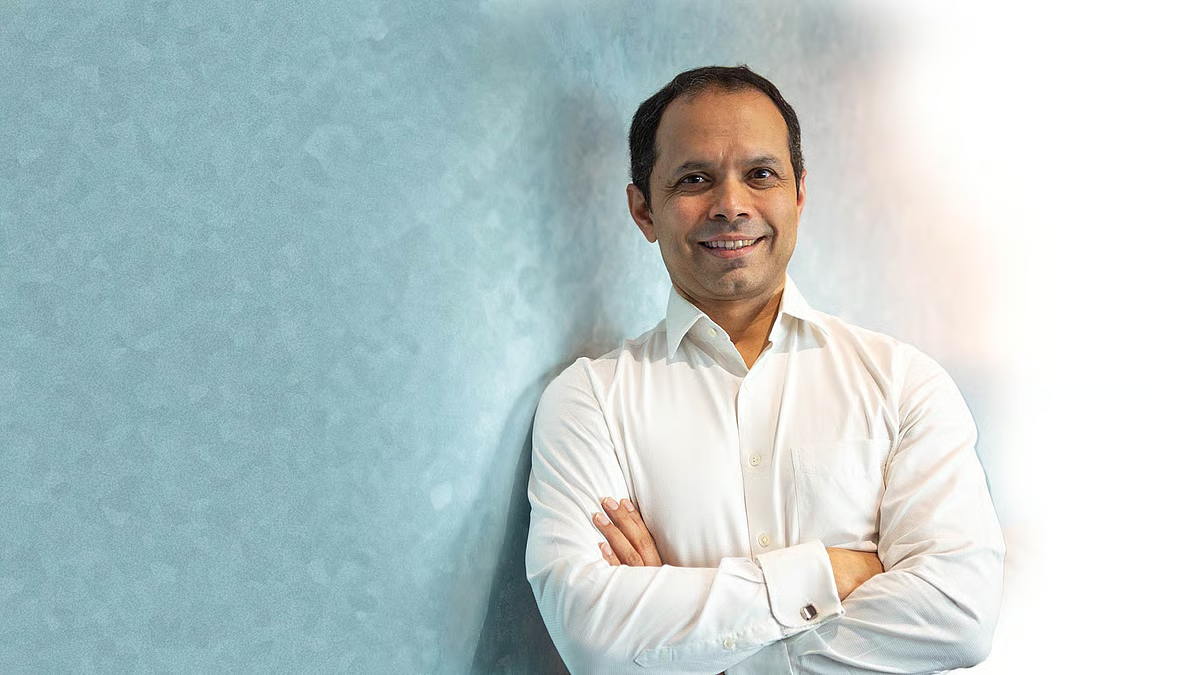
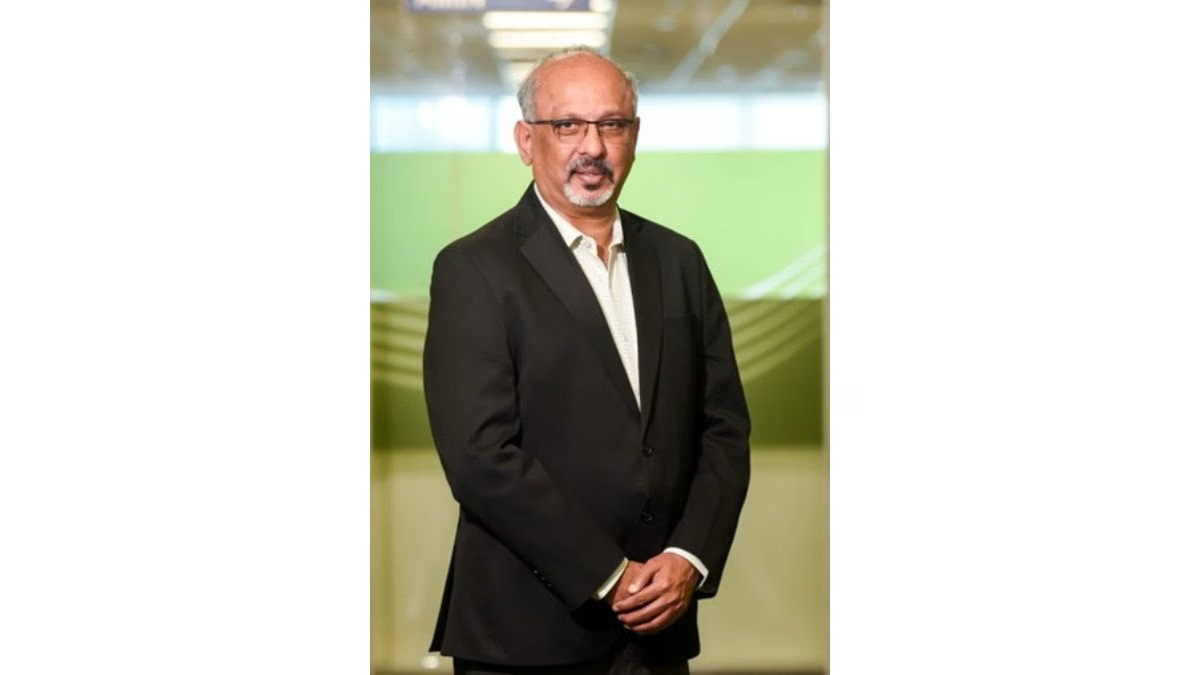
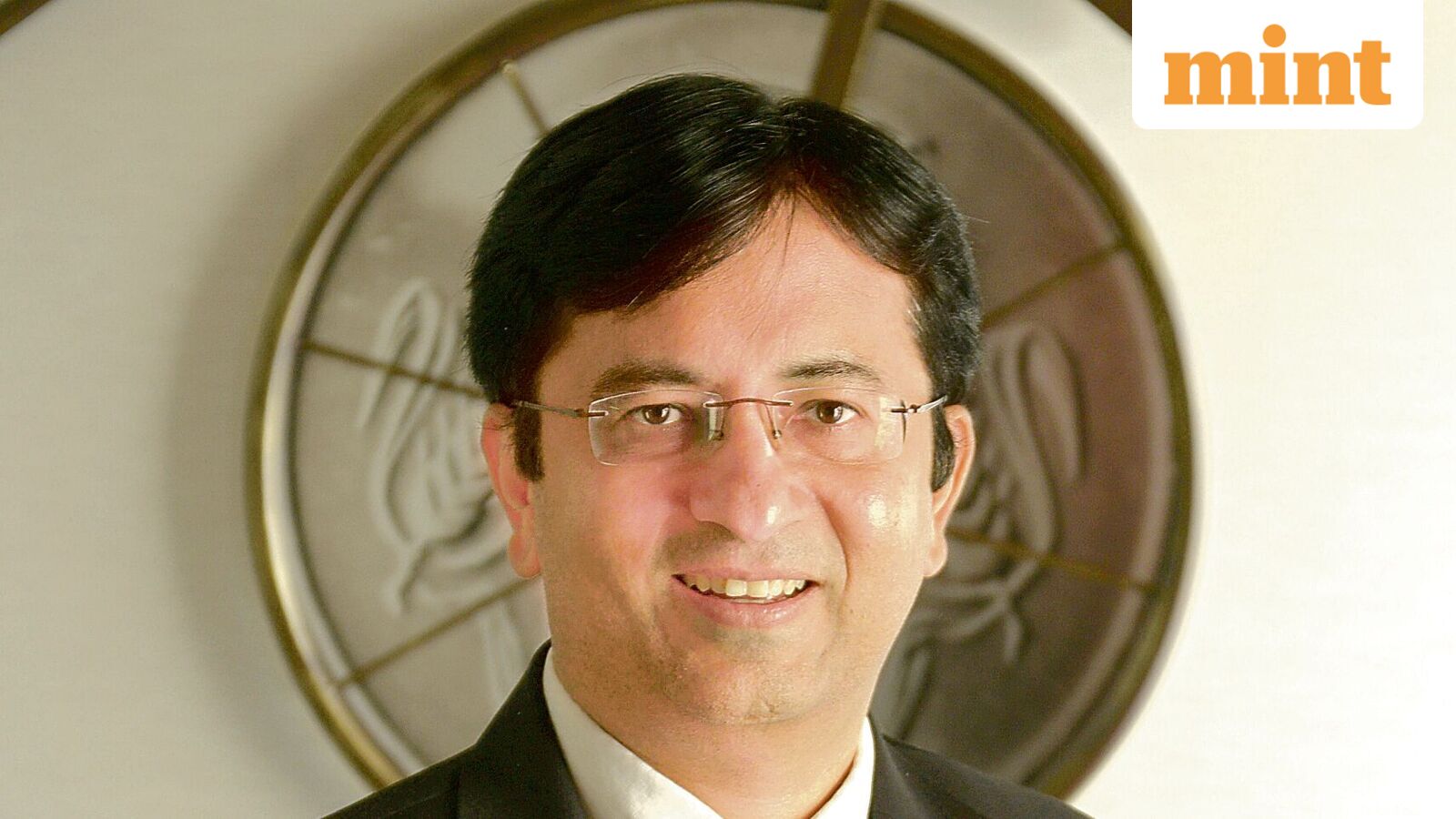
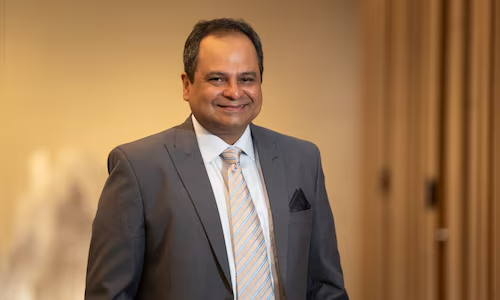
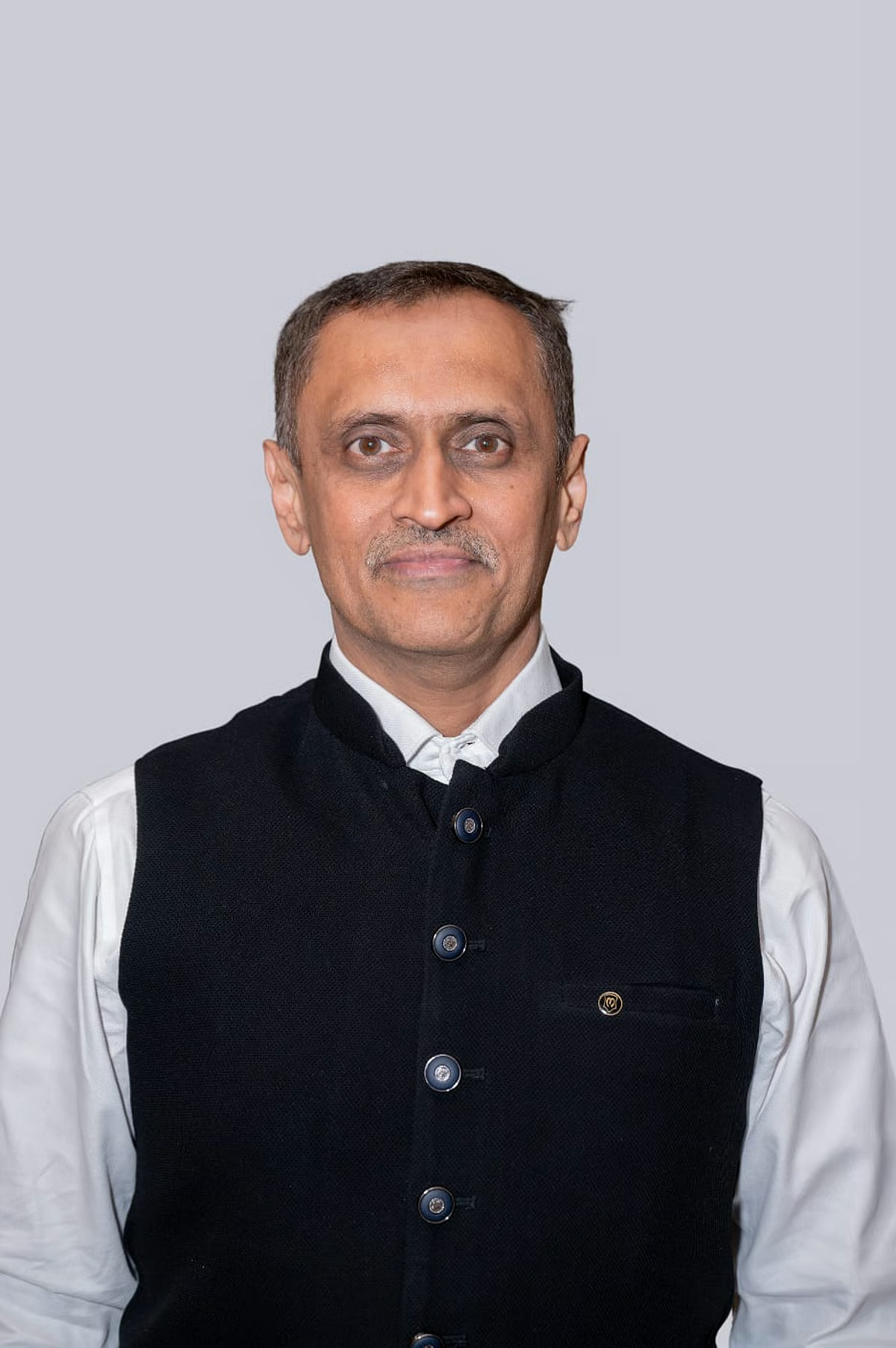
Harsh Vardhan Dawar, ACA, CFA, FRM, Founder of Wealth Cafe, said, “When you sell a Mutual Fund scheme and buy another scheme of the same fund (be it debt, equity or hybrid), it is called switching.”
Generally, investors switch schemes when they want to rebalance the portfolio or move out of a scheme that is not performing well, he added.
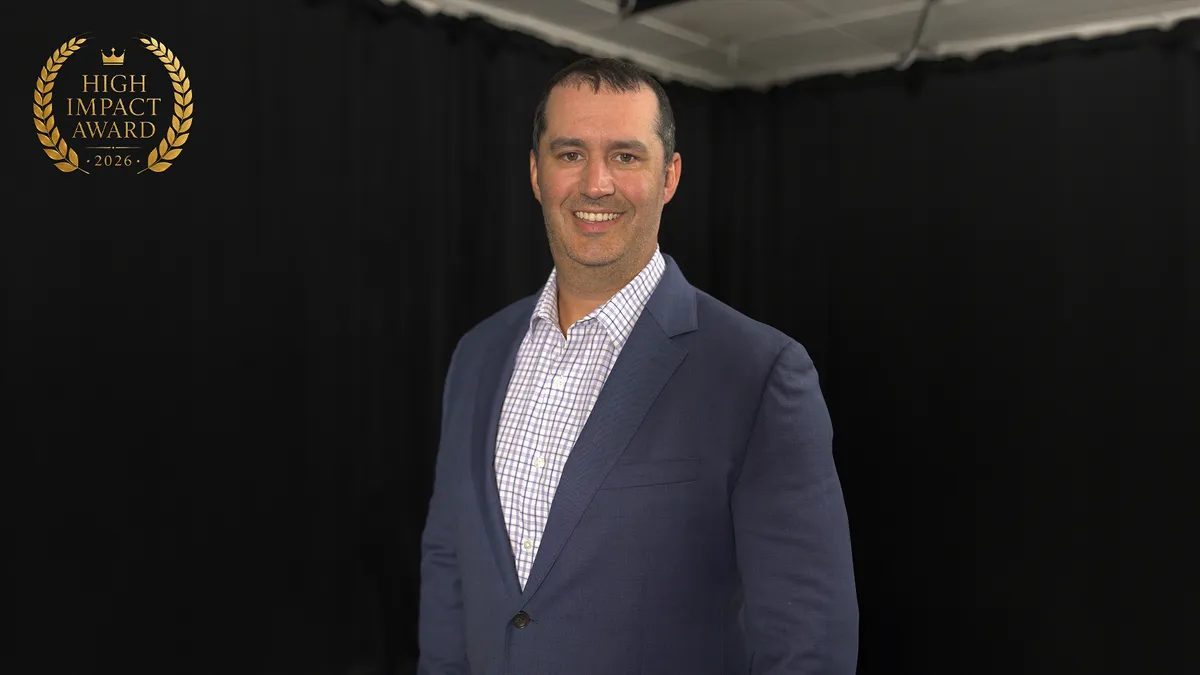
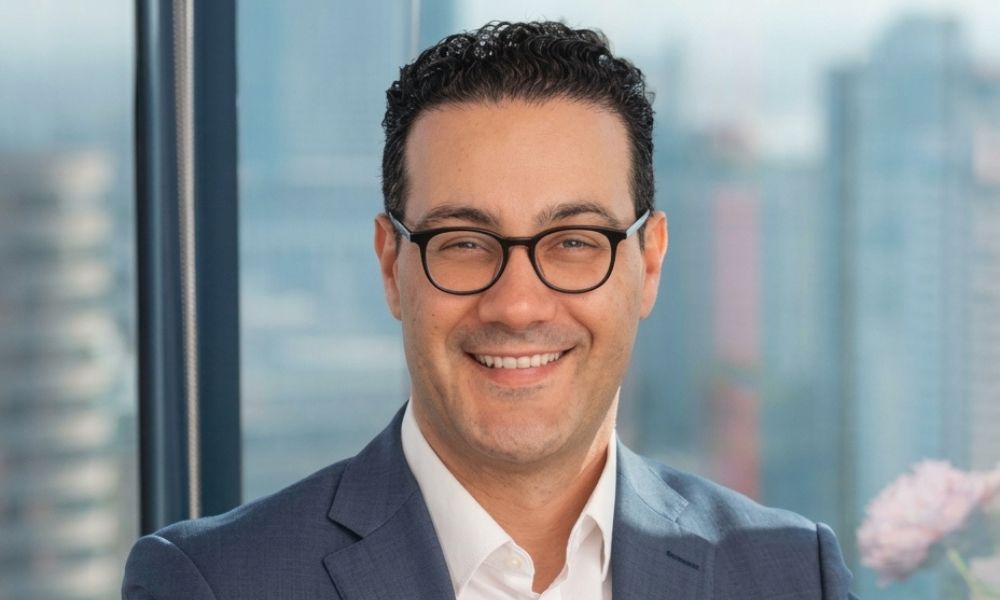
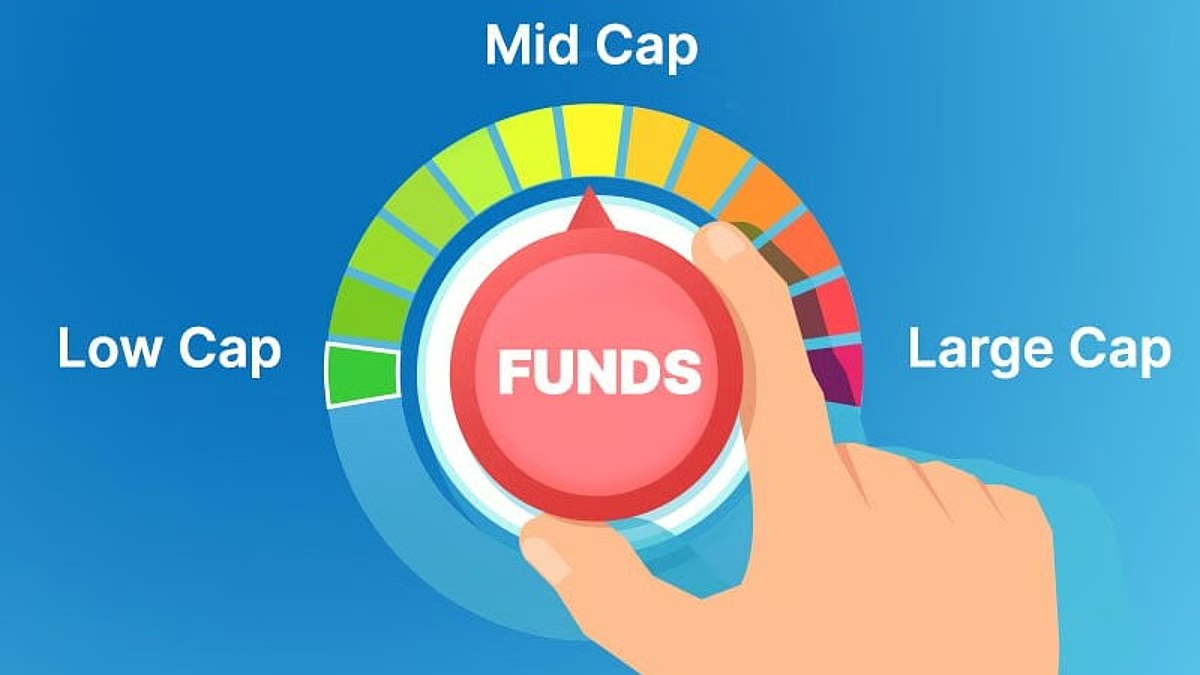
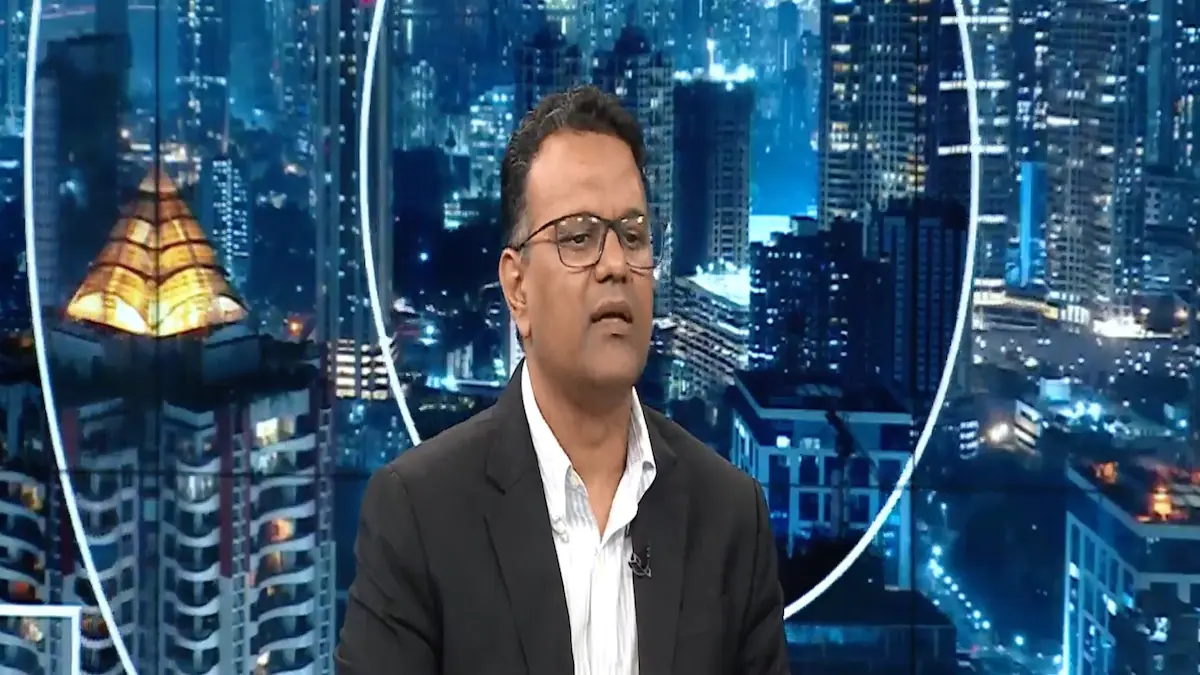
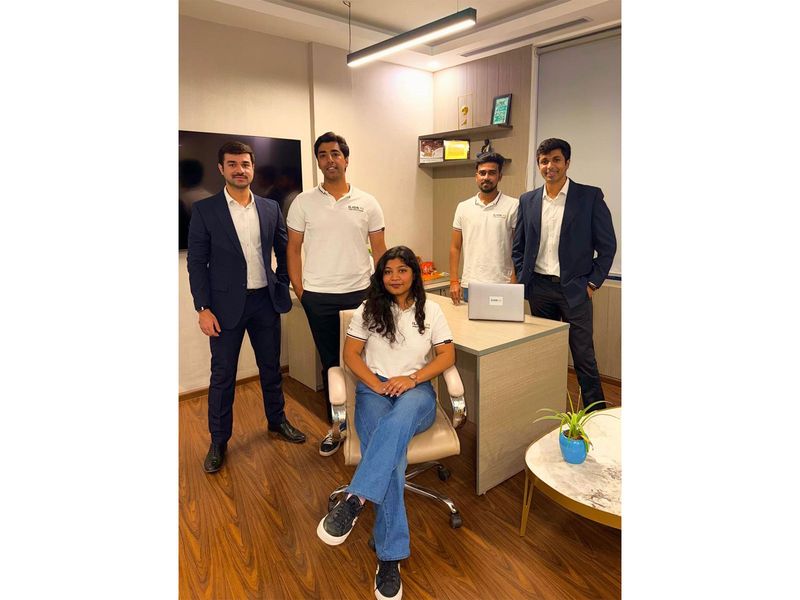
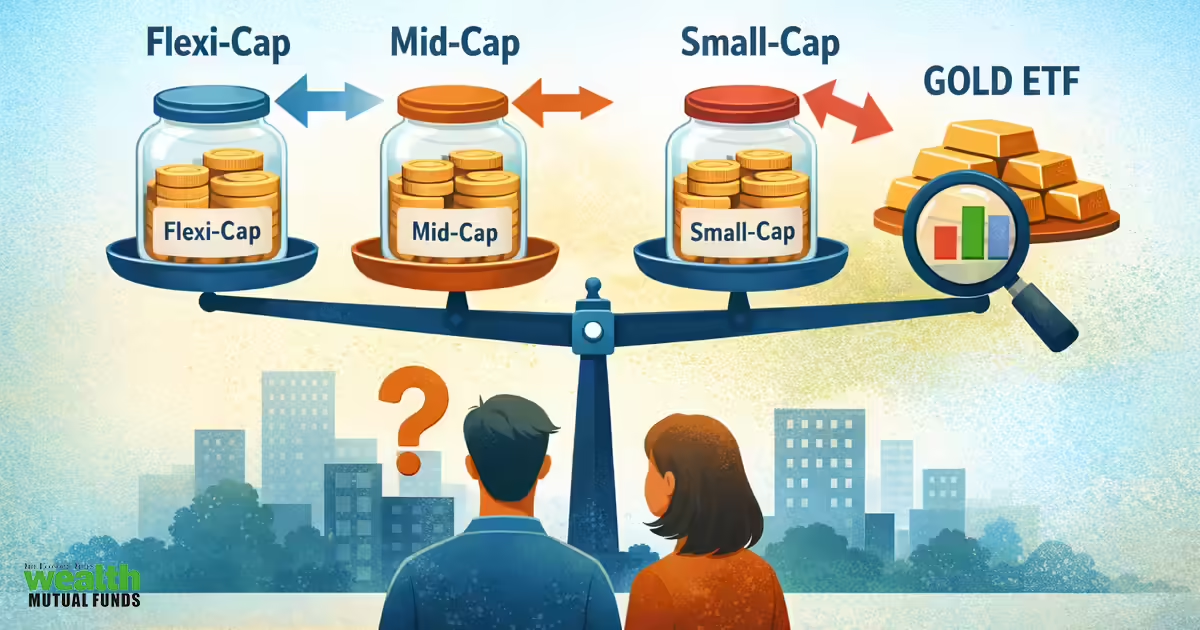
Piyush Jhunjhunwala, CEO and Founder of Stockify, said an investor may move their entire investment from one equity fund to another or switch from a small-cap fund to a large-cap fund.
Currently, such a switch is treated as a redemption from the existing scheme followed by a fresh investment in another scheme. Therefore, investors may have to pay capital gains tax even if the money is not transferred to their bank account.
How are mutual fund switches taxed under current rules?
Jhunjhunwala said mutual fund switches are usually considered taxable events. The tax amounts are determined based on the mutual fund type, time of investment, and profit gained.
The current tax rules for mutual fund investments are:
- Equity funds: Short-term capital gains (holding period of up to 12 months) are taxed at 20%. Long-term capital gains (holding period of more than 12 months) are taxed at 12.5%.
- Debt funds: Gains from investments made on or after 1 April 2023 are taxed at the investor’s applicable income tax slab rate.
Dawar said this also applies when switching from a regular plan to a direct plan or from the IDCW (Income Distribution cum Capital Withdrawal) option to the growth option within the same scheme.
“Regardless of whether an investor stays with the same mutual fund company or moves to a different AMC while switching, the transaction may attract capital gains tax,” Jhunjhunwala added.
In a systematic withdrawal plan (SWP), each withdrawal is treated as a partial redemption of mutual fund units. However, tax is levied only on the capital gains component of the redeemed units, not the entire withdrawal amount.
For instance, if an investor withdraws ₹10,000 through an SWP, the entire amount is not treated as capital gains. Only the applicable profit component is taxable, Jhunjhunwala explained.
Dawar said a systematic transfer plan (STP) transaction also results in capital gains tax, as units in one scheme are redeemed to purchase units in another.
What could change if SEBI’s recommendation is accepted?
Jhunjhunwala said the proposed tax relief could make it easier for investors to switch their investments after holding units for more than a year, without facing an immediate long-term capital gains (LTCG) tax liability.
If approved, this should apply only to switches from one equity scheme to another, as the recommendation aims to support equity markets, Dawar added.
“The industry has been putting this request as a part of every budget to exempt movement of funds from regular to direct plans from capital gains tax. But this has always been ignored.”
However, Jhunjhunwala said the precise scope of the proposed relief remains unclear. It is yet to be clarified whether the exemption will cover all inter-scheme transfers, including switches from equity to debt funds, or only specific categories of transactions.
It is also unclear whether switches between direct and regular plans, or between growth and IDCW options, will qualify for the proposed exemption.
Disclaimer: This story is for educational purposes only. The views and recommendations made above are those of individual analysts or broking companies, and not of Mint. We advise investors to check with certified experts before making any investment decisions.
About the Author
Sheetal Goel is a Content Producer at Livemint, where she covers corporate developments, personal finance, business trends, markets, and SEBI-related updates. She focuses on simplifying complex financial concepts and presenting them in a clear, reader-friendly manner, thereby helping audiences better understand investment trends, personal finance, and market developments. Her writing focuses on making finance more accessible to everyday readers while maintaining clarity, accuracy, and relevance.
She holds a degree in Economics (Hons.) along with an MBA in Finance, which has helped her develop a strong foundation in financial analysis, market understanding, and business reporting. Before joining journalism, she worked with finance and broking firms, where she closely followed market developments, investment strategies, and evolving industry trends. This practical exposure strengthened her understanding of financial markets. She has also written content across multiple formats and platforms, including YouTube, LinkedIn, and Instagram.
Over time, she has developed expertise in covering market-linked stories, investor-focused topics, and regulatory updates in a simplified yet informative style. She also enjoys reading and listening to Hindi poetry, reflecting her appreciation for literature and creative expression beyond the world of markets and numbers.