While the fixed income space in mutual funds (MFs) offers a whole range of investment options, the returns from schemes haven’t been spectacular in recent months. Though most fixed income categories that invest in the Indian debt market have given lacklustre performance, MF schemes that have exposure to US Treasury bonds emerged as the top performer among debt funds on the back of a weak rupee and stable returns from the US debt market.
MFs that invest in international FoFs (Fund of Funds) with direct exposure to US Treasury bonds have gained 5.4% so far in 2026 and 14.4% over the one-year period on a CAGR (Compounded Annual Growth Rate) basis, the best performance in the fixed income category.
Incidentally, there are only a handful of funds in the category. Most of these funds were launched in 2023. These funds have generated returns of about 11% on a CAGR basis since their inception. In contrast, the CRISIL 10-year Gilt Index has gained about 5.5% on a CAGR basis since launch.
| Fund Name | 6-month returns (%) | 1-year returns (%) |
| Bandhan US Treasury Bonds 0–1 year Specific Debt Passive FoF-Direct | 6.1 | 14 |
| ABSL US Treasury 1-3 years Bonds ETFs Passive FoF-Direct | 6.1 | 14.8 |
| DSP US Specific Debt Passive FoF-Direct | 5.6 | 15.3 |
| Axis US Specific Treasury Dynamic Debt Passive FoF-Direct | 5.3 | 15.1 |
|
ABSL US Treasury 3- years Bonds ETFs Passive FoF-Direct |
5.1 | 14.7 |
What are the reasons for the outperformance? Can it be sustained?
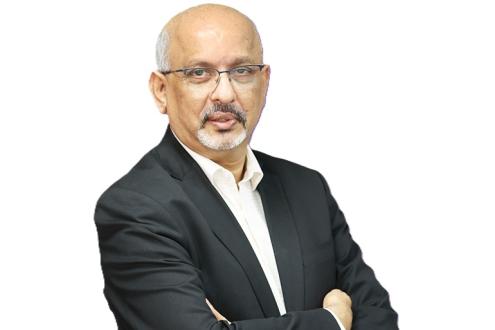
The sharp depreciation of the rupee against the US dollar and falling US Treasury yields that boosted their underlying bonds are the reasons for the good performance, say experts. “The Indian rupee depreciated over 10% against the US dollar in the last year and a half. For Indian investors, every percentage point of rupee weakness adds directly to the rupee returns on dollar-denominated holdings,” said Rohan Goyal, Investment Research Analyst, MIRA Money, a technology-based investment management platform.
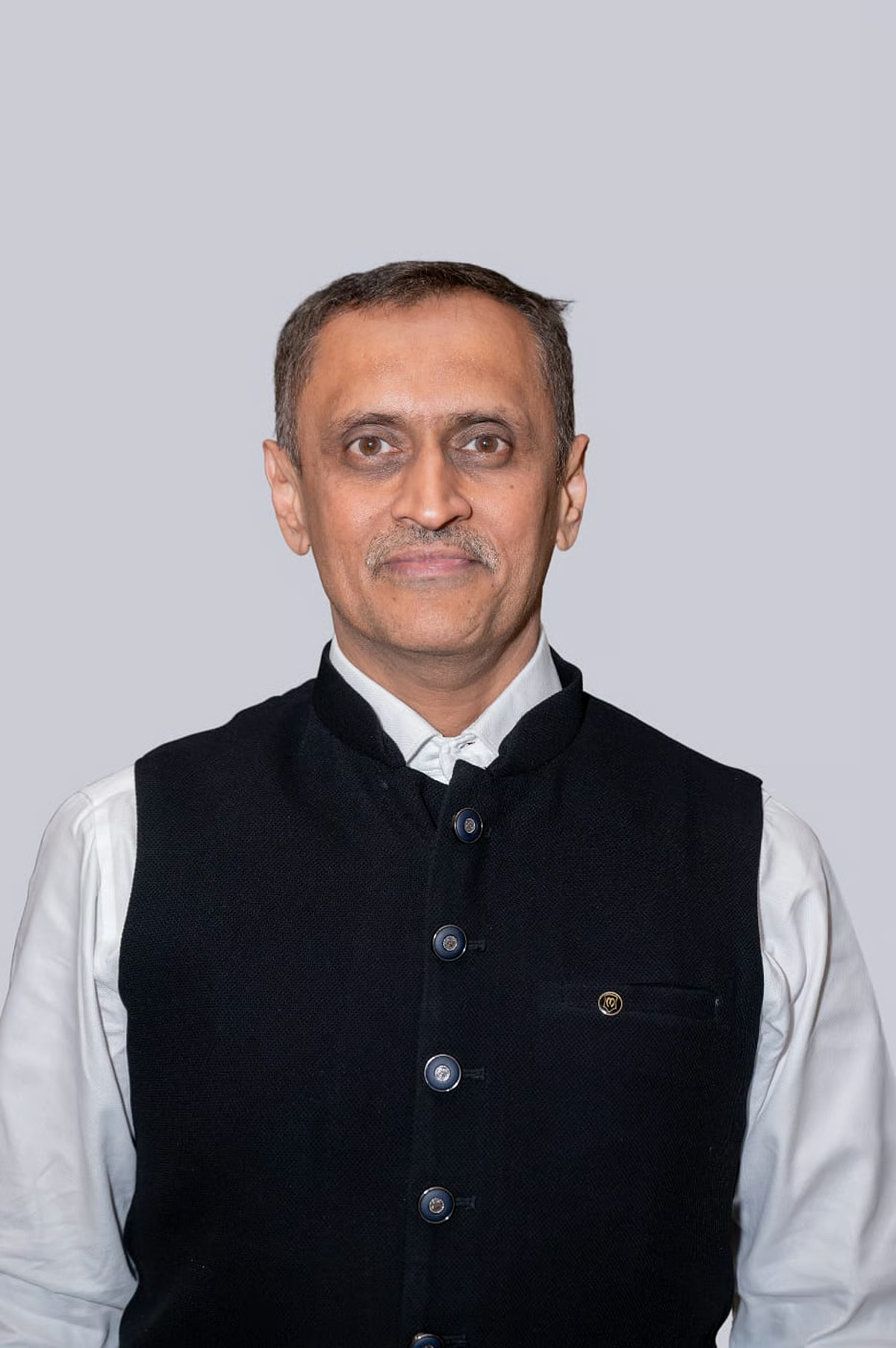
“Strong returns were driven by falling US Treasury yields (leading to capital gains) and rupee weakness against the US dollar. Future performance will depend on Fed policy, US bond yields, and currency movements,” said Aditya Agrawal, Chief Investment Officer, Avisa Wealth Creators, a wealth management platform.
The US Federal Reserve (Fed) stopped cutting rates from December 2024, held rates at 4.25%-4.5% in 2025 and in 2026 the US bond market started pricing in the rate hikes given the sticky inflation and rising long end yields. “Longer-duration funds are currently bearing real mark-to-market losses. Short-duration (0–1 year) funds on the other hand are relatively insulated and this led to short-dated US Treasuries continuing to earn 4%-5% in US dollar per year through coupon income. The combined effect of the yield accrual and currency helped international fixed income schemes deliver rupee returns way higher (than that) of domestic debt categories,” Goyal said.
What place should these funds have in the fixed income portfolio of investors?
Since these funds give exposure to highly-rated US sovereign debt, they can be a good addition to the existing fixed income portfolio of investors. “These funds make most sense for investors with future US dollar denominated goals where rupee depreciation that hurts your spending simultaneously benefits (through) your holding,” Goyal said.
“These funds provide diversification through exposure to high-quality US sovereign debt and can complement domestic debt allocations as a satellite holding,” Agrawal said. “They can also be used for diversification as US Treasuries have zero credit risk and behave independently of Indian interest rate cycles,” Goyal stated. Investors can consider allocating 5%-10% of their fixed income portfolio to this category, experts said.
“Most institutional forecasts suggest that the rupee will be under pressure and that helps make an even stronger case for some US dollar fixed income exposure,” Goyal said. But for investors whose liabilities are mostly rupee-denominated, being overweight on foreign currency assets will not be a prudent strategy, experts said.
What are the tax implications of investing in these funds? Are they tax efficient and how are gains from these funds taxed?
These funds are not considered tax-efficient as all gains are treated as short-term and taxed according to the investor’s IT (Income Tax) slabs. “These funds are not tax efficient, especially for investors in the highest income bracket,” Goyal said.
“For investments made after April 1, 2023, gains are generally taxed at the investor’s applicable income-tax slab rate, irrespective of holding period, making them relatively less tax-efficient for investors in higher tax brackets,” Agrawal said.
US Treasury FoFs (Fund of Funds) are debt-oriented with zero exposure to domestic equities. “Under section 50AA of the IT Act, all capital gains regardless of holding period are deemed short-term and taxed at the investor’s applicable slab rate,” Goyal said. These funds also do not have indexation benefits. At the 30% IT slab rate, a pre-tax return of 9% will become 6% on a post-tax basis.
Are there any limits/caps on investments in these funds?
There is an industry-wide limit of $7 billion for investments by Indian mutual funds in overseas markets. Each individual AMC (Asset Management Company) can invest only a maximum of $1 billion in overseas markets.
“Fund houses currently have very little room to accept fresh investments in international schemes. Availability opens and closes based on redemption activity. Therefore, always check AMC specific subscription status before investing,” Goyal said. “Investments are subject to SEBI’s overseas investment limits for mutual funds. As these limits get utilised, fund houses may temporarily restrict or suspend fresh inflows into overseas schemes,” Agrawal said.