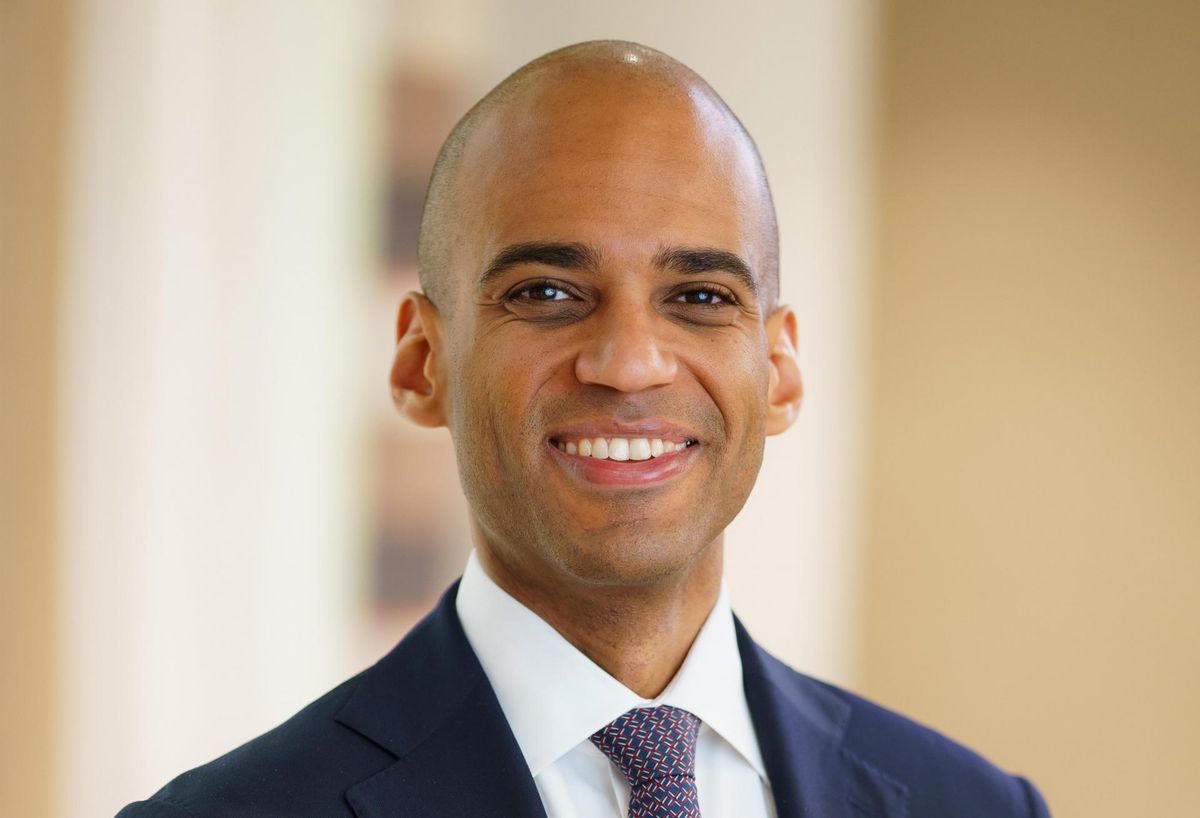
Wesley Carpenter, cofounder and partner, Stormfield Capital, direct balance sheet lender specializing in real estate bridge lending.

The mortgage and lending industry for residential real estate is entering a more complicated, and potentially more interesting, phase of the cycle. The market is no longer defined by the shock of rapidly rising rates, but it is also not returning to the ultra-cheap capital environment that shaped underwriting for much of the last decade.
Existing-home sales increased only modestly in April 2026, while the National Association of Realtors reported 4.02 million annualized sales, a median sales price of $417,800 and 4.4 months of inventory. J.P. Morgan Global Research expects U.S. home prices to stall nationally this year, with elevated mortgage rates, slowly improving supply and uneven regional conditions offsetting one another.
For sponsors, investors and lenders operating in these markets, timing, flexibility and certainty of execution may matter as much as headline pricing. This is why commercial bridge lending is moving from a niche product into a more strategic role in residential real estate.
Bridge Lending In A Recalibrated Real Estate Market
The most important shift is psychological. Borrowers are increasingly accepting that a 6%-plus mortgage environment may not be temporary. In a recent National Association of Realtors interview, Bank of America’s head of consumer lending described buyers as beginning to accept 6% to 7% mortgage rates as the prevailing range, while also noting rising borrower interest in adjustable-rate mortgages.
That matters because residential real estate activity does not have to wait for a return to 2020-era rates. It can restart when buyers, sellers, builders and investors recalibrate around a new cost of capital.
Commercial bridge lenders are often useful in exactly this type of recalibration period. A bridge loan is not a substitute for a sound business plan, nor should it be used to paper over weak fundamentals. But when properly structured, it can give an investor the time and capital needed to move an asset from “not yet financeable on permanent terms” to “ready for long-term debt.”
In multifamily, J.P. Morgan has described bridge-to-agency financing as a way to pair short-term capital with long-term agency financing when investors need to close quickly, complete renovations or wait for volatility to settle.
Solving The Right Problem
That framework is especially relevant today because residential real estate is fragmented. Some Sun Belt and West Coast markets are absorbing more new supply, while other markets remain inventory-constrained. Some multifamily assets are fundamentally sound but need capital improvements, lease-up execution or expense normalization. This is not a market where one underwriting assumption fits every asset.
The better question for lenders and borrowers is not, “Can we get bridge debt?” It is, “What specific problem is bridge debt solving?”
The answer shapes everything that follows. A timing problem demands closing certainty and immediate execution capacity. A renovation problem demands budget control, draw discipline and a clear line between improvements that drive income and those that merely restore it. A permanent-financing problem demands that the takeout be underwritten at origination, not six months before maturity.
An Opening And A Responsibility
The Mortgage Bankers Association forecasts commercial mortgage originations to rise 27% to $805.5 billion in 2026, with multifamily up 21%, and expects a steeper yield curve to continue pushing borrowers toward shorter-term loans. Bridge lending is not only about acquisitions. It is also about navigating refinance friction.
At the same time, lenders should resist the temptation to mistake increased activity for reduced risk. The Federal Reserve’s April 2026 Senior Loan Officer Opinion Survey found basically unchanged lending standards and weaker demand across commercial and residential categories.
Selectivity remains very much alive. With more than $2 trillion in commercial real estate loans maturing by 2030 and private lenders’ share of originations growing meaningfully post-pandemic, that selectivity creates both an opening and a responsibility for residential bridge lenders.
Four Disciplines Defining Strong Bridge Lending
Bridge lending works best when treated as structured time, not easy leverage. The lender is financing the period during which the borrower must build a more durable capital stack.
That distinction should influence underwriting. In the next phase of the market, I believe the strongest bridge lenders will focus on the following four disciplines.
1. Underwriting The Exit Conservatively
A bridge loan should not rely on optimistic cap-rate compression or aggressive rent growth to make the takeout work. Whether the exit is agency financing or a sale, the lender should stress-test it at origination against realistic occupancy, coverage and market assumptions, not at the point when options are already narrowing.
2. Paying Close Attention To Liquidity
Residential real estate can look stable at the property level while becoming strained at the sponsor level. A sponsor who can buy an asset but cannot carry it through lease-up or renovation is not properly capitalized.
3. Separating Value Creation From Deferred Maintenance
Capital that merely protects habitability or tenant retention should not automatically justify a higher valuation. The test is whether the business plan increases net operating income or improves exit financing options.
4. Pricing For Execution Risk, Not Just Collateral Value
Housing demand does not eliminate construction, absorption, regulatory or borrower risk. The best bridge lenders will compete on speed and certainty without abandoning structure.
For borrowers, the takeaway is clear. Bring the bridge lender into the strategy early. Be prepared to explain why the asset is transitional, what it takes to make it financeable on permanent terms and what happens if rates, rents or timing move against the plan.
The Bridge Between Today And Tomorrow
Residential real estate is not frozen. It is repricing around a new set of constraints. Households are adjusting. Sellers are adapting. Multifamily borrowers are returning with more focus on debt service and takeout certainty. Banks are lending, but selectively. Private credit is growing, but it must remain disciplined.
That is the environment where bridge lending plays its highest-value role: not as a shortcut around fundamentals or a bet that rates will rescue every capital stack, but as a tool for turning transitional assets into financeable, stabilized housing.
The next winners in residential real estate may not be the investors who assume the market will snap back. They may be the ones who understand the bridge between today’s constraints and tomorrow’s permanent capital.
The information provided here is not investment, tax or financial advice. You should consult with a licensed professional for advice concerning your specific situation.
Forbes Finance Council is an invitation-only organization for executives in successful accounting, financial planning and wealth management firms. Do I qualify?