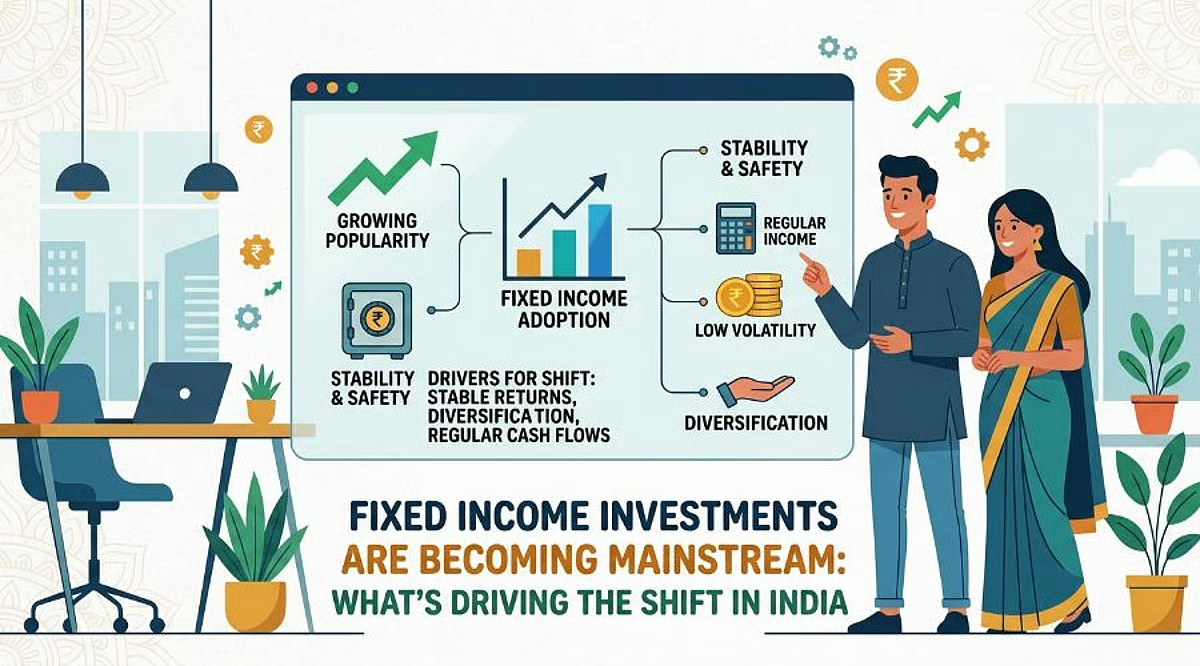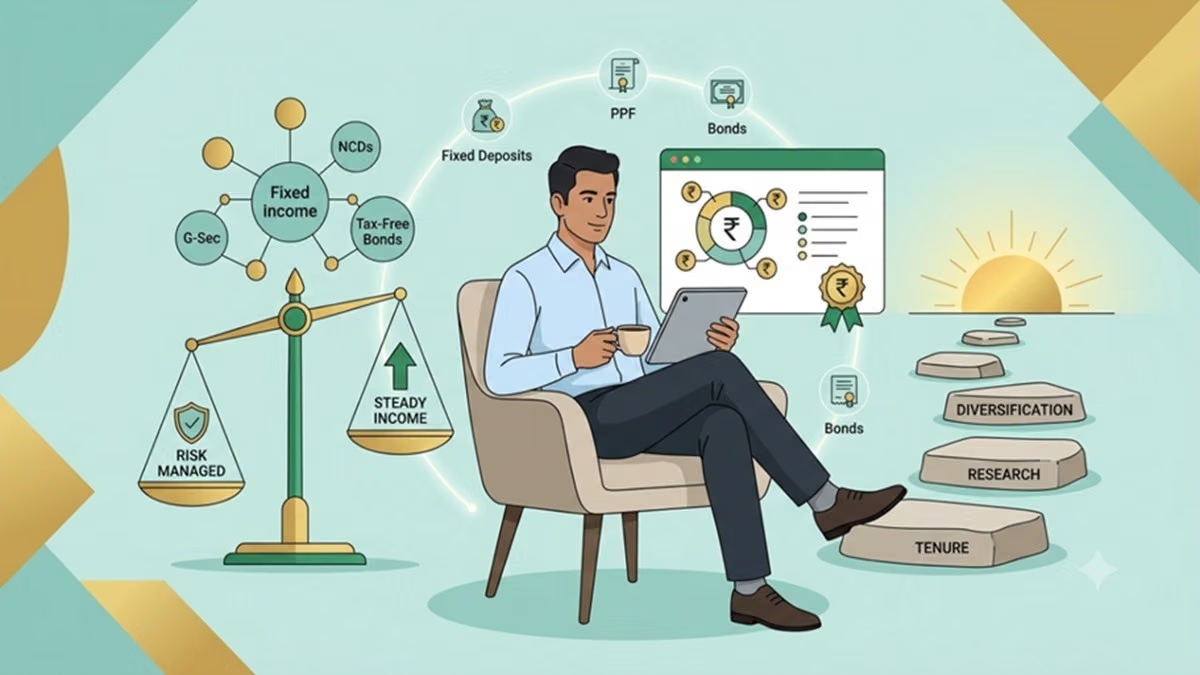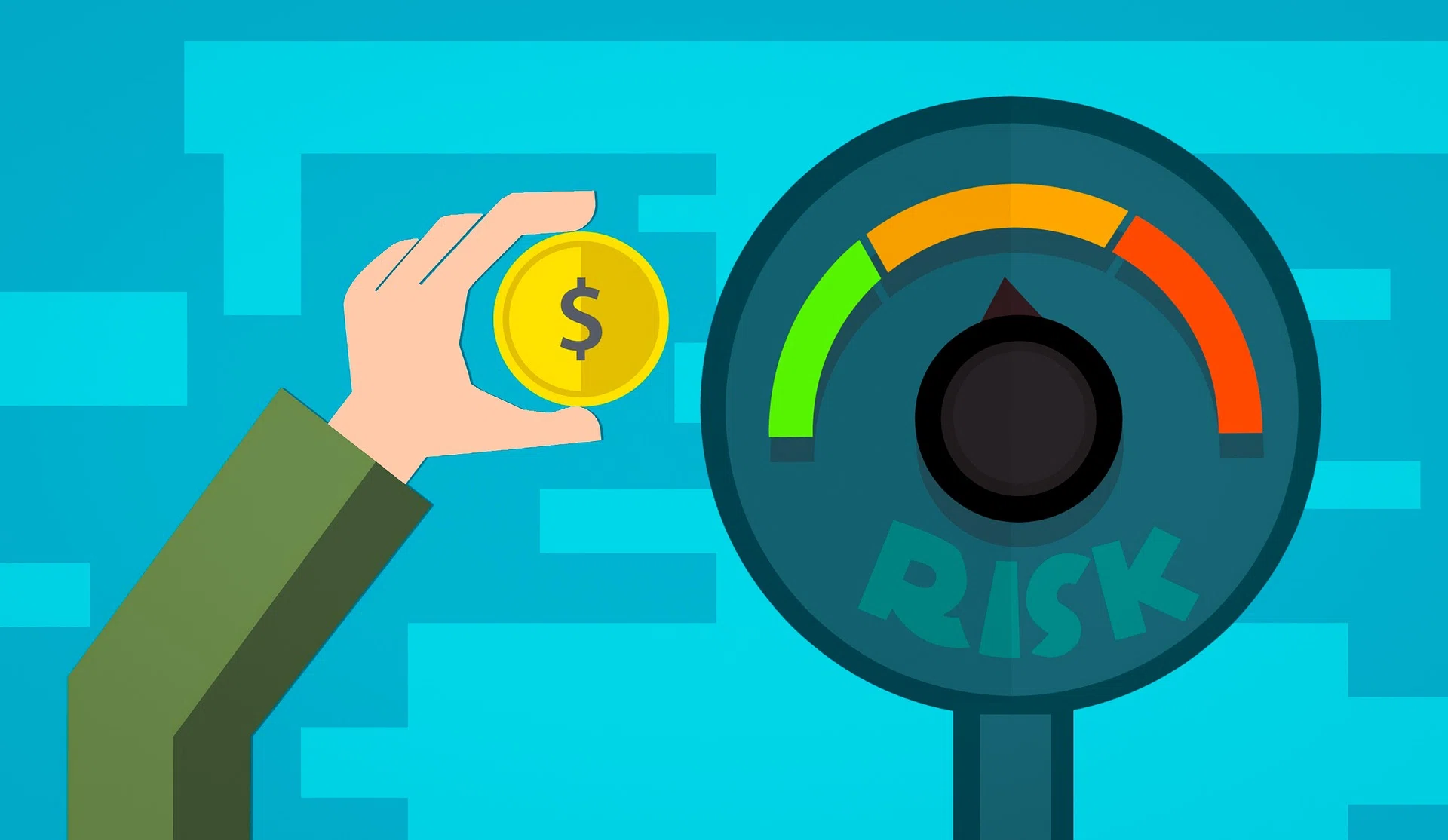
If you’ve ever felt that the stock market is too much of a roller coaster, fixed-income investing is the calmer option. It’s basically like lending your money to the government or a company and getting regular interest payments plus your original money back on a fixed date.
Fixed vs Variable income
Unlike stocks, where your returns can jump up or down wildly depending on how well a company is doing or what’s happening in the market, fixed income gives you more predictable cash flow. In other words, you know roughly what you’ll earn and when you’ll get your capital back, as long as the person or institution you lent to doesn’t default.
Stocks are called variable income because nothing is guaranteed. A company can cut dividends, or its share price can crash by 30% in a bad year. Fixed income differs in that the interest, called the coupon, is fixed from the outset. For example, when the federal government issues a bond with a 12% coupon, anyone who buys it at face value will get 12% interest every year until it matures. That’s the promise.
Some things sit in the middle, like preference shares. These pay a fixed dividend, similar to a bond coupon, and the holders get paid before ordinary shareholders if the company ever shuts down. But they’re still traded on the stock exchange like normal shares, so they carry a bit more risk than pure government bonds but less drama than ordinary stocks. Many investors use them when they want something steadier than common shares, yet still want a chance to sell if needed.
Coupon vs. Yield
Now, when you’re looking at fixed income products here in Nigeria, you’ll keep hearing two words: coupon and yield. The coupon is the fixed interest rate stated on a bond or a fixed deposit. Yield, however, is what you actually earn, and it can be higher or lower than the coupon depending on the price you pay. If interest rates in the country have risen since the bond was issued, you might buy it at a discount, and your real return (yield) would exceed the coupon. If rates have fallen, you might pay a premium, and your yield will drop.
The most useful number for most investors is the yield to maturity — it tells you the total return you’ll get if you hold to maturity. Here’s something important: yield and interest rates move in opposite directions. When the Central Bank raises rates or inflation is high, new fixed-income products offer higher yields. As a result, older issues with lower coupons become less attractive, so their prices fall, and their yields rise to catch up. In Nigeria, many people use the 91-day Treasury bill rate as a rough measure of the risk-free rate because the government is the safest borrower. If a corporate bond is only offering 2% more than the current T-bill rate, you have to ask yourself if that extra little bit is worth the extra risk of the company possibly having problems.
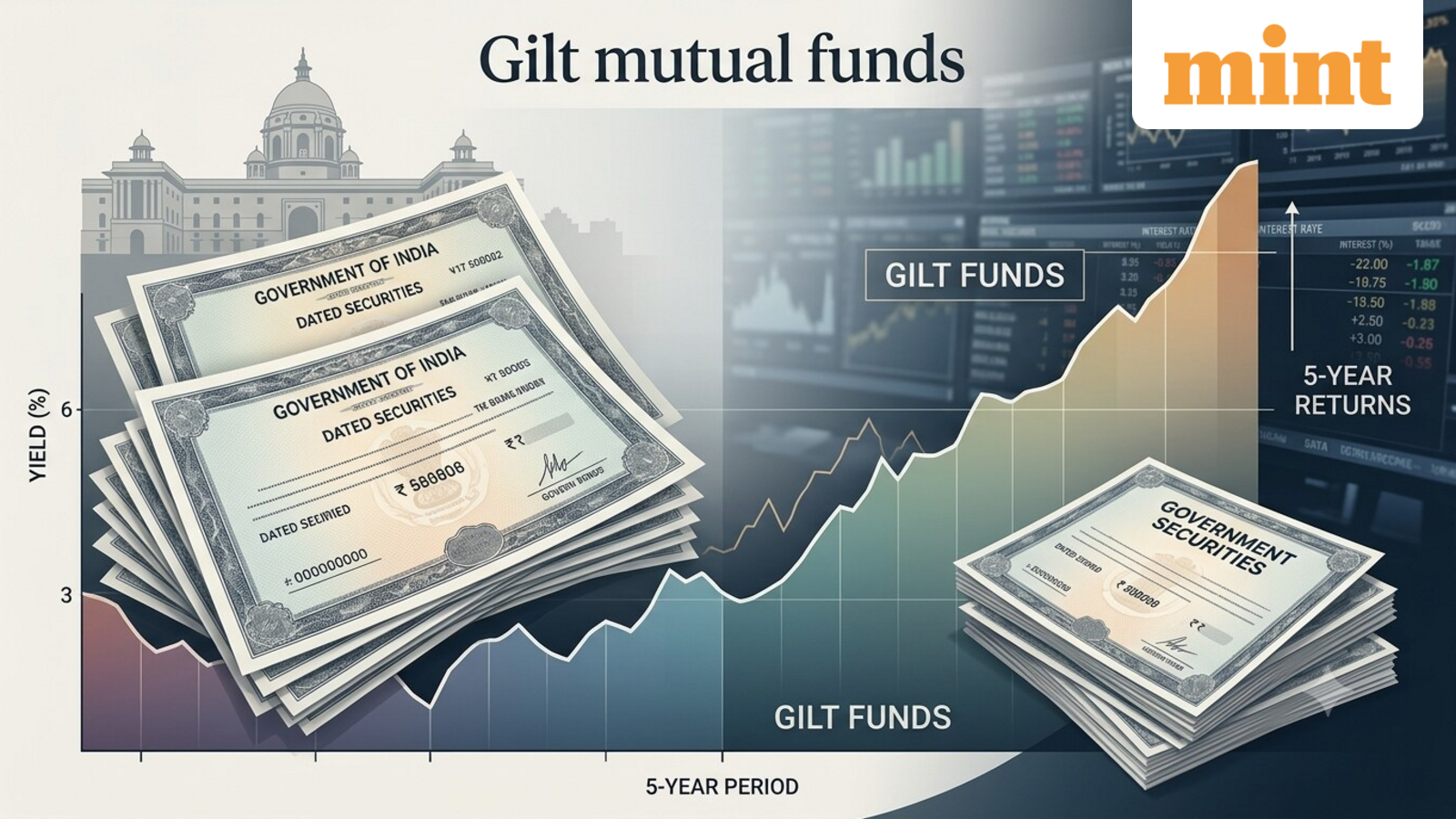
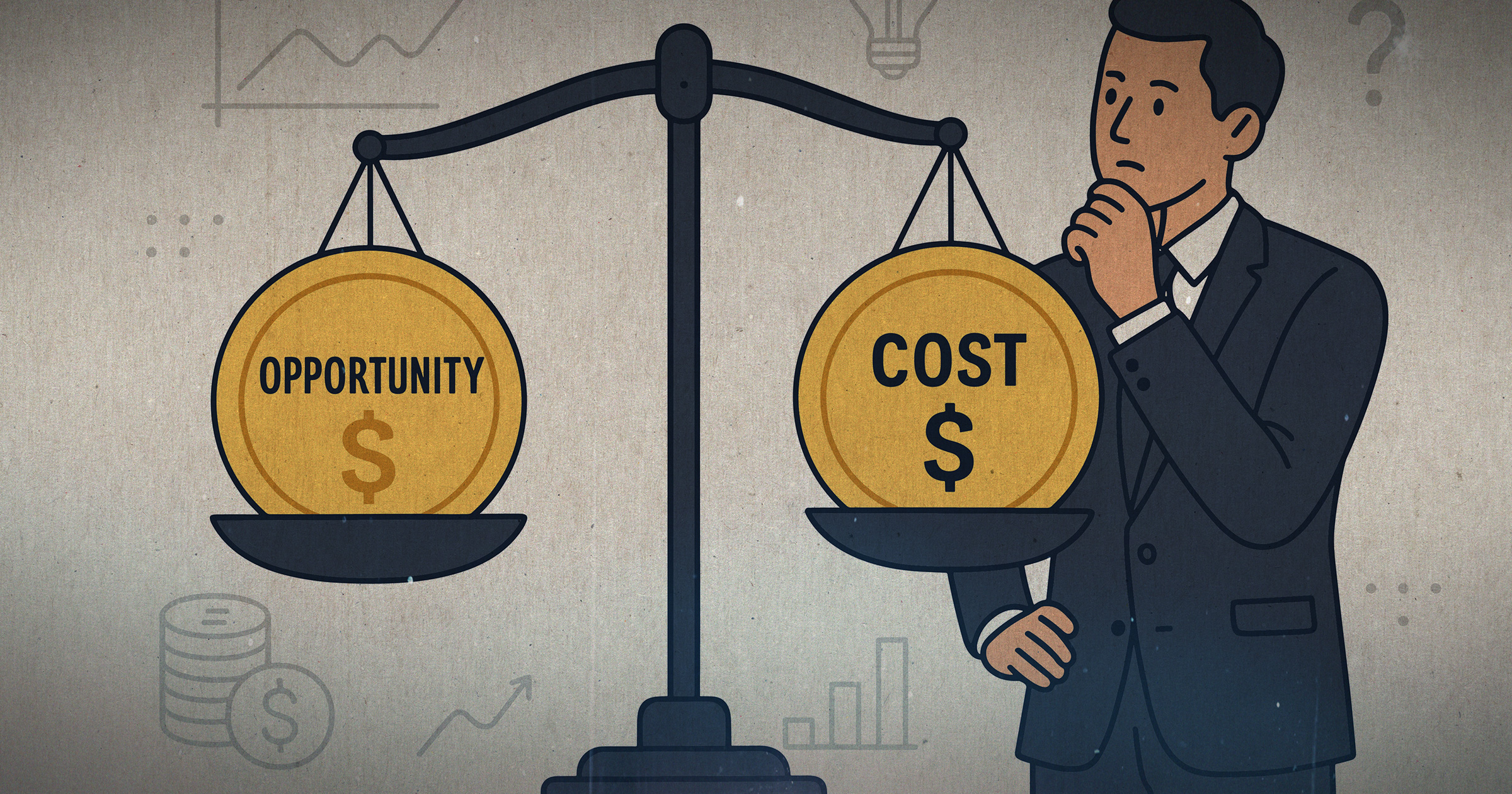
To decide if a fixed-income investment is good for you, compare the offered yield to the risk-free rate (T-bill yields), check the credit quality of the issuer, and think about inflation. Government securities, such as FGN bonds and Treasury bills, are the safest. Corporate bonds from big names like MTN or Dangote Cement usually pay a bit more but carry more risk. So, always remember that if inflation is 20%, even a 15% yield doesn’t really grow your money in real terms.
“To decide if a fixed-income investment is good for you, compare the offered yield to the risk-free rate (T-bill yields), check the credit quality of the issuer, and think about inflation. Government securities, such as FGN bonds and Treasury bills, are the safest.”
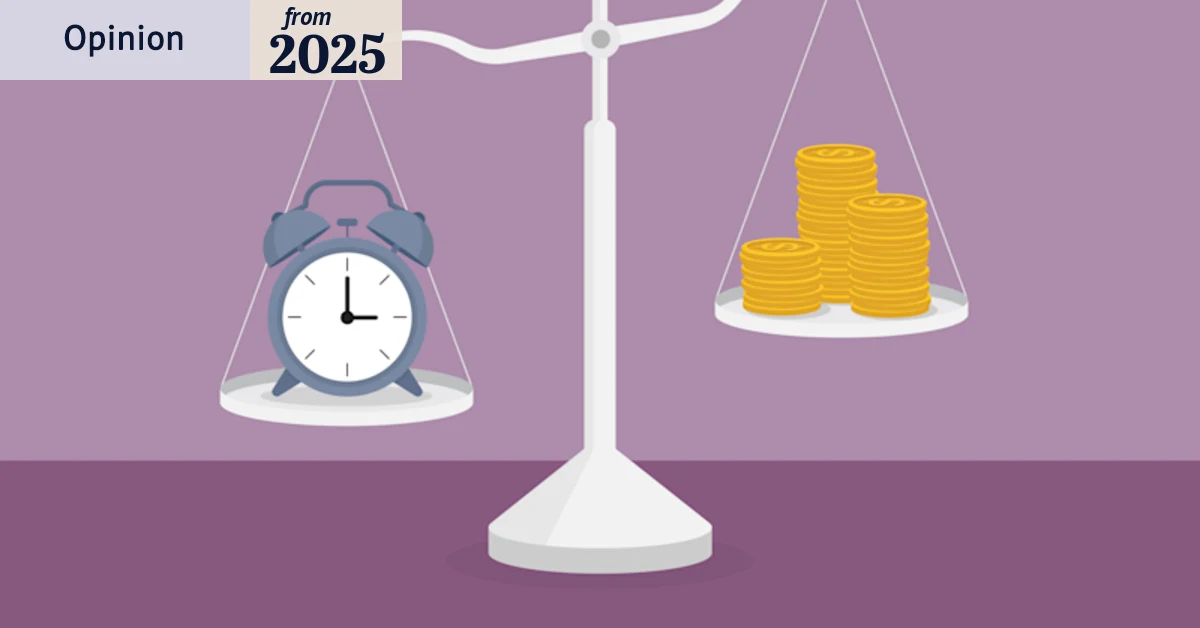
Tenor is key.
Another key thing is the tenor — how long you have to wait before you get your money back. Short-tenor instruments, such as 91-day or 182-day Treasury bills and bank fixed deposits (30 days to 1 year), sit at the short end of the curve. They’re good when you need your money soon or want to stay safe. By contrast, longer tenors — 5-year, 10-year, 20-year or even 30-year FGN bonds — usually pay higher yields but can move more in price if interest rates change.
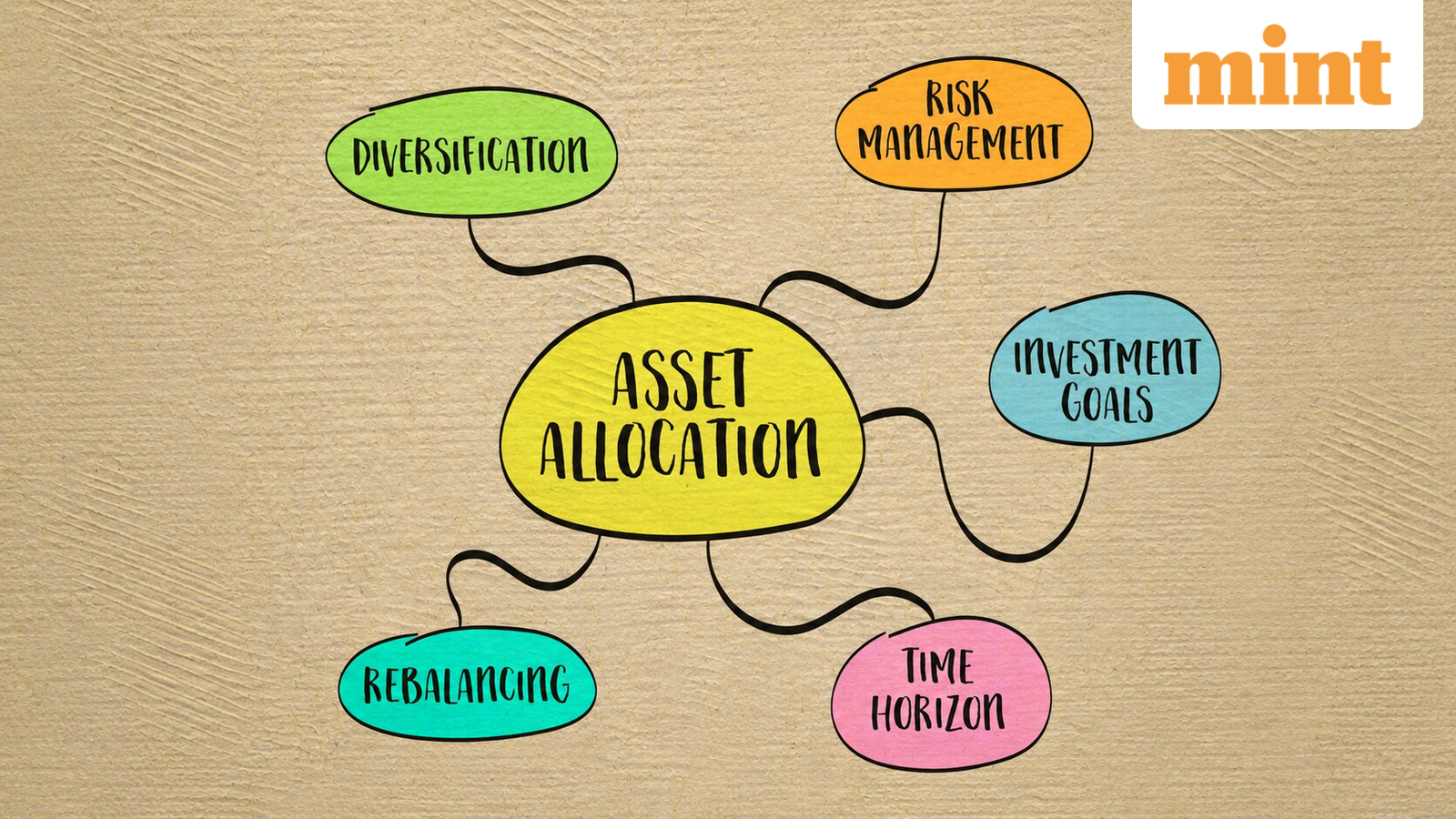
Because life changes, the way you split your money between short and long tenors should also change. Let’s say you have ₦10 million to put into fixed income. A 30-year-old with a steady job and many years of earnings ahead can afford to be a bit bolder. For example, they might invest ₦3 million in short-term T-bills and 6-month fixed deposits, so they have cash on hand if an opportunity arises or if they lose their job. The remaining ₦7 million can be allocated to 10-year or 20-year FGN bonds. These longer bonds pay better yields and have time to compound, and the young person can ride out any price drops because they won’t need the money soon.
A 60-year-old who is nearing or already in retirement would probably do the opposite. The retiree might keep ₦7 million in short-term T-bills and fixed deposits so they can easily access money for living expenses without worrying about bond prices falling. Only ₦3 million might go into longer bonds. At this stage, protecting the capital and having a steady income matter more than squeezing out the highest possible yield.
The beautiful thing is that these allocations are not fixed for life. As the 30-year-old approaches 50 or 60, they can gradually shift money from long-term bonds into shorter-term ones. If a retiree suddenly needs cash for hospital bills or a family emergency, they can sell some short-term holdings with very little price risk. In other words, your goals, age, and the economy keep changing, so it makes sense to review your fixed-income mix every year or two and adjust it.
Diversify
Nigerians also have decent options in dollar terms. The government has borrowed in USD Nigerian eurobonds, and some big companies do the same. This FX fixed income is designed to provide diversification and protection. In USD, you can buy these through certain banks or international platforms. USD fixed deposits in Nigerian banks can also be attractive when the naira is under pressure. They help protect against naira weakness, though you still carry some currency risk if you ever need to change the money back.
At the end of the day, fixed income is about matching the right product to your situation. Short-term T-bills and fixed deposits give you safety and quick access. Longer bonds give you higher yields but need patience. Whether you’re 30 or 60, the smartest thing is to keep your allocation in line with what you actually need the money for and how soon you’ll need it. Review it regularly and avoid anything that promises unusually high returns without clear reasons, and you’ll have a steady, less stressful way to grow and protect your wealth over time.
The main takeaway is simple: choose the tenor, yield, and risk level that fit your goals, and adjust as your needs change.
Kalu A. Aja is a Certified Financial Education Instructor and an astute professional with over 27 years of experience spanning capital market operations, treasury, investment, asset management, and occupational pension services. Do follow on X @finplankaluaja1.