A sharp rise in interest rates and growing tax concerns have driven a significant shift in retirement behaviour, with advisers increasingly turning back to annuities as part of a blended income strategy.
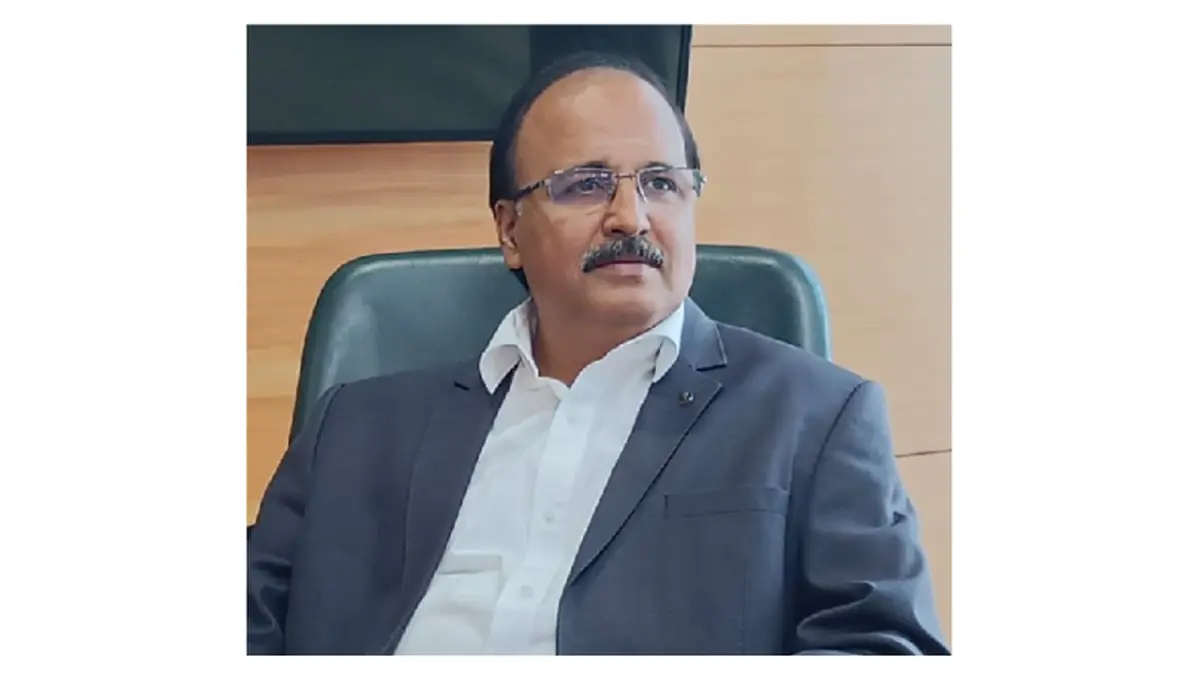
Nick Flynn, retirement income director at Canada Life, said the market was seeing “a huge amount” of clients exiting drawdown later in life and reallocating into guaranteed income products.
He said: “I’m pretty sure [the] fixed-term annuities [market] is going to go bonkers in the next two or three years.”
“We’re seeing people who went into drawdown at 65, benefited from market growth, and are now in their 70s, saying: ‘I can lock in 7 or 8 per cent income — and reduce the tax exposure on death — so why wouldn’t I?’,” he said.
This marks a notable evolution from the post-pension freedoms era, where annuity business was largely dominated by specialist brokers handling relatively modest pots.
“Historically, most of our volumes came from specialist annuity firms and smaller cases,” Flynn explained.
“Now we’re seeing wealth managers and much larger pension pots — cases of £500,000, even £2.5mn which is just completely alien.”
Fixed-term annuities set for rapid growth
Last year, data from the Financial Conduct Authority showed sales of annuities increased by 7.8 per cent from 82,061 in 2023-24 to 88,430 in 2024-25.
Alongside lifetime annuities, fixed-term annuities have emerged as one of the fastest-growing segments of the market.
The product — which provides a guaranteed income for a set period with a maturity value at the end — has already grown into a £1bn market and is expected to expand further as more providers enter, according to Flynn.
“It’s a very simple proposition — you get a fixed income for a defined period, regardless of what happens in markets,” Flynn said. “That clarity is resonating with clients.”
He said fixed-term annuities were particularly useful for bridging income gaps, such as the period before state pension or defined benefit income kicks in.
Because of the demand, rising numbers of providers have come back to the market.
“There was just ourselves and two others in the fixed term annuities market — now there’s five or six of us and two more coming. That market again has really exploded, in terms of volumes as well,” Flynn said.
“Now people are buying income from a fixed period, so at age 60, they know state pension comes in at 67 and the DB pension comes at 65, so they decide let’s take five years worth of fixed term.
“Some of our competitors have got a huge black box and now they’re selling fixed term annuities to their back books as well so by that very nature, that’s something to support.
He added: “I’m pretty sure [the] fixed-term annuities [market] is going to go bonkers in the next two or three years.”
sonia.rach@ft.com