David Chavern, President & CEO of the American Council of Life Insurers, leads efforts to strengthen financial and retirement security.

Gen-Xers are reaching retirement age. When they were born in the mid-1960s, it was common for workers to have a defined benefit pension plan; just 5% of U.S. GDP was spent on health care; and life expectancy was around 70 years.
Retirees today face a different economic reality than their predecessors faced in 1965. Pensions have gone the way of telephone land lines; health care costs have soared, comprising 18% of U.S. GDP; and people are now expected to live to 78.
As the retirement wave sweeps through America, it is evident that many can’t afford to stop working. Although people aged 65 and older are more likely than younger people to own homes, their savings aren’t sufficient to last throughout retirement.
Financial professionals need to know every possible tool available to help these customers, while understanding the risks and rewards.
Annuities are a tool increasingly on the radar as an essential part of the mix. Annuity sales reached their highest level ever last year, rising 6% to $461.3 billion and are increasingly the subject of financial advice columns.
What The Data Says
A survey conducted by YouGov for my organization and released in April showed that 59% of middle-class members of Gen-X are not confident they will have enough savings to live comfortably through retirement—indeed, they are less confident than middle class Gen-Z (40%), Millennials (51%) and Boomers (34%).
That lack of confidence is consistent with reality.
Americans’ median per-person retirement assets for those ages 65-74 total $200,000, and when invested and withdrawn at 4% a year, that amount will pay out just $8,000 annually. That, when combined with around $25,000 per year in average Social Security income, means that many retirees are just a hair above the poverty line.
To many, this may be a surprise. We often hear 65-year-olds have more than a half-million dollars stashed away, but this figure represents the average and is disproportionately influenced by substantial savings of a small number of wealthy people.
Even the 4.7% of retirees who have more than $1 million in their retirement account will receive $40,000 a year from that source—hardly what Xers would call “livin’ large.”
Some Common Suggestions
To solve this, some experts recommend working longer. Not all retirement-aged people are buying the idea of working into their 80s, however.
An estimated 70% of Americans between 65 and 69 are retired. And 62 remains a common age for first-time Social Security claims and actual retirement. Selling a house, scaling back spending patterns or moving in with relatives are strategies, but don’t necessarily equate with “The Golden Years.”
The fact is, no one knows how long they will live or how long their retirement nest egg needs to last.
The marketplace offers many tools, including 401(k)s, IRAs, Health Savings Accounts and taxable brokerage accounts. And financial professionals help savers choose the right mix for their needs.
Considering Annuities
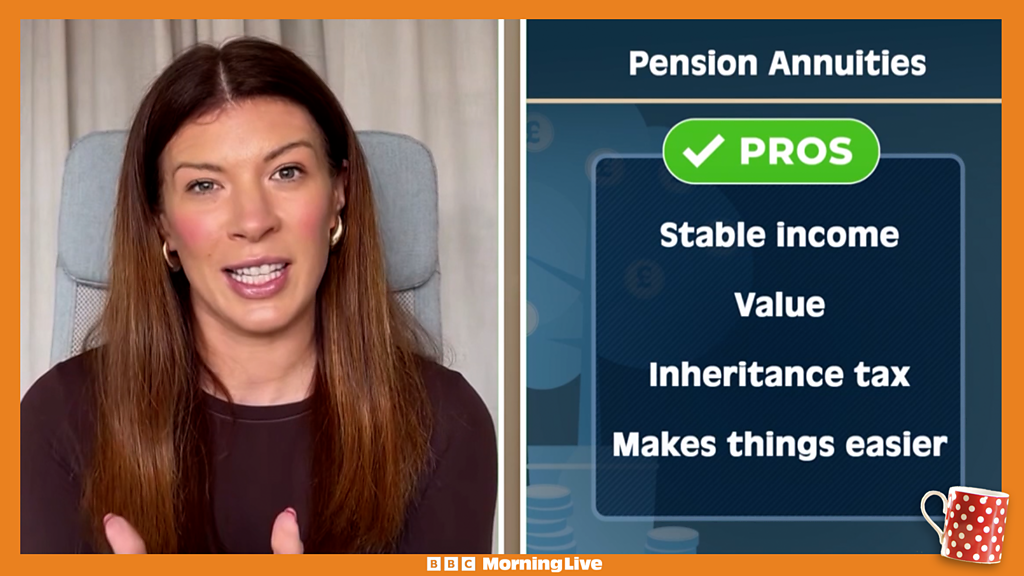
Financial advisers should take another look at annuities, even if they have previously dismissed them. Sometimes overlooked and often misunderstood, annuities are a way for someone to keep getting a paycheck after they stop working.
For some people, annuities have a negative connotation because they may not like the idea of “giving up” assets in exchange for lifetime income. But annuities are not simply an investment that clients hope will pay off. And, unlike fire insurance, life insurance or disability, annuities are an insurance product that a retiree looks forward to collecting.
A study by economists Mark Warshawsky and Gaobo Pang and supported by my organization shows that retirees who invest their savings in annuities have better financial outcomes than those who withdraw 4% annually from their 401(k). Using $250,000 in savings as an example, the study found annuities offer greater value for people with smaller retirement savings.
Of course, there are many types of annuities. A longer-term annuity—one that starts paying at age 80, for instance, could minimize upfront expenses. Variable annuities could work well for career-aged savers looking to supplement 401(k) accounts with an alternative tax-deferred growth route.
Addressing The Risks
Purchasing retirement products need not be a solo endeavor. This is where qualified financial professionals come in, acting as much like a therapist as a money manager.
To be sure, annuities aren’t the only strategy and may not be right for everyone. Someone with several million in assets, for instance, may not have to worry about outliving their savings. New products often come to market, and someone who wasn’t suited for an annuity years ago might be now. But no single investment is suited to every client.
Financial professionals need to be well informed about the different kinds of annuities before recommending them to their clients.
Make sure clients also understand that they are transferring control of their savings. They might not want an annuity because they like the sense of freedom they get from managing their own savings. But, as our latest Resilience Index shows, many place a higher value on peace of mind than other shorter-term goods or experiences.
Annuities also may have fees that pay for their guarantees. Financial professionals should explain the fee structure and can encourage buyers to take advantage of taking a “free look.” If they don’t like it, they return it within a grace period that typically spans 10 to 30 days.
Planning Ahead
Every generation faces financial pressures, from student debt to college savings. But life doesn’t wait for everyone to get their accounts in order.
The earlier clients plan, the better chance they’ll have to enjoy the retirement they deserve.
The information provided here is not investment, tax or financial advice. You should consult with a licensed professional for advice concerning your specific situation.
Forbes Business Council is the foremost growth and networking organization for business owners and leaders. Do I qualify?