
In recent years, Multi Asset Allocation Funds have attracted both first-time and experienced investors looking for a balanced investment approach. However, despite belonging to the same category, fund performance can vary substantially.
To understand how India’s leading schemes have fared, we analysed the top five Multi Asset Allocation Funds by Assets Under Management (AUM) and compared their trailing one-year returns as of 9 October 2026.
The analysis provides insight into which Multi Asset Allocation Funds delivered stronger returns and how the category’s top schemes compare against each other.
________________________________________
Top Multi Asset Allocation Funds Ranked by 1-Year Return
| Rank | Fund Name | 1-Year Return | AUM (₹ Crore) |
| 1 | Kotak Multi Asset Allocation Fund Direct-Growth | 9.71% | 15,282.90 |
| 2 | DSP Multi Asset Allocation Fund Direct-Growth | 7.79% | 10,989.90 |
| 3 | Nippon India Multi Asset Allocation Fund Direct-Growth | 7.18% | 17,983.90 |
| 4 | SBI Multi Asset Allocation Fund Direct-Growth | 6.50% | 20,935.00 |
| 5 | ICICI Prudential Multi Asset Allocation Fund Direct-Growth | -0.09% | 87,833.10 |
Source: Sharply Mutual Fund Tracker, Multi Asset Allocation Funds category data, including AUM and trailing one-year returns, accessed on 9 October 2026
________________________________________
Multi Asset Allocation Funds Continue to Gain Ground
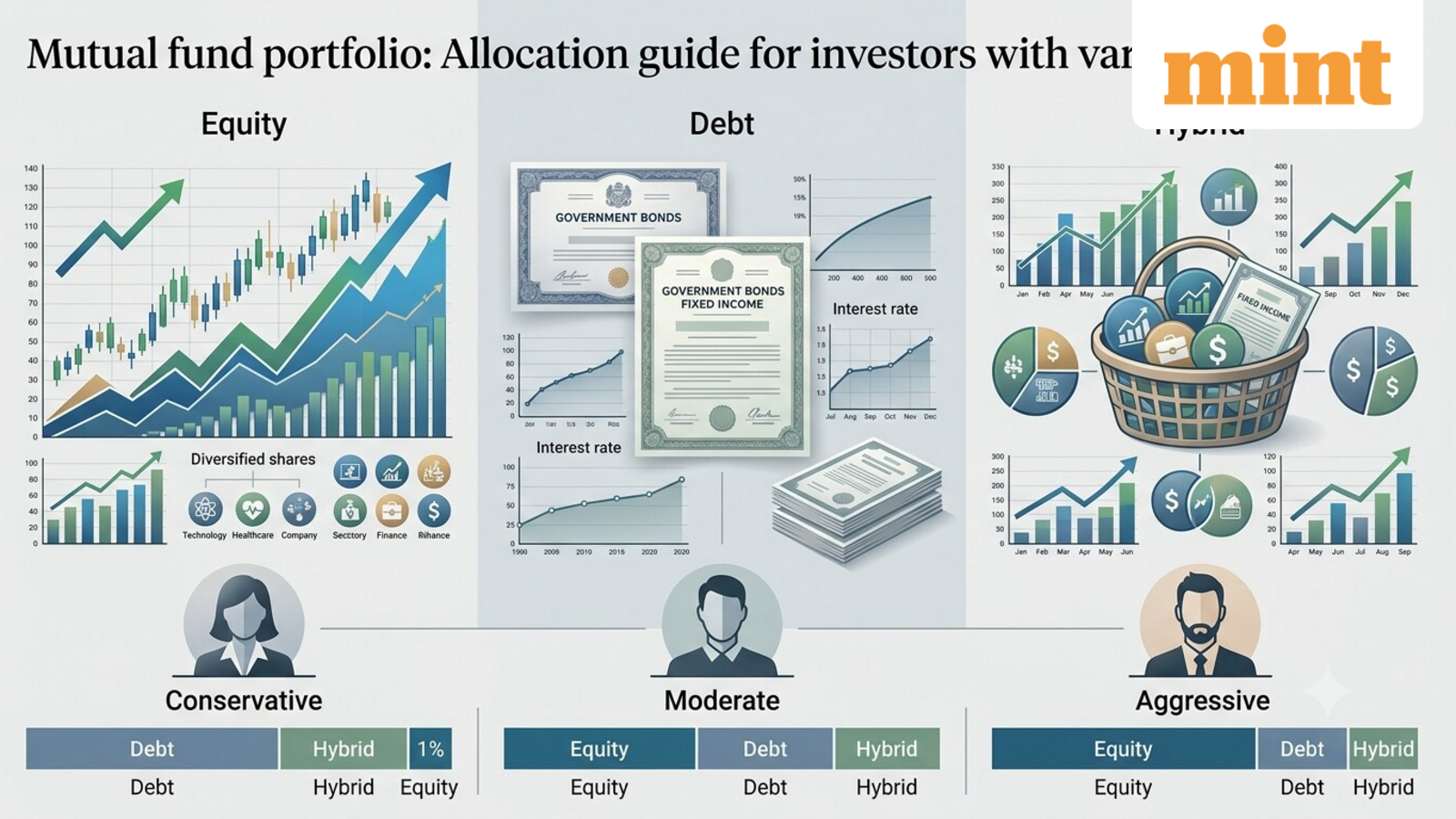
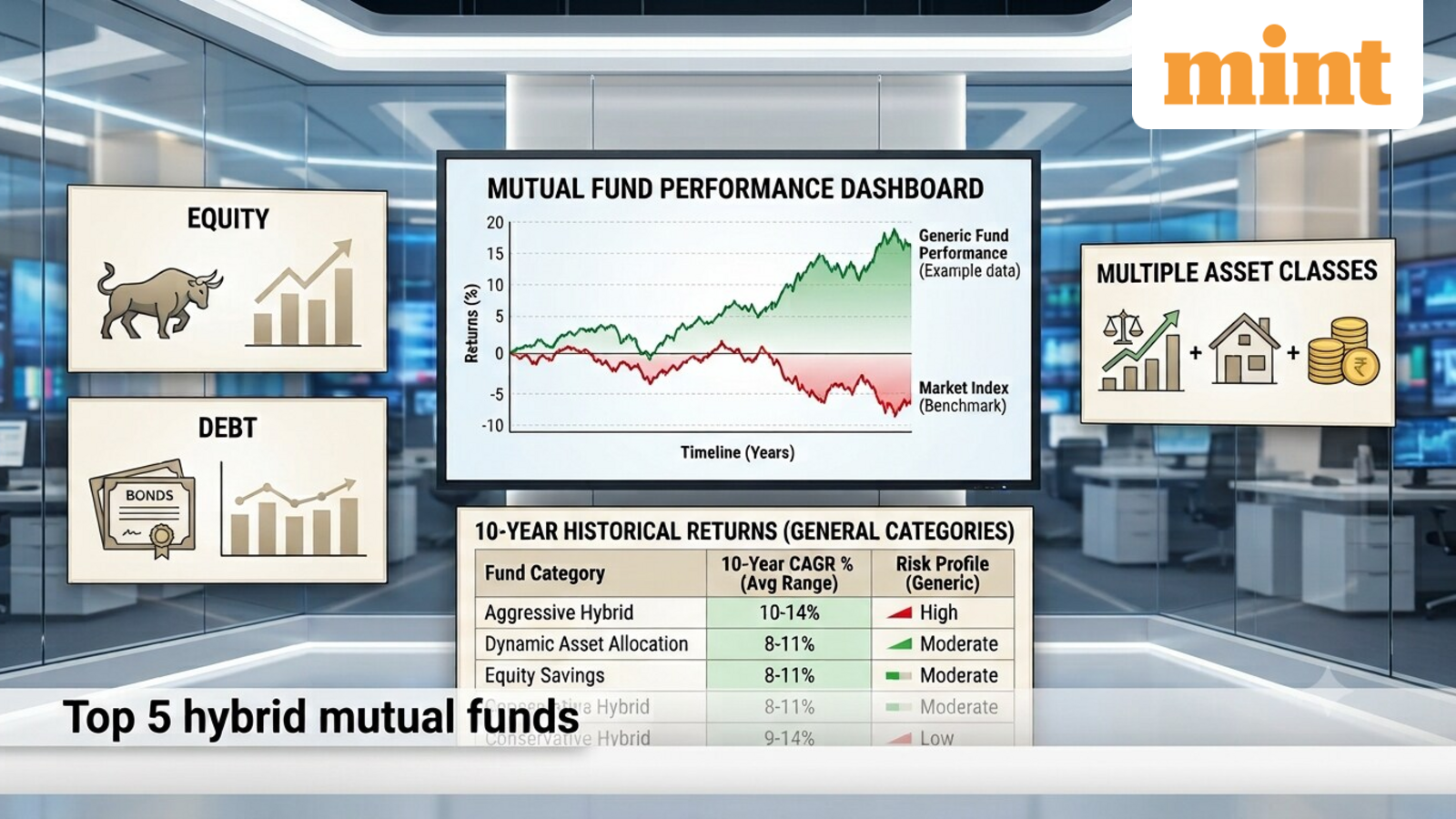
One of the biggest reasons behind the rise of Multi Asset Allocation Funds is their diversified structure.
Many investors understand the importance of spreading investments across different assets, but maintaining separate allocations to equity funds, debt funds and gold investments can often become complicated. Portfolio rebalancing, monitoring market conditions and tracking multiple schemes require time and effort.
Multi Asset Allocation Funds address this challenge by combining various asset classes into a single investment solution. The fund manager makes allocation decisions based on market conditions while investors gain access to a diversified portfolio through one scheme.
This convenience, combined with the potential benefits of diversification, has helped the category gain significant traction among investors.
________________________________________
Which Fund Led the Category?
Among the schemes analysed, Kotak Multi Asset Allocation Fund emerged as the highest performer with a trailing one-year return of 9.71%.
The performance gap between the top-ranked and lower-ranked funds demonstrates that not all Multi Asset Allocation Funds generate identical outcomes.
DSP Multi Asset Allocation Fund secured the second position with a return of 7.79%, while Nippon India Multi Asset Allocation Fund followed closely at 7.18%.
The ranking suggests that portfolio management decisions played a major role in determining returns during the period under review.
For investors searching for the best Multi Asset Allocation Funds, such comparisons offer a useful indication of how individual schemes have navigated different market conditions over the last year.
________________________________________
Why Returns Differ Within the Same Category
At first glance, many investors assume that because Multi Asset Allocation Funds invest across similar assets, their returns should be broadly comparable.
However, several factors can influence fund performance:
• Equity allocation levels
• Debt allocation strategy
• Gold exposure
• Market timing decisions
• Portfolio rebalancing frequency
• Security selection
• Risk management practices
Even relatively small differences in allocation can significantly influence outcomes over a twelve-month period.
Two funds may hold exposure to the same asset classes, yet generate considerably different returns due to variations in implementation.
This explains why investors often compare performance across multiple schemes before selecting a fund.
________________________________________
Understanding the Importance of Asset Allocation
Asset allocation is the cornerstone of Multi Asset Allocation Funds.
The concept is based on the idea that different asset classes perform differently during various market environments.
For example:
• Equities often perform well during economic expansion.
• Debt investments can provide stability during uncertain periods.
• Gold may act as a diversification tool during market volatility.
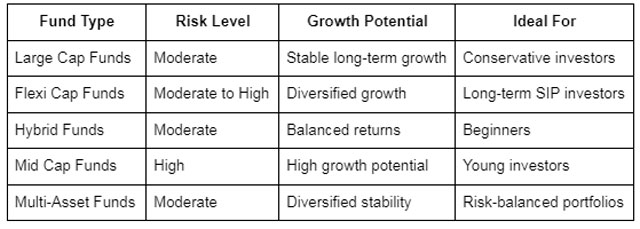
By maintaining exposure to multiple segments simultaneously, Multi Asset Allocation Funds seek to create a more balanced risk-return profile compared to single-asset solutions.
However, success ultimately depends on how effectively a fund manager allocates capital among these asset classes.
The latest rankings illustrate that the quality of asset allocation decisions can have a noticeable impact on returns.
________________________________________
Does AUM Indicate Better Performance?
Assets Under Management (AUM) are often viewed as a sign of investor trust and fund popularity.
Larger funds generally benefit from greater market visibility and investor participation. However, AUM alone does not determine performance.
The latest comparison demonstrates this clearly.
While ICICI Prudential Multi Asset Allocation Fund manages the highest AUM among the schemes analysed, it did not lead the category in terms of one-year returns.
Similarly, funds with lower AUM levels delivered stronger performance during the same period.
This observation reinforces the importance of examining both performance and portfolio characteristics rather than making decisions solely on the basis of fund size.
________________________________________
Evaluating the Best Multi Asset Allocation Funds
Performance rankings are often a starting point, but investors typically evaluate multiple factors before making investment decisions.
Some of the key considerations include:
Historical Consistency
A fund’s performance across different market cycles can offer a better understanding of its long-term effectiveness.
Risk Management
Investors often assess how a fund behaves during periods of market volatility rather than focusing only on returns generated during favourable markets.
Investment Strategy
Understanding a fund’s allocation methodology helps investors determine whether it aligns with their own investment philosophy.
Cost Efficiency
Expense ratios can influence long-term returns, particularly over extended investment horizons.
Suitability
Investment choices should reflect an investor’s financial goals, time horizon and risk appetite.
________________________________________
Why Multi Asset Allocation Funds Remain Relevant
Financial markets are inherently cyclical. Asset classes that outperform in one year may underperform in another.
As a result, predicting future market leadership is often difficult.
Multi Asset Allocation Funds attempt to address this challenge through diversification and dynamic allocation. Instead of relying on a single source of return, these funds maintain exposure across asset classes that can respond differently to changing economic conditions.
This flexibility has made the category increasingly attractive to investors seeking portfolio diversification without the complexity of managing multiple investments independently.
With investor awareness growing and diversified investing becoming more mainstream, Multi Asset Allocation Funds are likely to remain an important component of many investment portfolios.
________________________________________
Final Thoughts
The latest performance analysis highlights the varying outcomes achieved by Multi Asset Allocation Funds despite their shared objective of diversification.
Based on an analysis of the top five Multi Asset Allocation Funds by AUM, Kotak Multi Asset Allocation Fund delivered the highest trailing one-year return of 9.71% as of 9 October 2026. DSP Multi Asset Allocation Fund and Nippon India Multi Asset Allocation Fund occupied the next two positions.
For investors researching the best Multi Asset Allocation Funds, recent return rankings provide an important perspective on category leadership. However, fund selection should ideally combine performance analysis with an assessment of consistency, risk management, investment strategy and personal financial objectives.
As the category continues to evolve, Multi Asset Allocation Funds remain a compelling option for investors seeking diversification through a single investment solution.
Mutual fund investments are subject to market risks. Read all scheme-related documents carefully before investing.