Uncertainty isn’t a passing phase anymore; it’s the new normal.
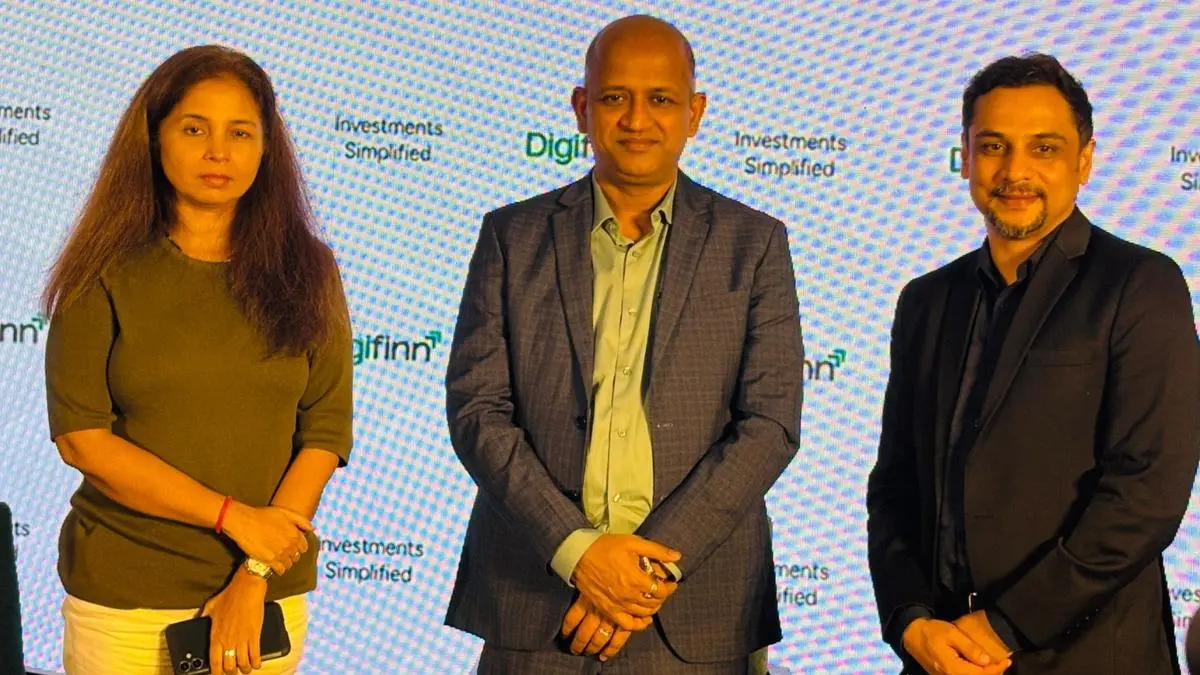
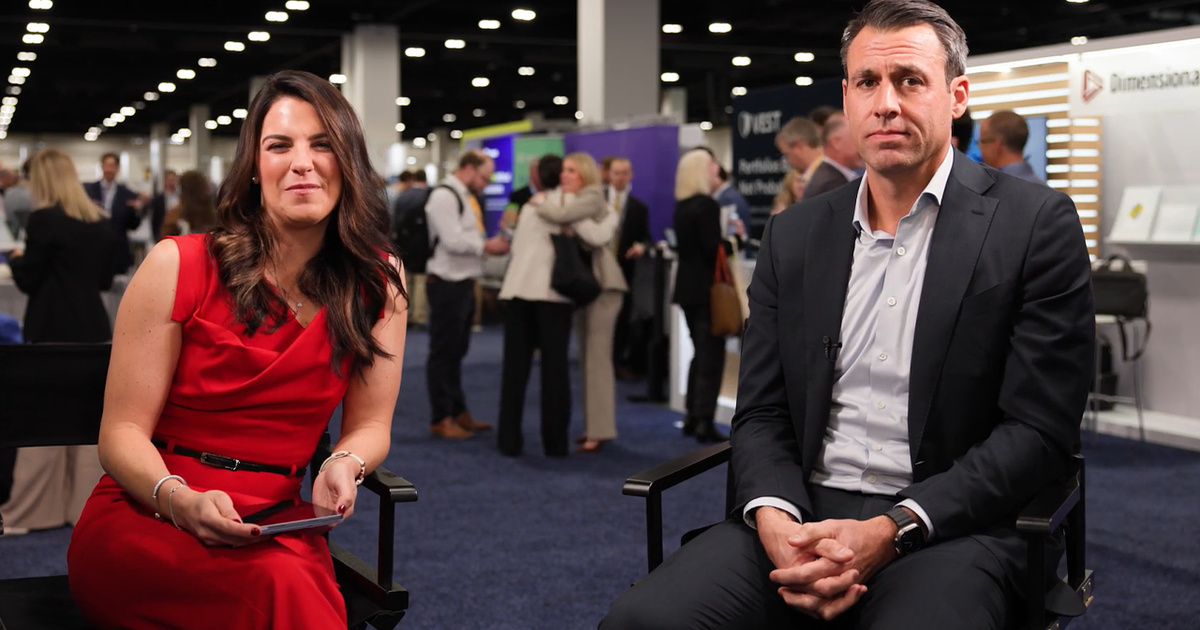
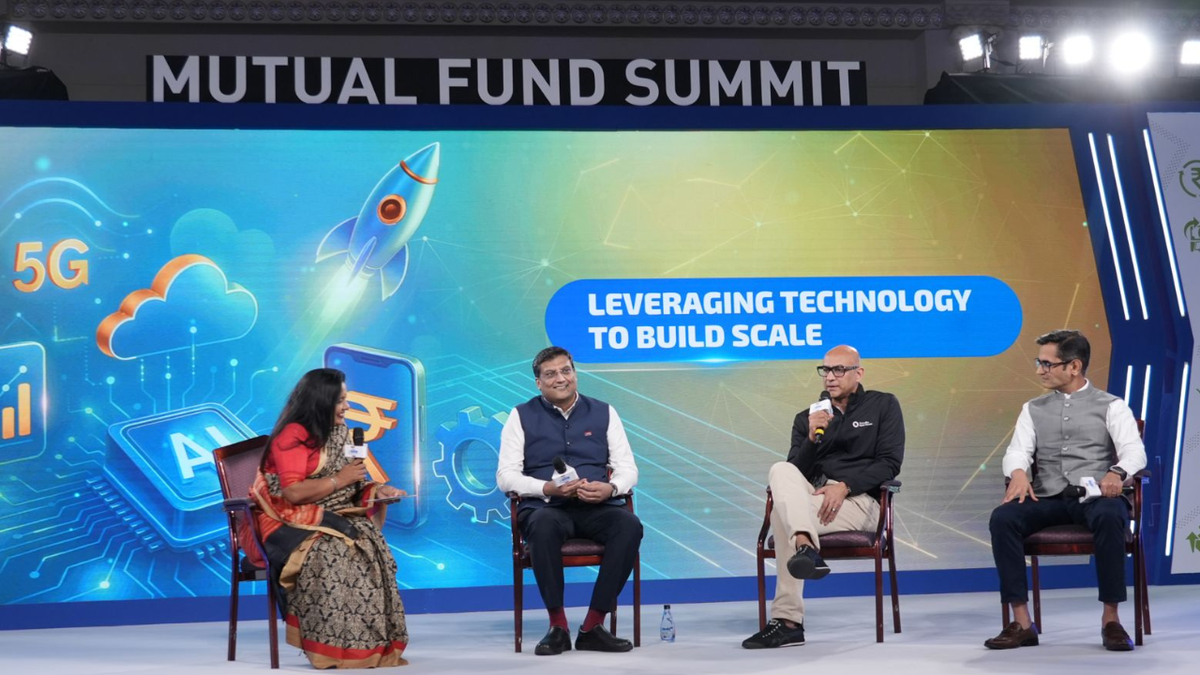
That was the core message from wealth management leaders at a recent domestic media-led Wealth Summit, where top industry voices broke down how India’s affluent investors are repositioning their portfolios for a world of constant geopolitical and economic flux.
For India’s high-net-worth individuals (HNIs), ultra-HNIs (UHNIs), and family offices, 2026 has become a year of recalibration.
/img/2026/07/hni1-69931784782916.jpg "HNI")
The old playbook of chasing maximum returns, staying heavily weighted in domestic stocks, and treat alternative assets as an afterthought, is being rewritten.
Instead, resilient portfolios, global diversification, and a decisive pivot towards yield-generating alternatives.
The Great Pause: Caution Replaces Conviction
The mood among India’s wealthy has undergone a sharp reset over the last three to six months.
Geopolitical tensions, elevated oil prices, and inflationary pressures have prolonged the wait for investors, prompting HNIs and family offices to preserve liquidity, defer investment decisions, and diversify portfolios.
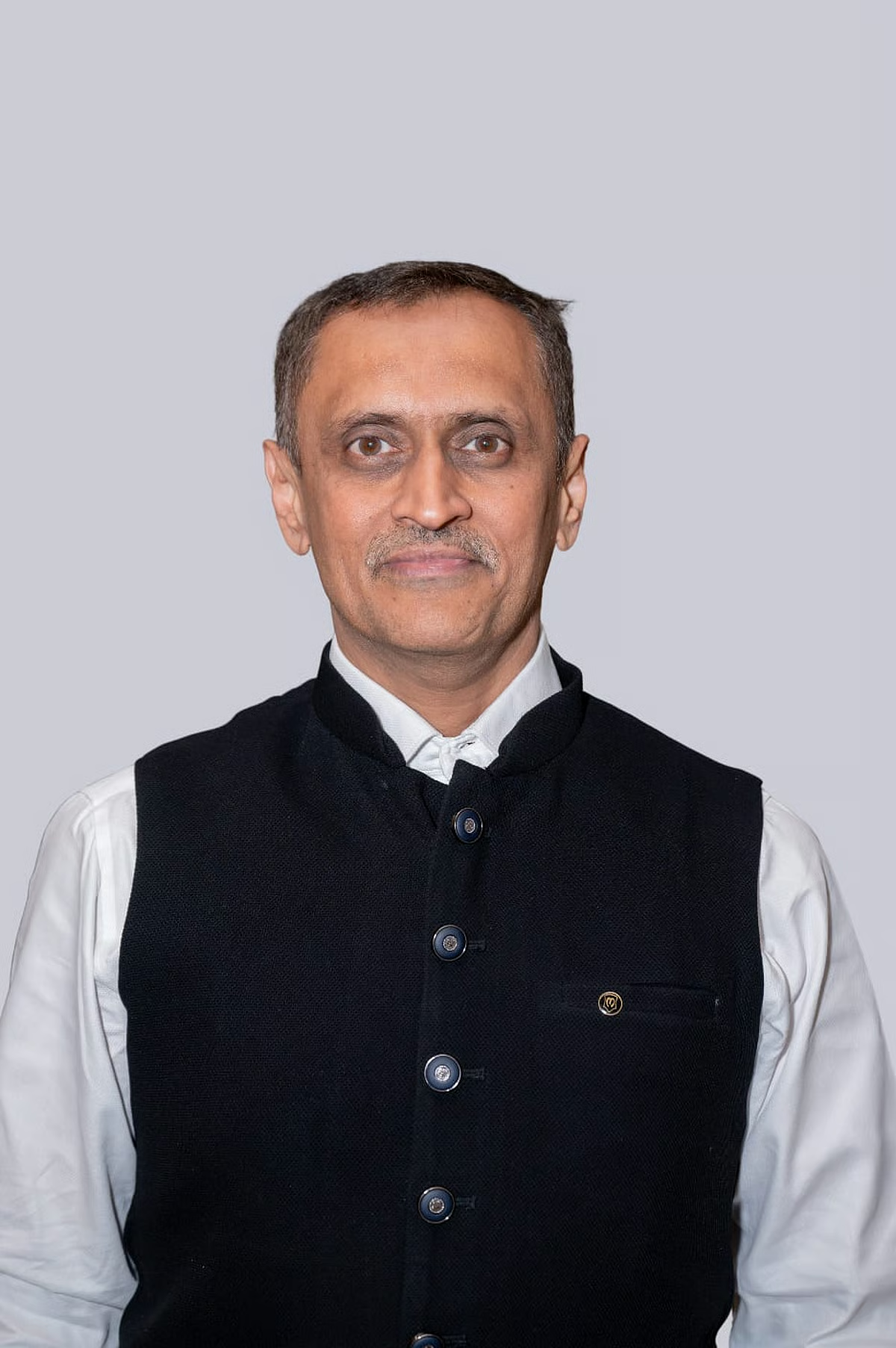
Jayesh Faria, Director and Regional Head at Motilal Oswal Private Wealth, paints an even starker picture.
In a research report, he noted, “HNIs, UHNIs, and family offices alike are sitting on the sidelines, preferring safer debt instruments over fresh equity bets.”
Private equity flows have almost dried up, and participation in unlisted opportunities has slowed dramatically.
Yet the risk is not panic; it is calculated patience.
That is also a recognition of India’s long-term growth story remaining intact.
But the payoff has been pushed further out.
From Return-Maximisation to Resilience
Perhaps the most significant shift in 2026 is philosophical.
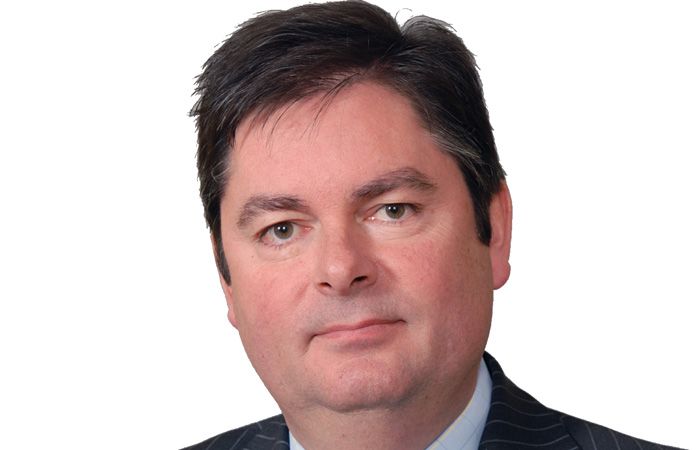
Rajesh Saluja, Co-Founder, CEO & MD of ASK Private Wealth, speaking at the ET Alpha Wealth Summit, said that decades of market shocks have taught wealthy investors one lesson: chasing the highest possible returns is a losing game.
Instead, the focus has shifted to building portfolios that can absorb shocks without falling apart.
He also pointed to a growing danger: FOMO-driven investing in pre-IPO private deals, many of which come with very little transparency.
Investors are getting overexposed to these high-risk private transactions simply because public markets have been choppy.
Where is the Smart Money Actually Going
So what does a “resilient” portfolio look like in practice?
Several clear trends are emerging:
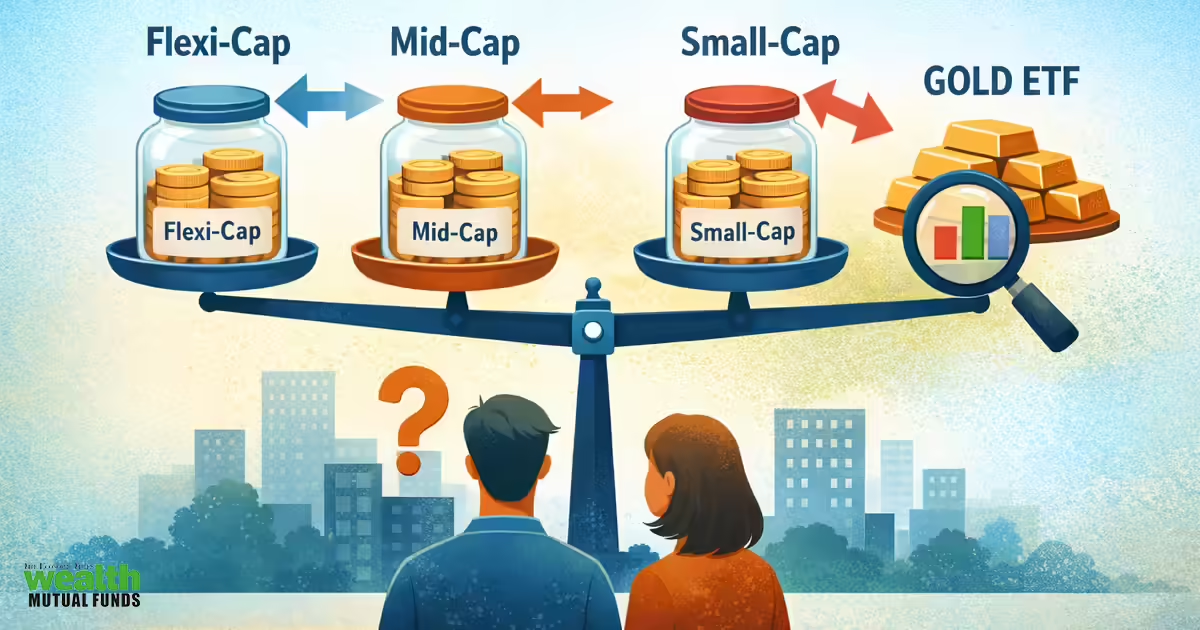
1. Gold is Back, and Here to Stay
Gold has emerged as one of the strongest performing assets in recent years, outperforming equities, bonds, and currencies.
With central banks purchasing more than 1,000 tonnes of gold annually over the past three years, the yellow metal is viewed as an inflation hedge and a weakening dollar, and it’s earning a permanent spot in portfolios via ETFs and mutual funds.
Even stablecoin firm, Tether, has joined the gold race, outbuying China and several other countries in recent times.
Domestic gold traded near ₹1,45,000 per 10 grams in July 2026, up roughly 50% over a year.
For Indian investors, gold offers an additional layer of protection given the rupee’s structural weakness.
Sanctum Wealth’s recommended NRI portfolio allocates 10-12% to gold.
2. Global Allocation is No Longer Taboo
Earlier, offshore diversification featured in roughly seven out of ten UHNI conversations.
Today, it is ten out of ten.
The combination of rupee depreciation, India’s balance-of-payments dynamics, current-account pressures, and the structural import-export imbalance suggests the rupee is likely to remain on a gradual path of weakening.
This has made global portfolio diversification necessary.
Wealthy Indians are quietly shifting money into global stocks and AI infrastructure.
The focus is on yield-generating assets like REITs and private credit – not on speculative bets.
3. Alternatives Go Mainstream
Alternative investments have moved from the periphery to the core of HNI portfolios.
Let’s look at the numbers to understand this.
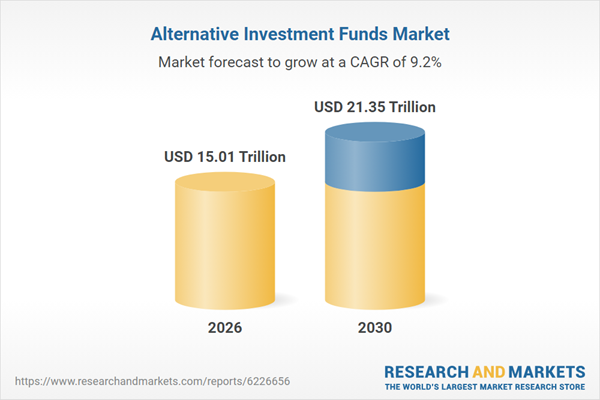
India has 1,849 registered alternative investment funds (AIFs), with cumulative commitments of ₹15.74 lakh crore and net investments of ₹6.45 lakh crore.
That is a CAGR of nearly 30% over five years.
The accredited investor base grew over 300% year-on-year, reaching 2,773 investors.
Overall AIF investments rose 25% in FY26, from ₹5.38 lakh crore to ₹6.76 lakh crore.
Domestic capital now accounts for over 55% of AIF investments, a shift from earlier years when foreign capital dominated.
Private credit is emerging as a particular favourite.
Family offices and HNIs are allocating 5-15% of their portfolios to private credit.
Kotak Alternate raised ₹3,900 crore in the first close of its private credit fund, with participation from HNIs, UHNIs, and family offices.
Indian family offices increased their allocations to alternative assets from 18% in 2018 to over 40% in 2024.
That is a more than twofold increase, pointing to a structural repositioning away from traditional listed equities and fixed income toward private equity, venture capital, private credit, and real estate.
4. Real Estate: A Comeback Story
UHNIs, who form the core of AIF investors, increased their exposure to real estate by over 80% in FY26.
Cumulative AIF investments into real estate rose from ₹70,000 crore in FY25 to ₹1.28 lakh crore in FY26.
Why the surge?
Tanvi Kanchan, associate director at Anand Rathi Shares & Stock Brokers, in a research report, noted:
“Equity markets were turbulent through much of the year, and HNI and family office investors were actively seeking yield-bearing, hard-asset-backed opportunities rather than chasing public market volatility.”
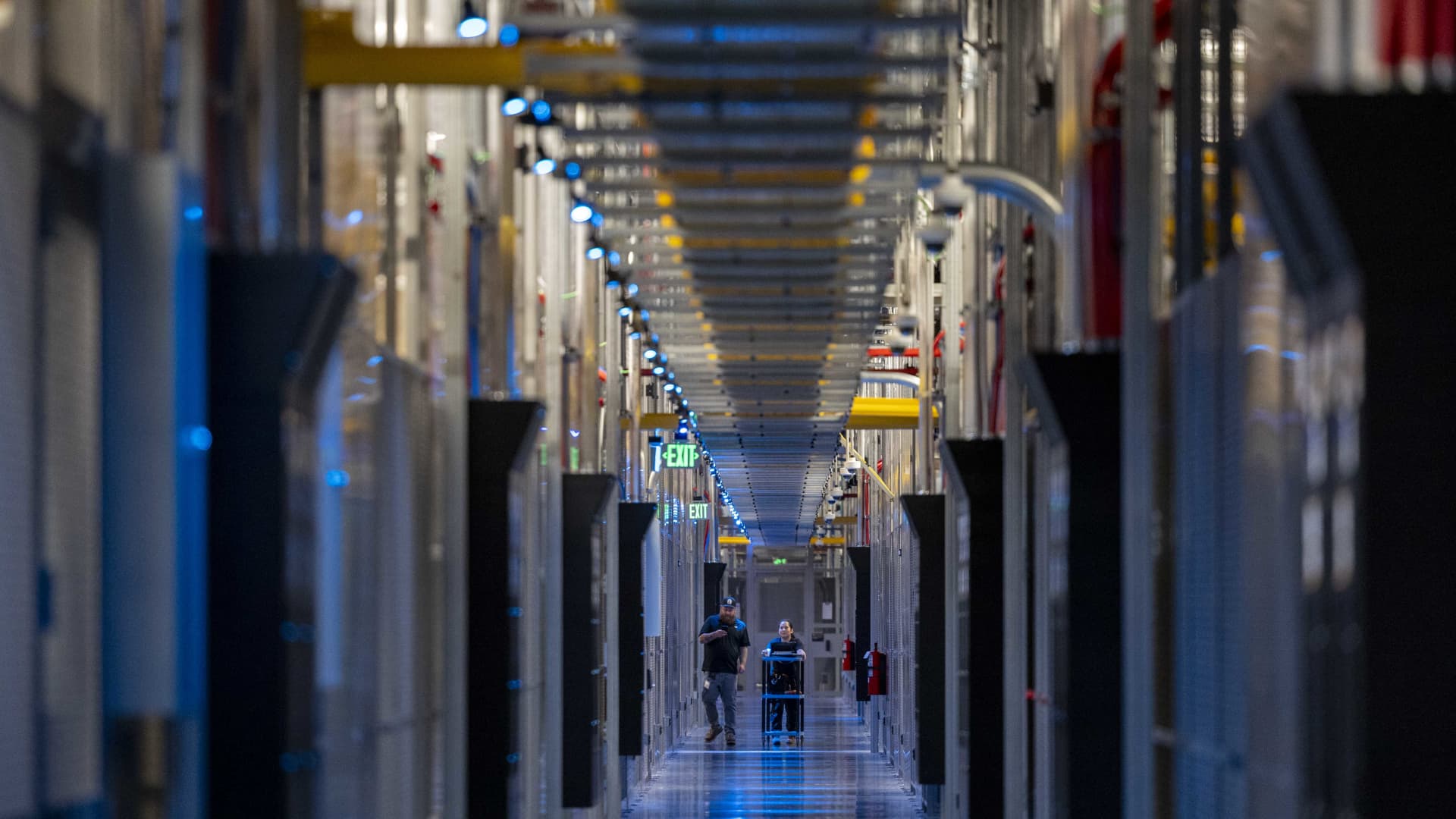
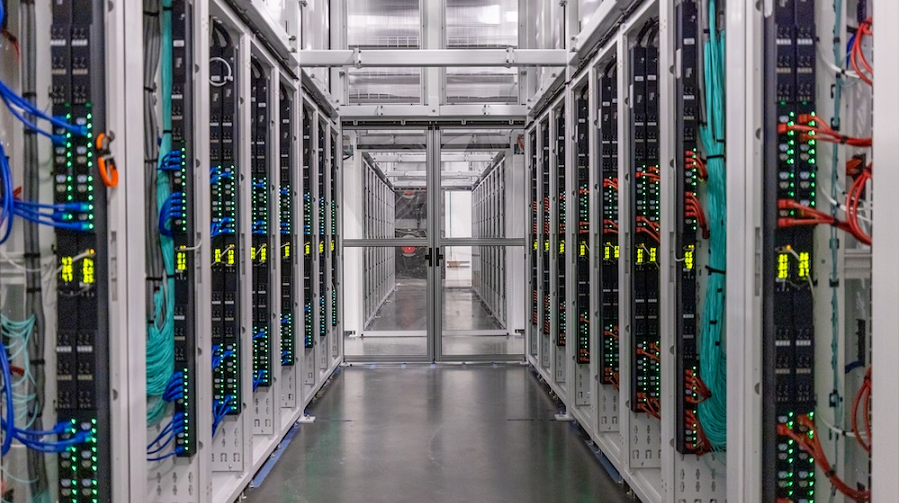
Residential demand remained resilient across top-tier cities, commercial absorption – particularly in Grade A office and data centre segments – was strong, and structured credit to developers offered predictable cash flows at attractive spreads.
The Policy Windfall: 2026’s Regulatory Revolution
2026 has delivered a series of changes in investment policy that alter the landscape for wealthy individuals and NRIs.
FEMA Third Amendment: Opening the Gates
The Foreign Exchange Management (Non-Debt Instruments) Third Amendment Rules, 2026, notified on June 12, 2026, significantly liberalise India’s portfolio investment framework for overseas individuals.
The amendment expands eligibility under Schedule III from only NRIs and OCIs to all individuals resident outside India, enabling them to invest in listed Indian companies on a repatriation basis.
It implements the Union Budget 2026 proposal by increasing the per-investor limit from 5% to less than 10% and the aggregate investment limit from 10% to 24%.
This is a catalyst.
Global individuals, not just those of Indian origin, can now directly invest in Indian listed equities through the Portfolio Investment Scheme.
India has effectively opened its equity markets to the world’s wealthy individuals.
GIFT City: India’s Global Wealth Hub Takes Off
In April 2026, the IFSCA granted the first operational license for a Family Investment Fund in GIFT City to Poornam Asset Management IFSC Private Limited.
The approval was an important milestone in India’s efforts to position GIFT City as a competitive global wealth management jurisdiction.
GIFT City has steadily become a gateway for investors eyeing international investment opportunities without necessarily opening accounts in multiple overseas jurisdictions.
It validates GIFT City as a viable jurisdiction for family offices, alternative investment funds, cross-border estate planning, and global wealth structures.
The Family Office Explosion
The numbers on Family Offices tell a remarkable story.
India is now third in UHNI additions globally, just behind the US and China. Around three individuals get added to the $30 million-plus bracket every day in India.
Between 2021 and 2026, India’s UHNI population grew 63%, from just over 12,000 to nearly 20,000 individuals, making India the sixth-largest UHNI base globally.
Knight Frank estimates India’s UHNI population will rise by 27% to 25,217 by 2031.
Family offices have grown from 45 in 2018 to 300 in 2024, a nearly sevenfold increase.
Wealth managers and multi-family offices are targeting 1,000 new clients annually, and over the next five years, another 5,000 individuals are expected to join – each with an investable surplus of $30 million (₹250 crore).
Umang Papneja, CEO of Julius Baer India, notes that family offices have evolved beyond legacy investing to focus on legacy planning and multi-generational wealth preservation.
“Now people don’t only want to manage and grow the money in terms of asset allocation and product selection. International investing and philanthropy too are on their aspiration list,” noted Papneja.
“The focus is also on how to preserve and sustain this level of wealth for future generations – two or even three down the line,” he added.
Risk-taking among family offices has gone up, contrary to popular perception.
Global Parallels: What the World’s Wealthy Are Doing
India’s wealthy are not operating in isolation. Global trends are converging with Indian behaviour in striking ways.
According to UBS’s 2026 Global Family Office Report, 60% of family offices plan to adjust strategic asset allocation in the next 12 months – the highest level recorded.
Sixty-five per cent expect market confidence in the US dollar as a global reserve currency to weaken, and the same percentage of investors have already invested in AI value chain-related areas.
AI has become the most watched long-term investment theme for multiple years running.
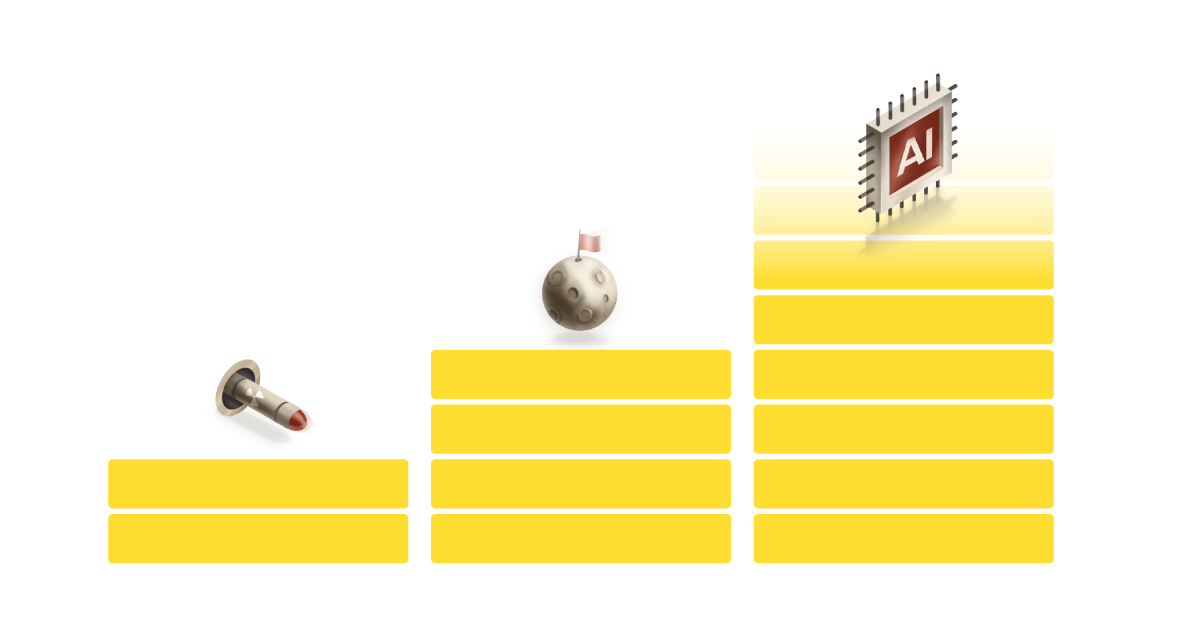
Family offices are moving beyond concentrating on large tech firms and chip makers toward a more complete industrial chain layout, covering data centre infrastructure, software platforms, and semiconductor manufacturing.
Power and infrastructure have emerged as the second most popular investment direction after AI, with 37% of family offices focusing on them.
The International Energy Agency expects global data centre electricity demand to grow significantly by – power is becoming a key scarce resource in the AI era.
The Tax Landscape: Stability with Nuance
The Union Budget 2026-27 kept long-term capital gains tax rates unchanged.
Share buyback proceeds will now be taxed as capital gains from April 2026, reducing the burden for many investors while tightening tax rules for SGB buyers.
The New Income Tax Act, 2025 will come into effect from April 2026, with simplified Income Tax Rules and Forms to be notified shortly.
The theme for 2026 is stability and simplification, not major rate changes.
For PMS investors, there is an important tax consideration.
Unlike mutual funds where the fund house bears the tax consequences of portfolio churn, in a PMS, your investments sit in your individual demat account.
Every buy-and-sell decision the fund manager makes becomes a taxable event for you, and not for them.
Portfolio Construction for 2026: A Framework
Based on the trends and broader insights, here is how a resilient HNI portfolio might be constructed for the current environment:
/img/2026/07/shot-104755-4a9e3bf78347-desktop.jpg)
Key Takeaways for India’s Wealthy
1. Resilience over returns: The new mantra is building portfolios that can absorb shocks, not chasing maximum returns. Discipline and temperament matter more than timing the market.
2. Global is not optional: With the rupee on a structural weakening path, offshore diversification is now part of every UHNI conversation.
3. Alternatives are core, not satellite: AIFs, private credit, and real estate have moved from afterthought to important portfolio components. The numbers don’t lie – 25% growth in AIF investments, 80% growth in real estate exposure.
4. Policy is creating new opportunities: The FEMA Third Amendment, FCNR initiative, and GIFT City’s Family Investment Fund framework are opening doors that didn’t exist a year ago.
5. Family offices are the new institutional investors: From 45 to 300 in six years – and growing. Legacy planning and multi-generational wealth preservation are now as important as asset growth.
6. AI infrastructure is the next big theme: While India may have missed the race to build its own large language models, the bigger prize lies in AI infrastructure – particularly data centres. Global tech giants are directing massive contracts toward Indian operators.
India is creating investable wealth at an unprecedented scale.
Jefferies estimates the wealth management industry could grow more than 20% annually over the next few years.
But the rules of the game have changed.
The wealthy are not just asking how much can I make?
They are asking “how do I keep what I have, grow it smartly, and pass it on?
The answer, in 2026, is a portfolio that is resilient, global, diversified, and yield-generating – built not for the best-case scenario, but for uncertainty.
That is the only certainty.
Disclaimer: This article is for informational purposes only and does not constitute financial advice. Readers should consult their financial advisors before making investment decisions.”