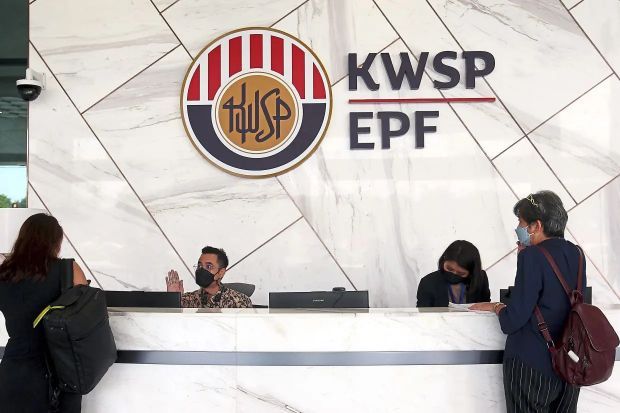

The Employees’ Provident Fund Organisation (EPFO) introduced a Systematic Withdrawal Plan (SWP) that will allow retiring members to withdraw their accumulated EPF savings in regular instalments instead of taking the entire corpus at once.
The proposal was approved at the 240th meeting of the Central Board of Trustees (CBT) on Thursday. SWP allows investors to withdraw a fixed amount from their savings or investments at regular intervals, such as monthly or quarterly.
While SWPs are commonly associated with mutual funds, how does the EPF facility work, and what makes it different in terms of returns, liquidity, and taxation? Here’s what you need to know.
What is EPF SWP and how will it work?
According to the EPFO’s announcement, the facility will allow retiring members to withdraw their accumulated provident fund savings periodically, such as monthly, quarterly, or half-yearly.
The remaining corpus will continue generating returns, helping members supplement their retirement income and pension benefits.
The facility will be entirely voluntary, with members retaining the option of withdrawing their entire eligible balance. It may also be extended to eligible family members and beneficiaries.
If a member dies during the payout period, the nominee or dependent will be able to withdraw the remaining balance or continue receiving periodic payments.
Abhishek Bhilwaria, Partner at BhilwariaFinserv, clarified that the facility is meant for retiring members and is different from partial withdrawals permitted during employment.
Existing employees can access EPF savings for specified purposes, subject to eligibility and withdrawal limits. The proposal does not introduce a general monthly withdrawal facility for serving employees, he added.
What is a mutual fund SWP?
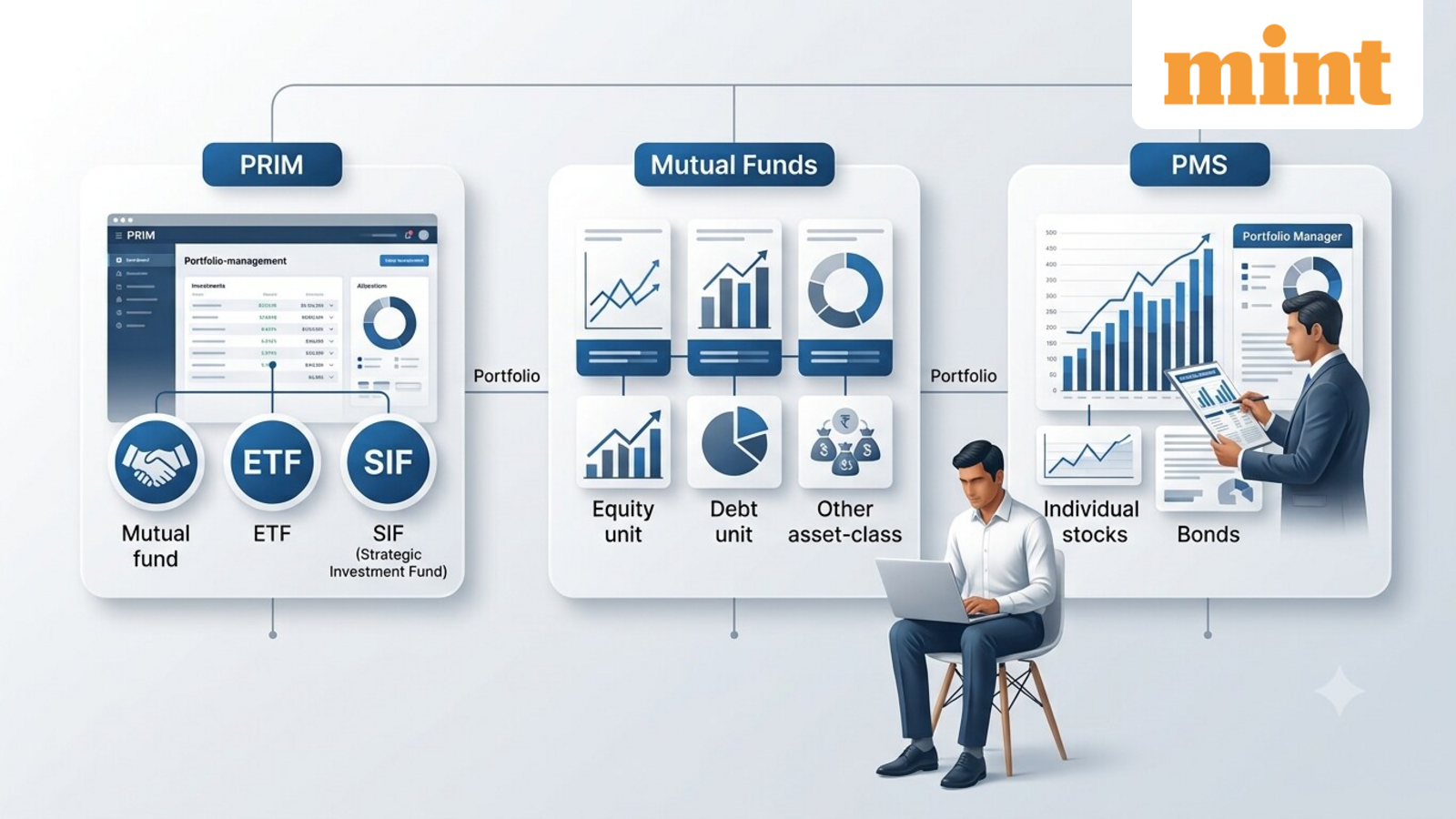
In a mutual fund SWP, an investor puts money into an equity, debt, or hybrid scheme and specifies a fixed amount to withdraw at regular intervals.
For example, if an investor has ₹10 lakh invested in a mutual fund and opts for a monthly SWP of ₹10,000, the fund will redeem units worth ₹10,000 every month and transfer the amount to the investor’s bank account. The remaining corpus stays invested, and its value fluctuates with the fund’s performance.
This means that mutual fund SWP redeems units worth a fixed amount at the prevailing NAV, while EPF SWP withdraws a fixed amount directly from the accumulated PF balance.
EPF SWP vs mutual fund SWP: What are the key differences?
Bhilwaria said the biggest difference lies in how the underlying money is invested and how withdrawals are processed. In EPF SWP, the remaining money stays within the provident fund system and earns the declared EPF interest rate. In mutual fund SWP, units are redeemed periodically, and the remaining investment remains exposed to market movements.
There are four important differences to note:
- Returns: EPF offers a declared annual interest rate, while mutual fund returns fluctuate with market performance and are not guaranteed.
- Liquidity: Mutual fund SWPs offer greater flexibility in withdrawal amounts and frequency, while EPF withdrawals follow prescribed rules.
- Taxation: Eligible EPF withdrawals are tax-exempt after meeting conditions such as five years of continuous service. In mutual funds, only the capital gains portion of each SWP withdrawal is taxable, based on the fund category and holding period.
- Corpus management: EPF provides interest-based returns, while mutual funds offer debt, hybrid, and equity options with varying risk levels.
What about EPF interest that stops after 58?
Under existing rules, if you retire before 55, your EPF account earns interest until you turn 58. If you retire at 55 or later, it earns interest for three years after retirement.
Charu Pahuja, CFPCM, Director and Chief Operating Officer at Wise FinServ, said the new SWP proposal allows the money left in the account to continue earning interest during the withdrawal period, subject to the final rules. This could help retirees avoid withdrawing their entire corpus simply because interest may eventually stop accruing.
Which SWP should retirees choose?
Pahuja said that, with a fixed interest rate of 8.25% for FY 2025-26, EPF SWP could appeal to retirees seeking relatively stable returns without market risk.
In contrast, mutual fund SWP payouts depend on the performance of the underlying scheme, as units are periodically redeemed to meet withdrawal requirements.
Disclaimer: This is for informational purposes only. Make decisions based on your financial goals and risk appetite.