
iStockPhoto / Getty Images
Advisors rely on fixed income as part of a balanced portfolio and to find opportunities beyond equities. Yet, concentration risk may be lurking in fixed income, leaving Canadian investors less diversified than they think.
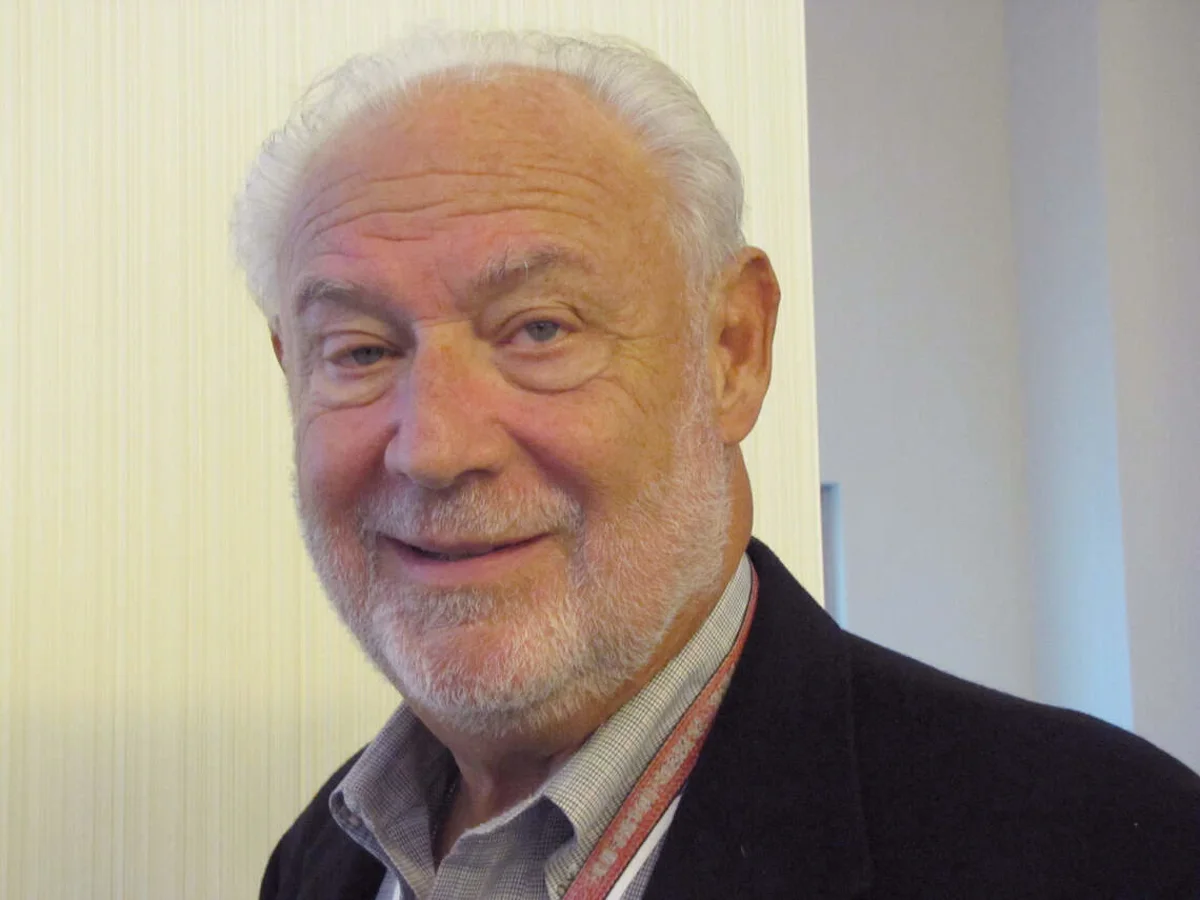
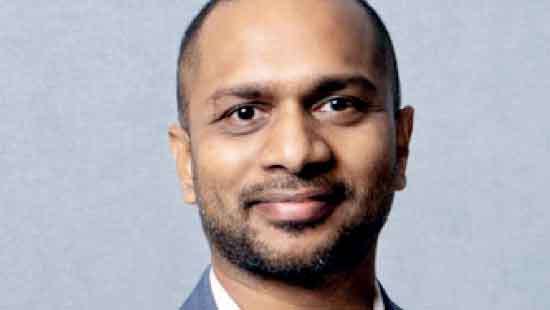
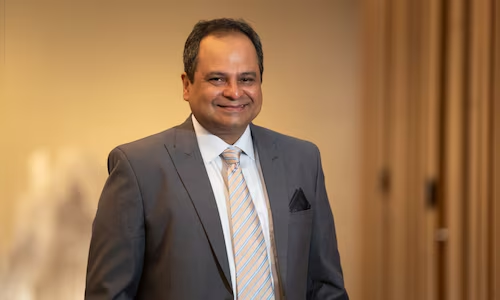
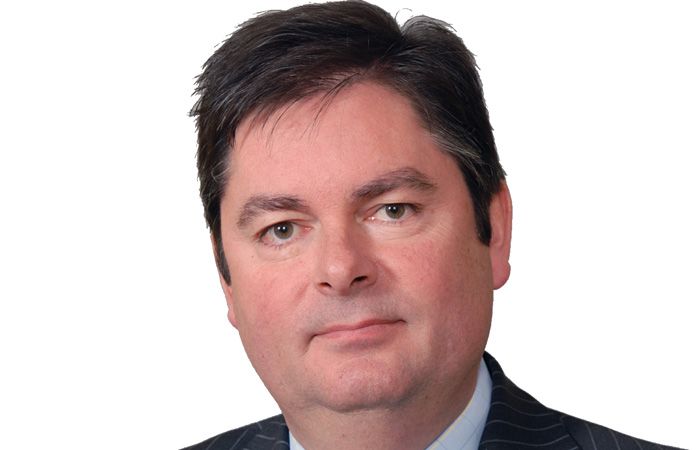
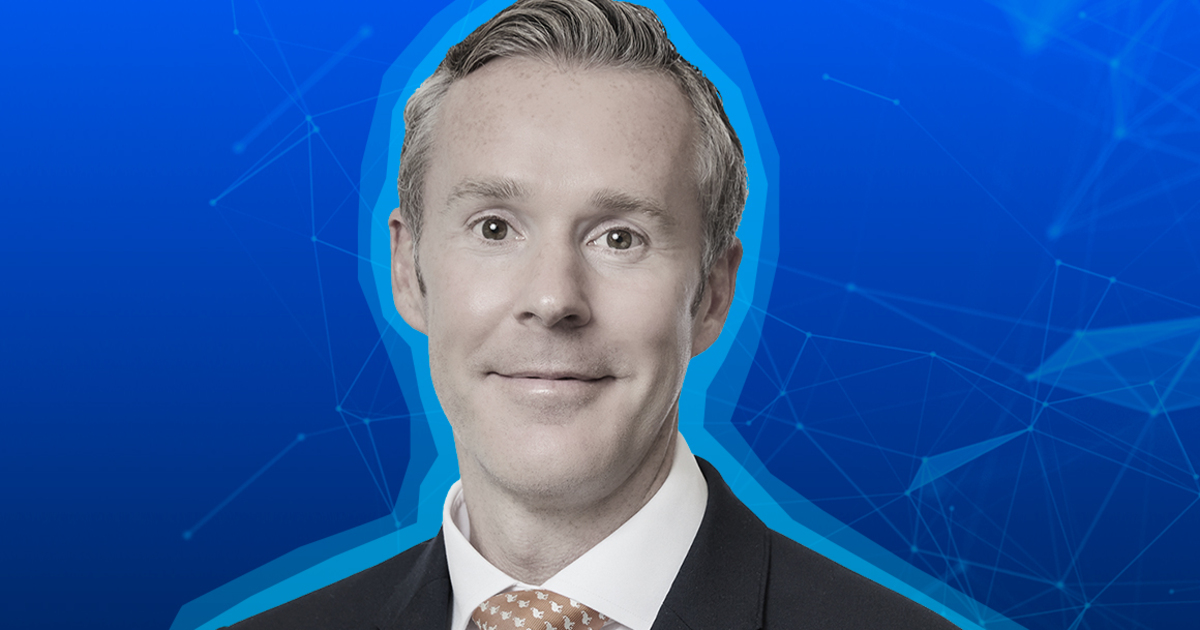
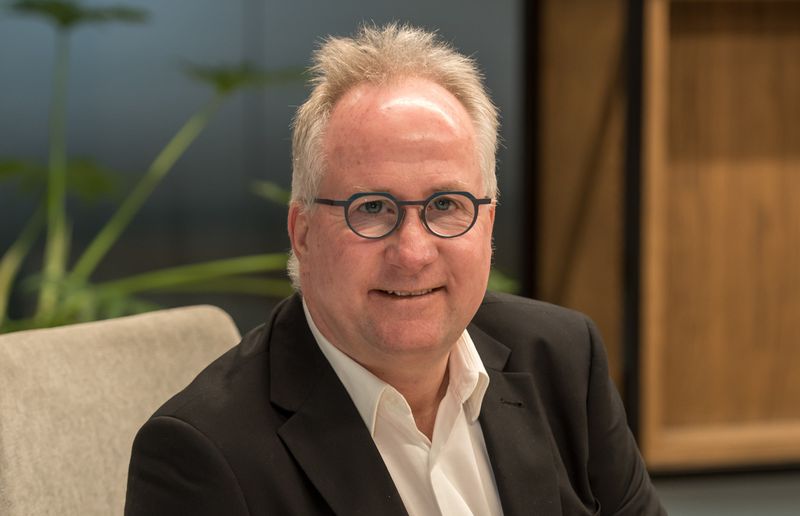
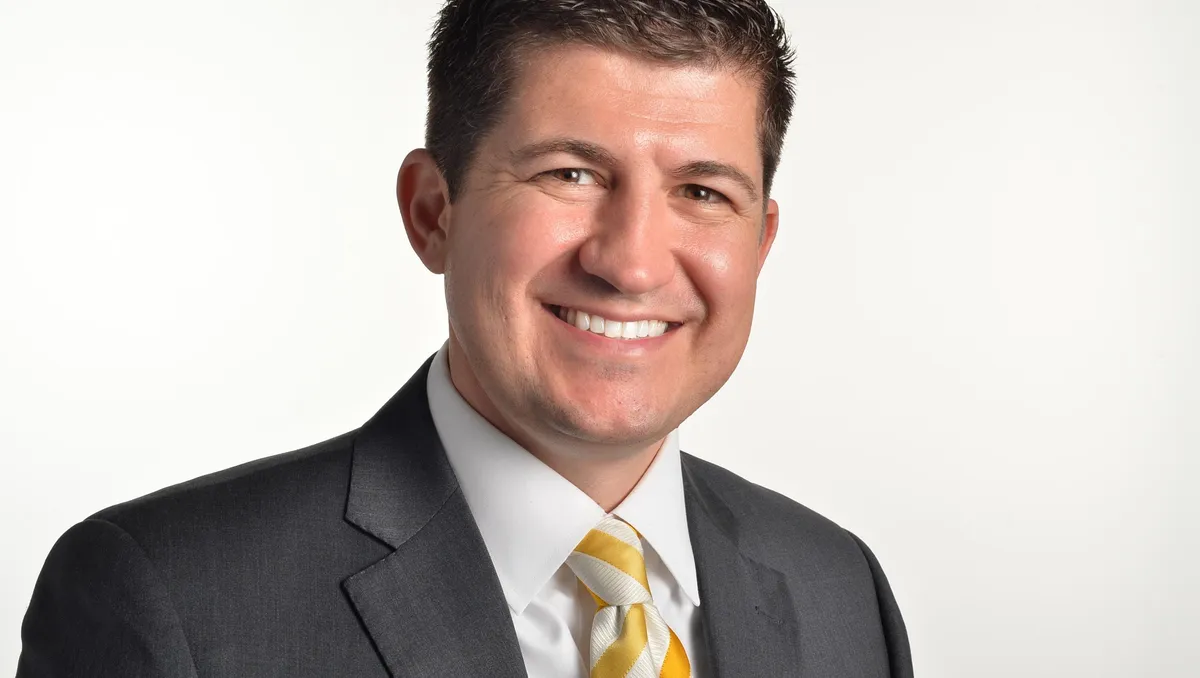
Many hold global bond funds with heavy exposure to the United States. “That makes it difficult to be truly diversified, leading to more volatile outcomes than expected,” says Gregoire Pesques, chief investment officer for global fixed income at Amundi, which manages global bond strategies for NEI Investments.
He points to several issues with U.S. bond exposure over the past several quarters: higher inflation, a Federal Reserve that has been slow to tame it amid the war in Iran, tariff spats and deficits. All have spooked bond traders, he says, pushing yields higher.
The challenge for investors is many global bond funds track broad global indexes closely, resulting in high U.S. exposure. A new NEI white paper reports that the average Canadian global fixed-income fund has 41.5 per cent in U.S. exposure and 26.5 per cent in Canada, meaning that more than two-thirds of those “global” assets are concentrated in North America.1
In contrast, NEI’s Global Total Return Bond Fund, Series F, has been defensive on U.S. fixed income, resulting in a significantly lower allocation to its bond market. Its U.S. exposure accounts for 11.72 per cent of the fund.
True global diversification allows investors to navigate risks while potentially reducing their negative impacts, Mr. Pesques contends. But for bond investors, diversification means exposure to different types of risk.
“If you really want to be diversified, you find risks that aren’t much correlated,” he says.
That’s why active management is valuable for global allocations, Mr. Pesques adds. Experienced fund managers can uncover opportunities where others may only see risks to avoid.
The approach only works when a global strategy strives for diverse exposures across different geographies, inflationary environments, durations and currency drivers. That way, the portfolio consists of uncorrelated pieces.
“When you mix them together, you improve your potential return per unit of risk significantly,” Mr. Pesques says.
It’s a wide world to choose from because no one jurisdiction is alike regarding government deficits, economic growth, currency strength and inflation. With respect to developed markets, for example, the U.S. and Japan’s bond markets have had challenges because their central banks were slow to stem inflation. In contrast, Australia and New Zealand have offered better opportunities for fixed-income exposure given their low government deficits.
“One would expect these nations to benefit eventually from a flight to quality as safe havens,” he says.
Often, experienced active managers grasp opportunities other investors overlook because of perceived risks, without comprehending macroeconomic and other factors driving material near-term revaluation.
Mr. Pesques points to Brazil and South Africa as examples. Credible central banks and high levels of yields provide considerable comfort to offset political risk.
He says NEI Global Total Return Bond Fund and NEI Global Short-Term Bond Fund can be used in tandem to provide diversified global exposure. The former offers long-term fixed-income exposure to generate higher income, while the latter offers a shorter-duration and more defensive way to access global fixed income.
Both can position investors to experience higher yields than comparable benchmarks. Success still relies on nimble management that never relies too much on one factor or geography for performance, Mr. Pesques notes.
To that end, NEI’s fund managers conduct fundamental analysis of each holding continually within a broader, shifting macroeconomic context. They combine that with quantitative controls to ensure positions remain uncorrelated for superior diversification.
“It’s a little like cooking. You can combine very different ingredients to create a very nice and, in this instance potentially profitable, dish.”
Learn more about whether fixed income approaches are global in name or global in practice through NEI’s white paper.
1Morningstar, Global Fixed Income CIFSC category, August 31, 2026.
2 Morningstar Direct. NEI Global Total Return Bond Series F. Fixed-income country exposure as at August 31, 2026.
This material is for informational and educational purposes, and it is not intended to provide specific advice including, without limitation, investment, financial, tax or similar matters. The views expressed herein are subject to change without notice as markets change over time. Information herein is believed to be reliable, but NEI does not warrant its completeness or accuracy. Views expressed regarding a particular security, industry or market sector should not be considered an indication of trading intent of any funds managed by NEI Investments. Forward-looking statements are not guaranteed of future performance and risks and uncertainties often cause actual results to differ materially from forward-looking information or expectations. Do not place undue reliance on forward-looking information.
Commissions, trailing commissions, management fees and expenses all may be associated with mutual fund investments. Please read the prospectus and/or Fund Facts before investing. The indicated rates of return are the historical annual compounded total returns including changes in unit value and reinvestment of all distributions and do not take into account sales, redemption, distribution or optional charges or income taxes payable by any security holder that would have reduced returns. Mutual funds are not guaranteed, their values change frequently and past performance may not be repeated.
NEI Investments is a registered trademark of Northwest & Ethical Investments L.P. (“NEI LP”). Northwest & Ethical Investments Inc. is the general partner of NEI LP and a wholly-owned subsidiary of Aviso Wealth Inc. (“Aviso”). Aviso is the sole limited partner of the NEI LP. Aviso Correspondent Partners operates as a separate business unit of Aviso Financial Inc., which is a wholly owned subsidiary of Aviso Wealth Inc. (“Aviso”). Aviso is a wholly owned subsidiary of Aviso Wealth LP, which in turn is owned 50% by Desjardins Financial Holding Inc. and 50% by a limited partnership owned by the five provincial Credit Union Centrals and The CUMIS Group Limited. Aviso is a registered mark owned by Aviso Wealth Inc.
Advertising feature produced by The Globe and Mail Content Studio with NEI Investment. The Globe’s editorial department was not involved.