

A Flexible, Unconstrained Fixed Income Approach
MFIX operates without a tracking index, giving its managers broad discretion across the global fixed income universe. Under normal conditions, at least 80% of net assets are invested in US and foreign debt securities, spanning investment-grade and high-yield bonds, government and agency securities, corporate loans, collateralized loan obligations (CLOs), and mortgage- and asset-backed securities. Crucially, the fund can allocate up to 100% of assets to high-yield “junk” bonds or to foreign securities, including emerging markets debt — a degree of flexibility rarely seen in more constrained multi-sector bond funds.
The management structure reflects this breadth. Delaware Management Company oversees the overall portfolio and multi-sector allocation, while NCRAM handles day-to-day management of the high-yield portion. The fund also employs a wide range of derivatives — including forward currency contracts, interest rate swaps, credit default swaps, and futures — for both hedging and return-enhancement purposes. Portfolio turnover has historically been elevated; the predecessor fund turned over 73% of its portfolio in its most recent fiscal year, which can increase transaction costs.
Predecessor Fund Track Record
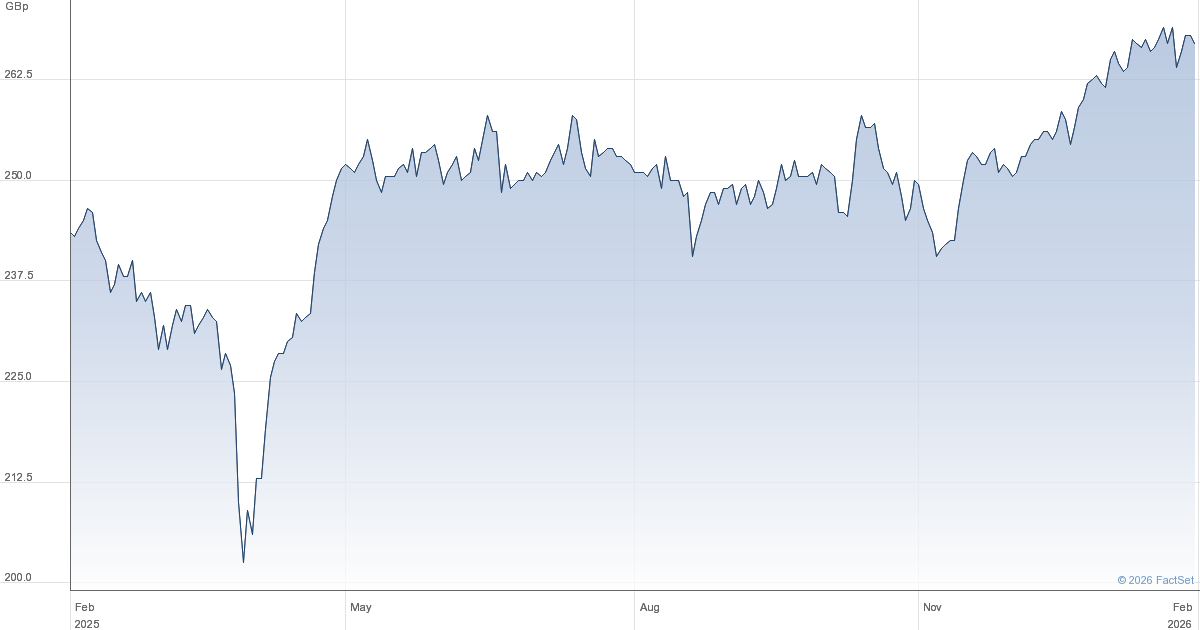
MFIX adopted the performance history of the Nomura Strategic Income Fund, a predecessor mutual fund reorganized into the ETF structure. The predecessor’s Institutional Class returned 8.16% in 2025 and averaged 3.95% annually over ten years, outpacing the Bloomberg US Aggregate Index’s 2.01% annualized return over the same period. Investors should note that ETF expenses differ from the predecessor fund’s, and past performance is not indicative of future results.
Key Risks to Understand
The fund’s flexibility is a double-edged sword. Significant allocations to high-yield and emerging markets debt introduce meaningful credit risk, liquidity risk, and currency risk. Interest rate sensitivity, CLO complexity, and the potential for leverage through derivatives add further layers of volatility. Because MFIX may use cash rather than in-kind securities for creations and redemptions, shares could occasionally trade at wider bid-ask spreads or at premiums and discounts to NAV.
At 0.41%, MFIX is priced competitively for an actively managed global multi-sector bond strategy, making it a candidate for income-focused investors seeking broader fixed income exposure than a core aggregate bond fund provides — though the high-yield and emerging markets latitude warrants careful consideration of overall portfolio risk tolerance.