Now that millennials and Gen Zers are in the stages of their lives when they need to think about long-term investments, their investment perspectives are different from those of generations before them. While Gen X and those before them believed in stocks, real estate and bonds as ways of creating wealth, younger adults often prefer alternative investments.
According to a recent Bank of America study, 31% of younger investors’ portfolios are now made up of alternative investments, compared to just 6% for older investors.
Alternative investments are investments outside the traditional investing channels, such as income earnings, cash, bonds and stocks. Young generations favor alternative investments mainly because of their potential higher returns, flexibility and diversification.
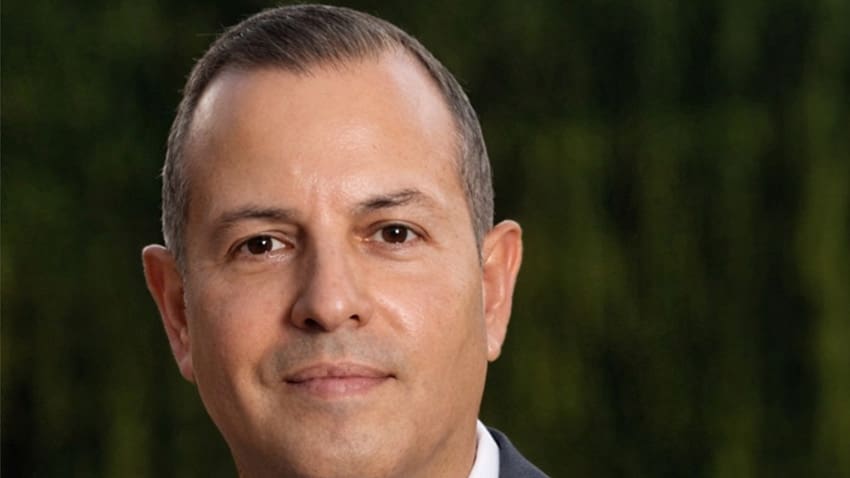
Daniel Ray, the director of investments and corporate administration at Credit Union Trust and founder of PinnacleQuote, said, “Alternative assets like cryptocurrencies, NFTs and crowdfunded ventures offer them the potential for rapid growth and a chance to invest in innovative projects that feel cutting-edge.”
Here’s a breakdown of several types of alternative investments.
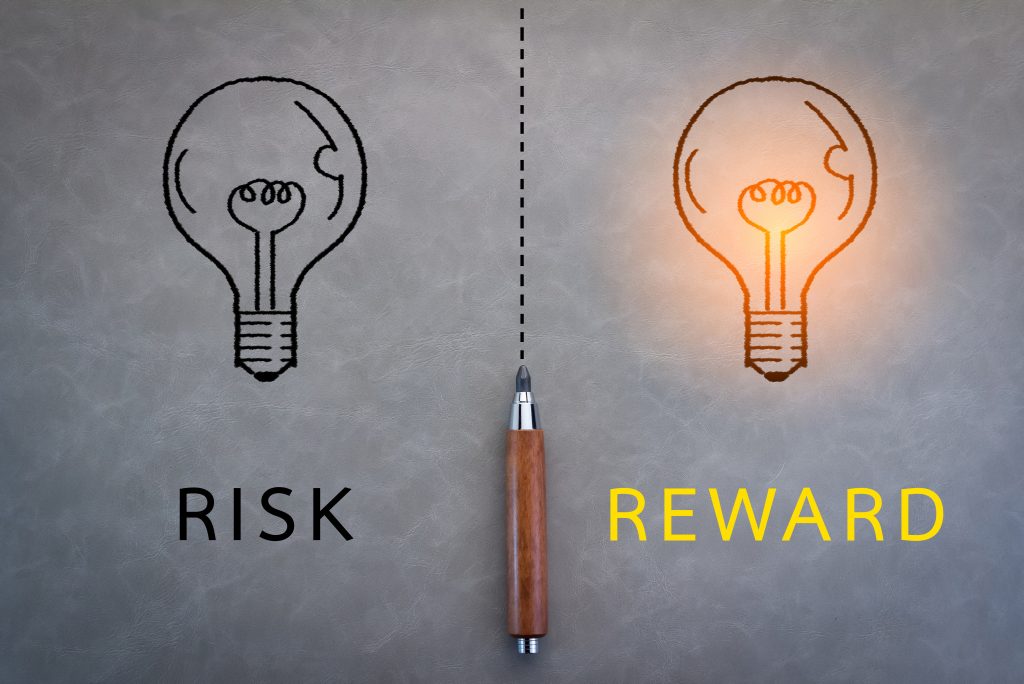
Cryptocurrency: These decentralized blockchain-based financial systems are high-risk but offer great rewards.
Real Estate: Real estate investment trusts (REITs) and commercial and residential buildings are part of the real estate investment sector.
Private Equity: Private equity firms acquire companies — private or public — and attempt to make them more profitable to resell.
Collectibles: These include tangible assets, such as luxury items, art, vintage cars and so on, that the owner plans to resell at higher prices.
Venture Capital: This involves investing money in start-up companies with growth potential and receiving shares of the companies in return.
Crowdfunding: A company takes money from many investors and offers them equity. It’s similar to venture capital but accessible to more investors.
Hedge Funds: These companies leverage multiple investors’ money using complex trading techniques to increase value.
Precious Metals: This involves the purchase of rare or valuable metals, like gold, platinum and silver, to hedge against economic uncertainty.
Why Do Gen Zers and Millennials Prefer Alternative Investments?
Alternative investments have captured the attention of younger generations. But why? Here are a few reasons.
They’re Skeptical of Traditional Methods
Both millennials and Gen Z are rethinking their long-term investment strategies. They’re not entirely sold on stocks and bonds. Many of them are skeptical and feel that traditional ways of investing don’t cut it anymore, especially when it comes to delivering solid returns on investment (ROIs).
The Bank of America study found that over 70% of investors aged 21 to 43 believe they can’t achieve above-average returns by relying only on stocks and bonds. Alternative investments may give them the returns they’re looking for.
CFA Anna Yen said, “The generational mindset has changed, with the present generation becoming more skeptical of traditional investments because of their lower returns. This skepticism has led them to explore alternatives.”
Higher Risk Tolerance
Gen Z and millennials are not afraid to take risks. Higher ROIs mean more investment options and taking control of their financial future.
Millennials and Gen Z grew up in a digital era, so they’re used to a world where things change so fast that it’s easy to be flexible. Their confidence in betting on unconventional assets may come, at least in part, from their comfort with uncertainty.
It’s Not Just About Money
For Gen Z and millennials, investing isn’t just about making money; it’s about making an impact. Many need to believe they’re part of what they’re investing in — and numbers on a spreadsheet aren’t enough for younger investors. They’ve decided to back companies that share their ethos.
Ray said, “Many [Gen Zers and millennials] feel traditional options like stocks and bonds don’t align with their values or provide the excitement they seek.”
What’s the Best Strategy With Alternative Investments?
Alternative investments may sometimes be lucrative and easier to understand, but experts strongly advise Gen Z and millennials to be cautious.
These investments are not “get rich quick” deals. Investments can change quickly, and many alternative investments come with increased risk. That’s why you have to take them slow and steady.
Do Your Homework
The golden rule is to research.
Yen said, “Educating yourself is the best buffer you can get. Take time to understand these assets you’re investing in. Gathering as much knowledge as possible is your best defense against scams and poor investment decisions.”
The more you know, the better you’ll be able to determine which investments are best for your financial goals. Understand that not all investments are winners. The best alternative investments are those that are well-matched to your finances. Seeking assistance from a financial advisor can help you understand which investments fit your goals best.
Yen added, “I advise investors to start with small investments to get a feel for the market and its dynamics before committing to larger amounts.”
Diversify
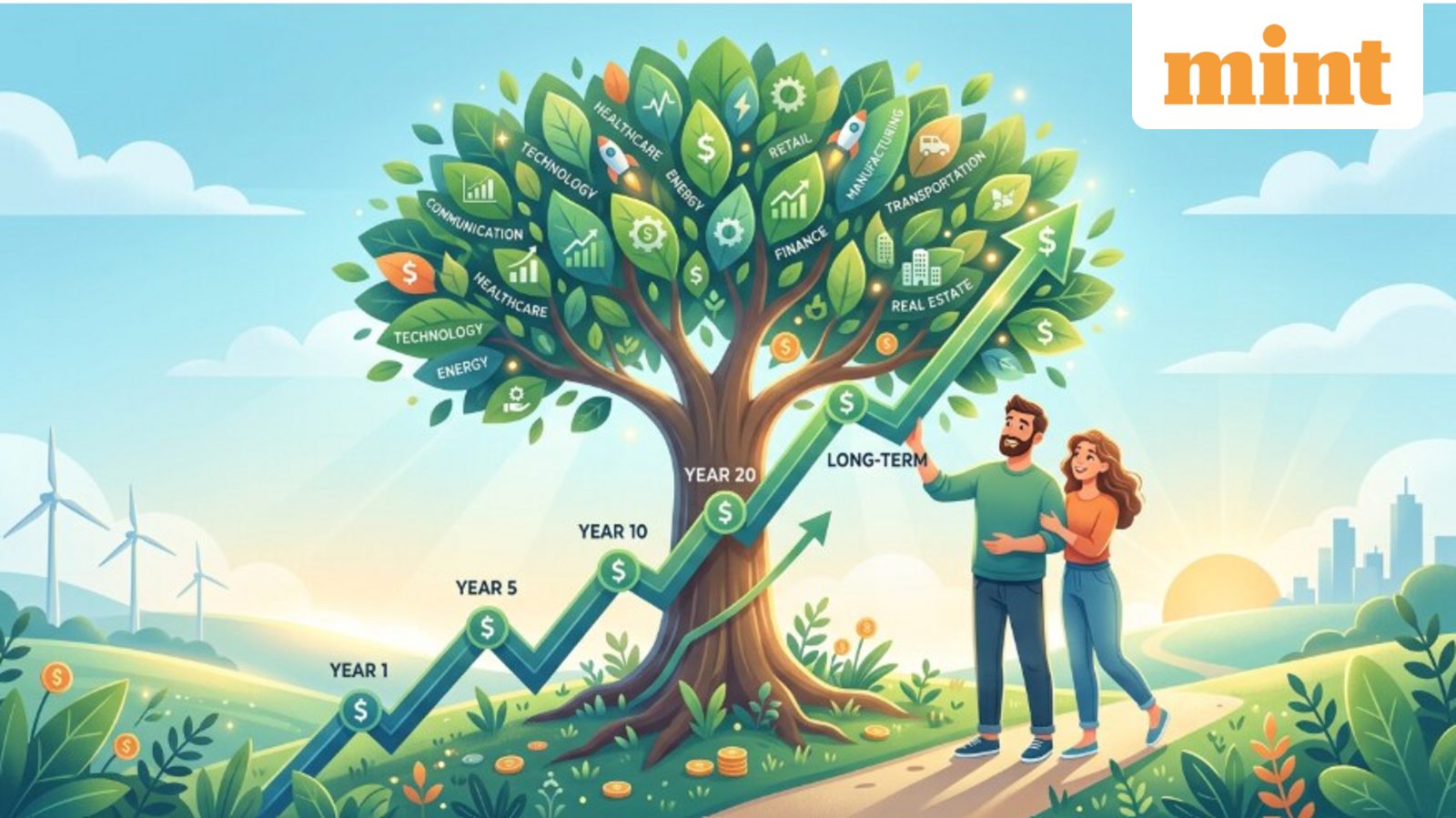
Gen Z and millennials shouldn’t write off traditional investments. Stocks and bonds are vitally important, too.
Yen said, “Every investor must follow the golden rule of diversifying their assets. This rule also applies to alternative investments. Therefore, to mitigate risk, spread your investments across different asset classes.”
The bottom line? Gen Z and millennials should stay informed, mix traditional and alternative investments, and take their time making decisions.