When planning for retirement, the ultimate goal is to secure a steady and reliable income stream that lasts a lifetime. Annuities and dividend stocks are two common ways to achieve this. Some soon-to-be retirees prioritize security and guaranteed income through an annuity, while others seek growth and flexibility with dividend stocks.
Understanding how these investments work and comparing their risks, costs and tax implications can help you decide which one fits best into your retirement plan.
Here’s everything you need to know.
How dividend stocks and annuities generate retirement income
Many companies, especially well-established ones, distribute a portion of their profits to shareholders in the form of dividends. Retirees who hold dividend stocks long-term can enjoy a steady stream of income without selling shares, while still benefiting from potential increases in stock prices over time. This asset appreciation can help your initial investment outpace inflation over time.
Strong dividend-paying companies also tend to increase their payouts year after year. Over the long run, reinvesting dividends can boost returns even more, making this option a good fit if you’re seeking both income and growth. Most dividend-paying stocks provide income quarterly, but some pay out monthly.
Annuities, on the other hand, are contracts with life insurance companies that guarantee a certain level of income. Annuities offer a predictable payout and protect against longevity risk, or the possibility of outliving your savings.
Annuities generate income either through fixed interest rates or the growth of underlying investments. Fixed annuities offer predictable payouts, while variable annuities and index-linked annuities fluctuate based on market performance. The appeal of annuities lies in the guarantee promised by the insurer — you’ll keep receiving steady payouts, no matter how long you live.
Dividend stocks vs. annuities: How they compare
Annuities and dividend stocks come with different risks and trade-offs that you should carefully consider before deciding which one is right for you.
-
Risks
Like any investment, dividend stocks and annuities carry risks.
A key benefit of annuities is their ability to effectively transfer the risk of outliving your savings or suffering losses from market volatility to the insurance company. Whether you live to 100 or live through a stock market crash, your payments keep coming, as specified by your contract terms. This can be reassuring for risk-averse retirees.
However, it’s important to remember that the guarantee of an annuity is only as strong as the insurer’s financial stability, and variable annuities can still decline in value if the market hits a downturn.
Dividend stocks aren’t risk-free either, despite being generally less volatile than growth stocks. Their prices fluctuate and short-term losses are possible.
There’s another big caveat to consider: If a company can’t afford to keep paying its dividend, it will be cut. This can trigger a dramatic drop in the stock price. Walgreens, for example, was once a staple of the Dividend Aristocrats, a list of companies which have paid out dividends for 25 years straight or longer. However, after the company eliminated its dividend in January 2025, the stock, which was already on shaky ground, plunged to less than $10 per share.
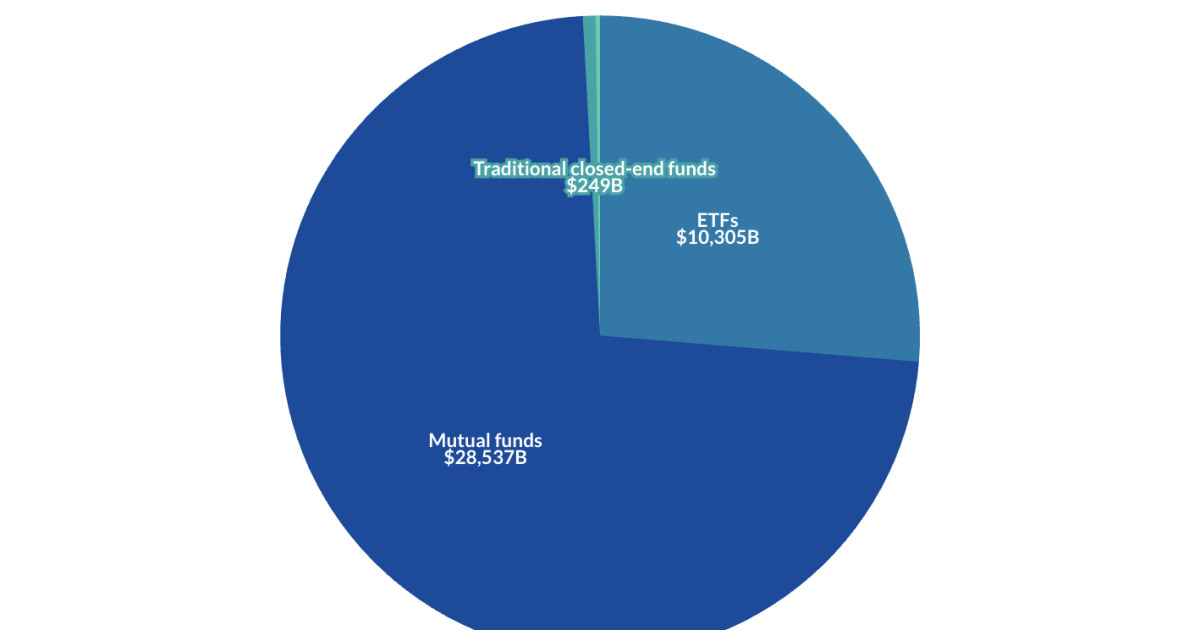
To mitigate this risk, and to simplify stock selection, many investors opt for dividend mutual funds or dividend ETFs.
-
Complexity
Annuities are infamous for their complexity. Contracts can span dozens of pages, often packed with jargon, restrictions and confusing fee structures. While optional riders can add insurance-like protections such as inflation adjustments or death benefits, these extra benefits increase costs.
Dividend stocks, in contrast, are relatively straightforward. You purchase shares of dividend-paying companies or a dividend-paying ETF, and receive periodic payouts. It’s that simple. While selecting the right stocks requires some research and monitoring, the overall investment process is much more transparent and easier to understand than buying an annuity.
-
Fees and cost
Annuities tend to come with high fees, which can significantly impact your overall returns. Depending on the type of annuity you choose, fees can include administrative costs, mortality and expense charges, investment management fees and surrender charges for early withdrawals. Variable annuities, in particular, are notorious for high fees and commissions.
However, some annuities — such as single-premium immediate annuities (SPIAs) — are a simpler, lower-cost option. You start receiving payments within a year, but there’s still a catch: To get a decent check in retirement, you’ll need to invest a significant amount of money upfront.
Dividend stocks, on the other hand, have much lower costs. Investors generally pay no brokerage fees when buying and selling stocks, thanks to the rise of commission-free trading. ETFs that track dividend stocks also offer a cost-effective way to gain exposure to a diversified portfolio of income-generating stocks.
When it comes to costs and fees, there’s really no comparison — dividend stocks are cheaper than annuities.
-
Liquidity
Aside from investing in real estate, annuities are among the least liquid investments out there. Once you fund an annuity contract, getting your money out can be difficult, if not impossible. Most annuities also impose surrender charges for early withdrawals, which last several years. And if you try to withdraw money from a qualified annuity before age 59½, you’ll get hit with a 10 percent tax penalty from the IRS.
These restrictions can pose challenges if you face a major expense or simply want to mix-up your investment strategy.
Meanwhile, dividend stocks are highly liquid because investors can easily sell shares for cash. This makes them a flexible choice for retirees needing quick access to their money. You might pay capital gains taxes when you sell, but you have control over your investments in a way annuities just can’t match.
-
Taxes
Another significant difference between annuities and dividend stocks is how they’re taxed.
Dividend stocks, particularly those that pay “qualified dividends” (meeting specific holding period requirements), enjoy favorable tax treatment. These dividends are taxed at long-term capital gains rates, which are generally lower than ordinary income tax rates.
This makes qualified dividend stocks a tax-efficient way to generate retirement income, especially for investors in lower tax brackets.
However, one thing to keep in mind is that dividends received in taxable brokerage accounts are subject to annual taxation, meaning you’ll pay taxes on those passive income distributions each year they’re received. That’s why most financial advisors recommend keeping dividend stocks in a tax-advantaged retirement account, such as a Roth IRA.
Annuities can offer tax-deferred growth, meaning your investment grows without immediate taxation. However, once you begin taking distributions from an annuity, the taxable portion is treated as ordinary income. This can trigger a bigger tax bill since ordinary income tax rates are generally higher than capital gains rates, especially for retirees in higher income brackets.
So while you may avoid taxes as your money grows inside an annuity, you’ll eventually pay taxes on all of the growth (and potentially some of the principal) at your normal income tax rate when you take money out or start receiving regular payouts from the insurer.