Raw Materials

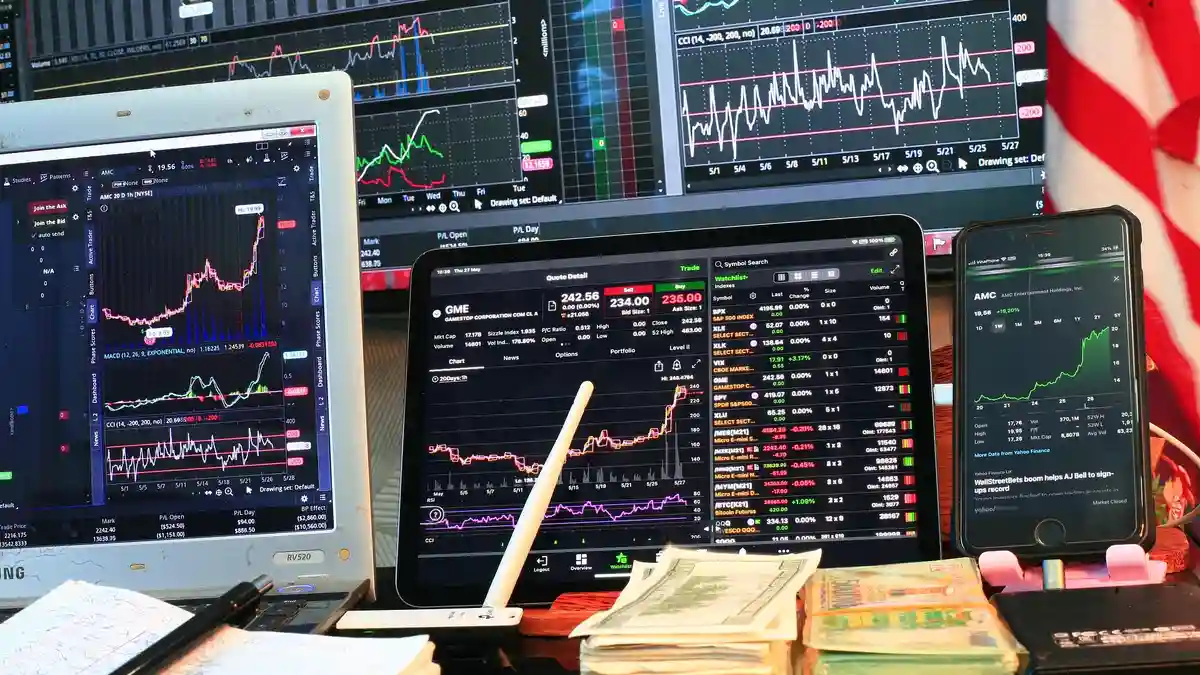
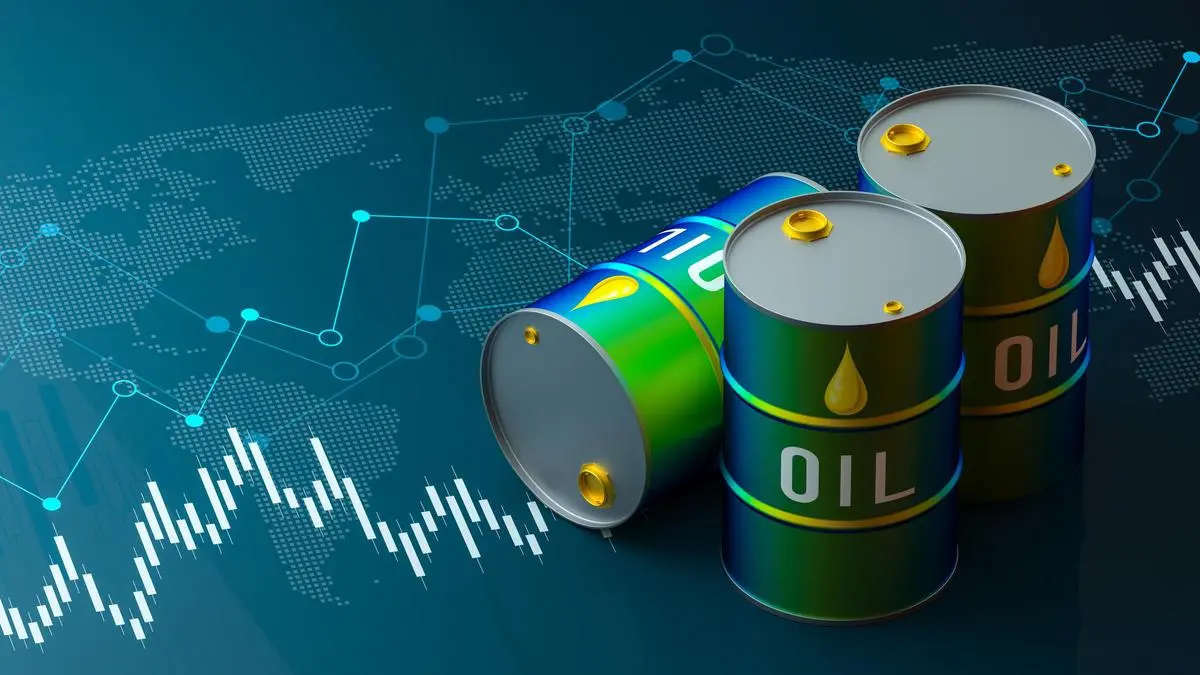
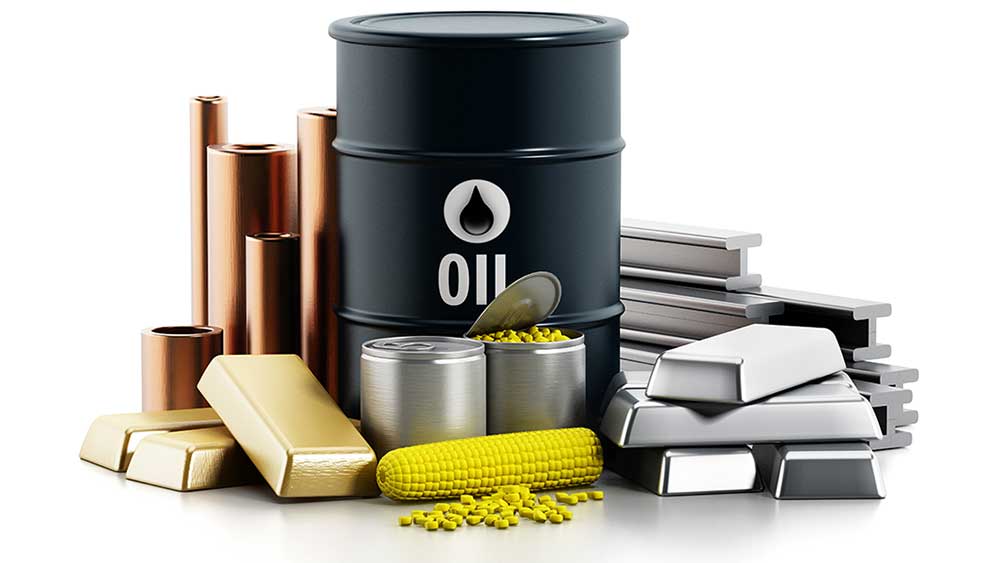
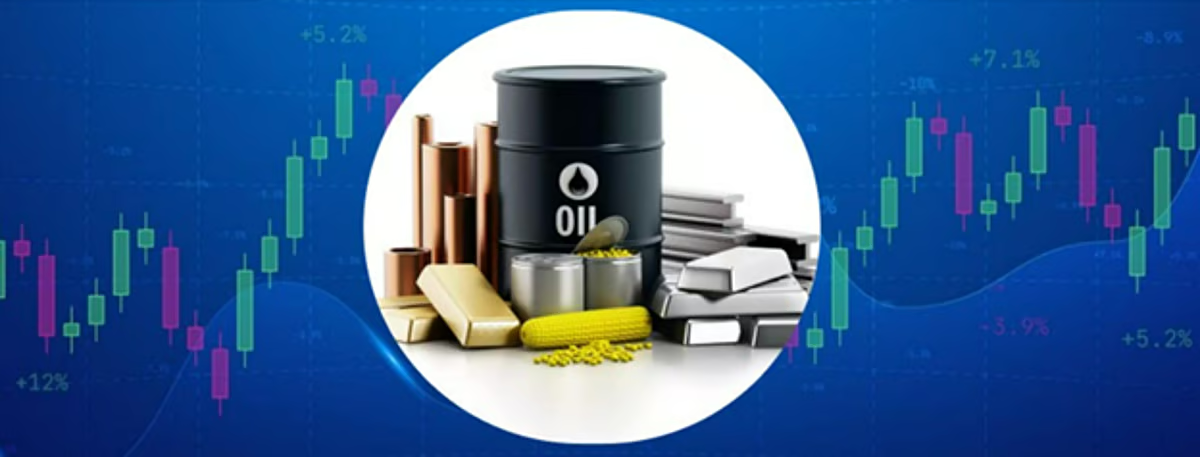
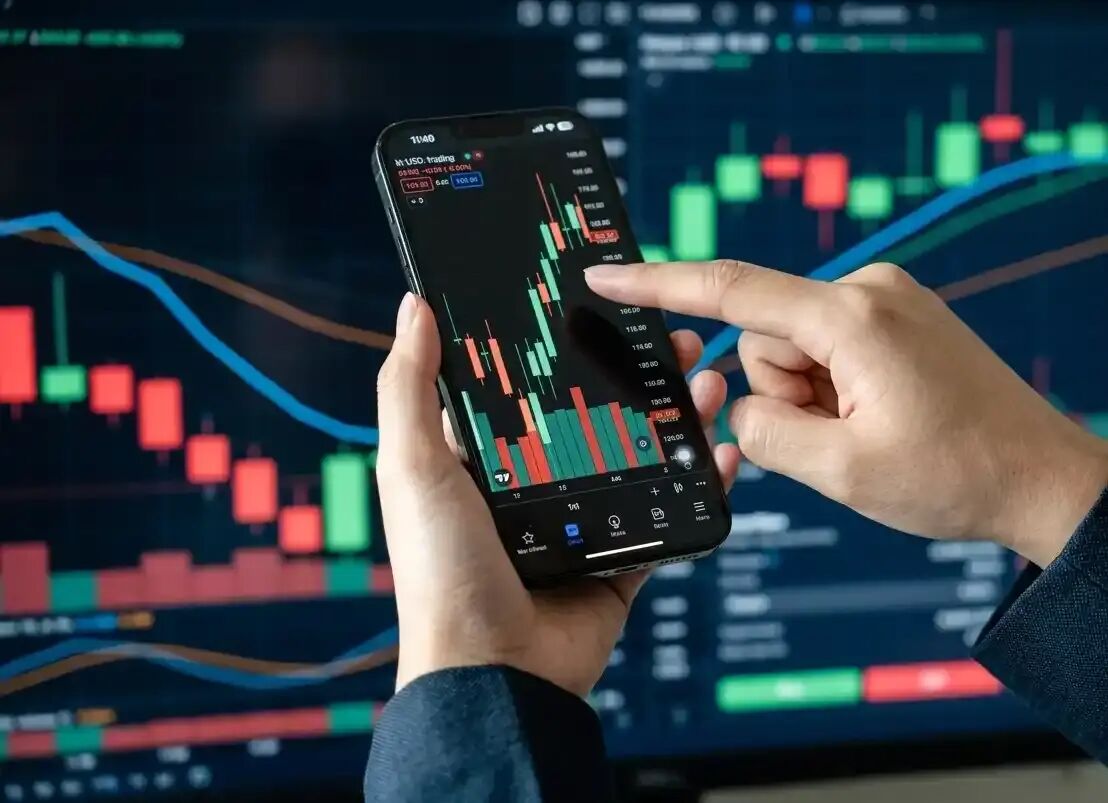
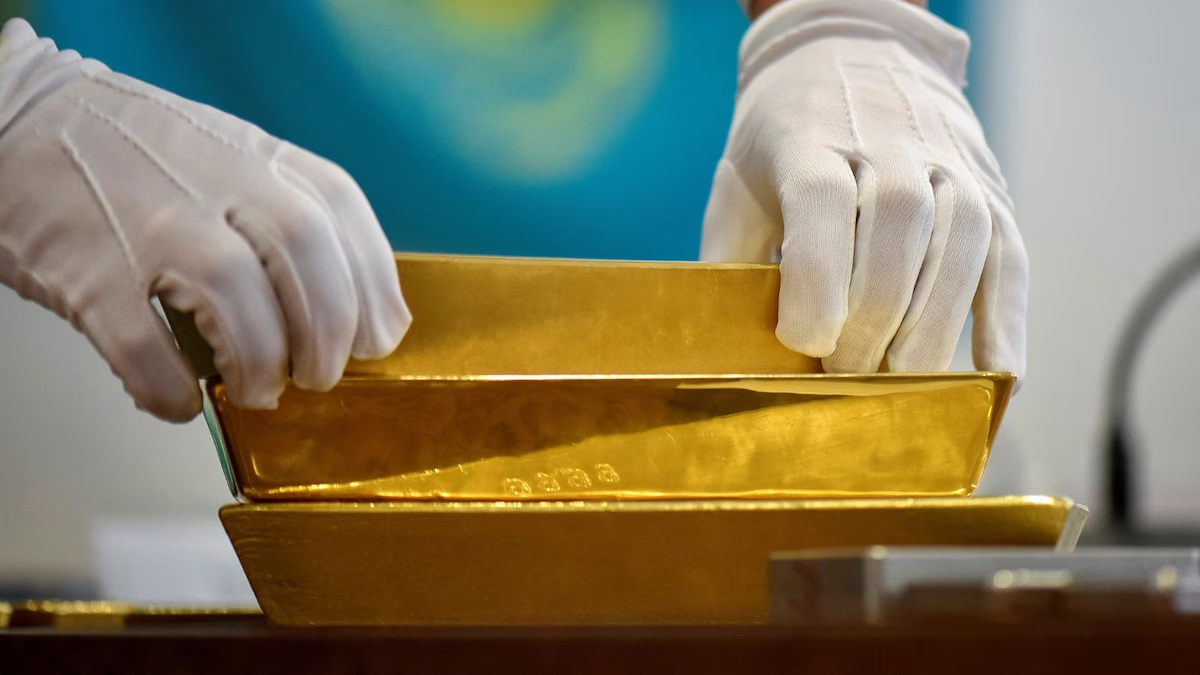
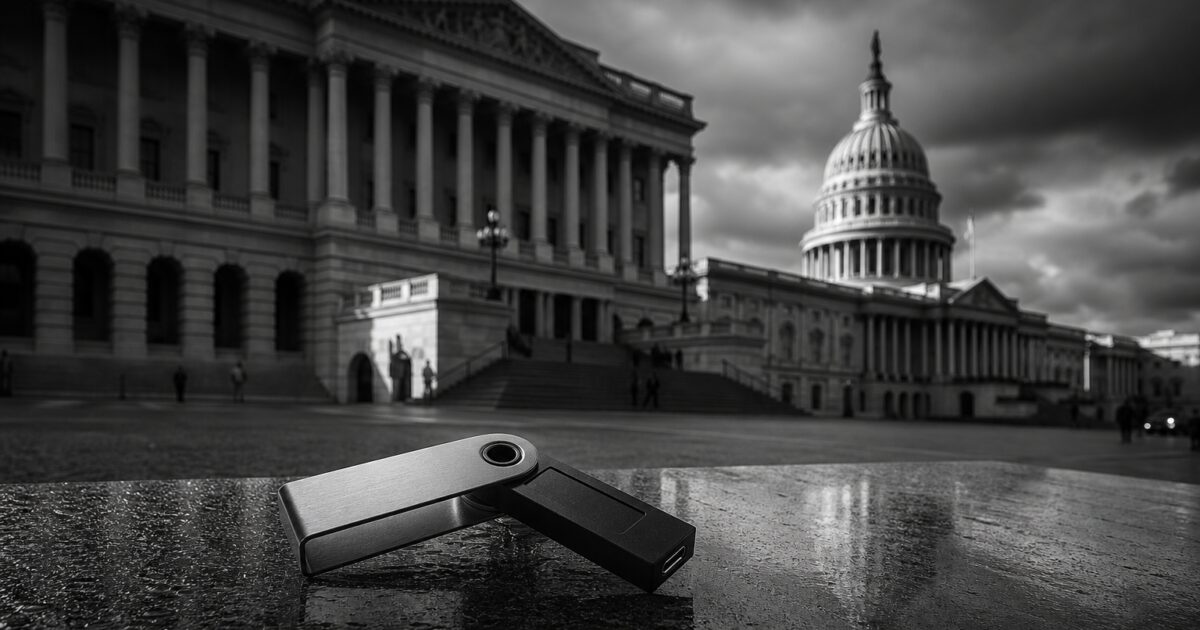
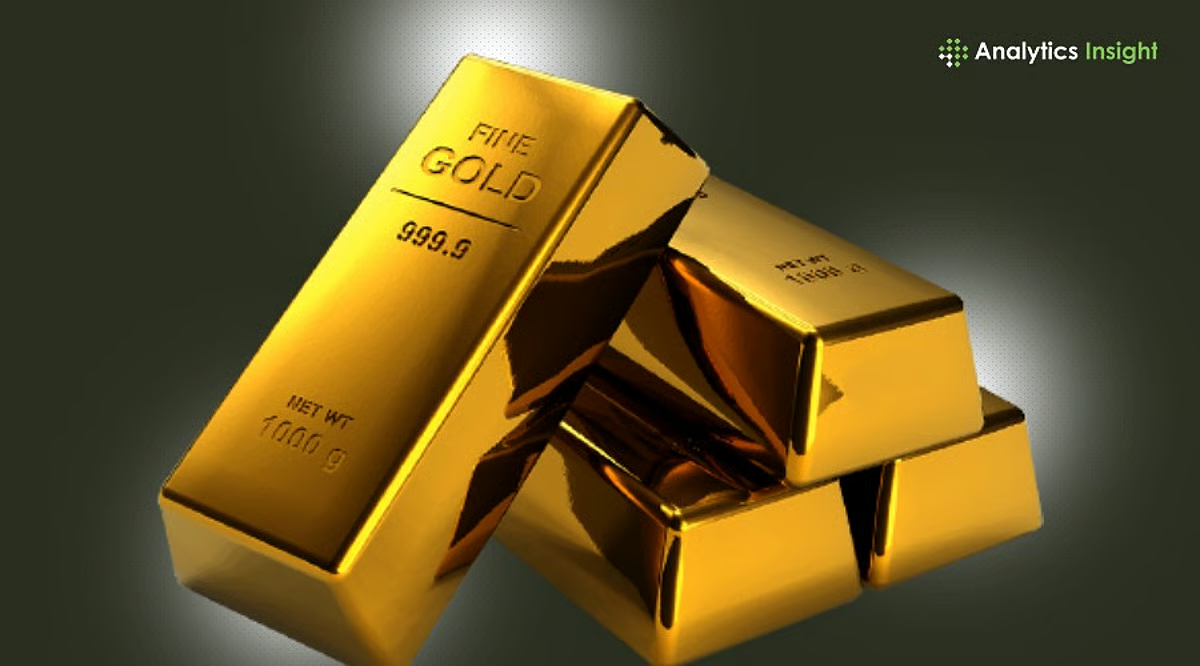
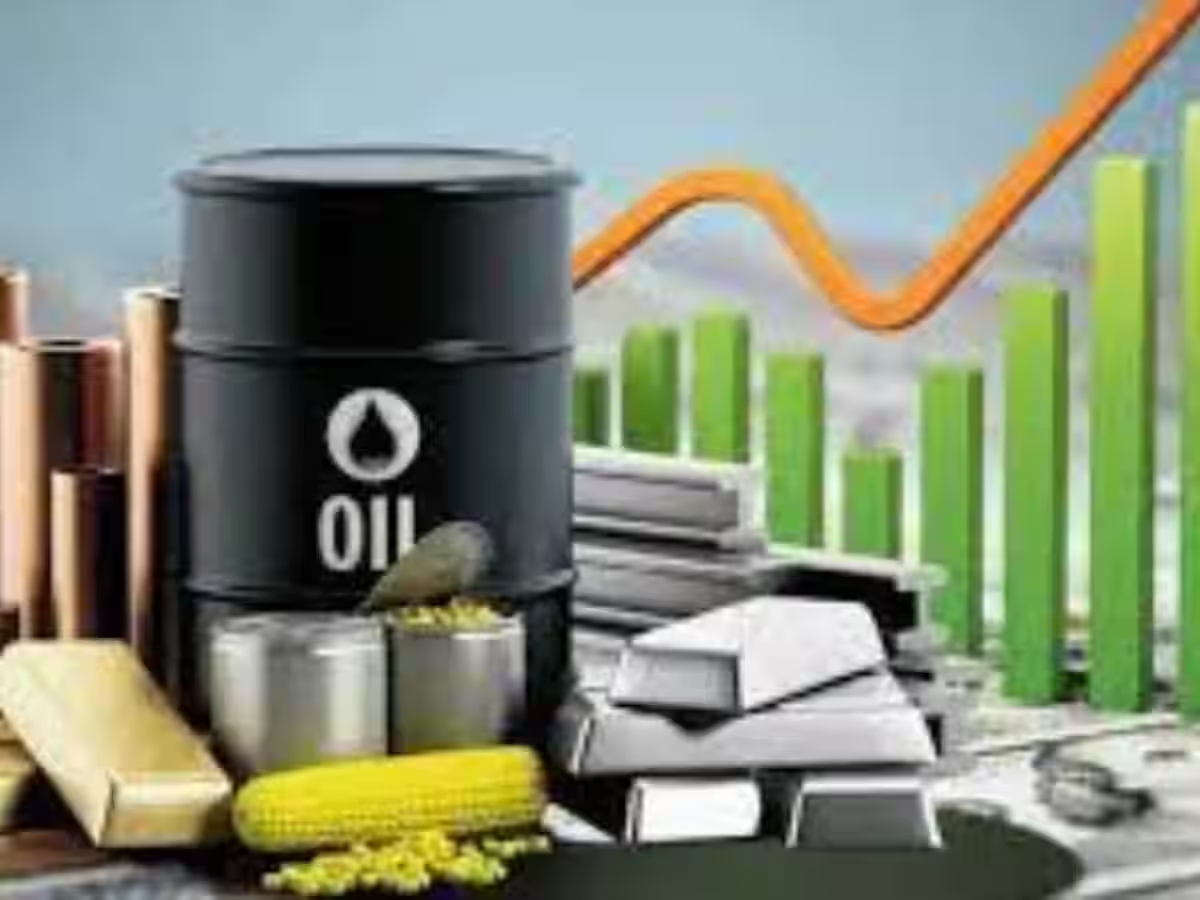
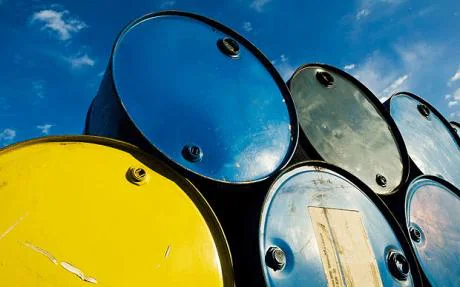
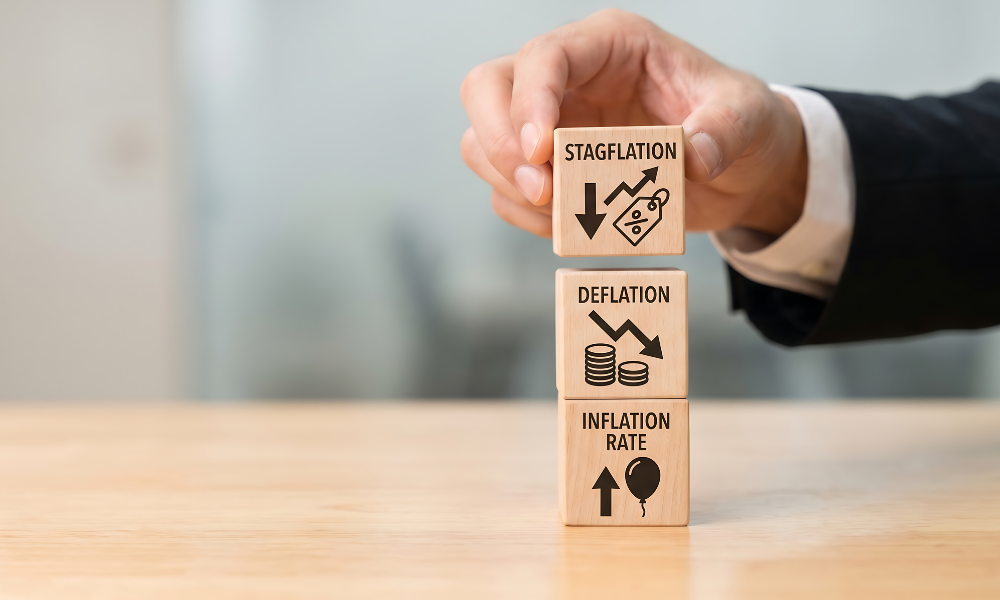
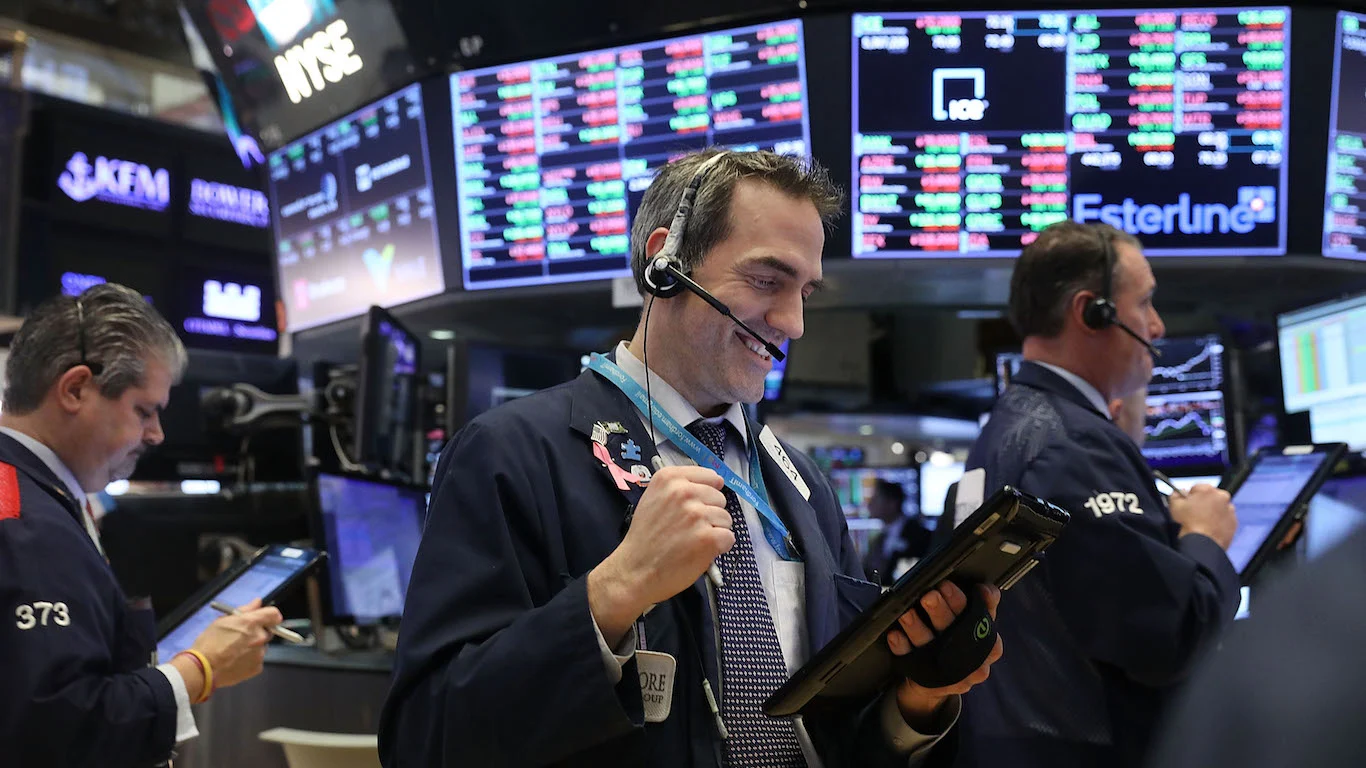
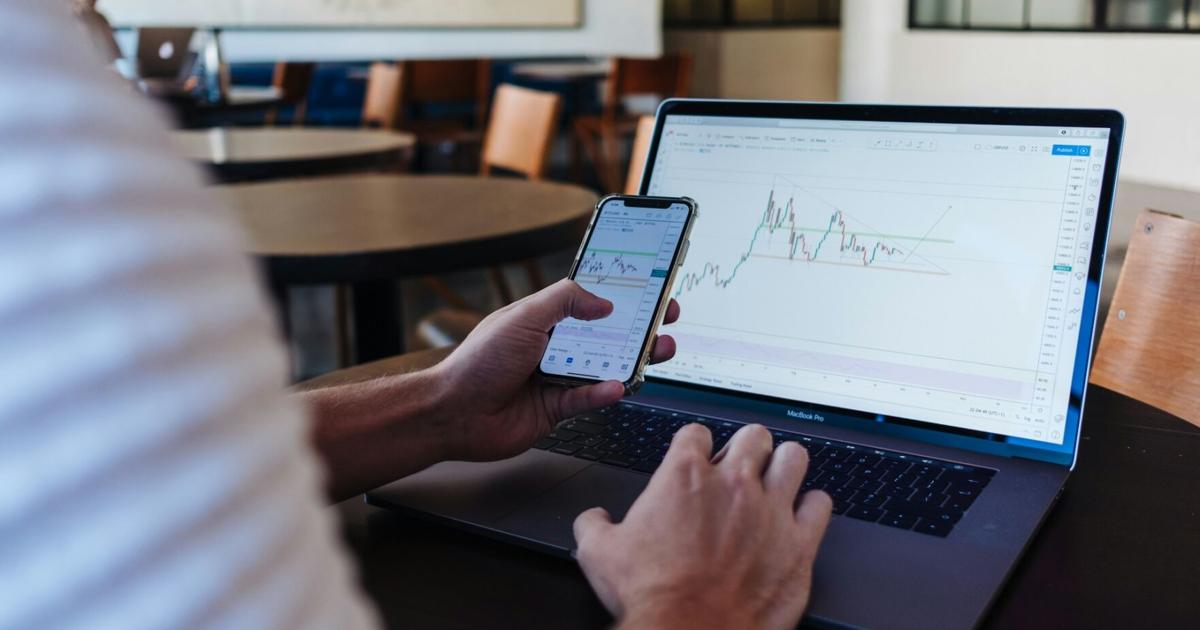
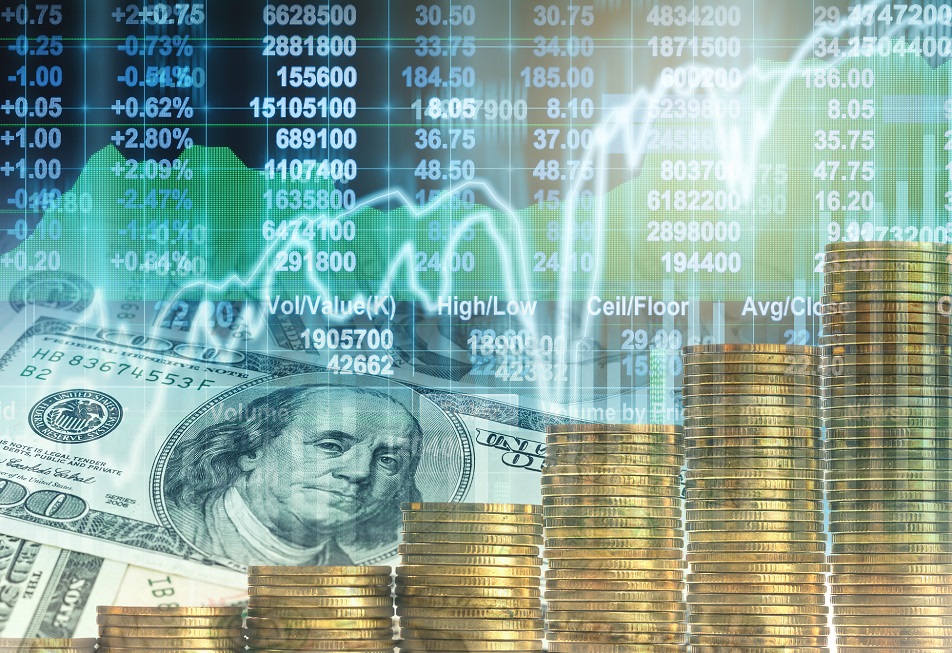
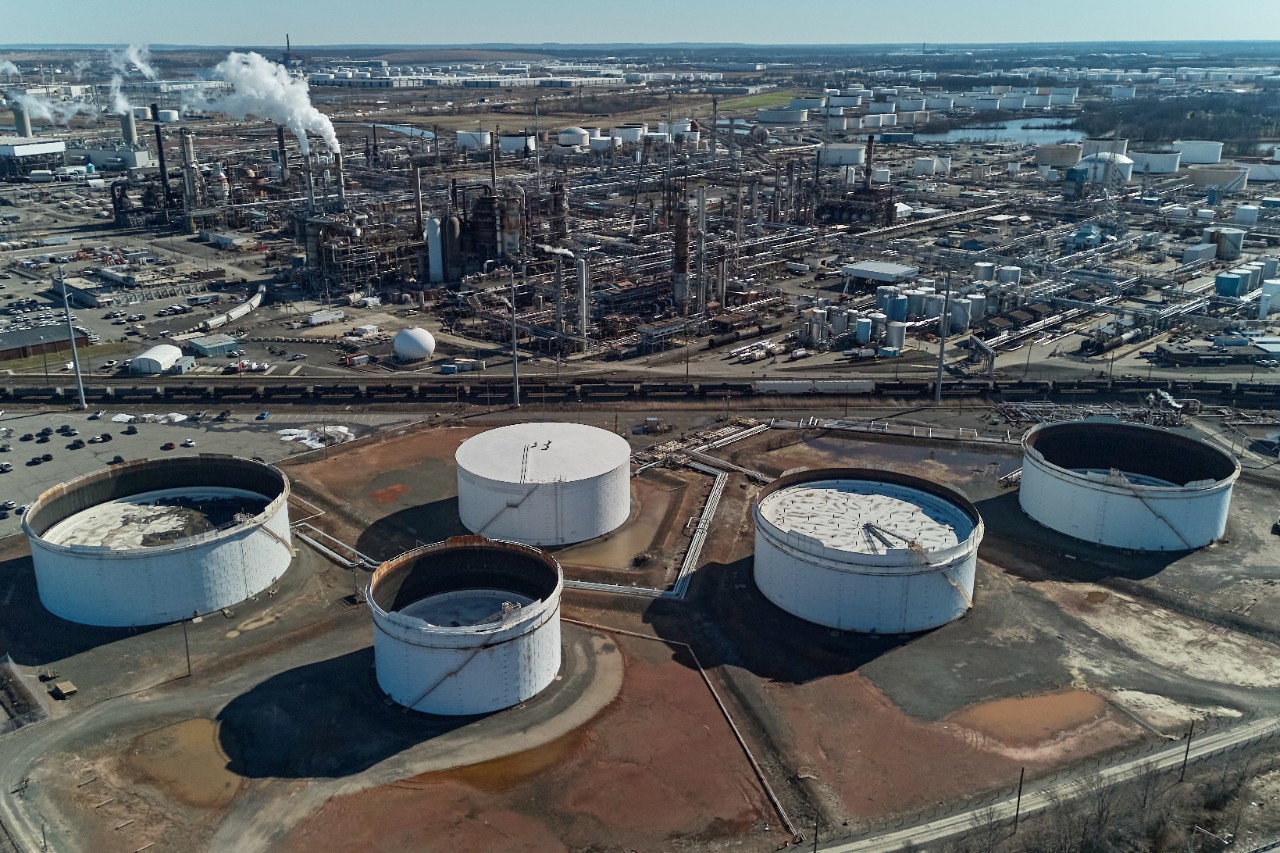
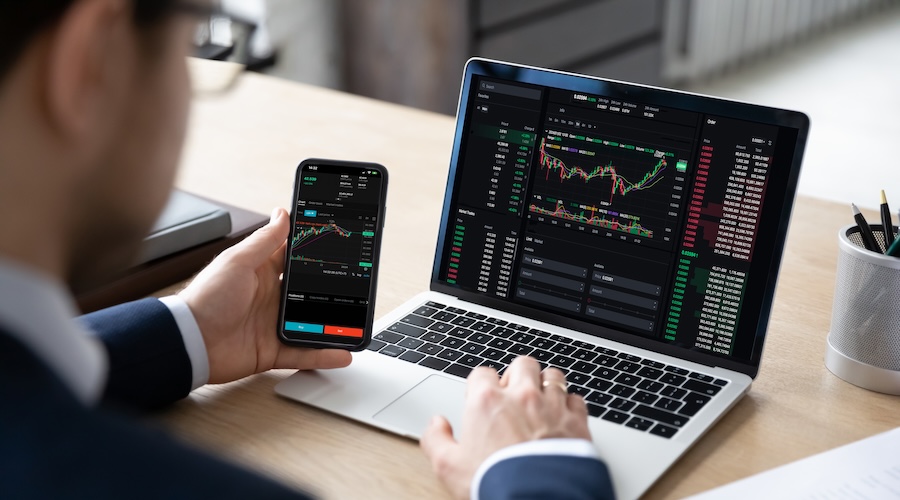
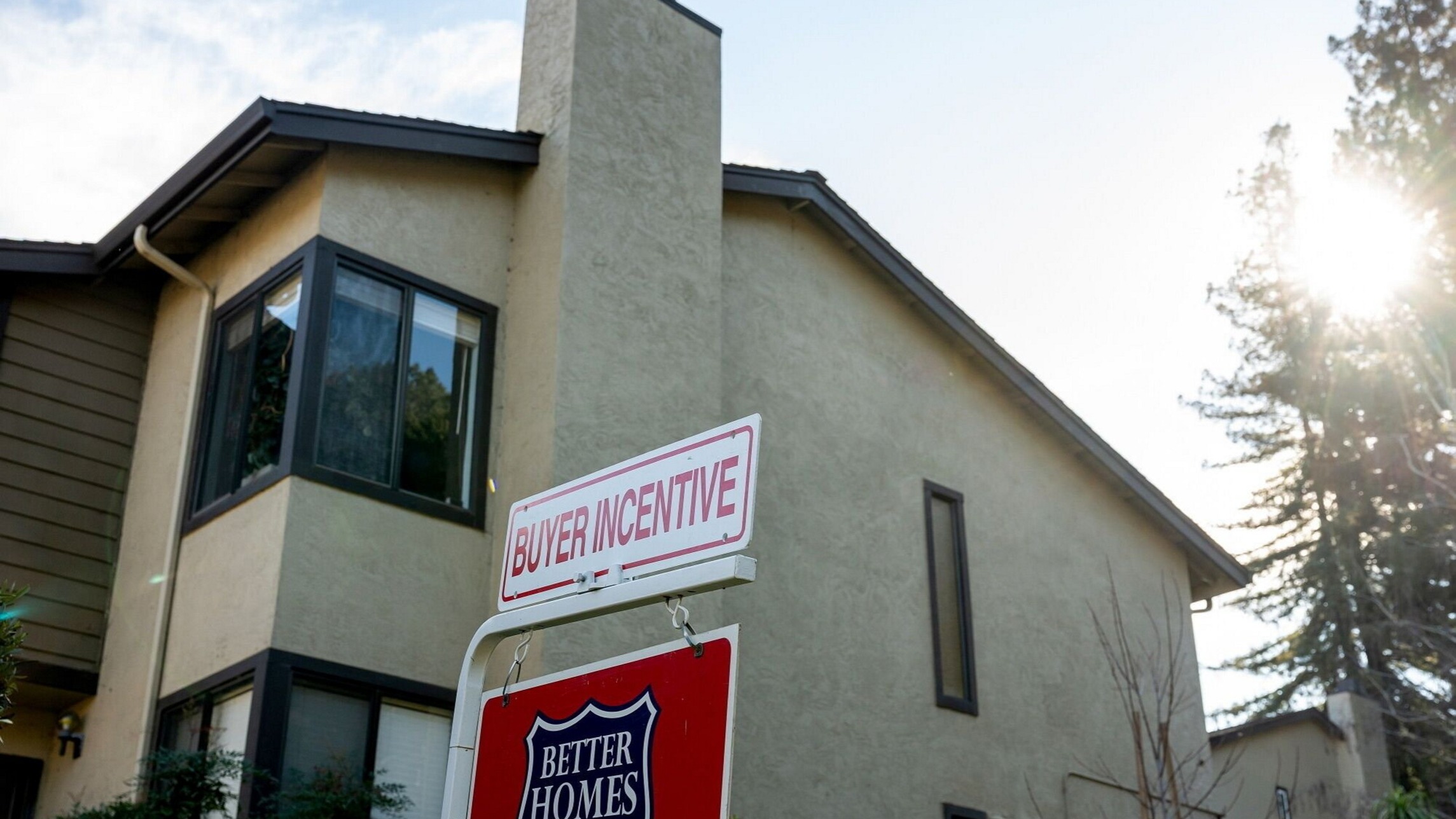
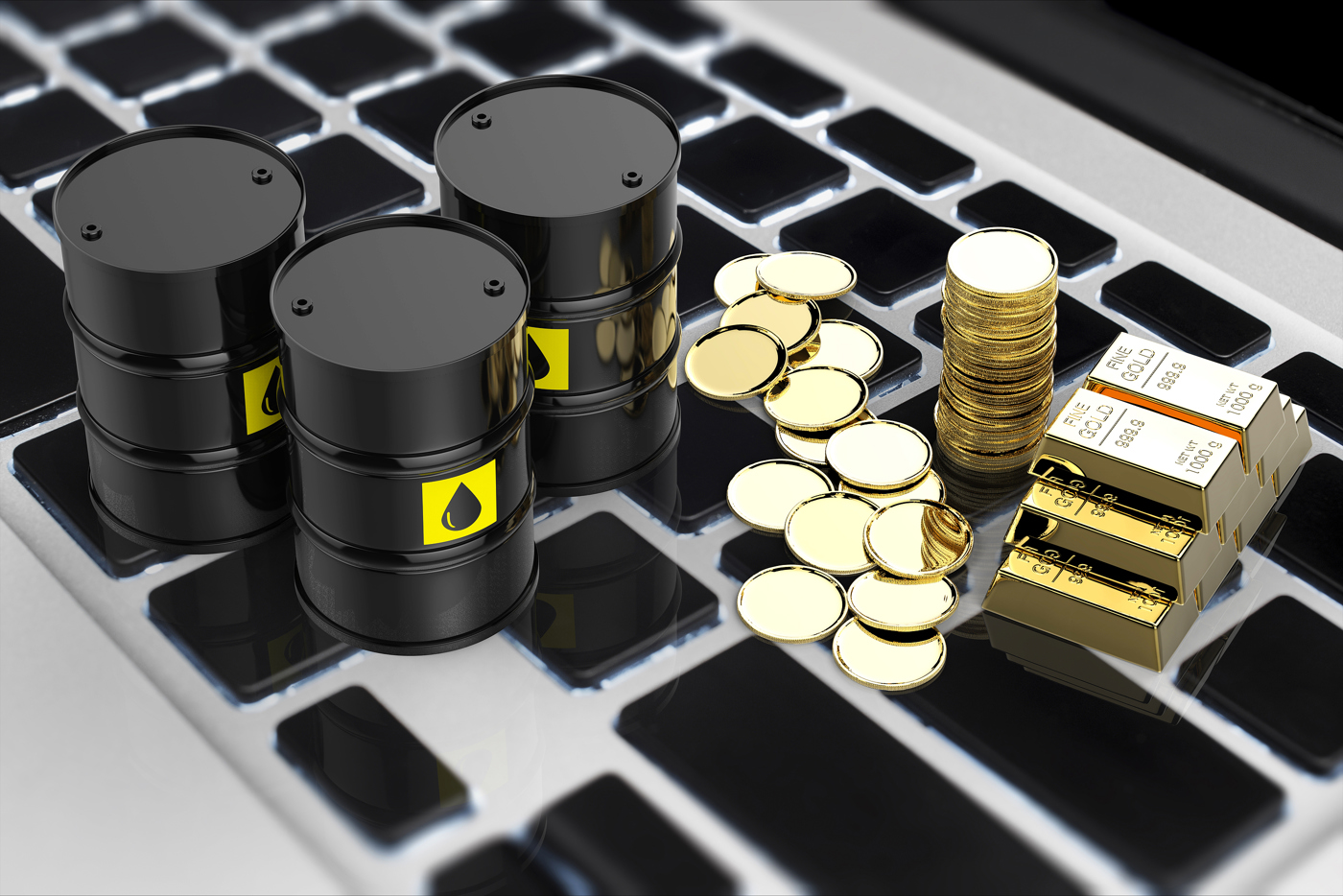
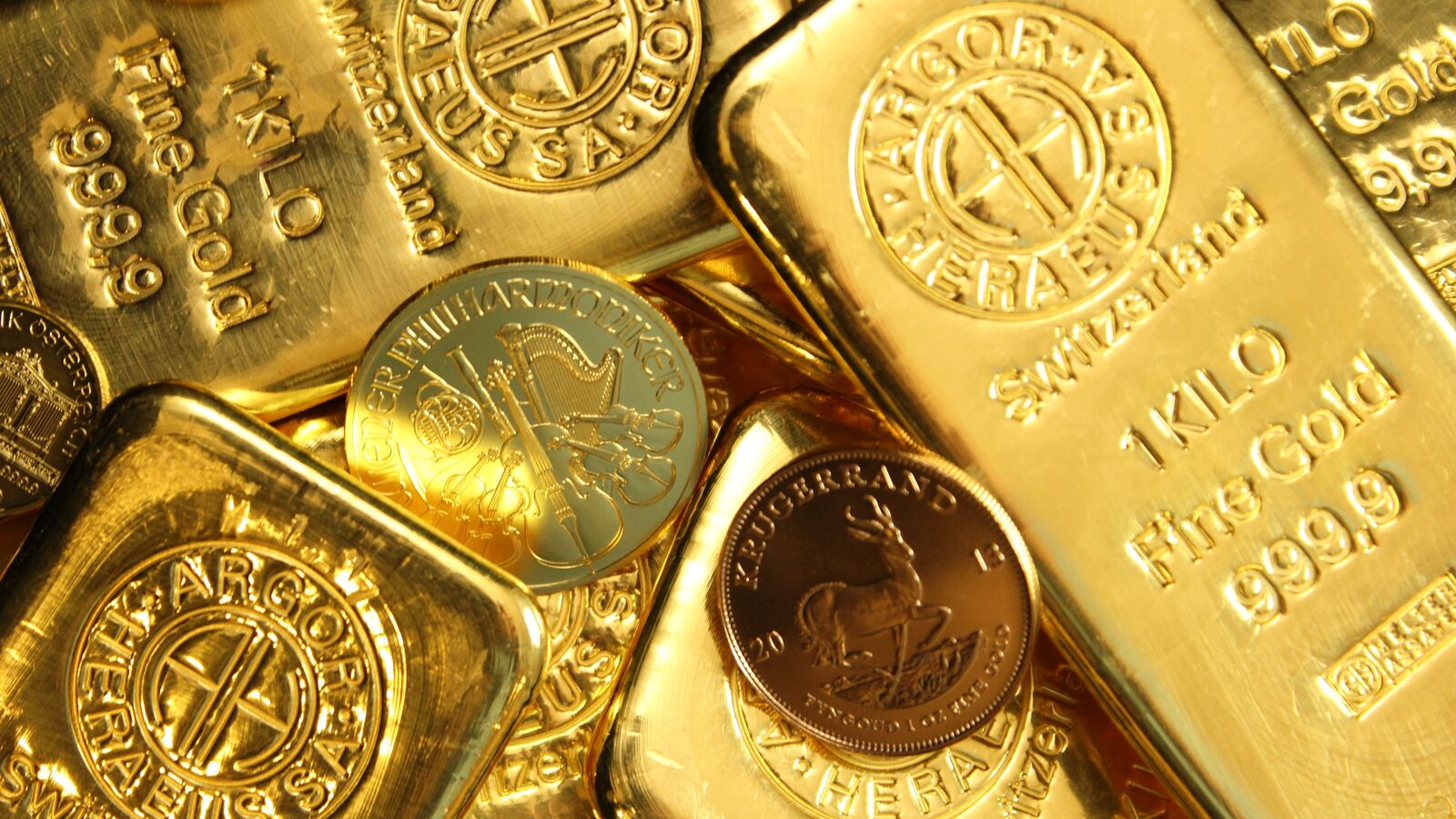
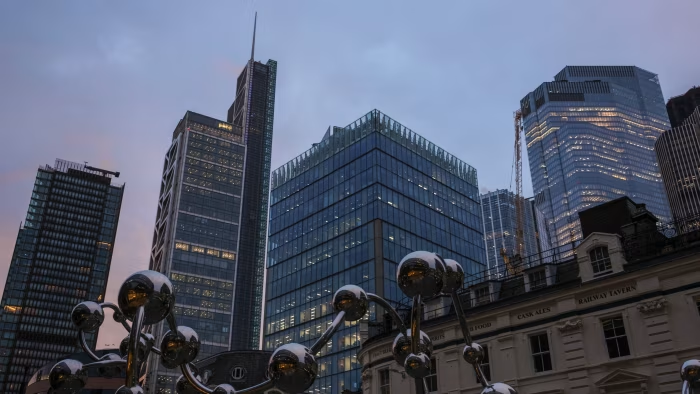
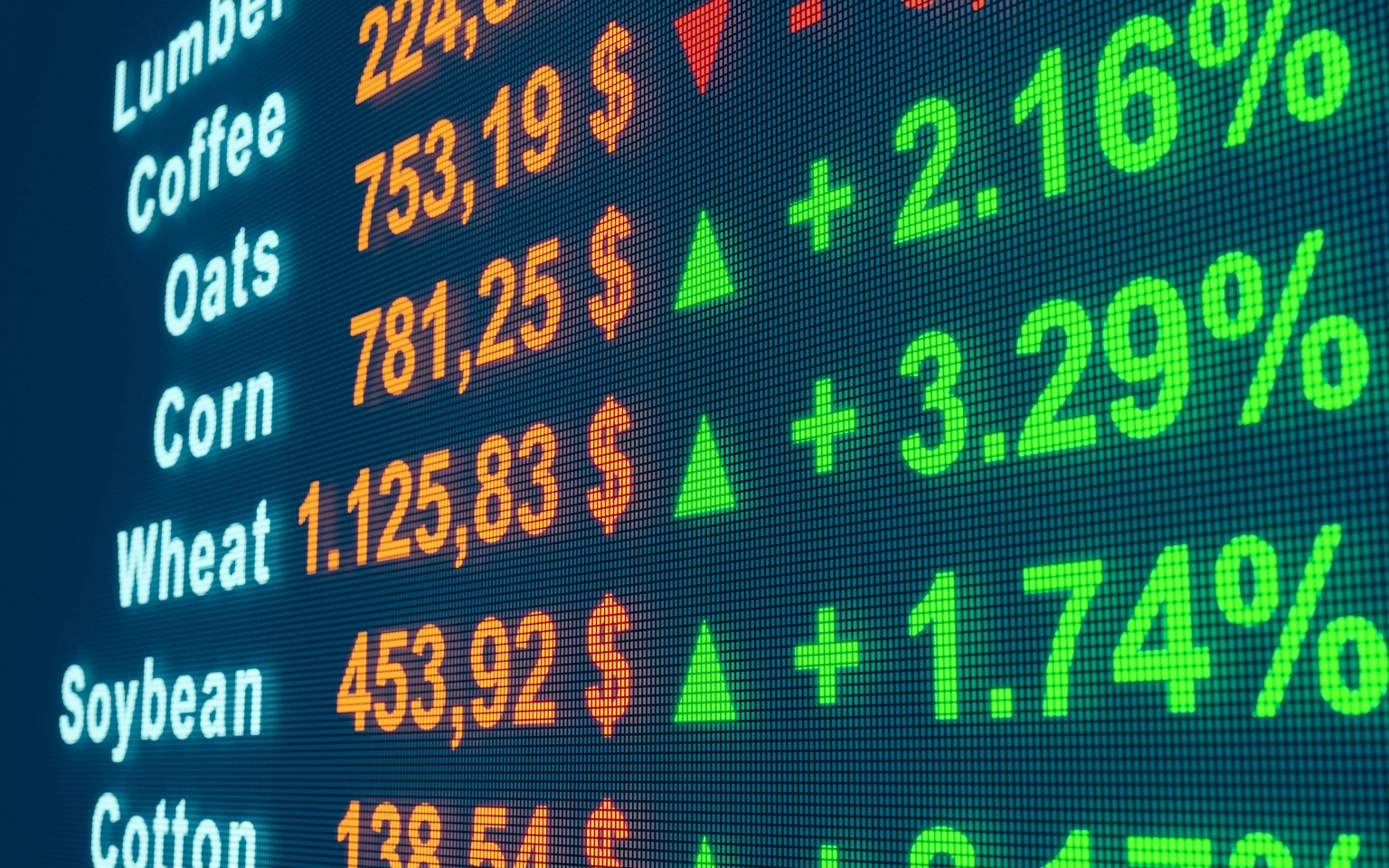
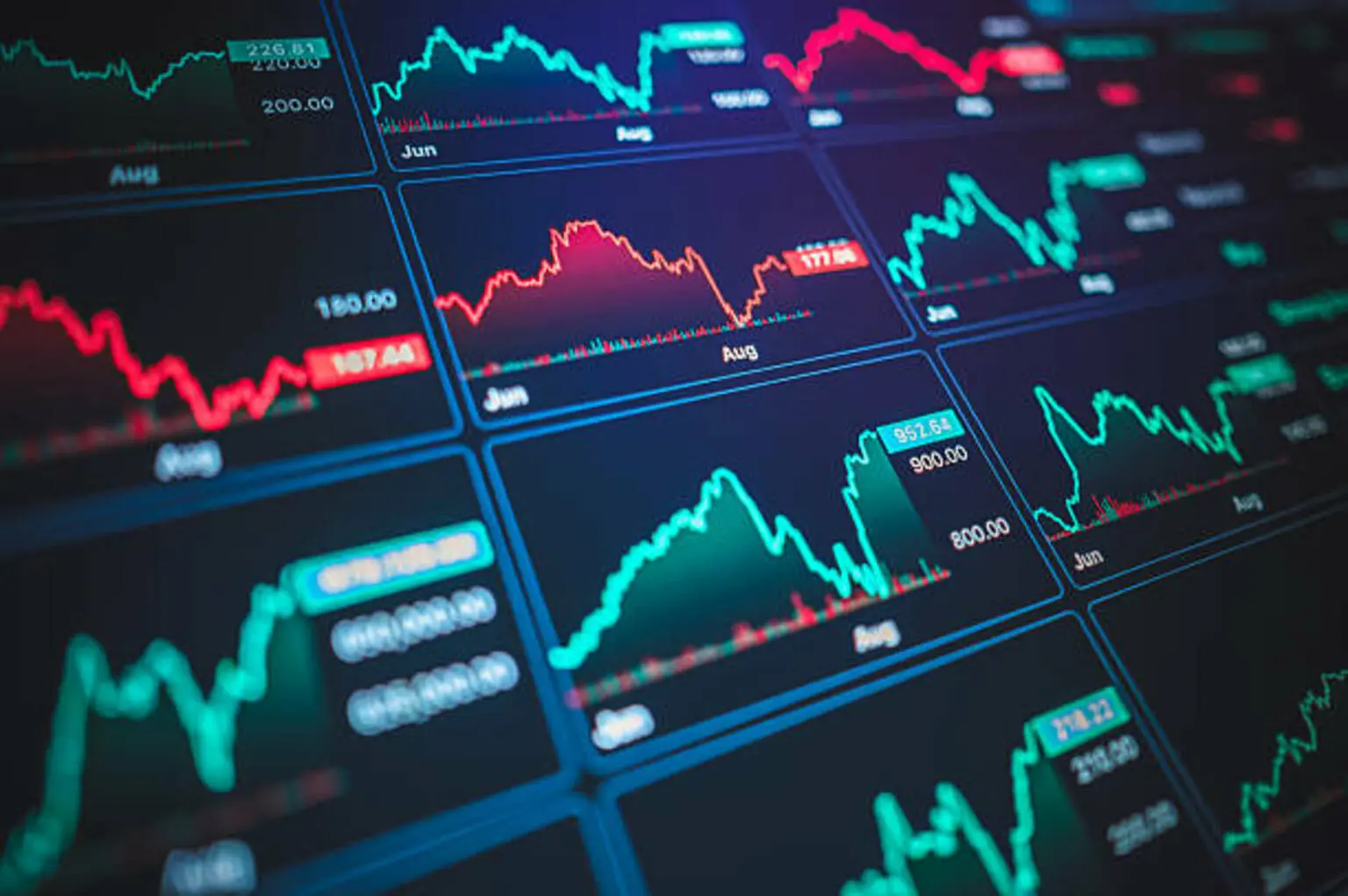
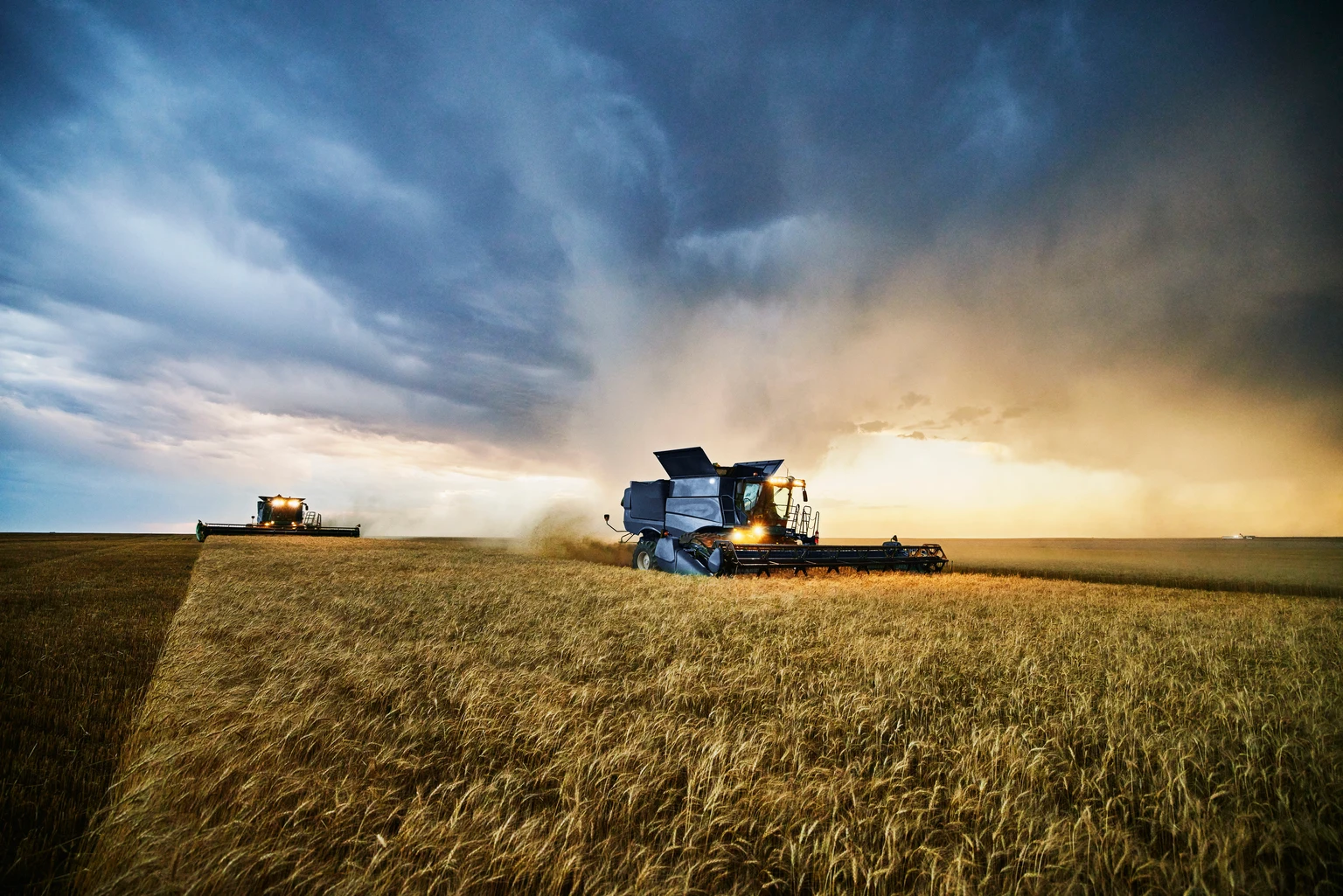
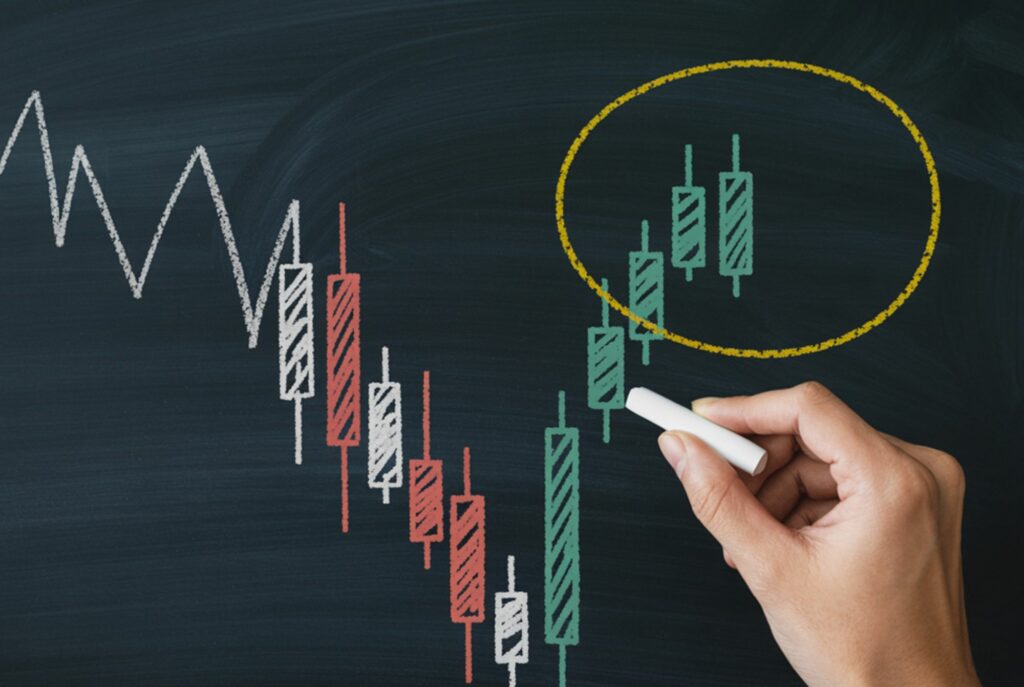
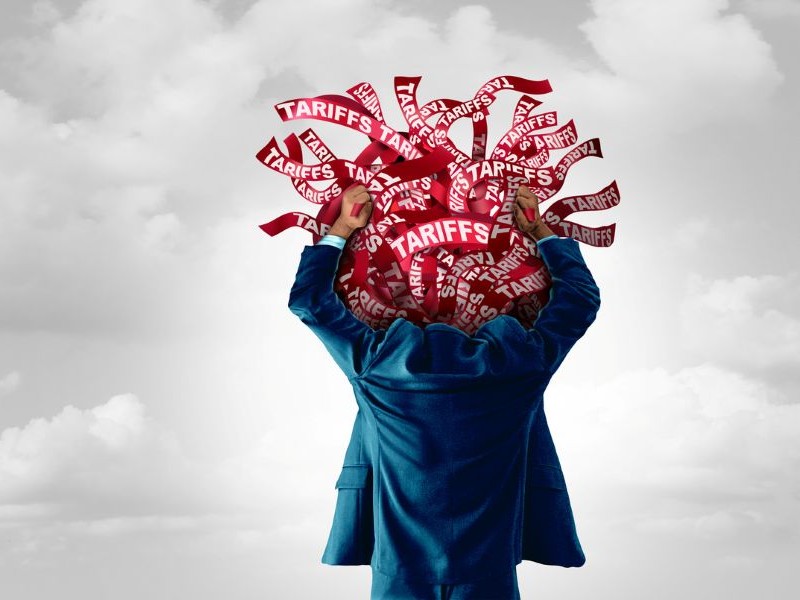
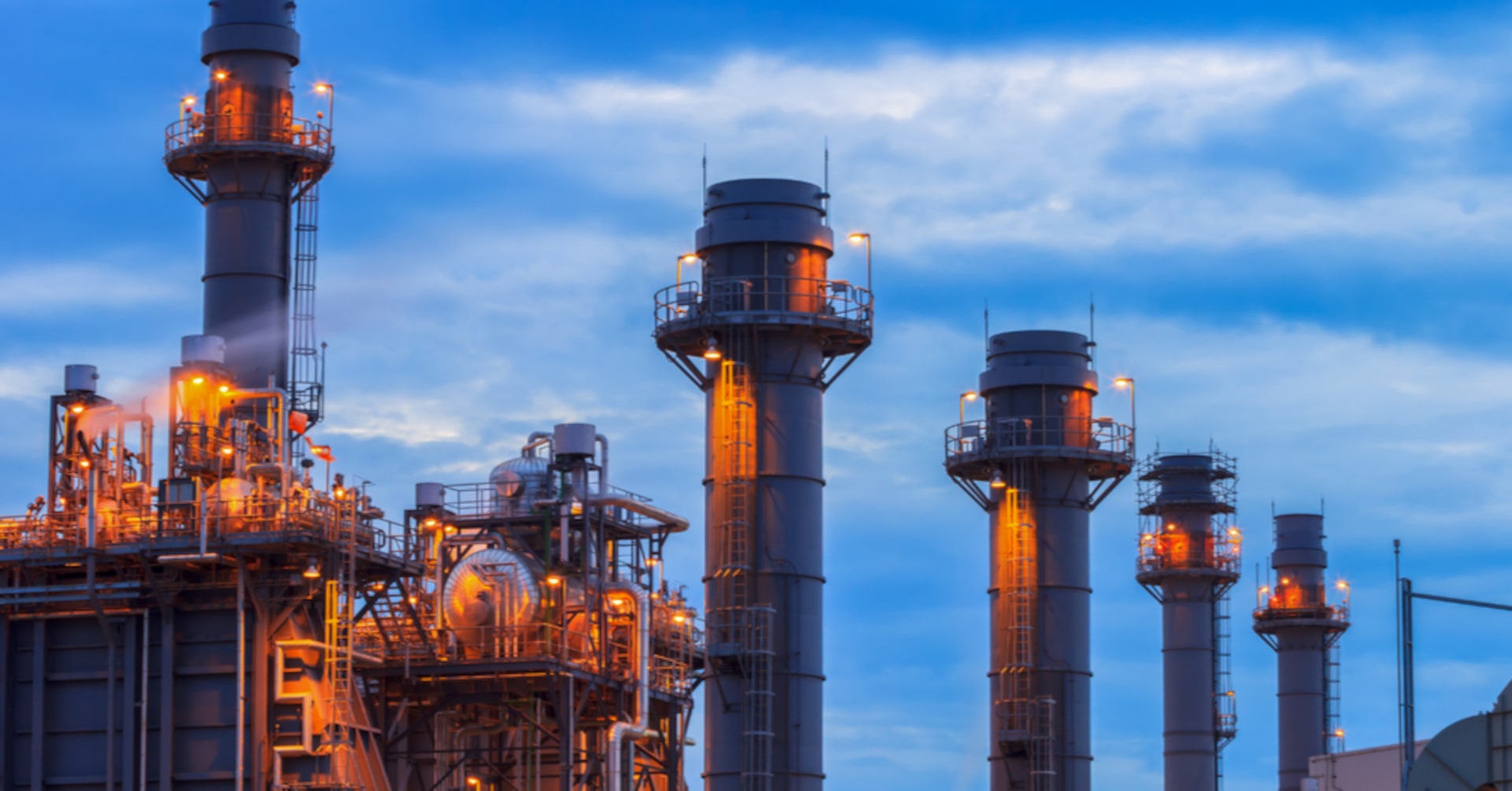
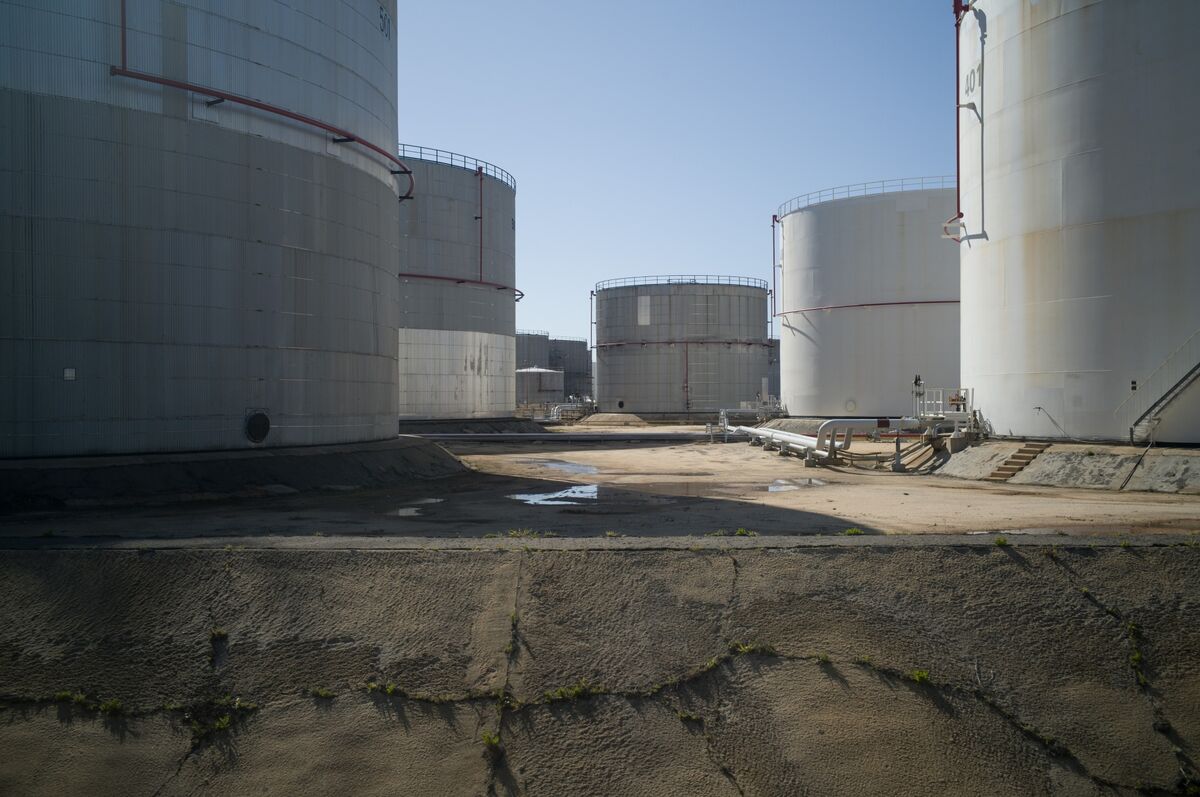
Share of Commodity Trading in Swiss Economic Output Has Declined (stock photo)
Keystone
Commodity trading contributed significantly less to Switzerland’s economic output last year. The sector’s value added fell by 10.8 percent to 17.1 billion francs in 2025, the Federal Statistical Office (FSO) announced on Thursday.

 Today at 09:24
As a result, commodity trading contributed 2.0 percent to Switzerland’s total economic output, down from 2.3 percent in the previous year. According to the FSO, the decline occurred against a backdrop of significant uncertainty and, in some cases, sharp price fluctuations in the commodity markets.
Commodity trading in Switzerland is heavily concentrated in just a few cantons. Geneva alone accounted for 60.6 percent of value added. It is followed by Zug, Vaud, Ticino, and Zurich. Major commodity traders headquartered in Switzerland include Glencore in Baar, as well as Vitol, Gunvor, and Mercuria in Geneva.
The largest contribution came from companies that trade in ores and metals, as well as fuels and petroleum products. Together, they accounted for nearly three-quarters of the industry’s value added.
Fewer Companies, More Employees
According to data from 2024, the number of commodity traders fell by 39 to 1,024 companies. At the same time, the number of jobs rose by 238 to 11,264. Most employees worked in Geneva (5,244) and Zug (2,575).
In addition, in 2025, there were another 2,202 employees at companies that support the commodities trade through financing, consulting, or transportation services. Here, too, the focus is on Geneva.