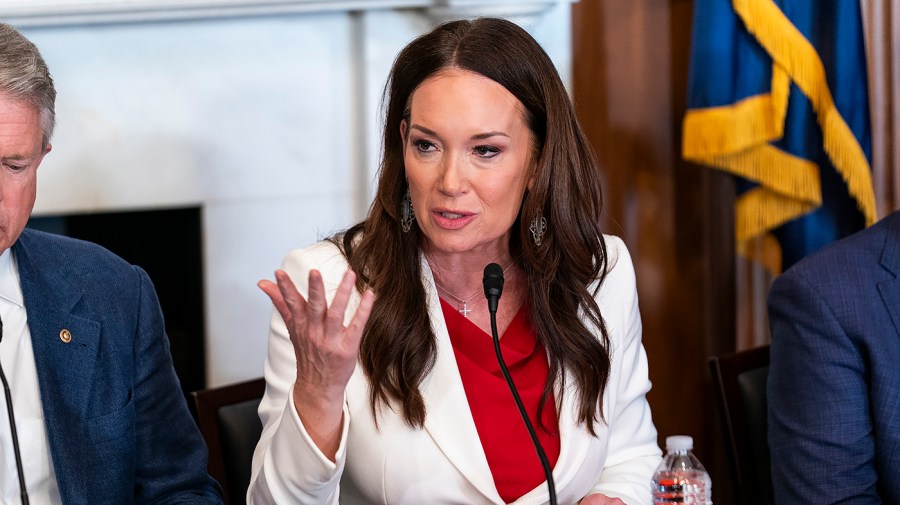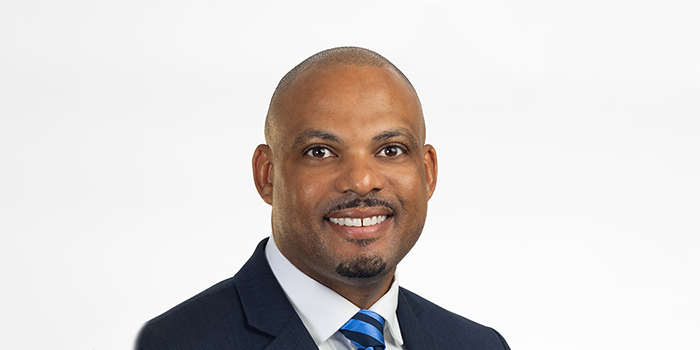

Natasha Dillon, cofounder and chief financial officer of Fundfi, a fintech family of solutions.

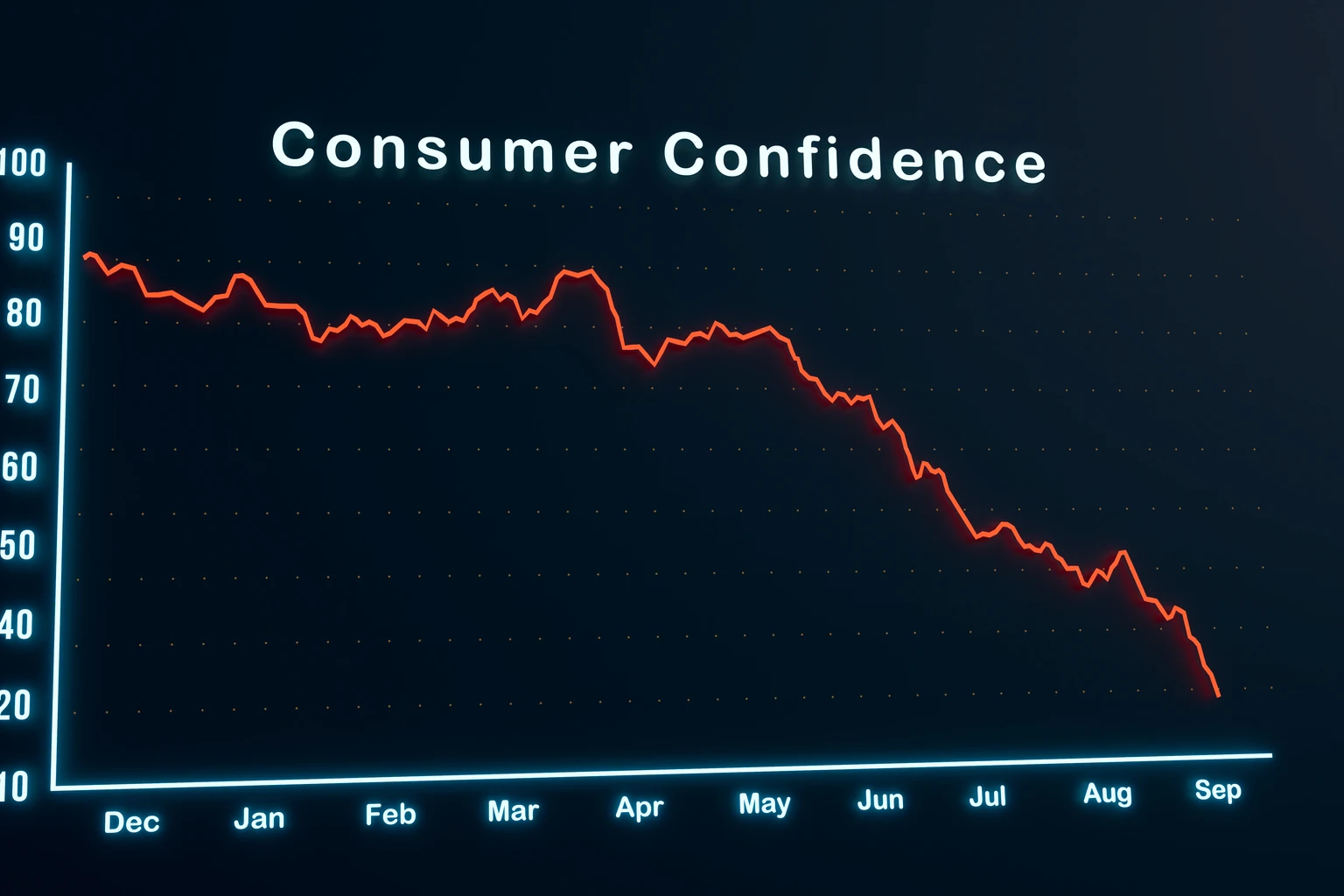
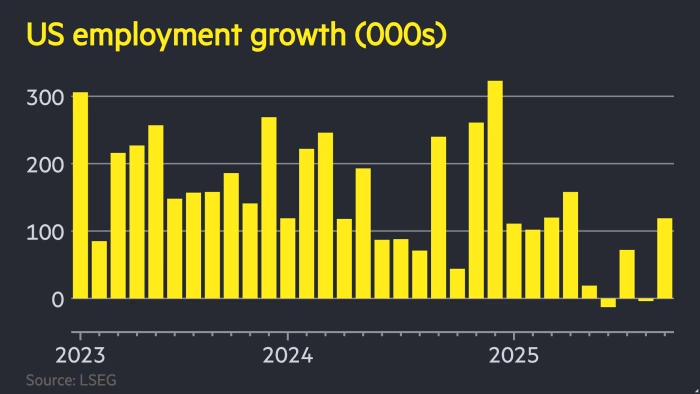
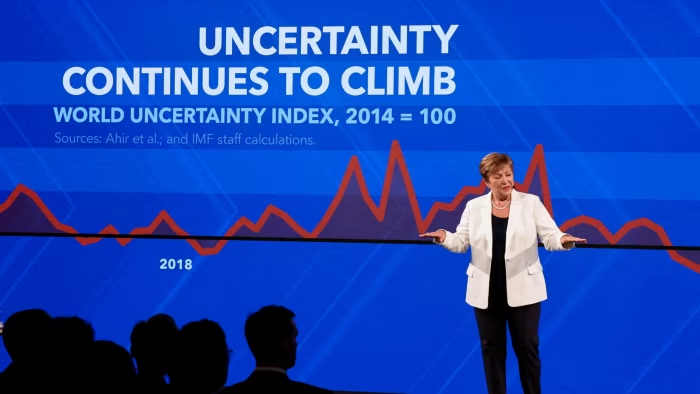
An evident recession is painful, but it’s clear and honest. Everyone tightens, expectations reset, and lenders know which way to lean. The harder environment is the one we keep finding ourselves in: Consumer spending holds up while small-business margins thin, one sector booms while its neighbor stalls, and the headlines can’t decide whether to celebrate or worry.
For anyone extending credit to small businesses, mixed signals create two equal and opposite temptations. One is to tighten across the board and wait for clarity that may not come. The other is to keep doing what worked last year because the averages still look consistent. Both can be expensive mistakes.
As the head of risk and CFO in small-business financing for the past 12 years, I’ve learned that uncertain cycles reward providers who get more precise, not more fearful. Here are six ways that looks in practice.
1. Don’t underwrite the economy; underwrite the business.
Macro data describes averages, and no borrower is an average. A national slowdown can coexist with a thriving HVAC contractor, and a strong jobs report won’t save a restaurant whose rent just doubled.
In mixed environments, I’d rather tighten the lens than the box. That means giving more weight to each business’s own recent trajectory (the last 90 days of deposits, more than the last 12 months) and less weight to broad assumptions about how “the economy” is treating them. The most useful question isn’t “Is the market good?” It’s “Is this business getting stronger or weaker right now, and why?”
2. Watch sector signals, not just national ones.
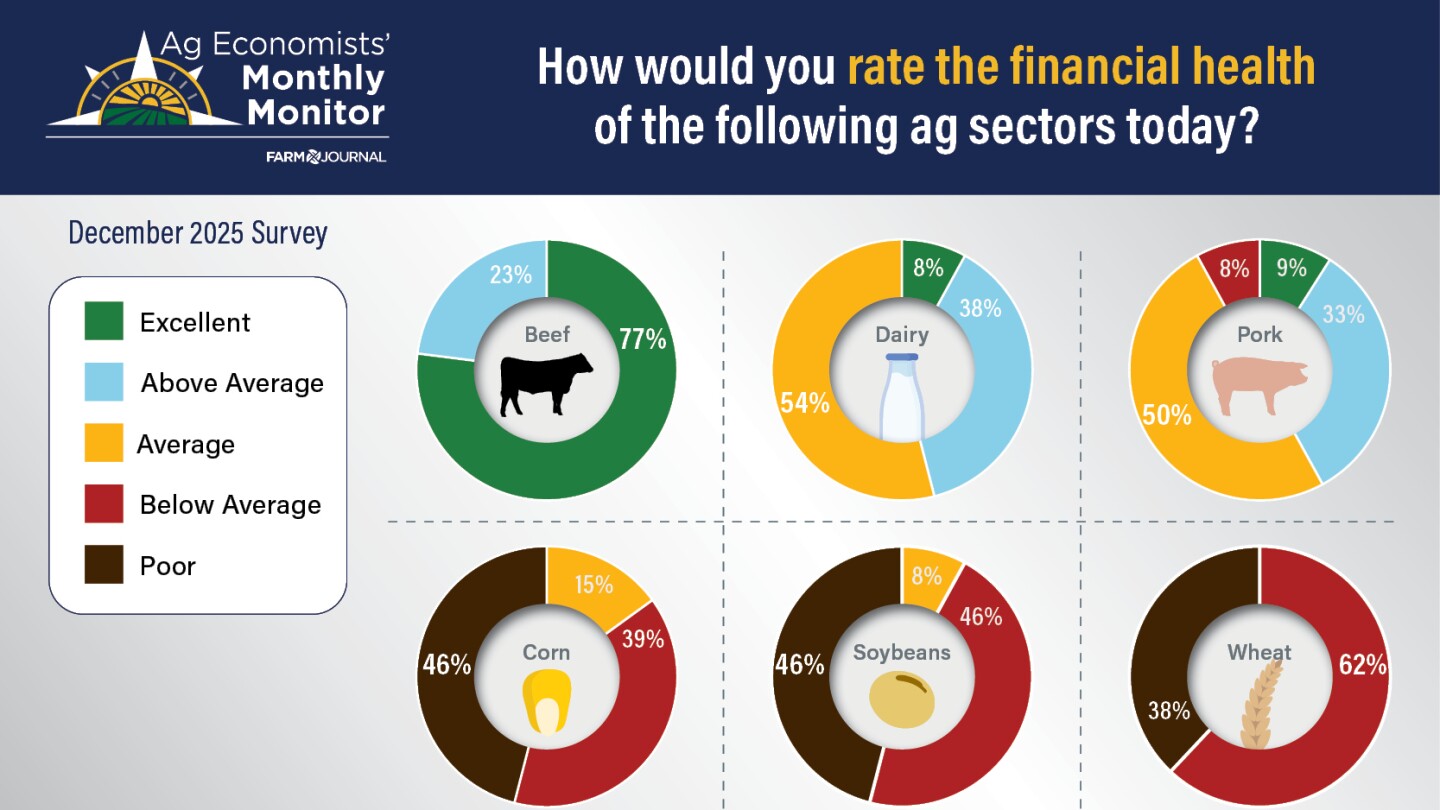
The economy rarely turns all at once. It rolls through industries. Trucking, construction, retail and hospitality each have their own cycles, and they often move in different directions at the same time.
A practical discipline is to review portfolio performance by industry monthly, looking at early payment behavior, renewal requests and changes in average deposits. When one sector starts showing strain, you can adjust terms, amounts or concentration there without penalizing borrowers in industries that are doing fine. Blanket tightening punishes your best customers for someone else’s downturn.
3. Treat early warning indicators as data, not drama.
Defaults are a lagging indicator. By the time they show up in the numbers, the story already happened. The leading indicators are subtler: a borrower requesting a payment modification for the first time, more frequent negative balance days, a sudden drop in average ticket size or a business seeking new financing sooner than expected.
None of these signals alone means trouble. Together, and across a growing share of a portfolio, they’re the earliest read you’ll get. Build a habit of reviewing them on a fixed schedule so you respond to trends instead of anecdotes.
4. Rightsize rather than say no.
Uncertainty doesn’t have to mean declining more applications. Often the better answer is a smaller amount, a shorter term or a structure better matched to the business’s cash flow. A business that can comfortably handle $50,000 shouldn’t be pushed to $100,000 because it technically qualifies on a good quarter.
Rightsizing protects both sides. The borrower avoids overextending in a shaky environment, and the lender keeps a relationship that can grow when conditions improve.
5. Stress-test your own balance sheet, too.
Credit risk isn’t only about borrowers. It’s also about how your own capital holds up if performance slips. Lenders funded by credit facilities or institutional partners should regularly model what happens if losses rise, collections slow or capital costs increase, and know in advance which levers they’d pull.
Investors notice this preparation. In my experience, capital partners are far more comfortable with a lender who can show a clear-eyed downside scenario than with one who only presents the base case.
6. Keep the feedback loop between underwriting and collections tight.
Your collections and servicing teams see trouble before anyone else. When they notice a pattern, like a cluster of accounts in one region or industry slowing payments, that insight should reach underwriting within days, not quarters. In uncertain cycles, the speed of that loop is a genuine competitive advantage.
Practice discipline without retreat.
Small businesses need capital most when the outlook is murky. That’s when they’re covering a slow season, bridging a late-paying customer or investing ahead of a rebound. Lenders who pull back indiscriminately leave good businesses stranded, and they often miss the strongest borrowers of the next cycle.
The answer isn’t to ignore the risk. It’s to manage it with more granularity: Underwrite the business in front of you, watch sectors individually, act on early signals, size deals sensibly, and know your own downside. Mixed signals will keep coming. The lenders who thrive will be the ones who stop waiting for the economy to make up its mind and get sharper about the decisions they can control.
The information provided here is not investment, tax or financial advice. You should consult with a licensed professional for advice concerning your specific situation.
Forbes Finance Council is an invitation-only organization for executives in successful accounting, financial planning and wealth management firms. Do I qualify?