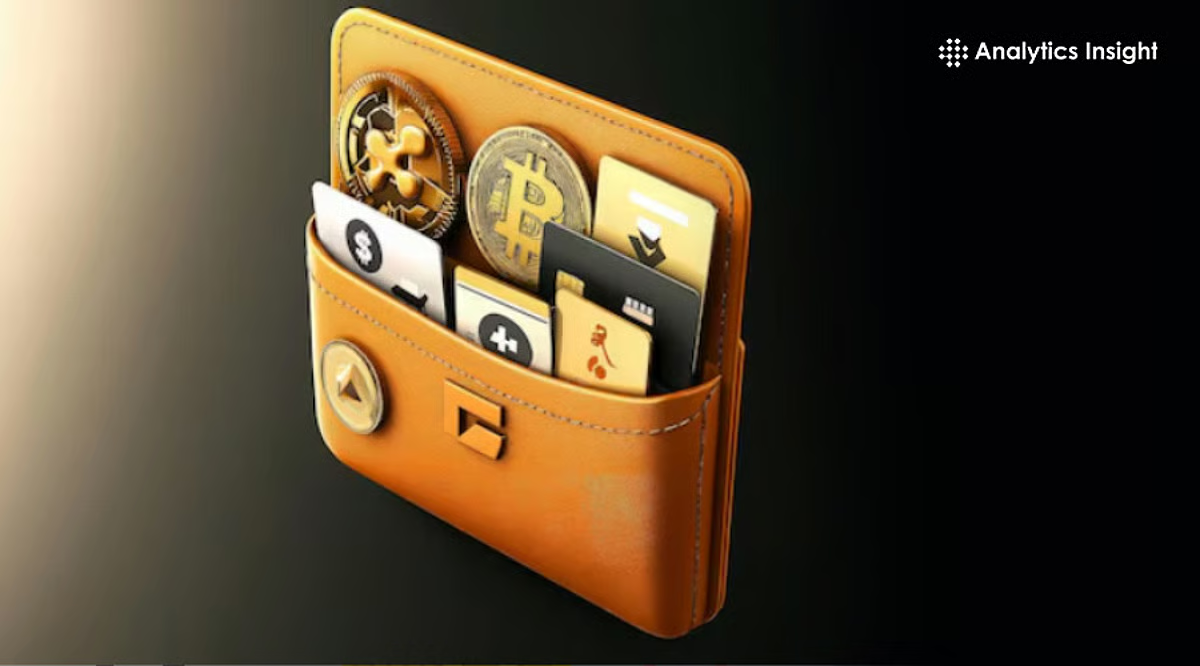
Crypto does not work like a bank account. If you lose access to your coins, there is usually no help desk that can bring them back. That makes storage one of the first choices every owner has to make.
This article looks at the numbers behind crypto storage. It covers losses, wallet types, costs, user priorities, and the habits that lower risk. The data comes from five published guides listed at the bottom.
Most sources agree on one point. A hardware wallet that you control yourself is the safest common option. The sections below explain why, and where other choices still make sense.
How Much Crypto Is Lost or Stolen
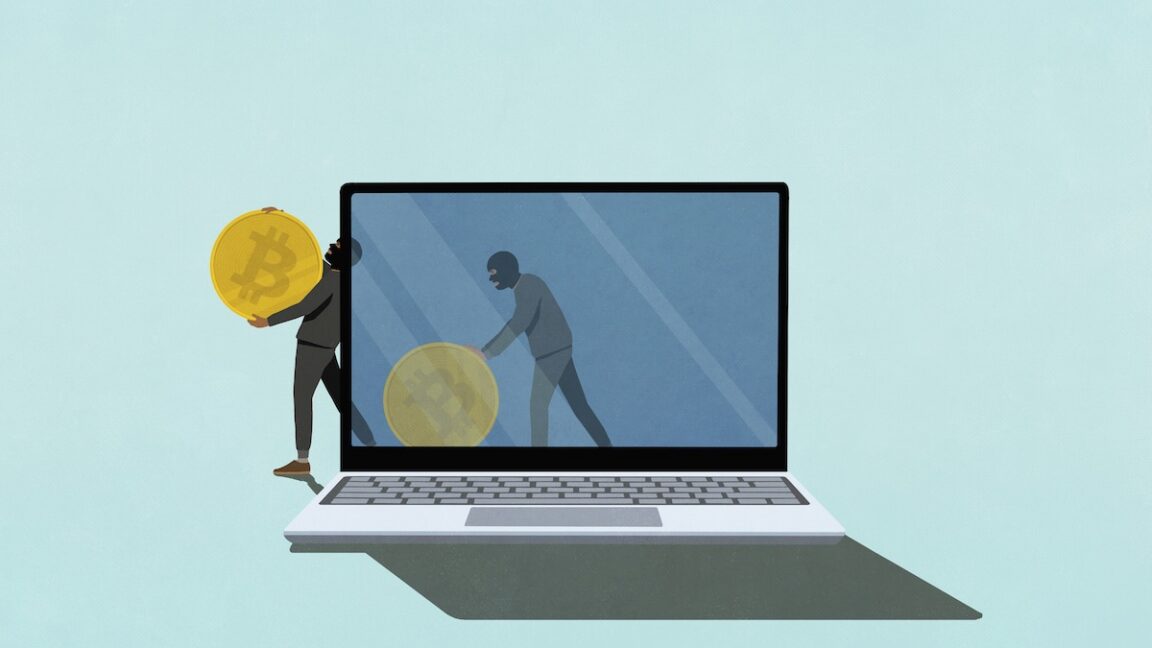
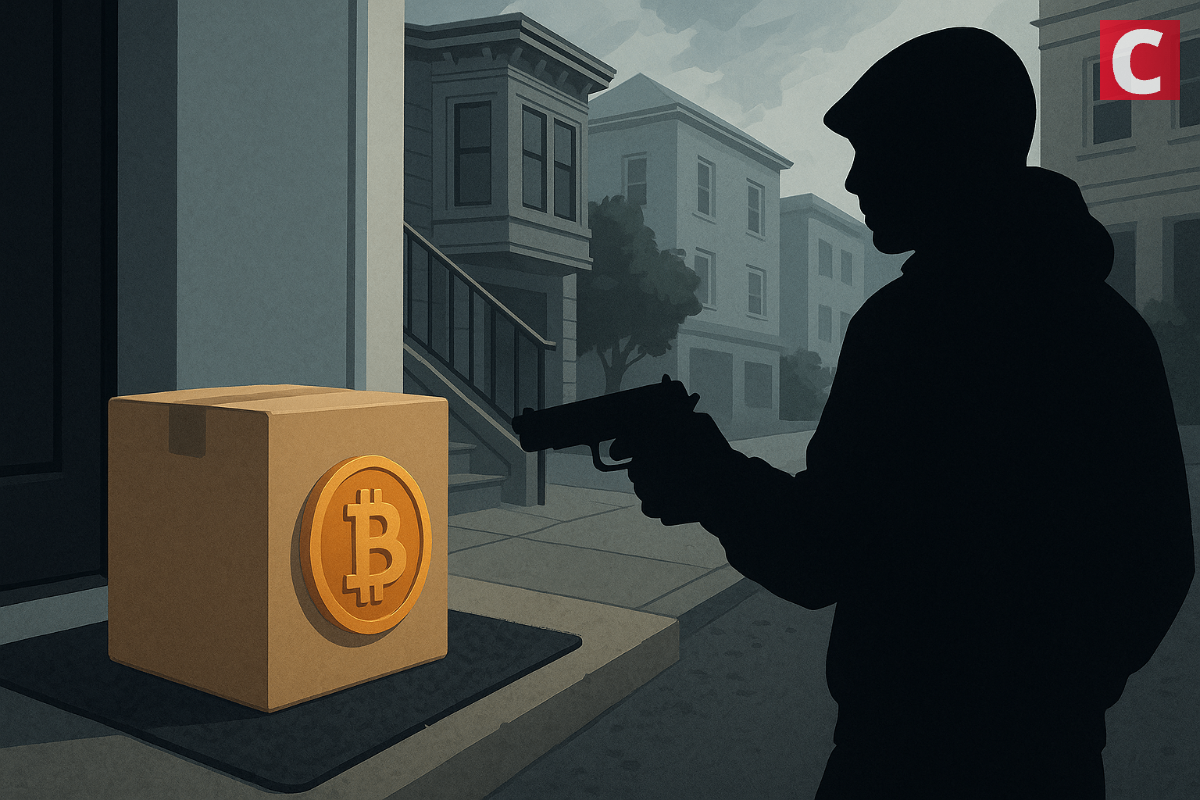
BitPay estimates that $2.2 billion in crypto was stolen in 2024. That figure does not include coins lost through user error in earlier years. It also leaves out the exchange failures of 2022.
Theft is only one way to lose crypto. BitPay lists four common causes: hacks, scams, user error, and exchange failures. Investopedia adds computer failure and lost access keys to that list.
Loss may be a bigger problem than many owners expect. Unchained, as cited by Motley Fool, estimates that 3 million to 3.8 million Bitcoin have been lost forever. These are coins that nobody can reach anymore.
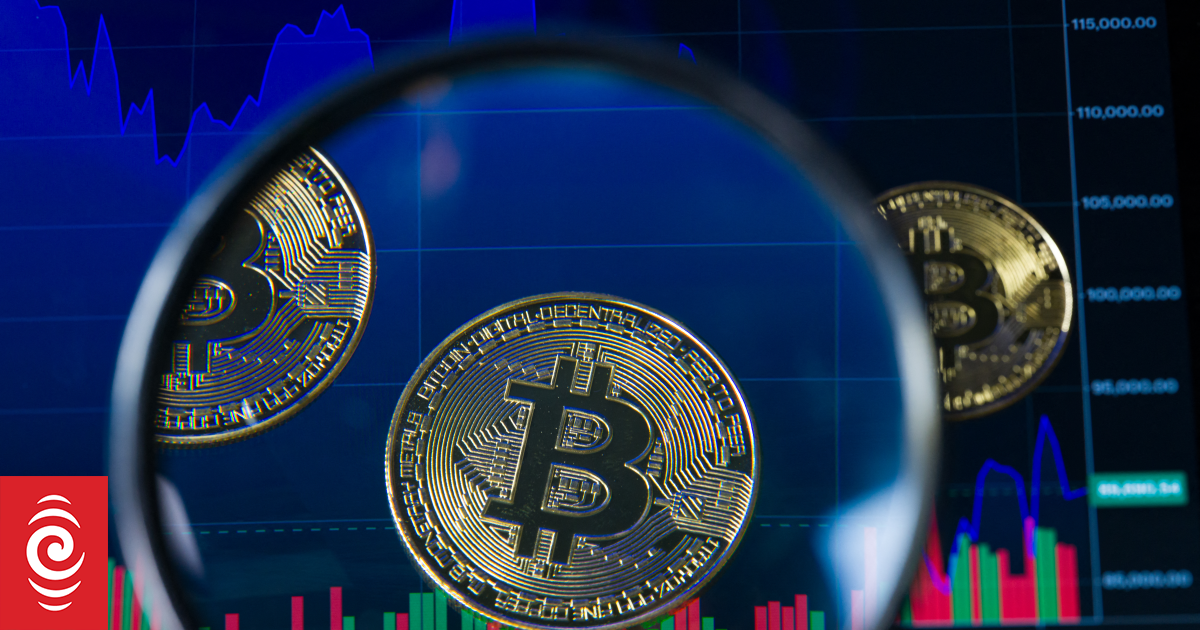
Those coins carry a large price tag. At $80,701 per Bitcoin, the price shown on the Motley Fool page, 3 million coins equal about $242 billion. At 3.8 million coins the total is about $307 billion.
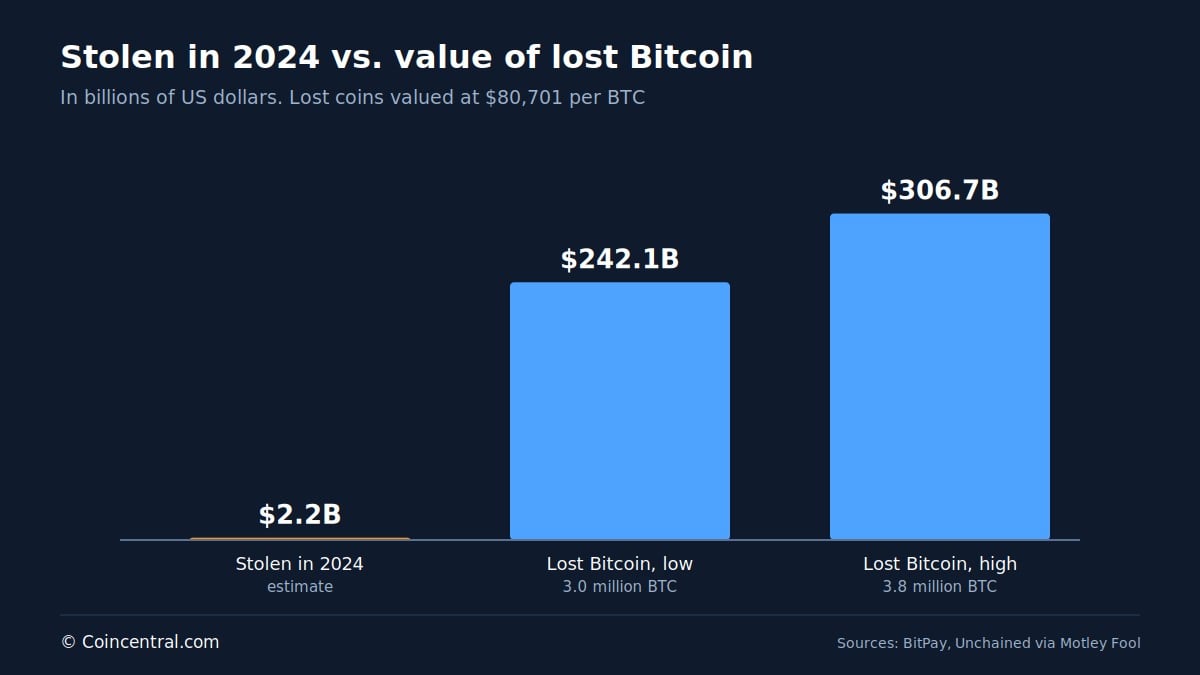
Prices change every day, so these totals are only a guide to scale. They suggest that lost coins may be worth far more than the amount stolen in one year. The two numbers measure different things, so they should not be added together.
The blockchain itself is not the weak point. Investopedia says there are no known cases of crypto stolen by changing blockchain records. Breaking the encryption by brute force would take centuries, if not millennia, with current technology.
The weak link sits between the blockchain and the user. Wallets hold the private key, and most wallets are software on a device that can be hacked. That is why storage choices matter.
Use is also growing in lower and middle-income countries. Investopedia says people there use crypto to invest, send money home, keep savings, and replace financial services that are missing or hard to reach. Hacks and thefts have grown alongside that use.
Owners often lose coins through simple mistakes. Investopedia lists thieves, computer failure, and lost access keys as the main routes. Ownership is recorded on the blockchain, but access depends on a key that one person must keep safe.
| Topic | What the sources say |
|---|---|
| Theft in 2024 | An estimated $2.2 billion (BitPay) |
| Bitcoin lost for good | 3 million to 3.8 million BTC (Unchained, via Motley Fool) |
| Common causes of loss | Hacks, scams, user error, exchange failures (BitPay) |
| Blockchain tampering | No known thefts by altering a blockchain (Investopedia) |
Understanding the Types of Crypto Wallets
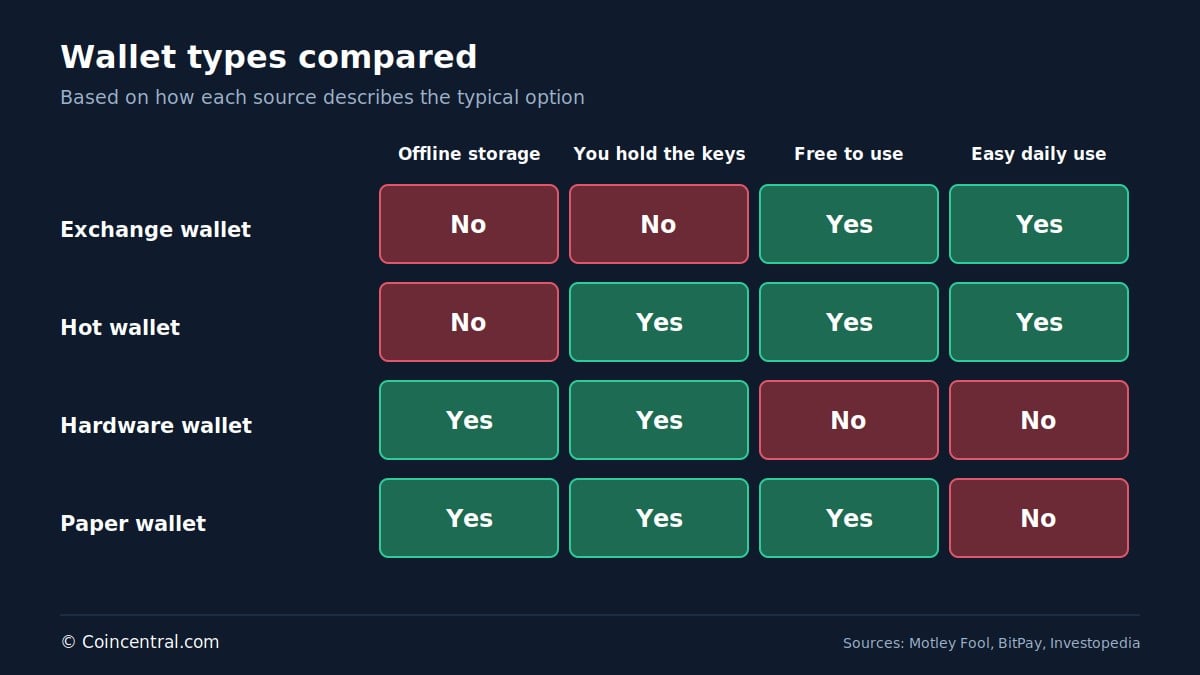
Crypto wallets are sorted in two ways. The first is custody, which asks who holds the private keys. The second is connection, which asks whether the wallet is online or offline.
In a custodial wallet, a third party such as an exchange holds the keys for you. In a self-custody wallet, also called non-custodial, you hold them yourself. BitPay notes that self-custody means full ownership of the keys.
Hot wallets keep funds online, where they are easy to reach. Cold wallets keep funds offline, away from hackers. A cold wallet can be brought online for a short time to make a transaction.
Every wallet has a public key and a private key. The public key works as your wallet address. The private key gives access to your coins, so it is the item you must protect.
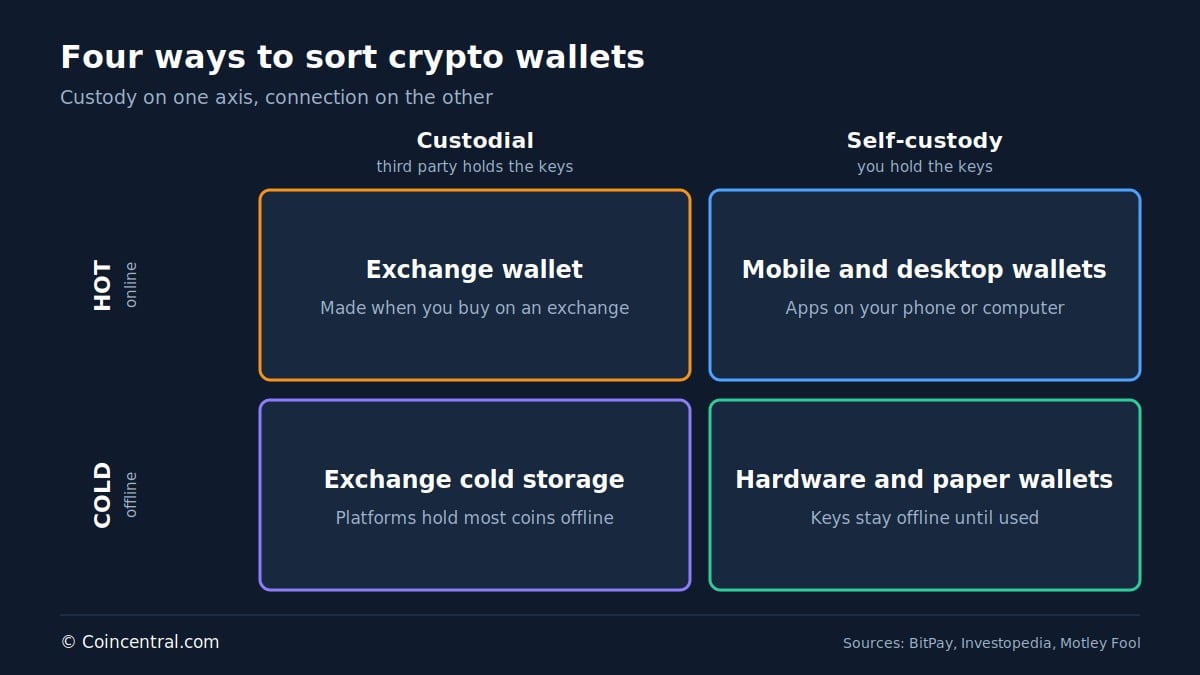
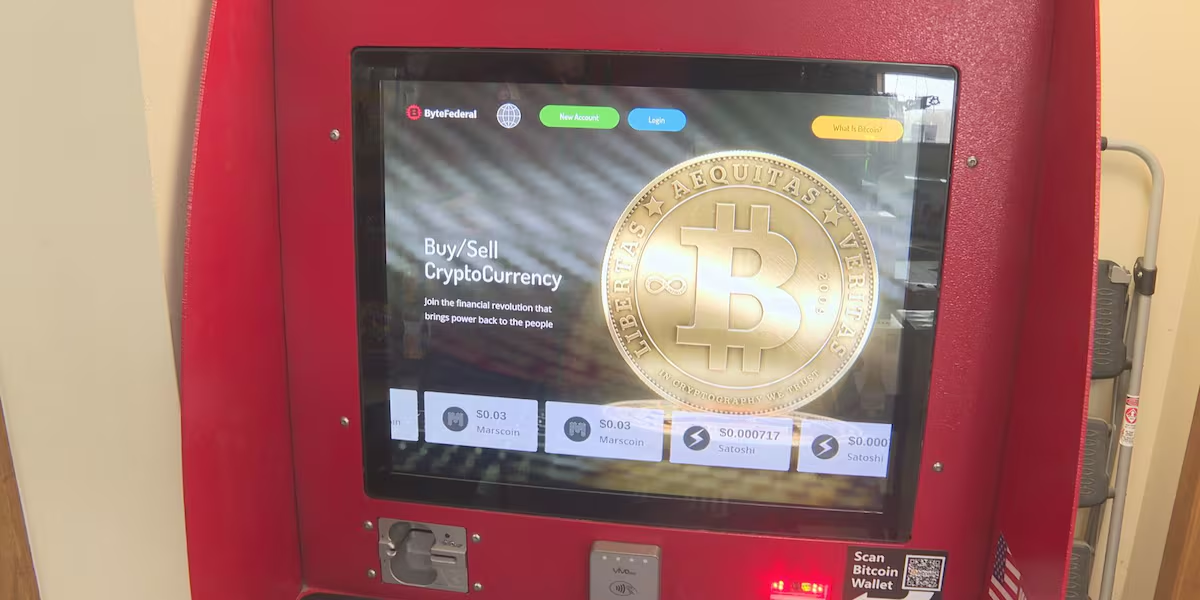
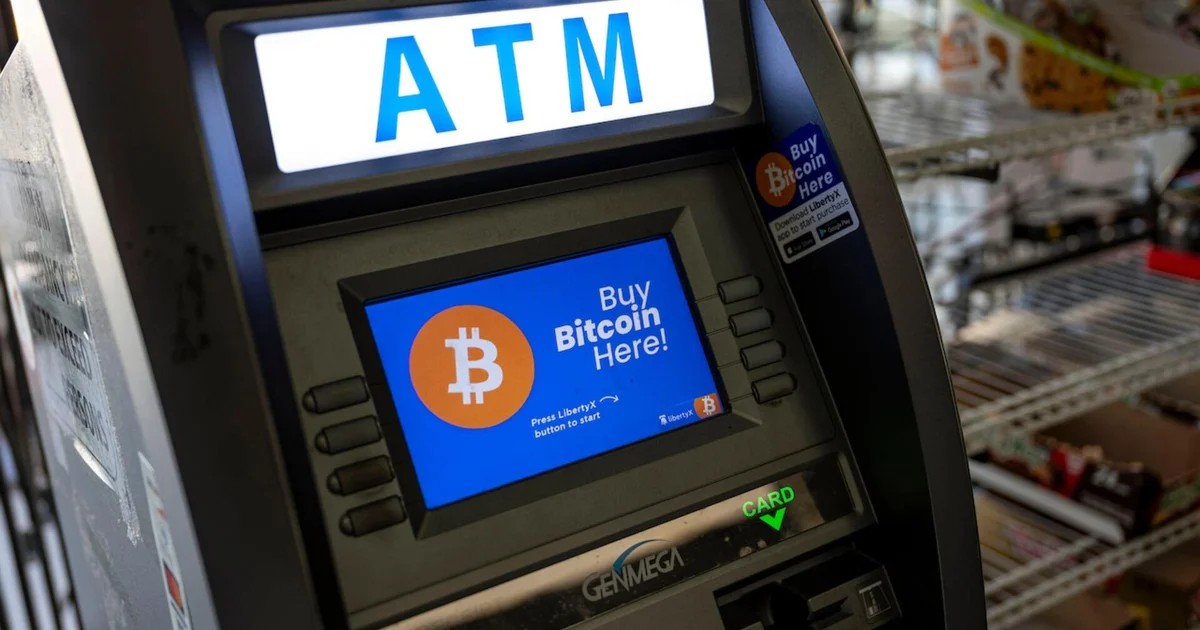
Exchange wallets are the default for many buyers. When you buy crypto on an exchange, the funds go to a wallet the exchange controls. BitPay calls this a custodial hot wallet.
Motley Fool points out that some brokers and apps allow buying and selling only. In that case you cannot move the coins out to your own wallet. The custodial wallet is the only choice.
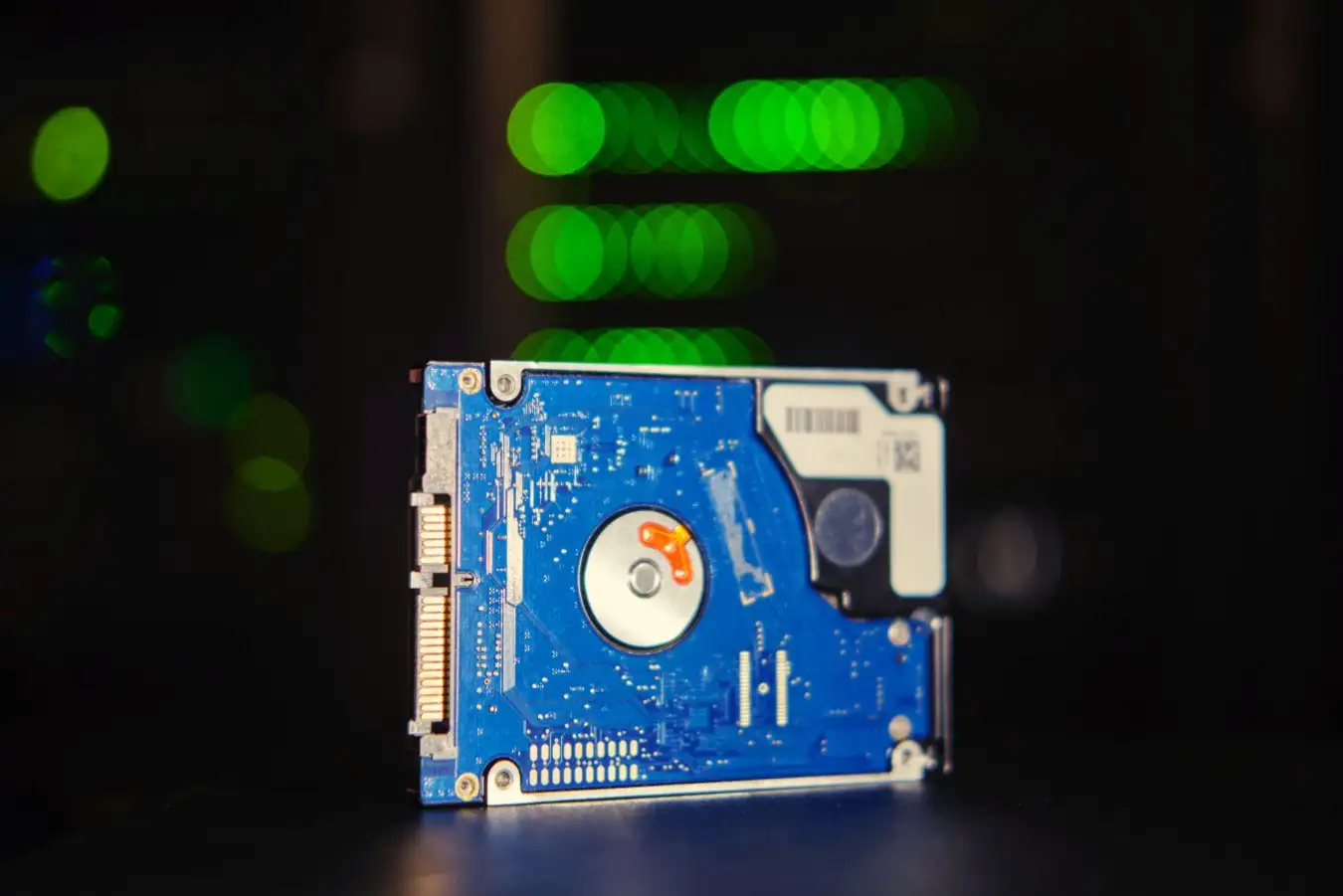
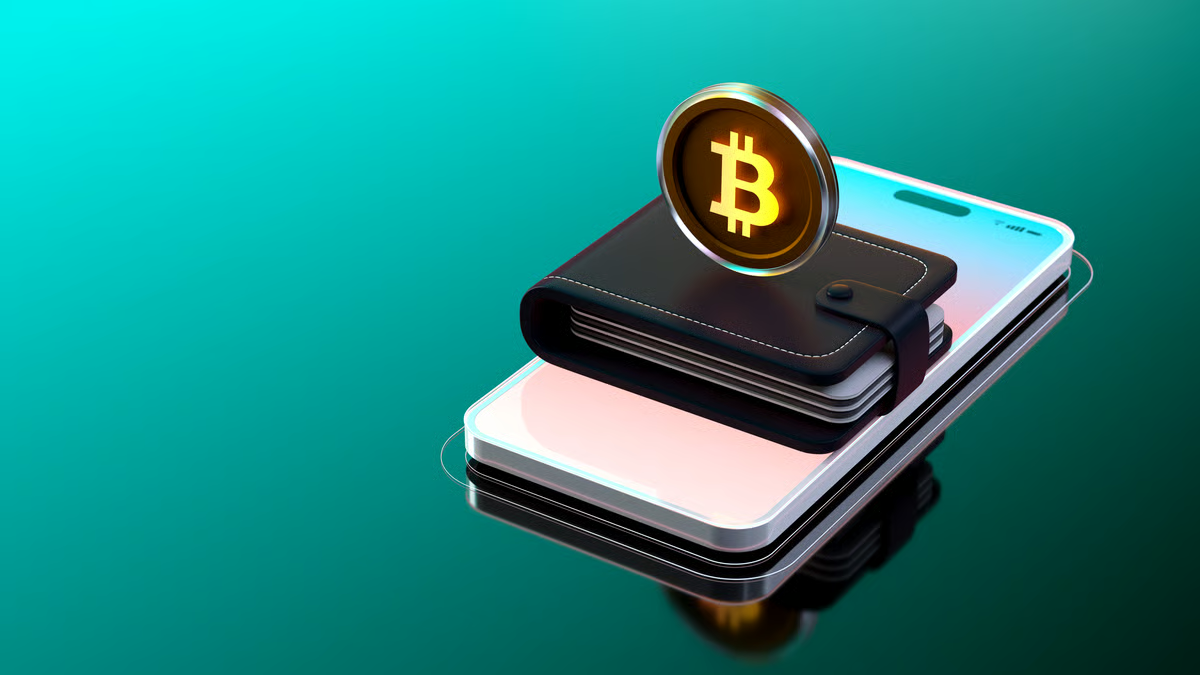
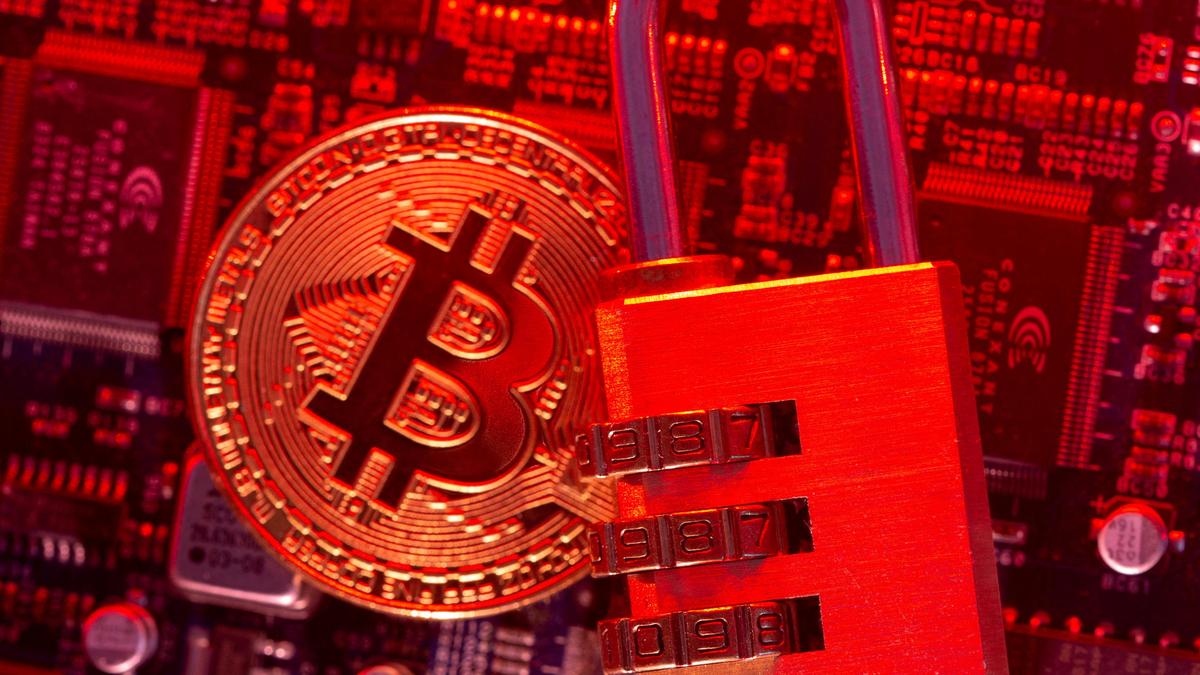
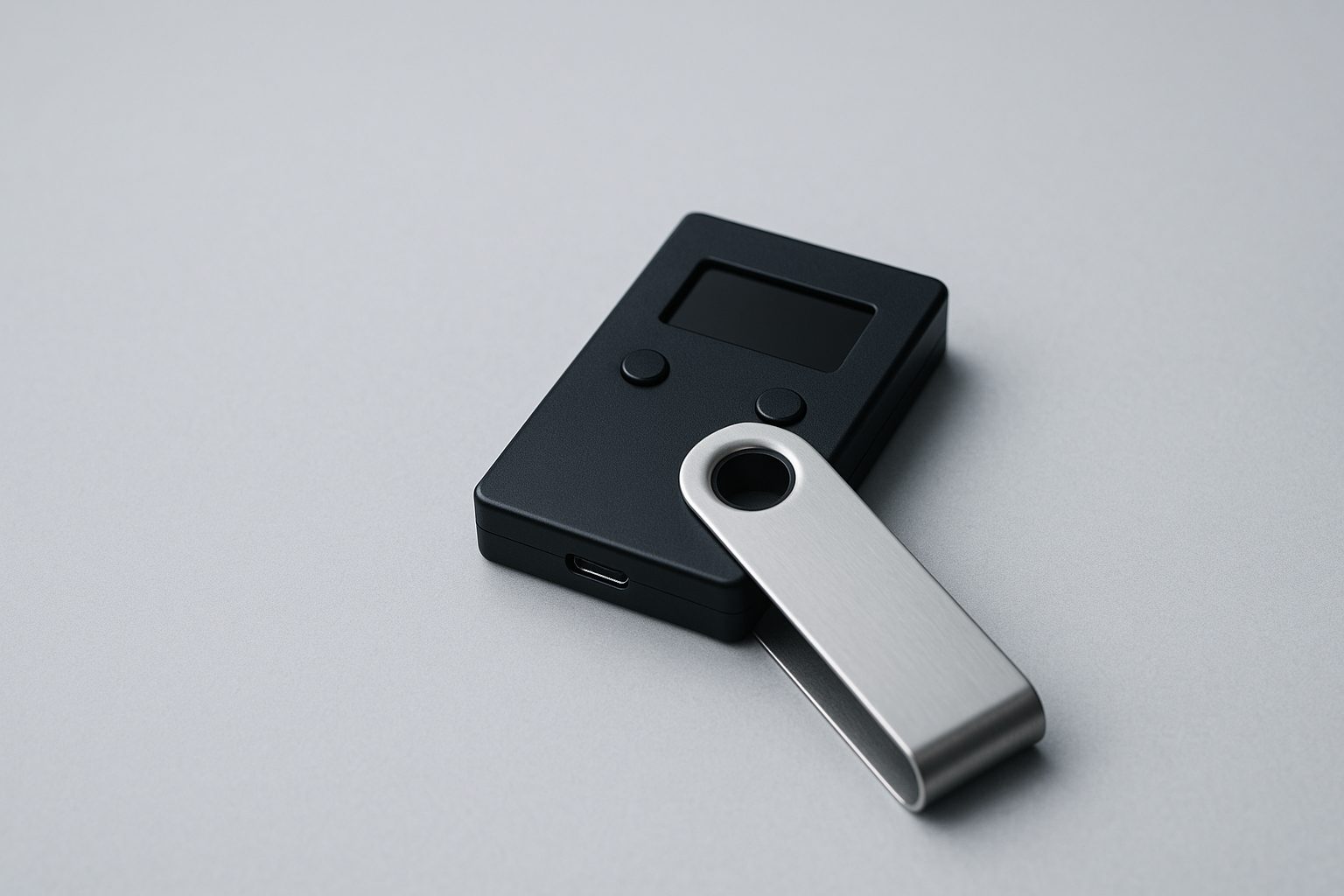
Hardware wallets are small devices that keep keys offline. Transactions are signed on the device, which is separate from your computer. Motley Fool says some models hold more than 1,000 coins, while others hold only Bitcoin and a few more.
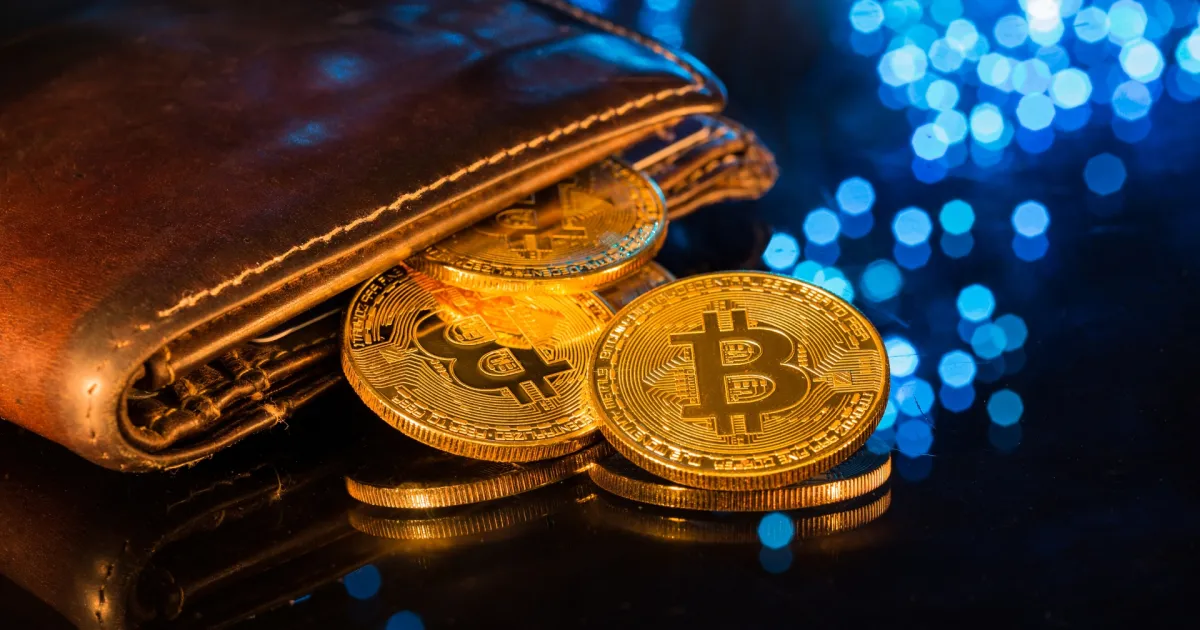
Mobile and desktop wallets are apps. They are usually self-custody and hot. Paper wallets are printouts of keys, and BitPay says they were the only cold option before hardware wallets existed.
Investopedia lists four wallet types: desktop, mobile, hardware, and web-based. Other guides add exchange wallets, paper wallets, and multisignature wallets. The labels differ, but the custody and connection questions stay the same.
Web-based wallets are a special case. Investopedia says they are not secure because a web service stores your keys for you. Anything that stores or enters your keys for you can be hacked, according to the same source.
| Wallet | Custody | Connection |
|---|---|---|
| Exchange wallet | Custodial | Usually hot |
| Mobile wallet | Usually self-custody | Hot |
| Desktop wallet | Usually self-custody | Hot |
| Hardware wallet | Self-custody | Cold |
| Paper wallet | Self-custody | Cold |
What Crypto Storage Costs
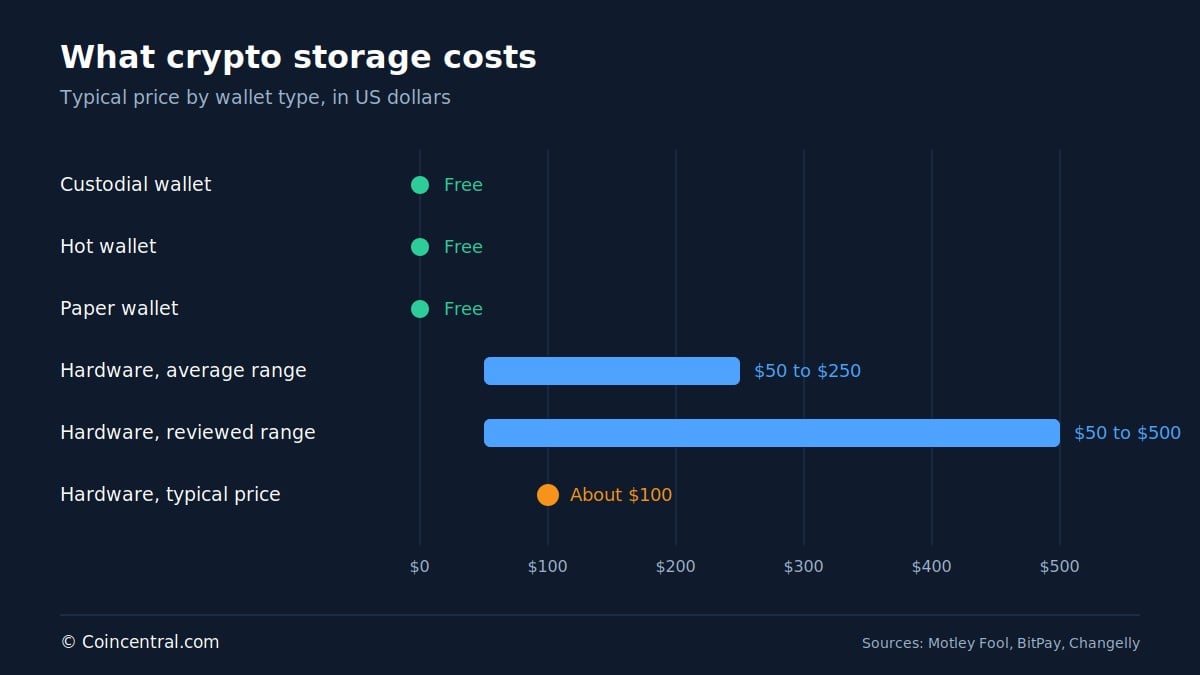
Most storage options are free. Motley Fool lists custodial, hot, and paper wallets at no cost. Investopedia notes that exchanges may charge small fees for buying, selling, or sending crypto.
Hardware wallets are the main paid option. Motley Fool puts the average cost at $50 to $250. It also says several highly reviewed models sell for $50 to $500.
Other sources give a single average. BitPay says hardware wallets cost about $100 on average. Changelly says Ledger and Trezor devices typically cost around $100.
Investopedia says you may be able to buy one for a few hundred dollars. It argues that this can be worth it when the coins being protected are worth far more. The device price is small next to the value at risk.
Here is one way to see the gap. A $100 device equals about 0.12% of the $80,701 price of one Bitcoin. The math uses the price shown on the Motley Fool page.
Cost is not only about money. Motley Fool lists the price and inconvenience of a device as the main drawbacks of cold wallets. Paper wallets are free, but the cost shows up as risk of loss and user error.
Hot wallets are almost always free and fast to use. The price you pay is online exposure. Motley Fool says the odds of a hack are low, yet it is not a risk worth taking with large amounts.
Insurance is another factor with custodial wallets. Investopedia says some custodians insure holdings up to a certain amount. Exchanges have also moved user keys into enterprise-level secure storage to harden their services.
| Wallet type | Typical cost | Source |
|---|---|---|
| Custodial wallet | Free | Motley Fool |
| Hot wallet | Free | Motley Fool |
| Paper wallet | Free | Motley Fool |
| Hardware wallet | $50 to $250 on average | Motley Fool |
| Hardware wallet (reviewed models) | $50 to $500 | Motley Fool |
| Hardware wallet | About $100 | BitPay, Changelly |
What Users Look for in a Wallet
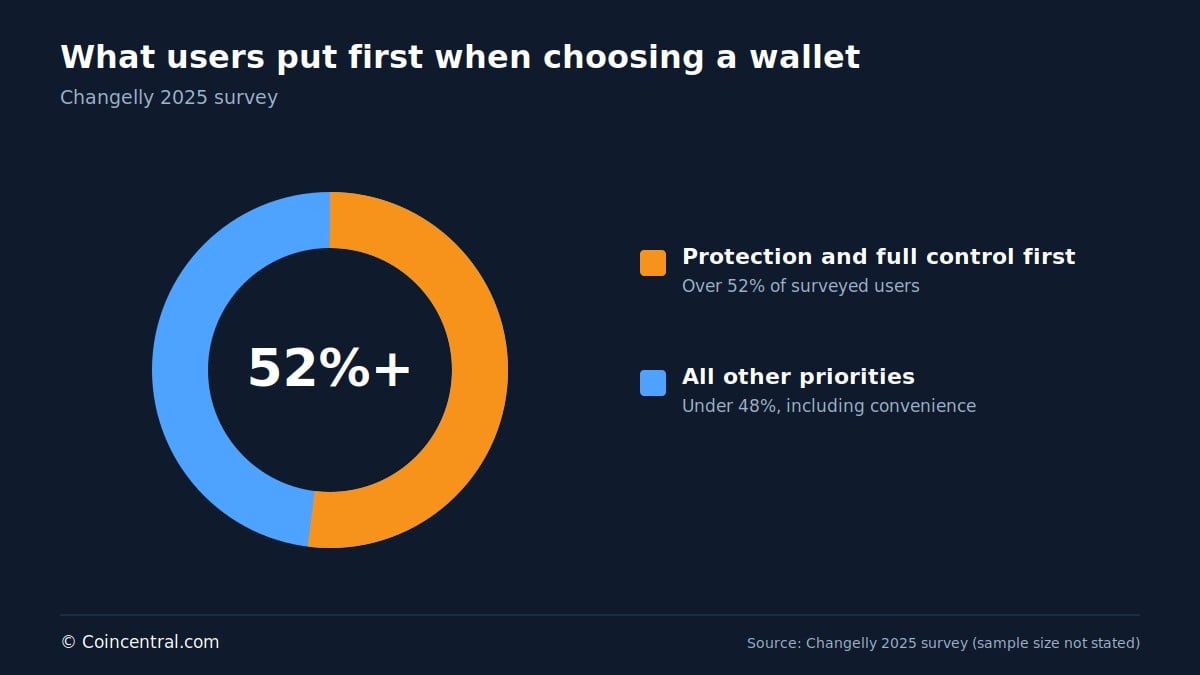
Changelly ran a survey in 2025 on wallet choices. It found that over 52% of users put strong asset protection and full control first. The source does not give the number of people surveyed.
Convenience and ease of use still matter, according to the same report. Changelly says users pick a method based on how much security they need, how often they transact, and how much control they want.
BitPay frames the choice as three questions. How much have you invested? How often will you spend or send crypto? How technical are you?
The answers change the best setup. A larger balance calls for tighter security. Frequent spending pushes people toward easier access for part of their funds.
Skill level also counts. BitPay says less technical users may pick less secure options, because the risk of user error with advanced tools could be higher. A simple tool used well can beat a strong tool used badly.
Investopedia offers its own list of factors. These are security, fees, supported coins, custody, and customer service. A user who trades many coins needs an exchange that supports more than Bitcoin and Ethereum.
Custody matters most to beginners who worry about passwords. Investopedia says custodial services can keep your crypto and help you recover a forgotten password. That help comes with less control.
Exchange choice also depends on rules. Investopedia says many platforms ask for identity checks, known as KYC. These may include a name, date of birth, email, phone number, home address, and a government ID.
| Question | Why it matters |
|---|---|
| How much have you invested? | Larger amounts call for stricter security (BitPay) |
| How often will you spend or send? | Frequent use may justify easier access for some funds (BitPay) |
| How technical are you? | User error can be a bigger risk than weak tools (BitPay) |
| Which coins do you hold? | Some exchanges support more than Bitcoin and Ethereum (Investopedia) |
| Do you want to manage your own keys? | Custodial options help with password recovery (Investopedia) |
Comparing Security and Convenience
Every storage method trades security for convenience. No method is completely safe, according to Investopedia. The right pick depends on what you can accept.
Cold hardware wallets sit at the secure end. Motley Fool says offline storage is widely seen as the best option for security. Many platforms use it to protect most of their own crypto.
The price of that security is speed. Because you need to connect the device to move coins, the process is slower. Changelly adds that setup may confuse beginners.
Cold wallets can also be lost. Investopedia warns that devices can be misplaced or stolen. Water or fire damage can end access if no seed phrase backup exists.
Investopedia also says a cold wallet cannot be hacked while it is not connected to a device. Once you connect it, it becomes open to risk. The weak points are the software and the device it connects to.
Hot wallets sit at the easy end. They are free and quick, and you control your own keys if they are self-custody. Malware or unauthorized access on the device can lead to lost funds.
Exchange wallets are the simplest. They give access to many assets and suit trading. The cost is limited control over private keys and exposure to exchange hacks and technical problems.
Paper wallets are free and offline. They are also easy to damage, lose, or steal. Investopedia notes that anyone who gets the paper can reach the keys, and copies carry the same risk.
Sources disagree on USB drives. Investopedia says an encrypted USB drive can work as cold storage if handled with care. Changelly calls it risky, because plugging it into a computer exposes the keys to spyware.
Wireless options add one more choice. Investopedia says Bluetooth models are relatively safe if you turn off the connection after use. Some devices also advertise support for DeFi apps, and Investopedia notes that DeFi protocols have been behind many hacking incidents.
| Wallet | Main benefit | Main drawback |
|---|---|---|
| Exchange wallet | Simple, many assets supported | Third party controls the keys |
| Hot wallet | Free and fast | Online exposure to hacks and malware |
| Hardware wallet | Highest security | Cost, slower use, can be lost |
| Paper wallet | Free offline storage | Easy to damage, lose, or steal |
Security Habits That Lower Risk
Good habits matter as much as the wallet itself. Several sources list the same core steps. Most of them cost nothing.
Back up early and often. Investopedia says regular backups may be the only way to recover coins after a computer failure. Store copies in more than one secure place and protect them with a strong password and encryption.
Keep software up to date. Wallets running old software can be easy targets. Updates add fixes that raise safety.
Guard your seed phrase. It is a list of random words that works like a master password. Investopedia shows a 24-word example, and says words are easier to store than a 64-digit hexadecimal key.
Write the phrase down and keep it somewhere only you can reach. Steel stamping kits exist to protect it from fire and water. Motley Fool says never share it, and never save it on your computer.
Check every address before sending. Changelly warns that a transfer to a wrong address cannot be reversed. It also advises two-factor authentication and strong passwords.
Keep only trading amounts on exchanges. Changelly says exchanges are open to hacks, so the rest should sit in a personal wallet. Use wallet software only from trusted sources to avoid malware and phishing.
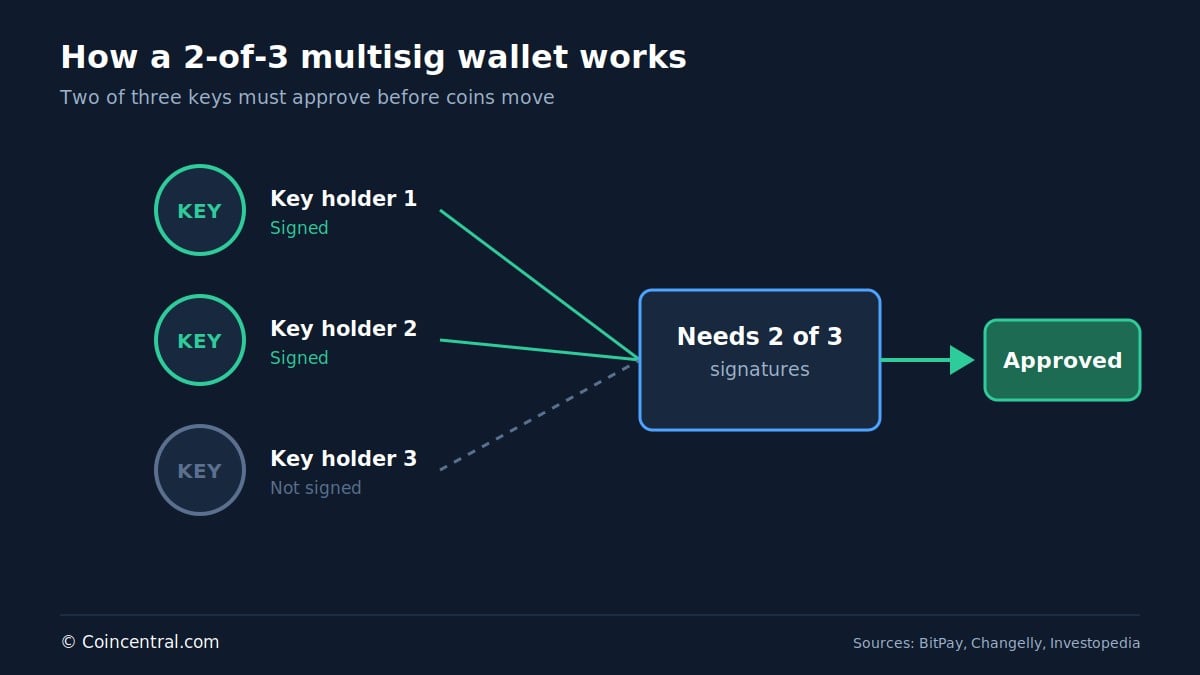
Multisignature, or multisig, wallets add another layer. A transaction needs approval from several keys before it goes through. In a 2-of-3 setup, any two of three keys can approve a transfer.
BitPay says keys can be placed in different locations. That makes it much harder for an attacker to reach the funds. Investopedia says groups of three to five approvers are common, and urges users to trust the other members.
Check the provider before you open an account. Investopedia says to confirm that a platform is open in your area and to find out who runs it. It also suggests looking for a history of security incidents or regulatory actions.
Visibility is another risk. A hot wallet’s address and balance can be seen by anyone on a blockchain explorer. Investopedia says large balances attract thieves, and an empty wallet has nothing to steal.
| Habit | What it protects against |
|---|---|
| Regular encrypted backups | Computer failure and lost wallet files |
| Software updates | Hackers who target old software |
| Written seed phrase kept private | Lost devices and lost access |
| Checking addresses | Irreversible transfers to the wrong place |
| Two-factor authentication | Account takeovers |
| Multisig | A single point of failure |
Choosing a Setup That Fits Your Use
No single setup fits everyone. The sources agree on the broad pattern. Match the wallet to the size of your holdings and how often you spend.
Small holdings can sit in an exchange wallet, says BitPay, though it is less secure. BitPay adds that any self-custody wallet can be just as easy to use and safer. Keys stay with the user, not a third party.
Large holdings call for cold storage. BitPay and Motley Fool both suggest keeping most funds in a hardware wallet. A small balance can stay in a hot wallet for fast use.
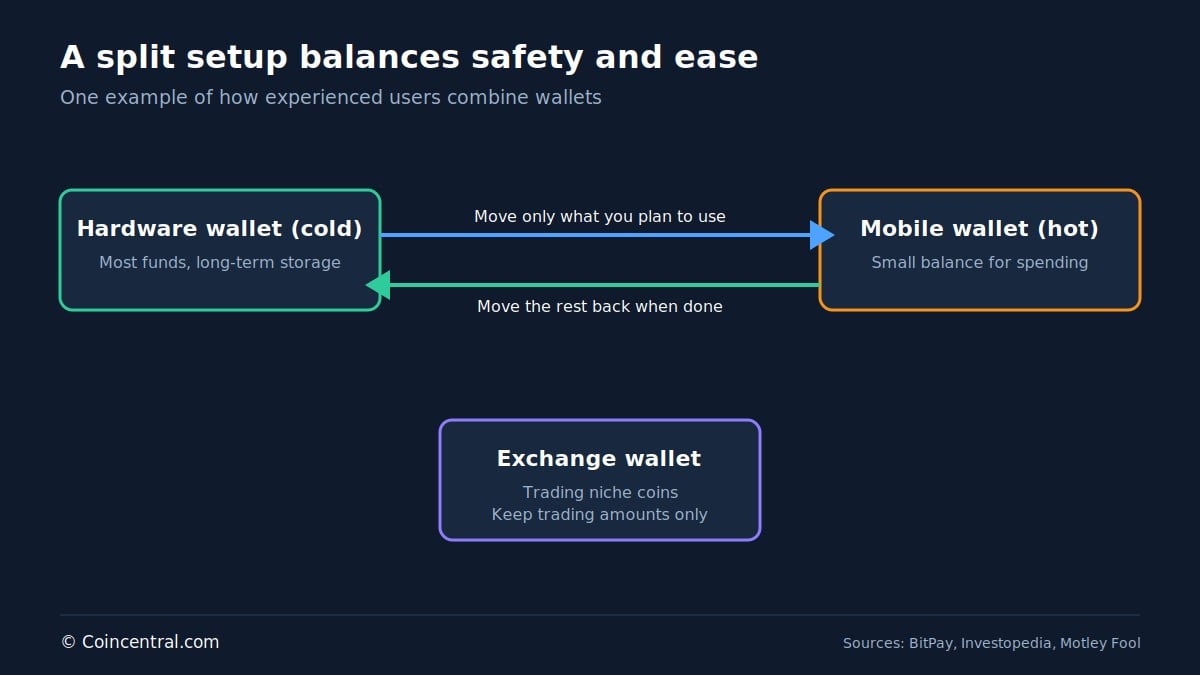
Experienced users often run several wallets. BitPay gives one example. A hardware wallet for long-term storage, a mobile self-custody wallet for spending, and an exchange wallet for niche coins.
Take care when you spend from cold storage. Investopedia advises moving only the amount you plan to use into a hot wallet. Move what is left back to cold storage when you finish.
Changelly puts it in short terms. It names a hardware wallet such as Ledger or Trezor as the safest overall choice. That holds as long as you do not lose the device that stores your keys.
Investopedia says a cold wallet can be worth the price for many owners. The device may cost a few hundred dollars, while the coins it protects may be worth far more. Still, cold wallets can be lost, so keep yours in the same safe place each time.
The Bottom Line
The numbers point one way. Theft reached an estimated $2.2 billion in 2024, and millions of coins are lost for good. Self-custody cold storage is the most trusted defense, at a typical cost of $50 to $250.
It is not perfect, since devices can be lost and must connect to be used. A split setup balances safety and ease for most people. This article is for information only and is not financial advice.
Sources
- Bitcoin Storage: Top Safe Methods to Protect Your Cryptocurrency (Investopedia)
- How to Safely Store Cryptocurrency (The Motley Fool)
- The Best, Safest Ways to Store Your Cryptocurrency: What You Need to Know (BitPay)
- The Safest Way to Store Cryptocurrency in 2025 (Changelly)
- Secure Ways To Store Cryptocurrency: Hot, Cold, and Paper Wallets Explained (Investopedia)