
Insurers now rank independent broker-dealers ahead of RIAs for annuity growth. Goldman’s Marci Green says platform integration sets the RIA runway
Annuity carriers still see registered investment advisors (RIAs) as their biggest long-run opportunity, but they have stopped expecting the channel to deliver near-term growth and Goldman Sachs Asset Management’s head of retirement distribution says financial planning software integration, not new products, will decide how fast that changes.
Goldman Sachs Asset Management’s sixth annual Annuity Industry Survey, which drew 103 respondents at 28 insurers with more than $1 trillion in annuity assets, found 24% expect RIA adoption of annuities to be the top industry trend in three years, against 7% for next year. Independent broker-dealers now lead RIAs as the expected growth channel, 47% to 33%, reversing the 2025 result, as InvestmentNews reported when the survey was released.
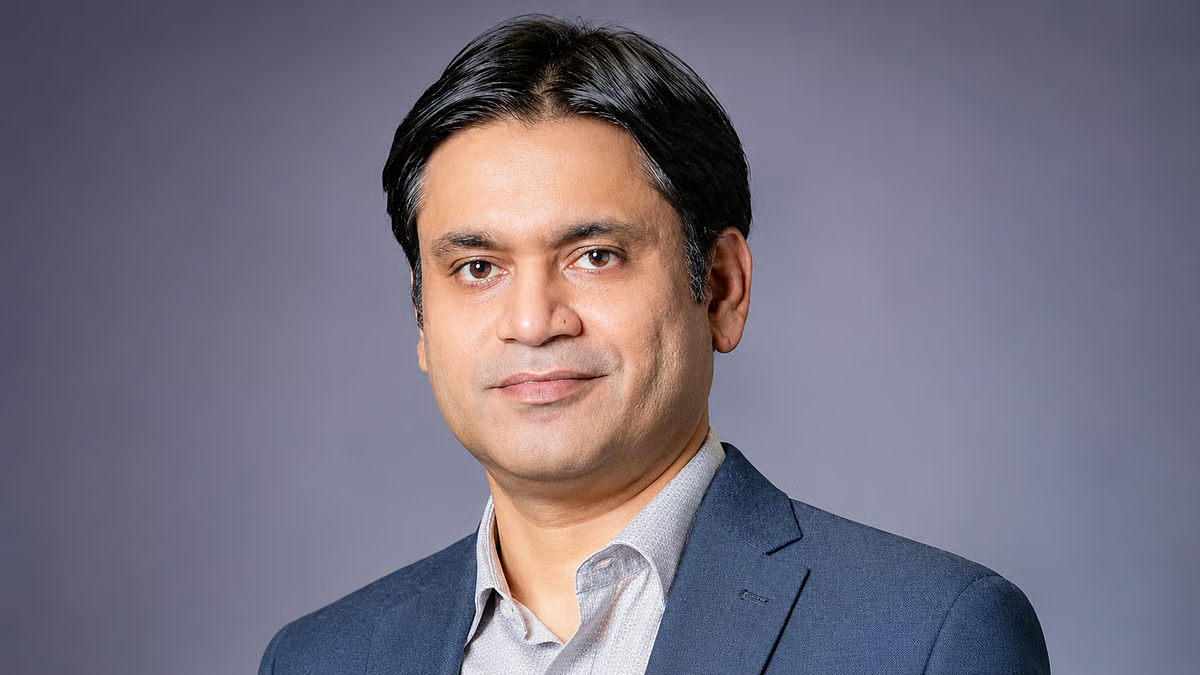
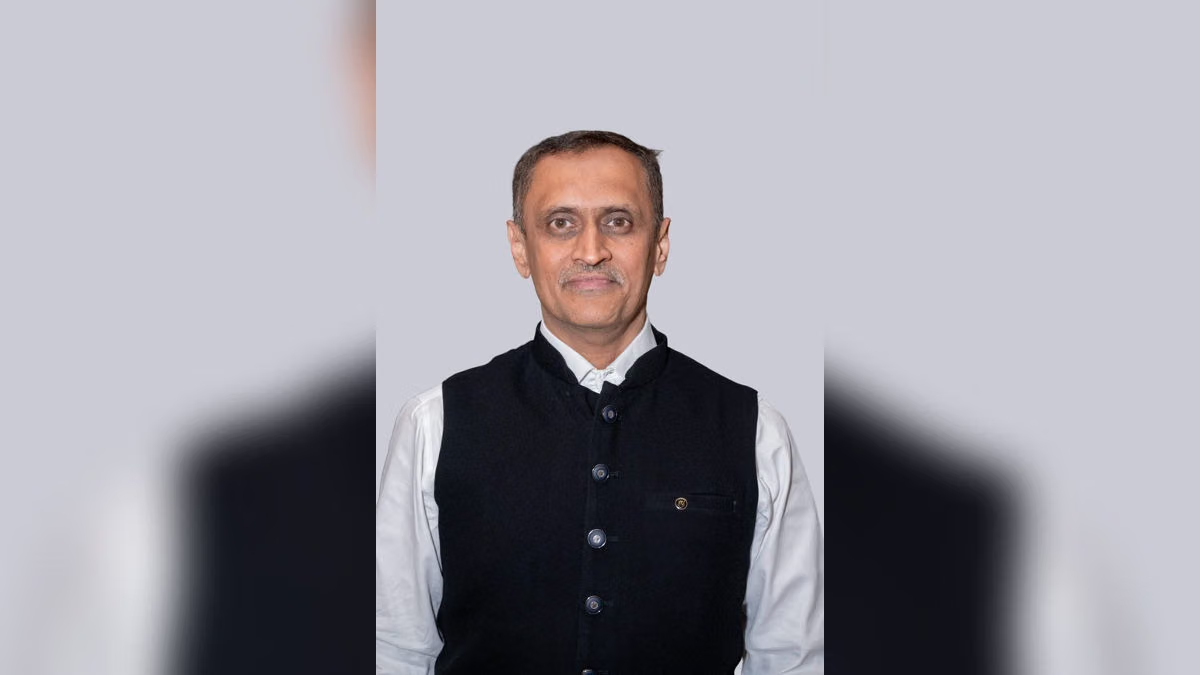
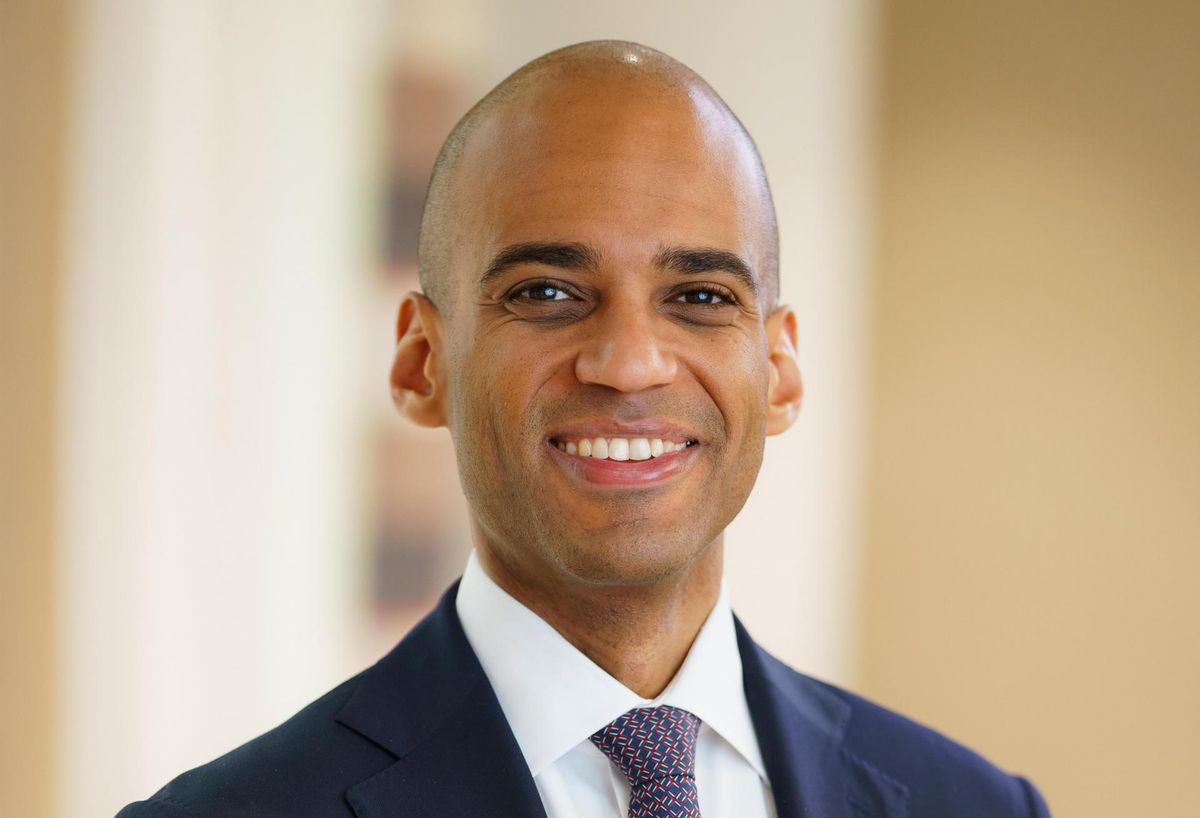
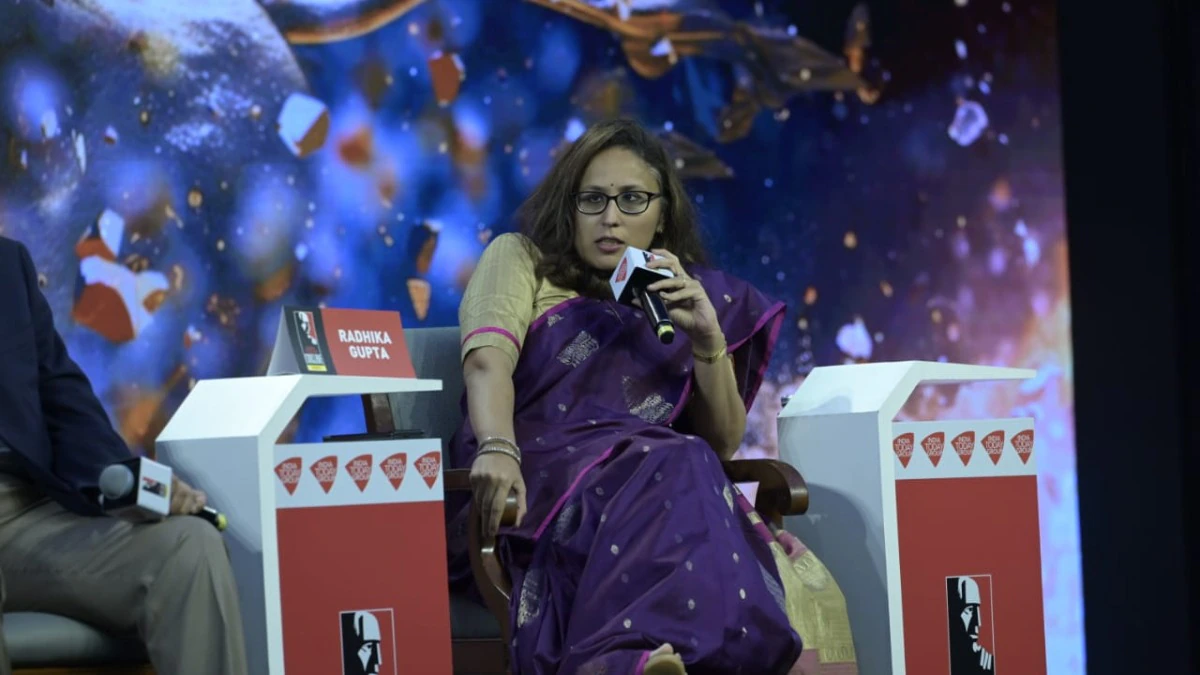
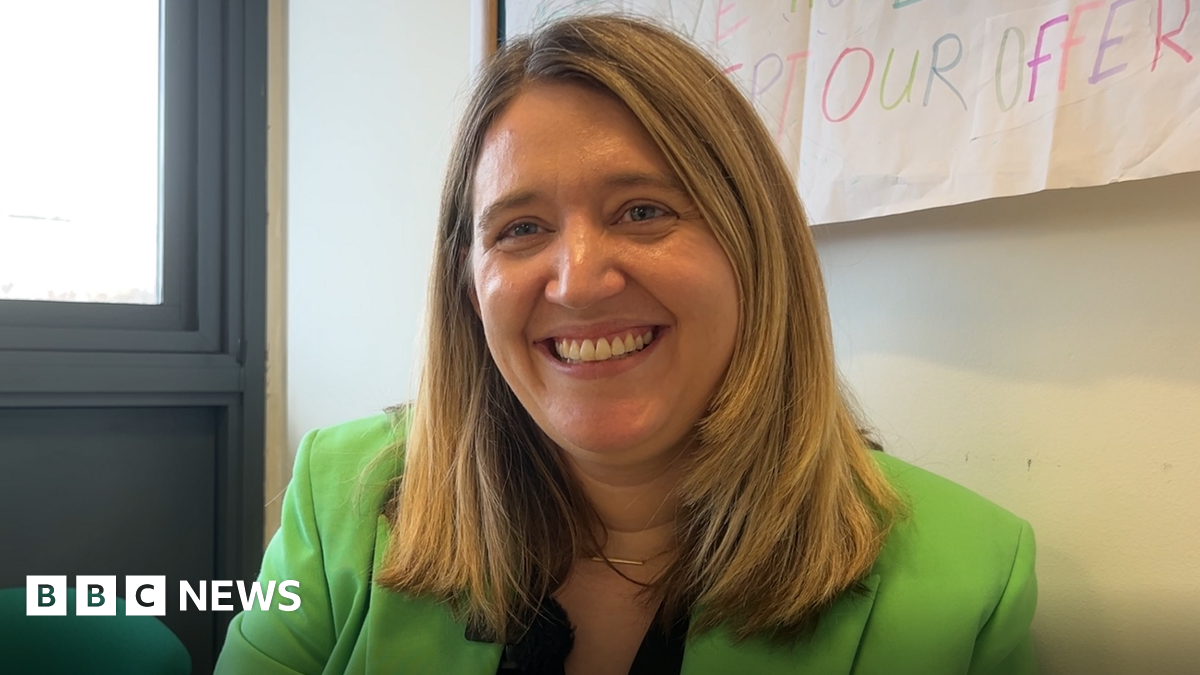
Marci Green, head of retirement distribution and third-party insurance at New York-based Goldman Sachs Asset Management, said the RIA thesis has not changed, only the timeline. “I don’t think anything has changed about the strong prospects for annuity growth in the RIA market,” Green said. “It’s just taking longer than expected to take hold more broadly in RIA business models.”
Why RIAs are a longer runway, not a retreat
Green said consolidation is blurring the line between the two channels. “The lines between RIAs and independent broker-dealers are blurring as a result of industry consolidation,” she said. “Many large aggregator RIAs do have dually registered advisors. So RIAs are not a retreat, it’s just a longer runway.”
“It’s really important that carriers continue to maintain a dual focus on independent broker-dealers and RIAs. So it’s not or, it’s and,” Green said.
Some 36% of carriers prioritize fee-based advisory annuities, according to the survey, and registered index-linked annuity (RILA) sales topped $79.6 billion in 2025, the survey found. About a third of respondents said new advisory product designs are a focus in the coming years, Green said.
What RIAs need before they buy annuities
Green put technology integration ahead of product design as the decisive factor. “There are pockets of really strong growth, but the real tailwind would really be making it easier for RIAs to write the annuity business through broader integration with financial planning software,” she said.
The goal, she said, is parity with the rest of the wealth stack. “The vision … is for annuity transactions to be as easy as transacting in wealth products, such as mutual funds, managed money, or ETFs,” Green said.
That starts with what the advisor sees on screen. “Even just showcasing and seeing the full picture of annuities right next to what’s going on in their managed money account or what’s going on in potentially some mutual funds that they may have or ETFs, that’s really critical just as a baseline,” she said. “And then the ability to transact in that ecosystem, in that financial planning ecosystem, really, that’s what we’re all trying to achieve.”
Standards and AI as the adoption levers
Green pointed to industry plumbing as a source of progress. The Insured Retirement Institute’s (IRI) Digital First for Annuities initiative “is making a real impact in modernizing annuity processing by establishing consistent standards across the industry for each step in the financial professional and consumer journey of annuities,” she said. IRI hosts those standards in an open repository, according to IRI’s explainer on the initiative, and in June 2026 advanced new digital standards for faster annuity withdrawals.
Education remains the oldest barrier, and Green said carriers expect artificial intelligence (AI) to chip away at it. “96% of the insurance executives we surveyed believe that… AI will play a future role in helping individuals really understand the benefits of annuities and guaranteed income options,” she said. Over 85% believe AI tools embedded in the planning software advisors use – at RIAs or independent firms – will help, she added.
“This is a major advancement and will overcome a significant hurdle to adoption in the industry that’s really been a challenge for decades and decades,” Green said.
The survey also showed growing carrier focus on in-plan annuities distributed through 401(k) plans, which Green said benefit from being wrapped in an advice model.