
92% worry about replacing retiring Baby Boomers, as teams hire more for data skills than insurance expertise

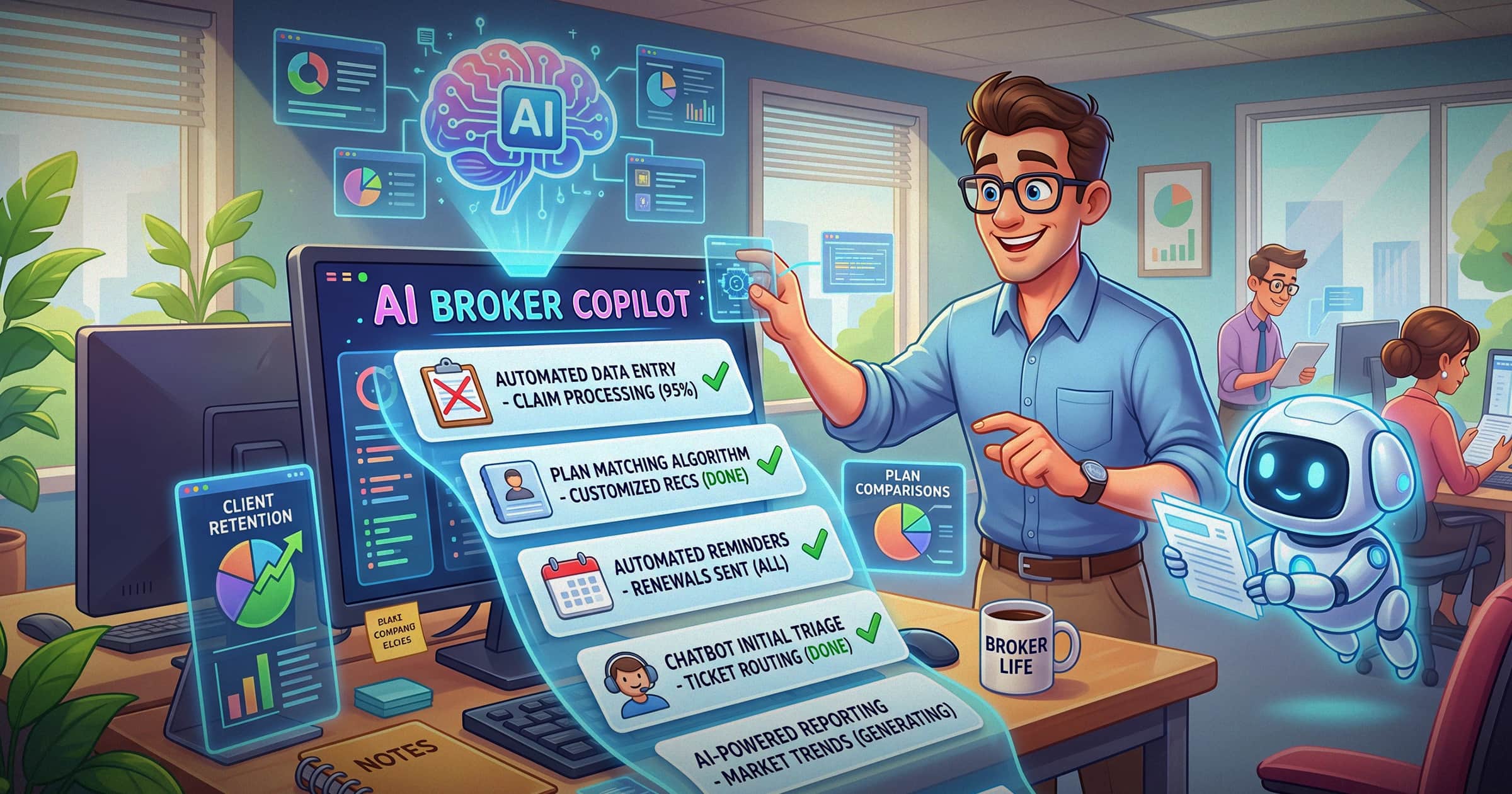
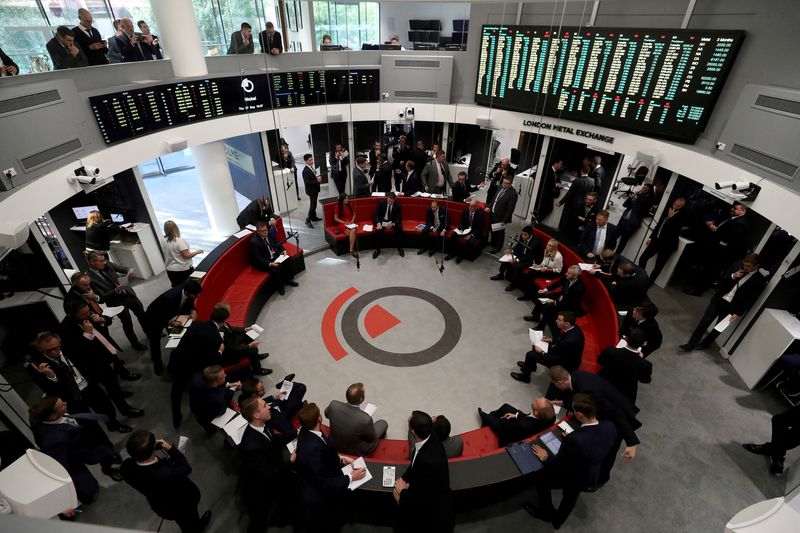
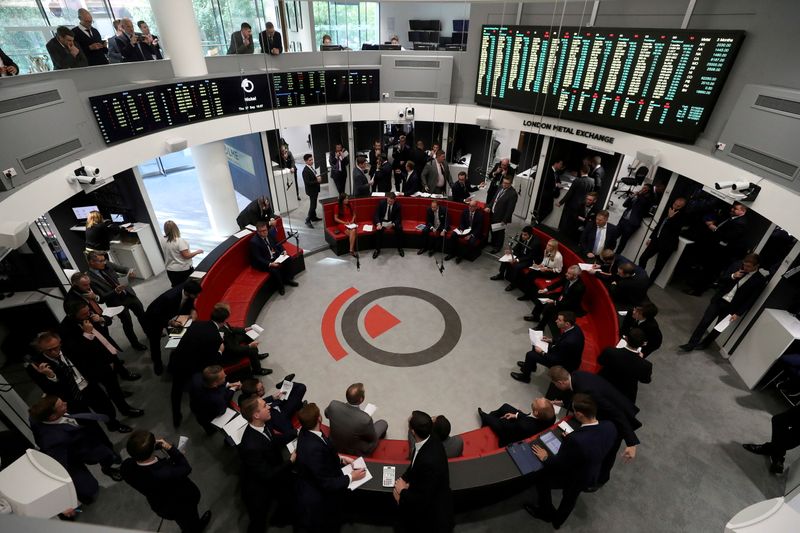
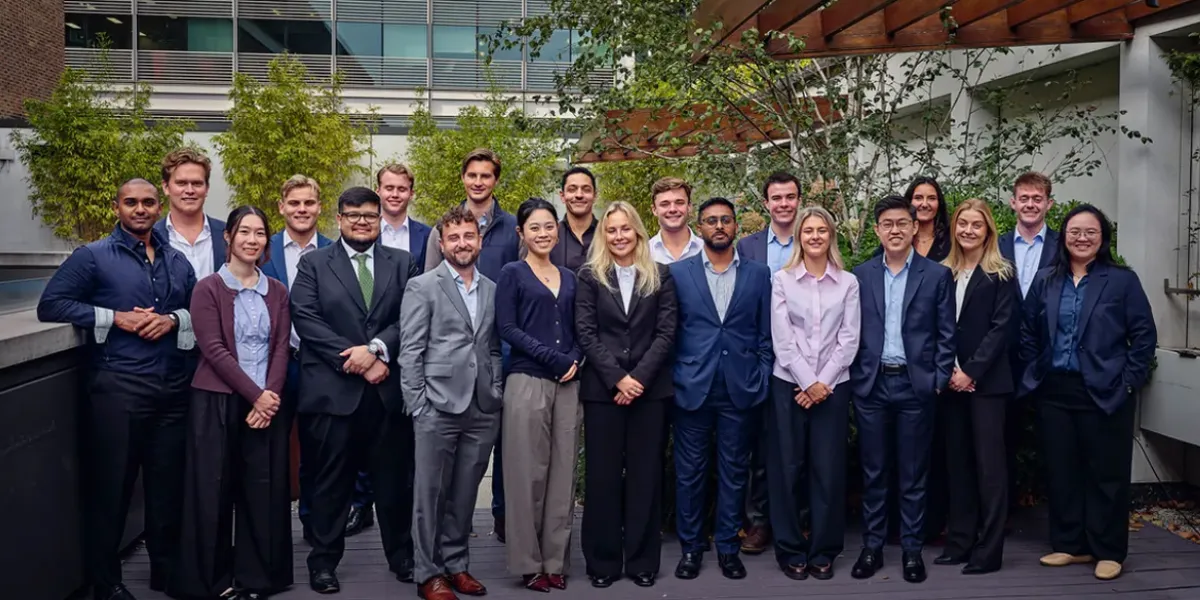
London insurance brokers are overwhelmingly positive about AI but increasingly worried about replacing retiring colleagues, according to research from Burns & Wilcox Global Solutions.
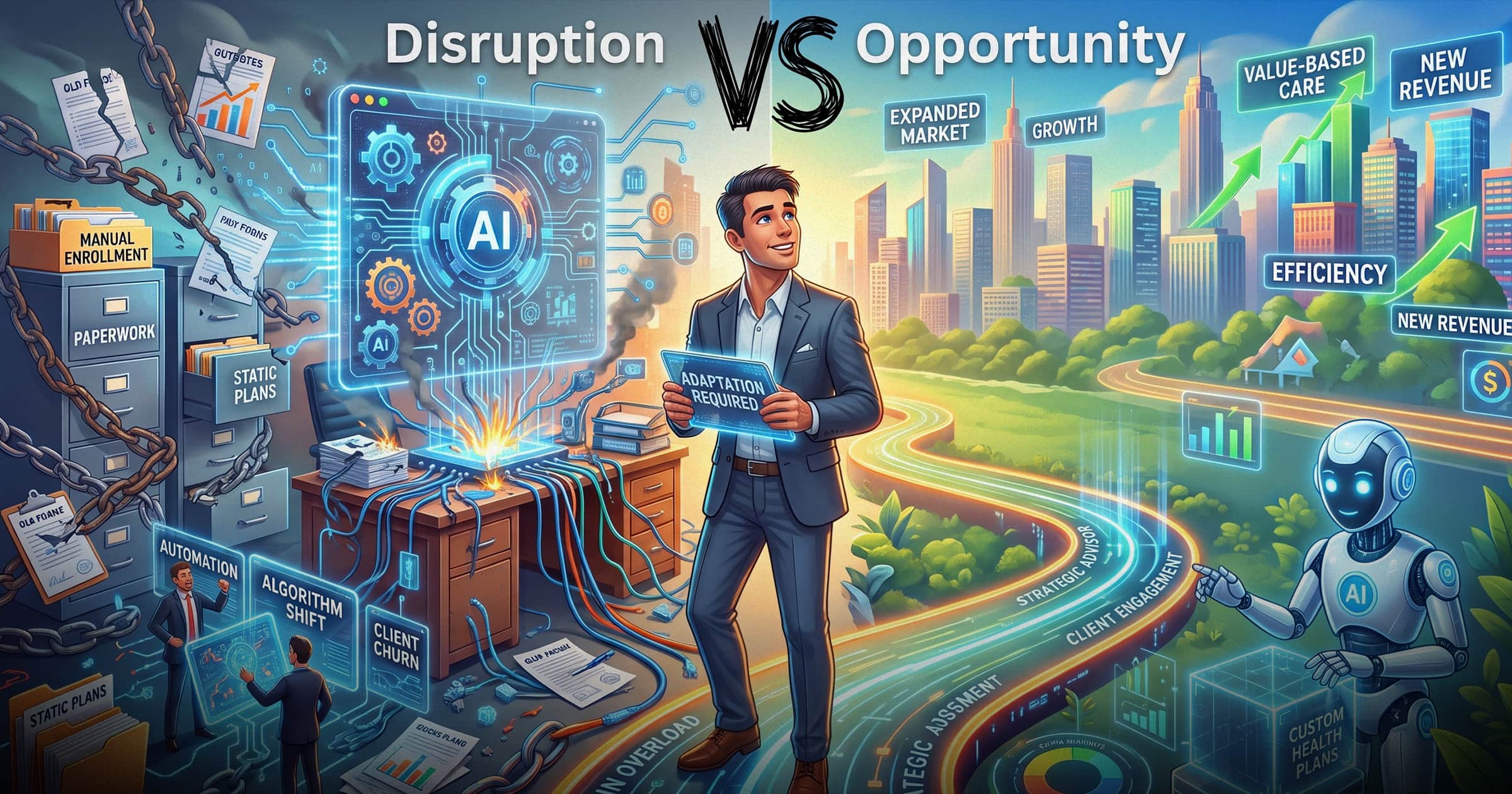
The report, FastForward: The Next Chapter for London Insurance Brokers, is based on independent research with 205 London brokers. It found 96% view AI and emerging technologies positively, even though 69% expect significant or huge disruption to the profession as adoption grows. Some 86% expect client demands to rise significantly over the next two years.
A looming succession problem
The biggest worry is people. Some 92% of brokers are concerned about replacing colleagues from the Baby Boomer generation as they retire, and 61% believe the London market has an image problem when competing with fintech and big tech for talent.
The skills being hired for are also changing. Some 65% said their teams are recruiting more for data skills than for traditional insurance expertise, and 91% agree brokers will need new technical, sector-specific skills to serve clients in AI-enabled or technology-intensive industries.
“As technology continues to reshape the role of the broker, the challenge for the industry is not simply to attract new talent but to equip people with the skills and confidence to seize the opportunities that follow,” said Paul Greensmith, chief executive of H.W. Kaufman International, Burns & Wilcox’s parent group.
Trust in AI
Some 74% of respondents reported high or very high trust in AI to help with accurate and reliable recommendations. Brokers expect AI to have the greatest impact on risk capture over the next five years, followed by client servicing, administration and policy issuance.
That optimism contrasts with buyers’ caution elsewhere. Research from technology advisory firm ISG last month found 75% of insurance decision-makers would only trust an insurance-specific AI model, or a hybrid of AI and human oversight, for high-stakes underwriting and claims decisions.
Despite their enthusiasm for technology, brokers still see relationships as their main competitive edge. They ranked building deeper market relationships first, ahead of data-led approaches and better digital skills.
Brokers said greater promotion of the London market as a career destination was the most important way to attract new talent, followed by clear career progression and the chance to work with global clients. University partnerships were seen as the most effective way to recruit graduates, followed by sponsoring professional qualifications.
When it comes to keeping staff, training and development ranked first, ahead of workplace culture and flexible working. Pay and benefits ranked only fifth.
Brokers are positive about their own careers. Some 95% would recommend a career in London broking, and 97% are confident about brokers’ future prospects in the market.
A wider talent squeeze
The findings echo concern across the industry. Talent attraction and retention is now UK brokers’ top priority, as Insurance Business reported in June, and the Chartered Insurance Institute has found only 4% of young people are interested in an insurance career. Market bodies are responding. The LMA and IUA recently launched online job simulations to draw students into underwriting and operations.
For London broking firms, the gap between brokers’ confidence in their profession and the market’s image problem is the key challenge. Current brokers would recommend the career, but the people firms need to recruit, particularly those with data skills, have attractive alternatives in tech and fintech.
The finding that training outranks pay for retention is useful. Firms competing for data-skilled hires may find structured development and clear progression more effective than salary alone, especially as they need to train new recruits in insurance as well as technology.