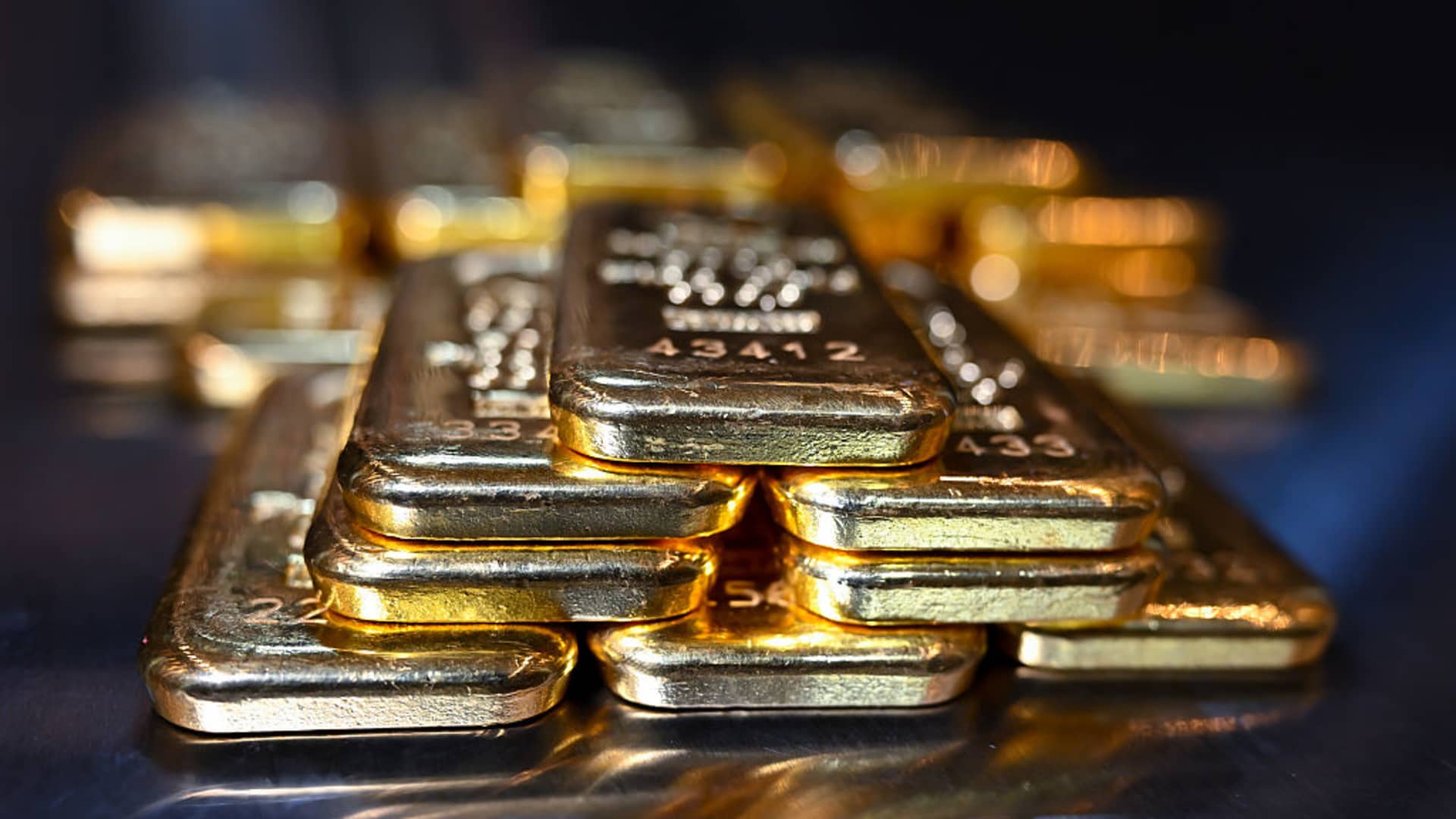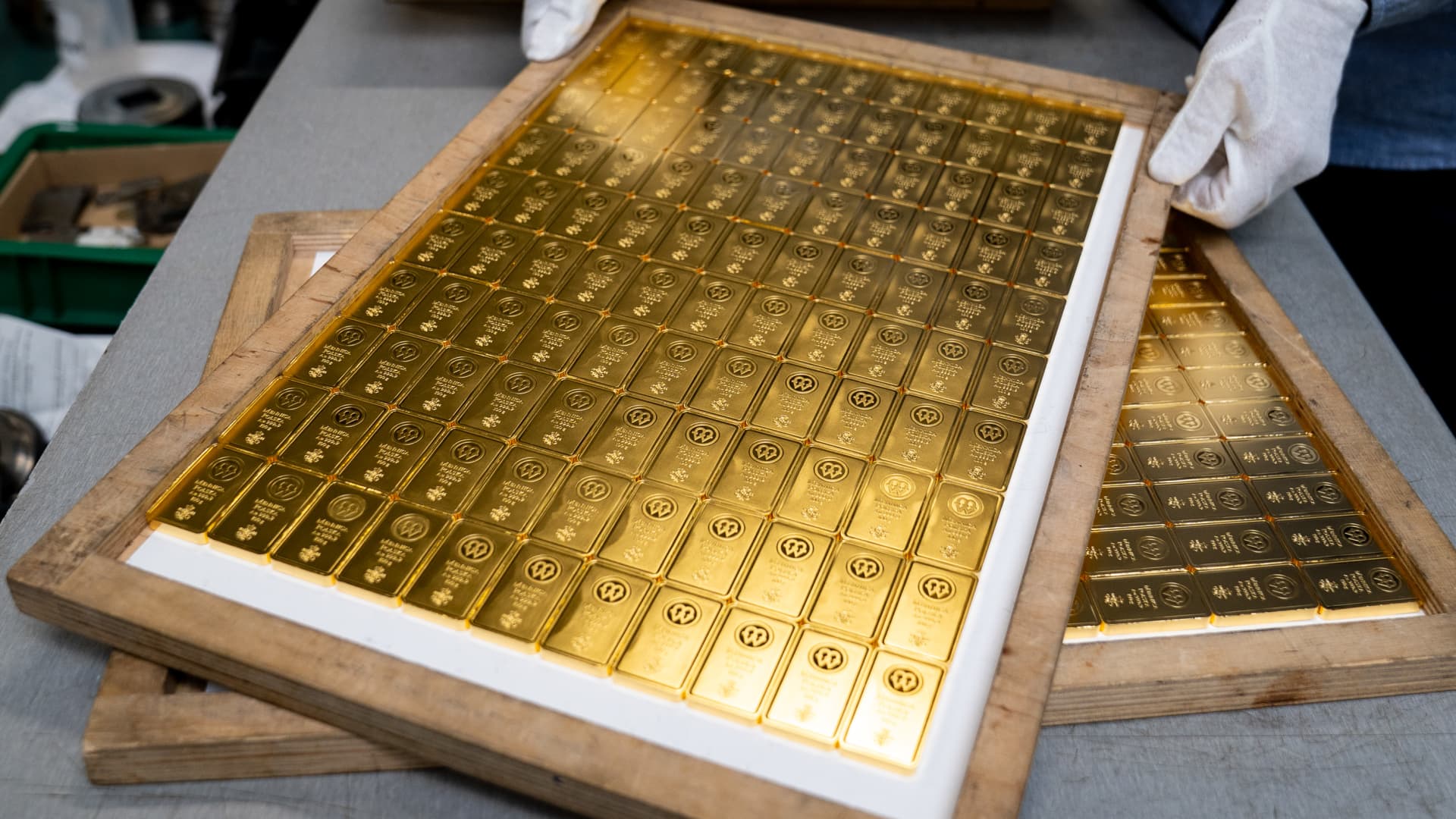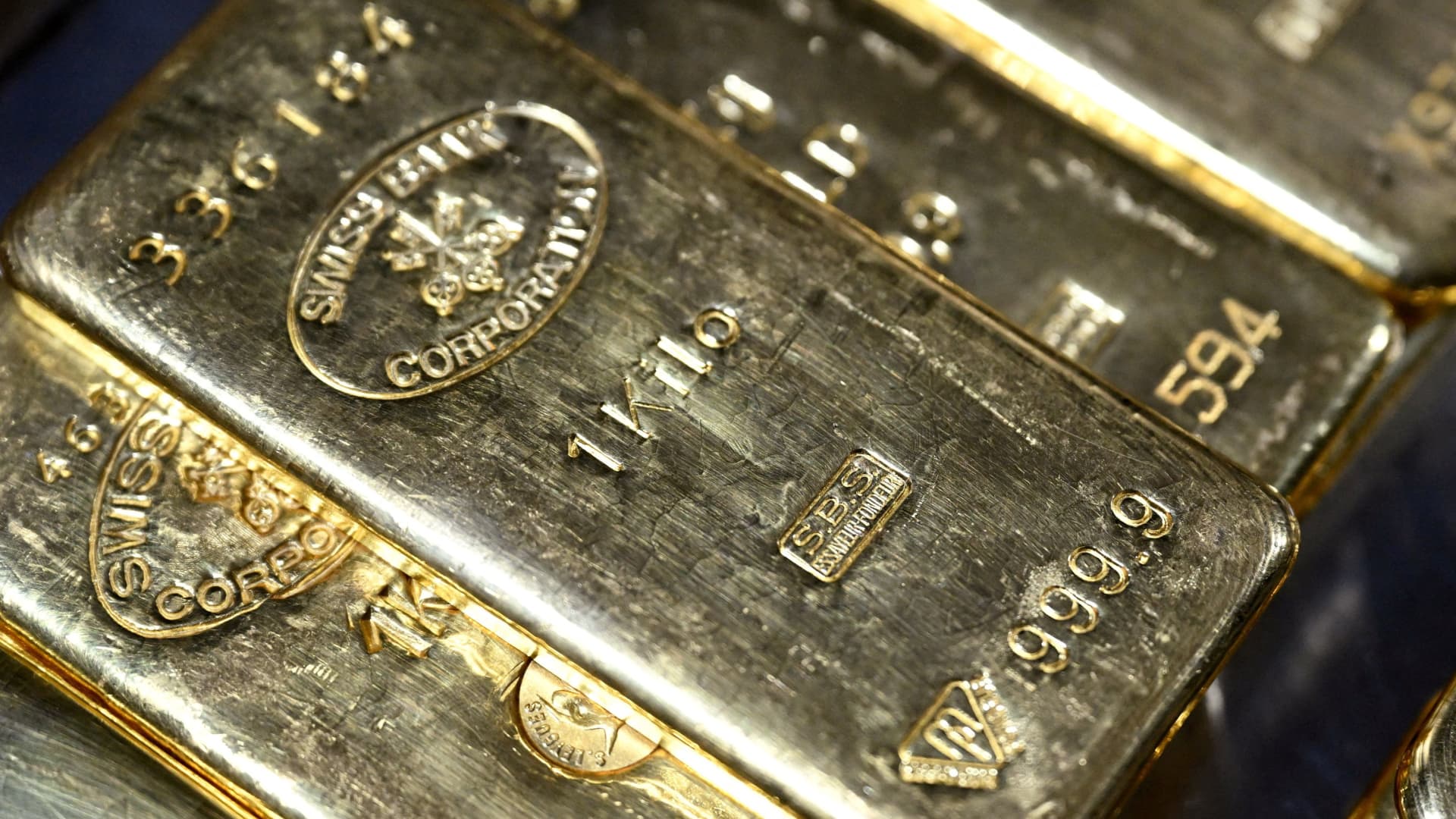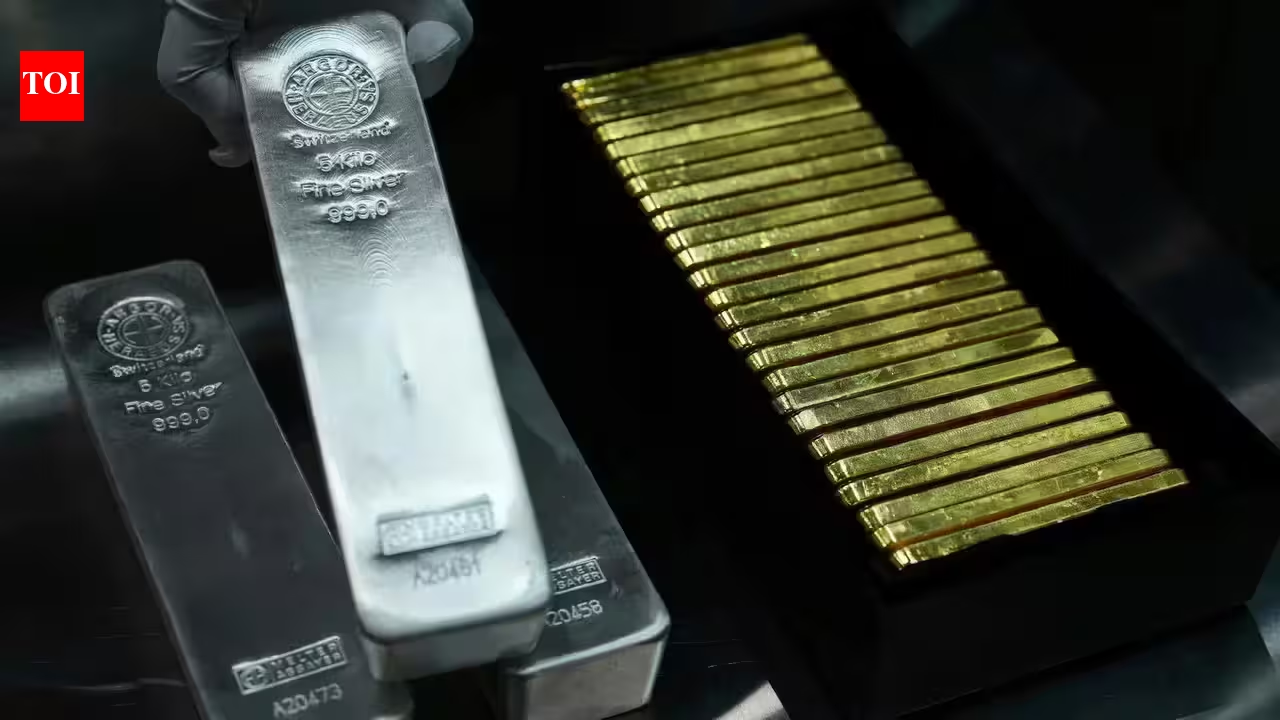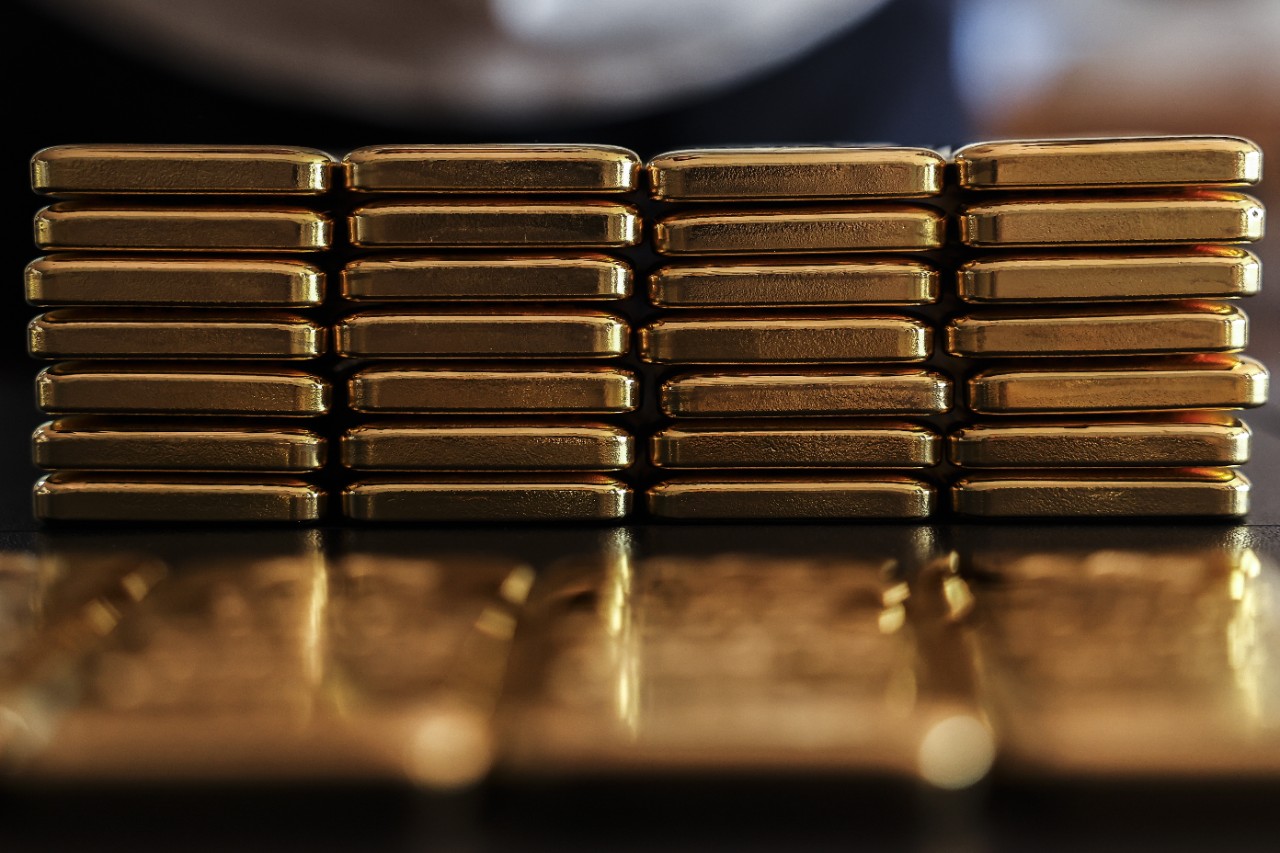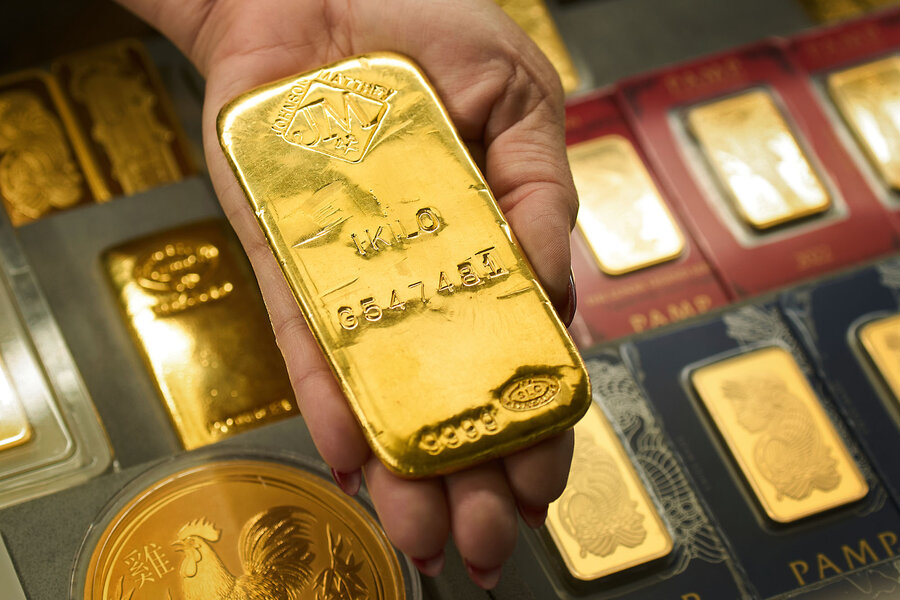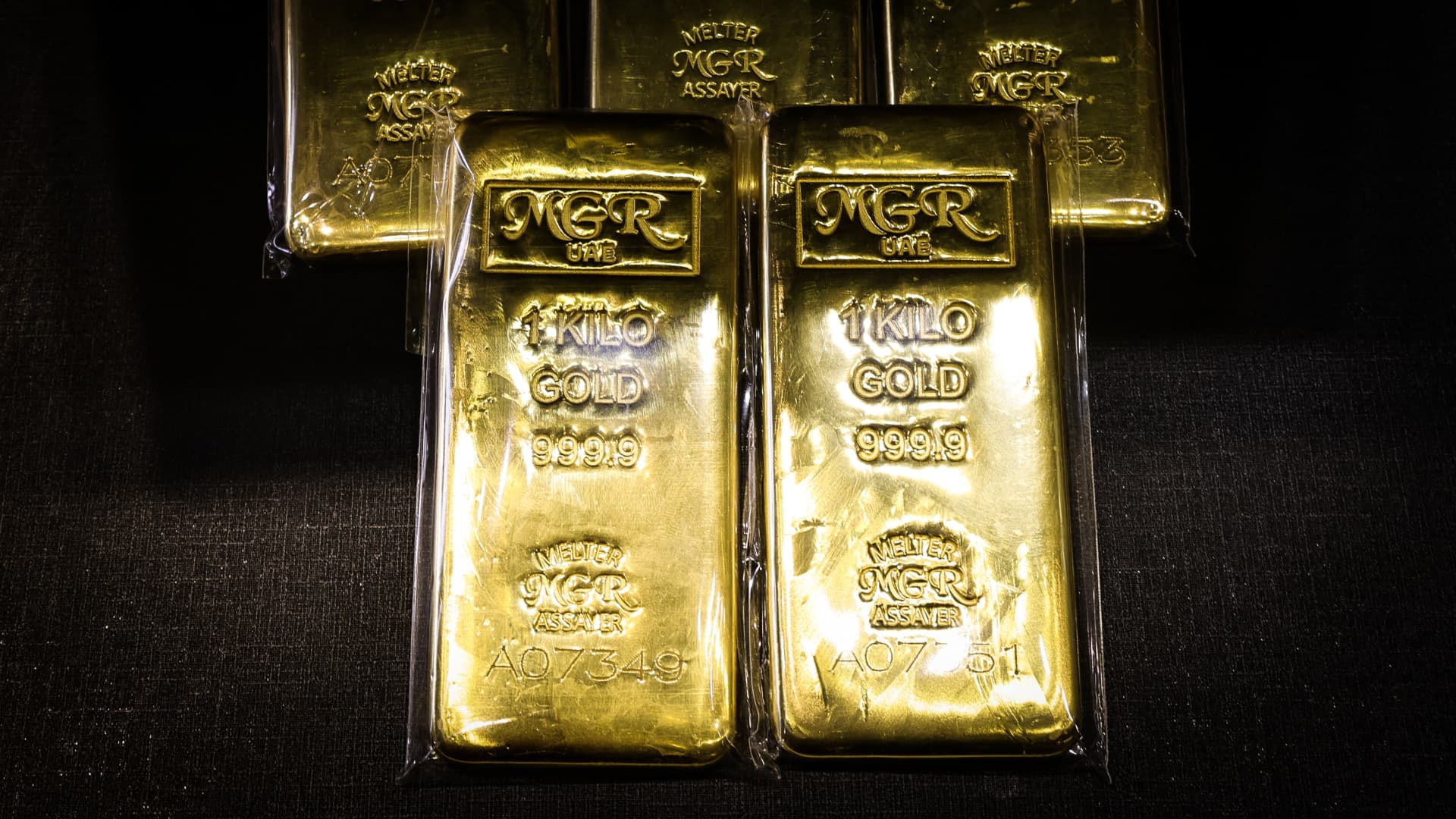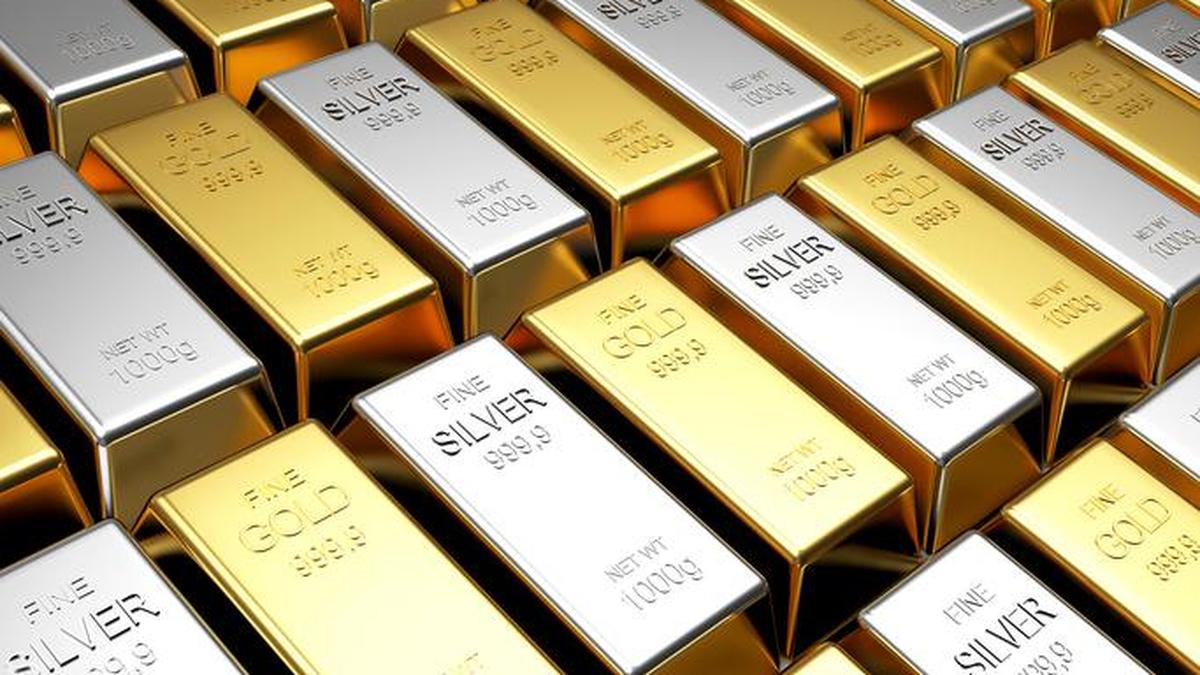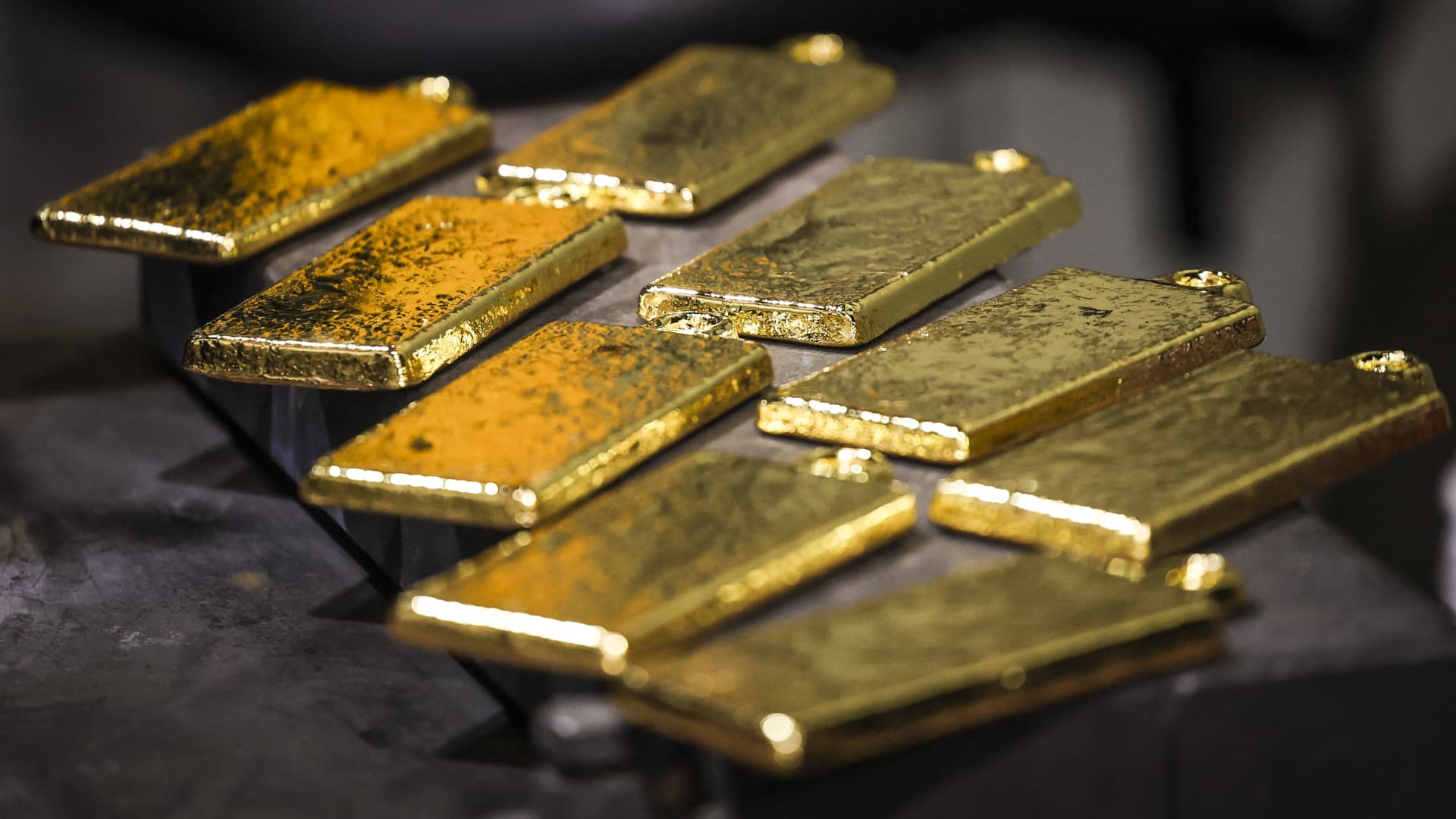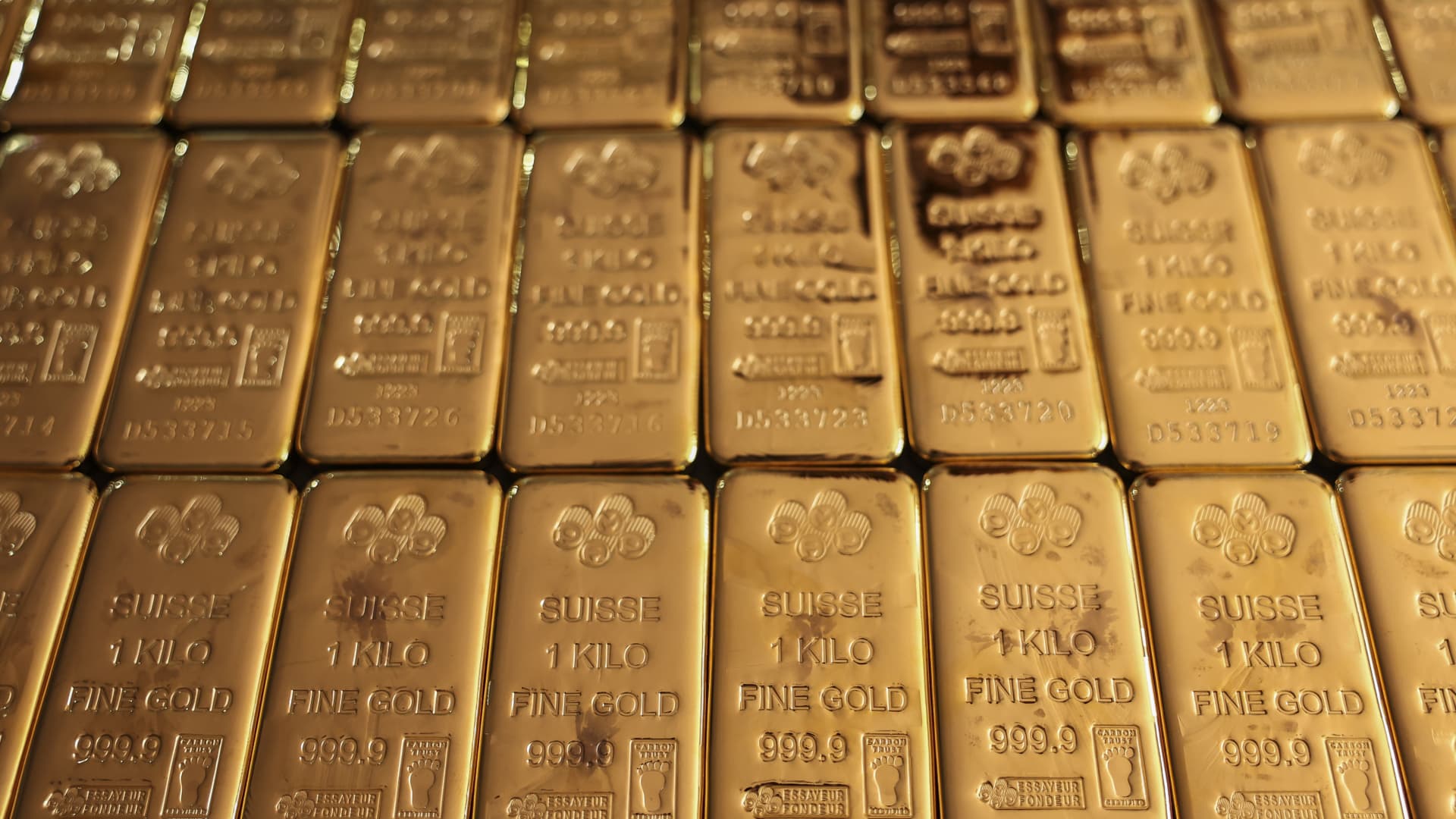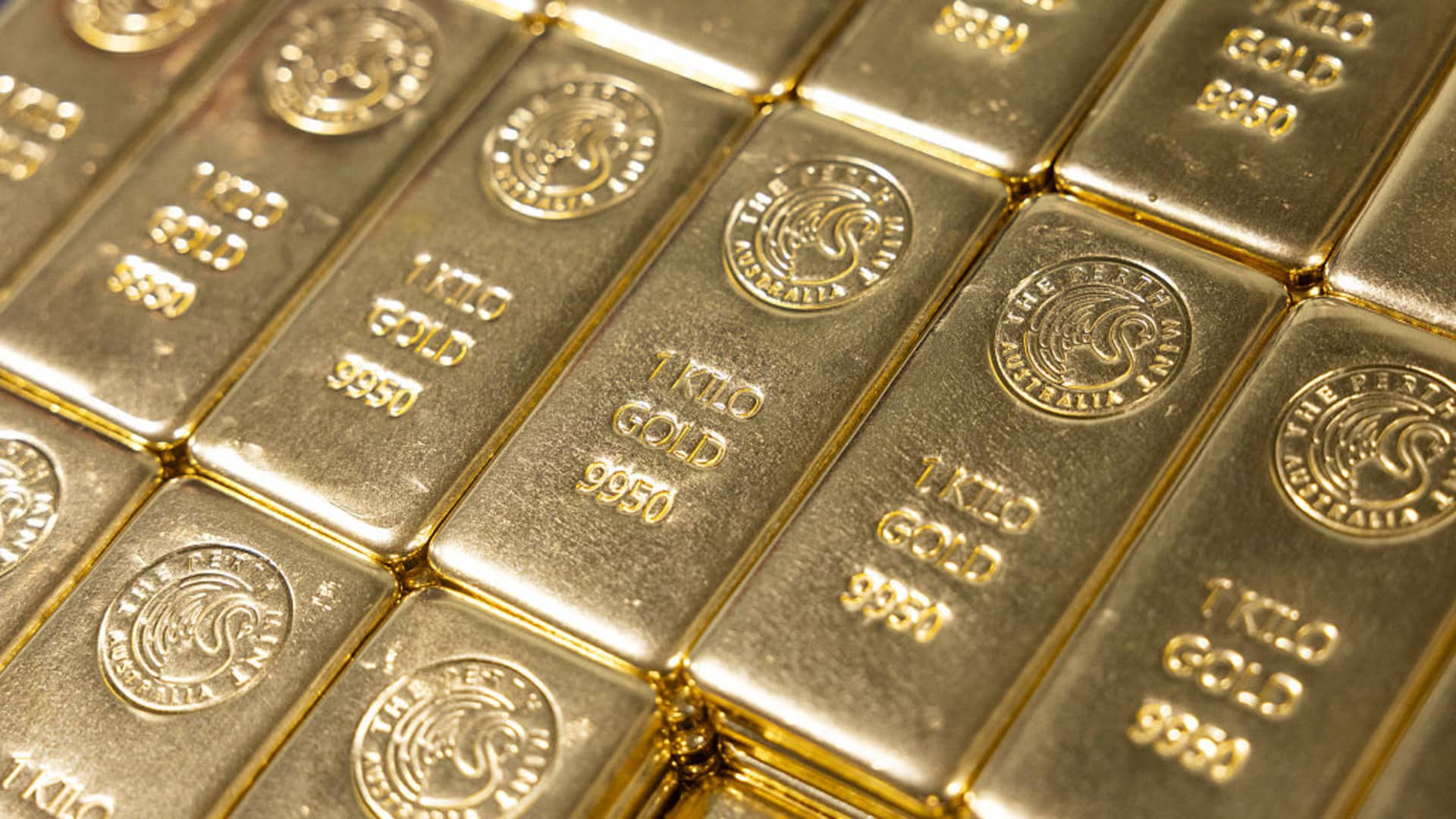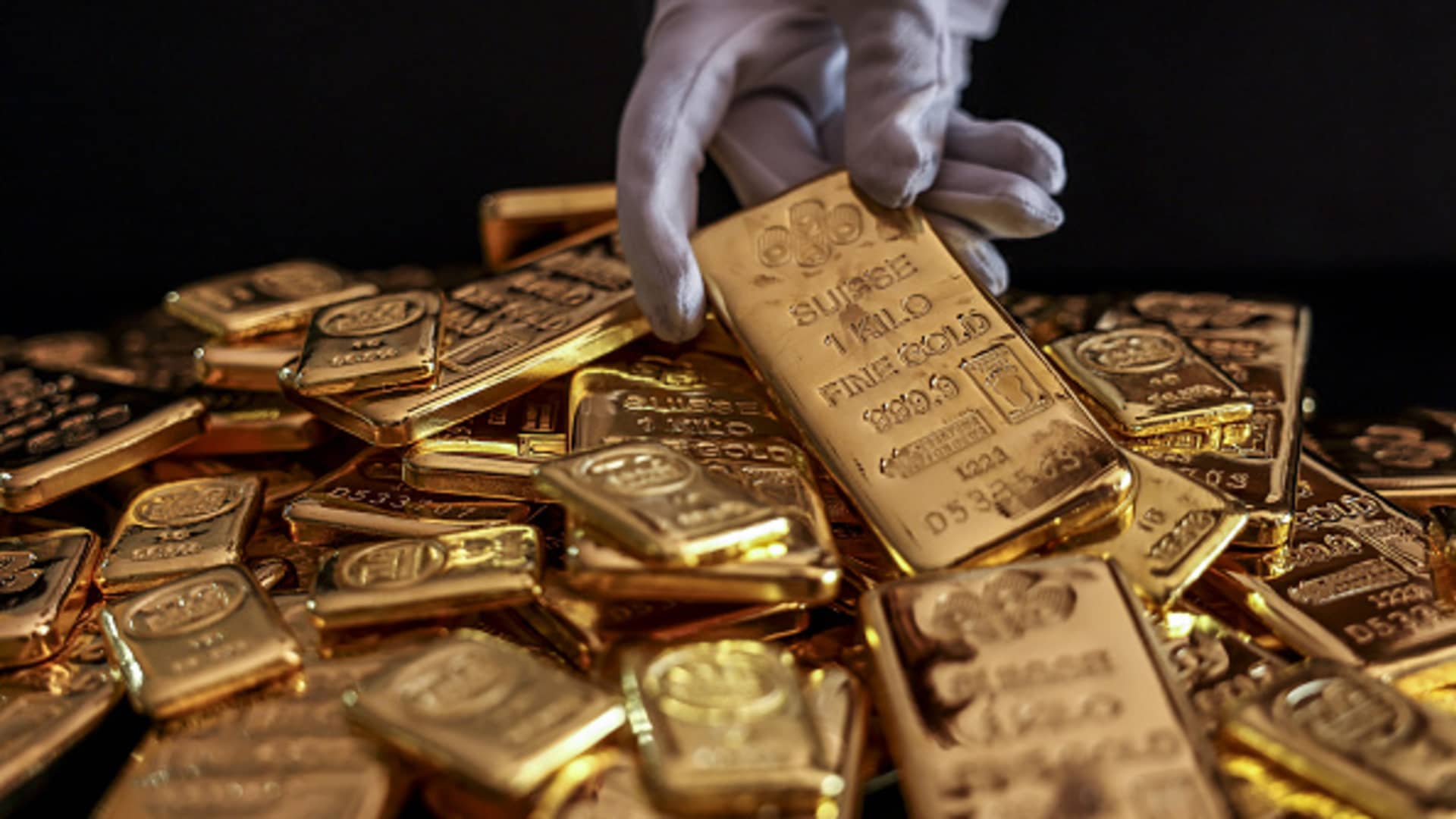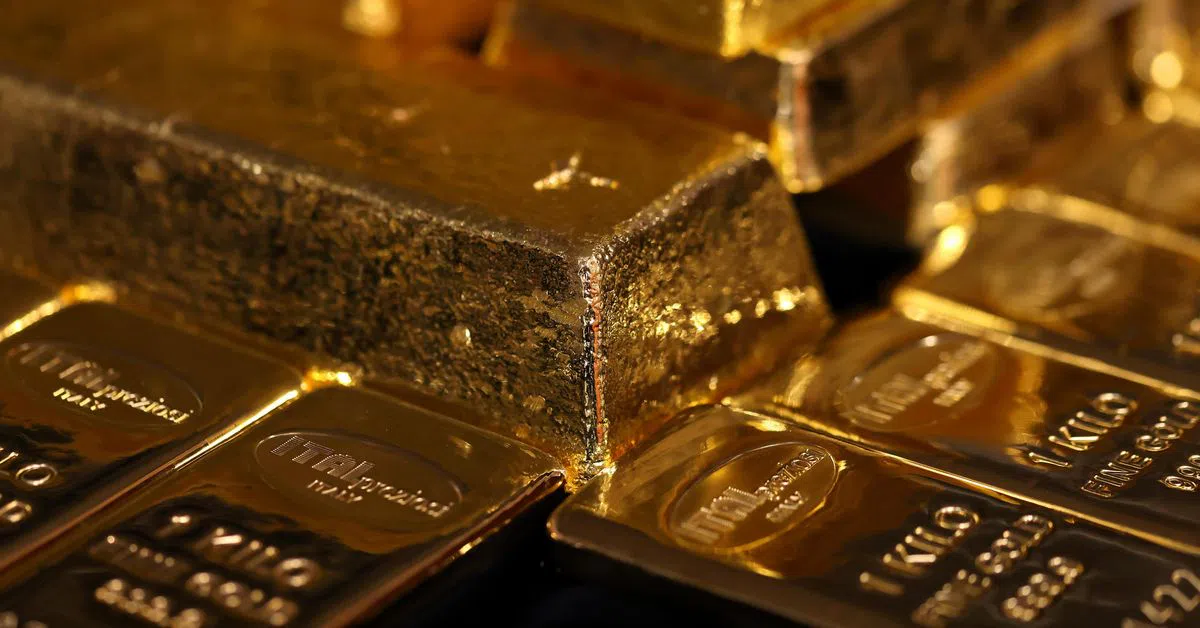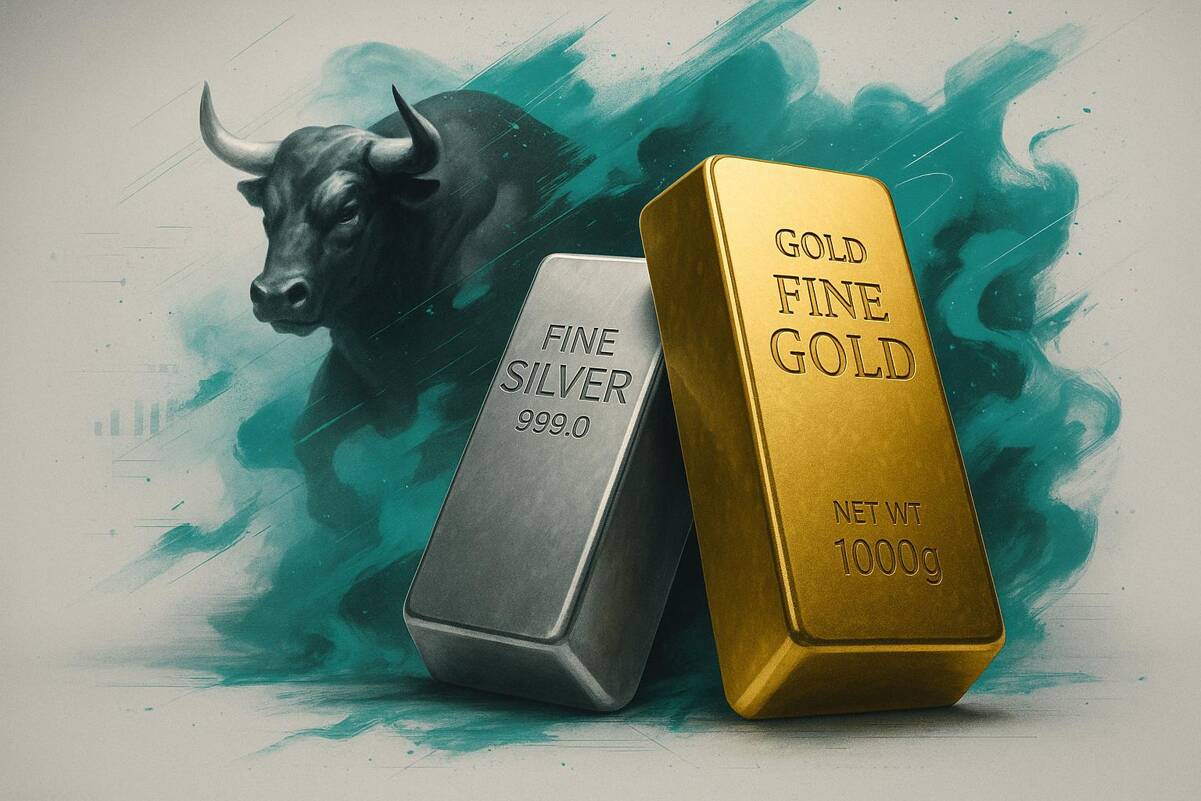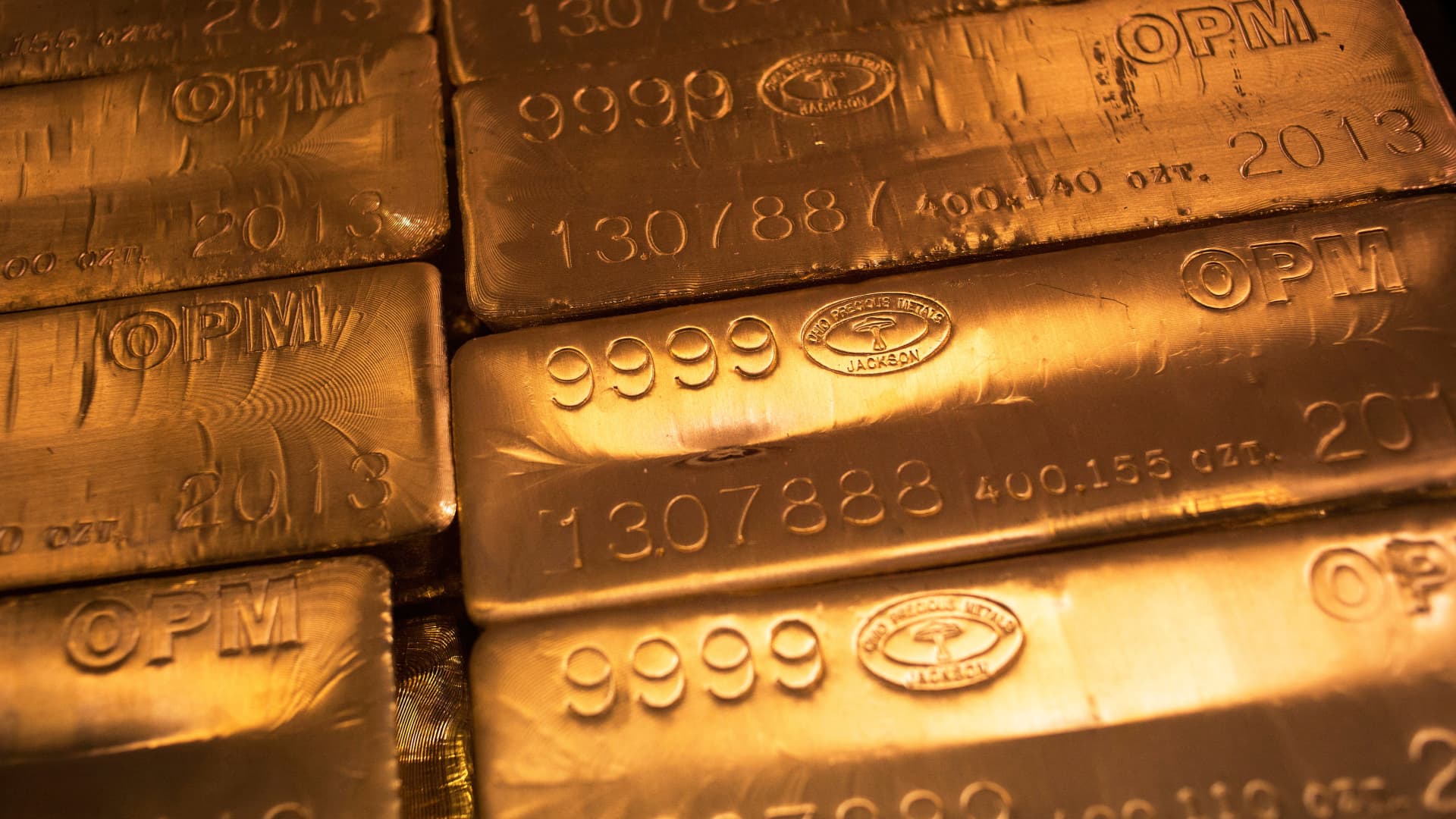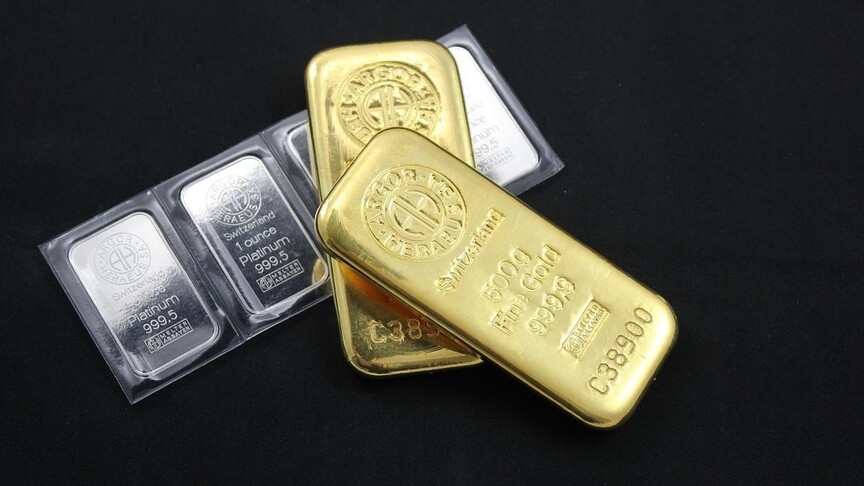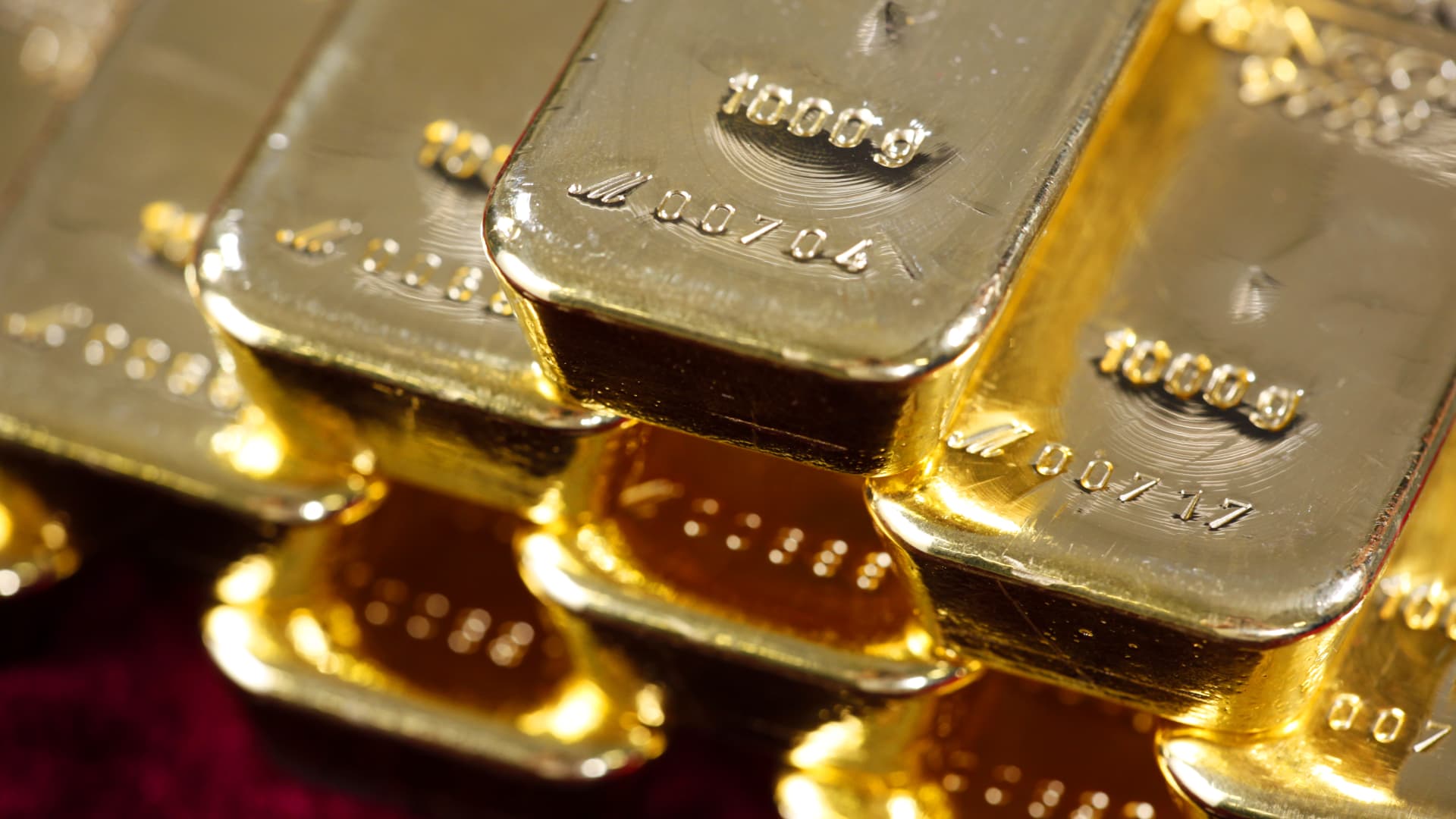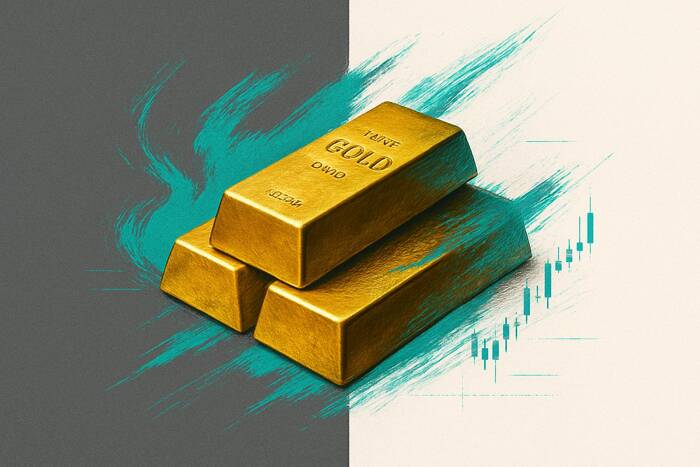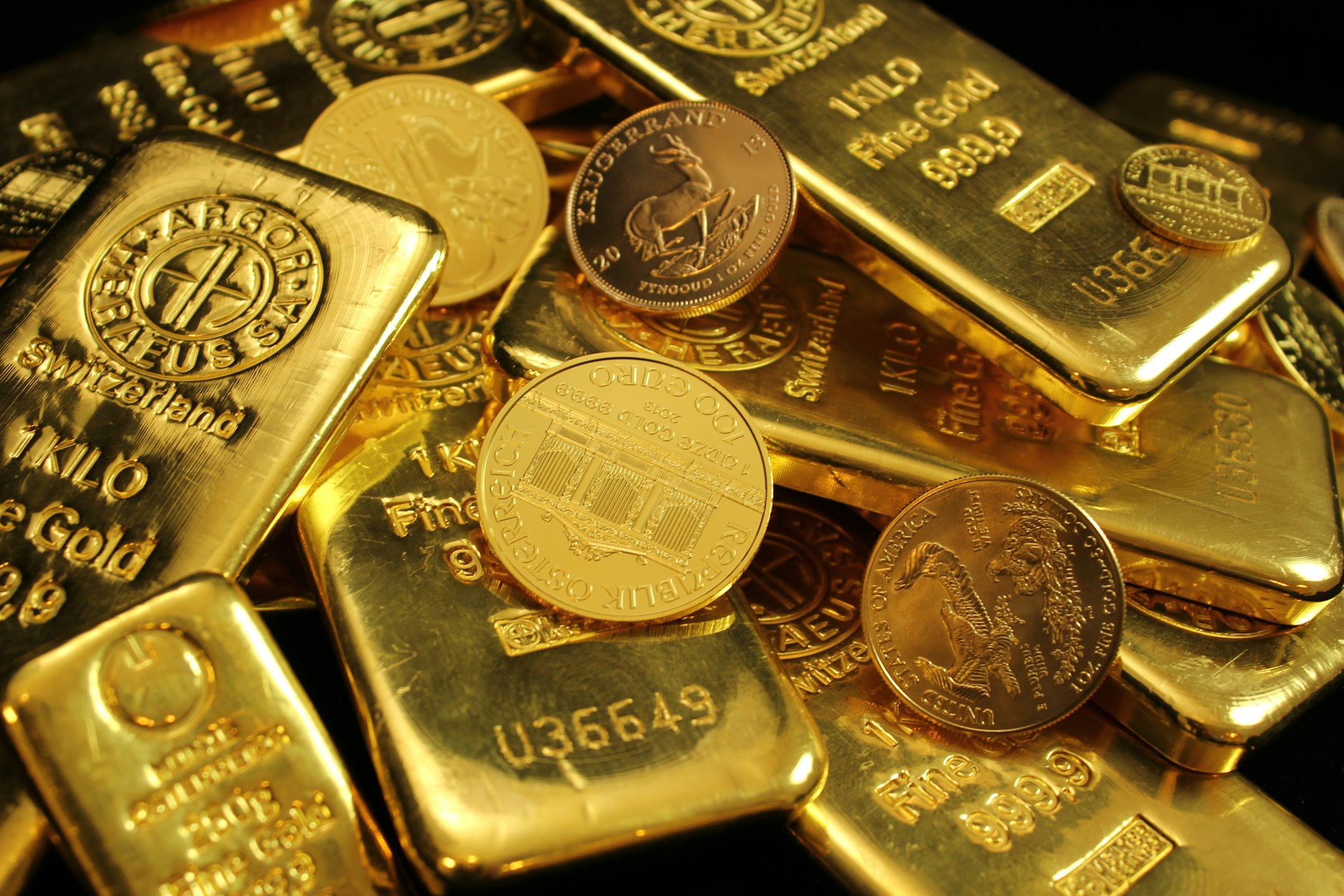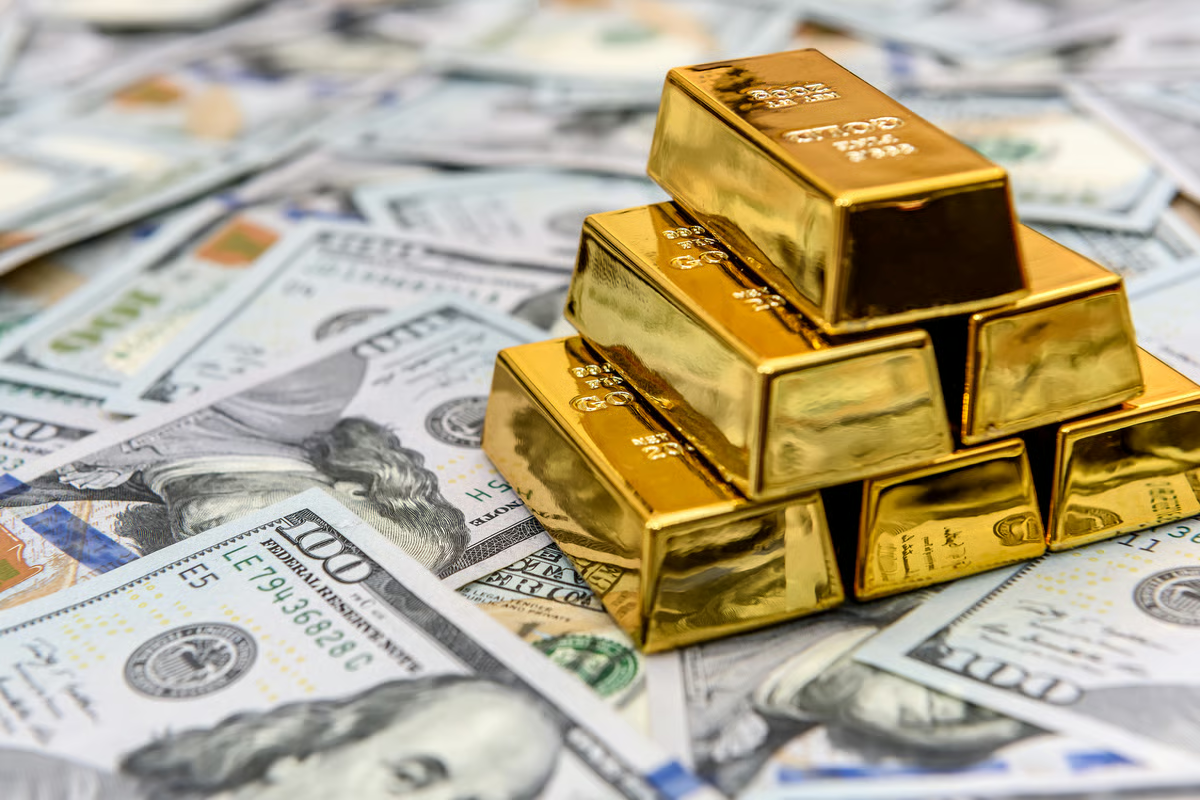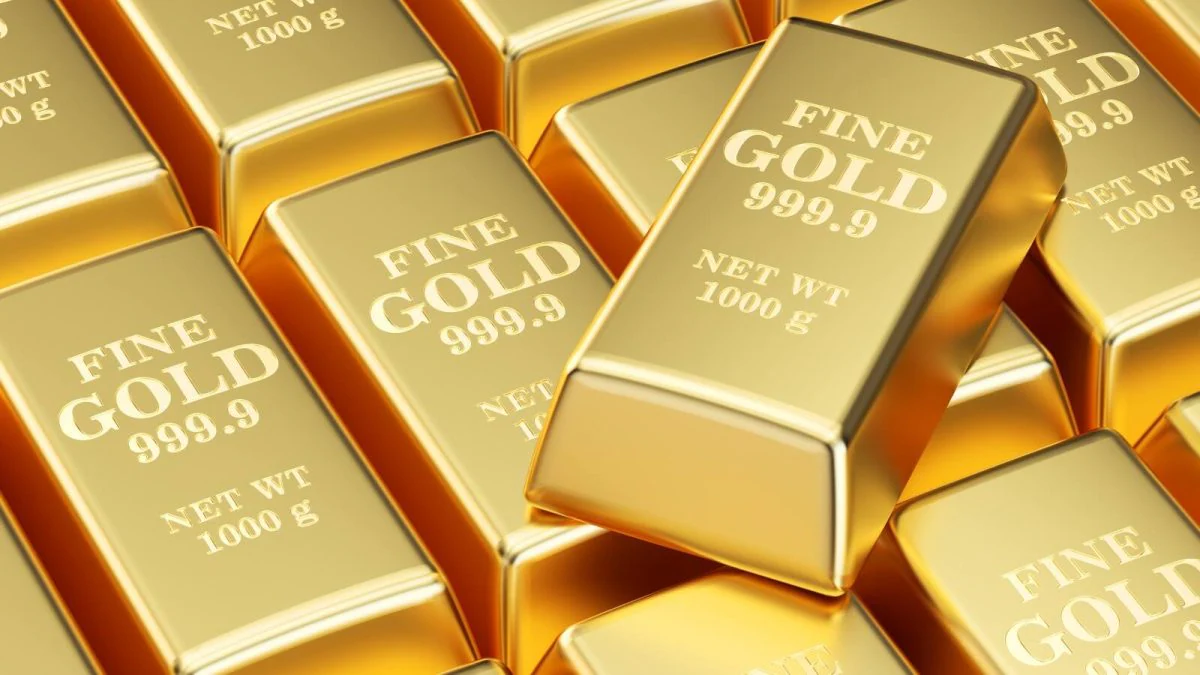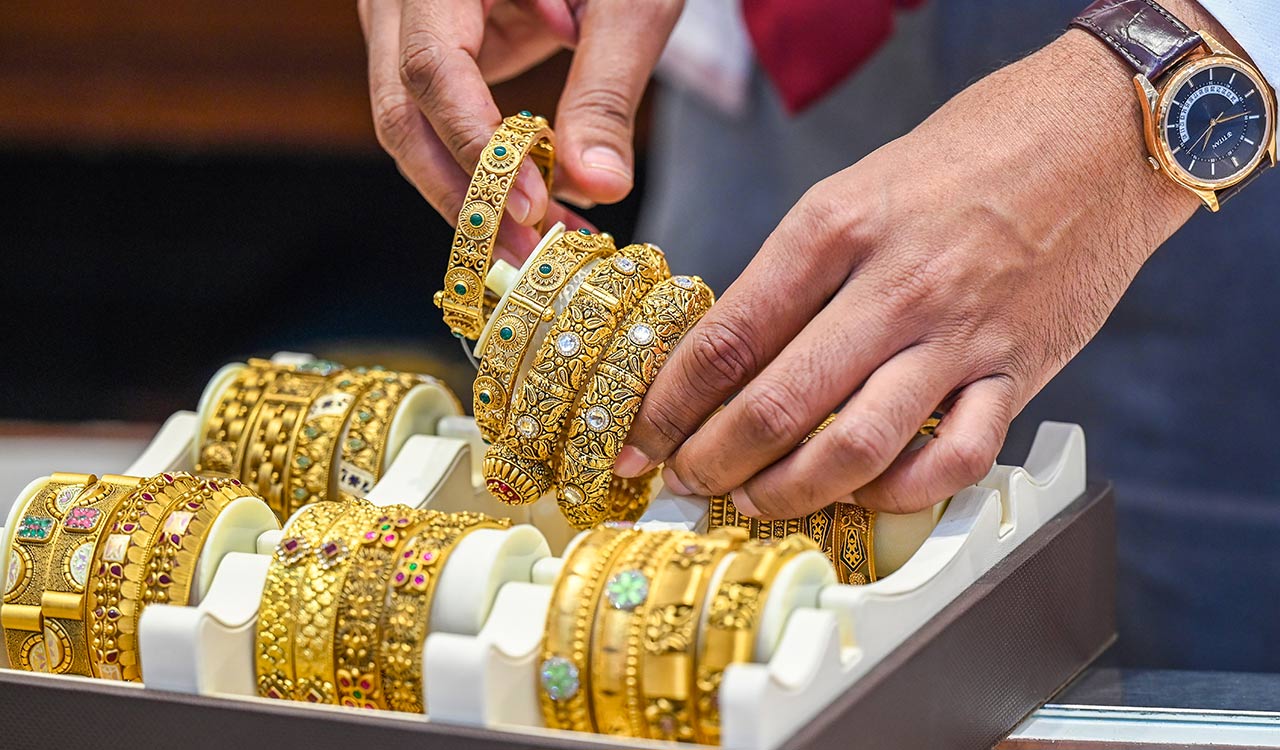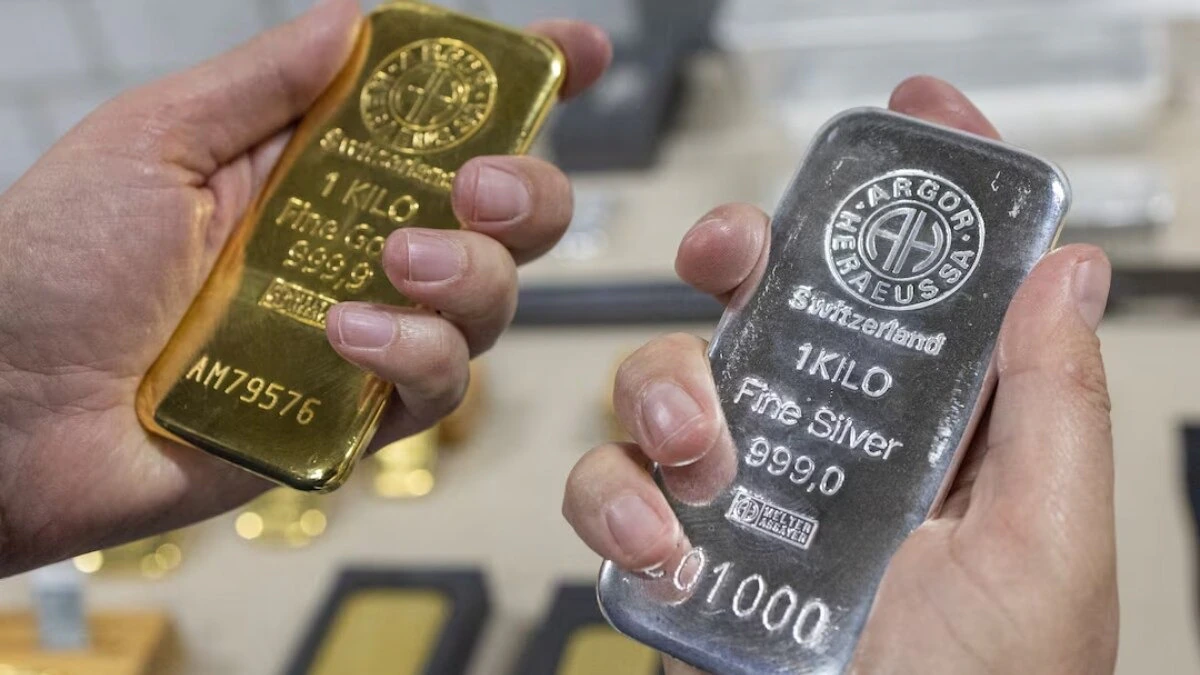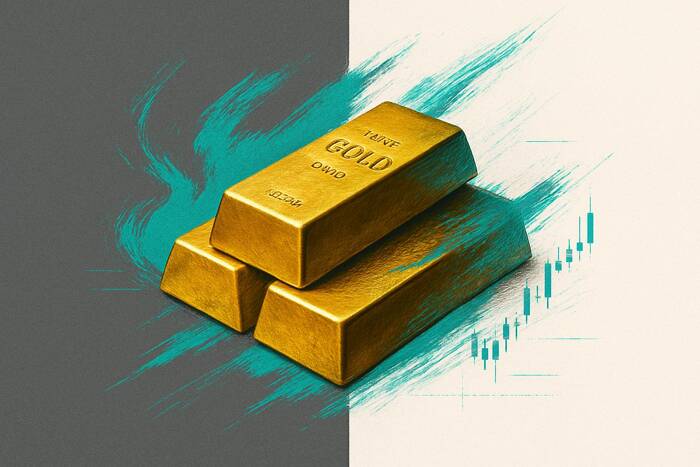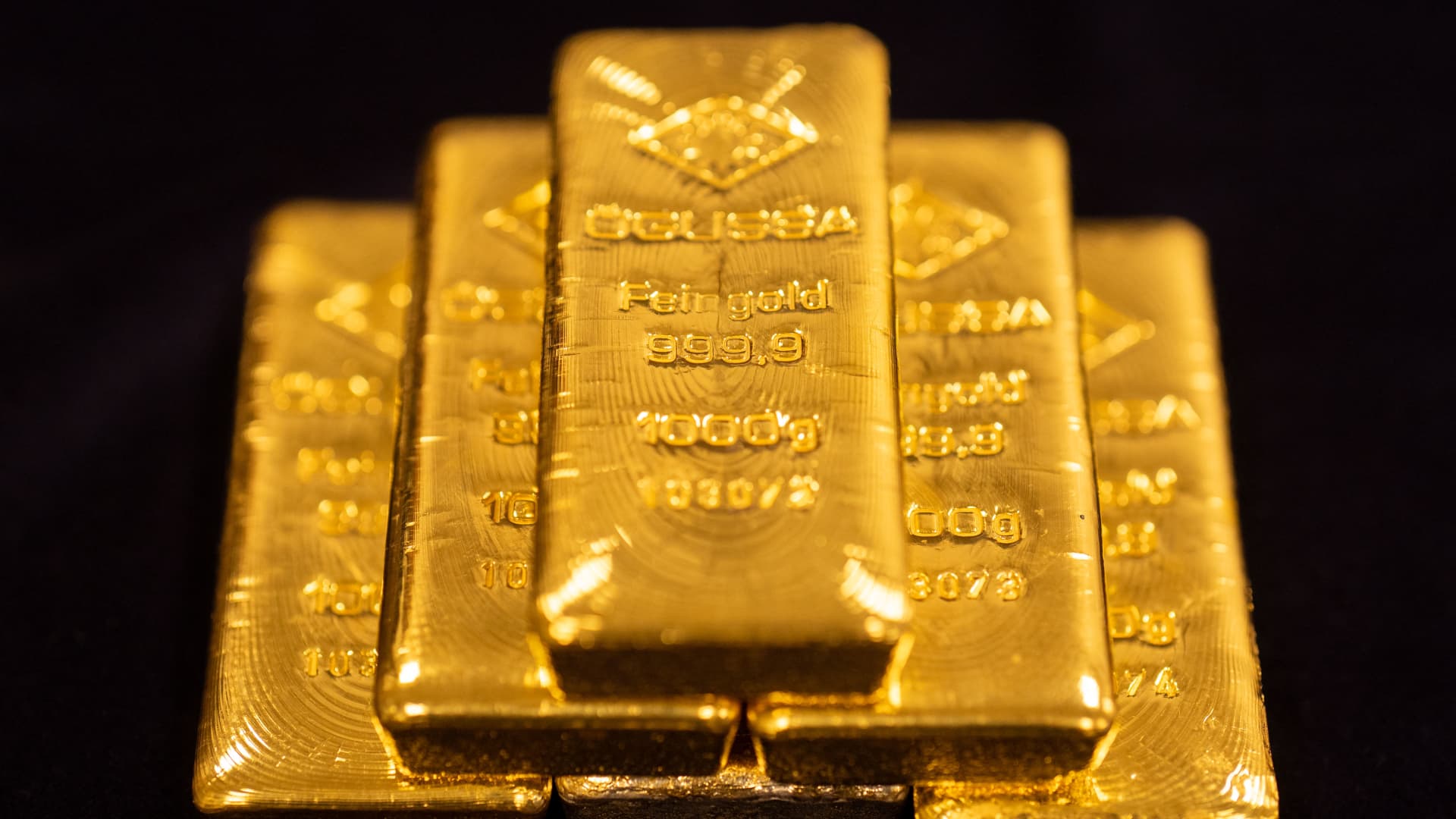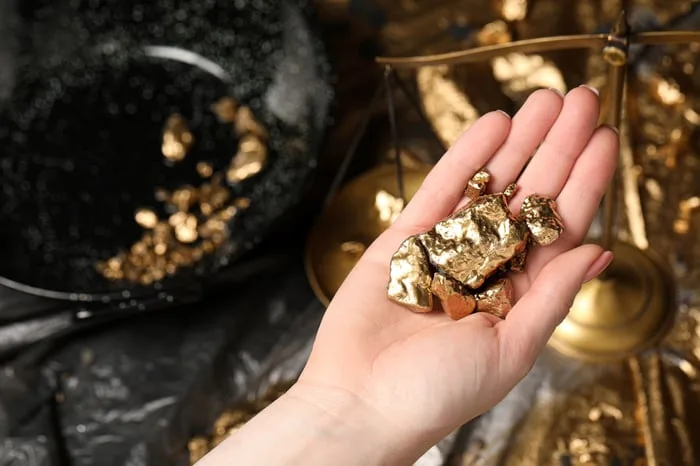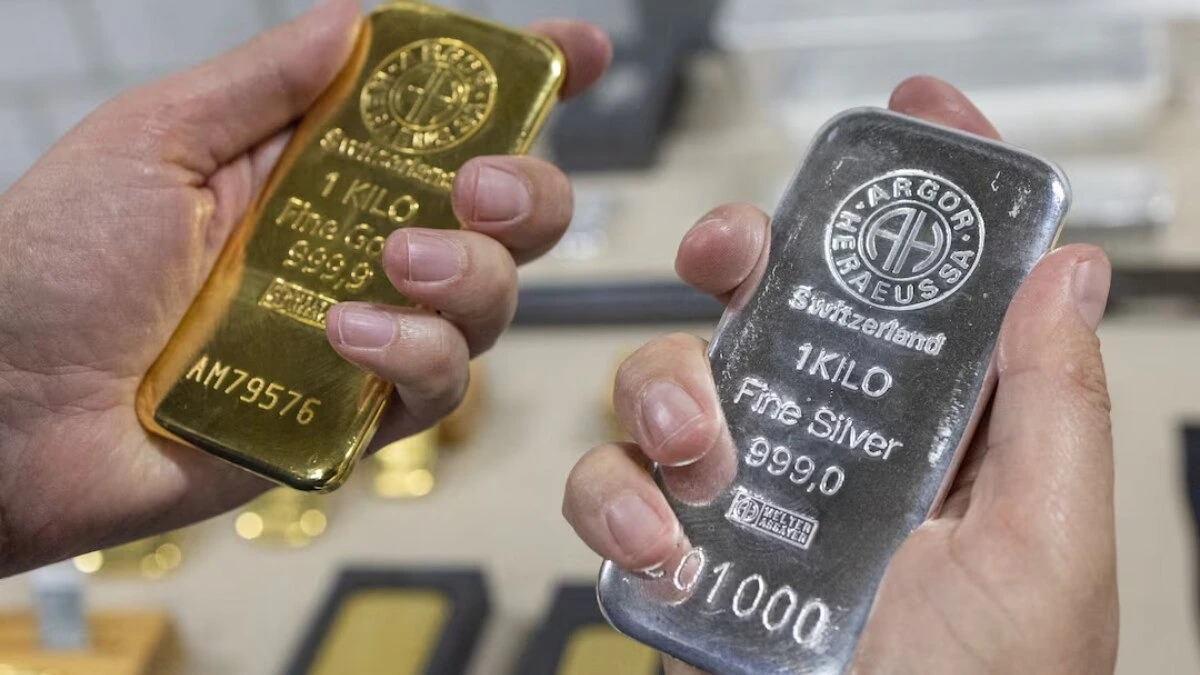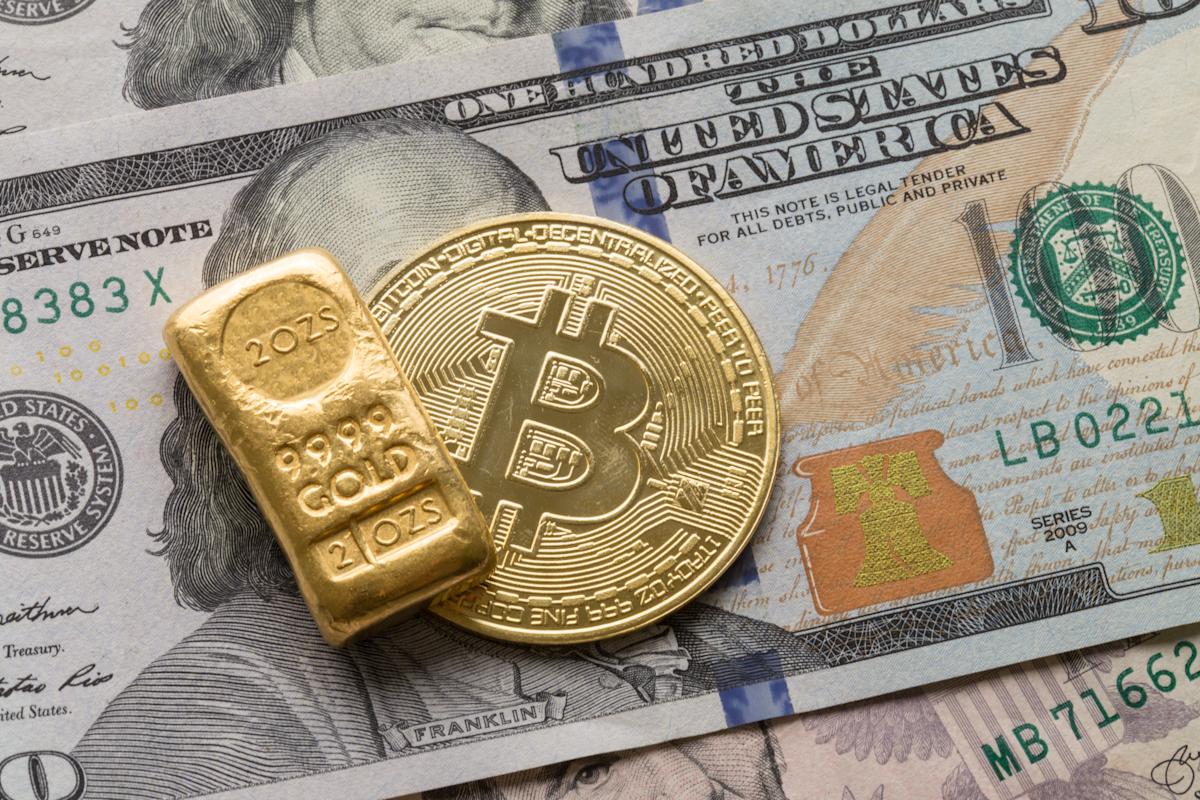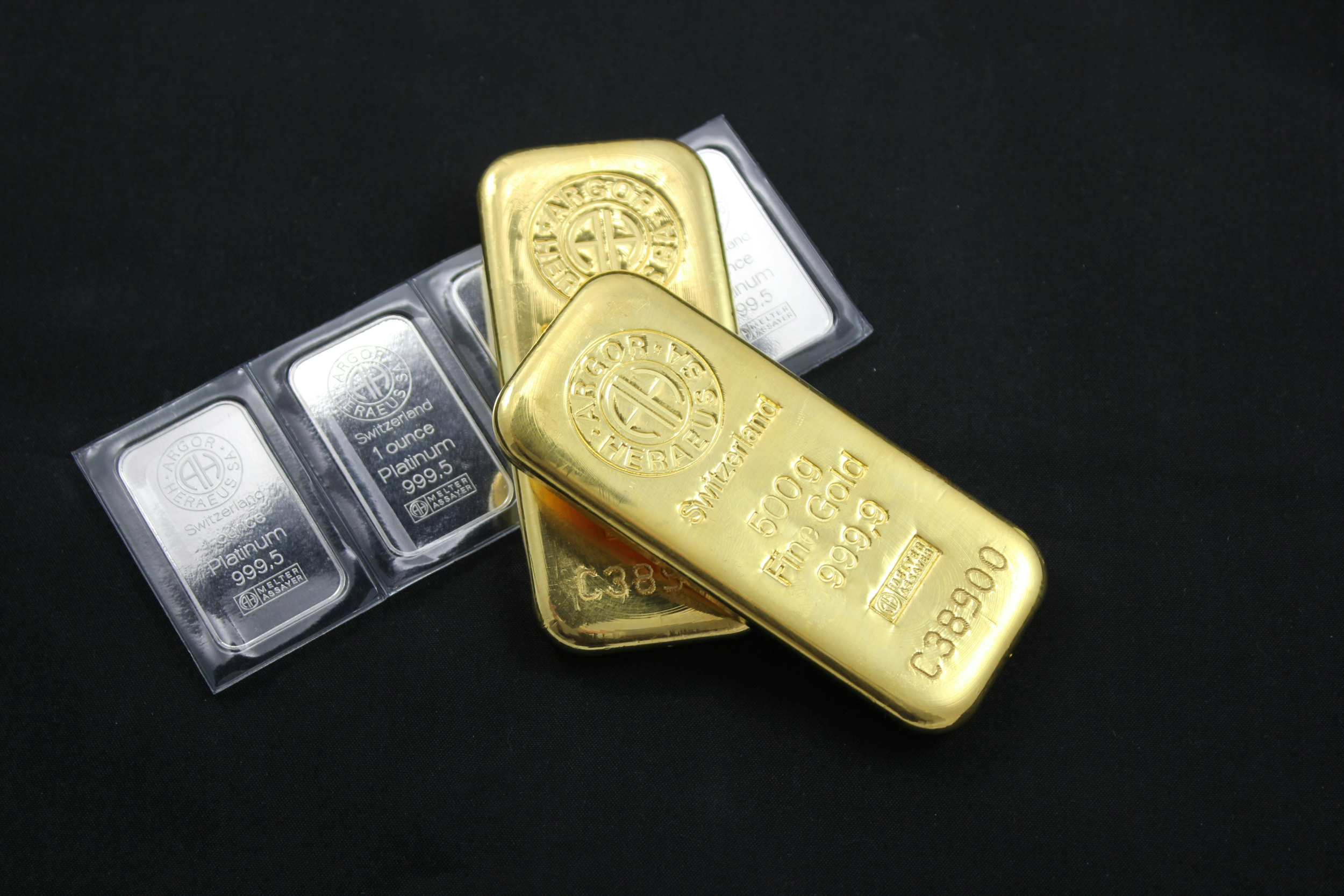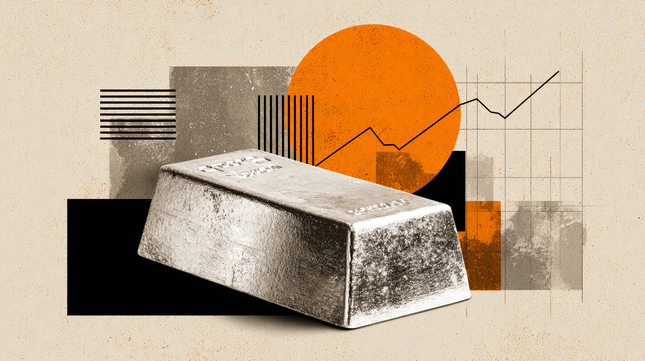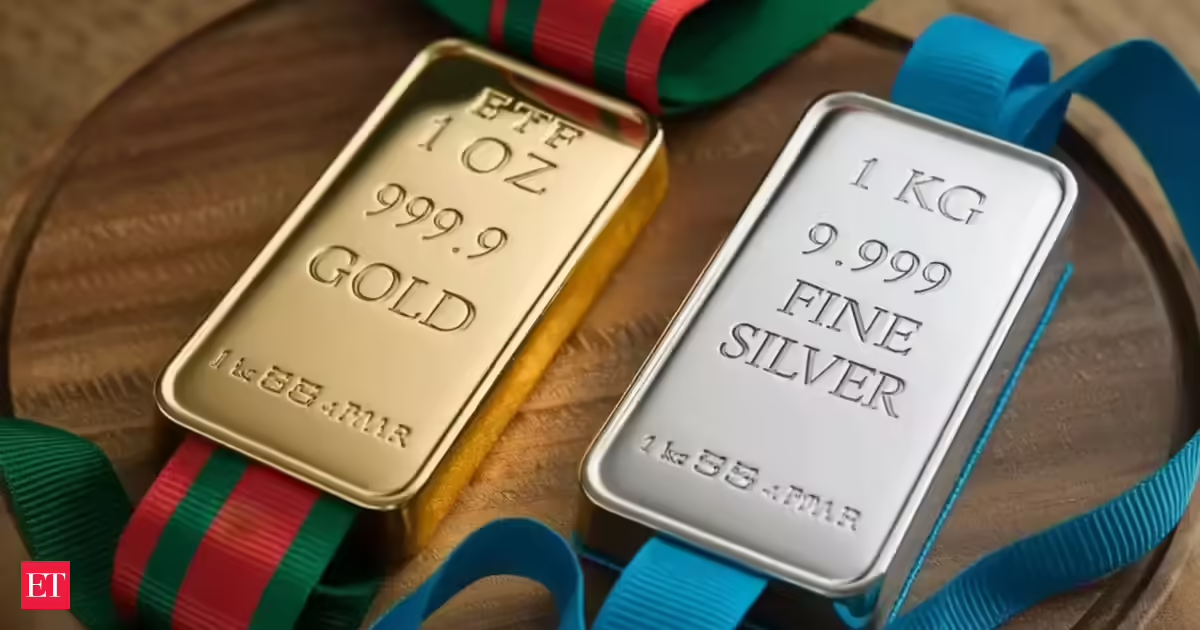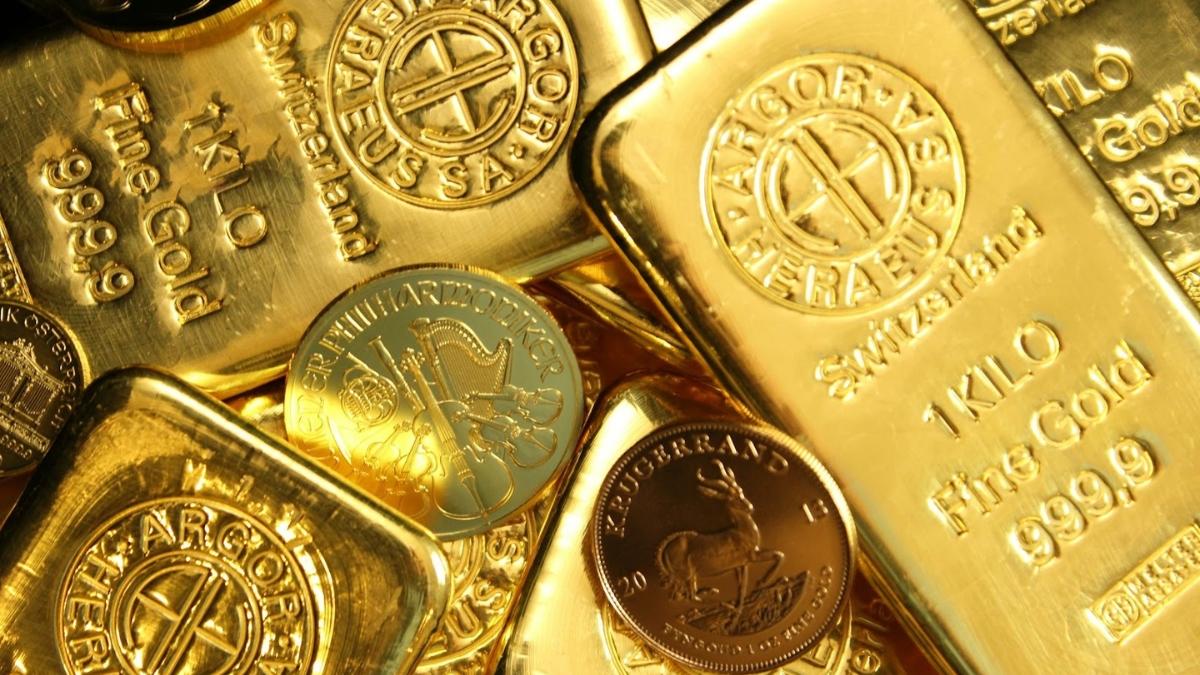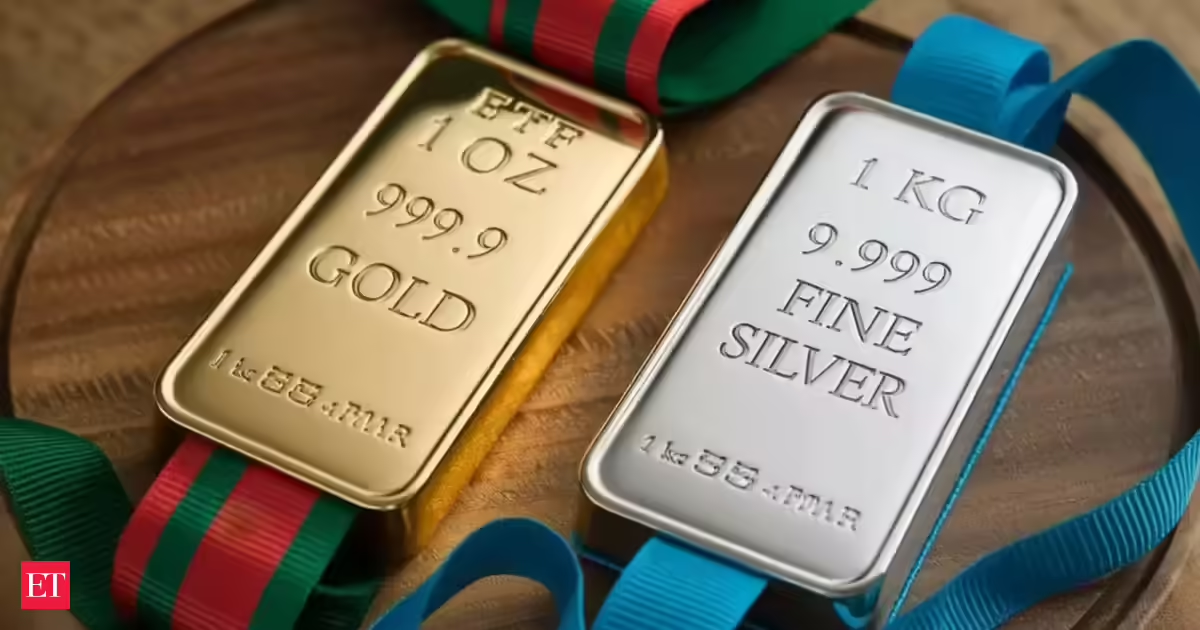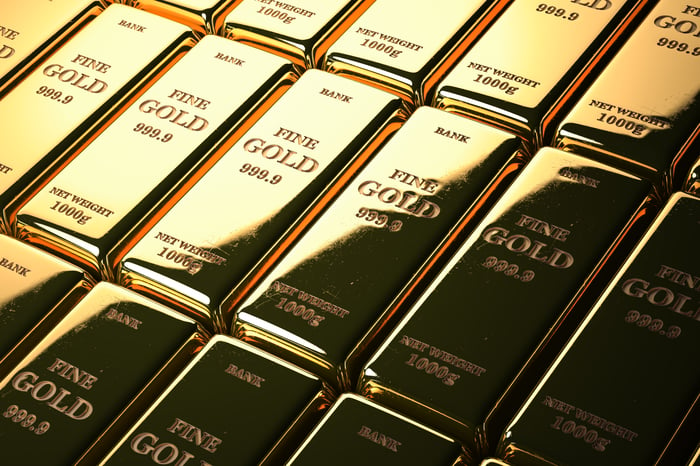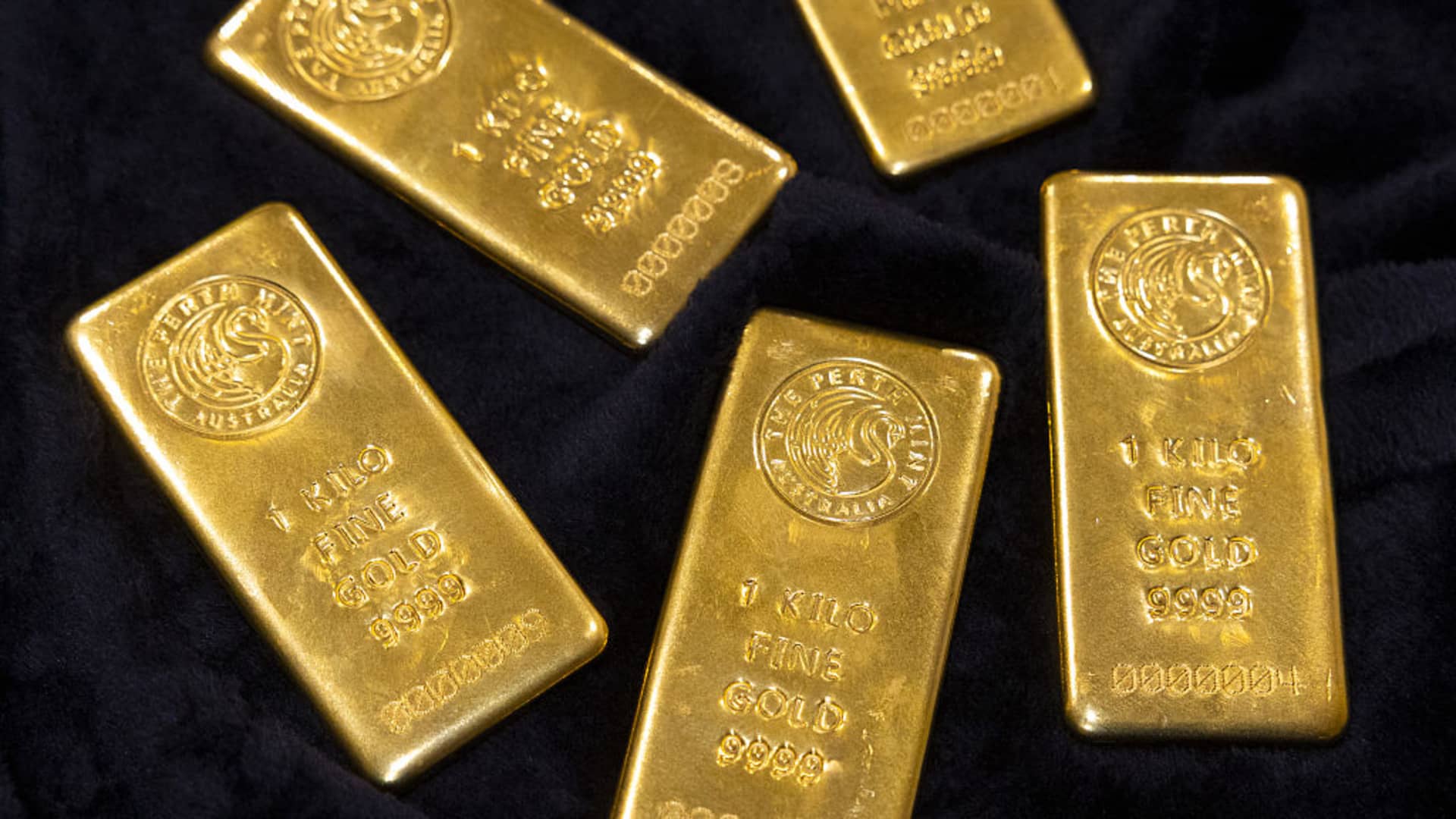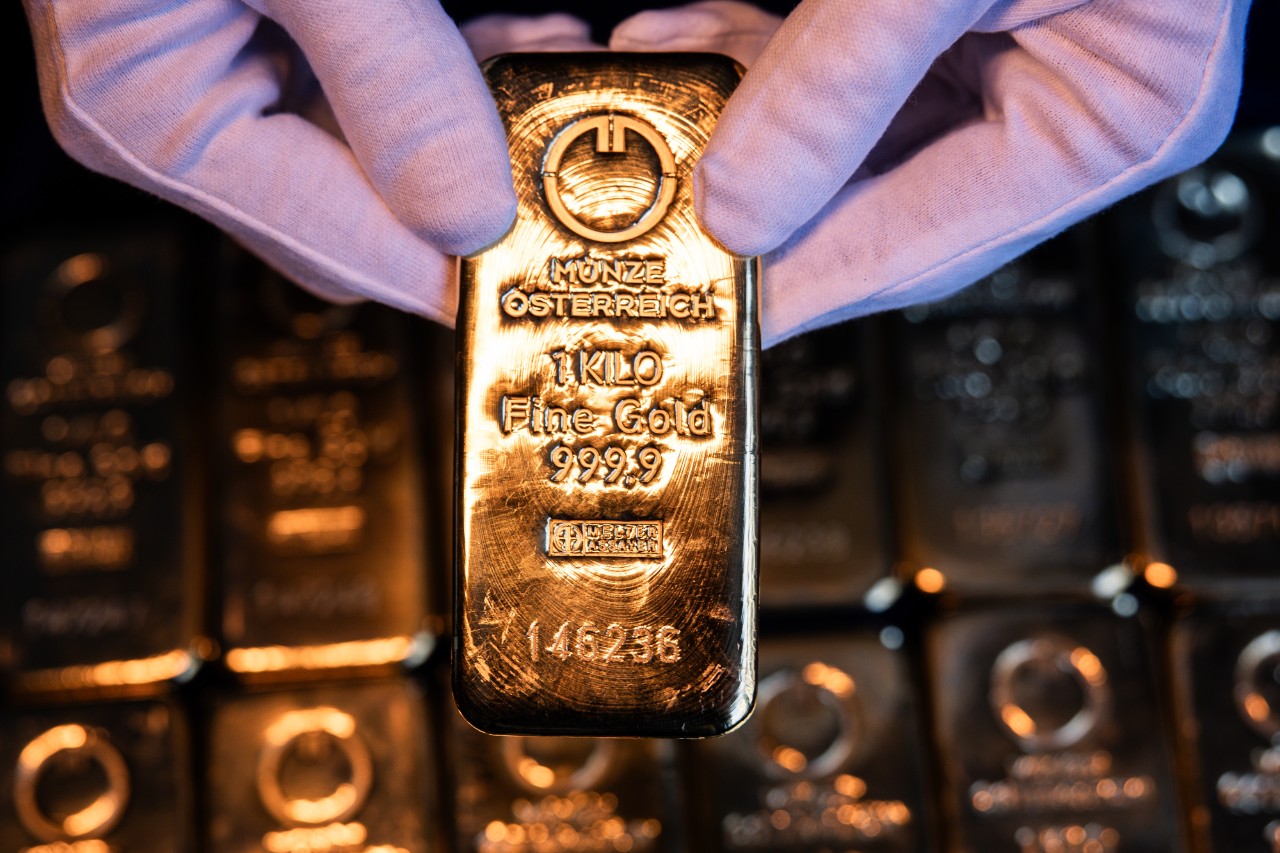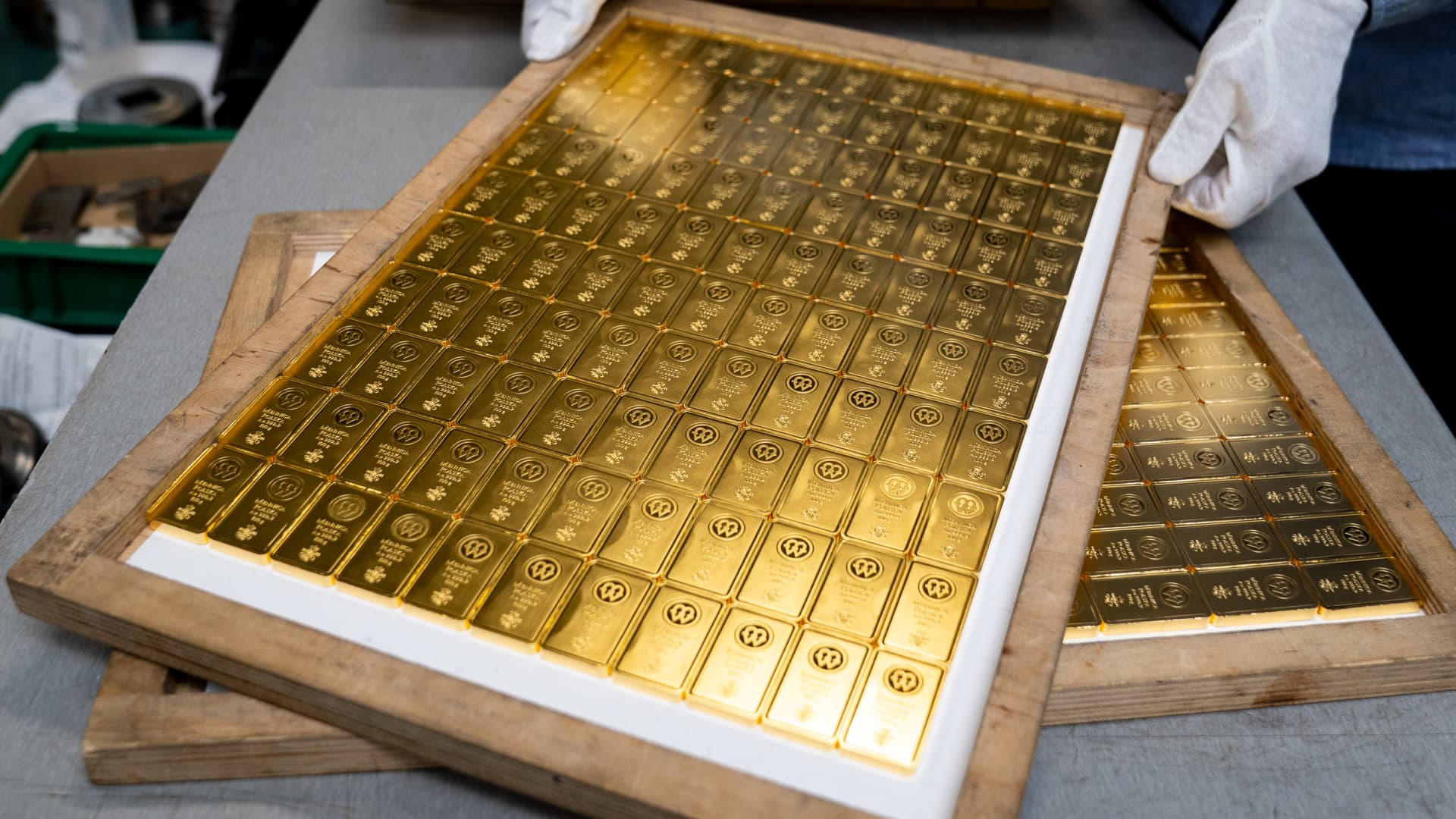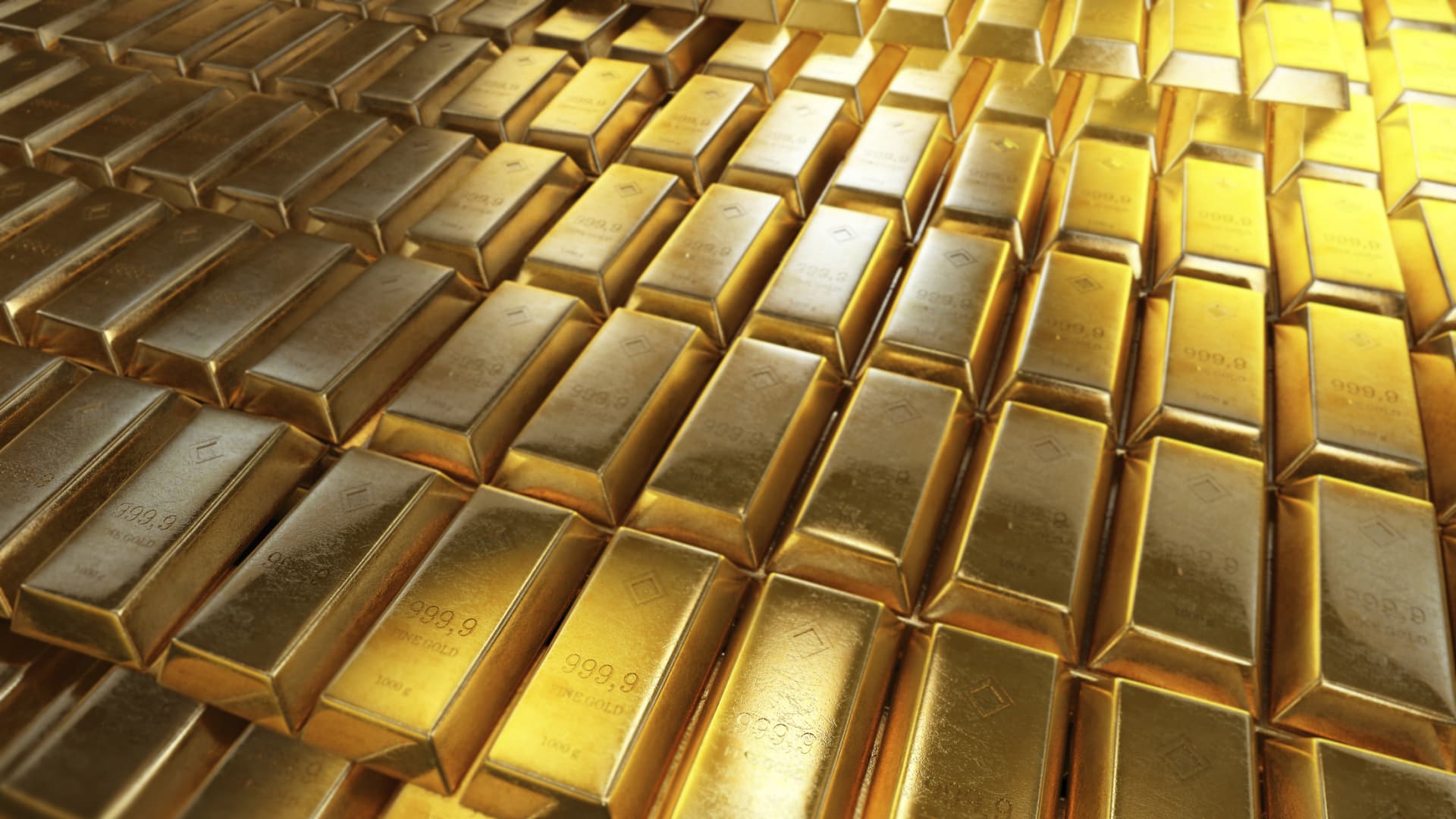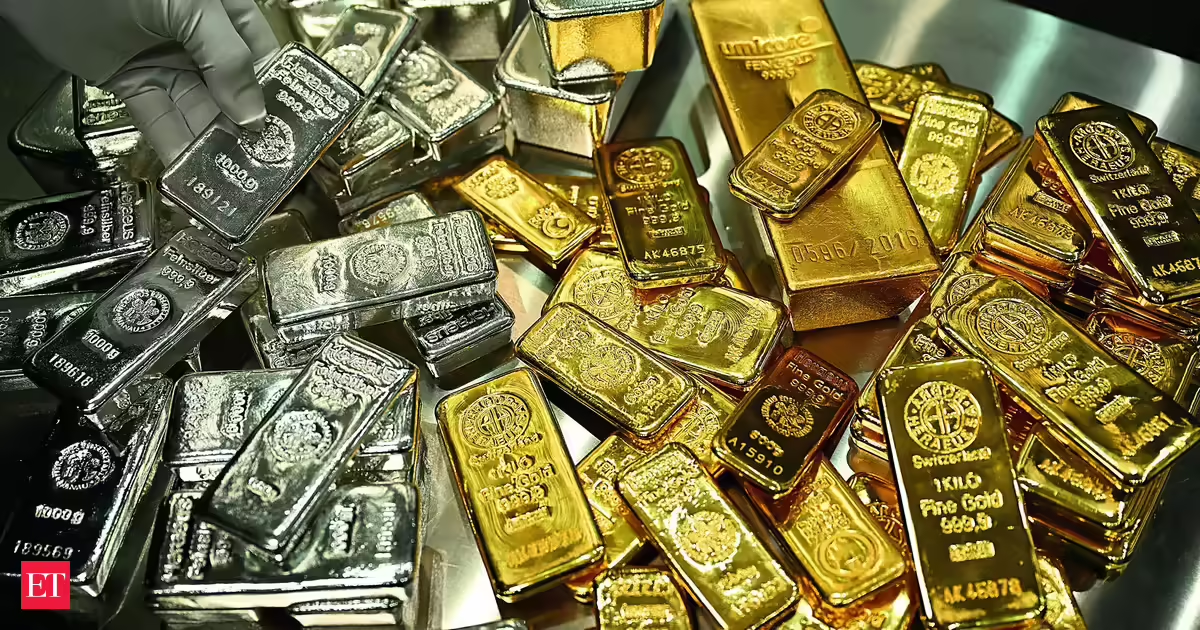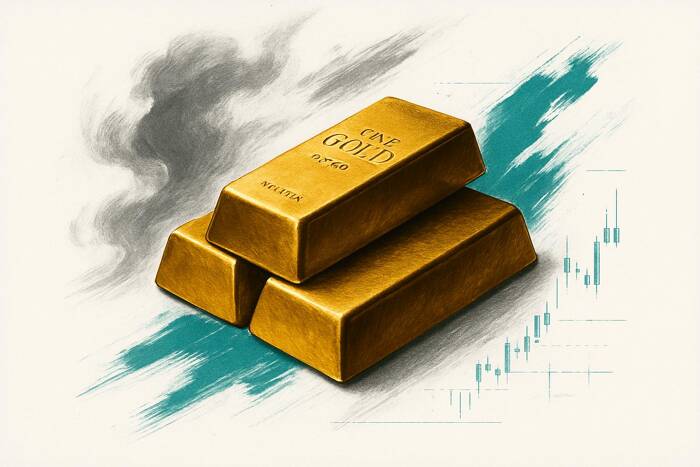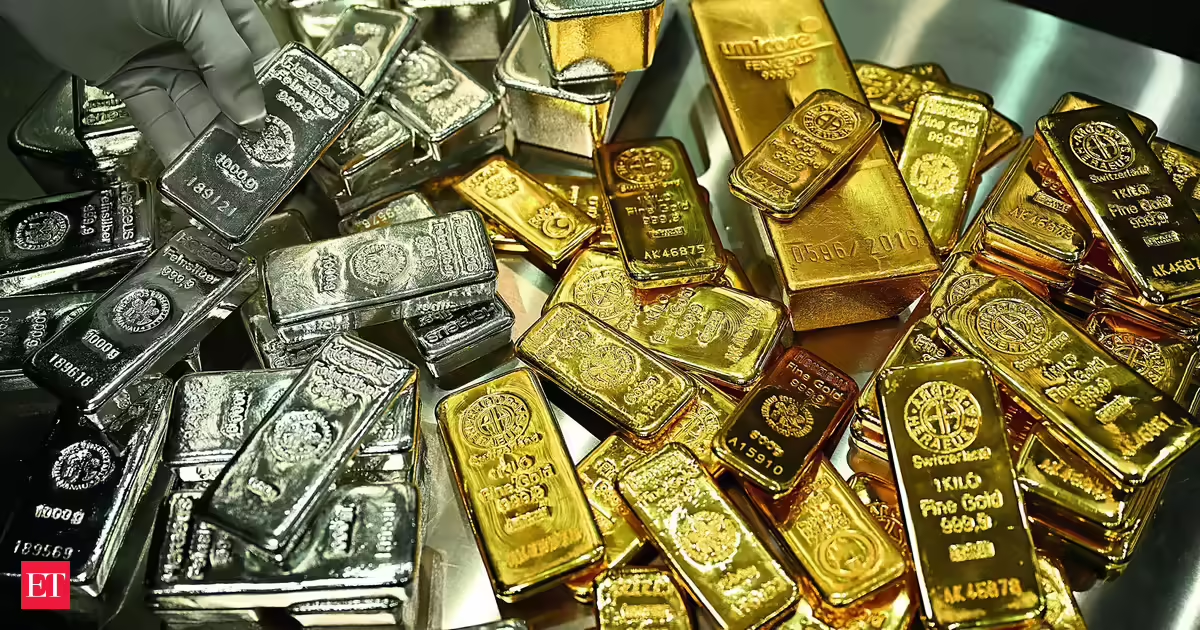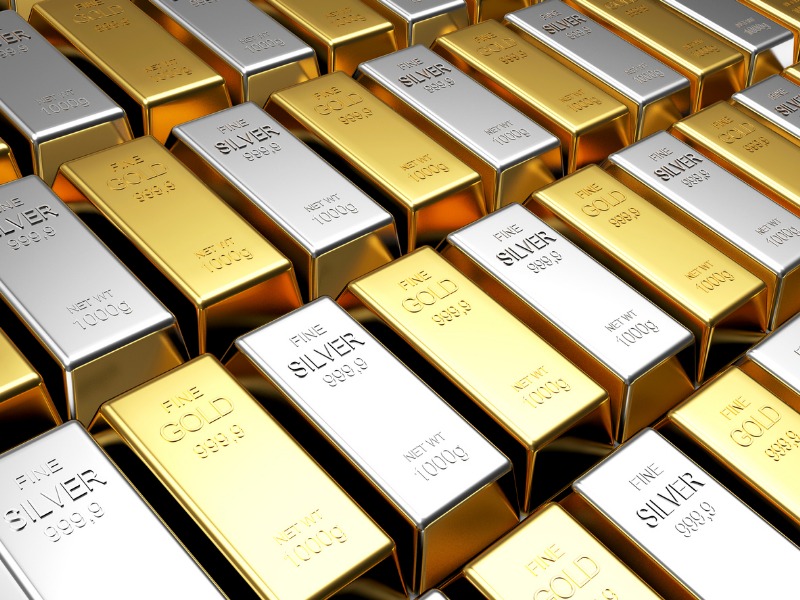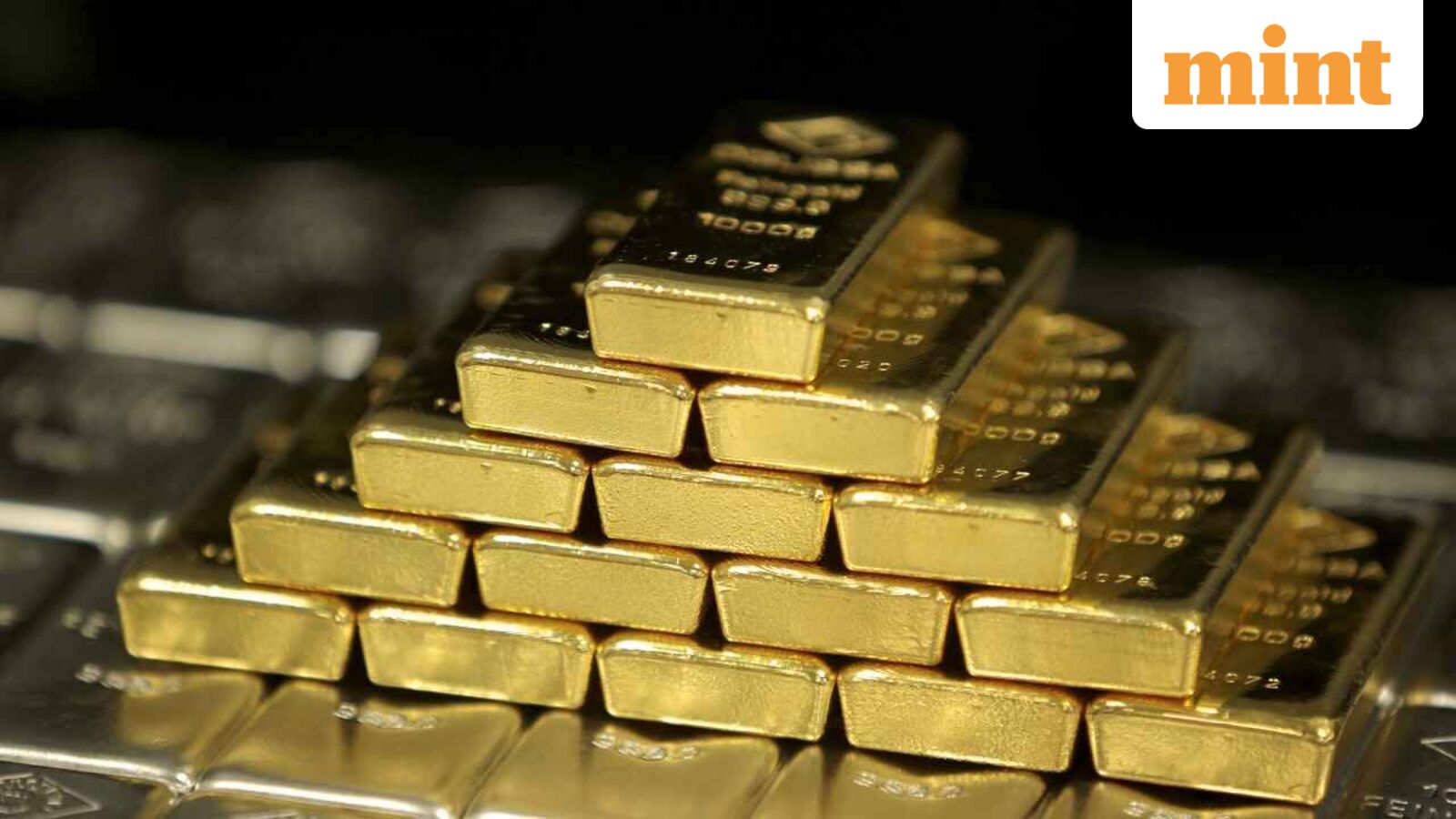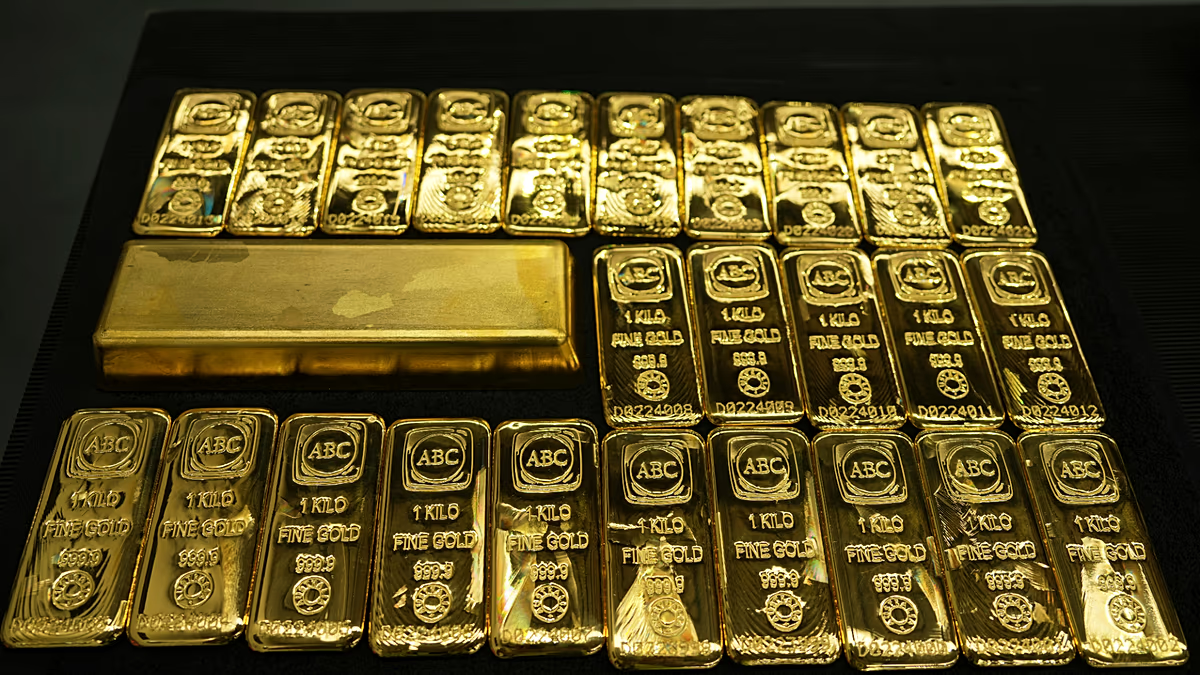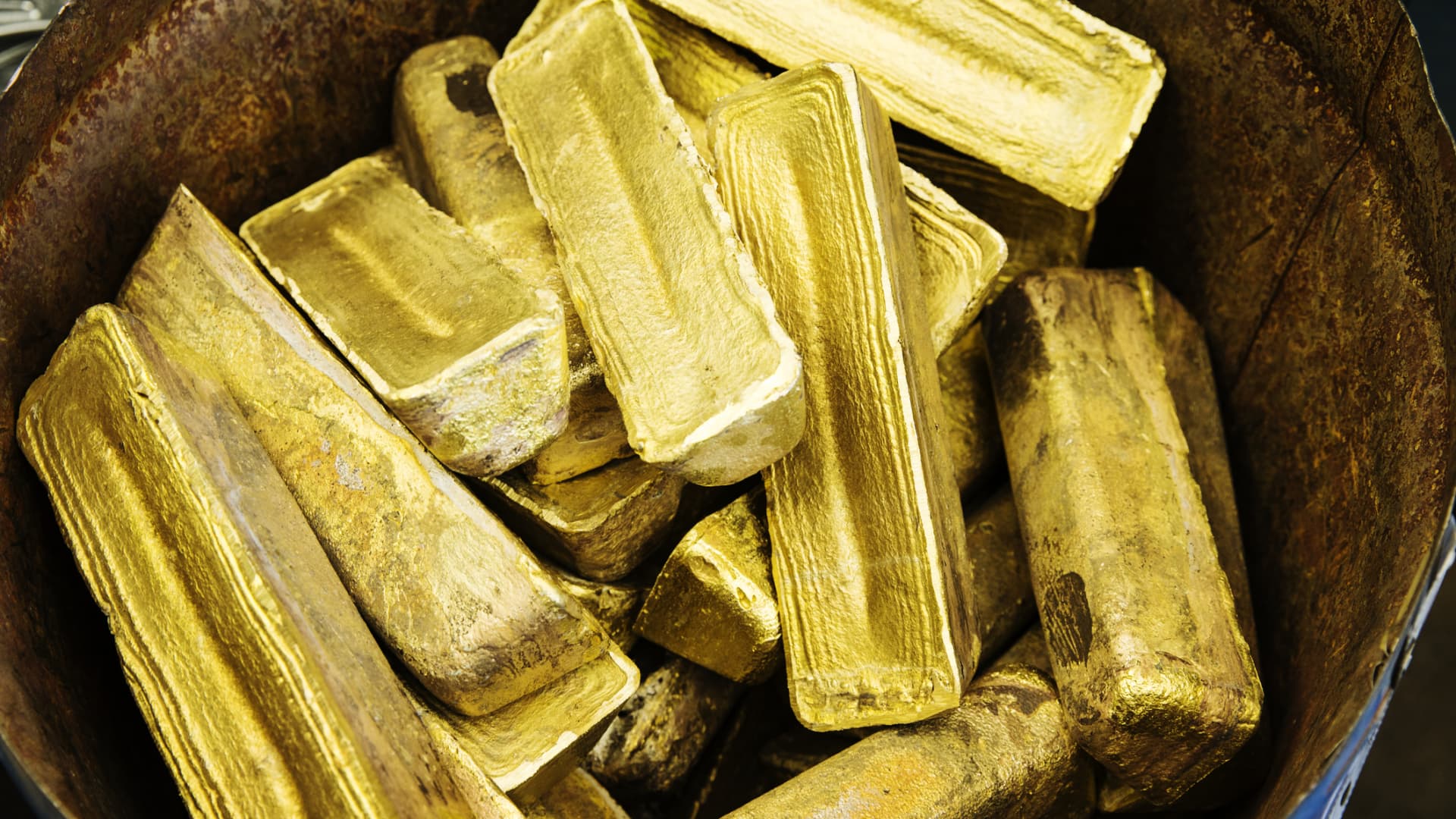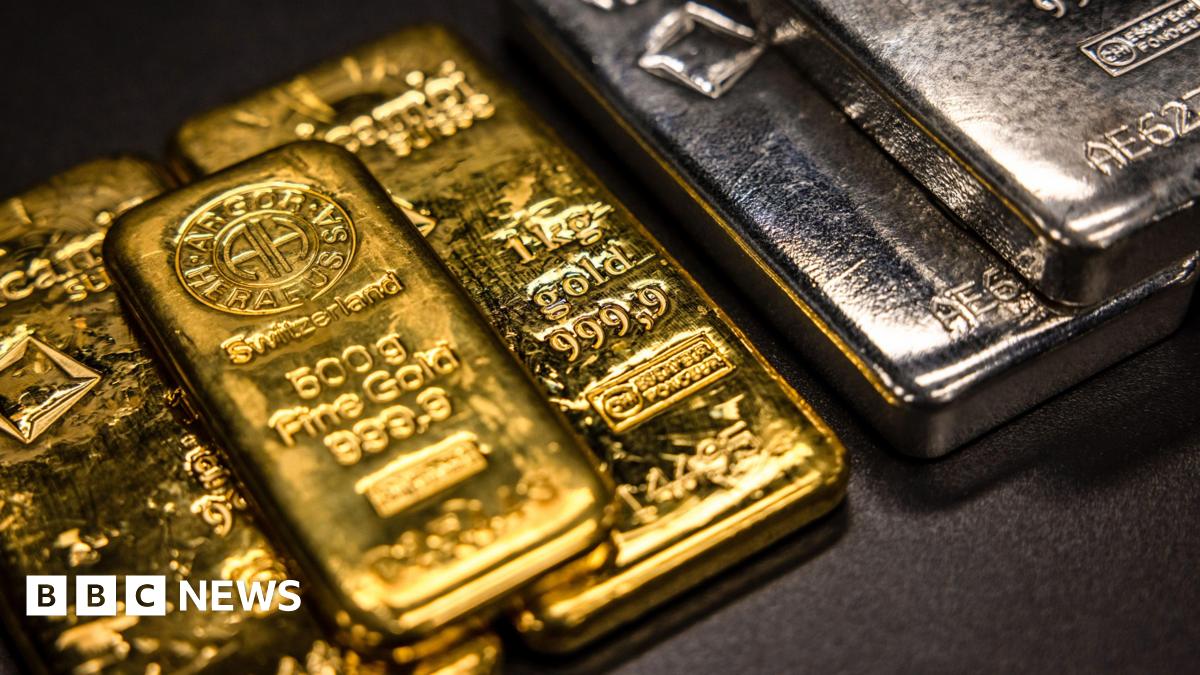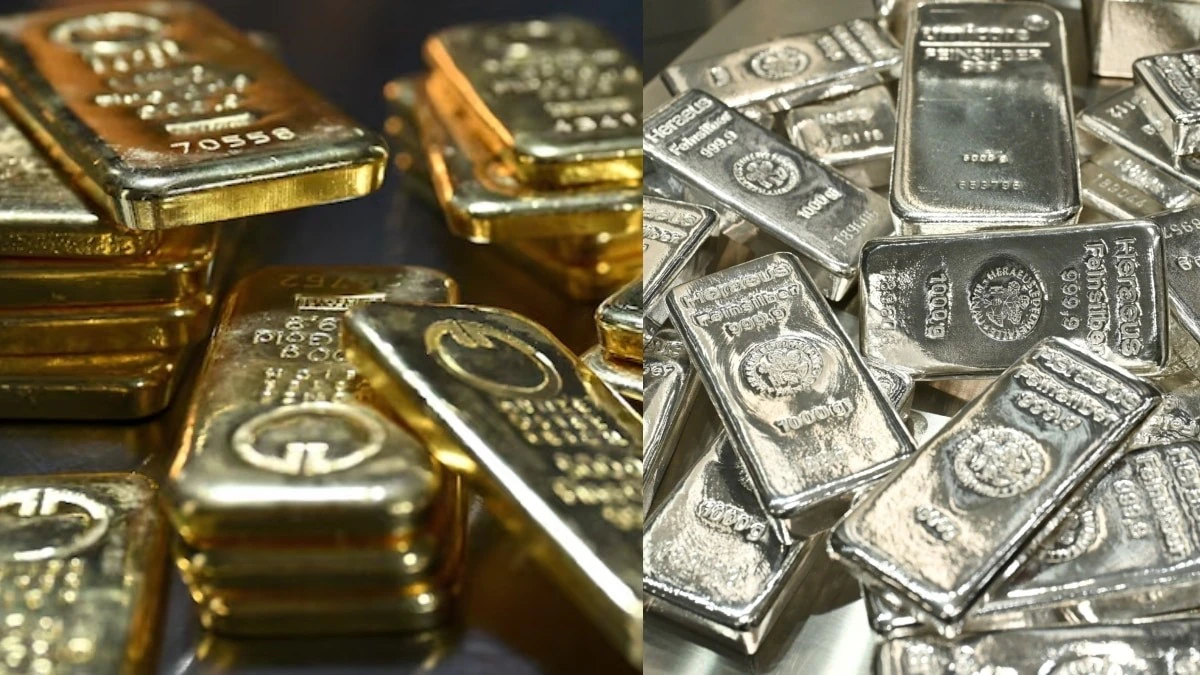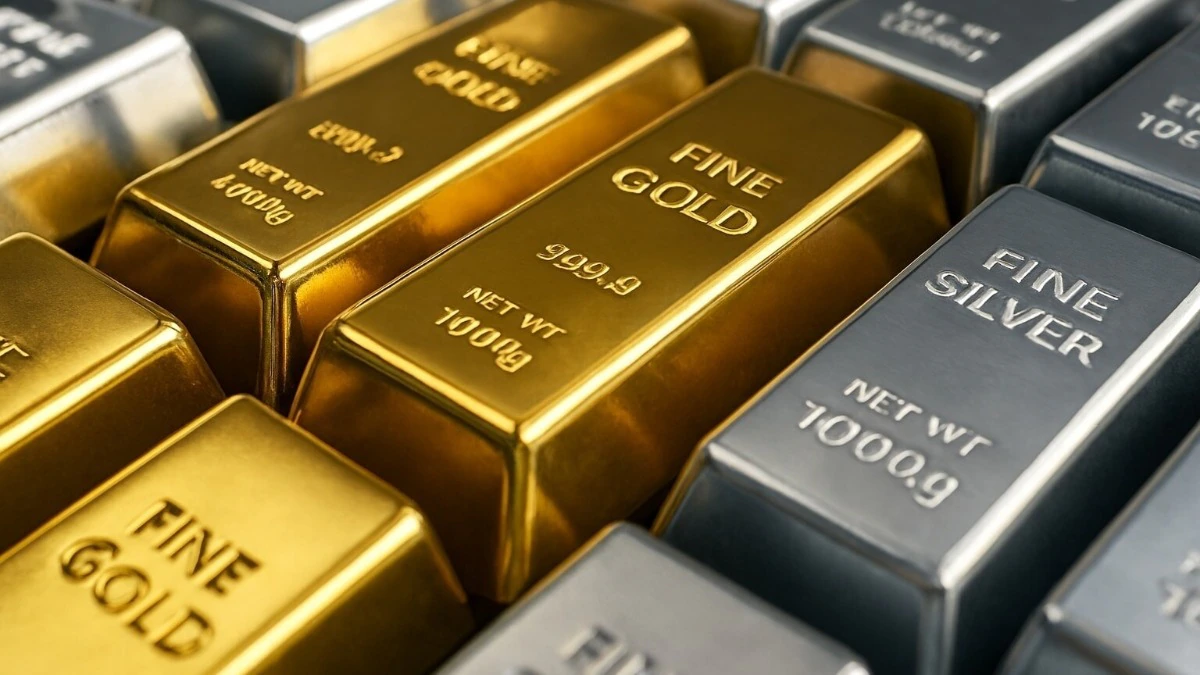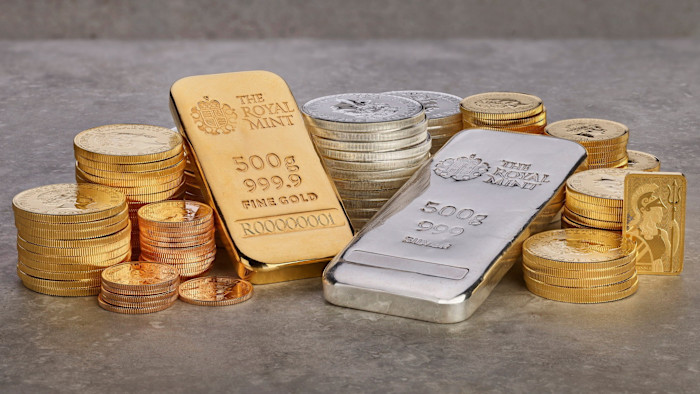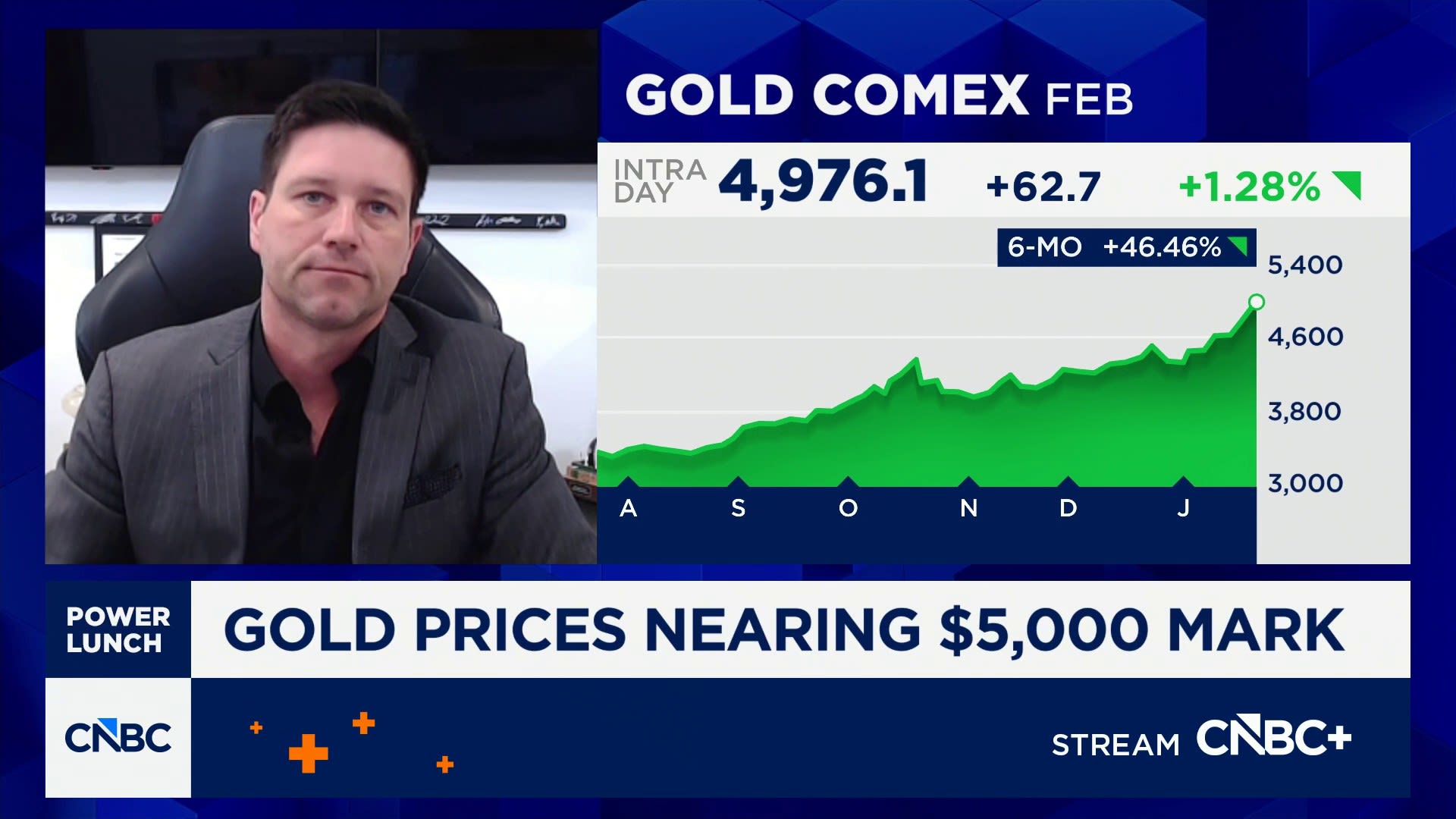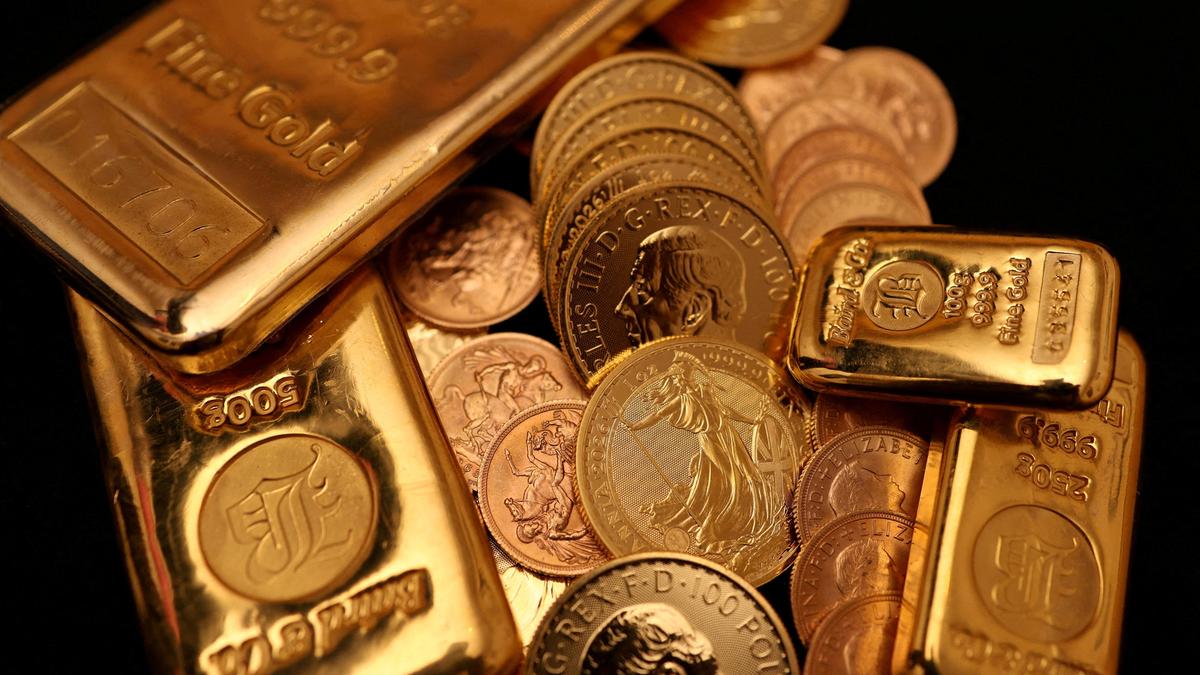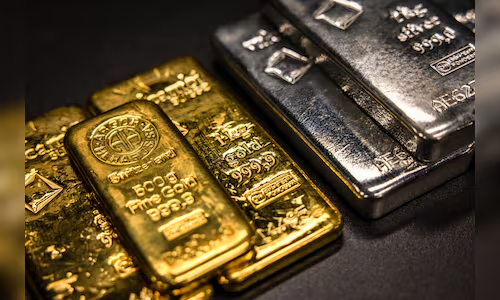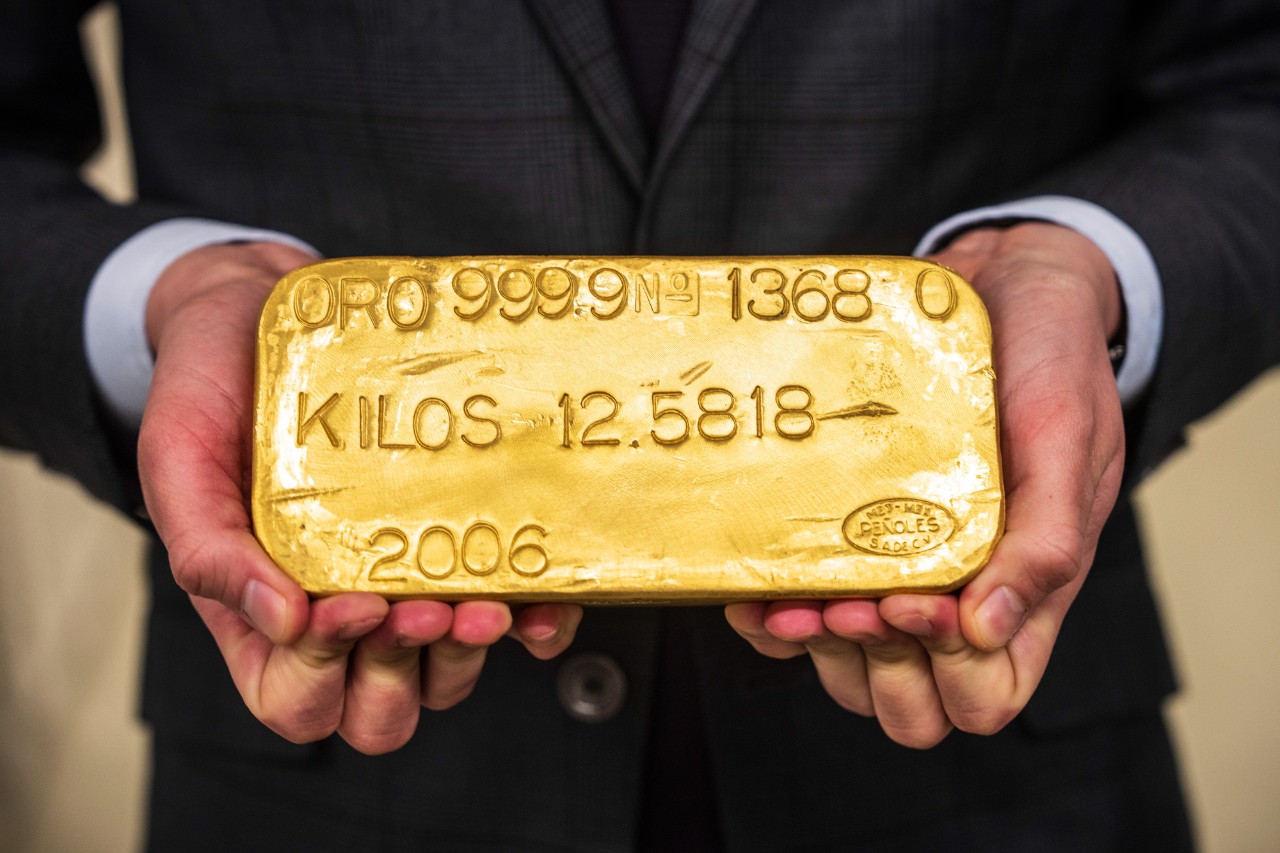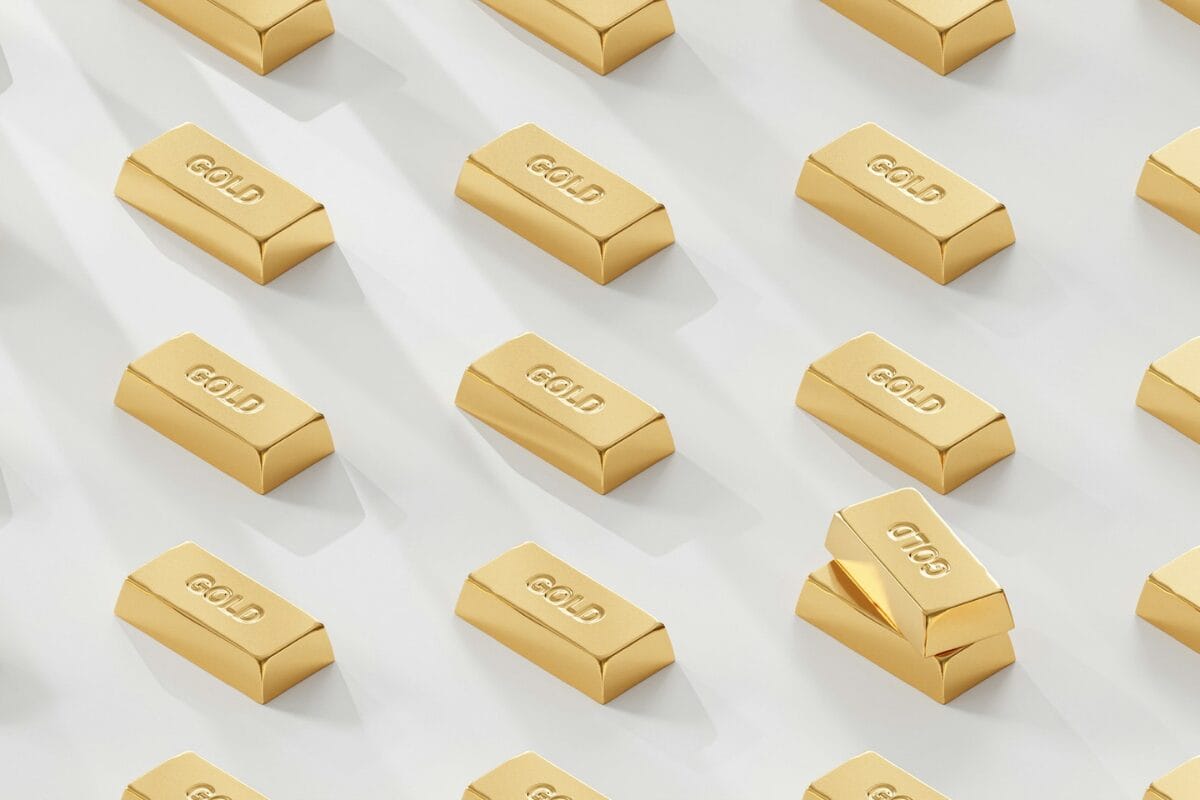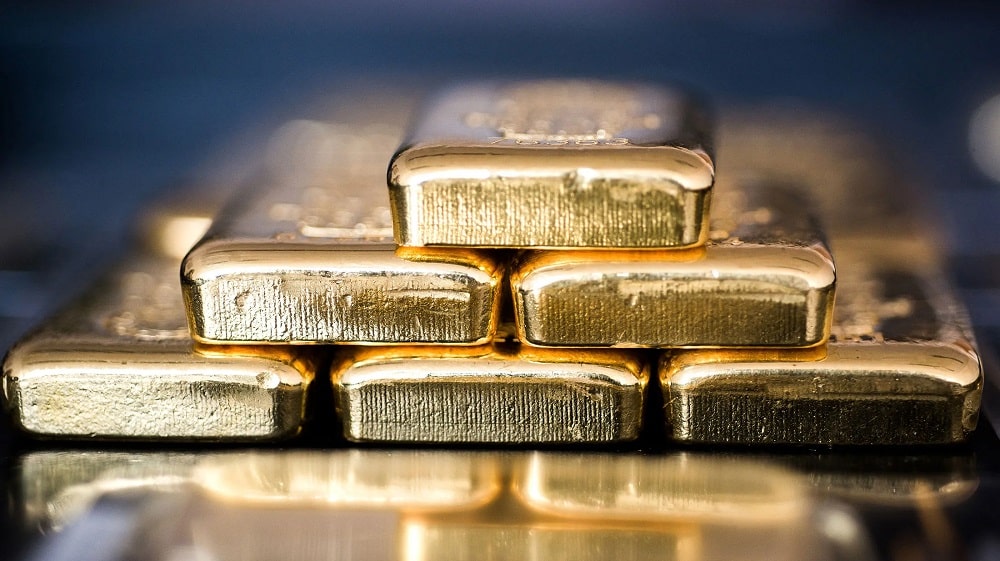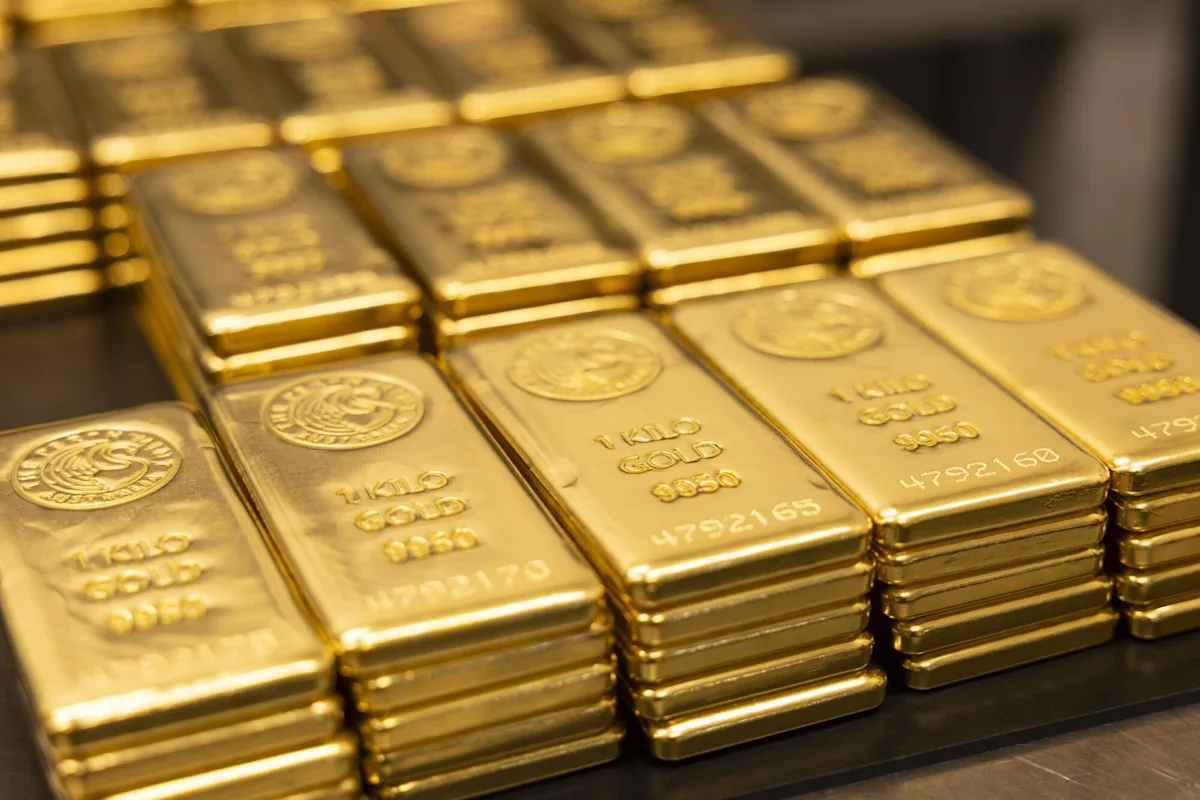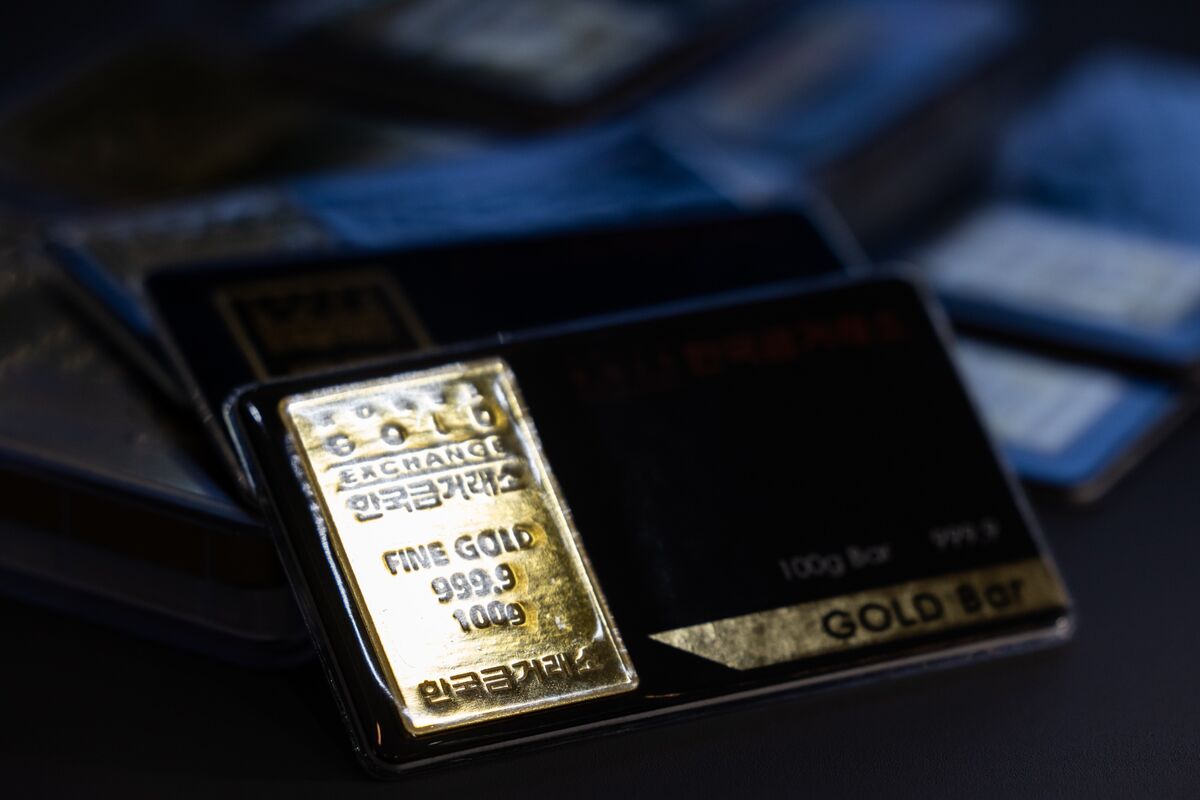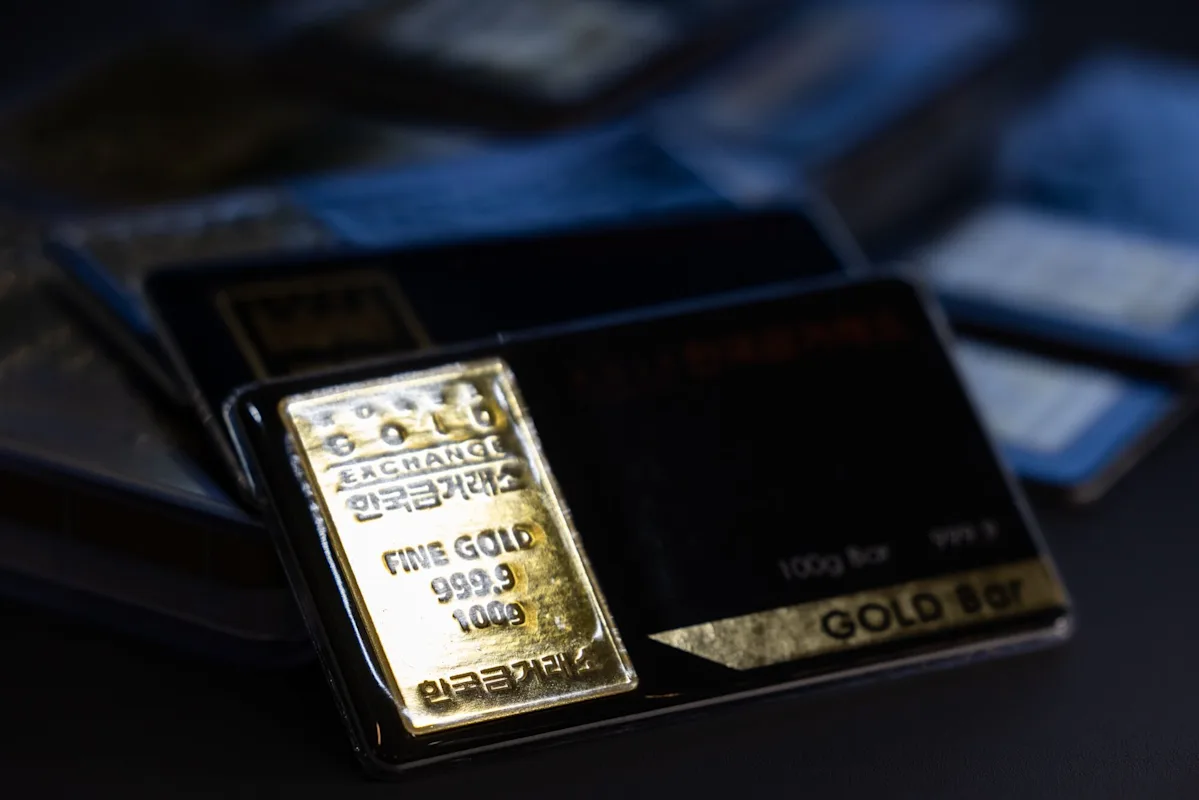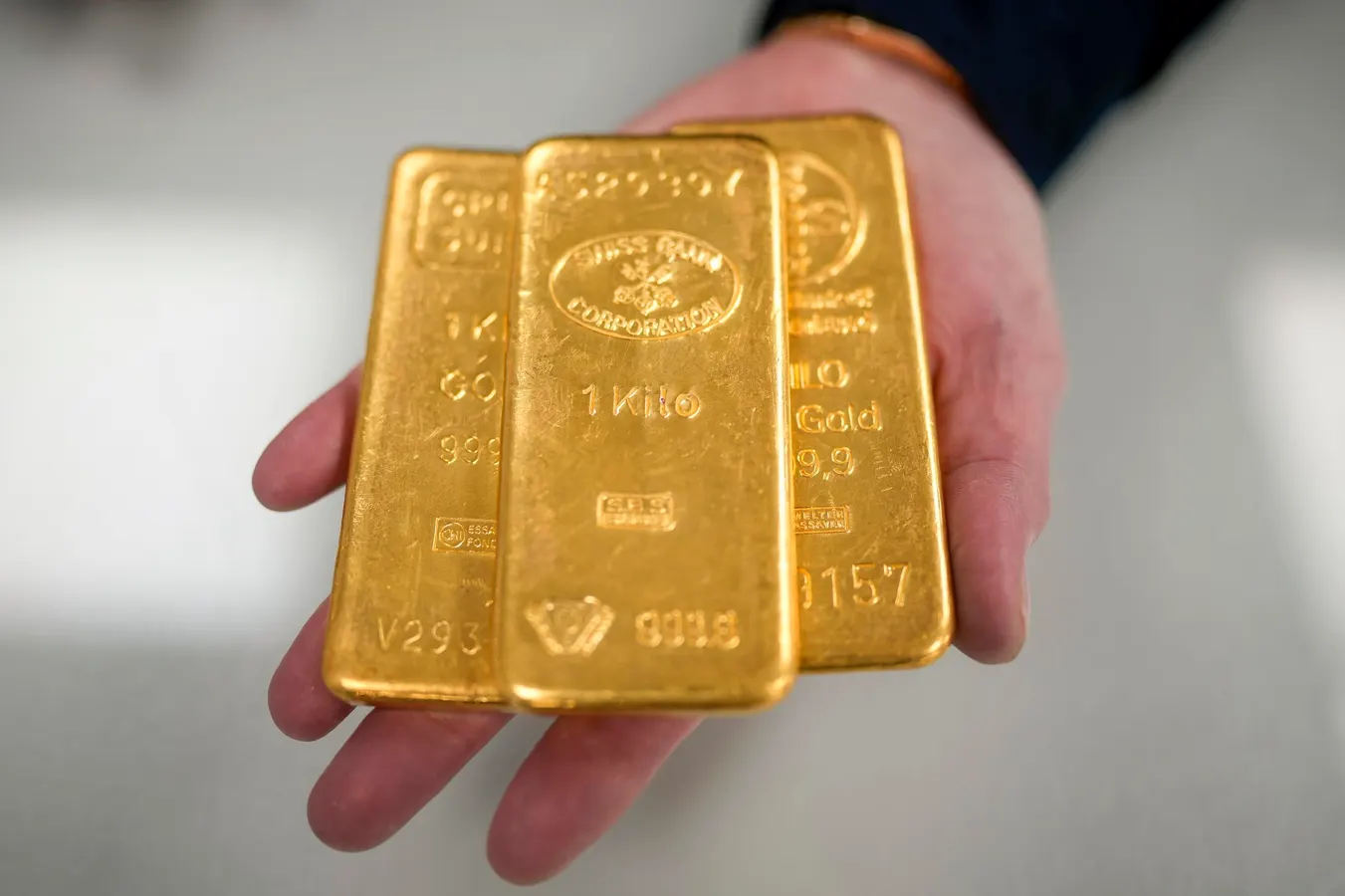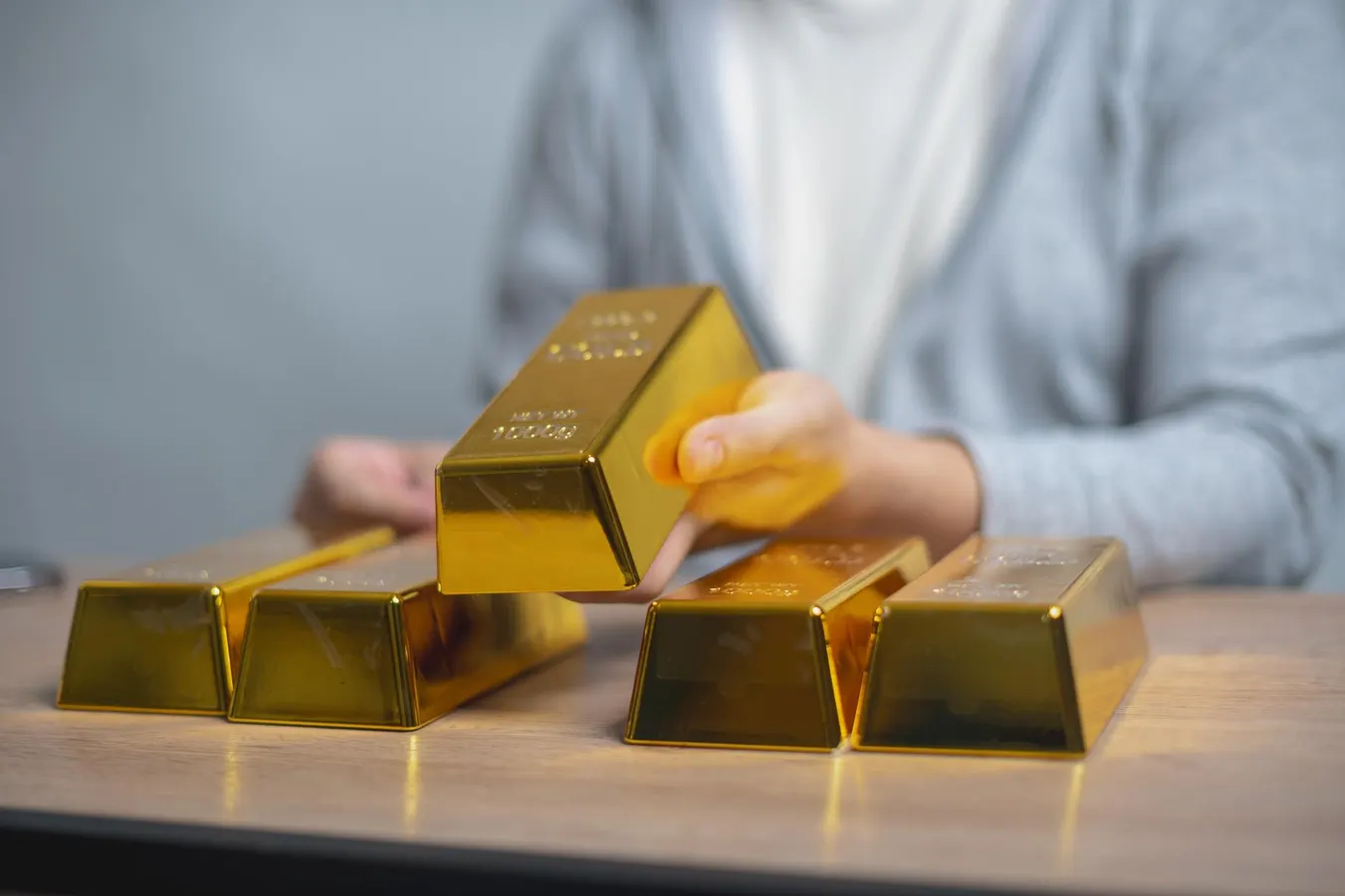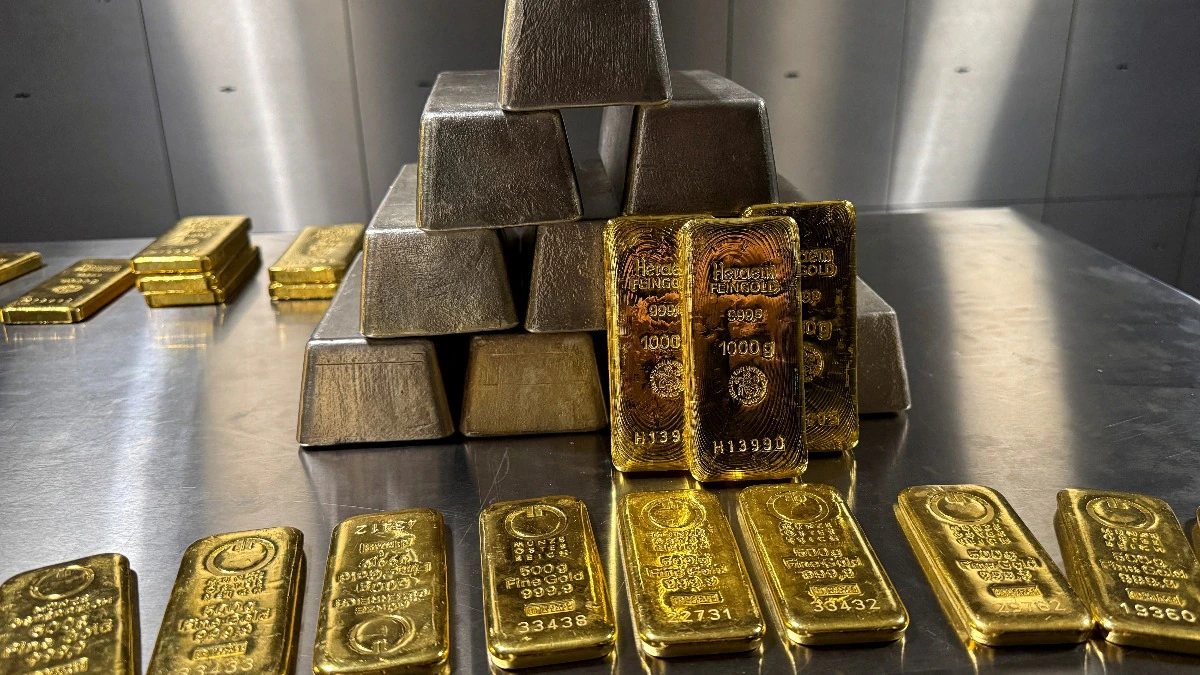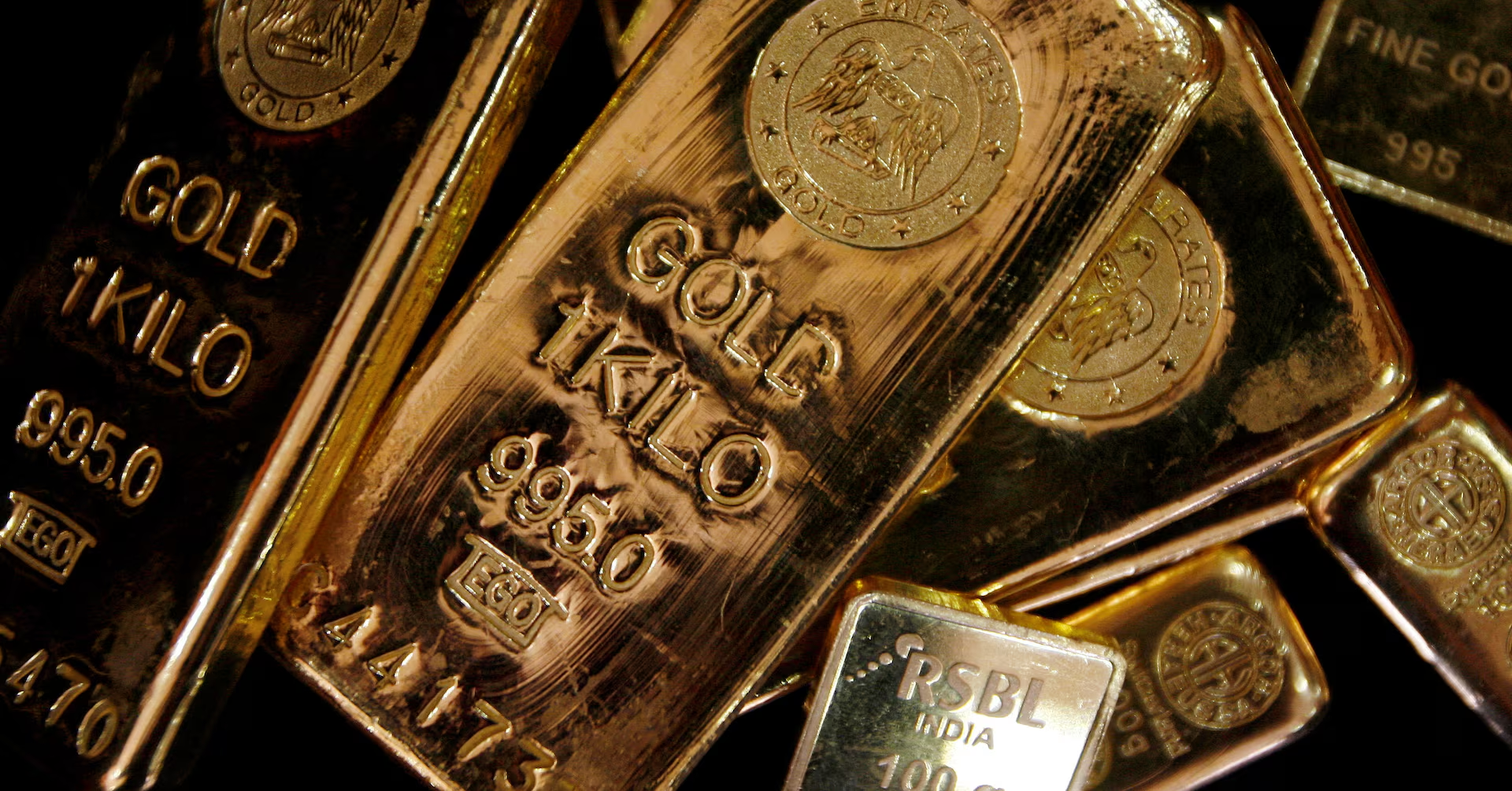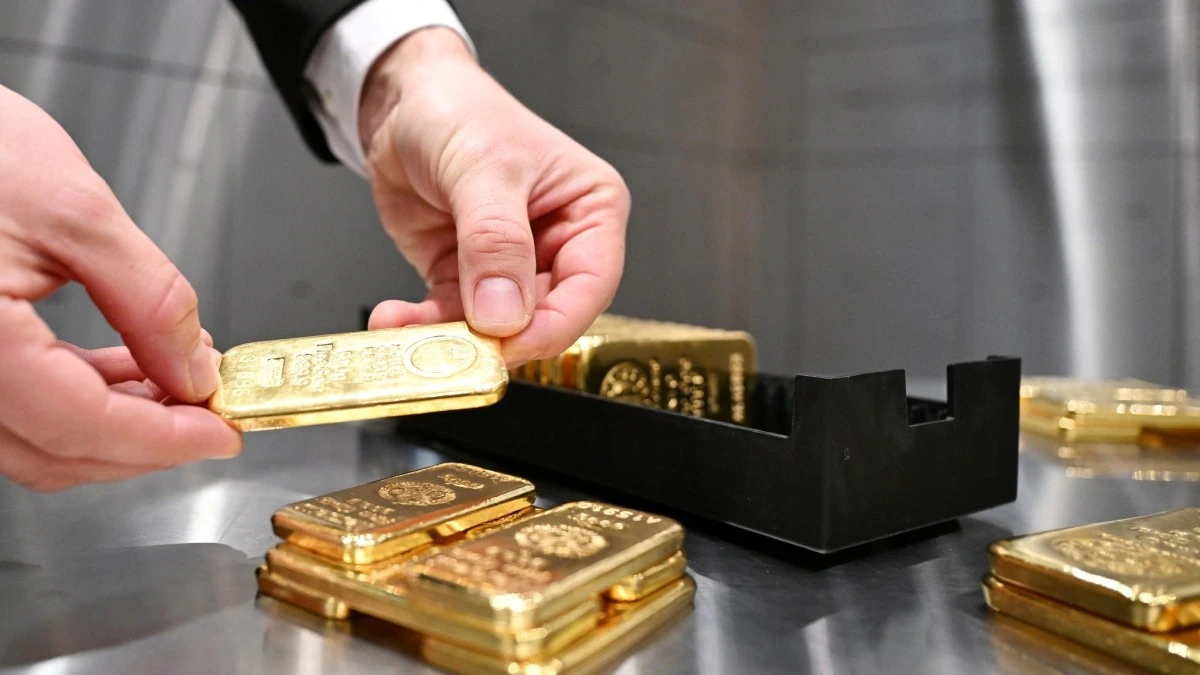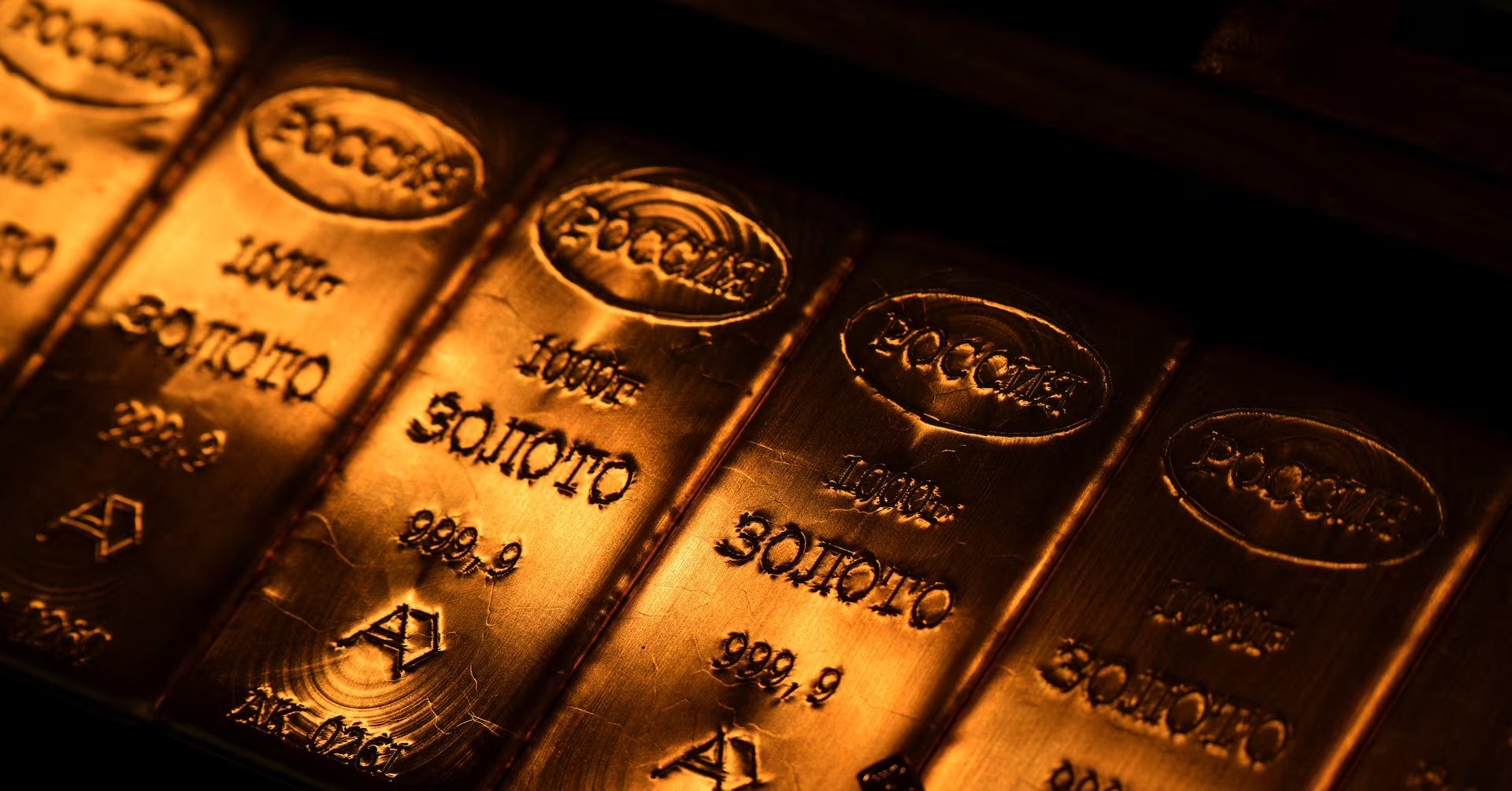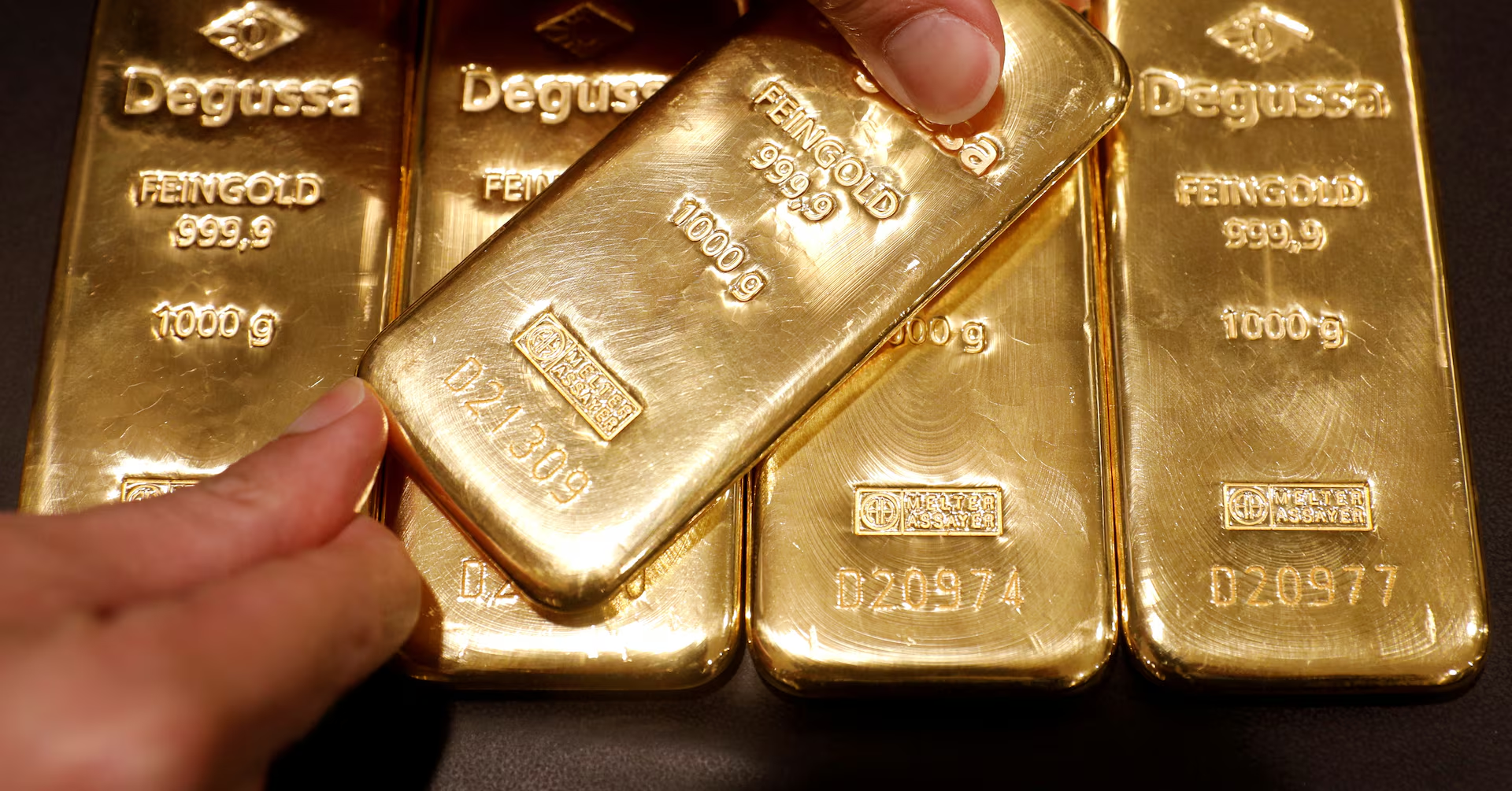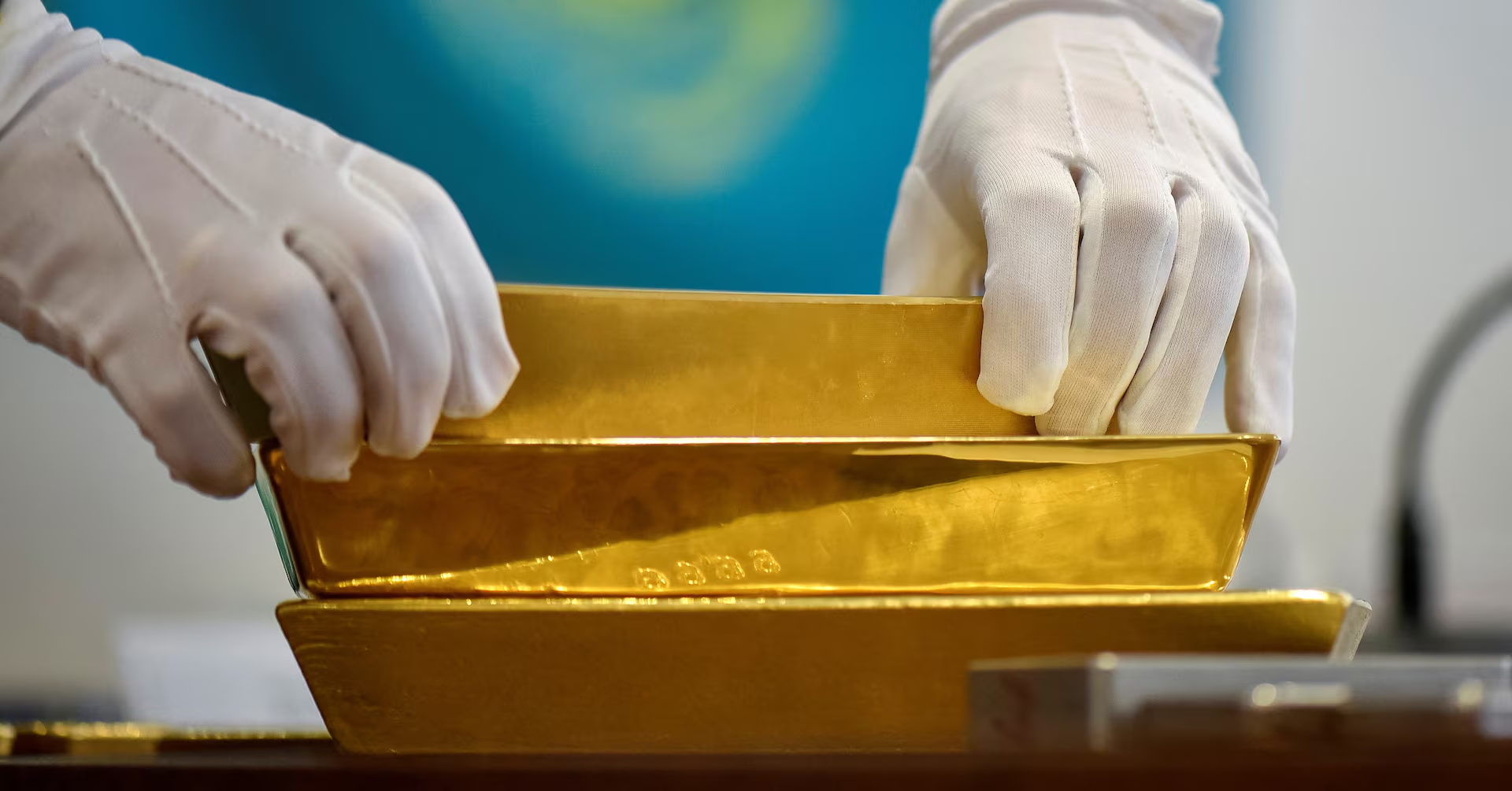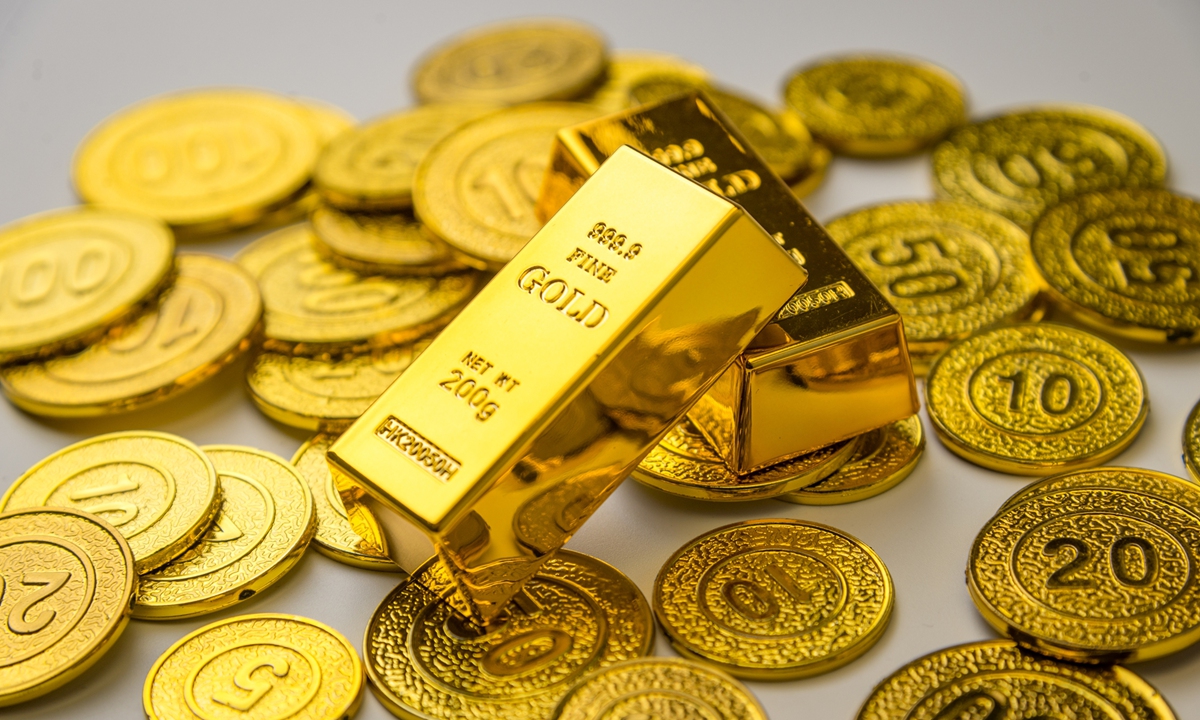
Gold is building on its recovery from four-week troughs below $4,300, with buying aiming to recapture the key near-term resistance at around $4,450 early Thursday.
Gold awaits Fedspeak, more US data for impetus
Gold buyers seem to be back in the game after the daily technical setup turned in their favor after flashing bearish signals earlier in the week.
This, combined with renewed US Dollar (USD) weakness, falling US Treasury bond yields and a better market mood, allows the USD-sensitive bright metal to extend its turnaround.
The Greenback sees fresh selling pressure as Asian traders hit their desks and react negatively to Wednesday’s weak ADP Employment Change report.
The ADP said on Wednesday that US private employment rose by 38,000 jobs last month after an upwardly revised 46,000 in July, missing the forecast for 48,000 jobs growth.
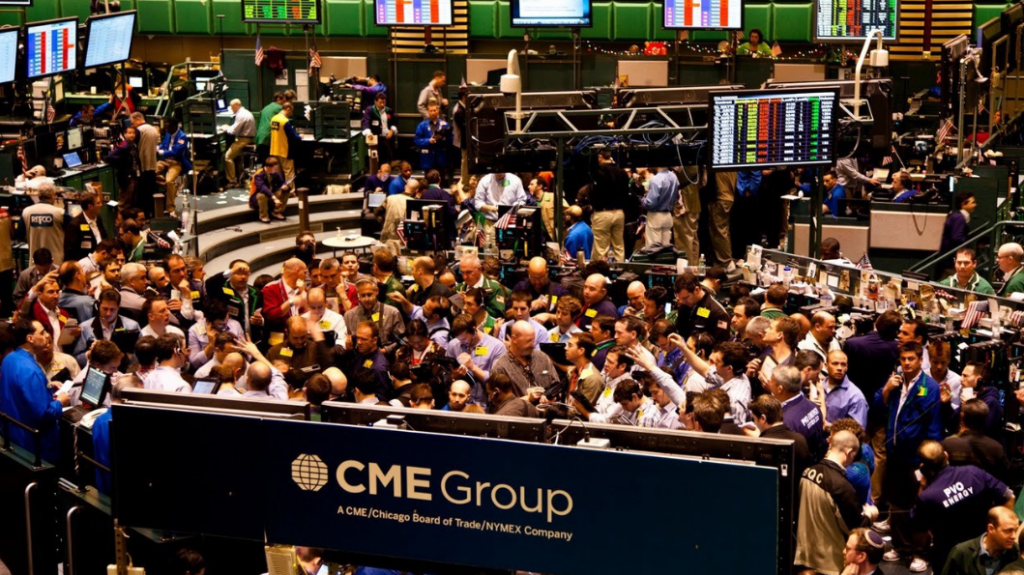
Following the data release, markets slightly scaled back expectations for a US Federal Reserve (Fed) interest rate hike in September to about 62% from 66% seen pre-ADP, the CME Group’s FedWatch Tool showed.
Additionally, the continued USD/JPY sell-off, amid speculation surrounding intervention by Japanese authorities, adds to the USD’s downside bias, bolstering Gold’s recovery.
The Japanese Yen (JPY) also appears to capitalize on the hawkish repricing of the Bank of Japan’s (BoJ) monetary policy outlook, undermining the currency pair. A BoJ rate hike this month is nearly fully priced in by markets.
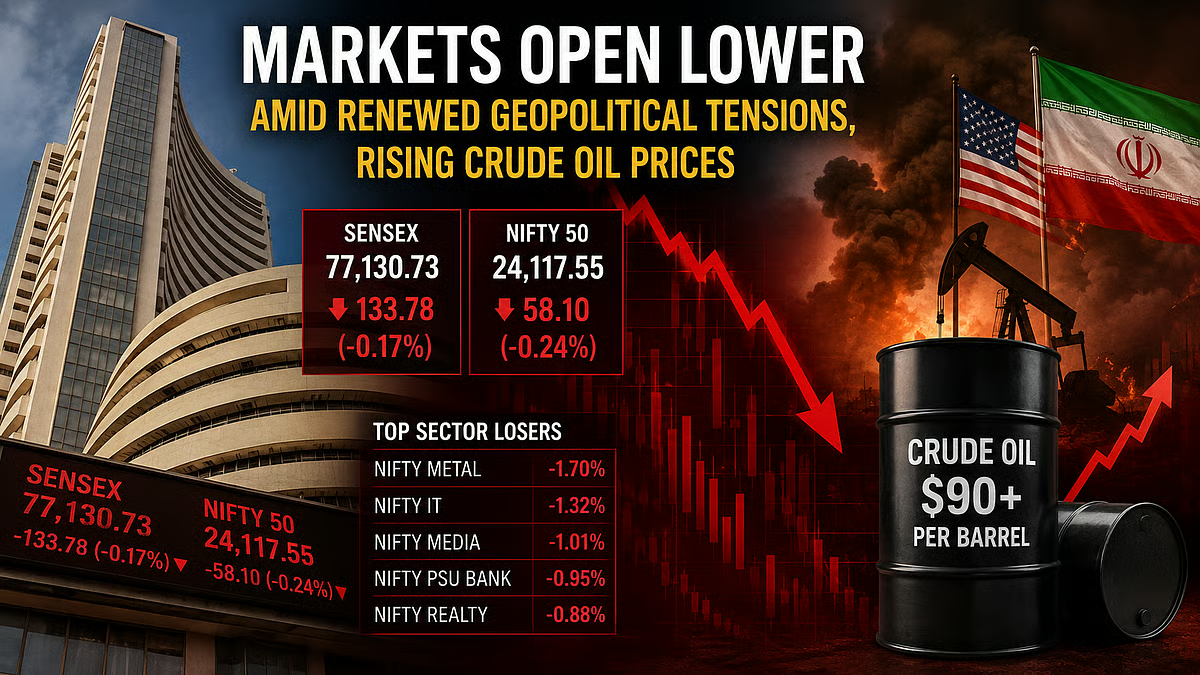
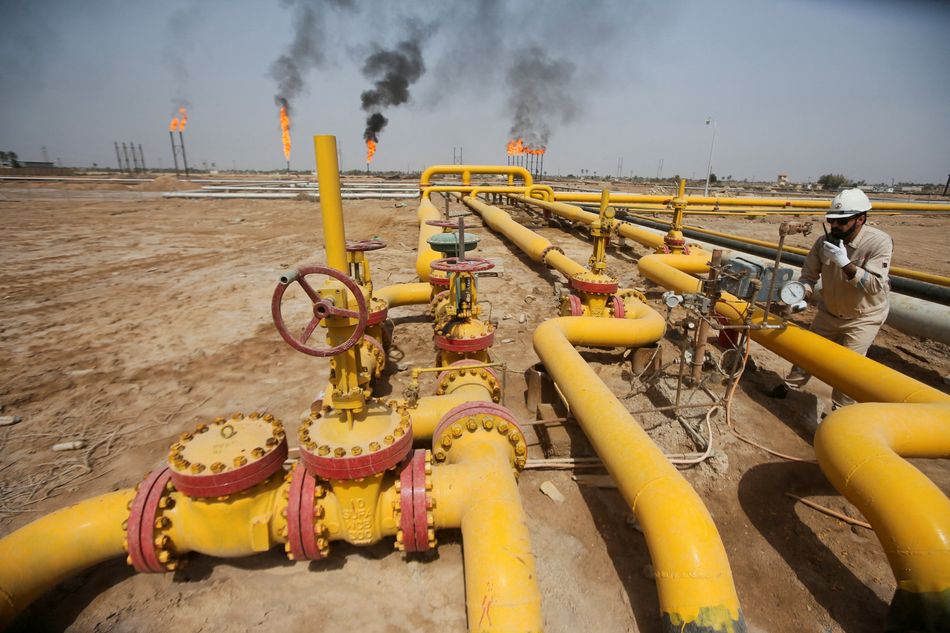
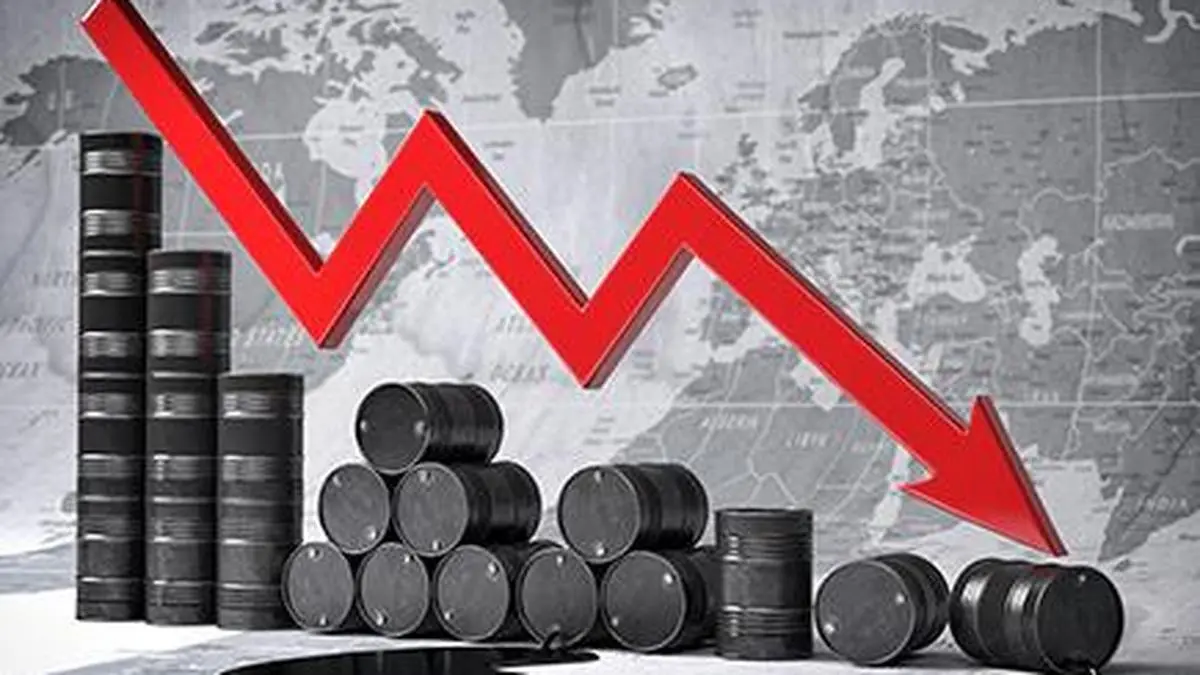
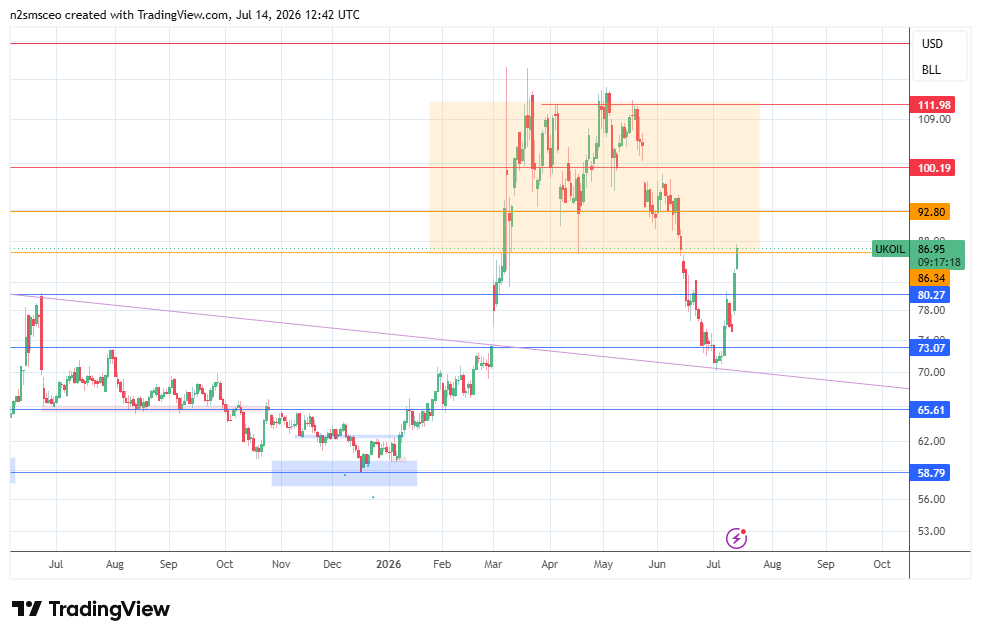
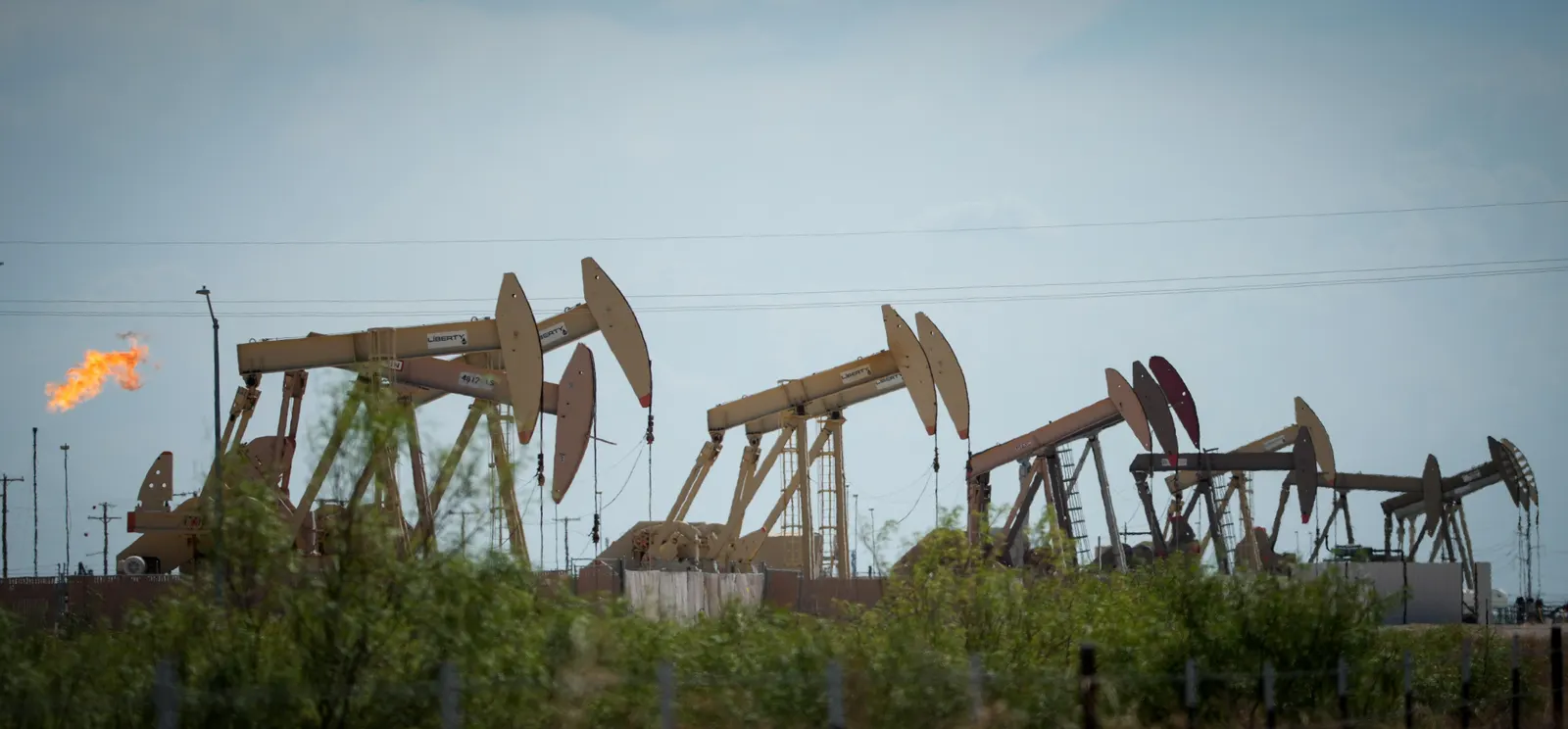
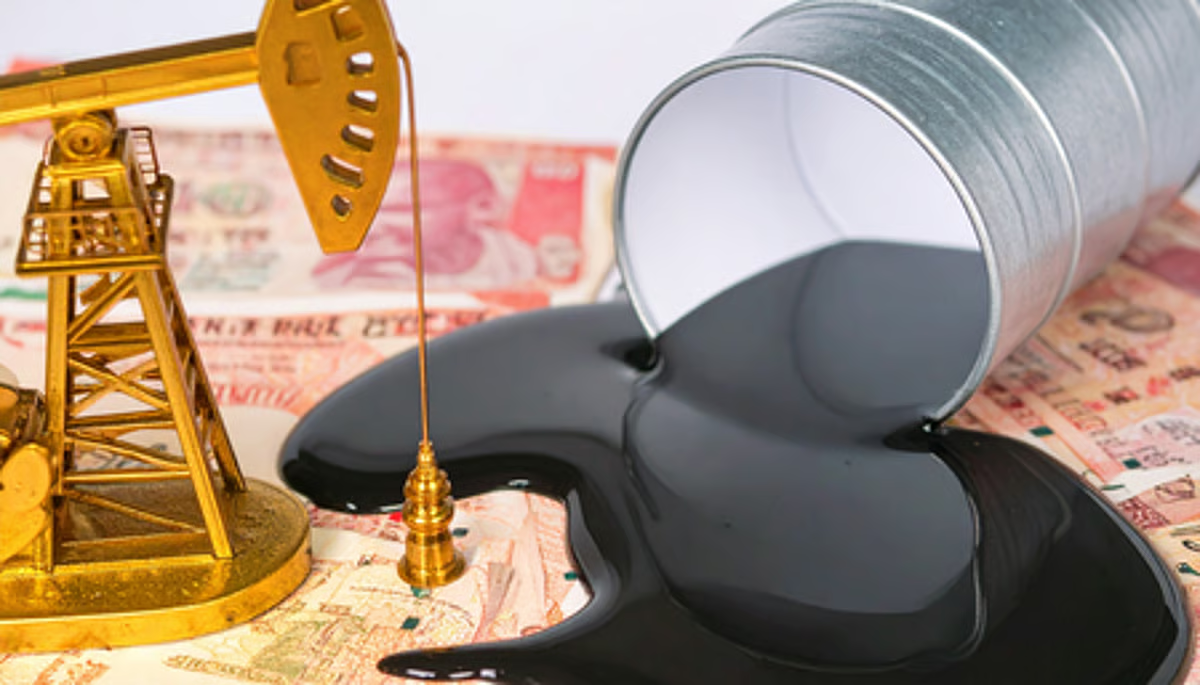
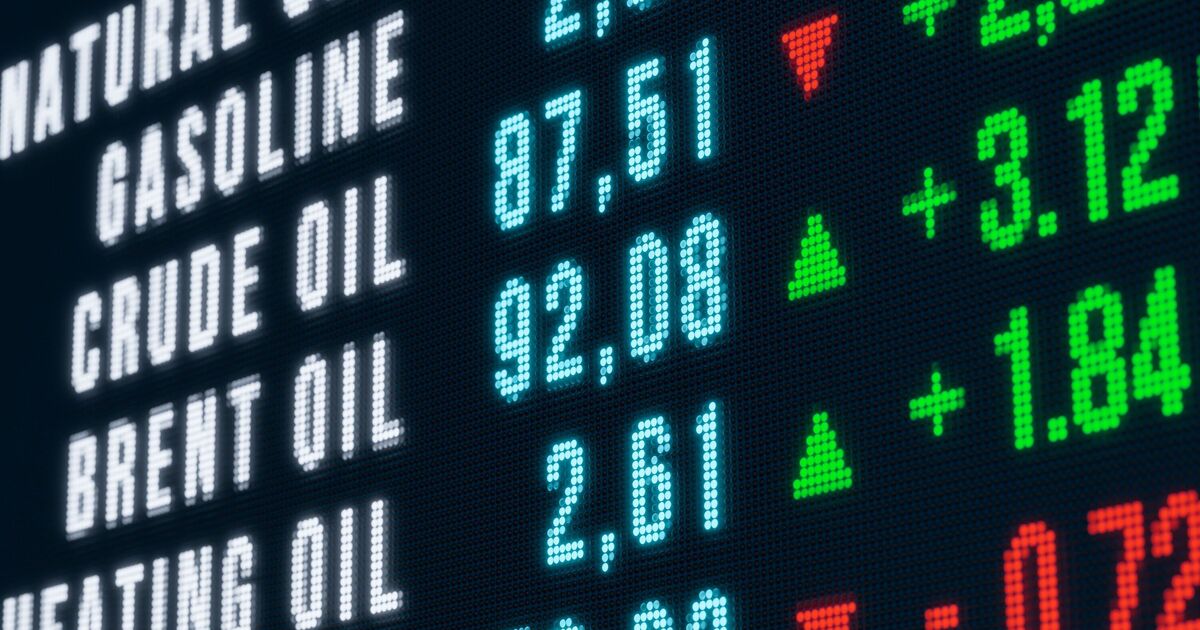
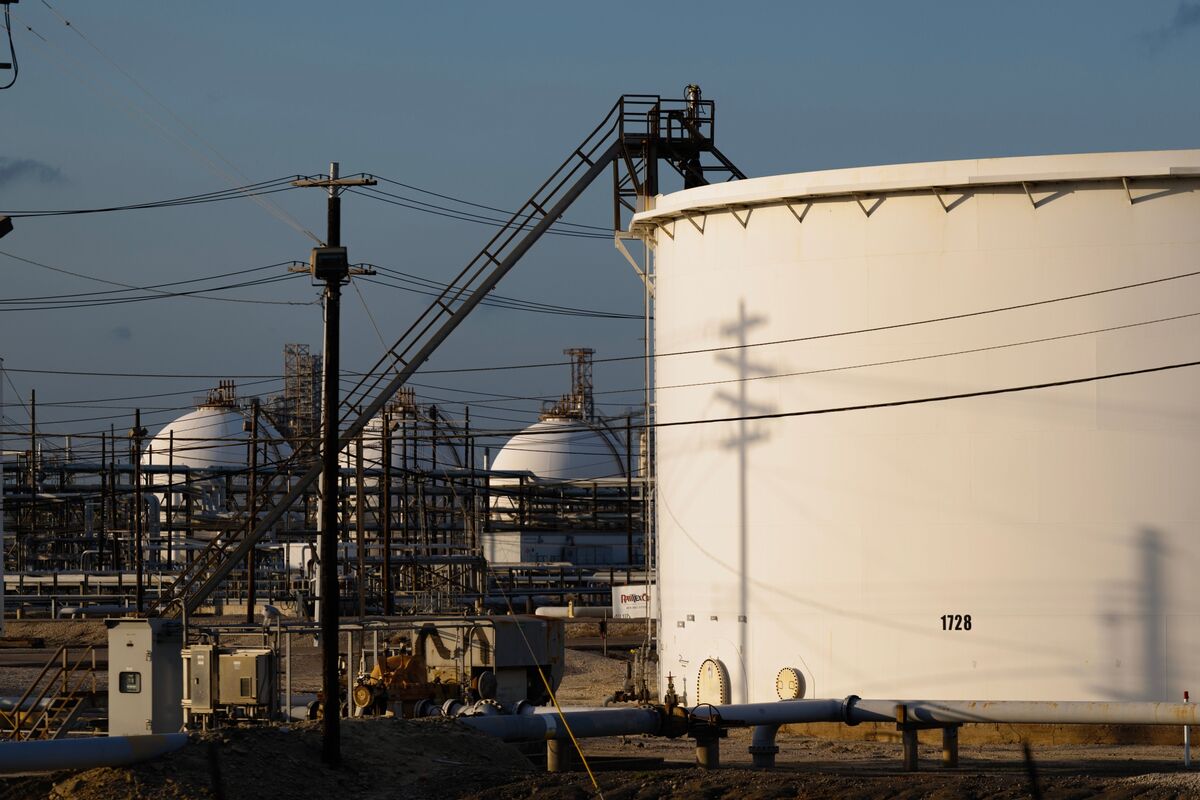
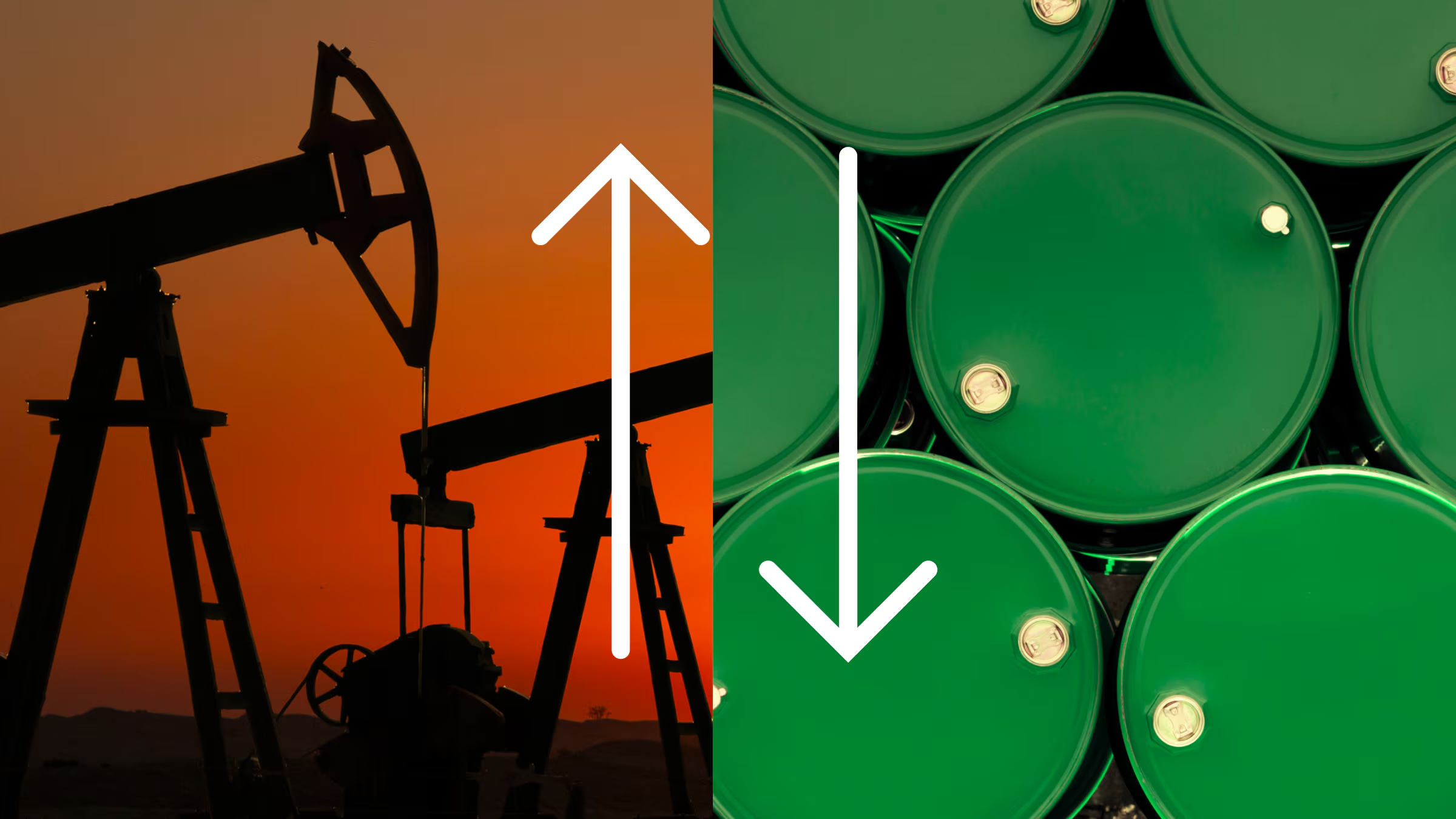
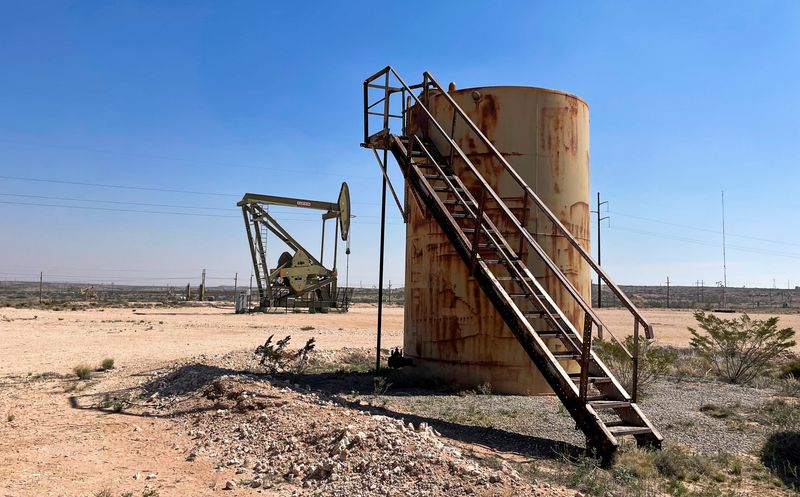
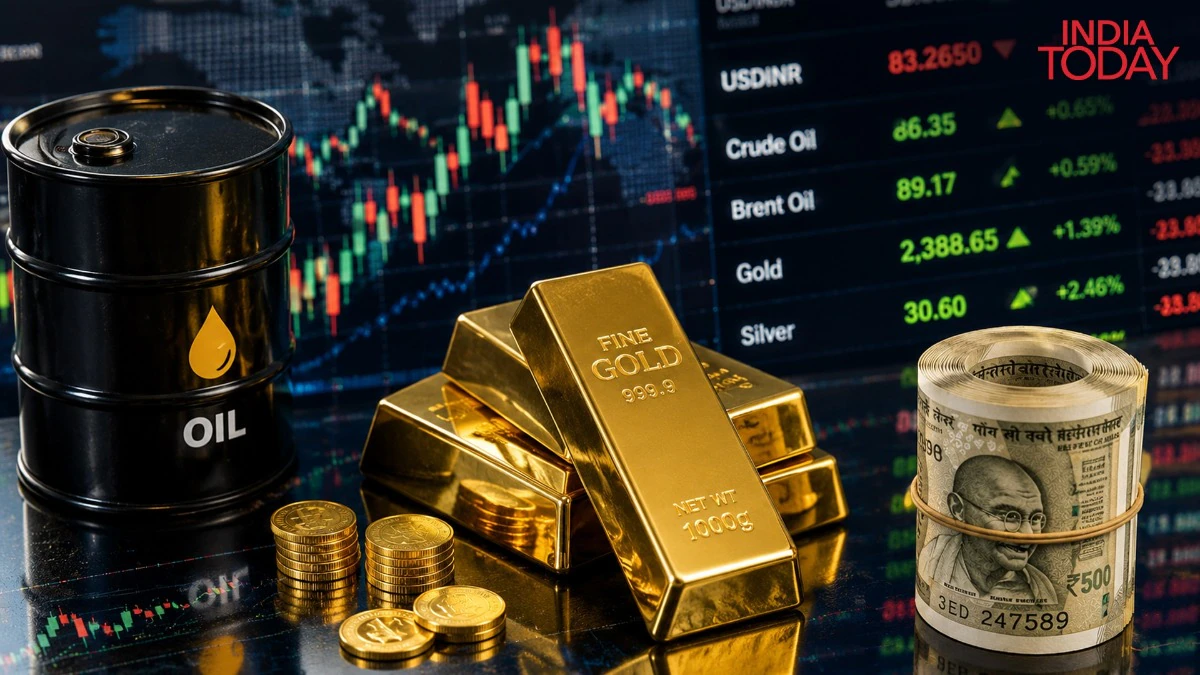
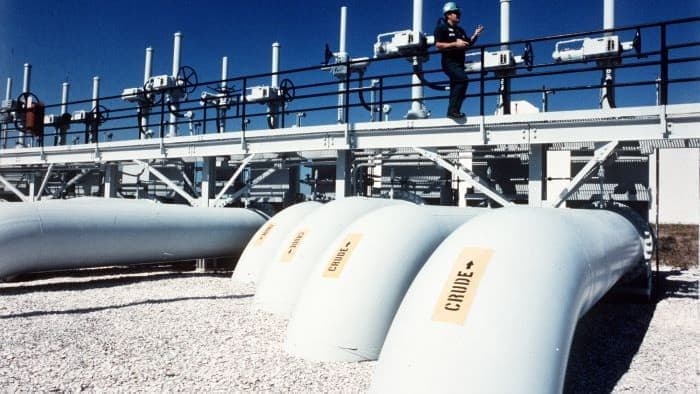
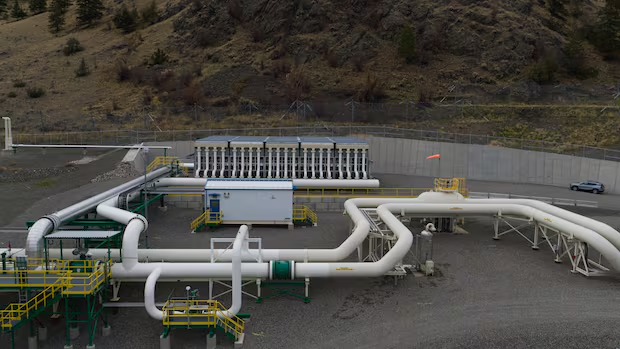
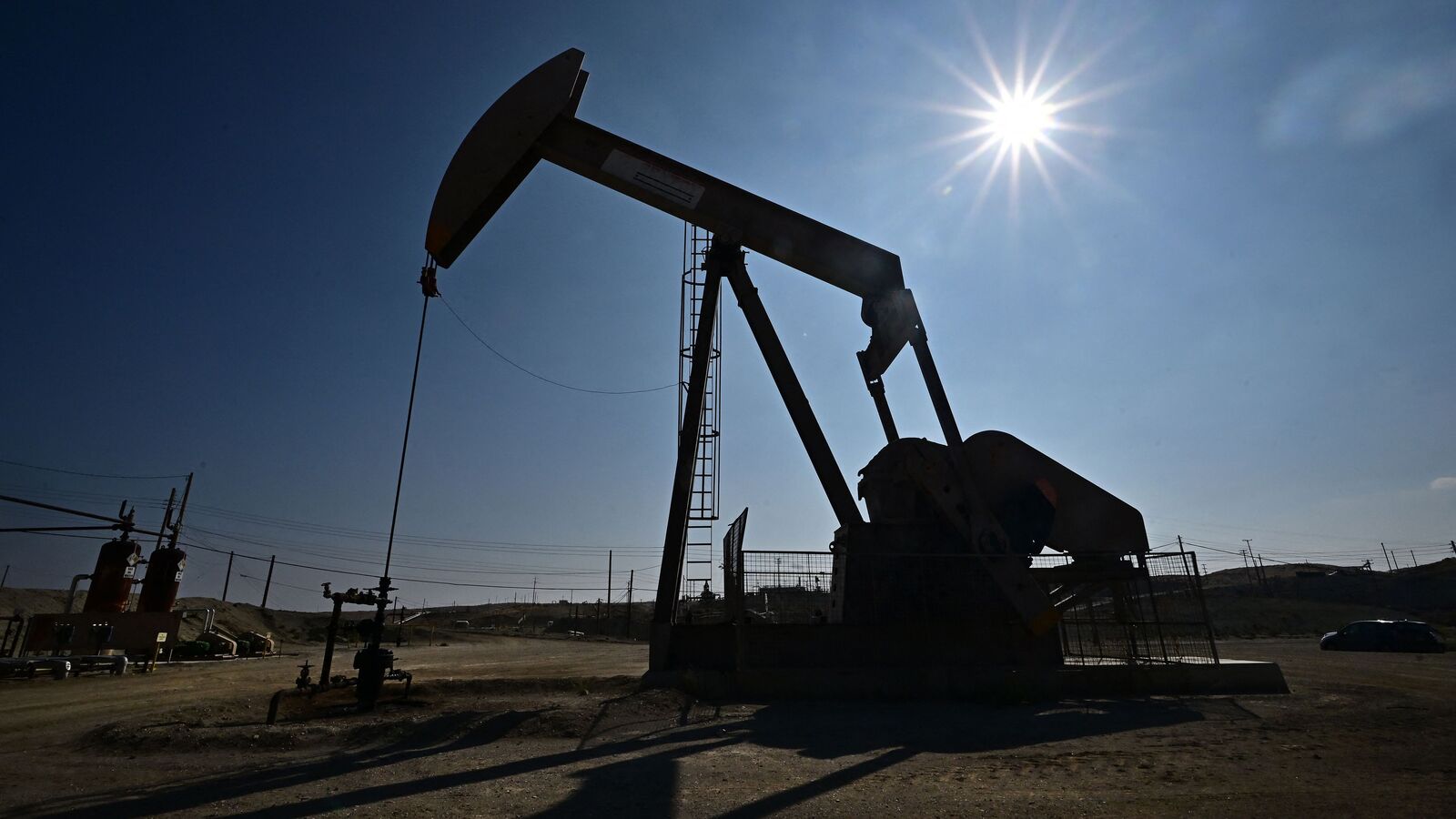
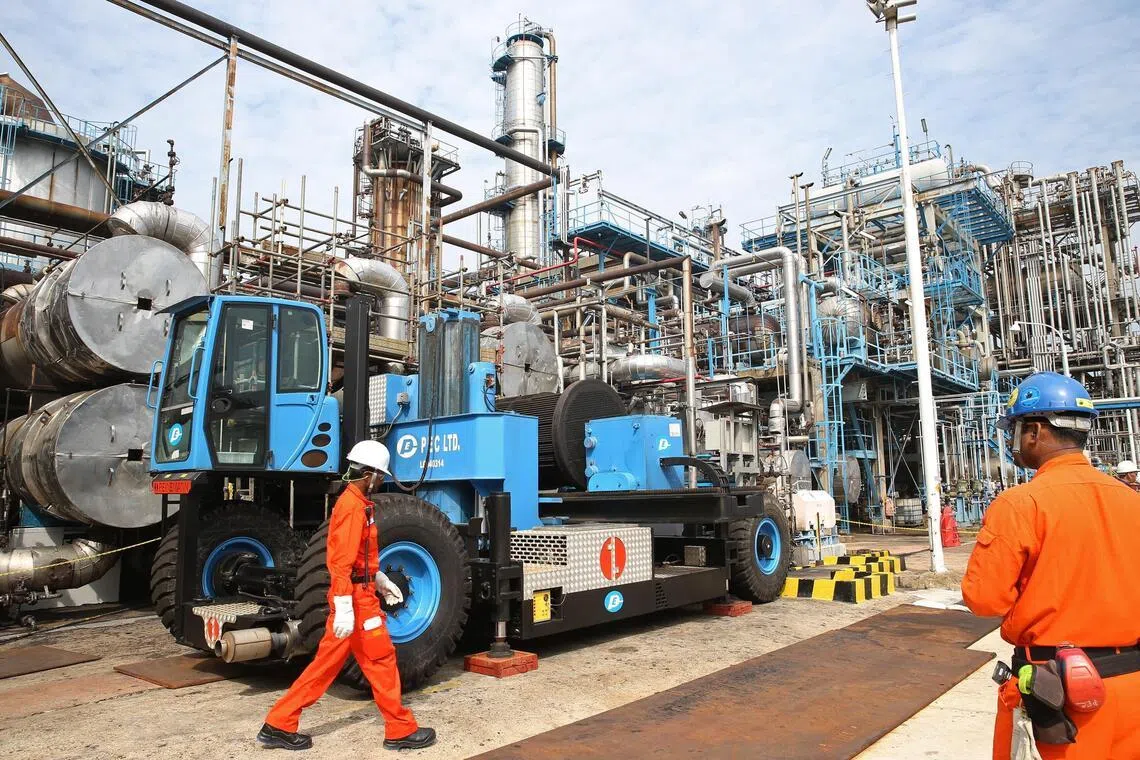
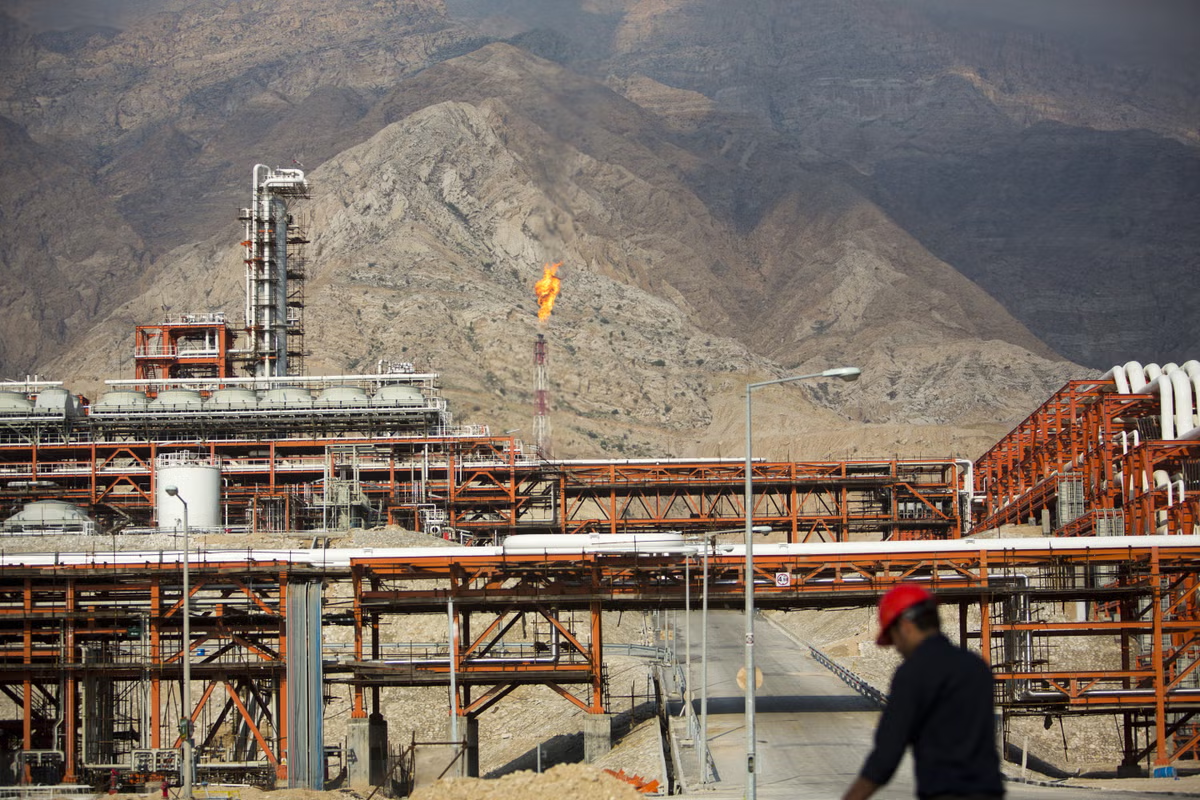
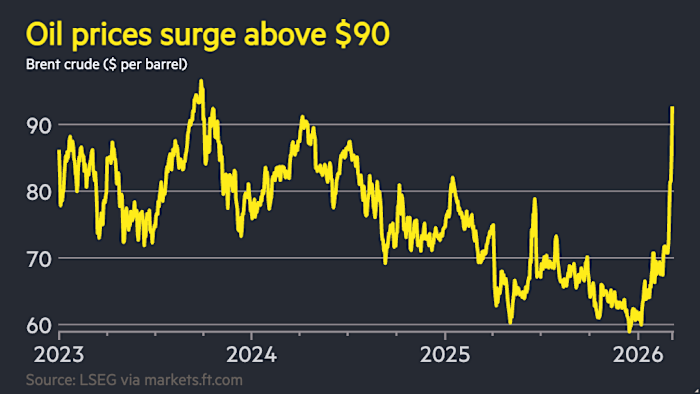
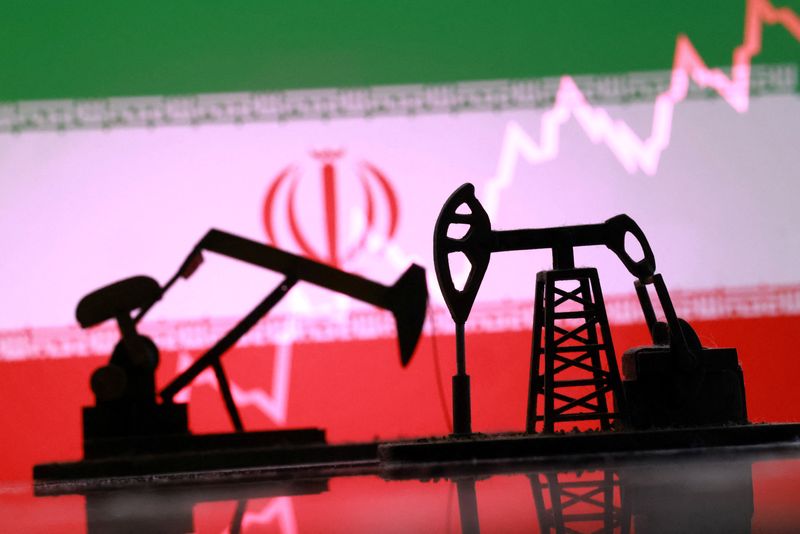
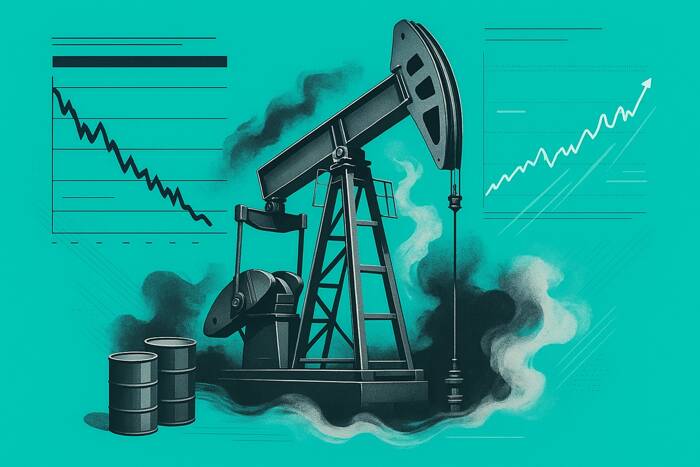
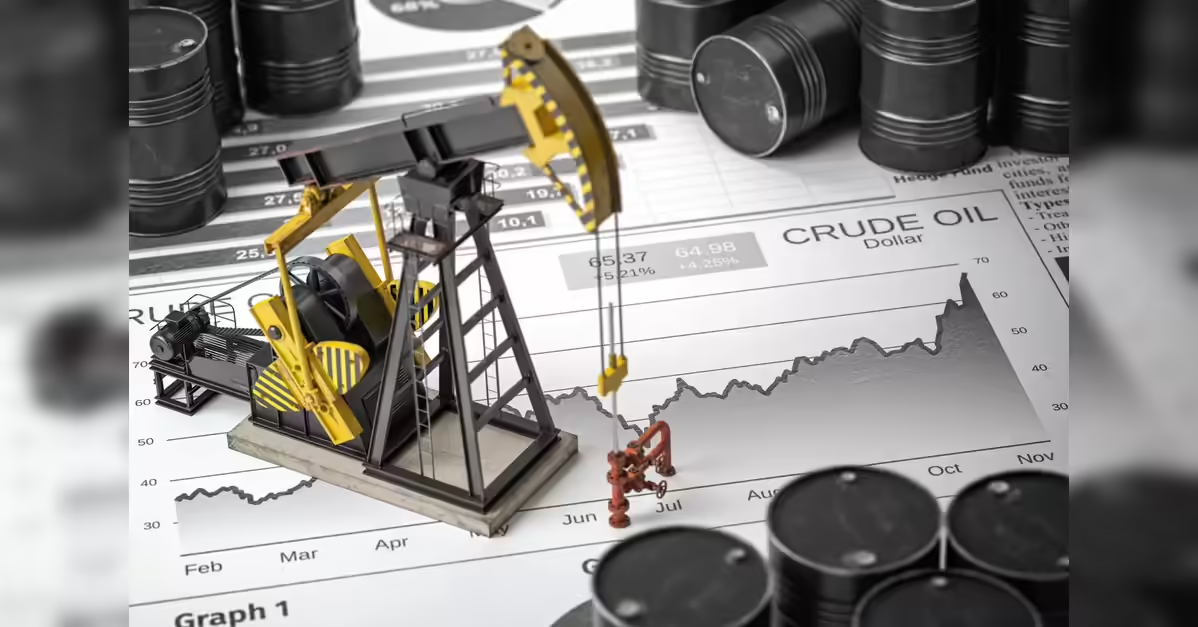
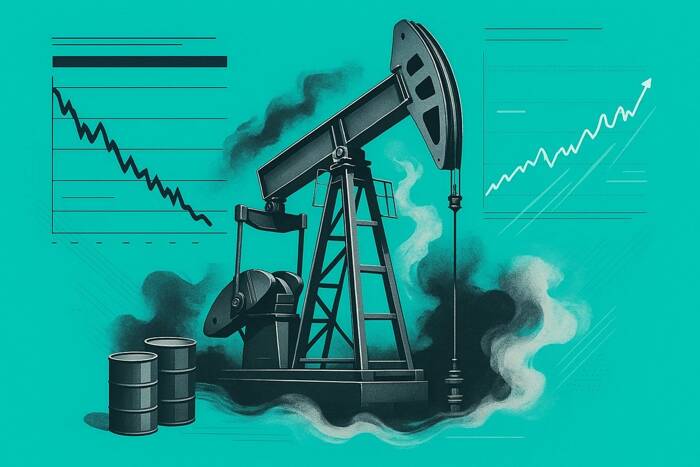
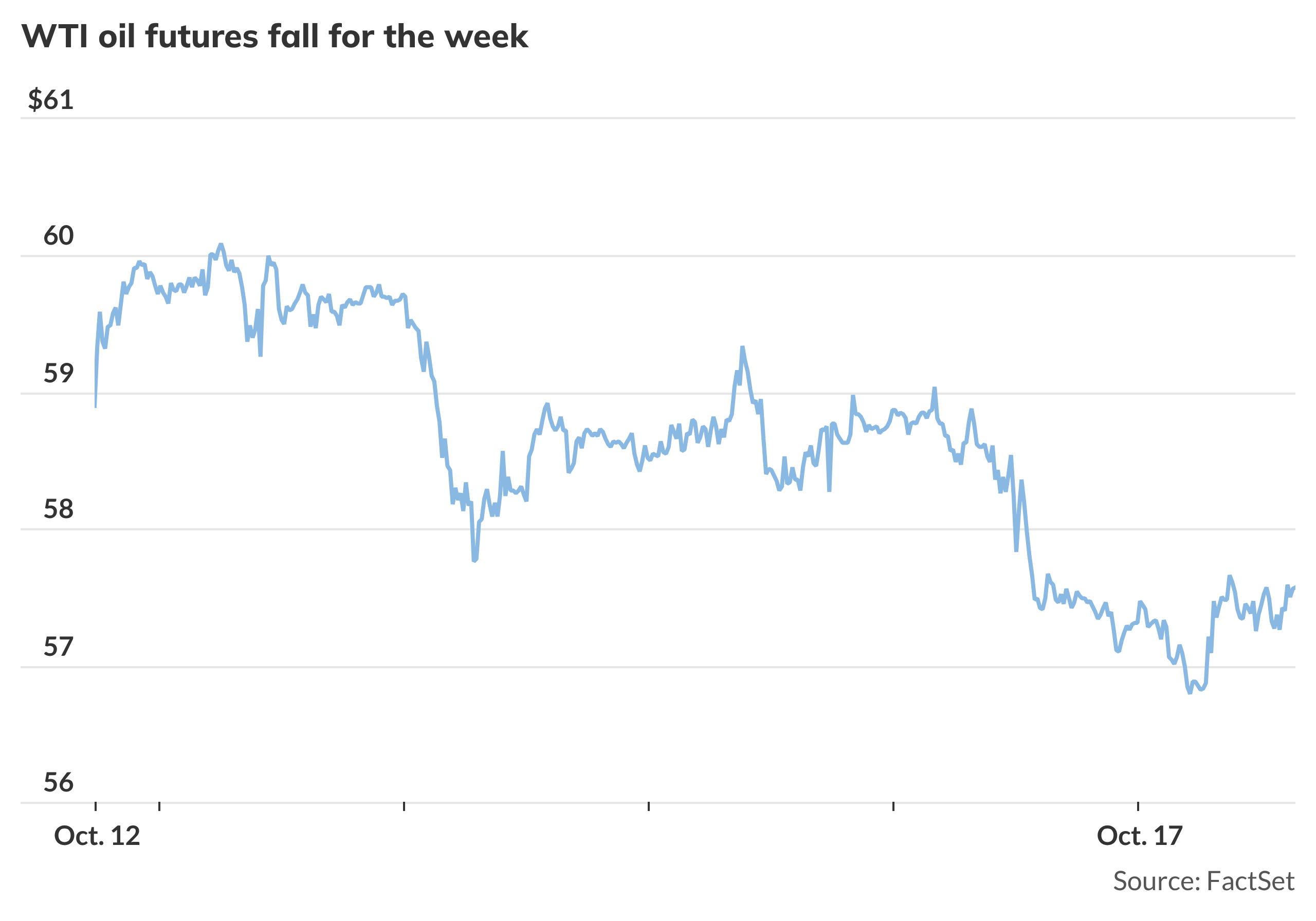
Against this backdrop, markets are looking past the ongoing hostilities in the Middle East as Oil prices stall their rally to six-week highs. Gold buyers are breathing a sigh of relief amid an upside consolidation in the black liquid.
That said, Friday’s Nonfarm Payrolls (NFP) data from the US could determine whether Gold will sustain its recovery or prepare for a fresh sell-off.
The headline NFP is expected to rebound by 58K in August following an unexpected decline of 23K in July. The Unemployment Rate is set to remain at 4.1% in the reported period.
In the meantime, Gold traders will take cues from the US ISM Services PMI data and speeches from Fed officials for fresh trading incentives.
Gold price technical analysis: Daily chart
In the daily chart, XAU/USD trades at $4,431.70. The metal holds a bullish near-term bias as it remains above the 50-day and 100-day simple moving averages (SMAs) at $4,231.78 and $4,357.75, respectively, which suggest a constructive underlying trend. Price is now challenging the short-term 21-day SMA at $4,448.99, while the Relative Strength Index (14) around 53 hints at steady, rather than stretched, upside momentum.
On the topside, initial resistance is aligned at the 21-day SMA near $4,448.99, followed by a more significant barrier at the 200-day SMA around $4,533.04. On the downside, immediate support is found near the latest pivot around $4,431.70, with further layers of demand at the 100-day SMA at $4,357.75 and the 50-day SMA near $4,231.78, where buyers would be expected to defend the broader uptrend on any deeper pullback.
(The technical analysis of this story was written with the help of an AI tool. Know more.)
Gold faces data-driven risks as Fed hawkishness meets CTA selling levels
According to TD Securities, “economic data becomes increasingly important for precious metals, with gold at risk of CTA selling” as markets head into Friday’s US Non-farm Payrolls report. The firm notes that “non-farm payrolls this Friday will be the next piece of data with keen interest for precious metals given the renewed hawkish tone from the Fed and the latest escalation in the energy market.”
TD Securities cautions that the “price reaction may be more prone to the downside on potential beats in the data,” with gold “nearing some CTA selling levels near $4,300/oz” and “pricing simulations suggesting a further downward trend toward $4200-$4100/oz would see positioning reduced back to near flat into next week.” However, the bank adds that, looking beyond the immediate data risk, “we do not anticipate material downside as the landscape for precious metals has improved amid a renewed dollar debasement theme, while Fed hikes remain far from certain.”
Gold FAQs
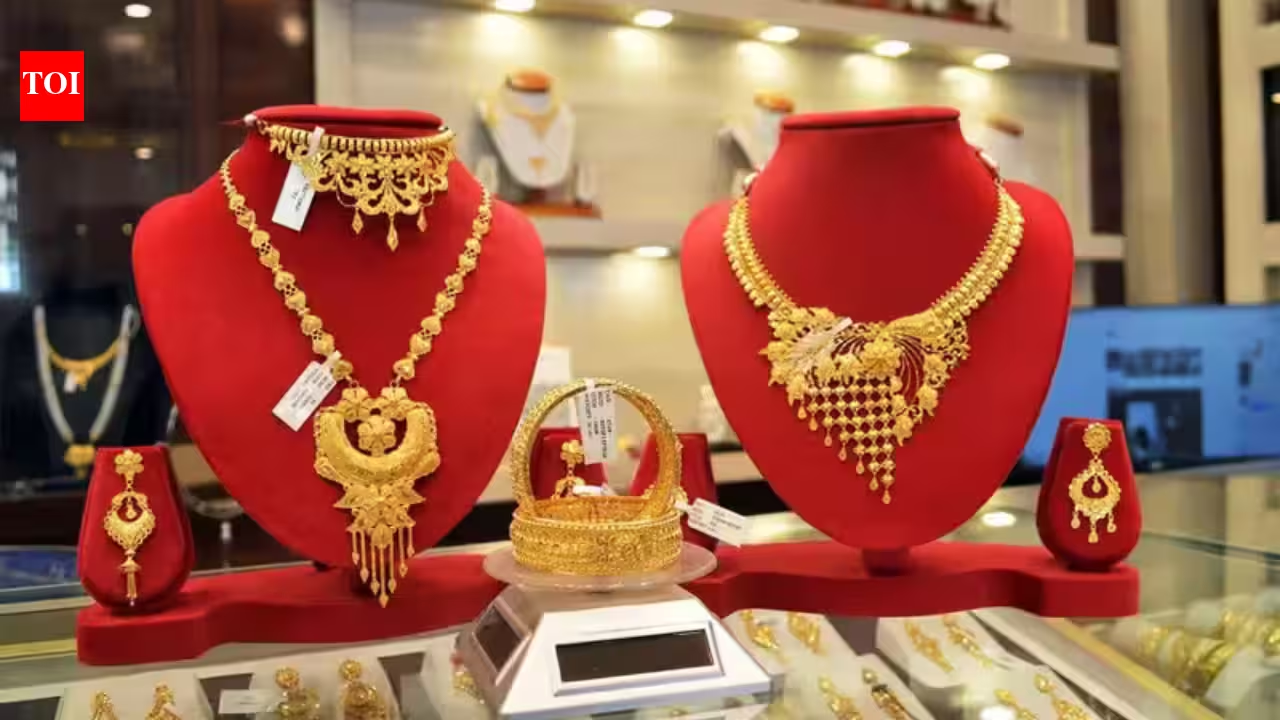
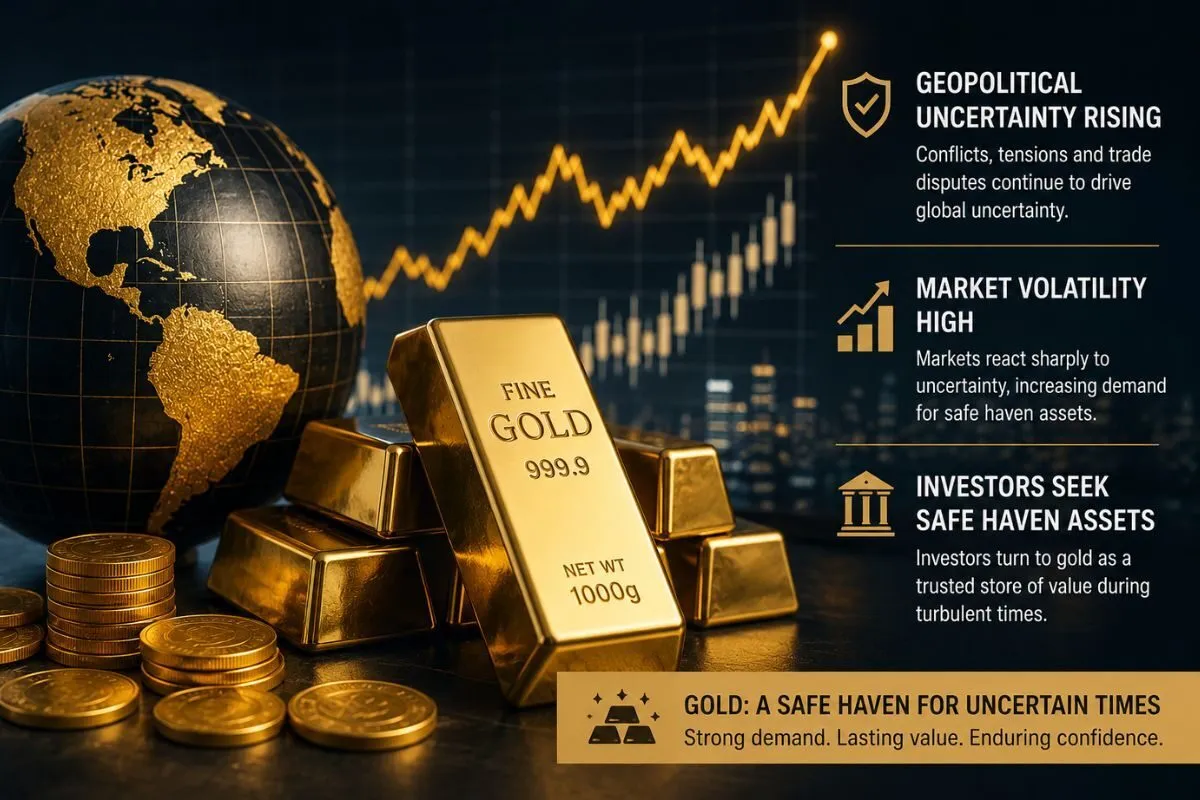
Gold has played a key role in human’s history as it has been widely used as a store of value and medium of exchange. Currently, apart from its shine and usage for jewelry, the precious metal is widely seen as a safe-haven asset, meaning that it is considered a good investment during turbulent times. Gold is also widely seen as a hedge against inflation and against depreciating currencies as it doesn’t rely on any specific issuer or government.
Central banks are the biggest Gold holders. In their aim to support their currencies in turbulent times, central banks tend to diversify their reserves and buy Gold to improve the perceived strength of the economy and the currency. High Gold reserves can be a source of trust for a country’s solvency. Central banks added 1,136 tonnes of Gold worth around $70 billion to their reserves in 2022, according to data from the World Gold Council. This is the highest yearly purchase since records began. Central banks from emerging economies such as China, India and Turkey are quickly increasing their Gold reserves.
Gold has an inverse correlation with the US Dollar and US Treasuries, which are both major reserve and safe-haven assets. When the Dollar depreciates, Gold tends to rise, enabling investors and central banks to diversify their assets in turbulent times. Gold is also inversely correlated with risk assets. A rally in the stock market tends to weaken Gold price, while sell-offs in riskier markets tend to favor the precious metal.
The price can move due to a wide range of factors. Geopolitical instability or fears of a deep recession can quickly make Gold price escalate due to its safe-haven status. As a yield-less asset, Gold tends to rise with lower interest rates, while higher cost of money usually weighs down on the yellow metal. Still, most moves depend on how the US Dollar (USD) behaves as the asset is priced in dollars (XAU/USD). A strong Dollar tends to keep the price of Gold controlled, whereas a weaker Dollar is likely to push Gold prices up.