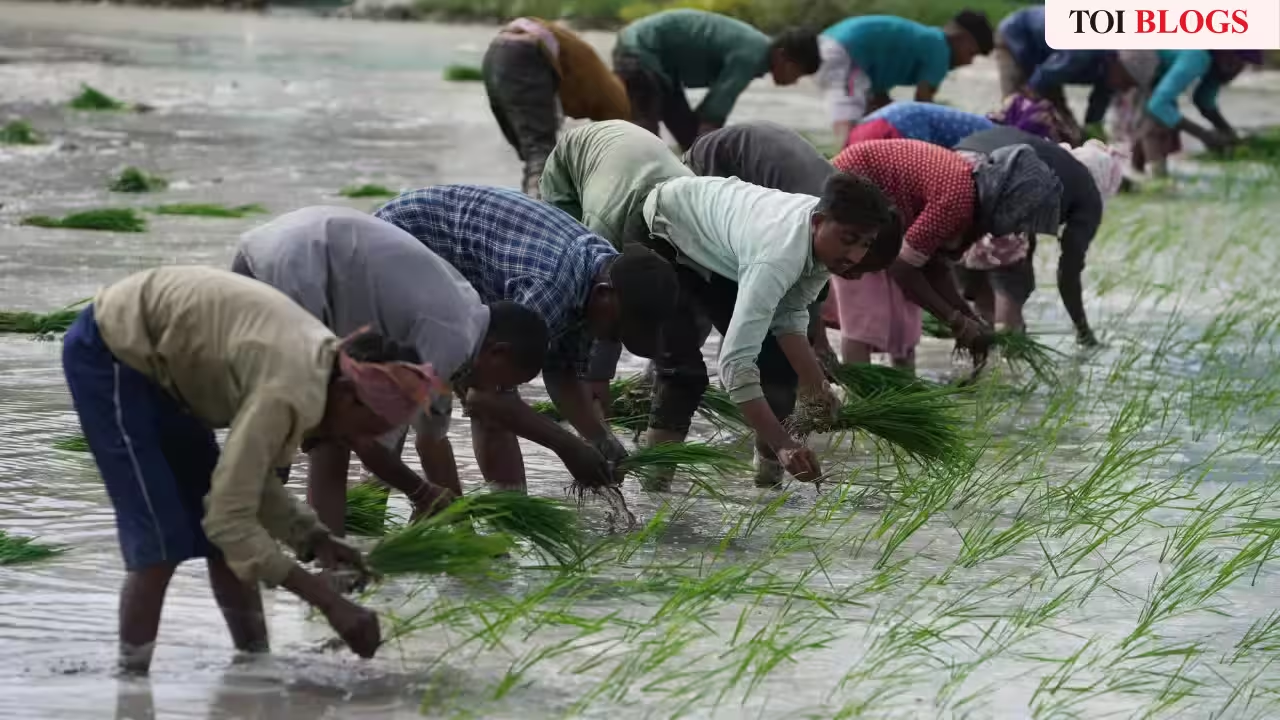
Introduction
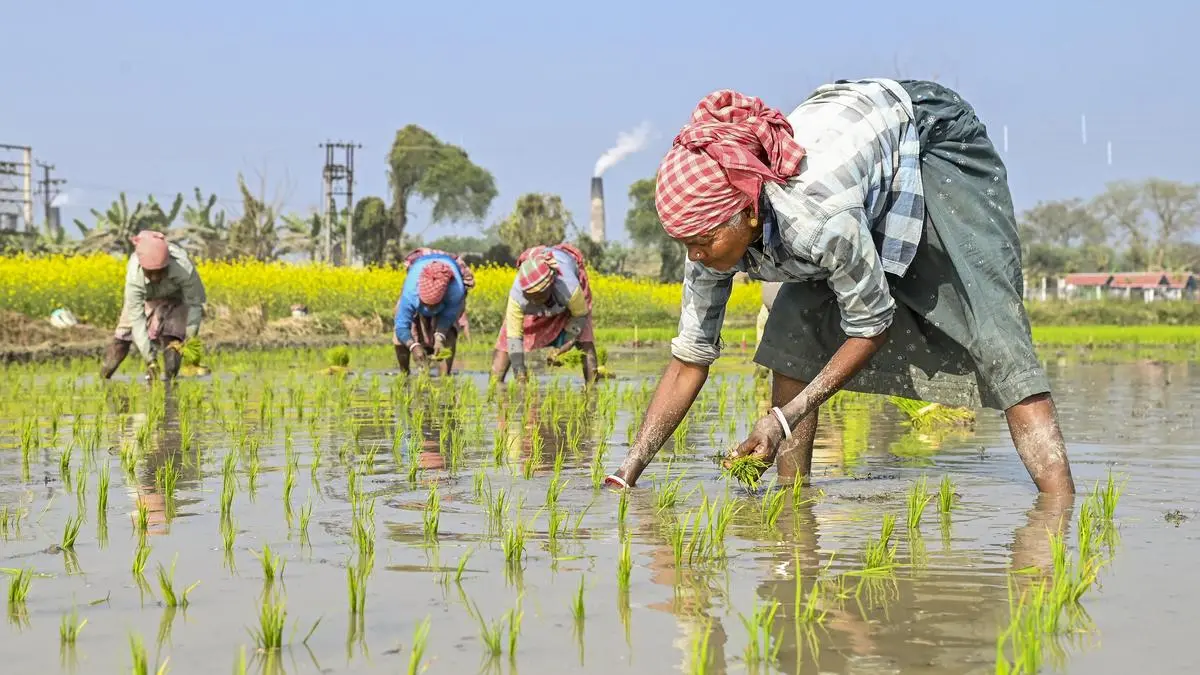
In India, Agriculture plays a pivotal role in ensuring:
- Food, and;
- Nutritional security.
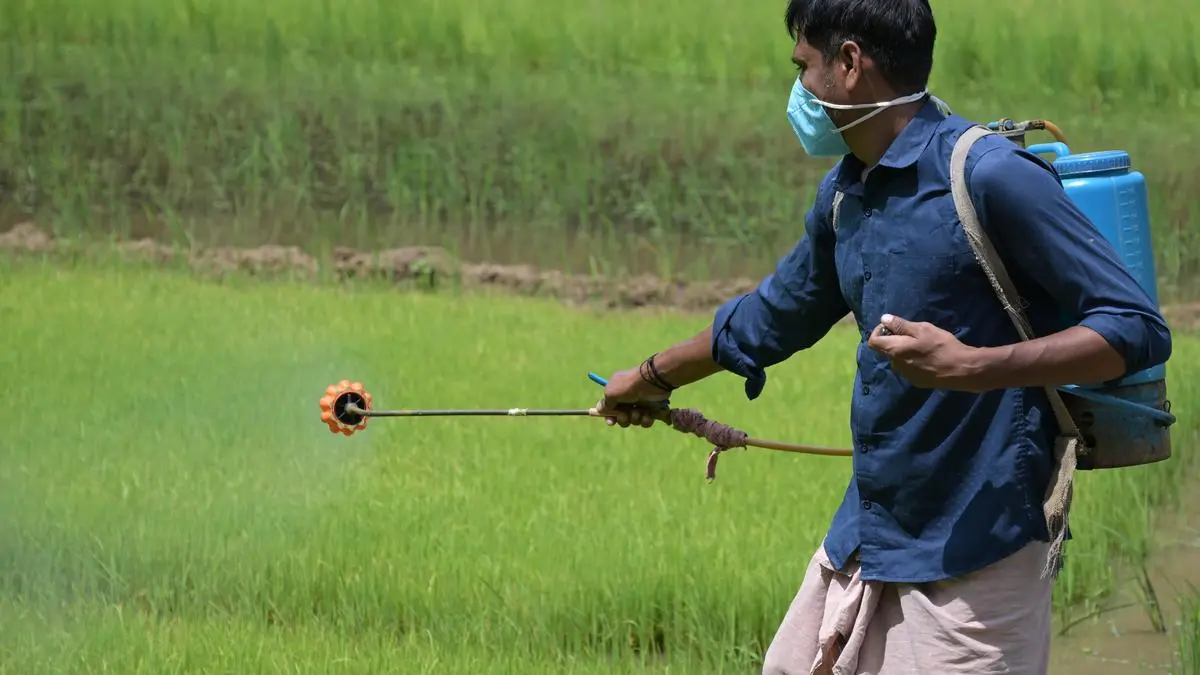
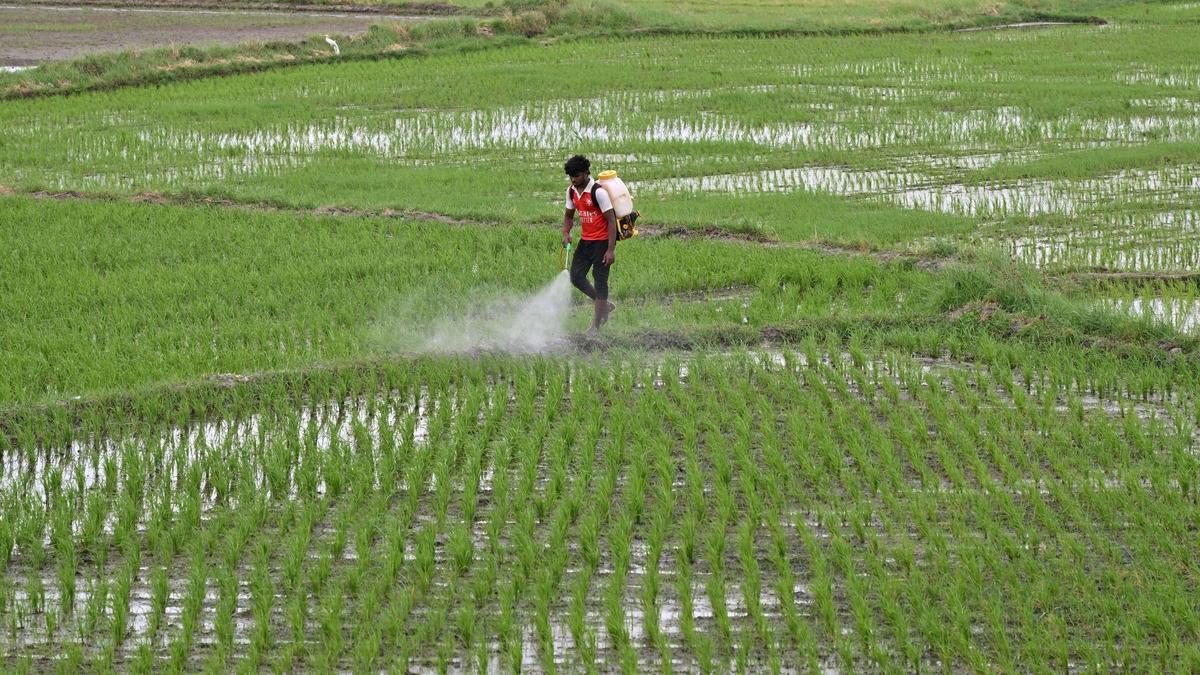
However, it also generates significant waste in the process. This growing scale of waste generation has emerged as a critical environmental challenge for India, with substantial economic implications.This agricultural waste is generated during:1. Cultivation;2. Harvesting, and;3. Processing.Inadequate management of this agricultural waste is a substantial source of environmental contamination, affecting:1. Air;2. Soil, and;3. Water.It is estimated, the country generates about 350 million tonnes of agricultural waste annually, comprising:
- Crop residues;
- Husk;
- Straw, and;
- Byproducts from food processing activities.
According to the Ministry of New and Renewable Energy (MNRE), India’s agricultural residues have the potential to generate over 18,000 MW(Megawatt) of power annually.In addition to Energy generation, these residues can also be used to produce Nutrient-rich Organic fertilisers which help:
- Enhance soil health, and;
- Reduce dependence on chemical inputs in agriculture.
How waste is generated?
When organic waste, such as:
- Food waste;
- Agricultural residues, and;
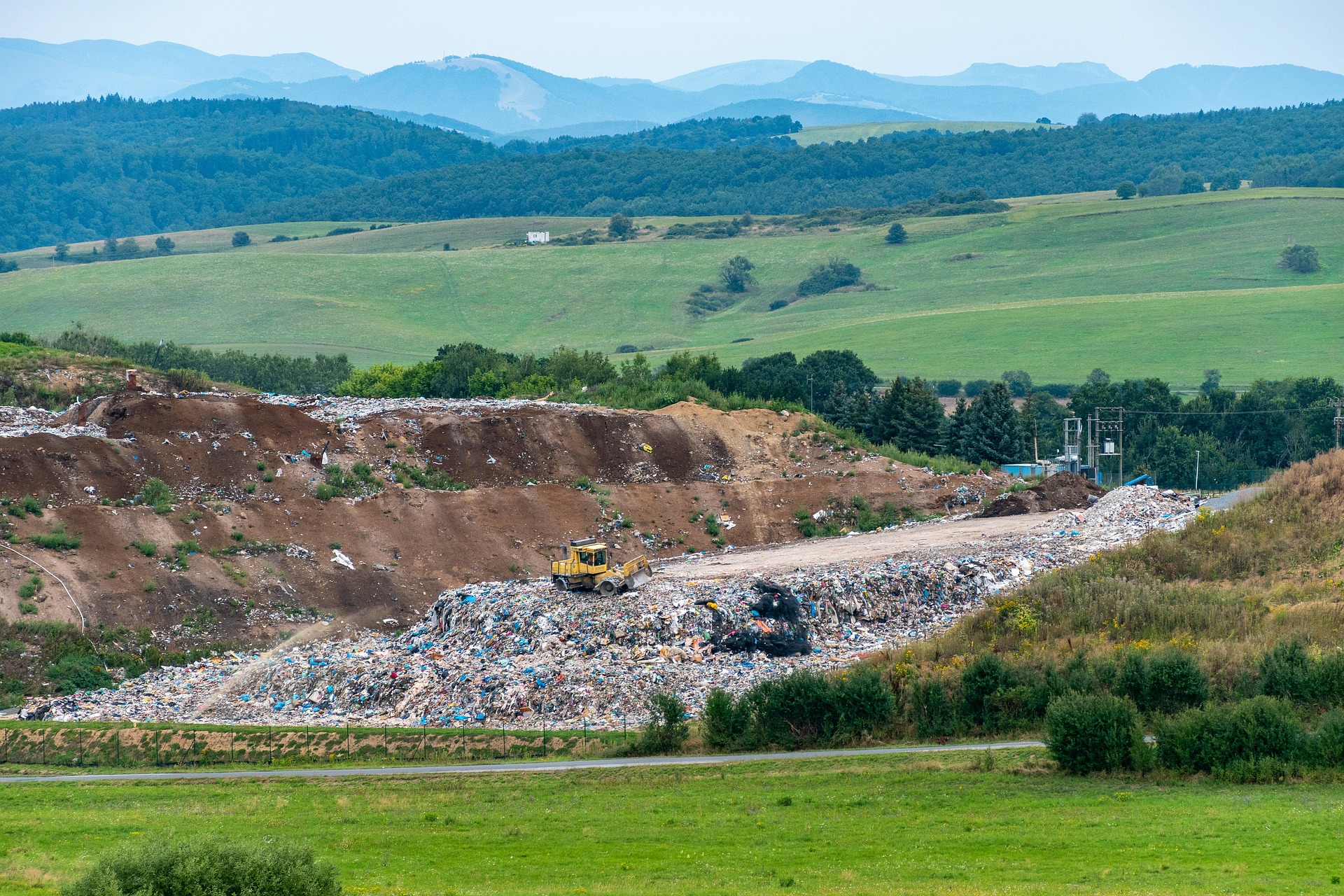
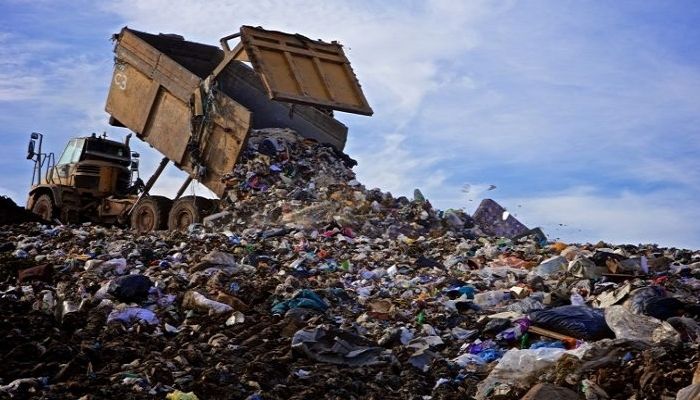
- Other biodegradable municipal waste is inadequately managed, it decomposes in landfills, releasing methane and other greenhouse gases, and contributes to:
1. Air and groundwater pollution;2. Generates noxious or poisonous odours, and;3. Accelerates environmental degradation, thereby intensifying the impacts of climate change.Sustainable waste management solutions, therefore have become both:
- Environmental priorities, and;
- Economic necessities.
Circularity at its core, represents:
A systemic transformation in production and consumption patterns, aimed at:Minimising:
- The extraction of raw materials;
- Water, and;
- Energy.
The Extraction of raw materials involves the deliberate and systematic reduction in the quantity of raw materials taken from the Earth for human economic activity.While eliminating waste at every stage, the Circularity involves:
- Reduction;
- Reuse;
- Recycling;
- Refurbishing;
- Recovering, and;
Repairing, ensuring that materials remain in productive use for extended periods.A defining feature of this model is True Recycling, involving conversion of waste back to its original form:
- Without compromising quality;
- Enabling higher-value recovery, and;
- Avoiding losses associated with downcycling, which refers to converting waste into new materials of lesser quality or value.
Circular economy principles offer:A viable, forward-looking solution that can help India balance economic activity, and ecological sustainability.
Building a Circular Economy to balance Growth and Sustainability in India
The importance of adopting a waste-to-wealth approach lies in reimagining waste as a valuable resource, rather than an economic burden and an environmental issue necessitating a rethinking of material flows within the economy, emphasising:
- The recovery;
- Reuse, and;
- Reintegration of value.
In this search, the Circular economy has emerged as the most comprehensive and scalable approach:
- For enhancing resource efficiency across the full lifecycle of products and processes.
Future of Circular Economy in India
By 2050, India’s Circular economy is expected to reach a market value of $2 trillion, creating 10 million jobs.Realising this potential will require:Aligning economic expansion with environmental stewardship, drawing inspiration from Nature’s efficient, regenerative recycling systems, which exemplify:1. Optimal resource use, and;2. Minimal waste, providing a model for sustainable development.
Generation of Agricultural Waste: From Production to Consumption
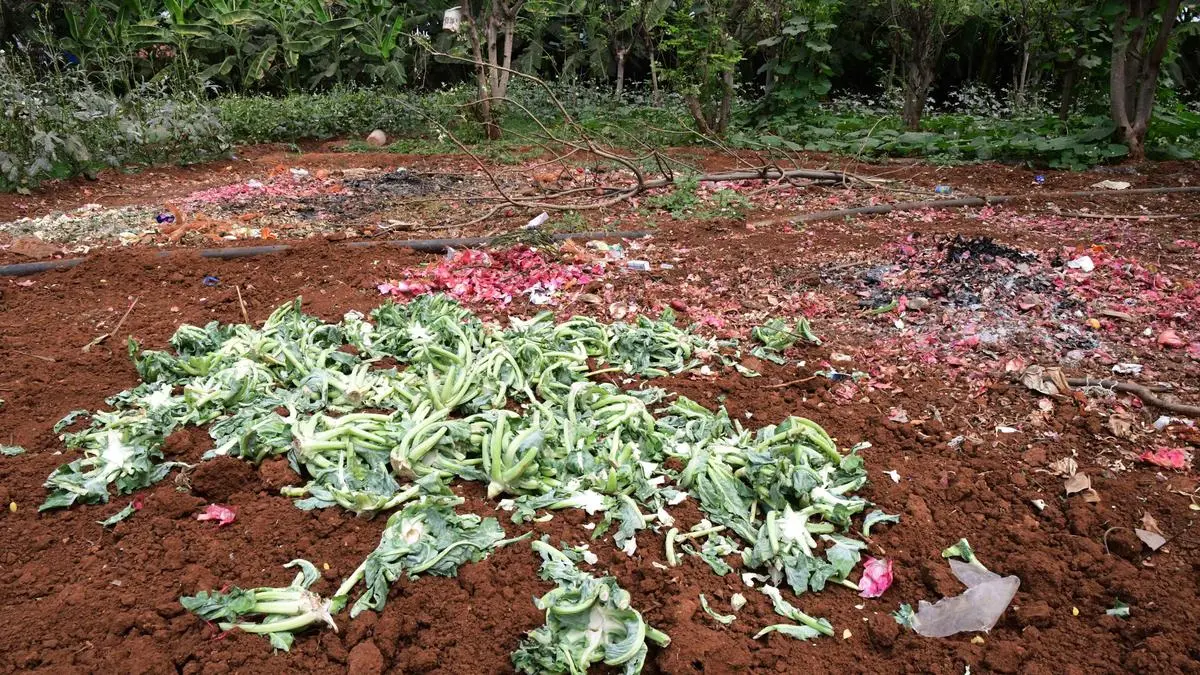
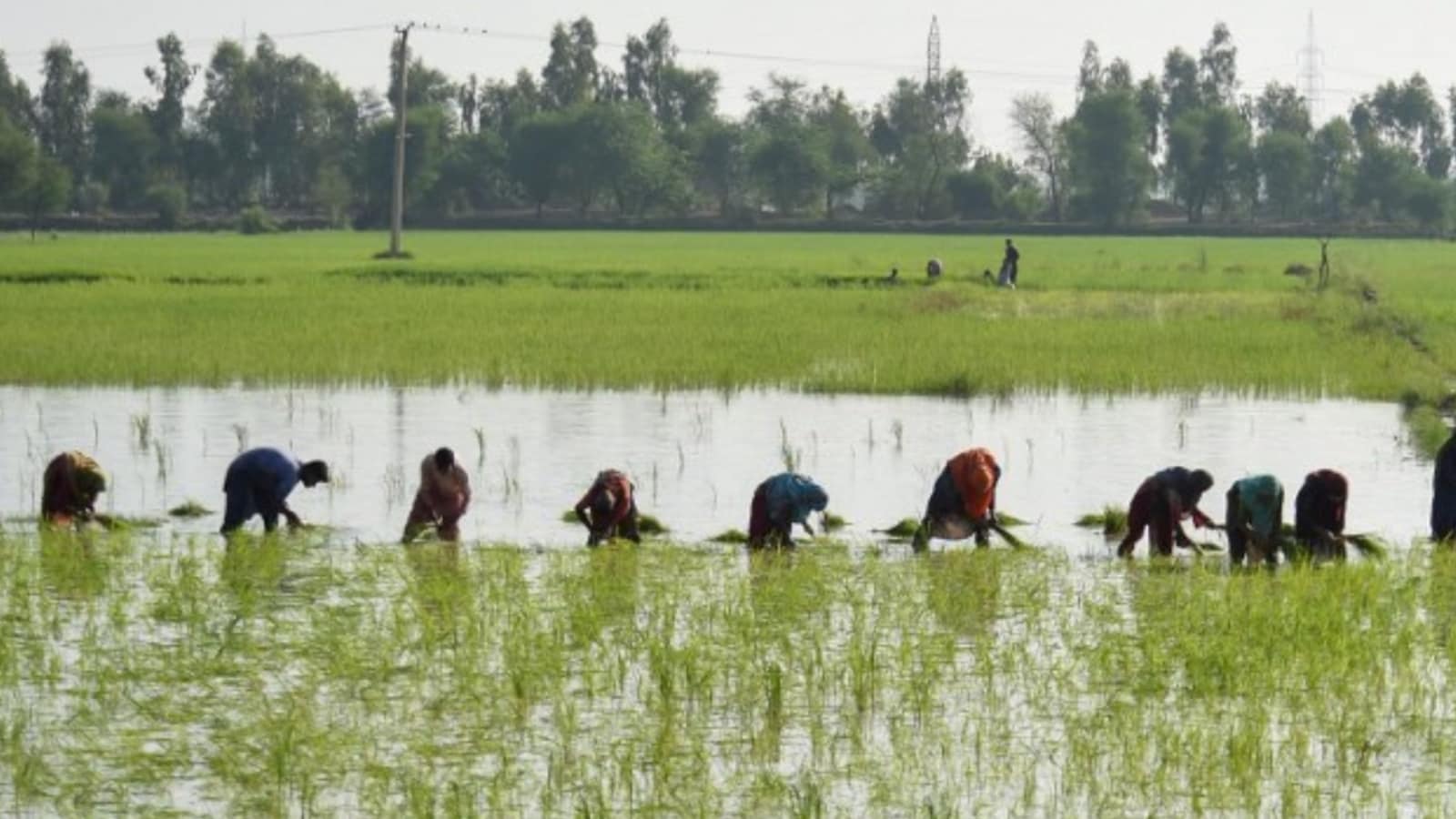
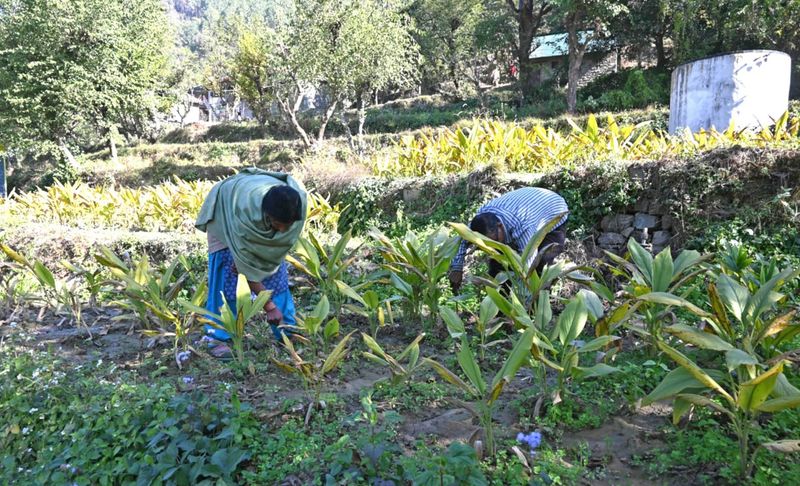
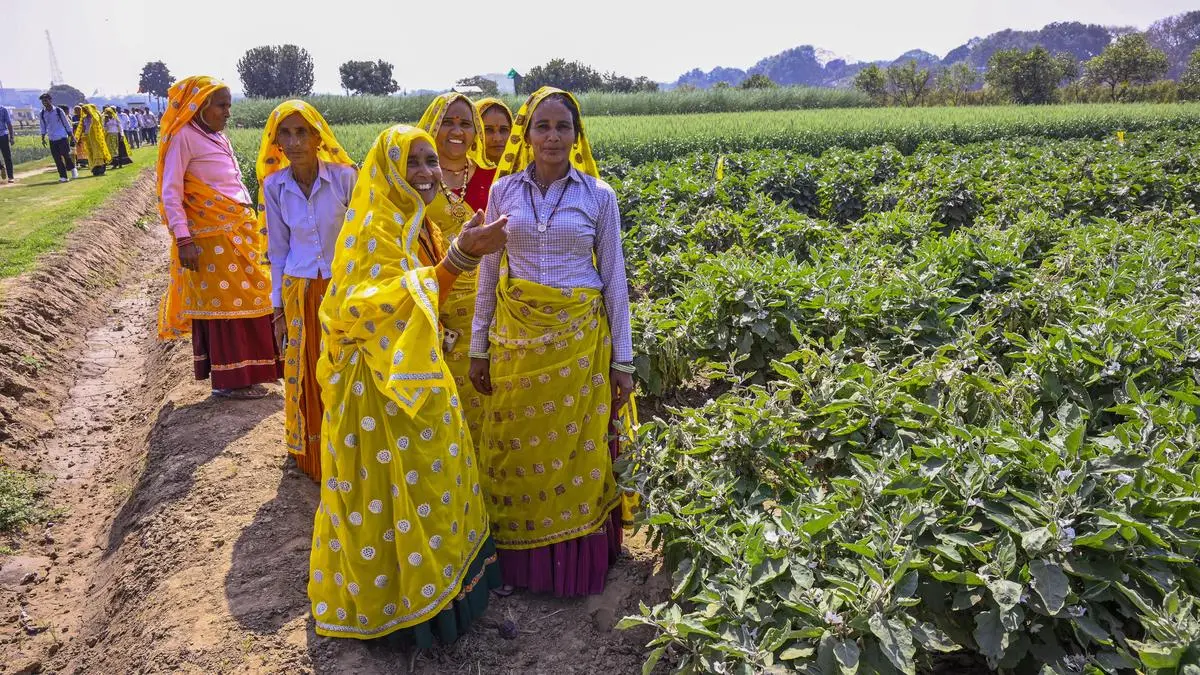
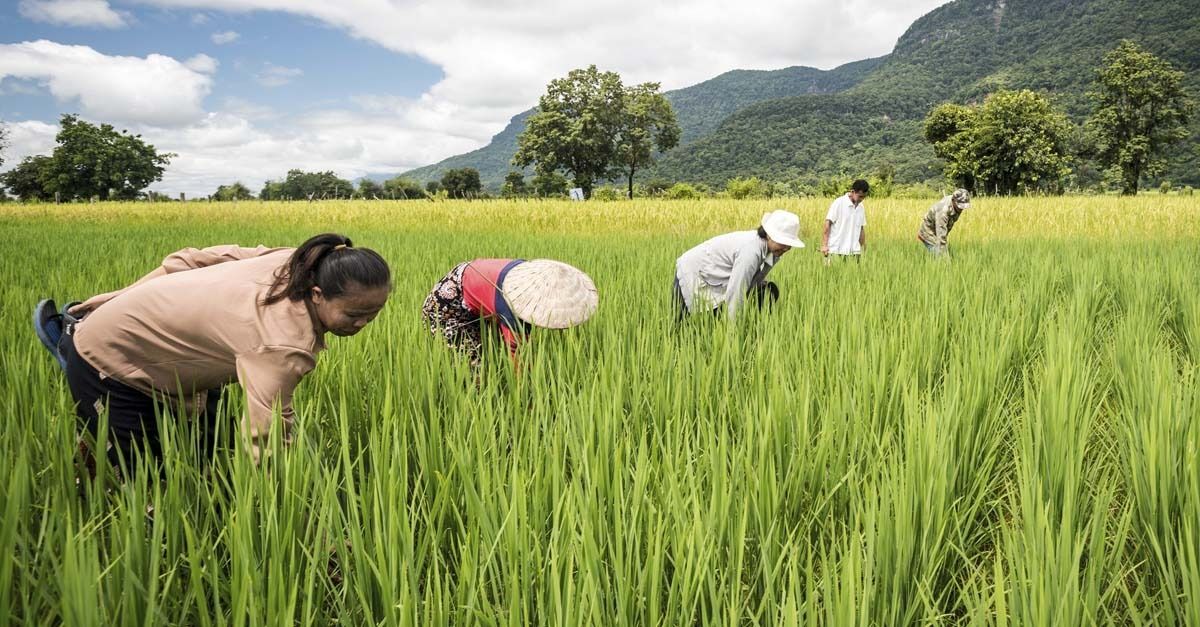
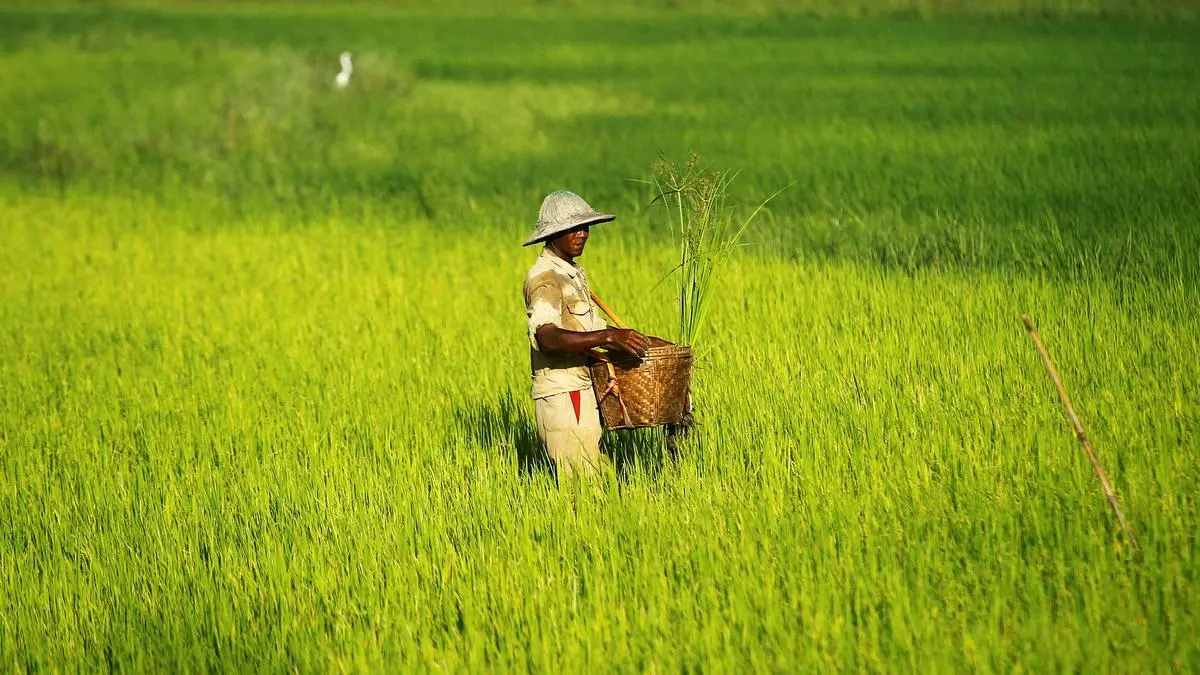
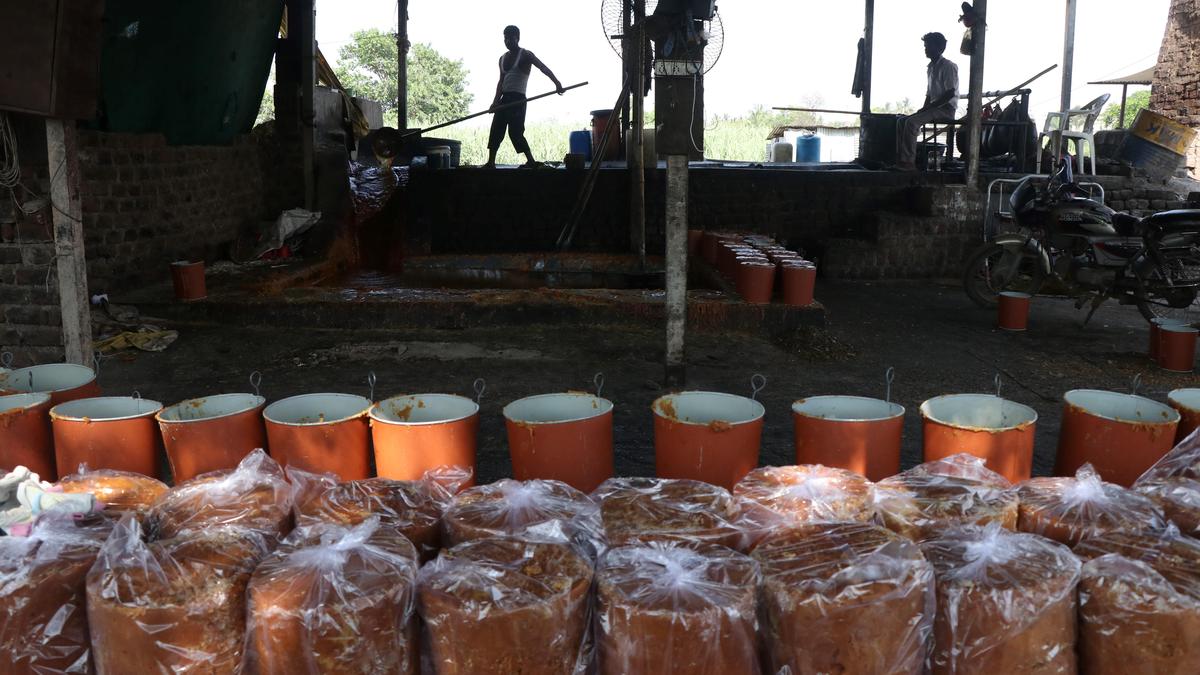
Agricultural waste is generated throughout the journey from farm to food plate. It includes:
- Crop residues;
- Animal manure;
- Processing by-products, and;
- Effluents produced during:
- Crop cultivation;
- Livestock rearing;
- Post-harvest handling, and;
- The processing of grains, fruits, vegetables, sugarcane, oilseeds, and dairy products.
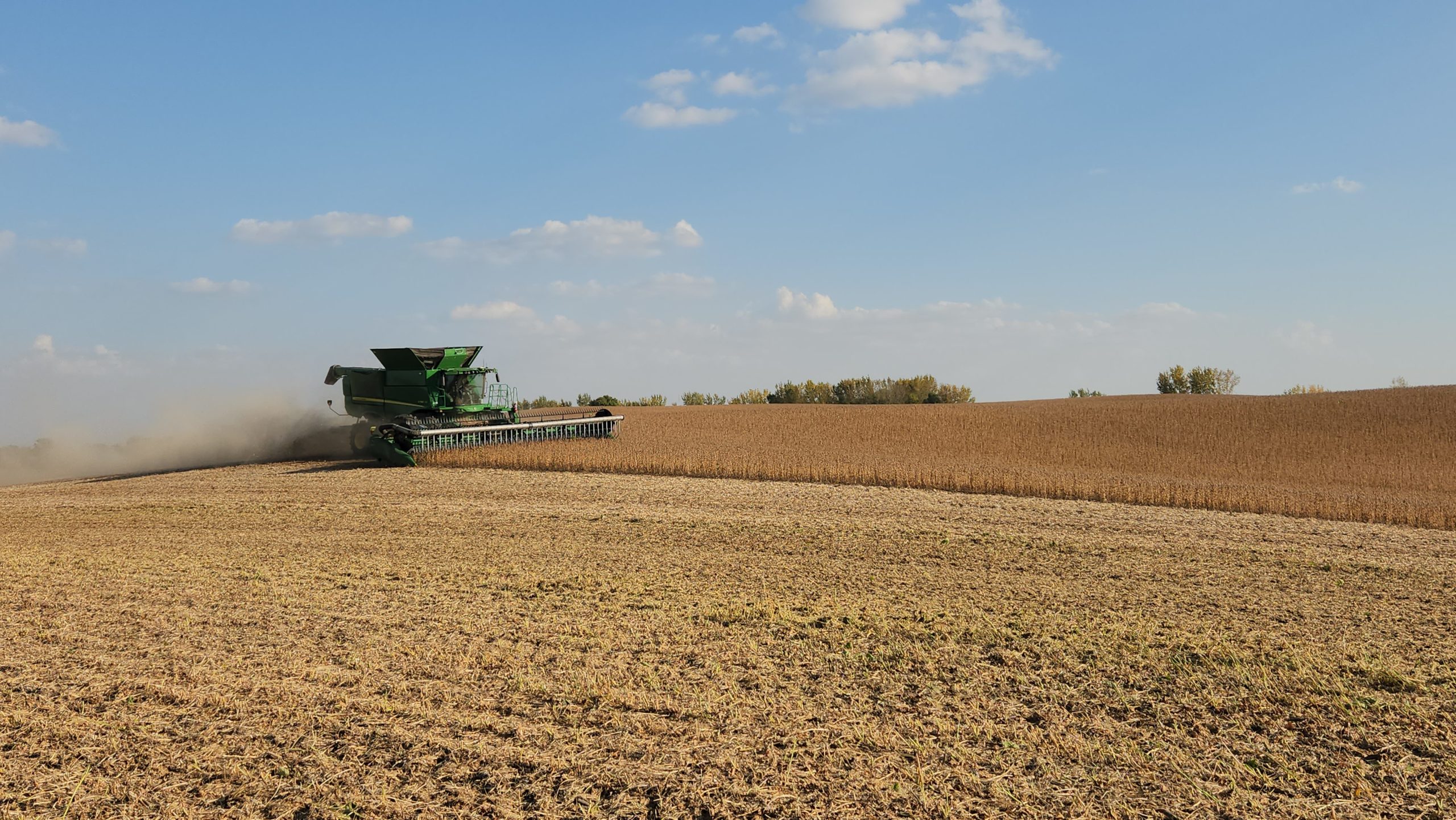
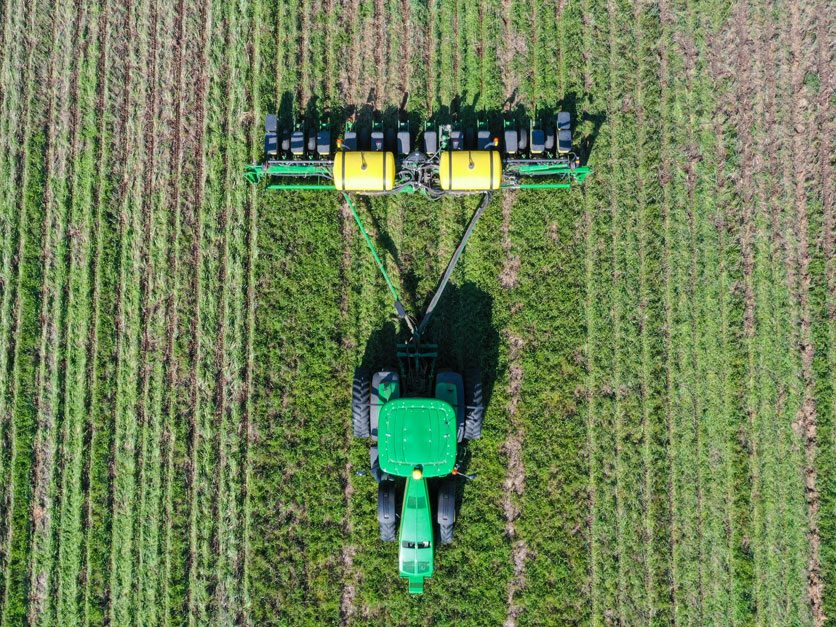
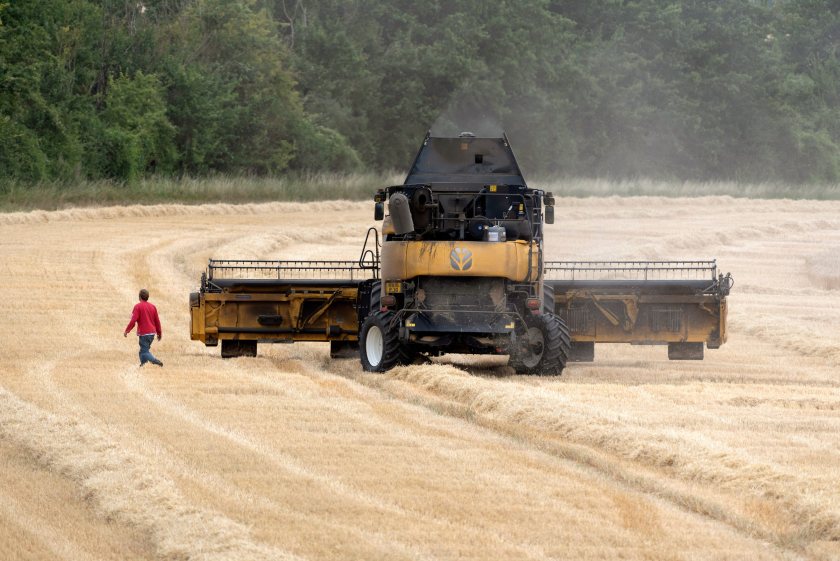
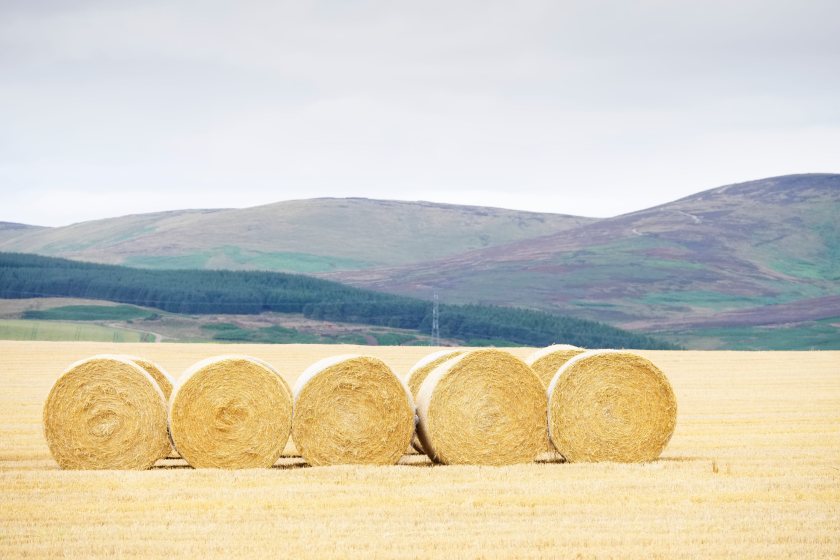
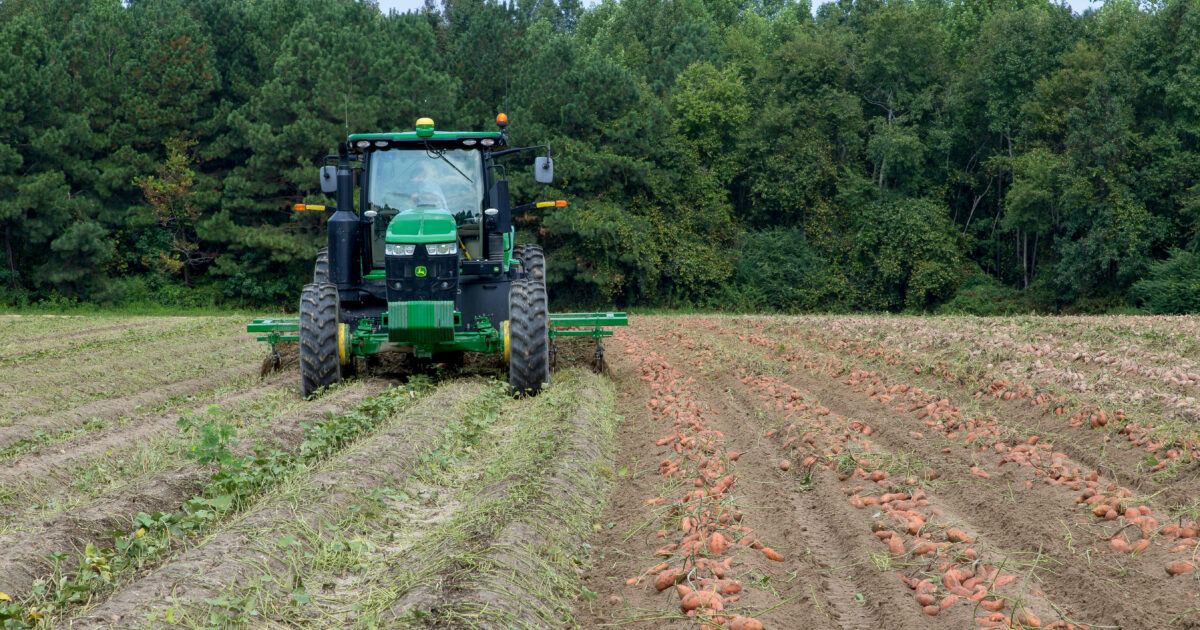
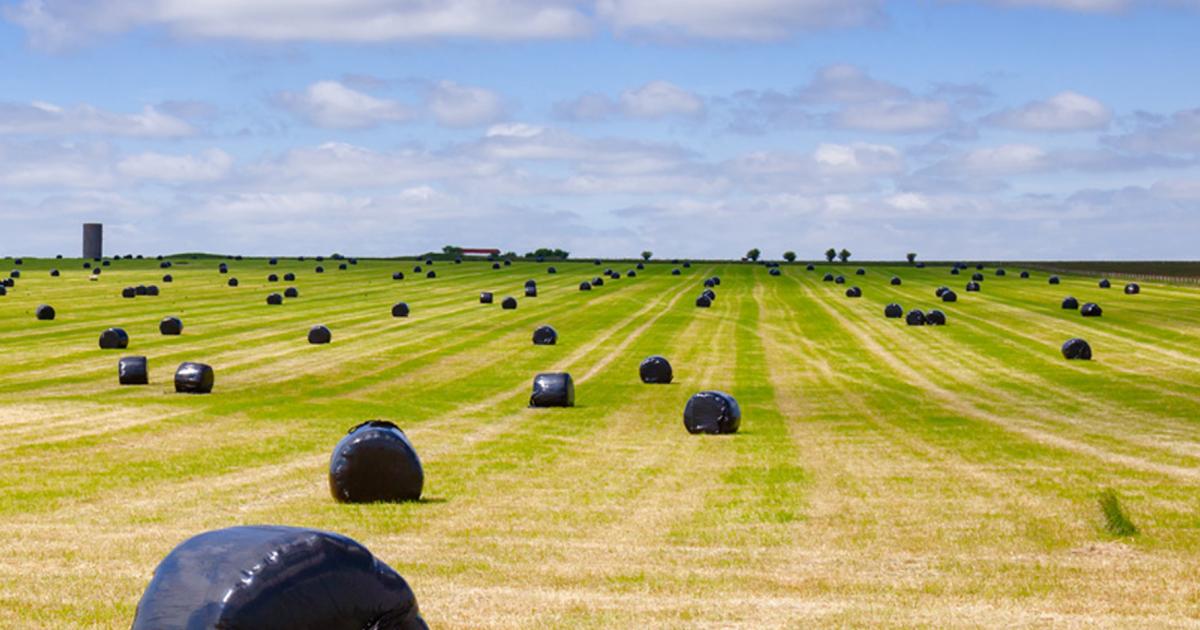
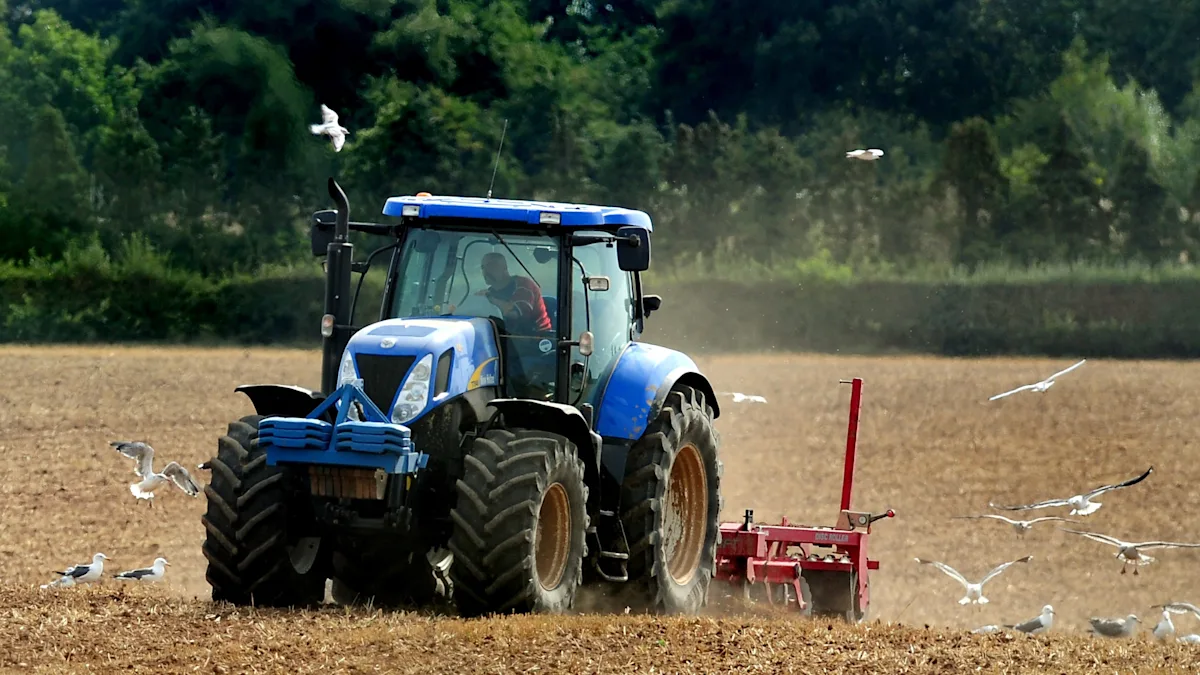
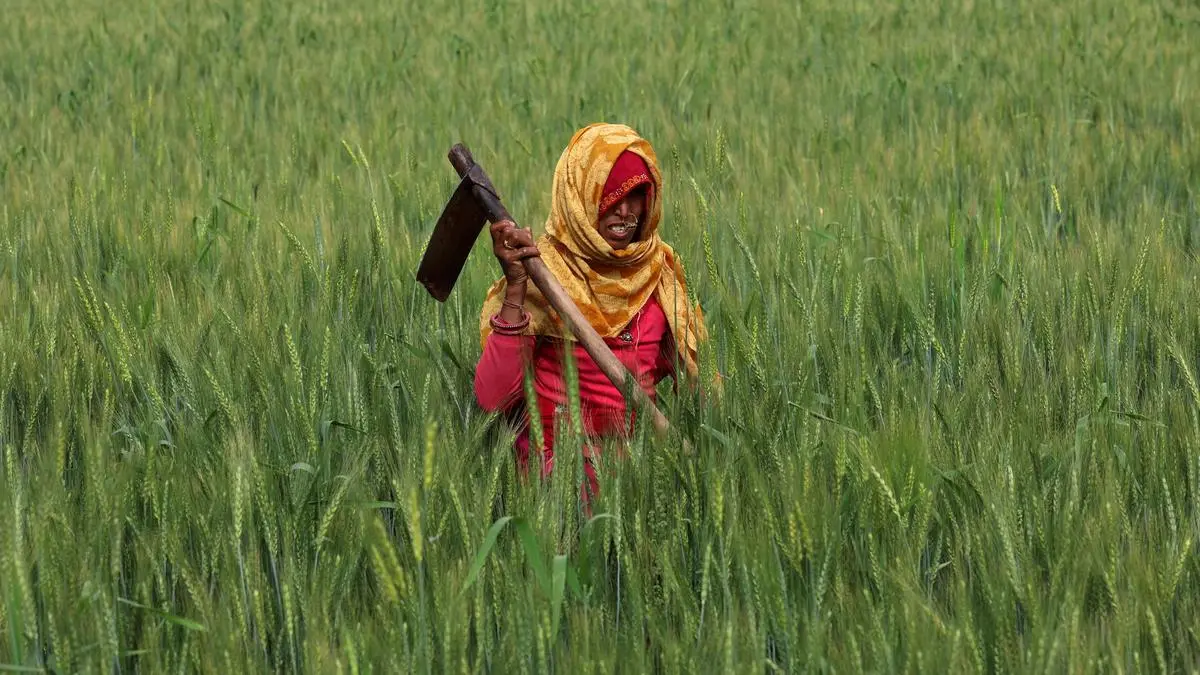
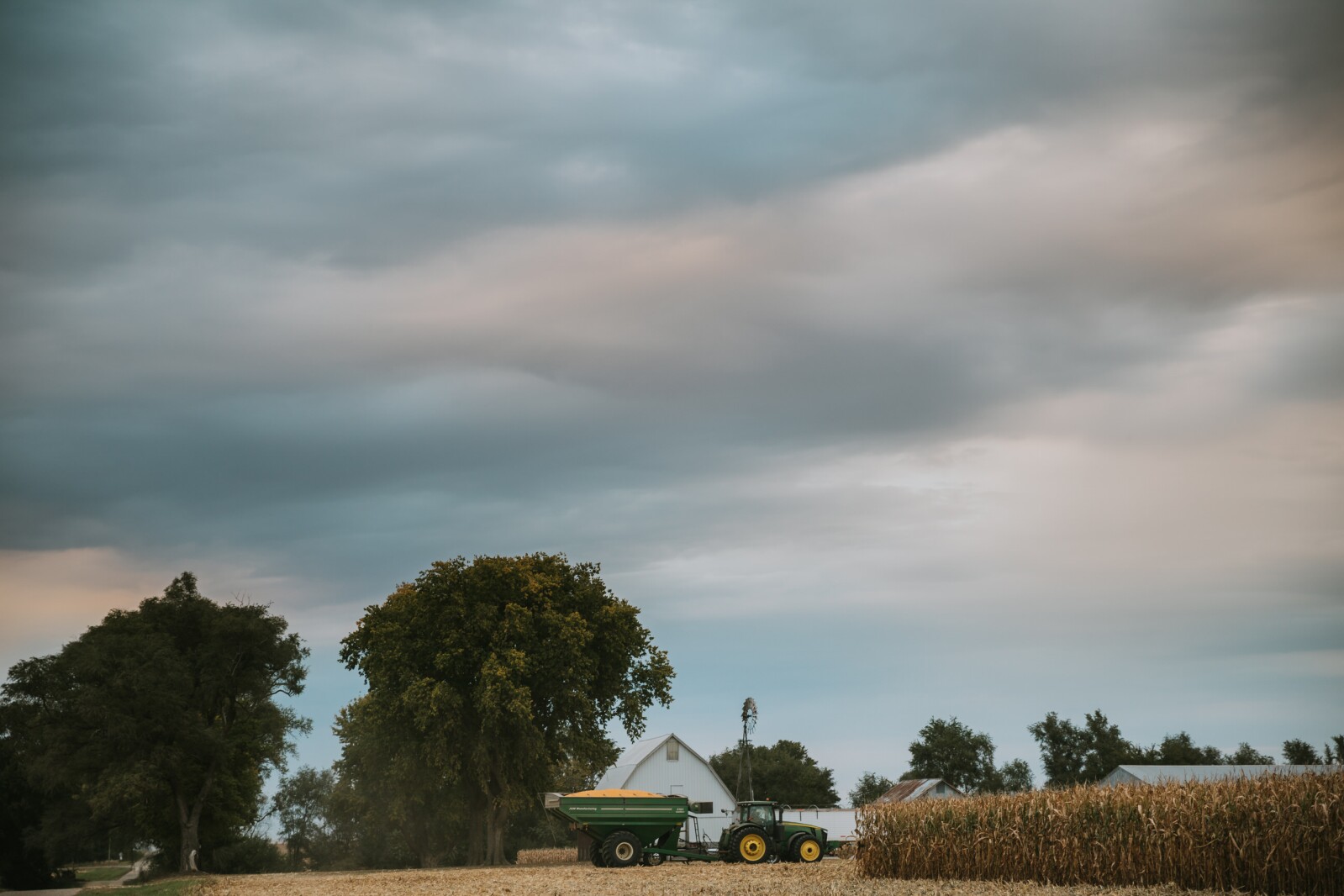
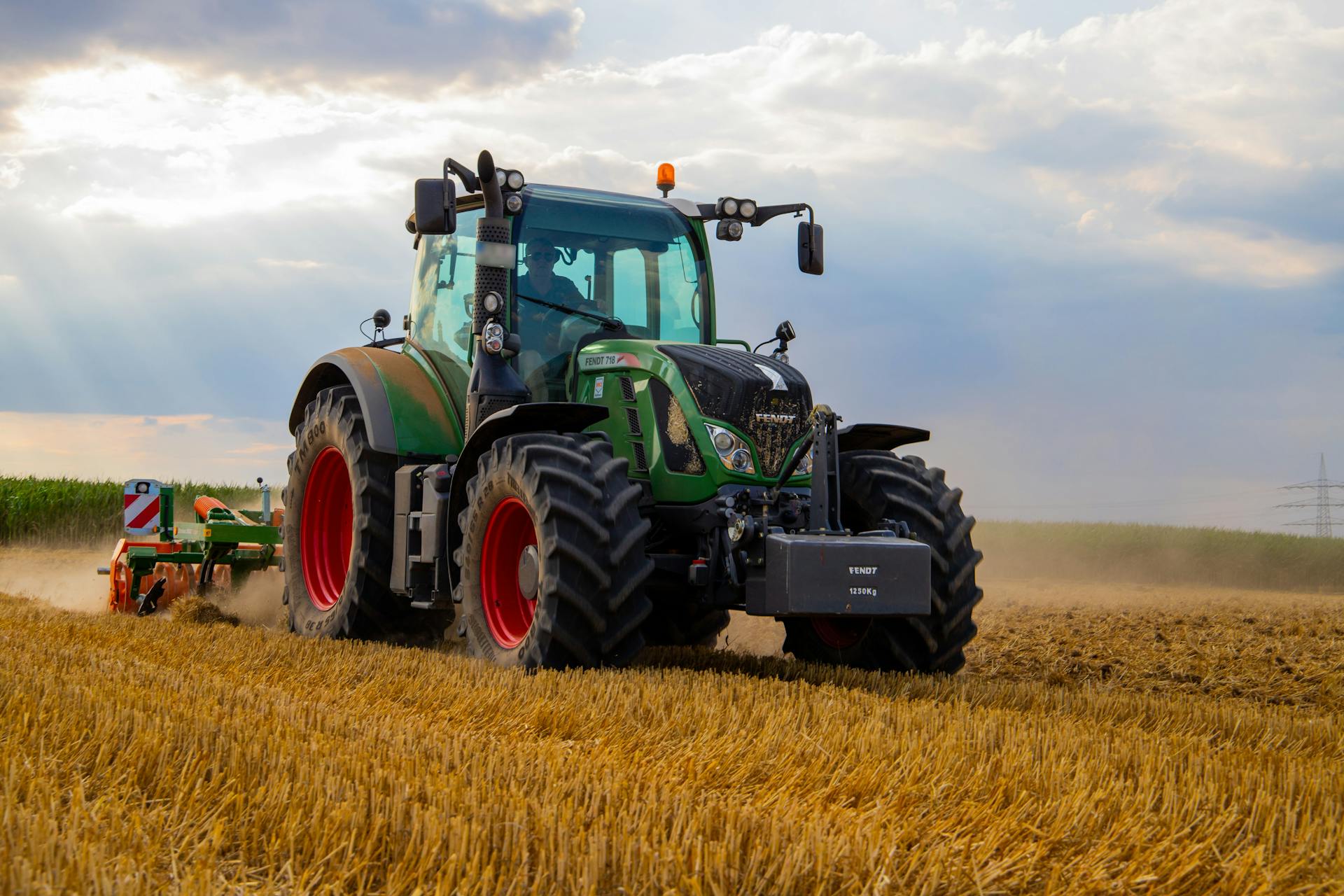
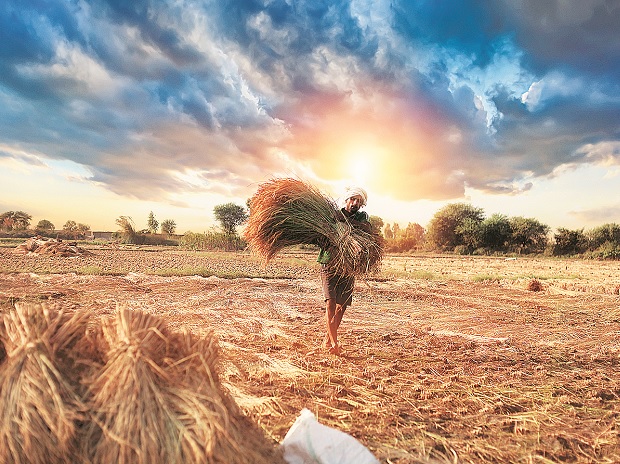
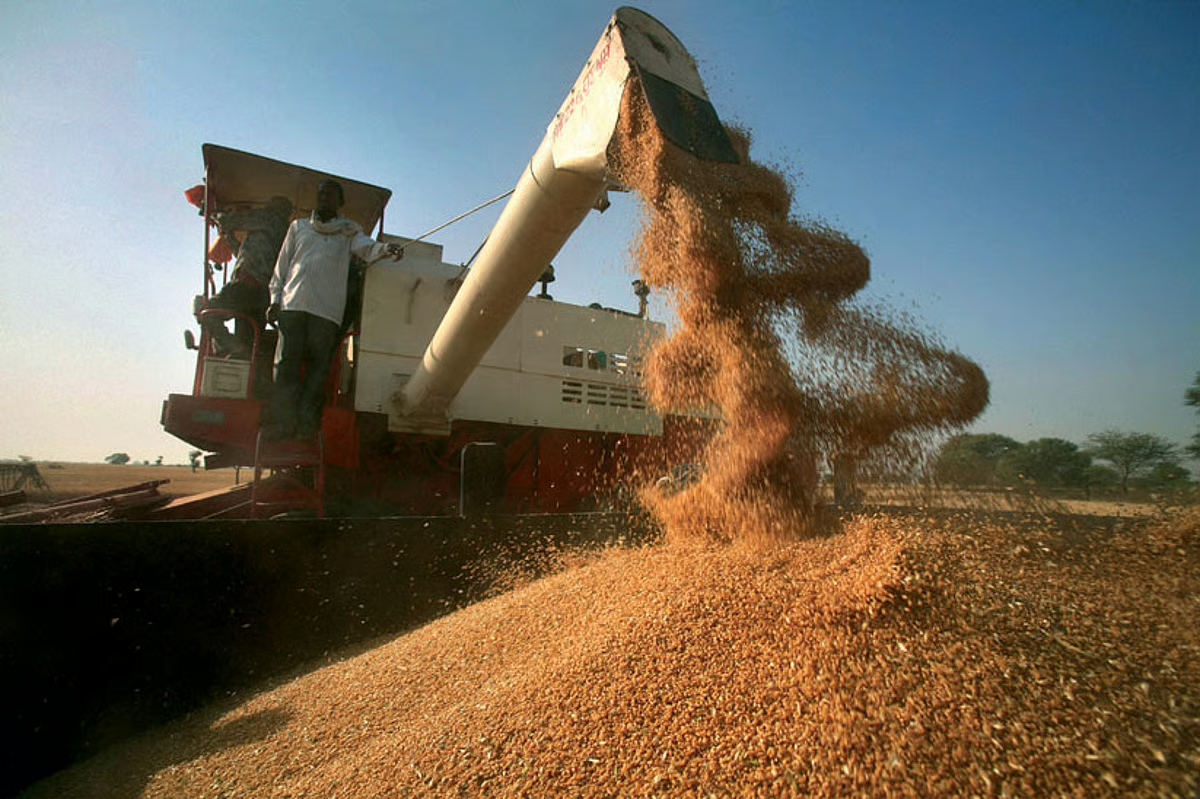
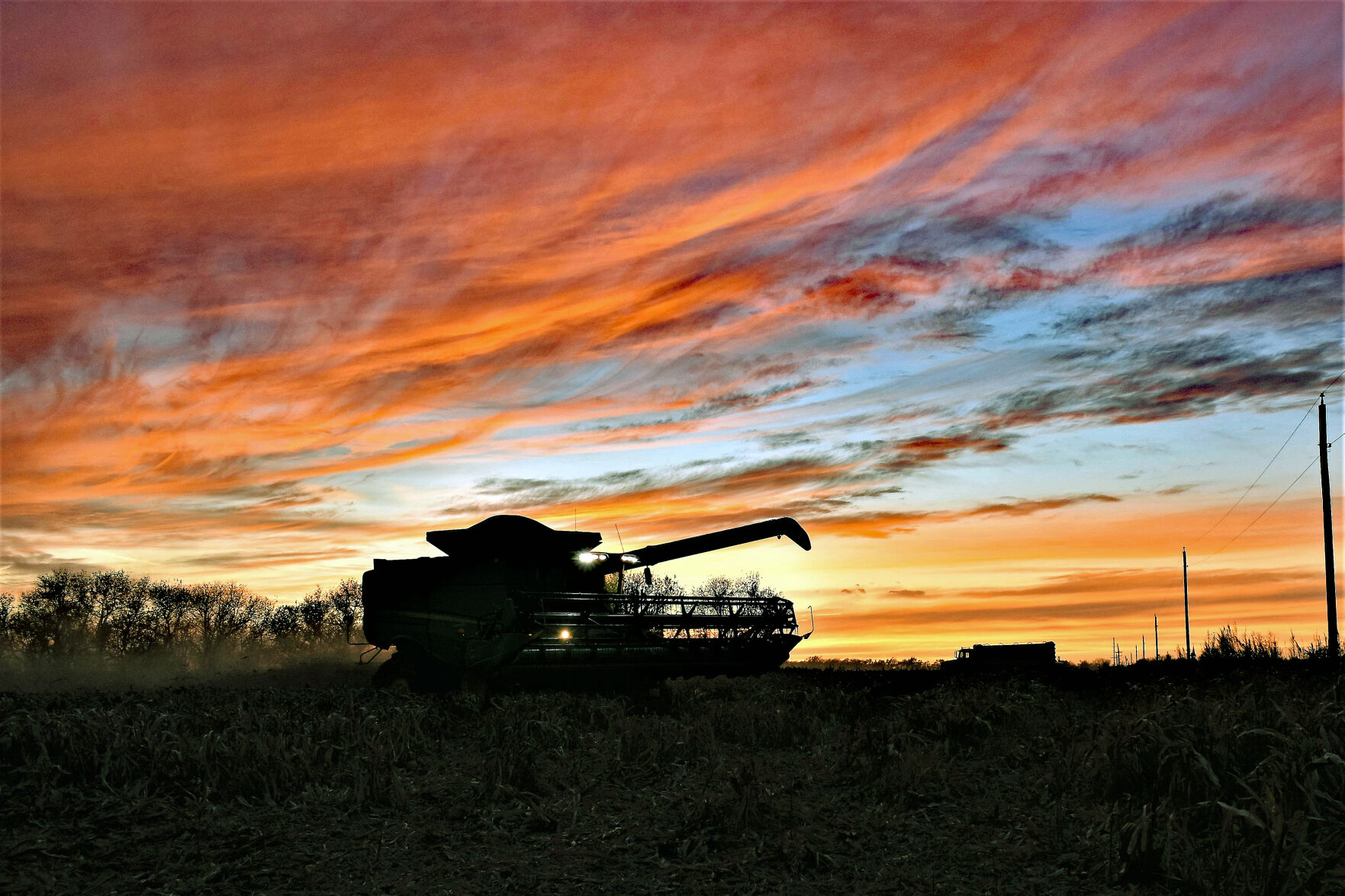
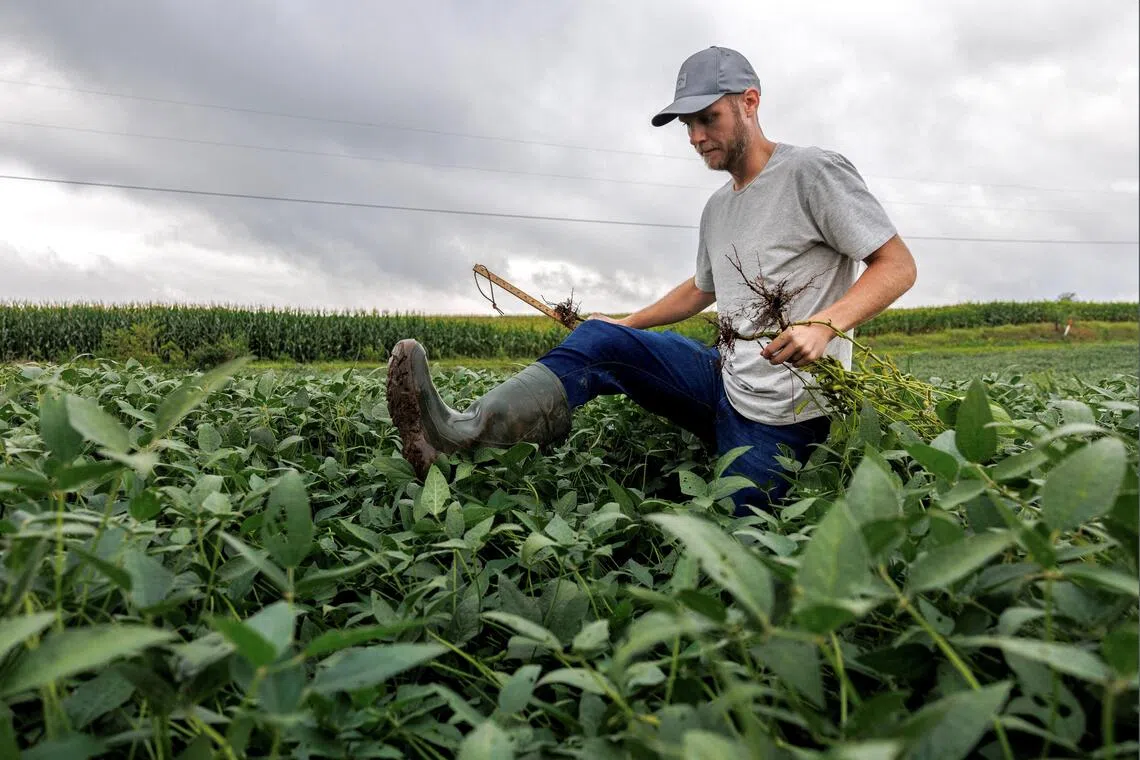
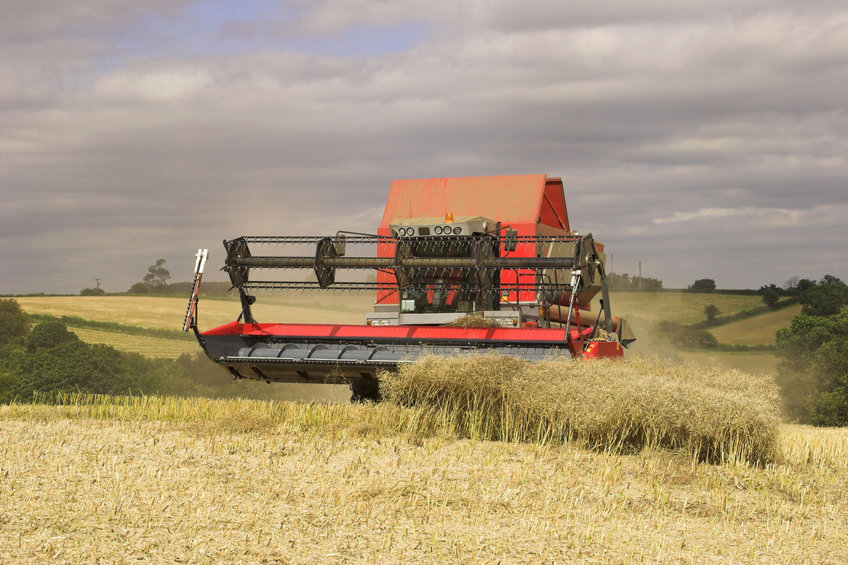
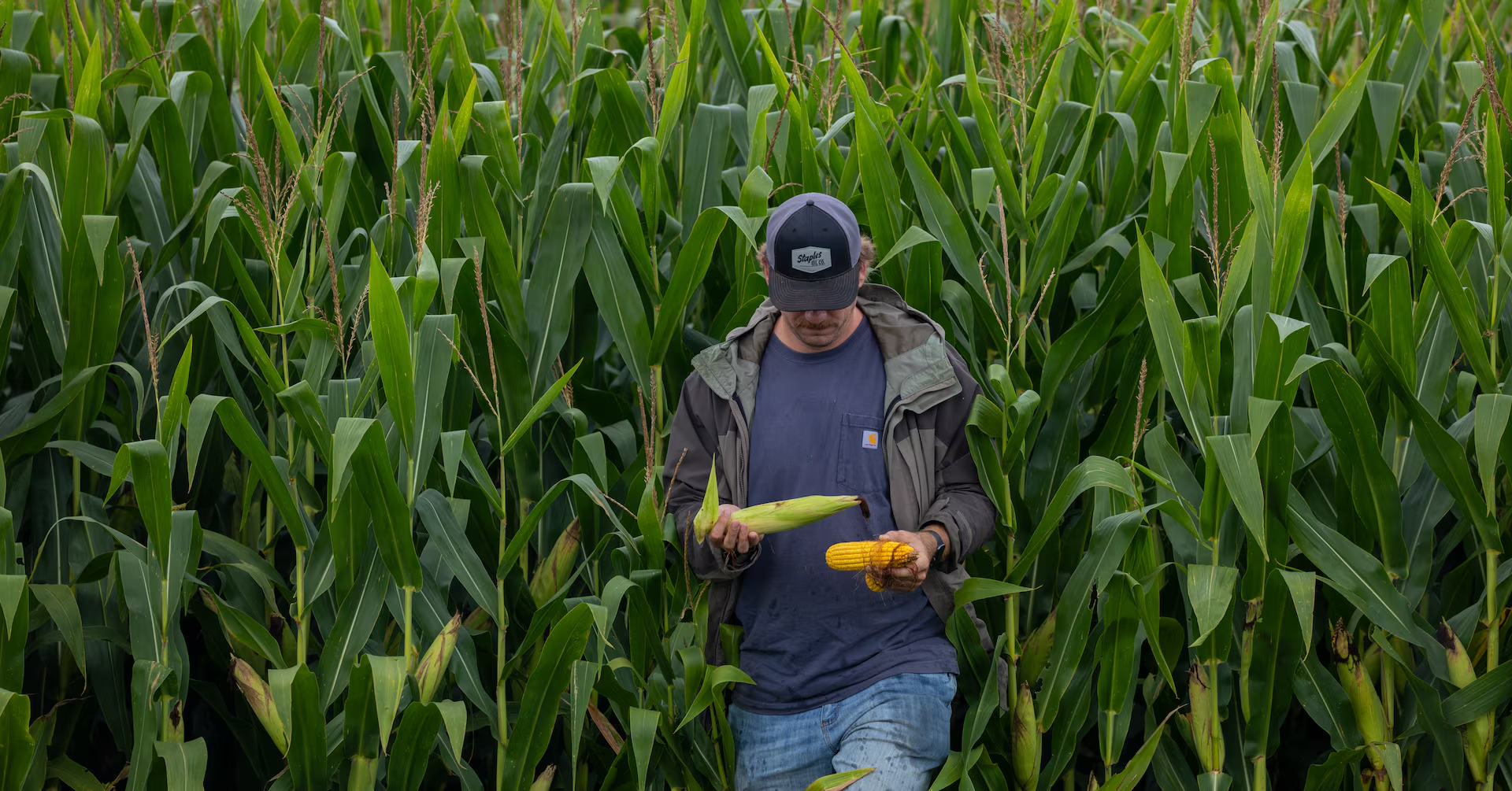
Crop Residues / Stubble:The agricultural waste cycle begins at the post-harvest stage, when crops leave behind residues such as:
- Stalks;
- Straw, and;
- Stubble.
A substantial proportion of this biomass is productively utilised as:
- Cattle feed;
- Compost;
- Biogas;
- Mulch, or;
- Fuel.
However, a significant share is still burned in situ or on site to facilitate rapid land preparation for subsequent cropping cycles.Residue burning leads to:
- The depletion of soil nutrients;
- Degradation of soil health, and;
- The emission of greenhouse gases.
Biomass refers to:Organic material derived from living or recently living plants and animals that can be used as a source of:
- Energy;
- Materials, or;
- Nutrients.
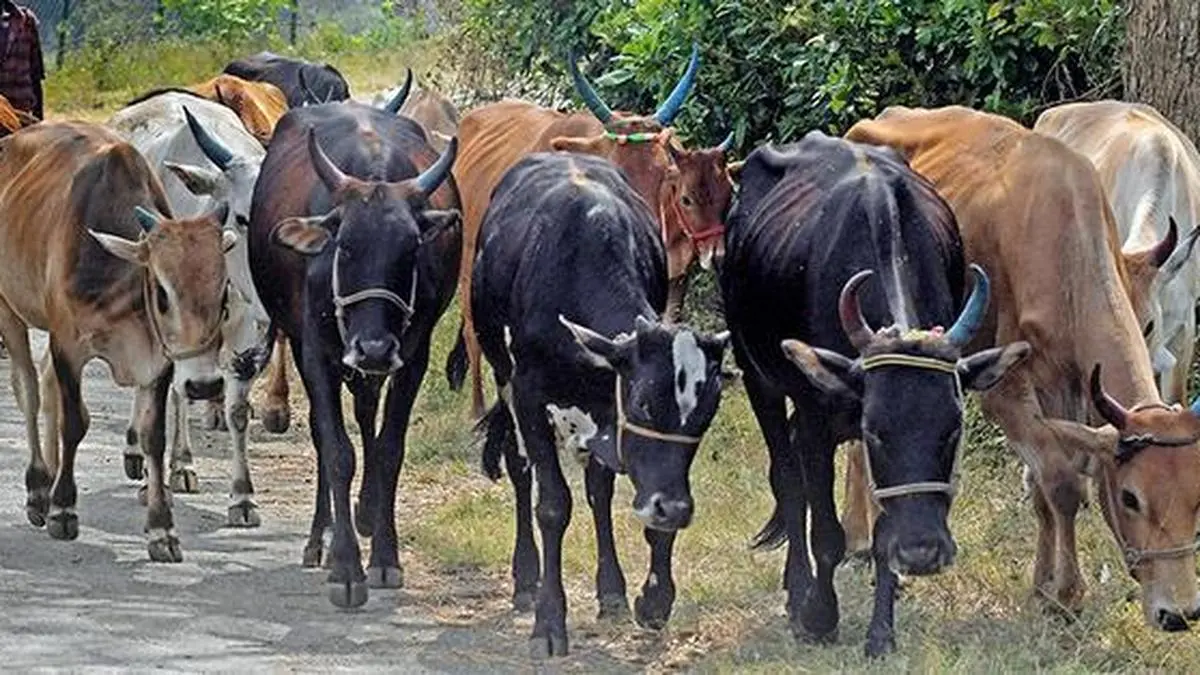
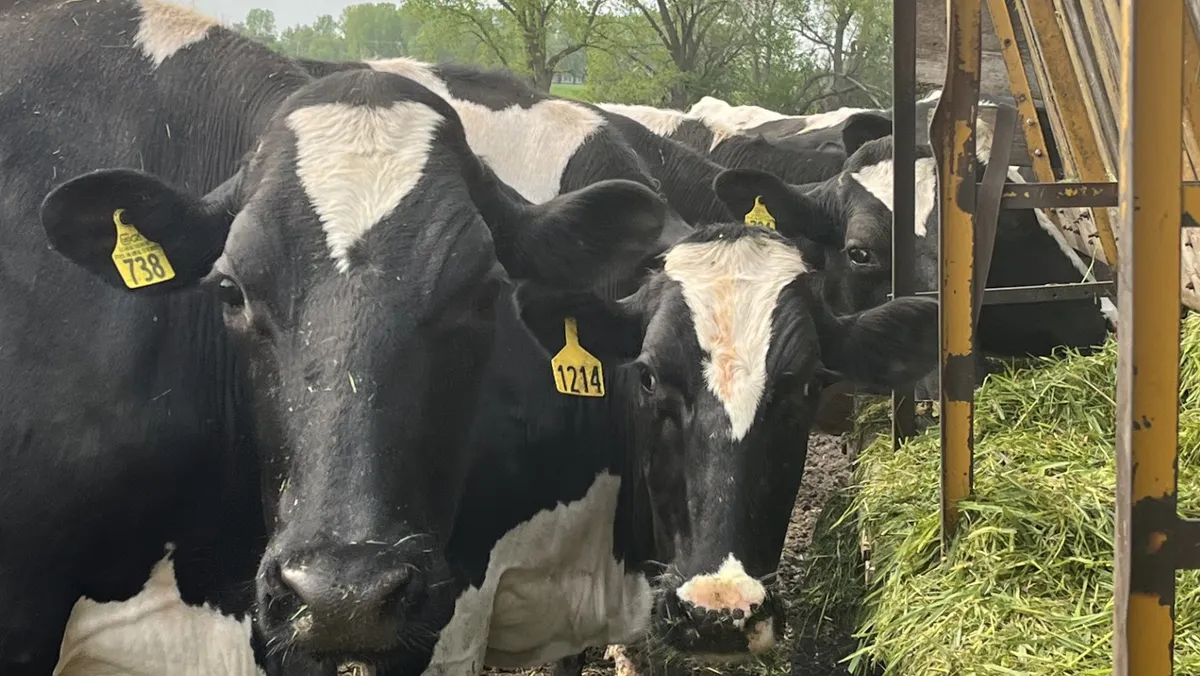
Animal Manure, By-products, and Carcasses:Livestock farming constitutes a significant source of agricultural waste, particularly in India, where large animal populations generate enormous quantities of dung and bedding waste.In the case of a disease outbreak, the safe and timely disposal of animal carcasses is essential to prevent the transmission of infectious and zoonotic diseases. Zoonotic diseases are caused by harmful germs like:
- Viruses;
- Bacteria;
- Parasites, and;
- Fungi.
These germs can cause many different types of illnesses in people and animals, ranging from mild to serious illness and even death.
Government Initiatives Driving Circularity in Agriculture
The government is implementing various policies to promote Circularity in agriculture and allied sectors by converting waste into valuable resources through Initiatives such as:1. Galvanising Organic Bio-Agro Resources Dhan (GOBARdhan), and;2. Crop Residue Management, which are transforming:
- Agricultural;
- Animal, and;
- Food waste into organic manure.
Complementing these schemes, the Agriculture Infrastructure Fund (AIF) and Animal Husbandry Infrastructure Development Fund (AHIDF), support the development of infrastructure to convert agricultural waste into value.Additionally, the Jal Shakti Mission encourages the reuse of domestic and industrial wastewater for non-potable purposes, including:
- Agriculture;
- Landscaping, and;
- Horticulture.
All these initiatives are working towards the waste-to-wealth approach by promoting:
- Resource recovery;
- Reuse, and;
- Value addition across the agriculture and allied sectors.
Epilogue
India’s shift towards a Circular economy in agriculture demonstrates that environmental sustainability and economic growth can be mutually reinforcing.While the Scale of agriculture and Food waste are posing a significant concern,1. Targeted policies;2. Strategic infrastructure investments, and;3. Coordinated institutional action,are increasingly converting waste into:
- Energy;
- Organic inputs;
- Water resources, and;
- Livelihood opportunities.
Flagship initiatives such as:1. GOBARdhan;2. Crop residue management programmes;3. The Agriculture Infrastructure Fund (AIF), and;4.The Animal Husbandry Infrastructure Development Fund (AHIDF) represent the potential of Circular agriculture in:
- Enhancing soil fertility and water security, and;
- Strengthening farm resilience.
Disclaimer: Views expressed above are the author’s own.