
“Which company should I choose to buy cryptocurrency?”
“Is it safe if it’s a company I’ve heard of?”
It is natural to feel hesitant when opening an account for the first time. When you see advertisements, they all seem convenient, don’t they?
In this article, we will organize 5 points you should check before opening an account. You don’t need to sign up right away. First, let’s get a yardstick to compare them yourself.
Previous: What is the difference between Bitcoin and Ethereum?
[Previous article URL]
1. Is the company registered?
What is generally called “cryptocurrency” is referred to as “crypto assets” under the Japanese legal system.
The first thing you want to check is whether the operating company is listed on the Financial Services Agency’s “List of Crypto Asset Exchange Service Providers.” Since the service name and company name may differ, be sure to check the operating company as well.
However, even if they are registered, it does not guarantee your principal or profits. Nor does the government guarantee the value of the crypto assets handled. www.fsa.go.jp
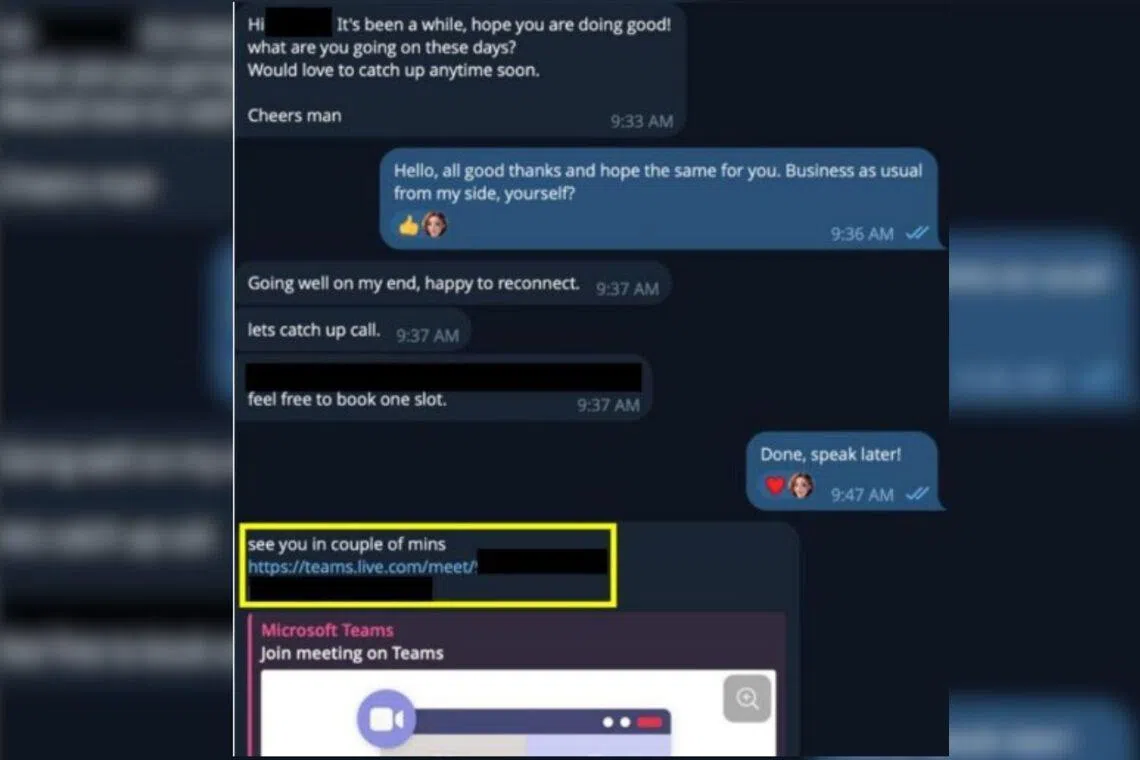
Also, be careful of fake sites that use real company names. Do not rely solely on links sent via social media; compare them with the address on the official website.
2. If it says “zero fees,” does that mean it costs nothing?
Just as you pay shipping costs separately from the product price in online shopping, you need to check for costs other than buying and selling for crypto assets as well.
Look at the situations where costs occur, such as depositing or withdrawing Japanese yen, trading, or sending crypto assets to an external address.
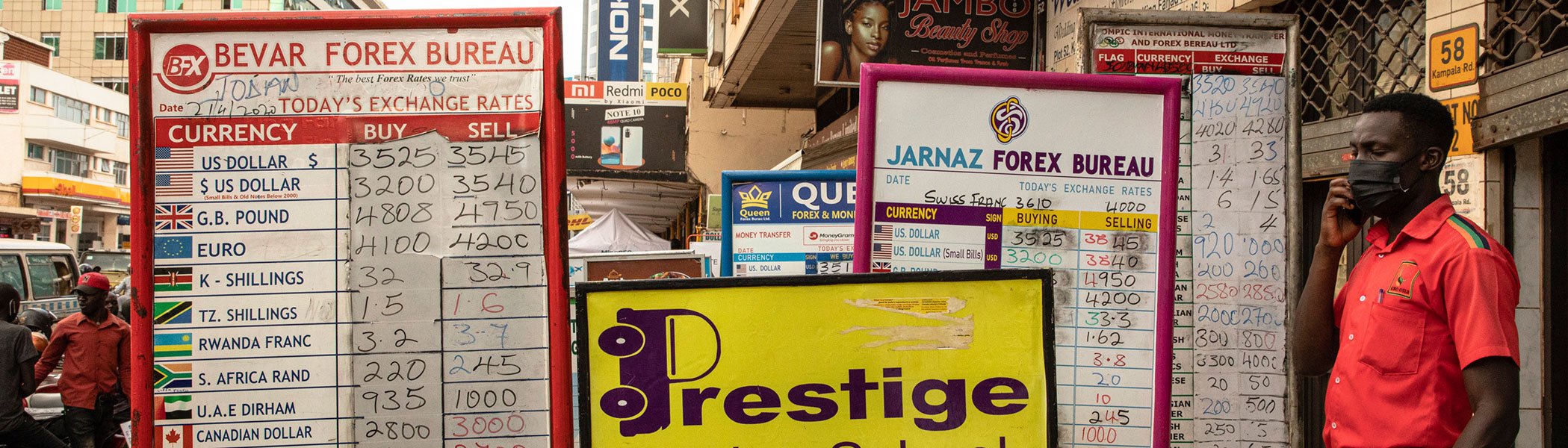
Furthermore, even if trading fees are free, there may be a difference between the buying price and the selling price. This difference is called a “spread.”
For example, in bitFlyer’s official guidance, it is explained that while trading fees at their exchange are free, the user bears the spread. bitflyer.com
It is important to look not just at the word “free,” but at the costs from the time you purchase until you convert back to Japanese yen.
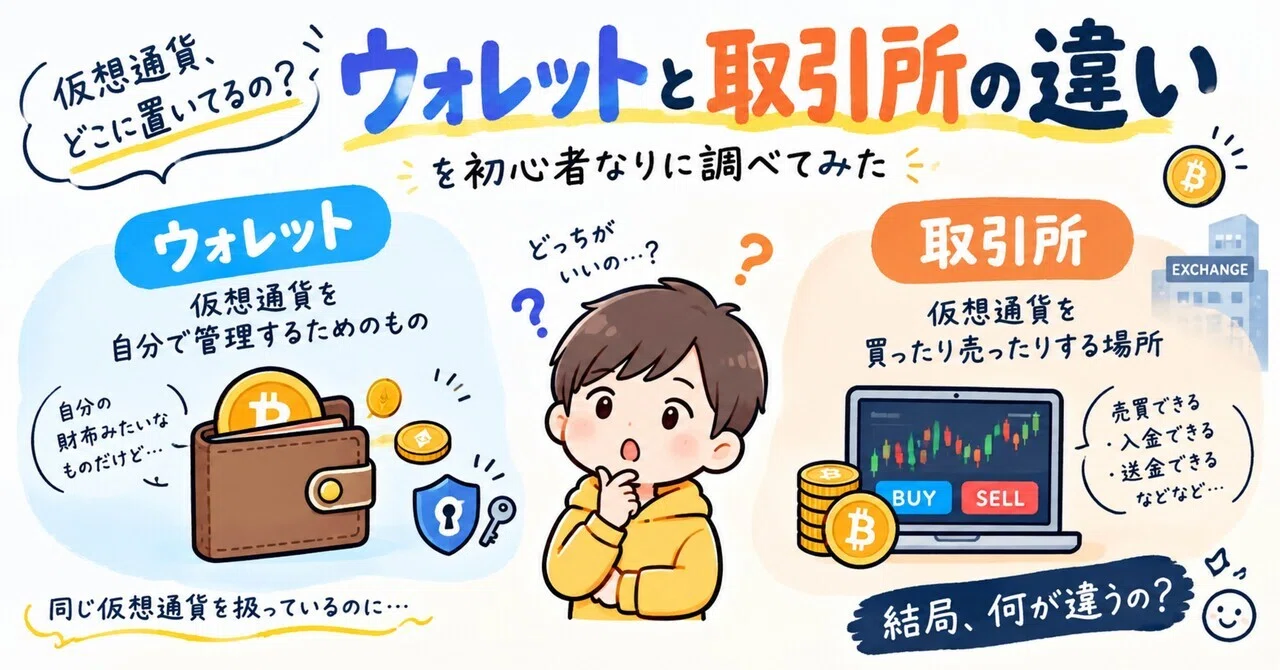
Note that in this article, we use the general term “exchange” to refer to the entire service. The difference between the “sales office” and “exchange” trading methods within them will be explained next time.
3. Can you operate it yourself without getting lost?
Having many features is different from being easy for you to use.
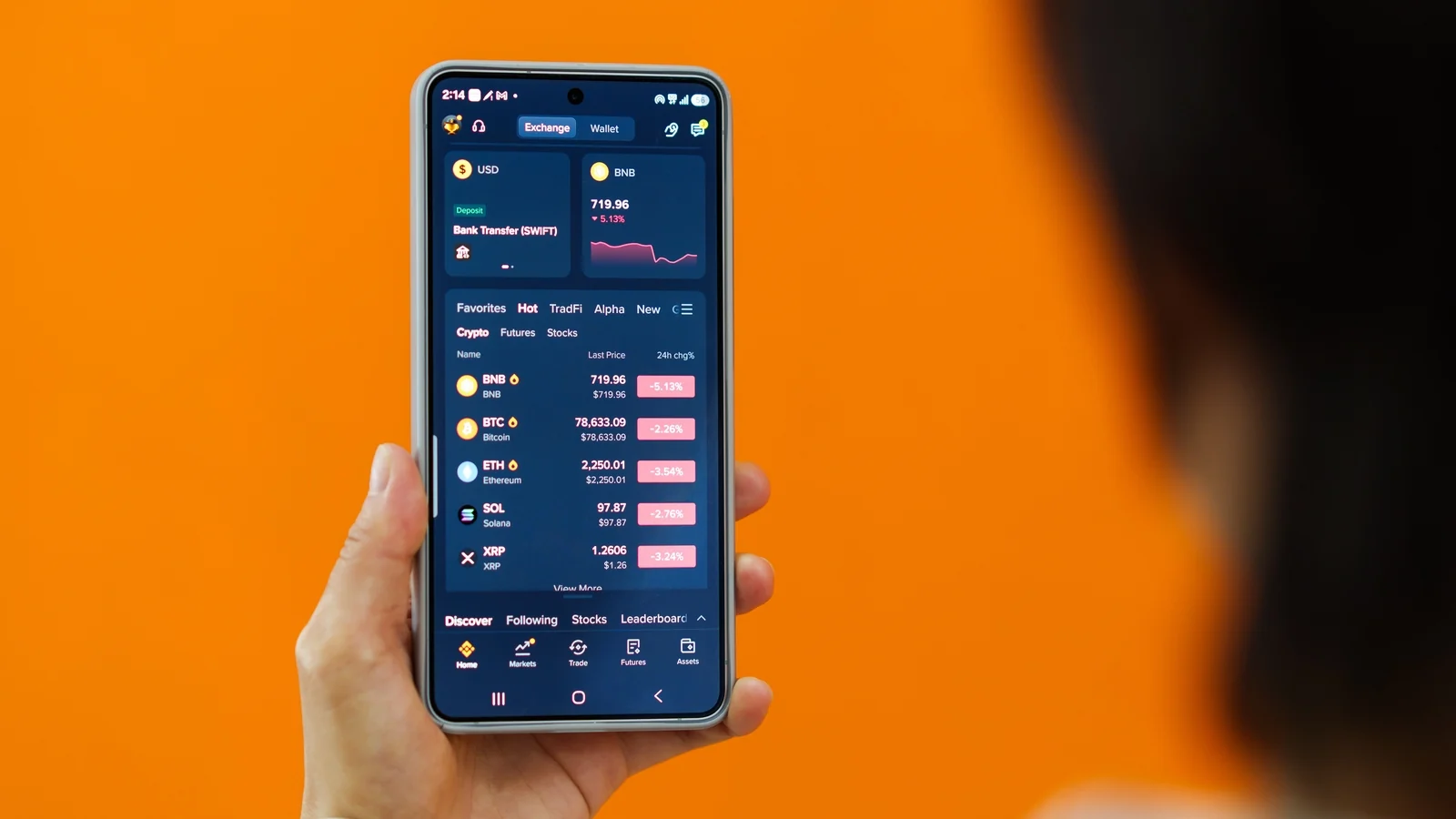
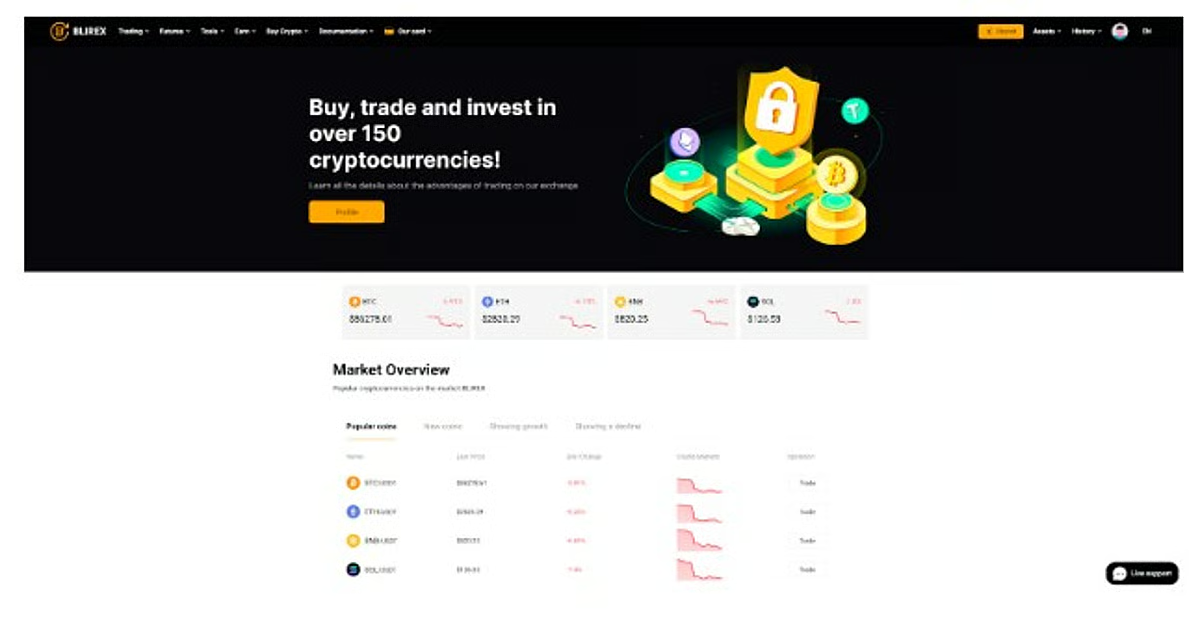
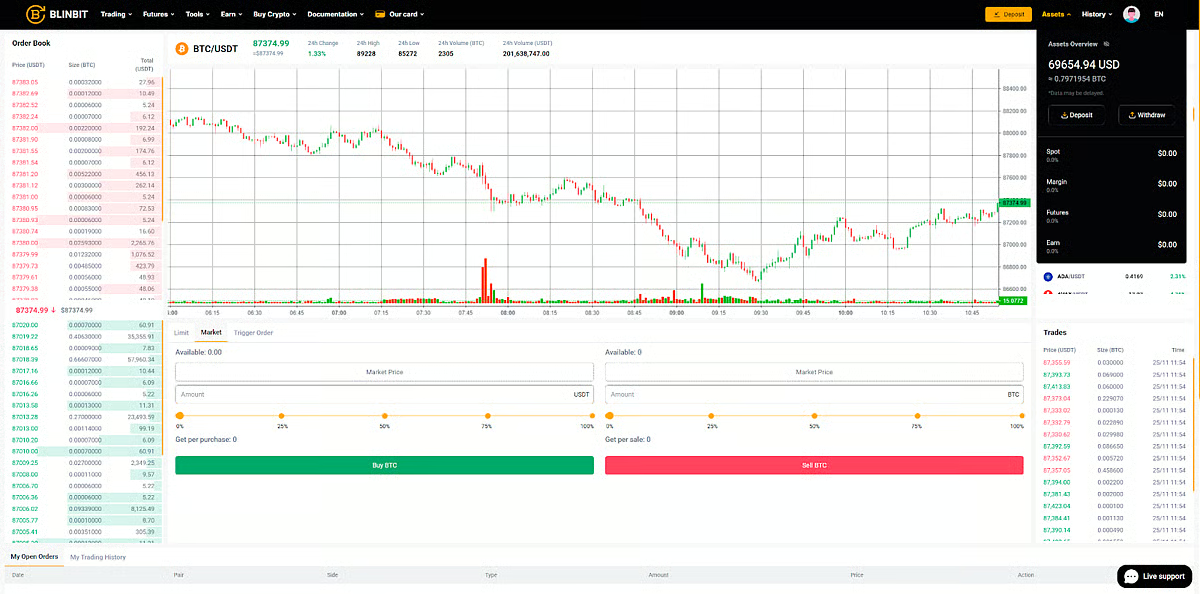
Take a look at the screen examples and operation guides on the official website to check the font size, how to enter amounts, and the confirmation screen before placing an order.
It is important that you can read for yourself “what you are buying, how much, and at what price.” If you feel the screen is hard to see, that feeling is also a criterion for choosing.
Also, check how to contact them when you have trouble. It is reassuring to know which channels are available—such as phone, email, or chat—and when they are available for support.
4. Are there safeguards against unauthorized logins?
Check not only the measures taken by the company but also the security features you can set up yourself.
A typical example is “two-factor authentication.” This is a mechanism that verifies your identity using a confirmation code in addition to your password. Think of it like adding an extra lock to your front door, though it cannot completely prevent all damage.bitflyer.com
Make sure to check which operations require authentication and how to recover your account if you lose your smartphone.
Once you have created an account, complete your security settings before depositing any funds. It is also important not to reuse passwords and never to share your confirmation codes with others.
5. Does it meet your goals and usage requirements?
You do not need to choose an exchange just because it handles a large number of coins.
If you want to learn about Bitcoin first, check how to buy and sell it, and what the minimum order amount is. The minimum order quantity may vary depending on the trading method, even within the same company.bitflyer.com
Please also check the official guidelines of each company for account opening requirements, such as age, and the documents required for identity verification.
There is no need to be rushed by campaign deadlines. If there are any conditions you do not understand, make your decision only after inquiring about them.
6. Summary
Before opening an account, check the following five points:
-
Registration of the operating company and its official website
-
Costs, including fees and spreads
-
Ease of use of the screen and contact channels
-
Security features such as two-factor authentication
-
Features and usage conditions that match your goals
First, try comparing two companies you are interested in using the same criteria. Finding items you do not understand is also a step in the learning process.
Creating an account and making a purchase are two different things. Do not rush to buy; start by learning first.
7. Next Episode Preview
Next time, we will cover “Do you know the difference between a ‘dealer’ and an ‘exchange’?” We will explain the counterparties in trades and how prices are determined using familiar analogies.
If you found this helpful, I would appreciate it if you could ‘like’ and follow me to join me for the next installment.
Reference Information (Confirmed as of October 15, 2026)
#IntroductionToCryptocurrency #CryptoAssets #Bitcoin #CryptocurrencyBeginner