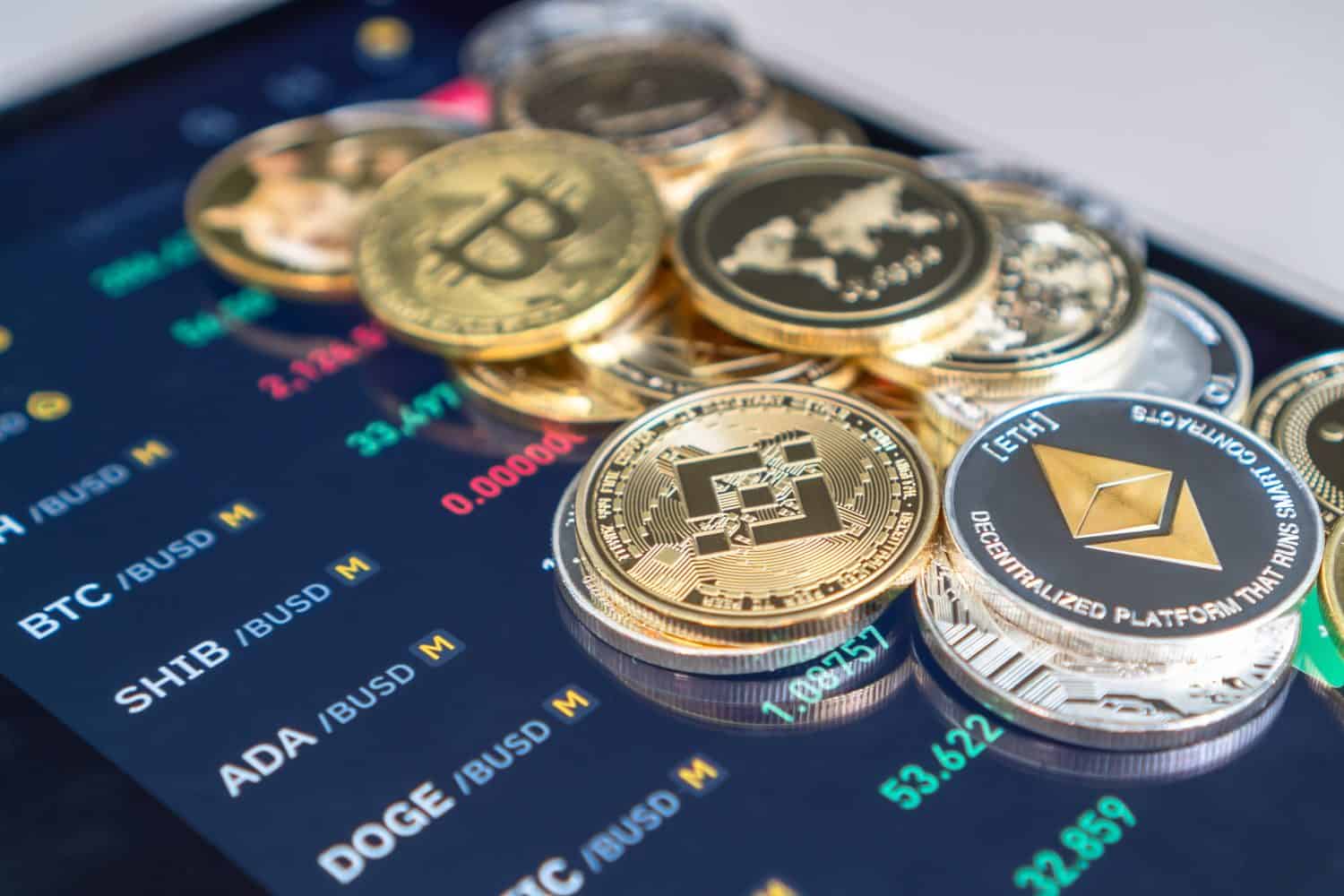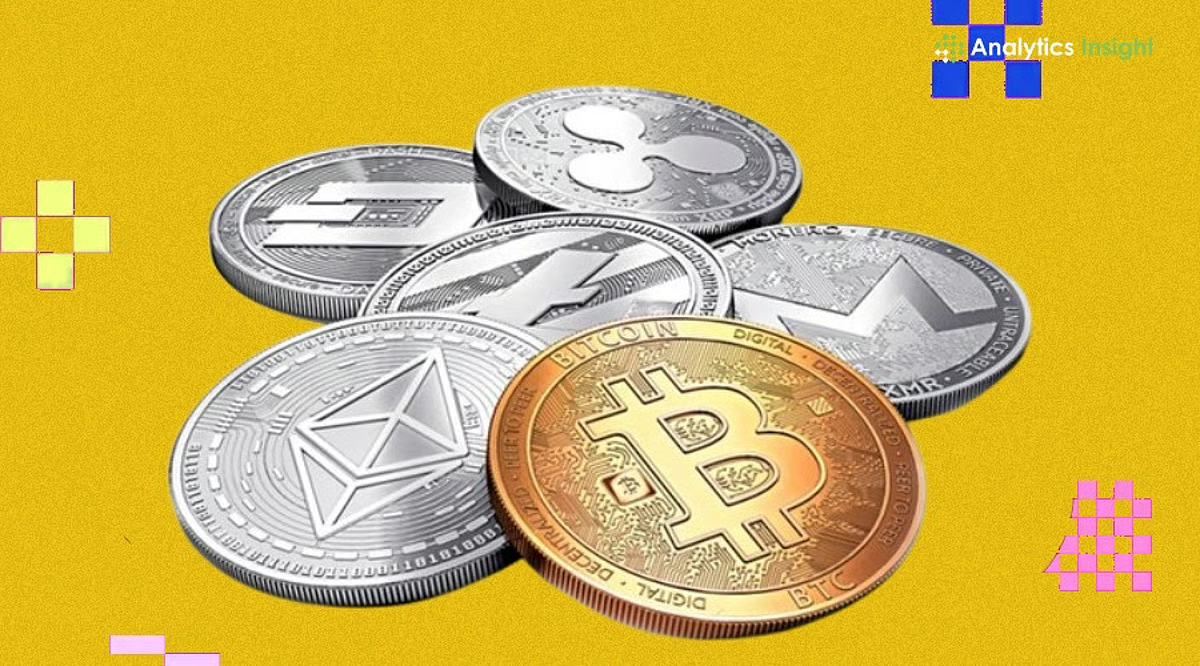
The question, “Can I pay fees with cryptocurrency (e.g., ETH) at overseas cryptocurrency exchanges?” is very natural from a practical standpoint. This is especially true for businesses using overseas exchanges, as the specifications for deposits, withdrawals, and fees become complex, often leading to unexpected costs and processing burdens.
However, what should be clarified first here is that the topic of crypto-denominated fees and the topic of overseas payments in fiat currency (USD, EUR, etc.) are separate matters in terms of management methods and risks.
In this article, while touching minimally on the general theory of cryptocurrency exchange fee payments, I will organize the topic that businesses often struggle with—”ongoing overseas payments (outsourcing costs, SaaS, advertising costs, procurement, and invoice payments)”—so that you can calmly compare bank transfers, card payments, and Wise Business.
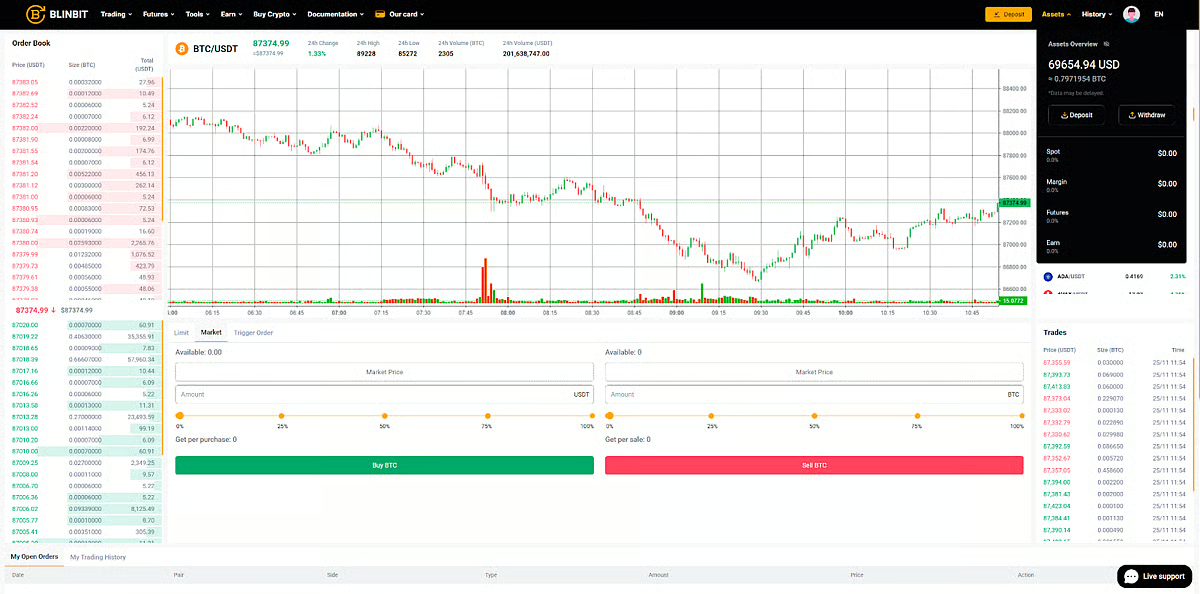
Can you pay overseas cryptocurrency exchange fees in ETH? The conclusion is “It depends on the exchange’s specifications”
Whether you can pay fees with ETH basically depends on the fee structure adopted by that exchange. Common patterns are as follows.
-
Trading fees: Occur with every trade and are deducted according to the traded currency or position (e.g., USDT-denominated, equivalent to USD-denominated, or discounts using specific tokens within the exchange, etc.)
-
Deposit/withdrawal fees: May be required as blockchain fees (network fees) at the time of withdrawal in the currency of the target chain (e.g., ETH for the ETH chain, etc.)
-
Futures/margin-related costs: Mechanisms such as funding rates are complex and require deciphering the details
In other words, there are cases where you can pay with ETH, cases where it is deducted in USDT or similar, and it is also possible that “even if you think you are paying in ETH, the reality is that it is being settled in a different currency denomination.”
As a business, checking the following three points first will reduce confusion.
-
For each type of fee (trading fee/deposit/withdrawal fee/other), what currency is it calculated and deducted in?
-
Can you export fee details (history) in formats like CSV? (This is directly linked to the difficulty of accounting processing)
-
In the exchange’s terms of service or fee page, how are discount conditions and fee revisions handled?
It is more reliable to check the official help of the exchange you are using rather than naming specific services and making definitive statements.
What businesses really struggle with is not “cryptocurrency fees” but “the clutter of overseas payments in fiat currency”
While cryptocurrency fees are certainly a concern, what tends to be a greater burden in daily operations is actually this:
-
Payments to overseas contractors (designers, engineers, video editors, etc.)
-
Procurement costs to overseas suppliers (invoice payments)
-
Ongoing billing for overseas SaaS (tool usage fees)
-
Foreign currency payments for overseas advertising costs (Meta, Google, TikTok, etc.)
-
Receiving foreign currency payments from overseas clients
These are often generated in **fiat currency (USD/EUR/GBP, etc.)**. And when payment methods are fragmented across bank transfers, cards, and payment services, the following “hidden costs” accumulate.
-
Remittance fees are difficult to predict due to fixed costs + intermediary bank fees
-
Exchange rates deviate from the actual market rate, causing differences to pile up
-
The number of days until receipt is unpredictable, creating a risk of payment delays
-
Matching invoices with payments is cumbersome
-
Managing foreign currency receipts is complex, and confirming deposits takes time
Just by streamlining this, your monthly operations will become significantly easier.
Decision criteria when comparing bank transfers, card payments, and Wise Business
For overseas payments, there is no “single correct answer”; instead, there are pros and cons depending on the use case. I will summarize the criteria for comparison from a practical perspective.
1) Can the total cost be predicted in advance? (Transparency of fees)
Bank transfers have complex fee structures depending on the conditions. Cards often have exchange fees added on top, and how the details appear varies by service.
Wise Business is designed to allow you to “check fees before sending money” as part of its official guidance. However, since fees and applicable conditions change based on the destination country, currency, amount, and identity verification, you must ultimately check the official screen.
2) Approach to exchange rates (conversion based on the mid-market rate)
The cost difference in overseas payments is significantly affected not just by remittance fees, but also by exchange rates.
Wise explains its service as “conversion based on the mid-market rate,” and the ability to easily grasp the rate and fees separately can be a practical advantage. Here too, since actual quotes change based on currency, amount, and timing, checking each time is a prerequisite.
3) Outlook until receipt (Can payment delays be avoided?)
For overseas outsourcing or supplier payments, delays in receipt should be avoided as they affect the other party’s cash flow.
However, receipt time varies depending on the remittance route, the receiving bank’s processing, holidays, and identity verification status. It is realistic to operate by checking things like the estimated arrival time displayed on the remittance screen rather than making generalizations about whether it is “fast” or “slow.”
4) Does it cover everything from invoice payment and bulk transfers to accounting processing?
As payments increase, accounting workload becomes a bottleneck.
Wise Business is designed for businesses, offering features like invoice payments, batch transfers, and accounting software integration. Whether all features fit your company’s operations depends on the countries involved and your settings, so the key is to verify if it works for your specific payment patterns before implementation.
What you can do with Wise Business: Streamlining the flow of foreign currency, not cryptocurrency fees
As mentioned so far, whether you can pay cryptocurrency exchange fees with ETH depends on the exchange, and Wise Business is not a service that directly solves that issue.
On the other hand, what frequently occurs in business operations is the need for overseas fiat currency transfers, receiving foreign currency, and paying foreign currency invoices. Wise Business is a candidate to consider for streamlining those processes.
-
Payments to overseas business partners and contractors
-
Payment of foreign currency invoices
-
Receiving and managing multiple currencies (managing deposits from overseas clients)
-
Design that makes it easy to check fees before payment
-
The concept of currency exchange based on the mid-market rate
It is safest to start by estimating the costs based on your destination countries, currencies, frequency, and typical transaction amounts.
If necessary, you can check the supported currencies and fee structures on the official Wise Business website here.
Concrete example: How to reduce payment bottlenecks that often occur with overseas outsourcing, SaaS, and procurement
Overseas outsourcing (paying multiple people every month)
As overseas outsourcing increases, payments become a monthly routine.
-
As the number of payees increases, transfer tasks and statement management grow
-
When currencies are mixed, it becomes difficult to track exchange rates
-
Payment delays can affect trust and relationships
For this type of situation, relying solely on bank transfers can easily increase operational burden, so it is worth comparing whether features like Wise Business’s batch transfers are a good fit (you must check the actual usable features and conditions on the official site).
Overseas SaaS and advertising costs (primarily card payments)
Card payments are convenient, but as your business scale grows, the following points become concerns.
-
Exchange fees are difficult to identify on statements
-
Budget management becomes prone to fluctuations as payment currencies increase
-
Separate risk management, such as for unauthorized use or usage restrictions, is also necessary
If your SaaS and advertising costs are fixed in foreign currency, simply reviewing your foreign currency management and payment methods can make monthly projections easier to establish.
Purchasing from overseas suppliers (invoice payments)
For imports and procurement, invoice terms (such as remittance fee allocation, payment deadlines, and reference number requirements) vary by supplier.
-
Must pay in the currency specified on the invoice
-
Payment reconciliation takes time due to missing reference numbers
-
Shipments may be halted if payments are delayed
Wise Business provides guidance on invoice payments, so it is reassuring to check if it fits your invoice payment operations.
Points to note: Fees, arrival times, identity verification, and accounting processes vary based on your company’s conditions
Overseas remittances and foreign currency settlements yield different results depending on the conditions, even with the same service. Starting without clarifying these points will lead to rework later.
Check fees and rates each time with a ‘pre-remittance estimate’
Wise Business is often cited for its transparent fee display, but actual costs vary based on currency, amount, payment method, and receiving conditions.
Regarding these, it is safest to avoid assuming ‘how much’ and instead check the confirmed display on the official screen before sending the remittance to make your decision.
Design your arrival times with a buffer
Payment delays lead to distrust from the other party, while paying too early affects cash flow.
This type of operational design is more effective than service selection.
Identity and corporate verification, and required documents vary by case
Since Wise Business is used as a business account, identity and corporate verification may be required. Because the necessary documents and procedural flow change depending on the situation, it is most reliable to follow the instructions and prepare before starting.
For accounting, think of the ‘source of foreign currency’ separately
Cryptocurrency fees and overseas fiat currency transfers tend to have different accounting issues.
-
Cryptocurrency: Many issues such as exchange statements, valuation, and fee handling
-
Fiat currency payments: Focus on invoices, remittance receipts, and foreign exchange gains/losses
Since individual circumstances vary greatly here, it is realistic to consult with your tax accountant or advisor while first choosing a ‘payment method that provides complete statements’.
People who might be suited for Wise Business / People who might not be
People who might be suited
-
Have ongoing payments to overseas contractors or overseas business partners
-
Often receive invoices denominated in foreign currency
-
Find bank transfer fees and rates difficult to predict and want to review them
-
Have revenue received in foreign currency and want to organize payment management
People who might not be suited
-
Make payments only a few times a year and have operations firmly established with current bank transfers
-
The business partner only accepts specific payment methods
-
The only issue is cryptocurrency-denominated payments (such as exchange fees), and there are almost no overseas payments in fiat currency
Whether it is suitable or not ultimately depends on your payment patterns.
Items to check on the official screen (organize before registering)
To improve the accuracy of your comparison, it is smoother to note the following before checking.
-
Country and currency of the payment recipient (USD, EUR, etc.)
-
Purpose of payment (outsourcing costs, procurement, advertising costs, SaaS, invoice payments)
-
Monthly frequency of payments and the amount range per transaction
-
Whether you also receive payments (do you receive foreign currency deposits from overseas clients?)
-
Your company’s legal status (sole proprietorship or corporation) and the status of preparation for verification documents
By checking the fees and support status of Wise Business under these conditions, you can make a faster decision on whether it is usable.
Summary: Check cryptocurrency fees at the exchange, and optimize overseas fiat currency payments separately
Whether you can pay fees for overseas cryptocurrency exchanges with ETH depends on the exchange’s specifications, and the shortcut is to first check the types of fees, the deduction currency, and how to issue statements.
Furthermore, for fiat currency inflows and outflows that occur repeatedly in business operations, such as ‘outsourcing costs, procurement, SaaS, advertising costs, and deposits from overseas,’ it is easier to stabilize operations if you compare options including Wise Business rather than fixing them only to bank transfers or card payments.
There is no need to rush registration. It is safer to first check the fee display and support status for your conditions on the official screen before making a decision.