Key Highlights
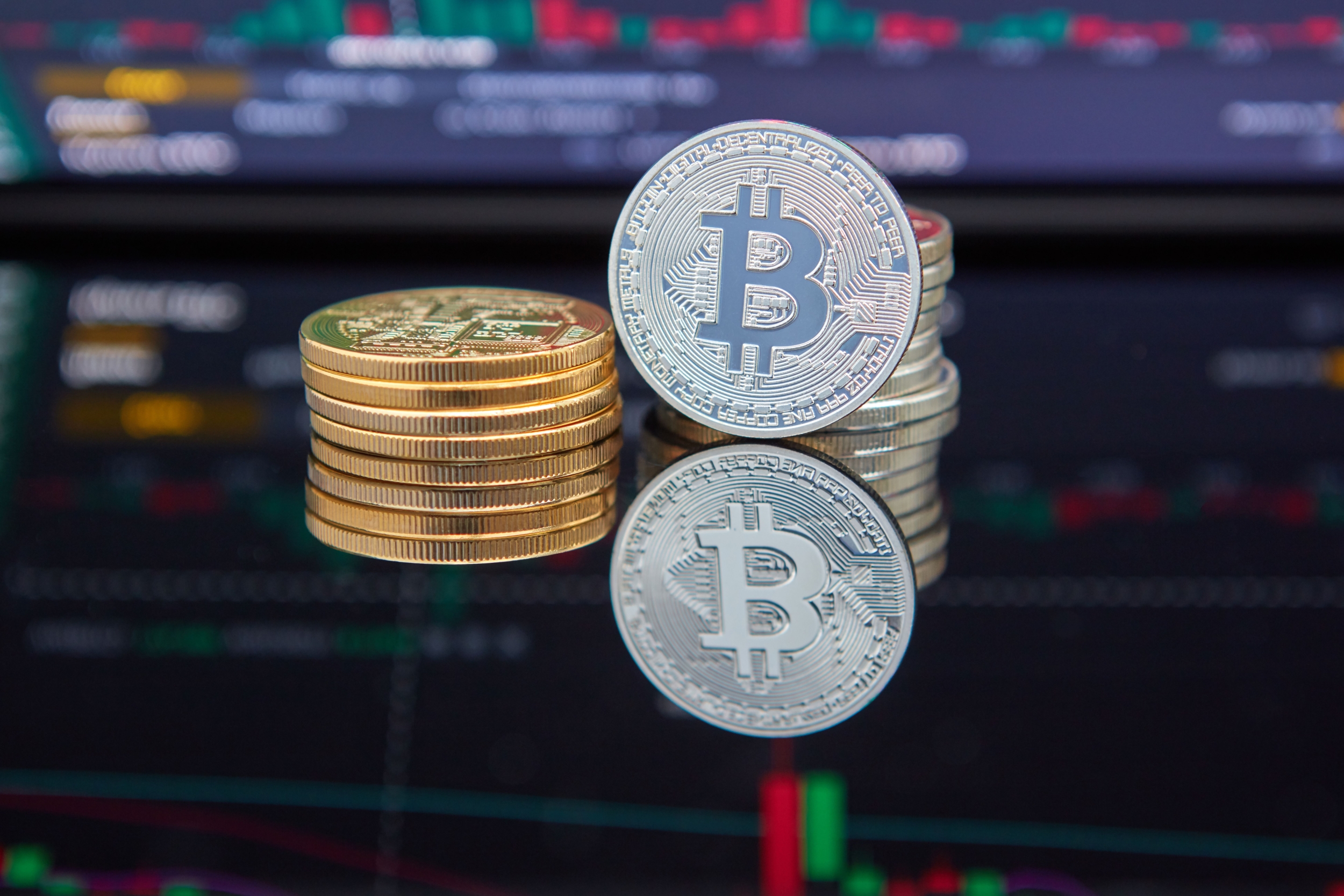
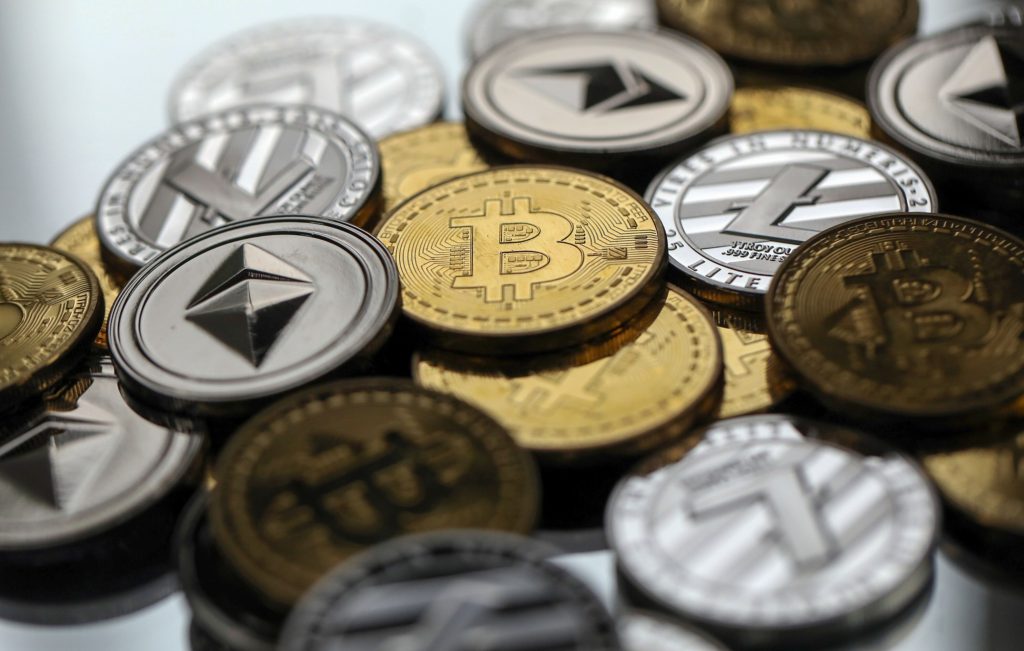
- Bitcoin has surged approximately 30% from its recent bottom, now approaching the critical $82,800 resistance threshold
- Coinbase achieved an unprecedented 10.3% market share of worldwide cryptocurrency trading activity during Q2
- Circle’s USDC stablecoin circulation expanded to $73.3 billion, representing a 19% annual increase
- Robinhood delivered exceptional Q2 performance with $1.31 billion in revenue, marking a 32% year-over-year jump
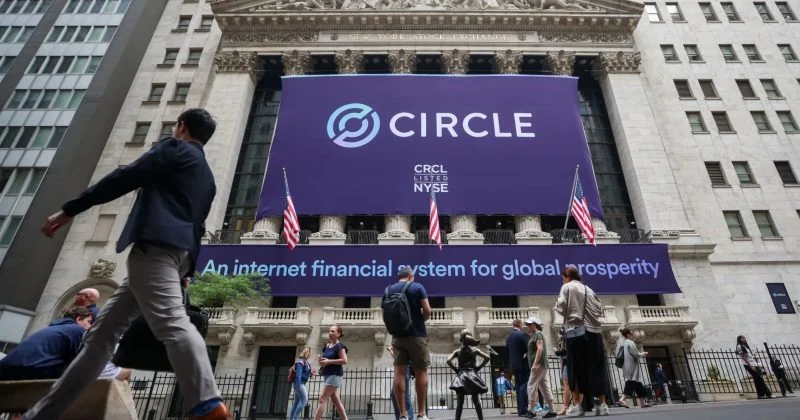
- Circle is set to unveil its Arc blockchain mainnet to the public on September 16
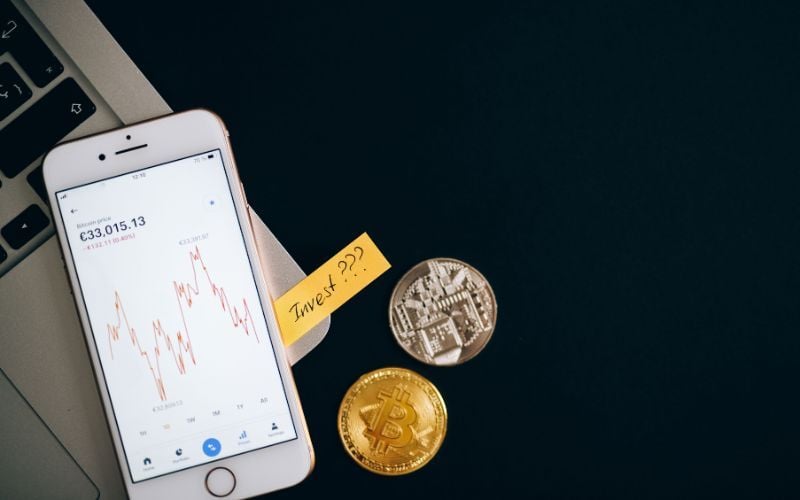
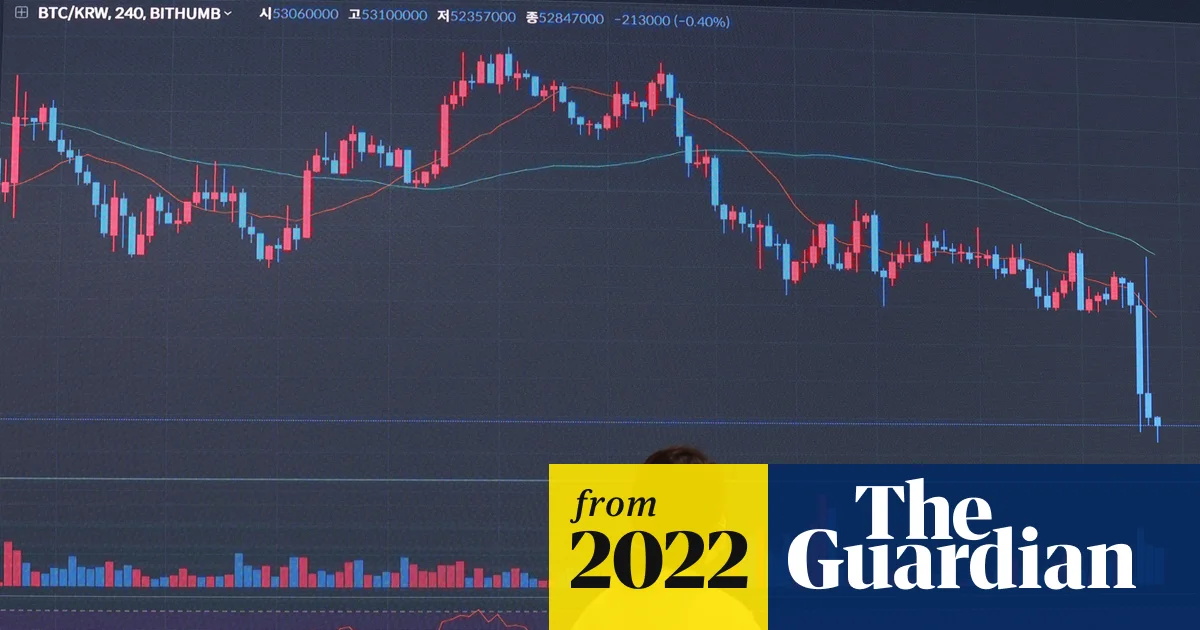
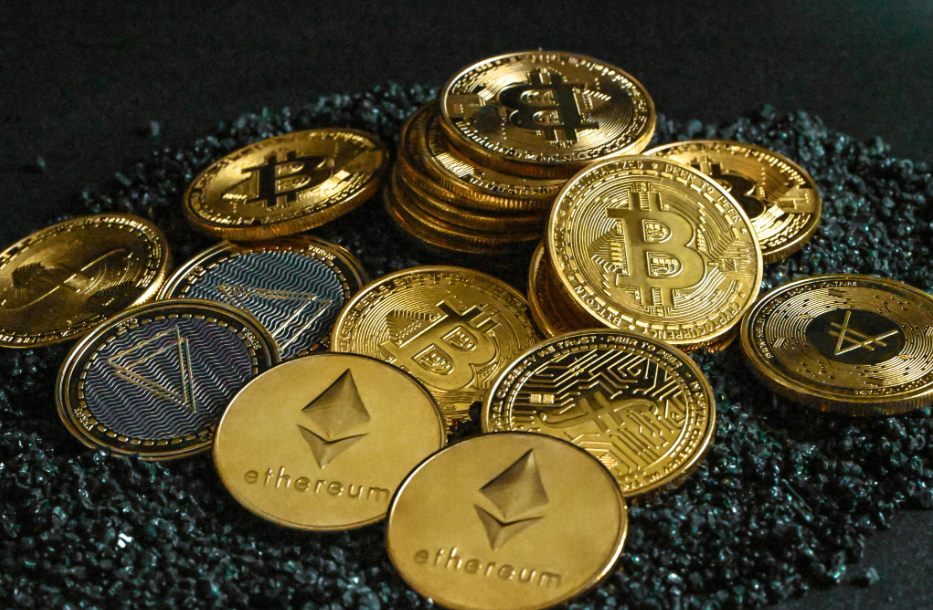
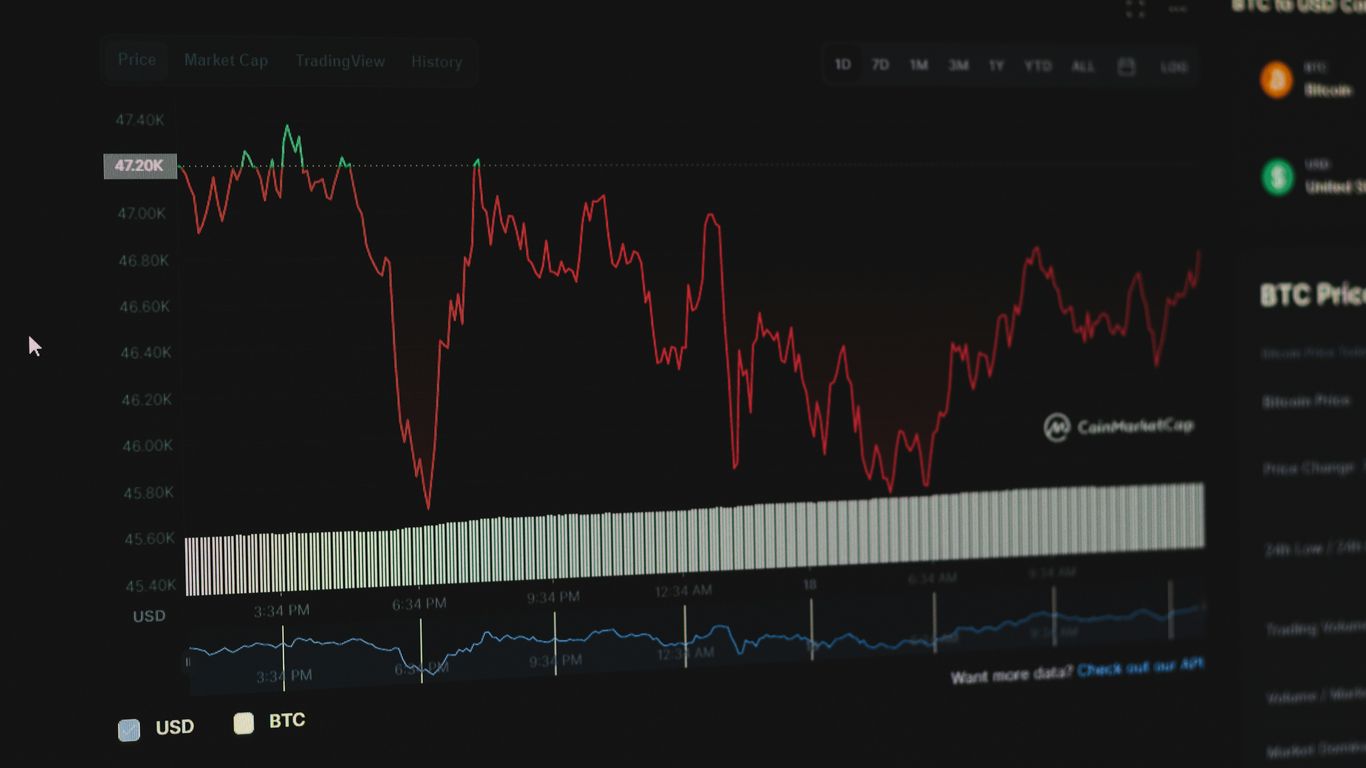
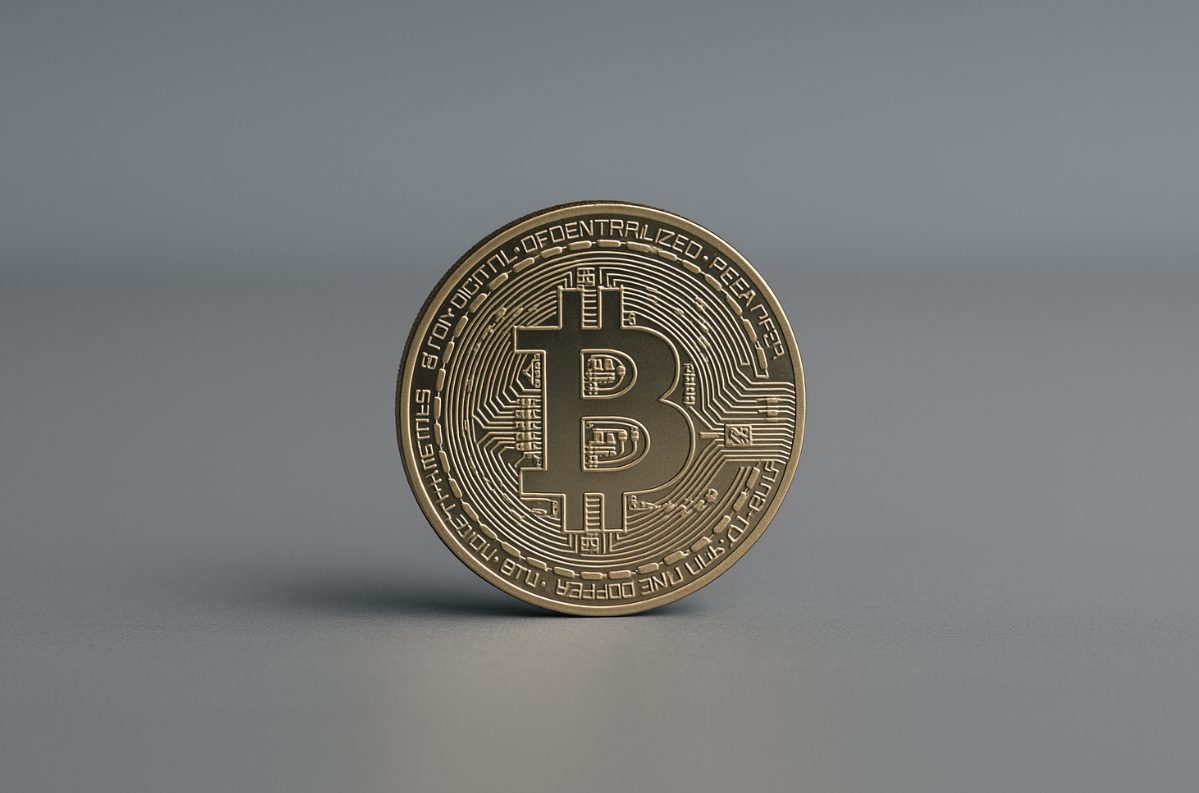
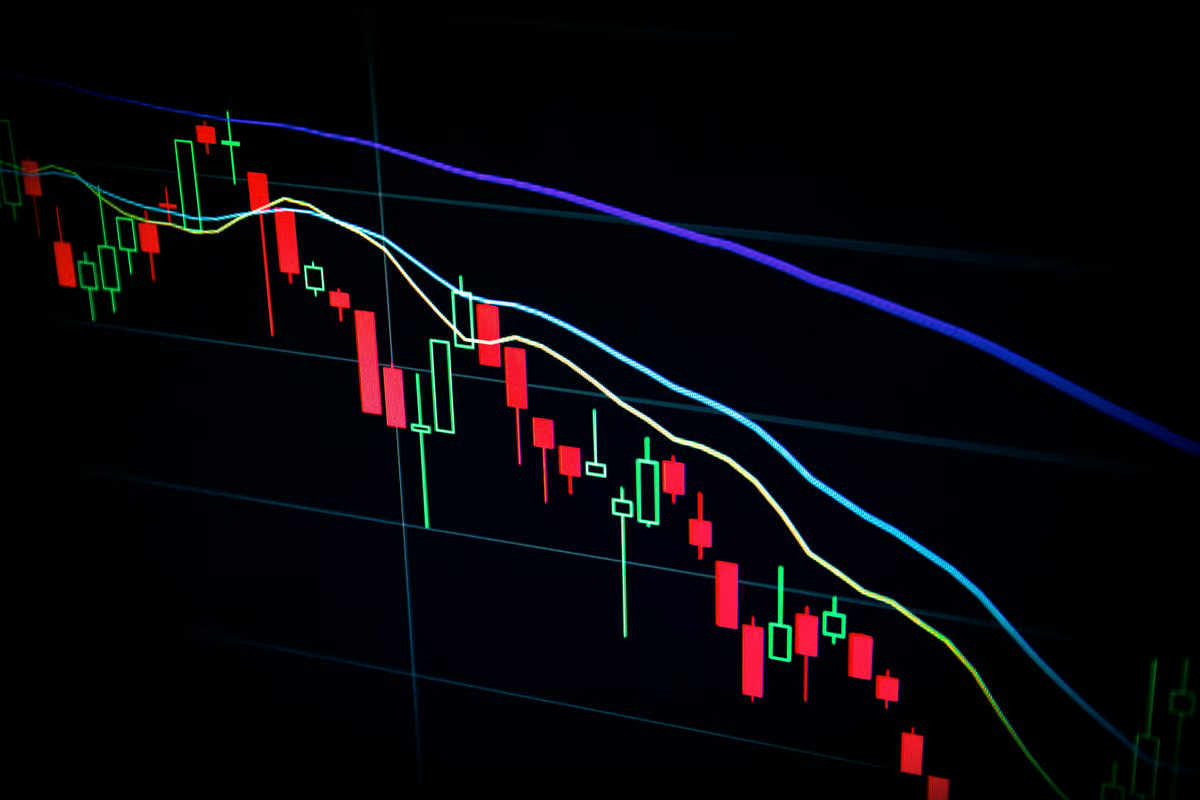
The cryptocurrency sector has demonstrated renewed momentum as September begins. Bitcoin’s value has climbed roughly 30% from its recent trough, with prices now advancing toward the $80,000 threshold. A key resistance barrier exists near $82,800, and Bitcoin’s ability to penetrate this level could determine the market’s trajectory in coming weeks.
Simultaneously, robust employment figures from the United States and climbing energy costs have elevated market expectations for a potential Federal Reserve interest rate adjustment during its September 15-16 policy meeting. An imminent inflation data release may serve as a pivotal catalyst for both Bitcoin valuations and cryptocurrency-related equities.
Three companies deserve particular attention in this market landscape: Coinbase, Circle, and Robinhood.
Coinbase
Coinbase maintains its position as America’s dominant cryptocurrency exchange by trading volume and continues to represent a primary investment vehicle for those seeking direct cryptocurrency market participation.
During the second quarter, the platform secured an all-time high of 10.3% of worldwide cryptocurrency trading volume. This represented growth from the 9.1% captured in Q1 and extended the company’s market share expansion streak to three consecutive quarters.
Additionally, Coinbase recorded its 14th consecutive quarter delivering positive adjusted EBITDA results.
The company’s revenue profile has evolved beyond heavy Bitcoin dependence. Approximately 88% of net revenue now originates from activities unrelated to Bitcoin spot transactions. Revenue from subscriptions and services climbed to $555 million throughout Q2.
Stablecoin engagement continues accelerating. The average USDC balance maintained across Coinbase’s suite of products reached a record $20 billion during the reporting period.
Should Bitcoin successfully breach the $82,800 resistance level, increased trading activity could provide Coinbase with additional momentum through the remainder of the year.
Circle
Circle pursues a distinct business model. Rather than operating a trading platform, the organization issues USDC, ranking among the world’s premier dollar-pegged stablecoins.
USDC circulation achieved $73.3 billion during Q2, representing a 19% increase versus the corresponding quarter in the previous year. On-chain transaction volume exploded 151% to reach $14.8 trillion.
Circle generated $701 million in combined revenue and reserve income throughout the quarter. Adjusted EBITDA expanded 8% to $143 million.
A significant company-specific milestone approaches. Circle intends to activate the public mainnet of its Arc blockchain on September 16. Arc focuses on stablecoin payment infrastructure, programmable financial applications, and tokenized real-world asset management. Over 100 institutional participants and ecosystem developers have already committed involvement.
Circle’s primary challenges include intensifying competition within the stablecoin sector and vulnerability to interest rate fluctuations, given that reserve income constitutes a substantial component of the company’s revenue generation.
Robinhood
Robinhood presents the most varied business model among these three companies. Its platform encompasses equity trading, options contracts, prediction markets, and cryptocurrency services within a unified ecosystem.
The platform achieved all-time record revenue of $1.31 billion during Q2, representing a 32% annual increase. Diluted earnings per share surged 48% to reach $0.62. Net customer deposits hit an unprecedented $21.7 billion while Robinhood Gold membership expanded 39% to 4.8 million subscribers.
Cryptocurrency revenue actually declined 38% to $100 million during the quarter. However, overall revenue still reached record levels due to exceptional performance across alternative business segments.
Equity trading volume increased 85% and event-contract trading volume multiplied more than ten times. This diversification means Robinhood’s success doesn’t require a cryptocurrency market rally, although such conditions would certainly provide additional benefits.
Near-term prospects for all three stocks remain closely tied to Bitcoin’s performance. A decisive breakthrough above $82,800, coupled with favorable inflation data, could drive cryptocurrency-related stocks higher throughout late September.