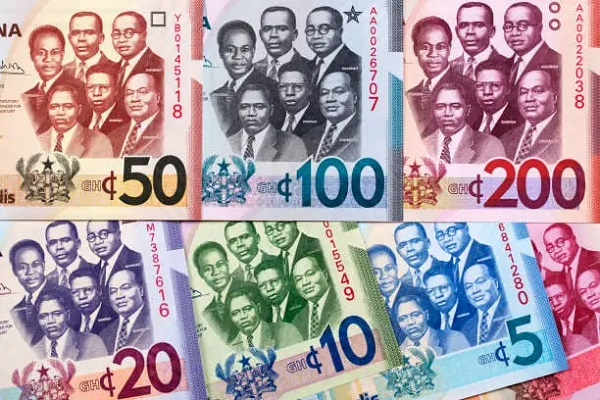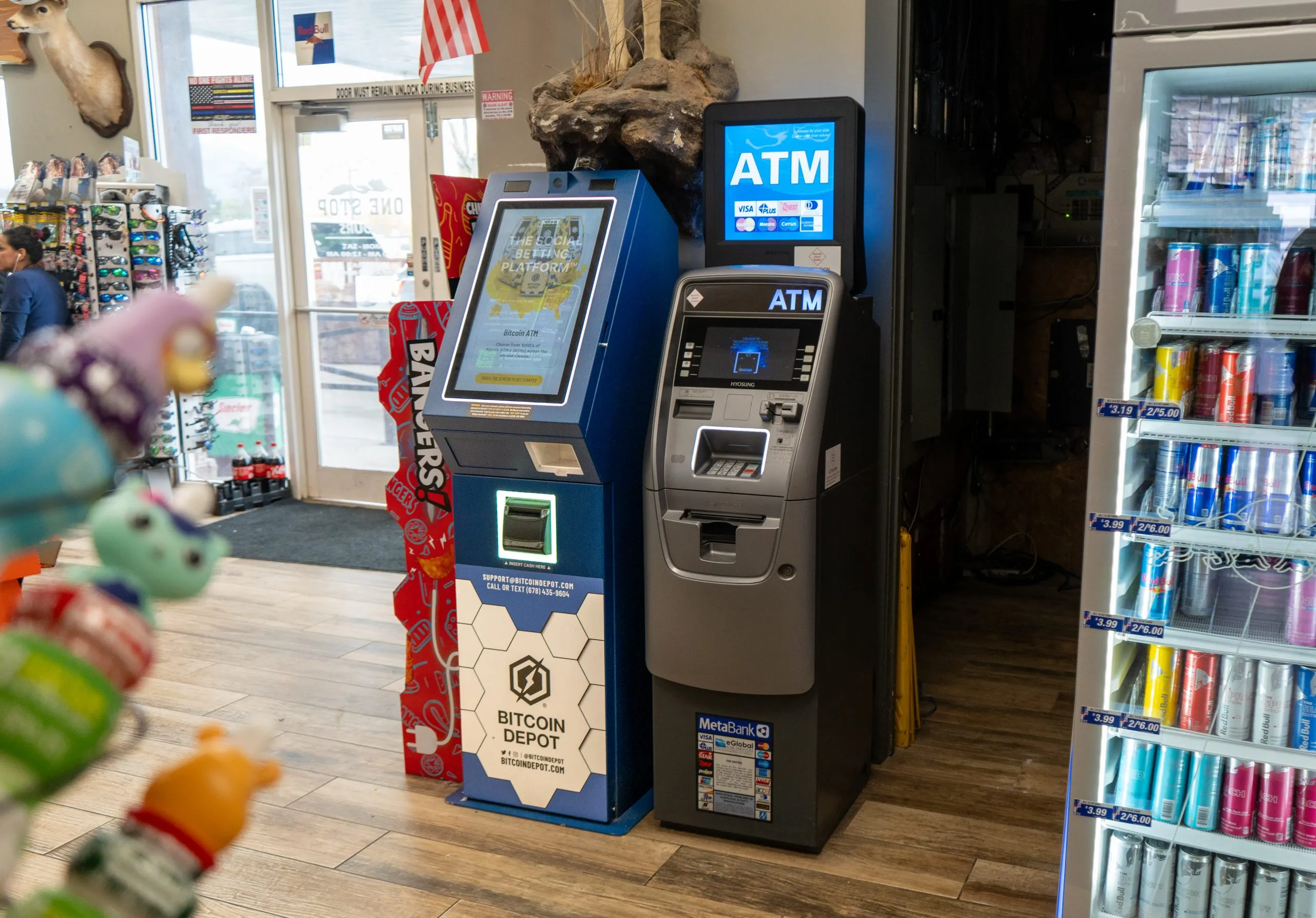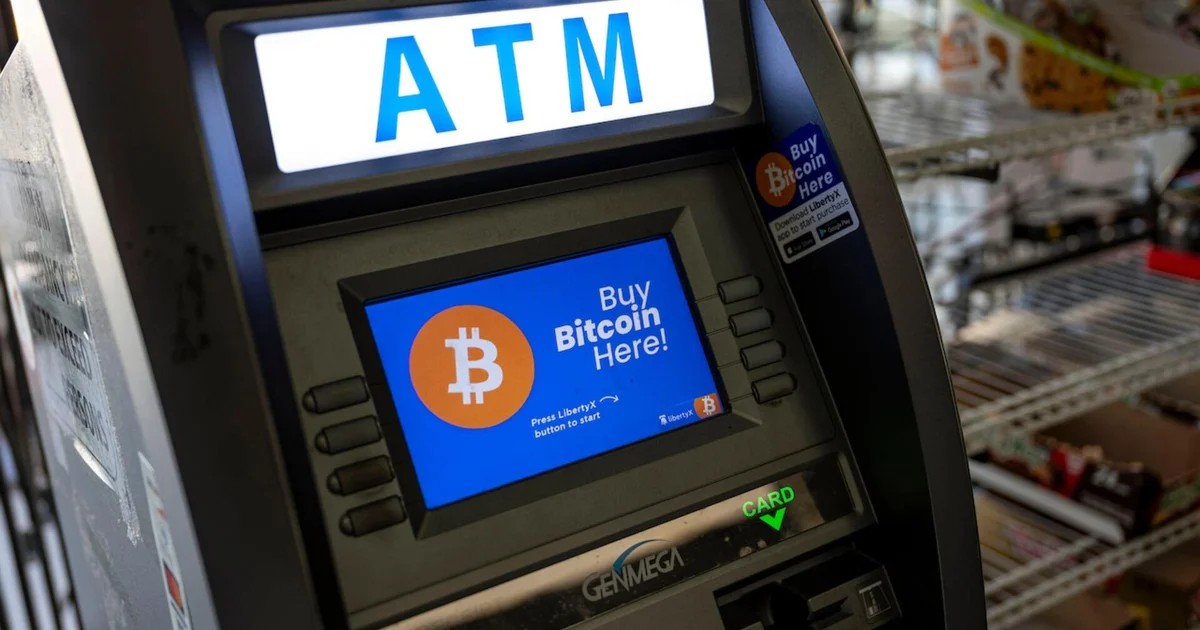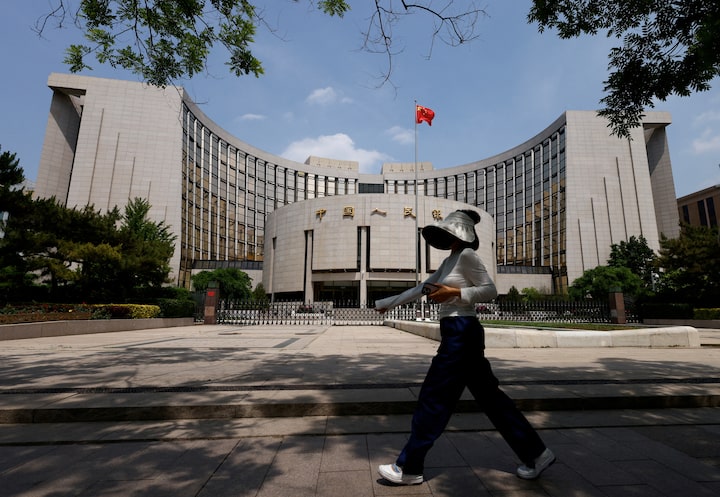
The European Central Bank (ECB), the Federal Reserve, the Bank of England, and the Bank of Japan are not positioned to undercut their commercial banking systems on retail pricing or to disintermediate them at scale. Central banks depend on commercial banks to effect monetary policy, and the political cost of a central bank competing with regulated banks on retail price outweighs the consumer benefits that a competitive CBDC could deliver. It is for this reason that both the United States and European Union have restricted yield-bearing stablecoins, for fear of diverting deposits from traditional banking institutions.
Central banks should leverage their institutional power and resources to create an integrated environment across banking networks. Such an approach would operationalize the principle of how integrated monetary infrastructure can transmit and multiply network effects. It is a widely held theory that in monetary networks, greater acceptance engenders greater adoption; this adoption feedback loop is broken, however, if the monetary landscape is fragmented. In the digital realm, this fragmentation is occurring through the growth of decentralized public permissionless blockchains, as well as through enduring differences across national legal systems and regulatory frameworks.
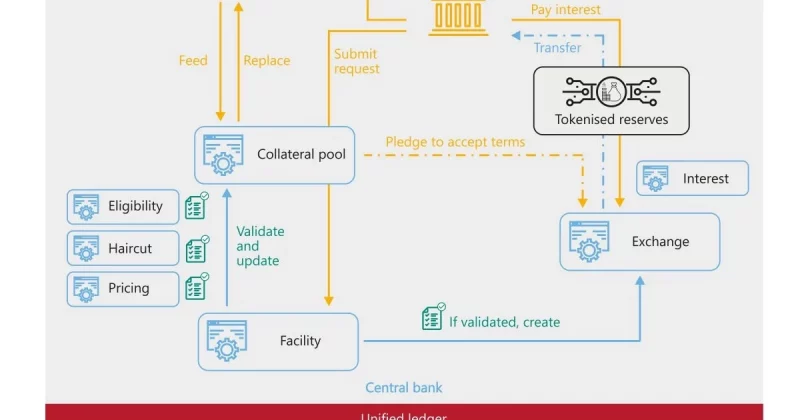
By planning a unified monetary and technological ecosystem, the European Union’s push for sovereignty might present solutions to this fragmentation. ECB President Christine Lagarde has observed that the ECB’s pilot for a single, interoperable distributed ledger technology regime succeeded in leveraging central bank money not only as an anchor for settlements but as a reliable instrument for transferring assets across different networks. If a central bank authority can operate an underlying architecture with compatible data formats, software, and smart contract standards, it would be able to ensure cohesion and communicability across the network. Such an integrated network would act as scaffolding to prevent its user base from splintering and to consequently amplify user adoption.
The corollary is a build-or-don’t-build threshold. If a Western retail instrument cannot beat commercial cards on convenience or commercial fast-payment rails on merchant cost, then the effort behind a sovereignty-framed launch is better spent improving the rails with which it would have competed.
Recommendations
Require the utility before authorizing the rail. Digital currencies must demonstrate advantages in cost and speed compared to incumbents. Specifically, these metrics should be benchmarked at the design stage against two criteria:
- The Financial Stability Board’s 2027 G20 target: average retail cross-border costs at or below 1 percent, no corridor above 3 percent, and 75 percent of payments settling within an hour.
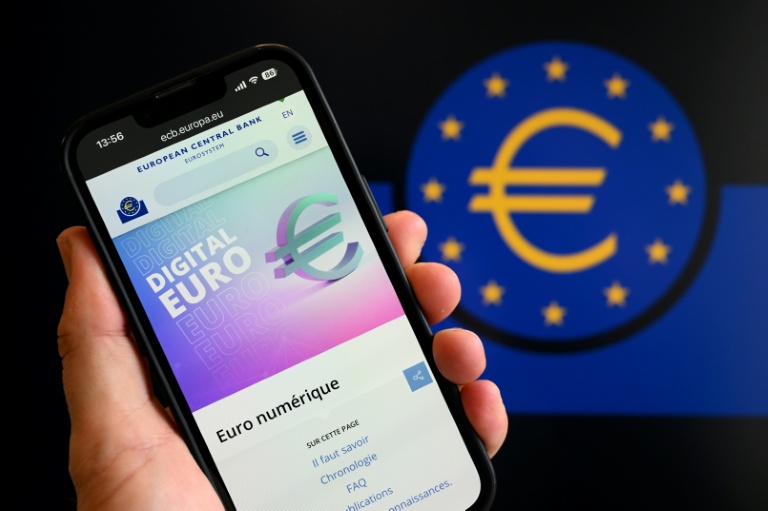
- A state-coordinated rail based on sub-incumbent pricing, nonbank market access, and instant settlement. The authorizing legislation should require the issuer to name the dominant domestic incumbent it will be measured against, such as the digital euro against Girocard or FedNow against Clearing House RTP; specify the cost-and-speed edge in quantitative terms; and commit to a proceed, pause, or redesign protocol when a gap manifests.
Reorient development strategy toward open fast-payment rails. India’s UPI is the proof that data localization and low cross-border cost are compatible when nonbank entry is preserved at home. Developers and policymakers should model their architecture after UPI and Pix: state-owned settlement, permissive nonbank access, and sub-incumbent pricing. To prevent and repair fragmentation across the network, central banks should establish the standards and requirements that commercial parties should follow—the prerequisite for adoption. On security, the enforcement gap exists when assets are transferred on the secondary market, which is where most illicit transactions actually occur. Closing the gap on the rails requires a competitive and sovereign instrument.
Conclusion
The trilemma is the central design challenge in retail digital payment systems. For digital payment systems that attained adoption alongside security and sovereignty, they did so by (1) pricing below the incumbent and (2) opening the rail to nonbank competition while the state operates the settlement layer.
Where sovereigns decline to make these choices, private and adversarial rails make them instead, on their own terms, beyond the reach of compliance regimes. The ability of CBDC regimes of past and present to win the digital currency race depends on being advantageous—through more seamless and cost-efficient transactions—to incumbent instruments.
Philip Luck is the director of the Economics Program and Scholl Chair in International Business at the Center for Strategic and International Studies (CSIS) in Washington, D.C. Richard Gray is program coordinator and research assistant in the Economics Program and Scholl Chair in International Business at CSIS. Justin Hu is a research intern in the Economics Program and Scholl Chair in International Business at CSIS.
This report is made possible by Amazon.com Services LLC.