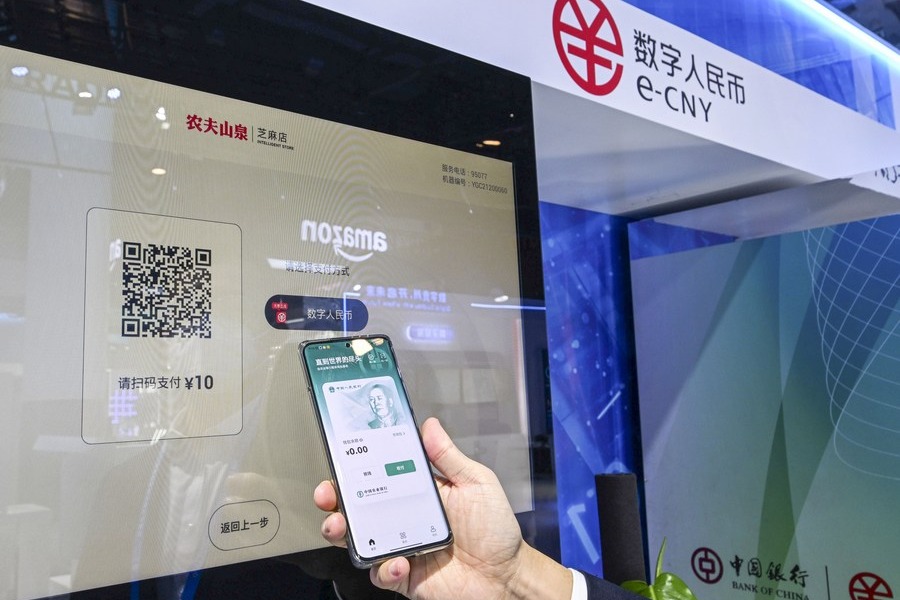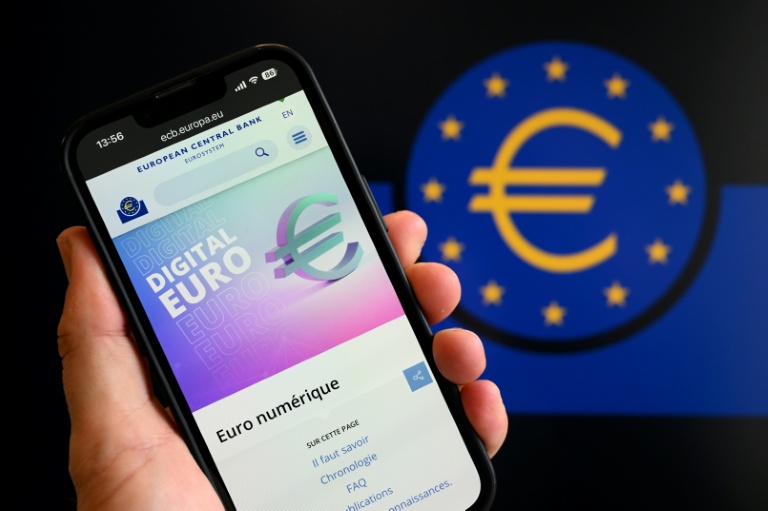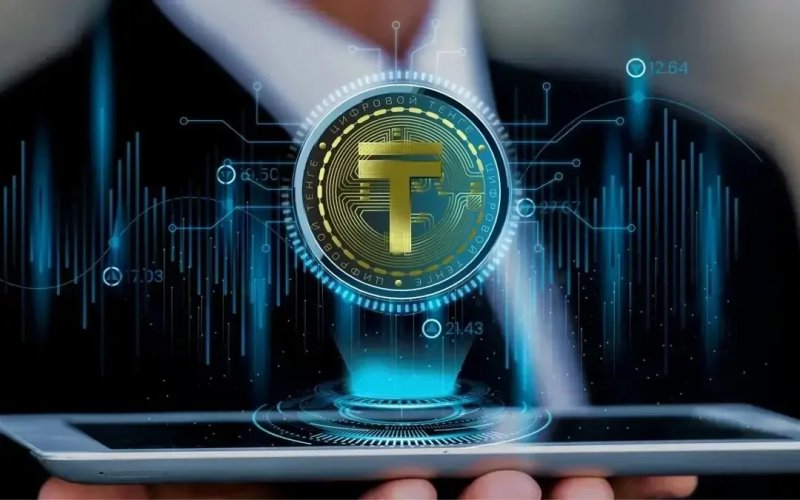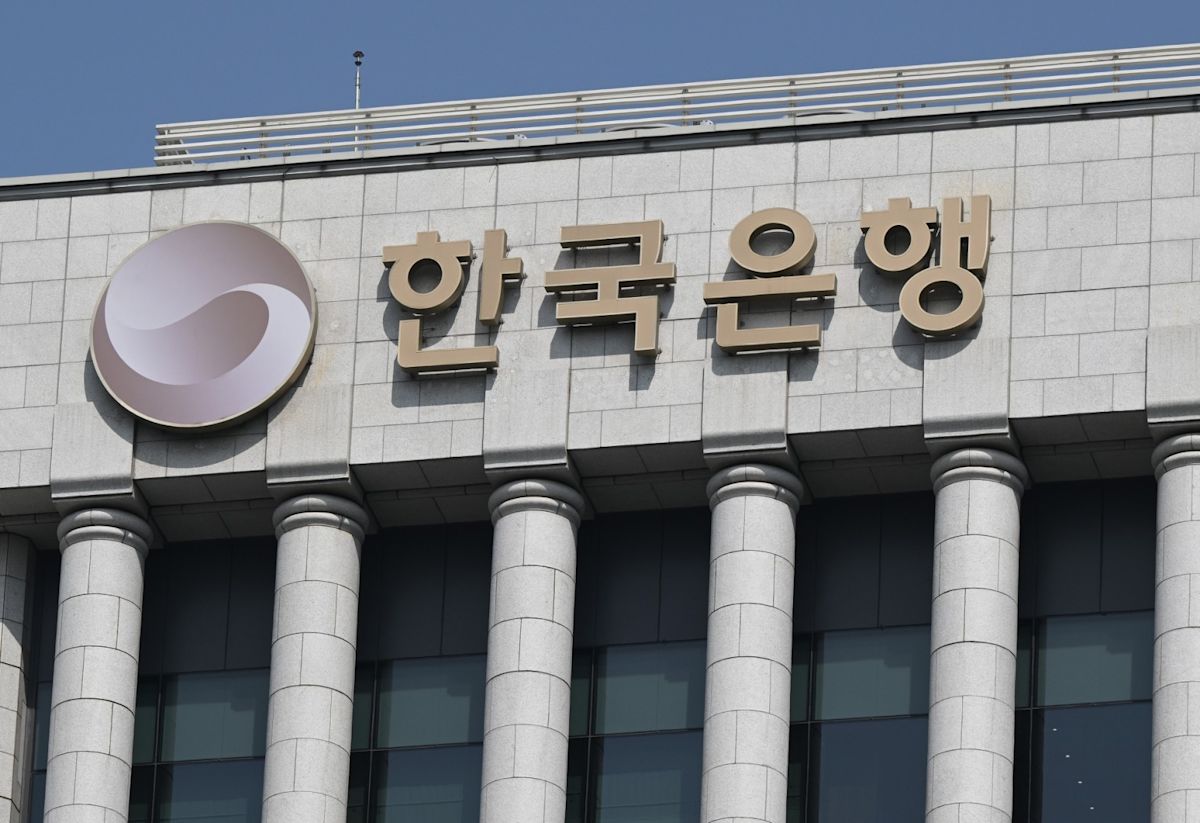
South Korea’s ramped-up testing of a central bank digital currency (CBDC) has sparked a torrent of misleading online posts, with some sharing conspiratorial claims linking the project to a so-called “social credit” system. While CBDCs raise genuine cybersecurity concerns, multiple experts told AFP the circulating assertions that the current South Korean pilot is a government surveillance ploy are unfounded.
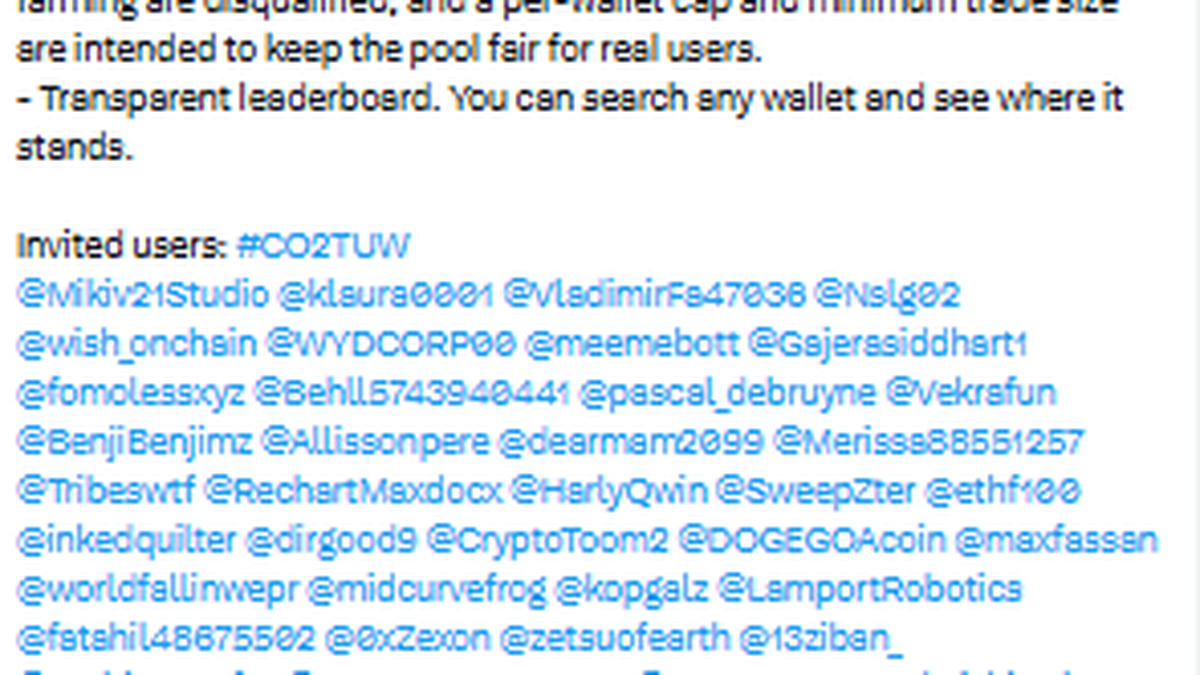
“Bank accounts are directly managed by the government,” writes an X user on August 11, 2026, listing their reasons for objecting to CBDCs.
“Cash disappears,” the Korean-language post adds. “The government can change the rules governing money at will.”

Screenshot of misleading post taken August 19, 2026, with orange X added by AFP
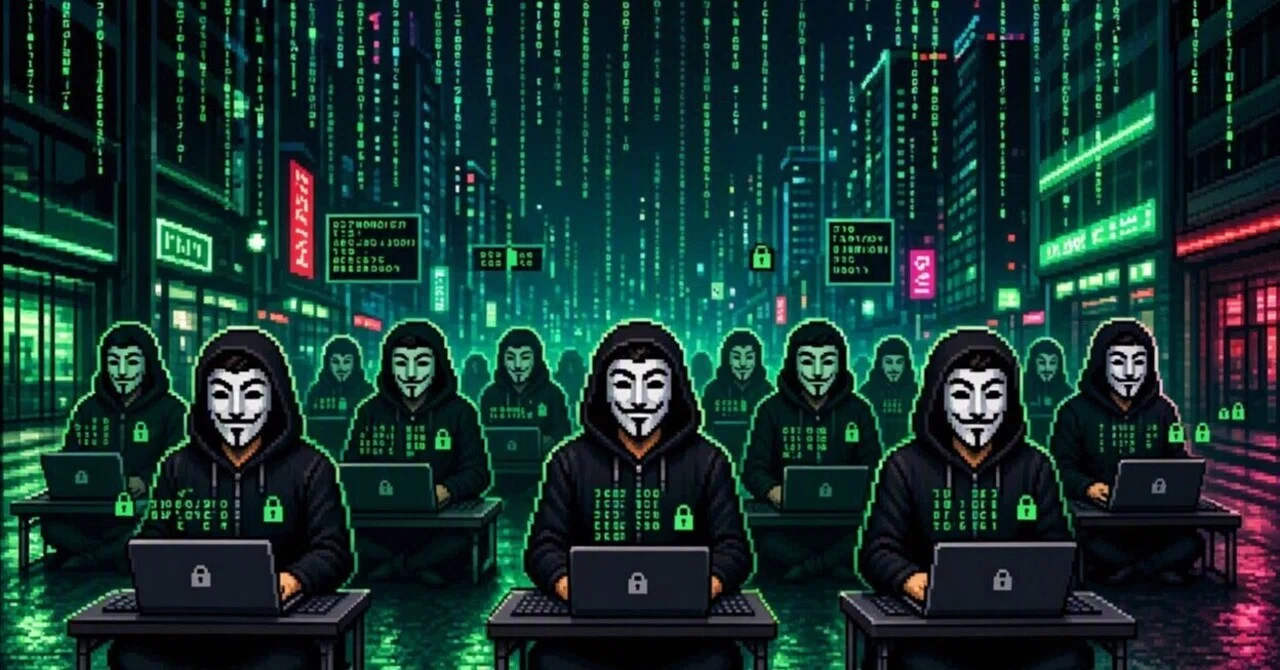
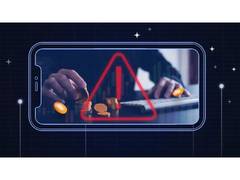
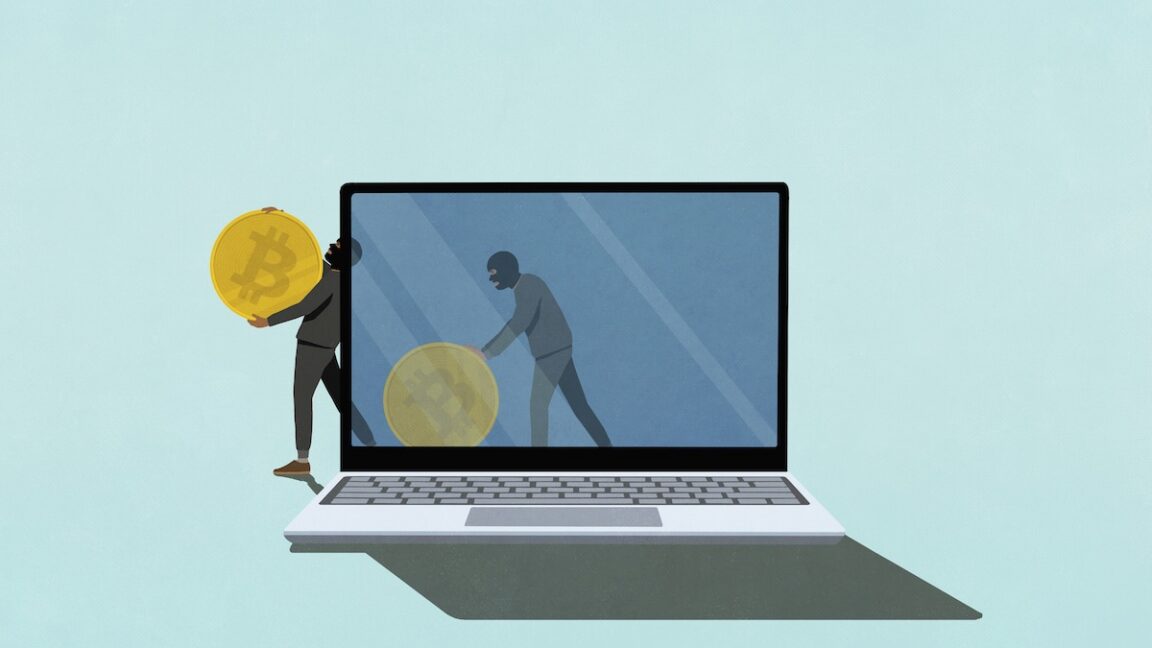
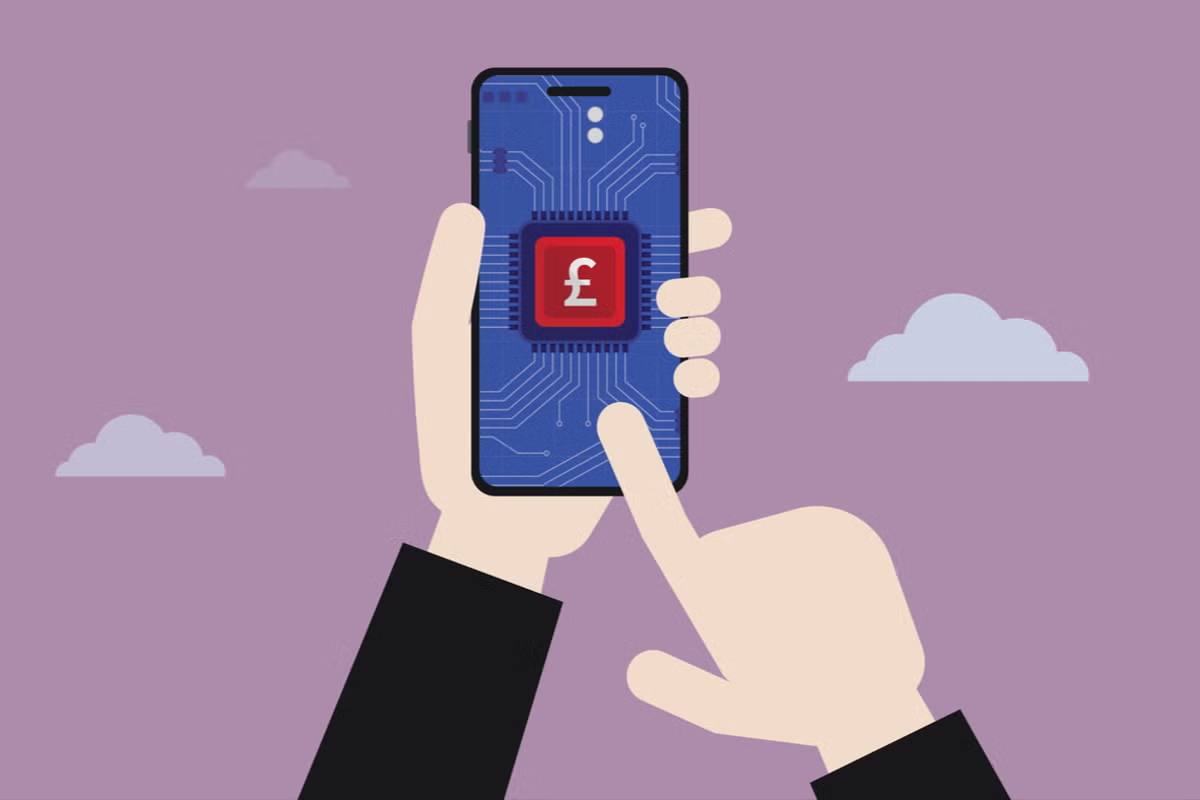
Another post shared on Threads includes illustrations depicting someone attempting to use digital currency, only to see the payment rejected because their “social credit” score is too low.
Online discussions around CBDCs — which are being explored by many central banks worldwide — have repeatedly sparked misinformation debunked by AFP ( archived link).
Scores of baseless posts often portray them as a means to enact a “social credit” system — where governments supposedly capture data on undesirable behaviour and use the information to reward or punish individuals.
Similar claims rocketed on social media following reports that South Korea’s central bank — the Bank of Korea (BOK) — was preparing to launch the second phase of its CBDC pilot project ( archived link).
The circulating posts are misleading, several digital finance and security experts told AFP.
Baseless ‘social credit’ claims
Kim Chae-hyun, an assistant professor of digital finance at Pukyong National University, told AFP on August 14 that “for a so-called ‘social credit system’ to operate, simply digitising a means of payment would not be enough” ( archived link).
The infrastructure being tested by the BOK “does not contain such control mechanisms”, he added.
Lee Yong-jun, a professor of computer science at Far East University’s department of hacking and security, separately said on August 18 that equating the project to a social credit system “overlooks significant institutional and technological limitations” ( archived link).
A “separate infrastructure” would be required to construct the latter.
Named Project Hangang after Seoul’s Han River, the digital currency trial tests a wholesale CBDC (archived here and here).
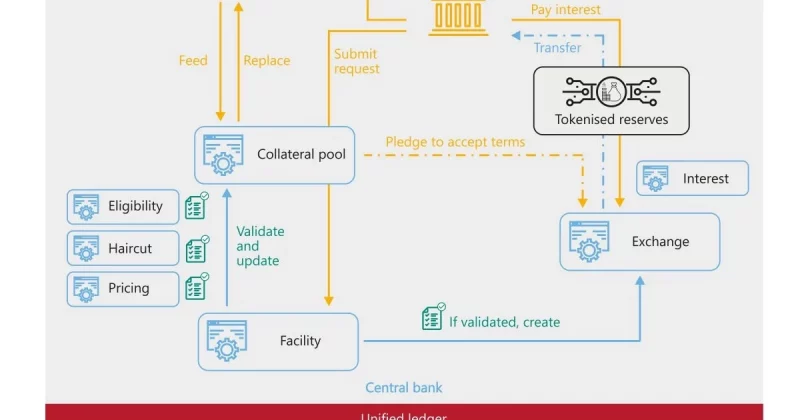
Under the system, the central bank issues digital currency only to commercial banks, which then distribute tokenised deposits for people to use at designated locations ( archived link).
Transactions are made using the tokenised deposits — the equivalent of existing bank deposits recorded on a programmable platform such as a blockchain — not the CBDC issued by the central bank.
The second phase of the pilot expands the number of participating banks and services ( archived link).
A BOK official told AFP on August 11 that roughly 500,000 users are set to conduct real-world transactions as part of testing before the end of 2026.
The official added that “existing regulations and personal data protections governing banks will be implemented for tokenised deposits”, such as the Personal Information Protection Act and Credit Information Use and Protection Act (archived here and here).
Privacy concerns
Proponents say digital currencies — which hold the same value as their paper money counterparts — help reduce transaction fees and enhance cross-border payment efficiency.
Central banks have cited the widespread decline in cash usage as a key reason for studying the launch of digital currencies ( archived link).
In South Korea, where less than a quarter of transactions are made in cash, the BOK — which operates autonomously under South Korean law — and financial regulators have advanced research for CBDC projects since 2020 (archived here, here and here).
But studies have also suggested that poorly designed CBDCs could pose privacy risks, increasing exposure to data leakages and cyberattacks (archived here and here).
“Neither the BOK nor the government can access, monitor or control the tokenised deposit status of an individual user”, the BOK said in a report after the first phase of the pilot scheme ( archived link).
Cha Hyeon-jin, a professor at Hoseo University’s department of digital finance and management, told AFP on August 4 that the pilot project “operates within the existing financial system” and “can not expose personal information” ( archived link).
According to Lee, the pilot comes at ” an appropriate time” to discuss what data protection measures and cybersecurity safeguards should be put in place.
South Korea has not formalised plans to introduce a digital currency as lawmakers remain divided over how broader digital assets should be regulated ( archived link).
More of our reporting on misinformation sparked by CBDC initiatives can be found here.
August 21, 2026 Minor update to hyphenate the name of one of the experts