

What to know on how bills are created in Delaware
From substitutes to amendments to everything in between, lawmaking in Delaware can be a bit confusing. Here’s how it works.
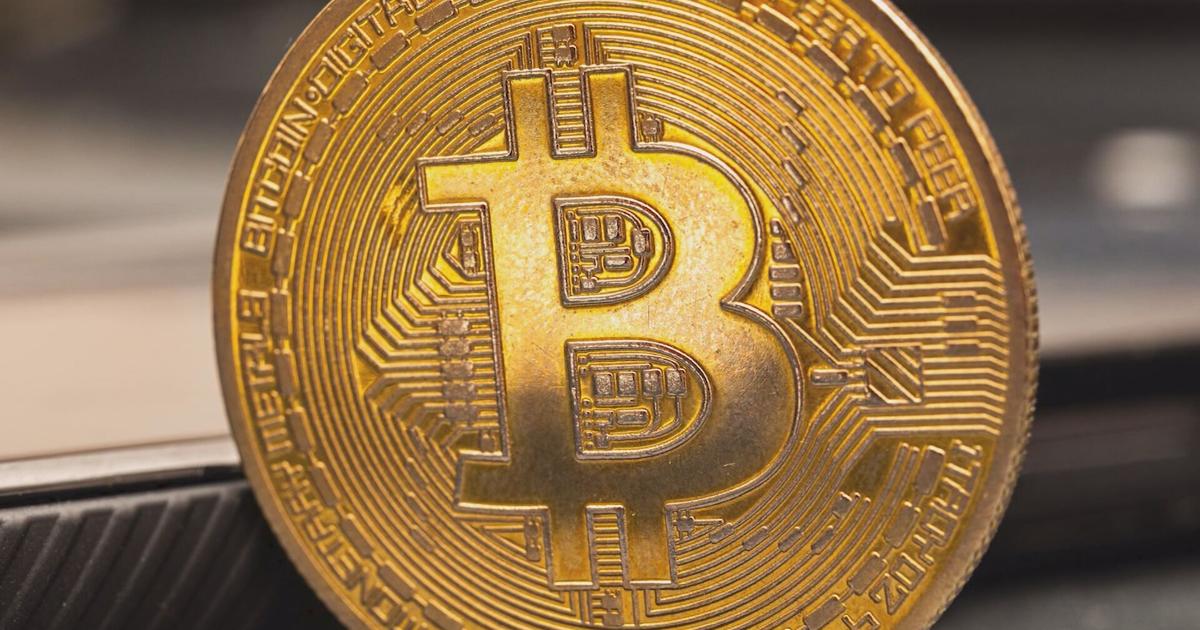
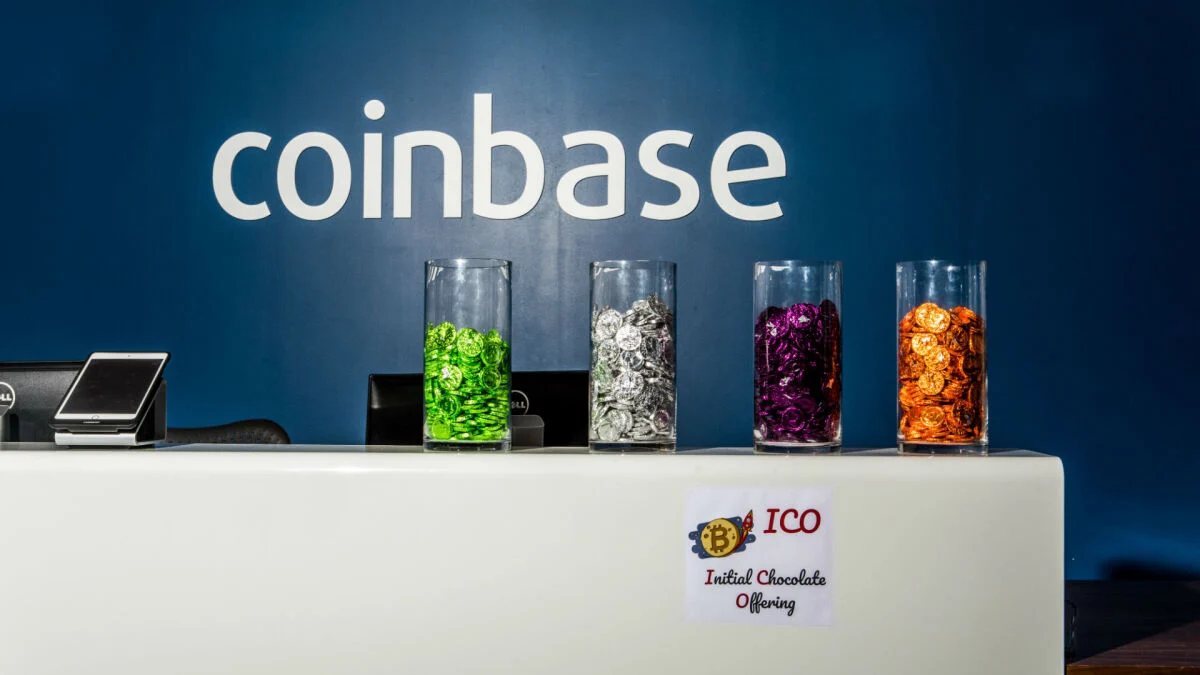
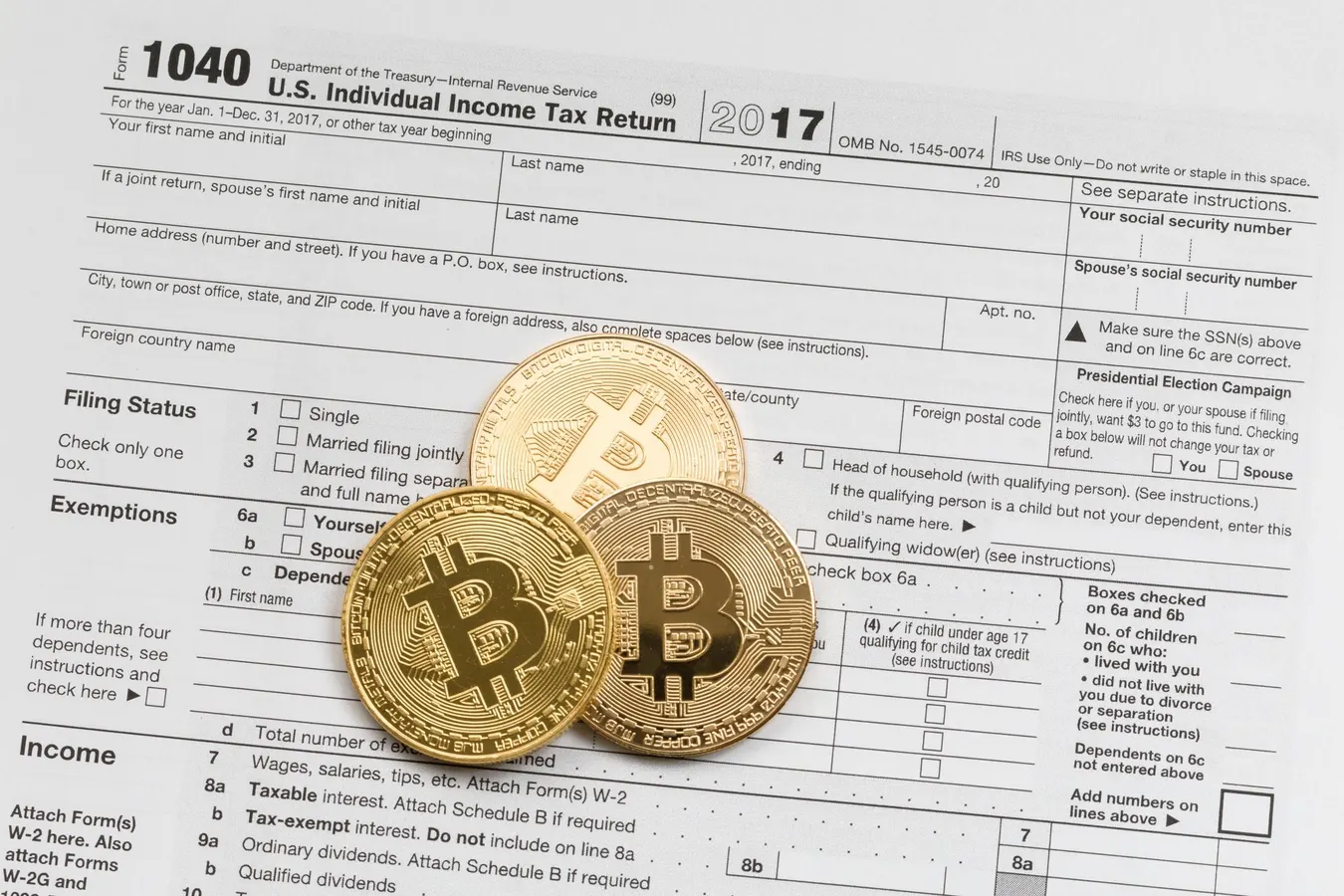
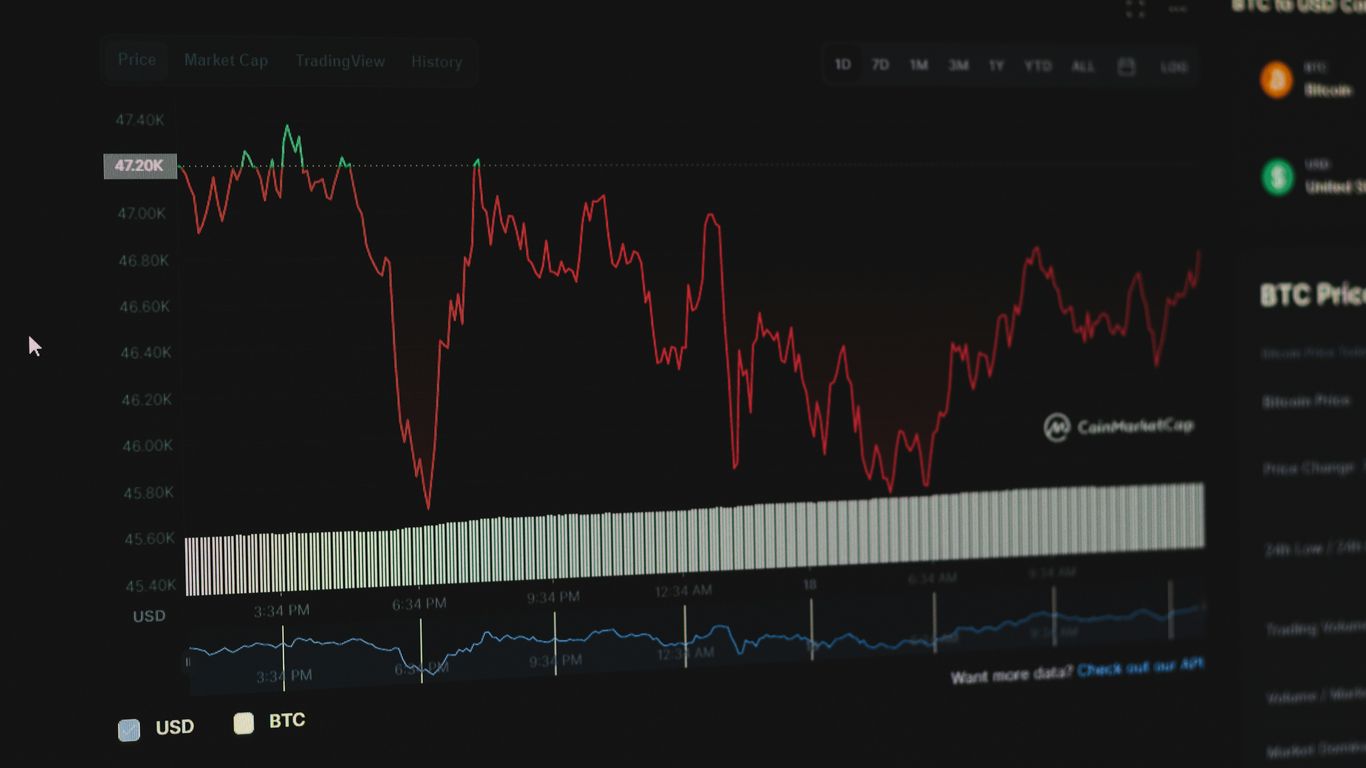
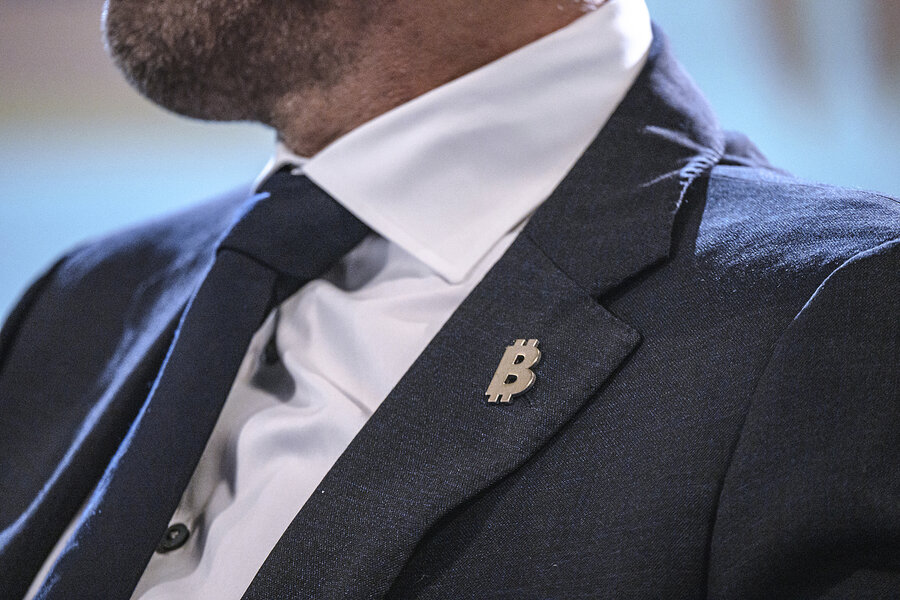
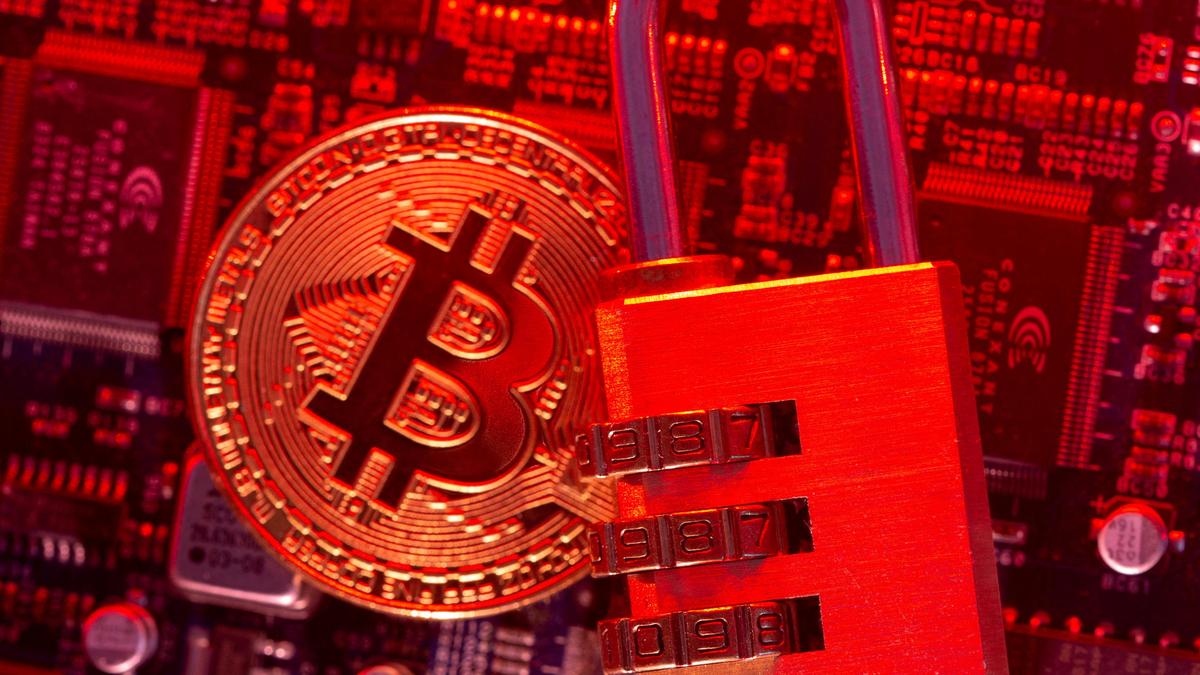
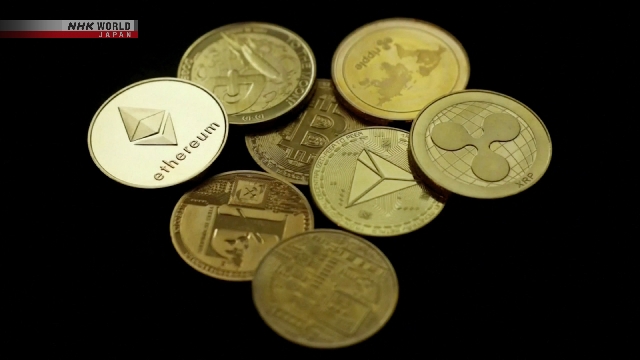
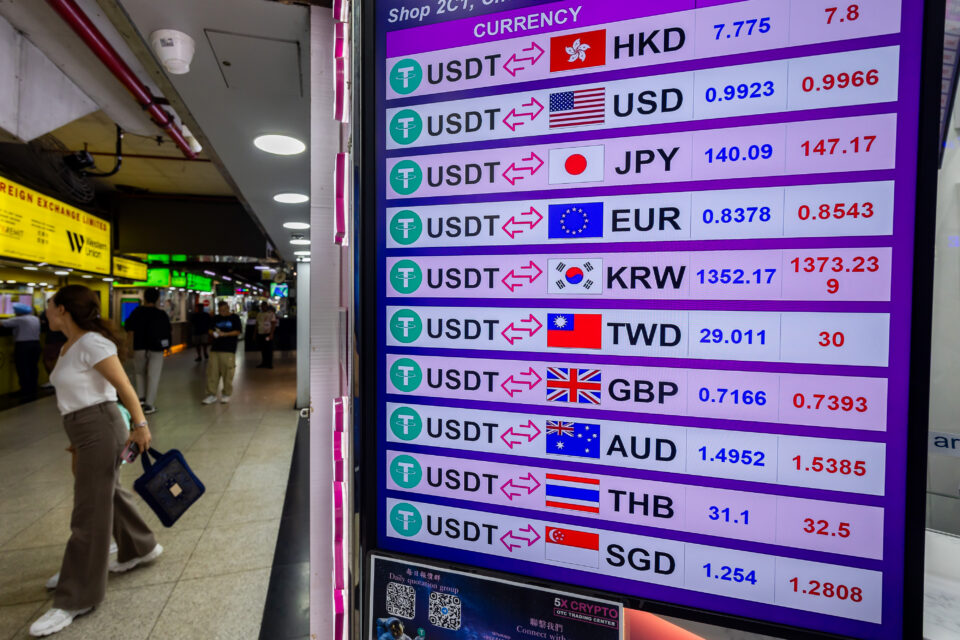
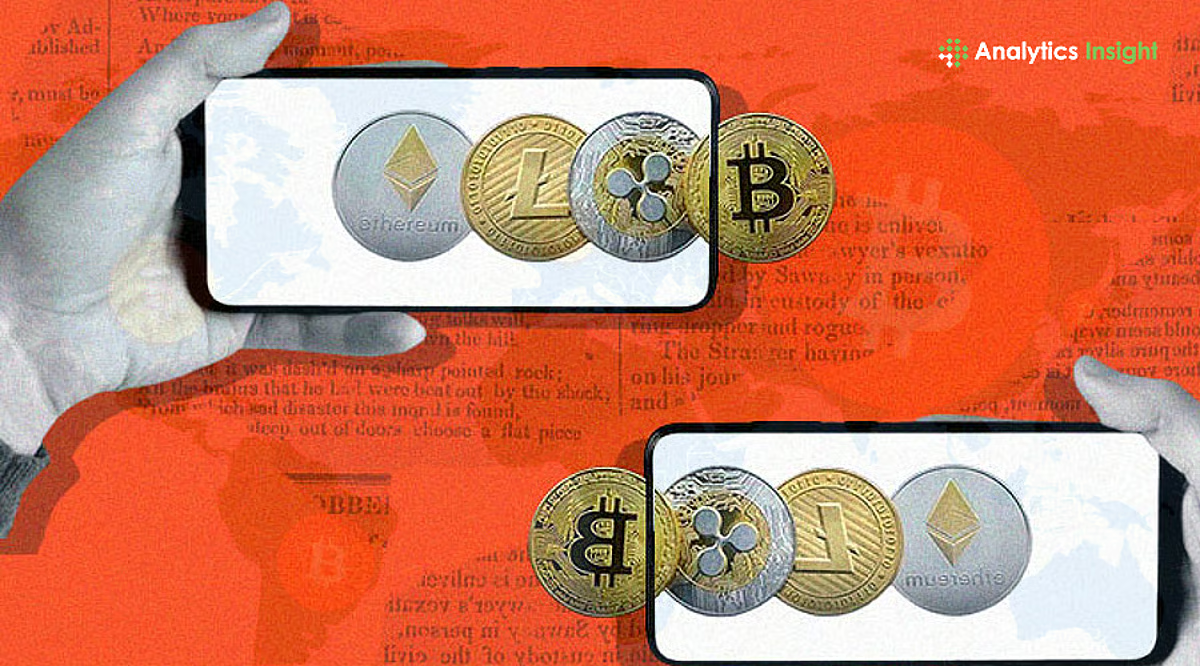
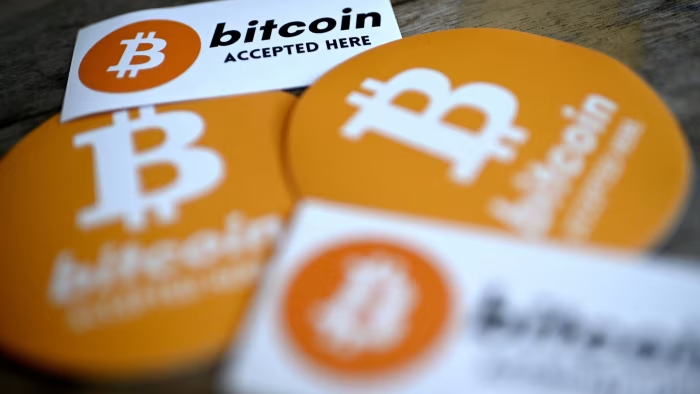
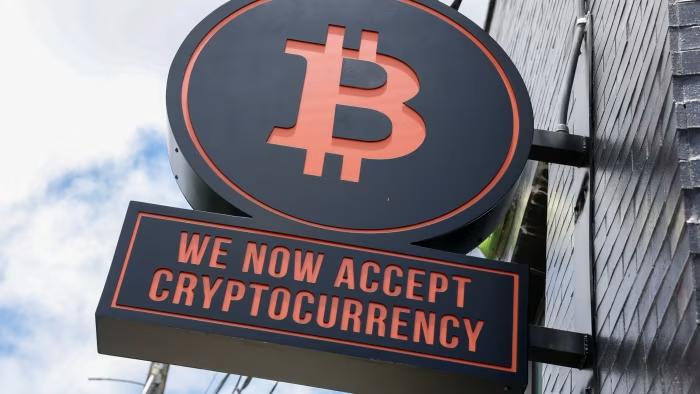
Cryptocurrency is becoming more common in Delaware and across the country.
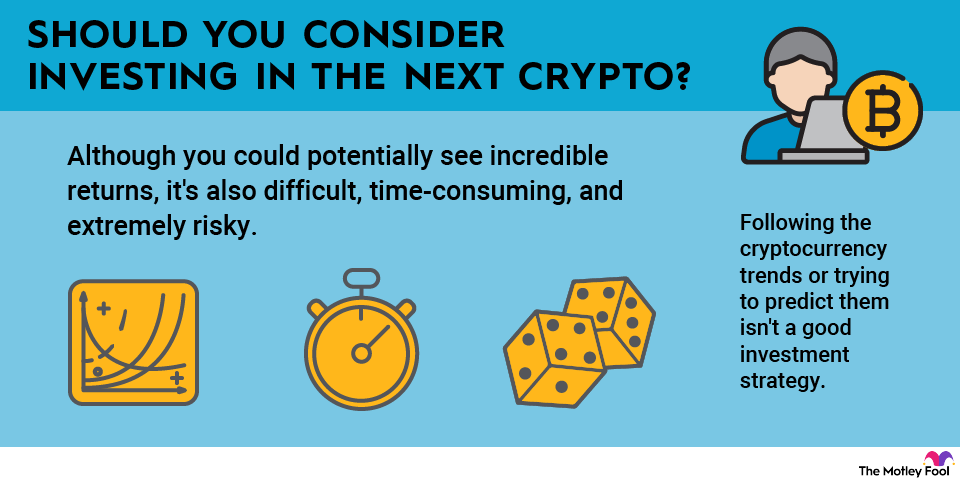
As digital assets gain popularity, though, lawmakers are also grappling with concerns about fraud, scams and market volatility.
At least 40 states and Puerto Rico have introduced or are considering legislation related to cryptocurrency and digital assets. Delaware is among them, with lawmakers passing measures this year that touch on everything from banking modernization to stablecoin oversight.
Some of those changes are already law, while others could resurface next year.
Here’s a look at the cryptocurrency and digital asset bills Delaware lawmakers approved.
Which laws exist in Delaware?
Lawmakers pushed for – and passed – three bills related to cryptocurrency by session’s end June 30.
The first of these bills, known as the Delaware Banking Modernization Act of 2026, updates the state’s banking code to recognize both digital assets and virtual currency, to name a few changes.
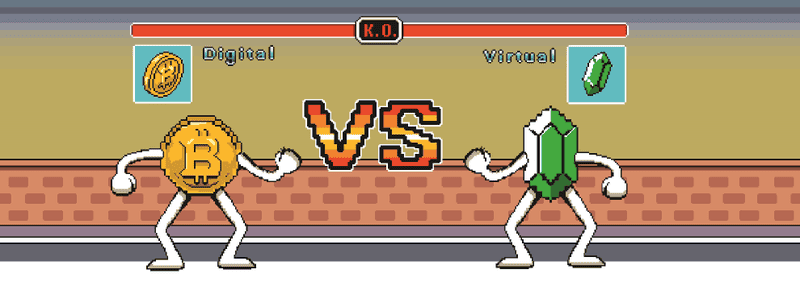
The bill defines digital assets as anything of value recorded on a cryptographically secured digital ledger, including virtual currencies.
The bill defines virtual currencies as digital assets that can be used to buy, sell or store value, but aren’t considered traditional money or part of rewards programs or online games.
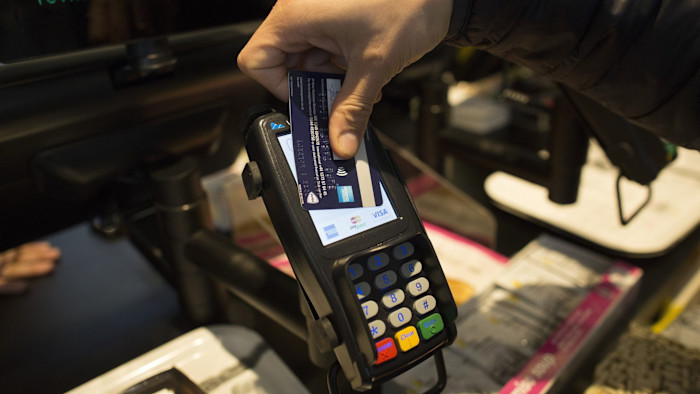
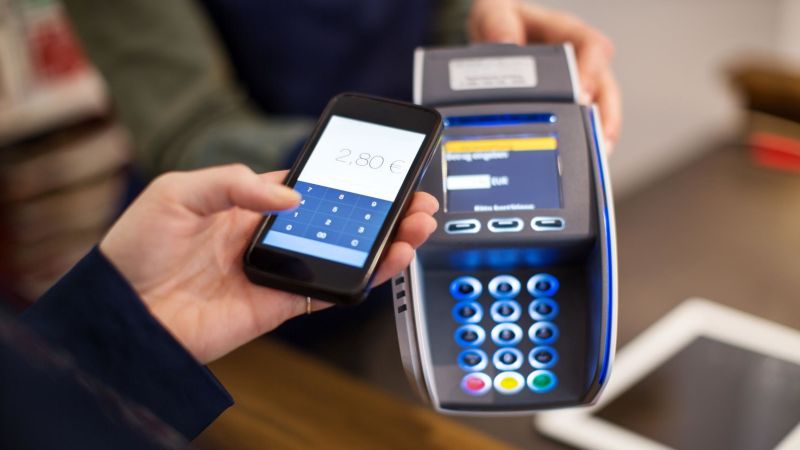
Unlike other digital payment methods like credit cards or PayPal, cryptocurrencies can usually be transferred without a third party, like a bank.
Cryptocurrencies are decentralized, meaning they aren’t typically controlled by governments, banks or companies. Instead, transactions are verified through software run by users across the internet.
The second bill – the Delaware Money Transmission and Virtual Currency Modernization Act – implements a licensing and management system for virtual currency and money transfer services.
This includes new regulations for virtual currency businesses, such as requiring operators to disclose the risks that come with this currency to consumers.
The third and final bill, or the Delaware Payment Stablecoins Act, allows the state to regulate payment stablecoin issuers. It mandates consumer protections, person-to-person backing and anti-money laundering observance.
The bill aligns with the federal-level Guaranteeing Essentials National Infrastructure in U.S. Stablecoins Act, or GENIUS, Act, which was signed into law last year.
All three bills were signed into law by Gov. Matt Meyer on July 6.
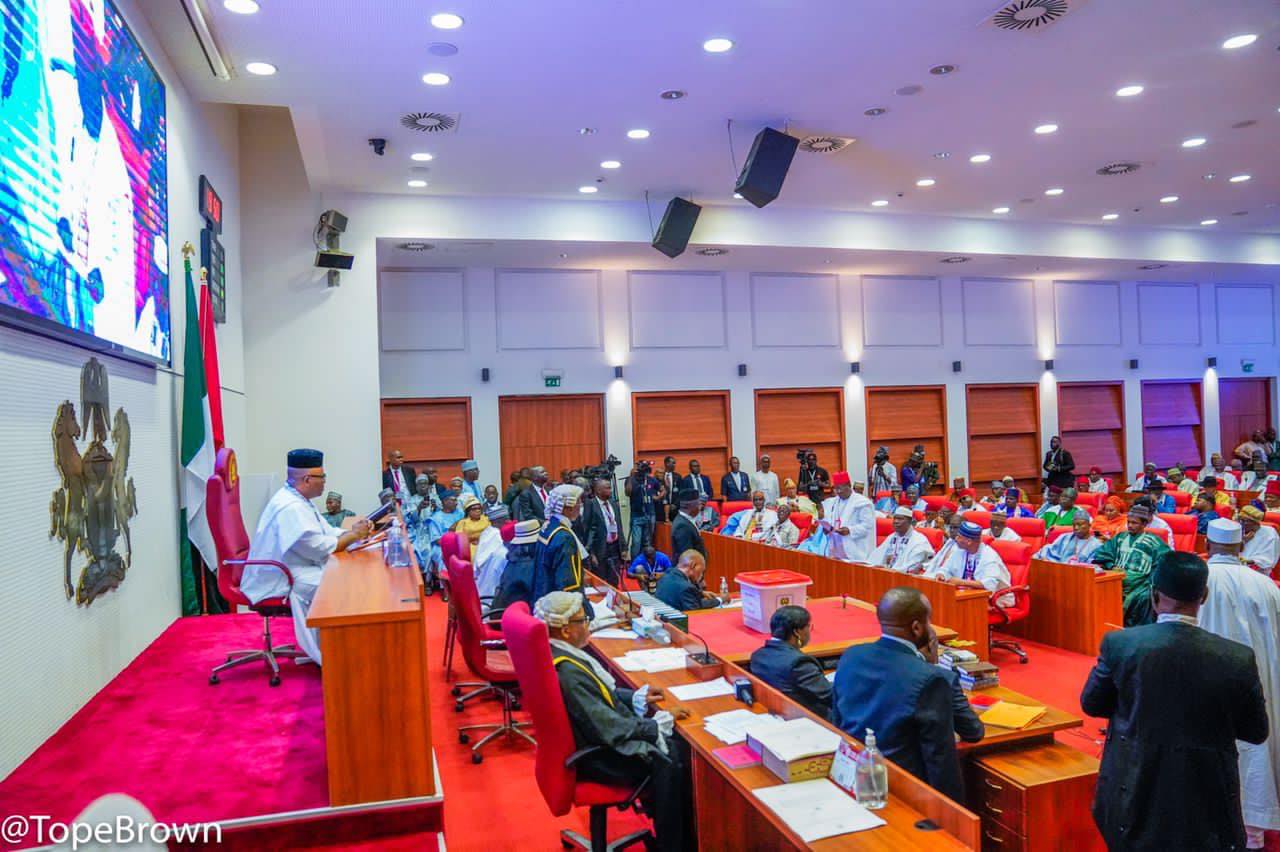
Lawmakers also cleared a Senate concurrent resolution that established the Blockchain and Digital Innovation Task Force. This force will be responsible for finding ways to draw and maintain businesses focused on digital assets and similar technologies, as well as ways to protect consumers.
The task force must present its recommendations by July 1, 2027.
Preliminary recommendations include incorporating blockchain technology in state government; legislative protections for activities related to blockchain like digital asset use; and using blockchain to generate revenue for the state, according to a preliminary report issued June 26.
Crypto kiosks ban on the horizon
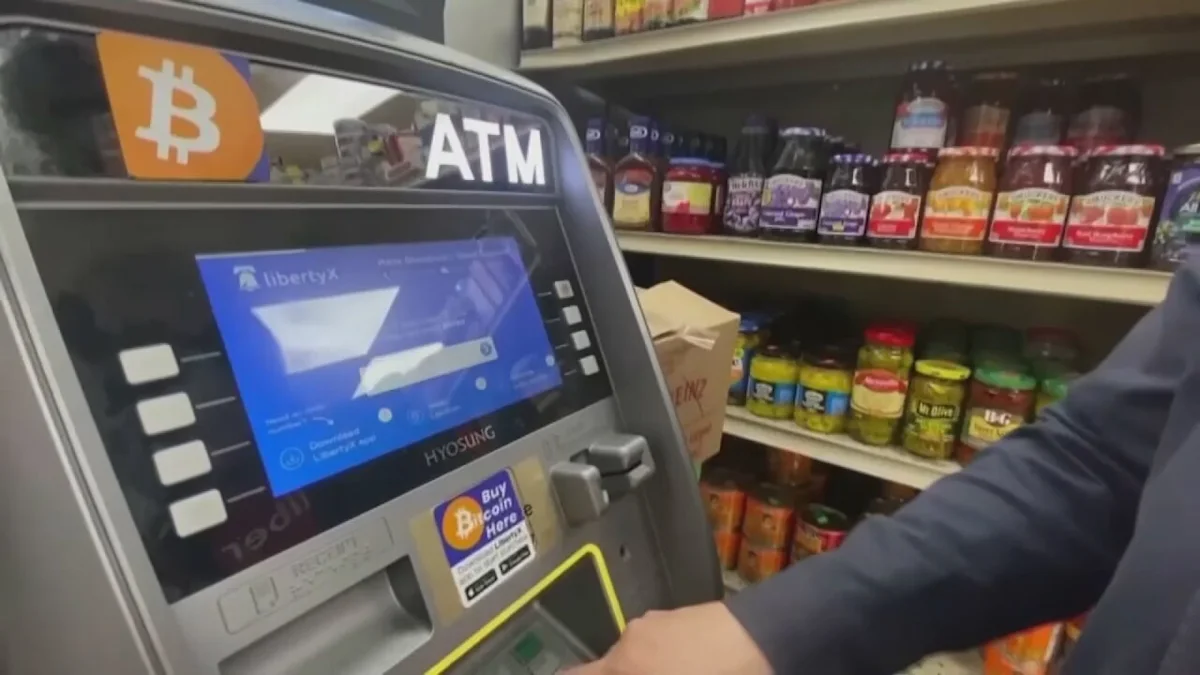
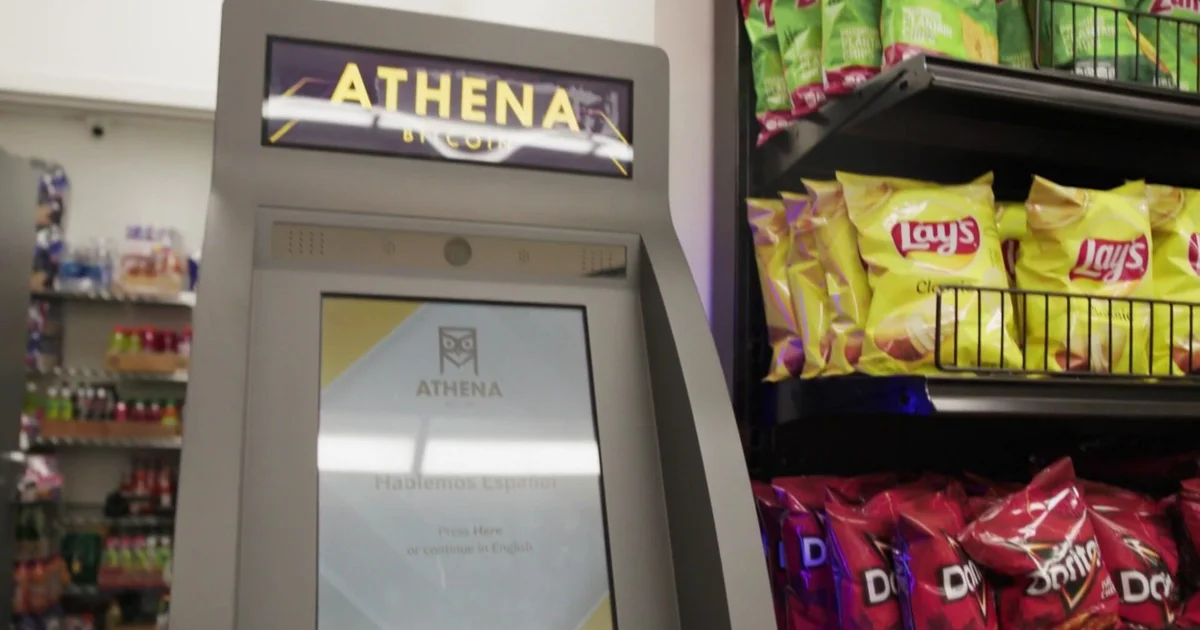
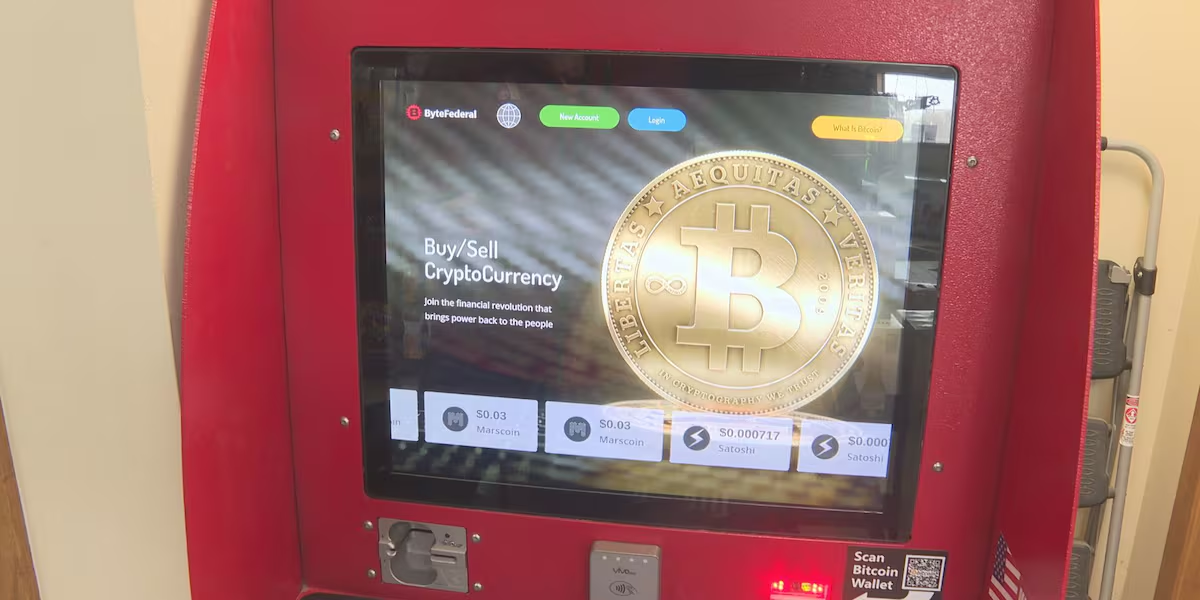
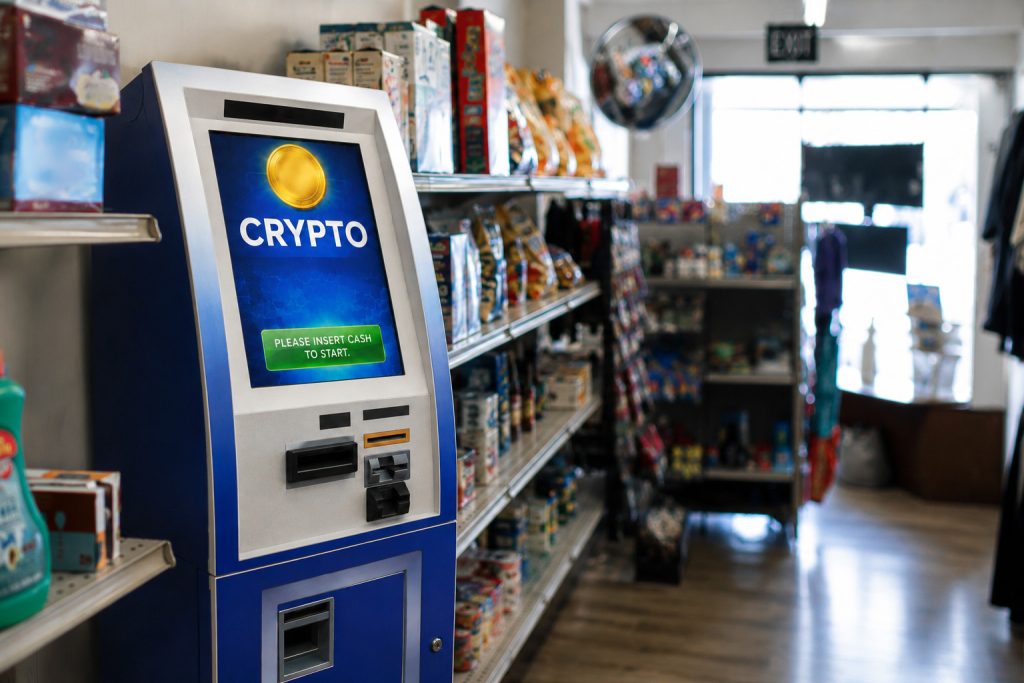
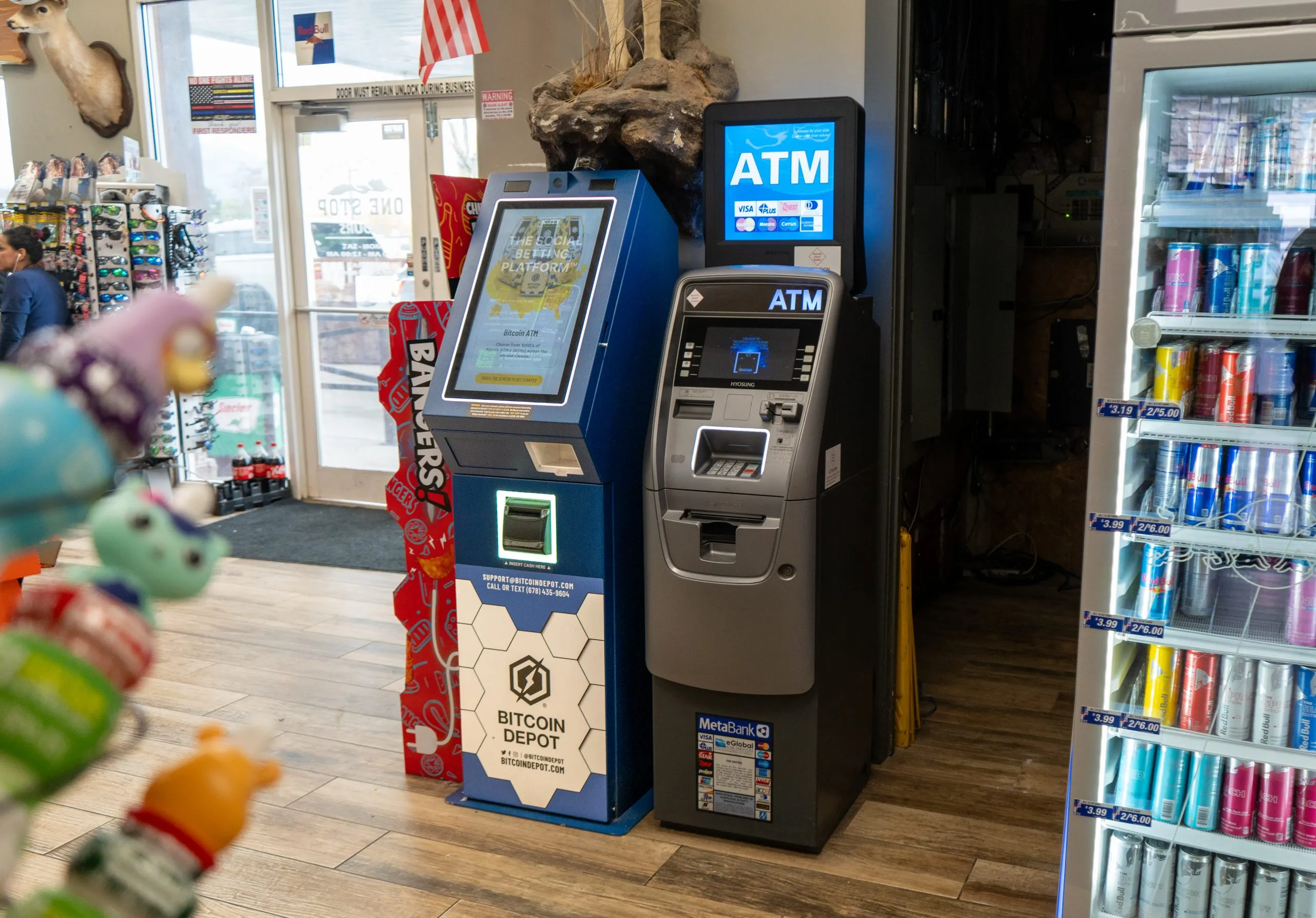
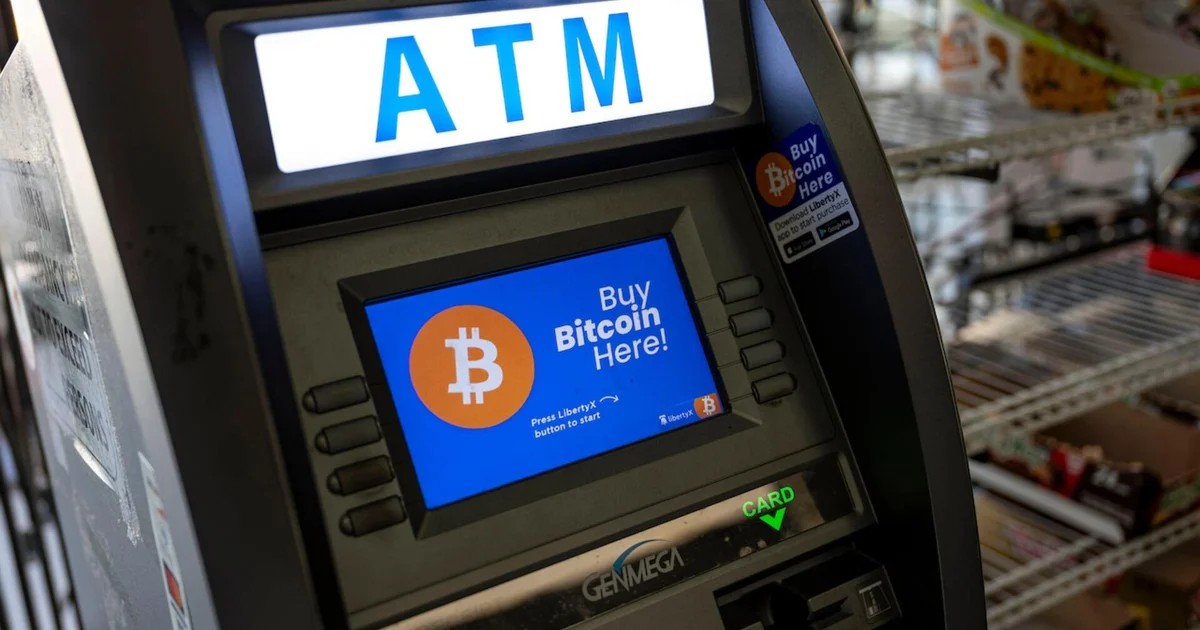
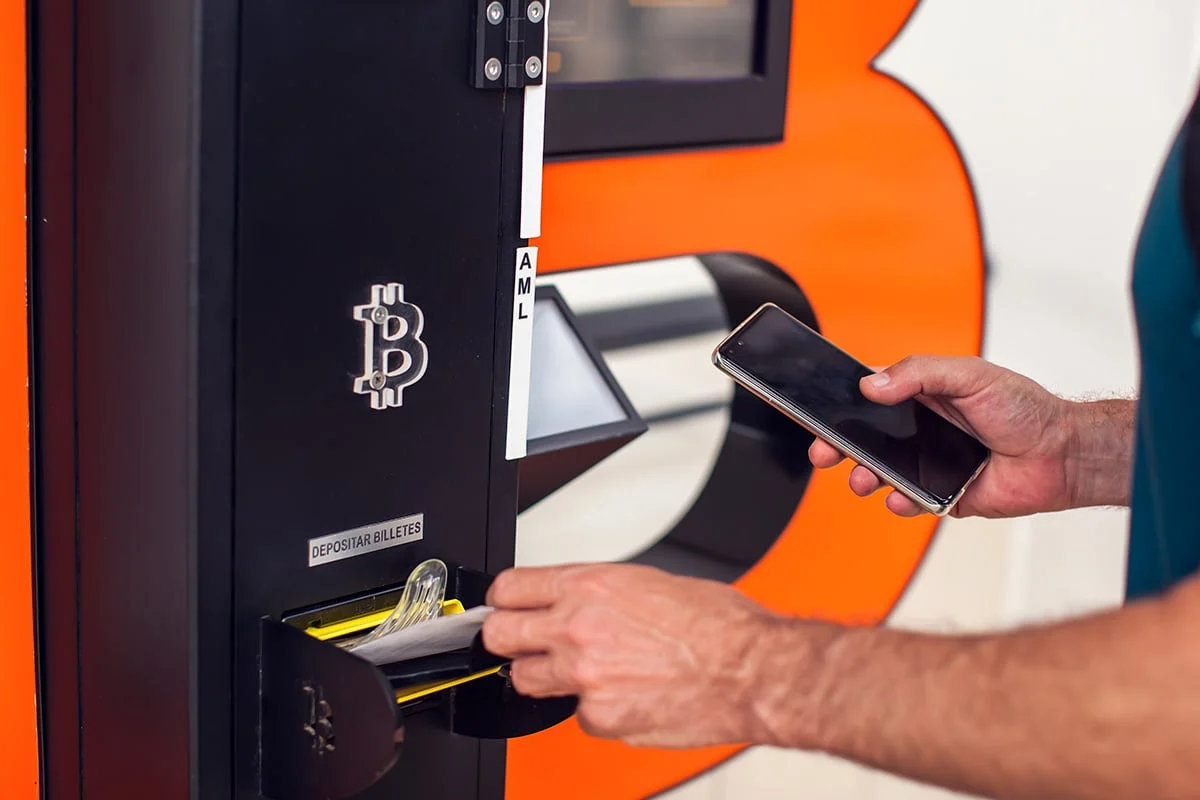
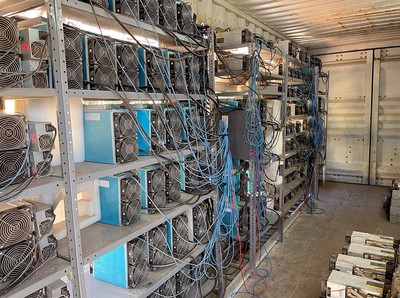
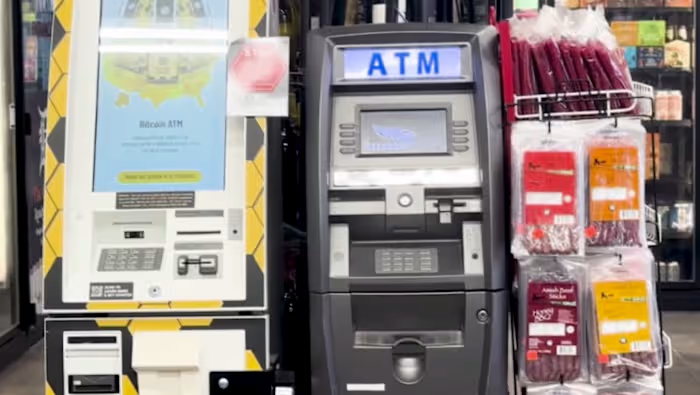
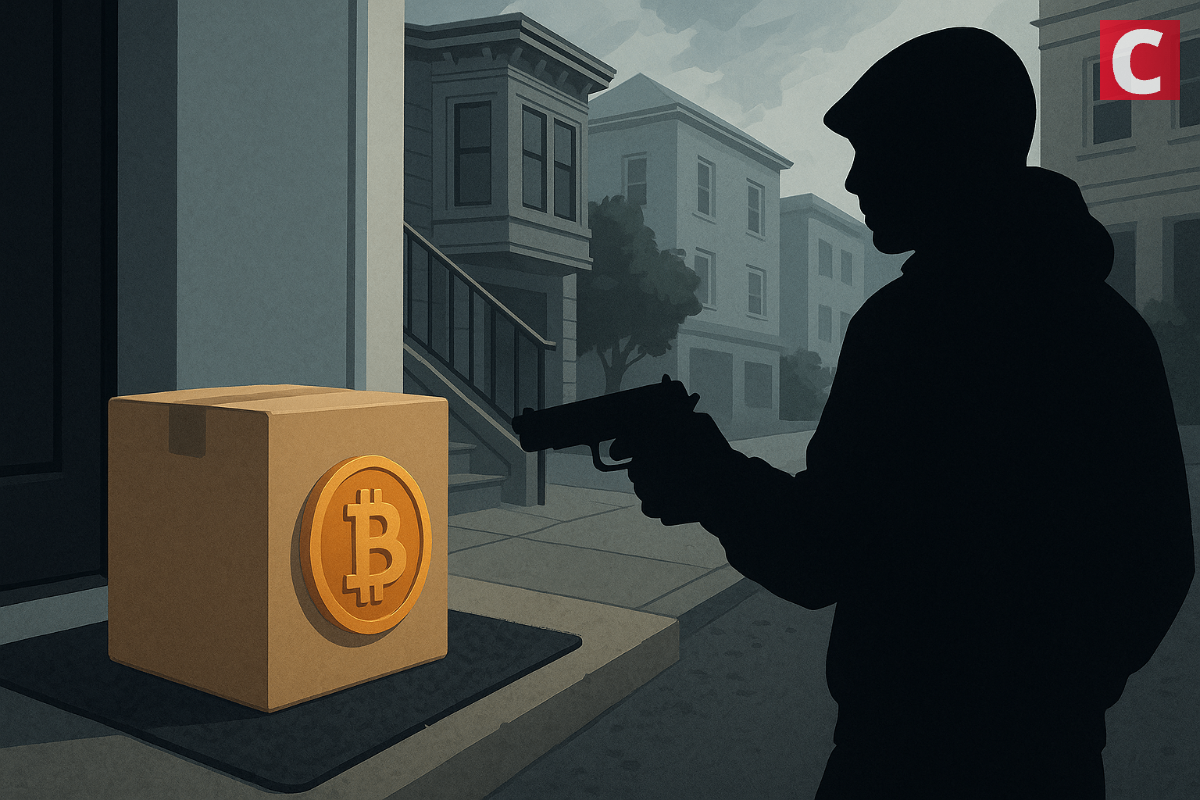
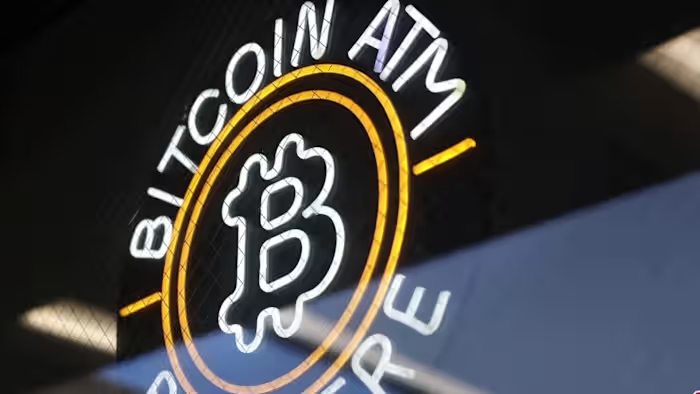
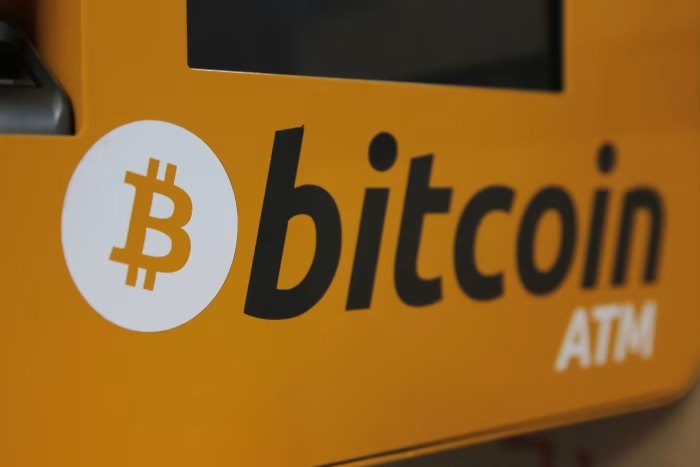
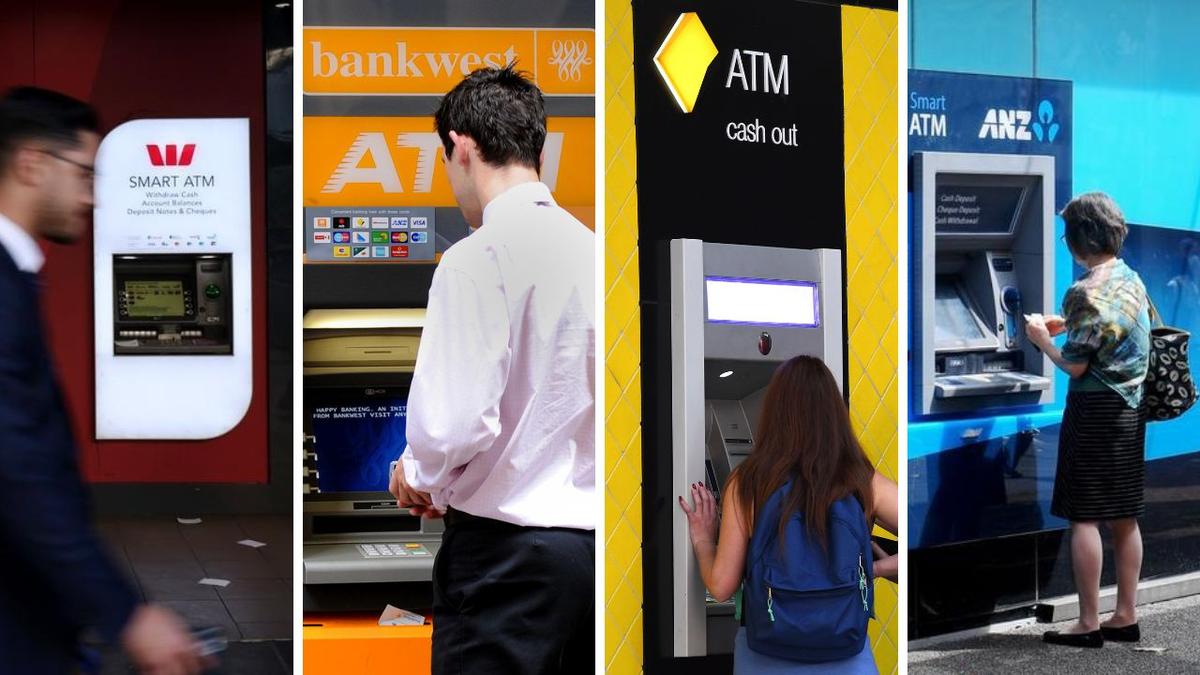
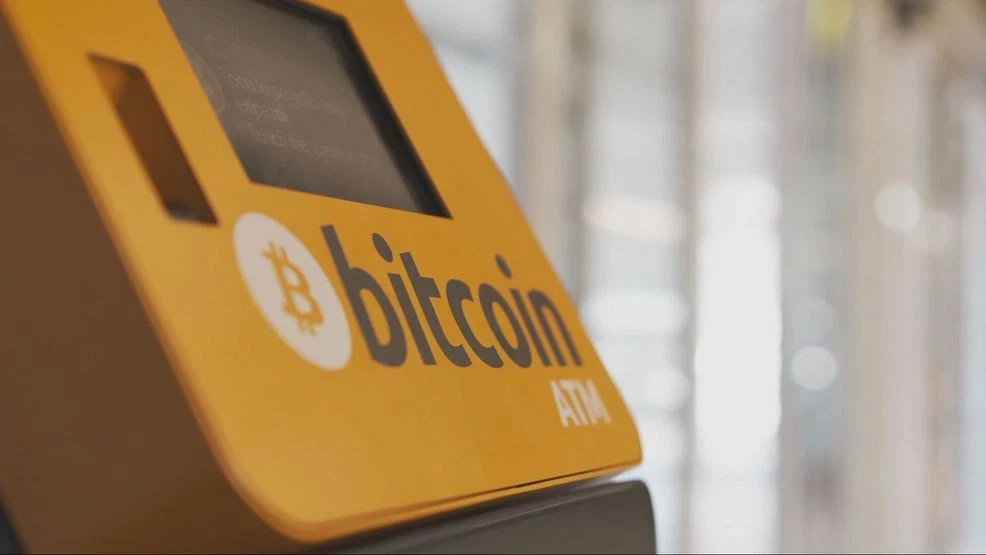
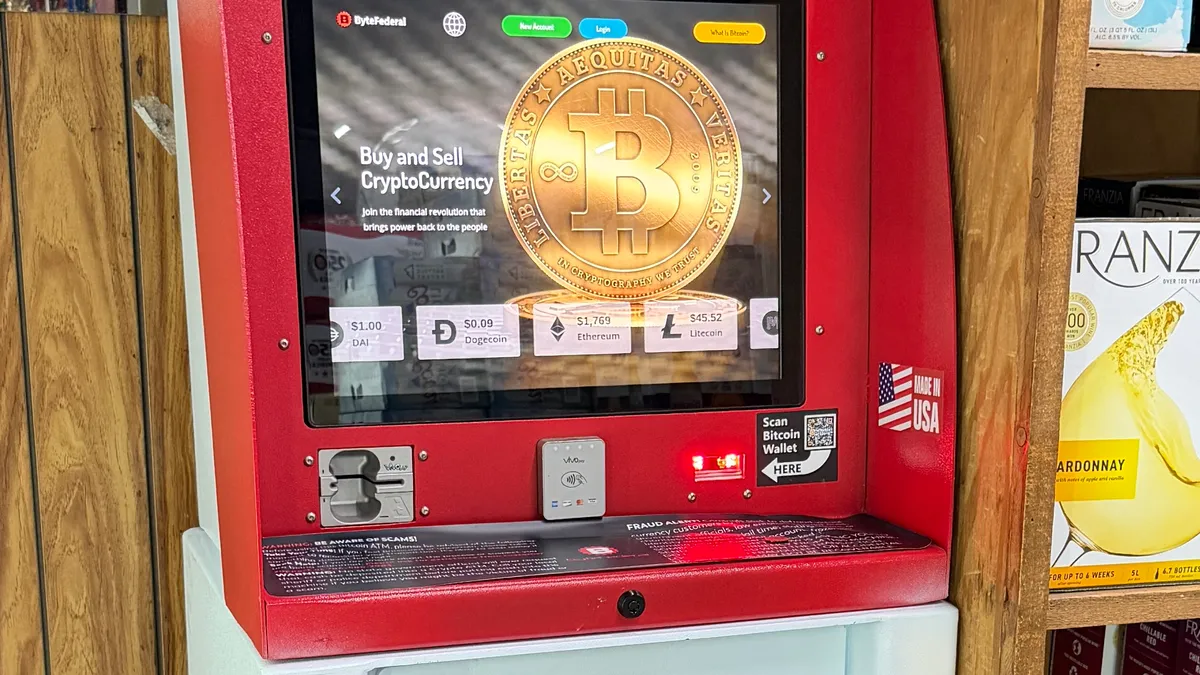
House lawmakers also took aim at cryptocurrency ATMs.
A bill sponsored by Rep. Cyndie Romer would have banned the machines, also known as crypto kiosks, from operating in Delaware.
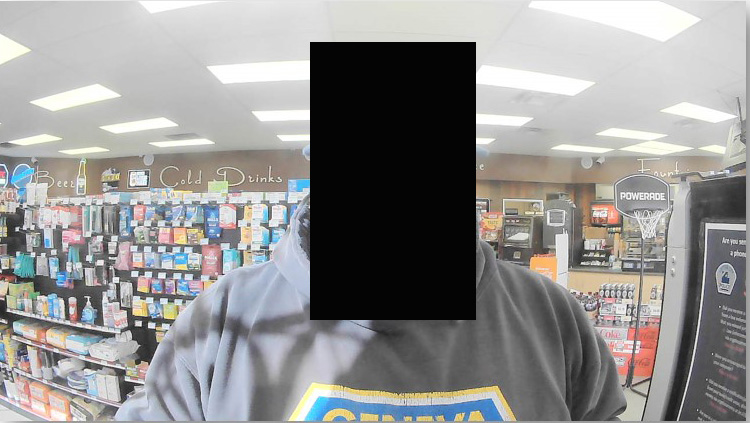
Many of these ATMs have popped up across Delaware, most notably in convenience stores and gas stations in Wilmington.
Data from the Federal Bureau of Investigation found that $389 million in losses connected to these kiosks was reported in 2025. In the First State alone, losses totaled roughly $674,815 that year.
Many of the victims were 50 years of age or older.
While many of these ATMs are built on blockchain – which is considered by many as a secure system – they are also untraceable, Romer explained. And in many cases, predatory.
The Newark Democrat said this bill won’t ban the technology itself, just the kiosks.
“Crypto’s not the problem,” said Romer. “The ATMs are the problem.”
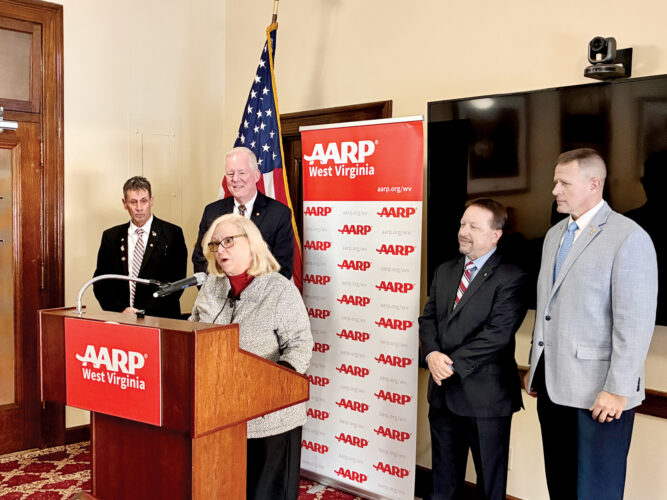
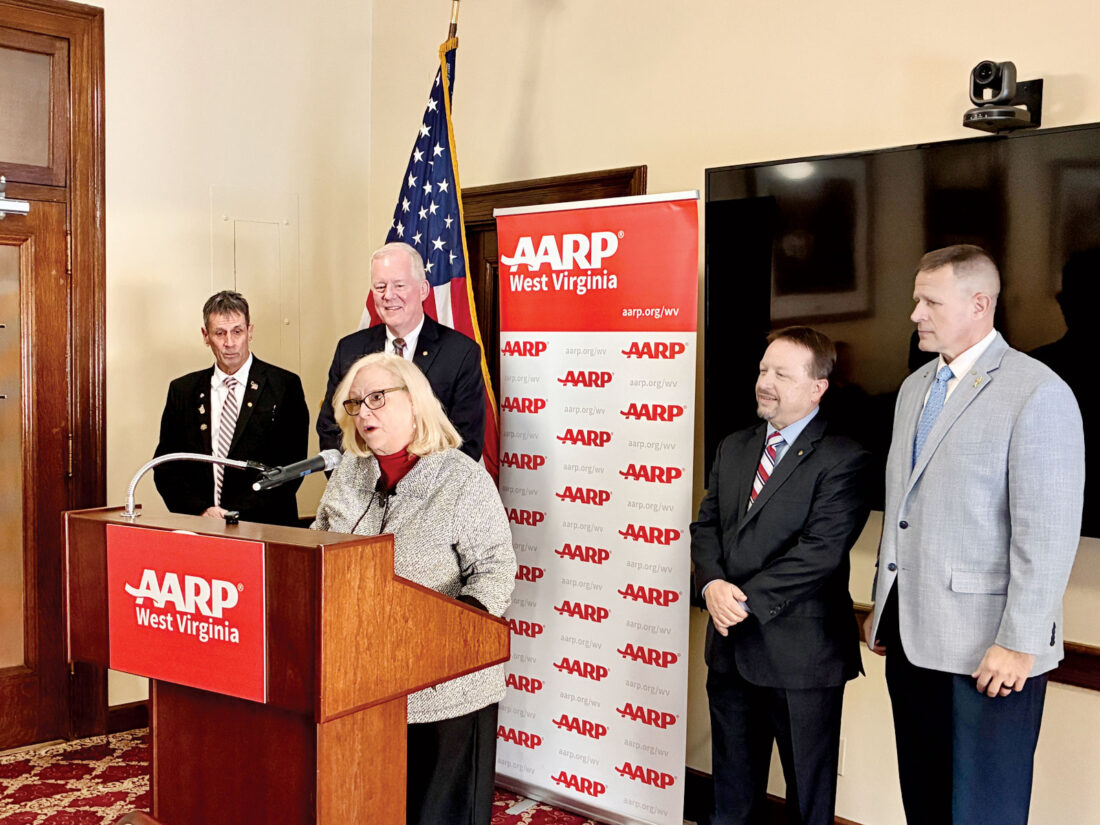
About 27 states have enacted laws regulating kiosks, according to AARP.
At least three states – Indiana, Minnesota and Tennessee – have banned them.
Romer said she will continue pushing for the bill next session, which starts Jan. 12, 2027.
Because next year is the start of a new General Assembly, the bill will need to be reintroduced.
What federal regulations exist?
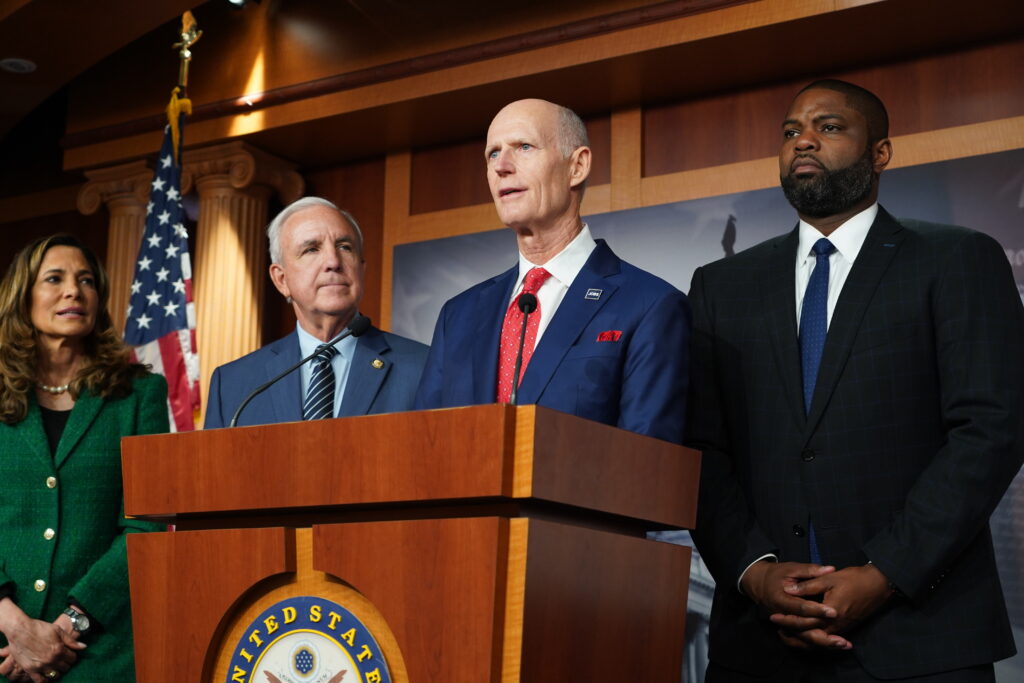
Cryptocurrency legislation has also drawn attention in Washington. One of the most closely watched proposals is the CLARITY Act, which would create a new framework for regulating digital assets.
U.S. Rep. Sarah McBride backed the House version of the bill. A spokesperson for her office said McBride viewed the measure as an important first step toward establishing rules and guardrails for the cryptocurrency industry, even if it wasn’t perfect.
The latest version of the bill would bar presidents and other federal leaders from backing or issuing cryptocurrency and other similar assets.
Fellow federal delegate Sen. Lisa Blunt Rochester voiced concern with the bill early on, saying it does not sufficiently address “several serious outstanding concerns” related to investor and consumer protections and conflicts of interest.
“The consequences of getting this wrong could extend far beyond the digital asset industry itself,” she said in a May 14 statement. “Congress has a responsibility to ensure that innovation does not come at the expense of financial stability, public trust, or the protections Americans rely on in their financial markets.”
The bill was placed on the Senate legislative calendar following its committee hearing on June 1.
Olivia Montes covers state government and community impact for Delaware Online/The News Journal. If you have a tip or a story idea, reach out to her at omontes@delawareonline.com.