1. Why is liquidity important in digital finance?
Liquidity allows digital assets to be bought, sold or exchanged without causing large price movements. Without it, even highly valuable tokenized assets can remain difficult to use efficiently.
2. How does fragmentation affect crypto liquidity?
Assets issued across different blockchains may not interact directly, forcing users to rely on bridges, market makers or multiple trades. This can increase spreads, execution risk and settlement complexity.
3. Can blockchain reduce reliance on correspondent banking?
Potentially, yes. Blockchain networks can reduce the need for pre-funded accounts, but this depends on having deep liquidity between currencies, stablecoins and other digital assets.
4. Why does liquidity matter for tokenized real-world assets?
A tokenized asset may have a high market value but still be difficult to trade if market depth is weak. Reliable liquidity makes tokenized securities more useful for trading, lending and collateral.
5. What could provide liquidity across digital financial markets?
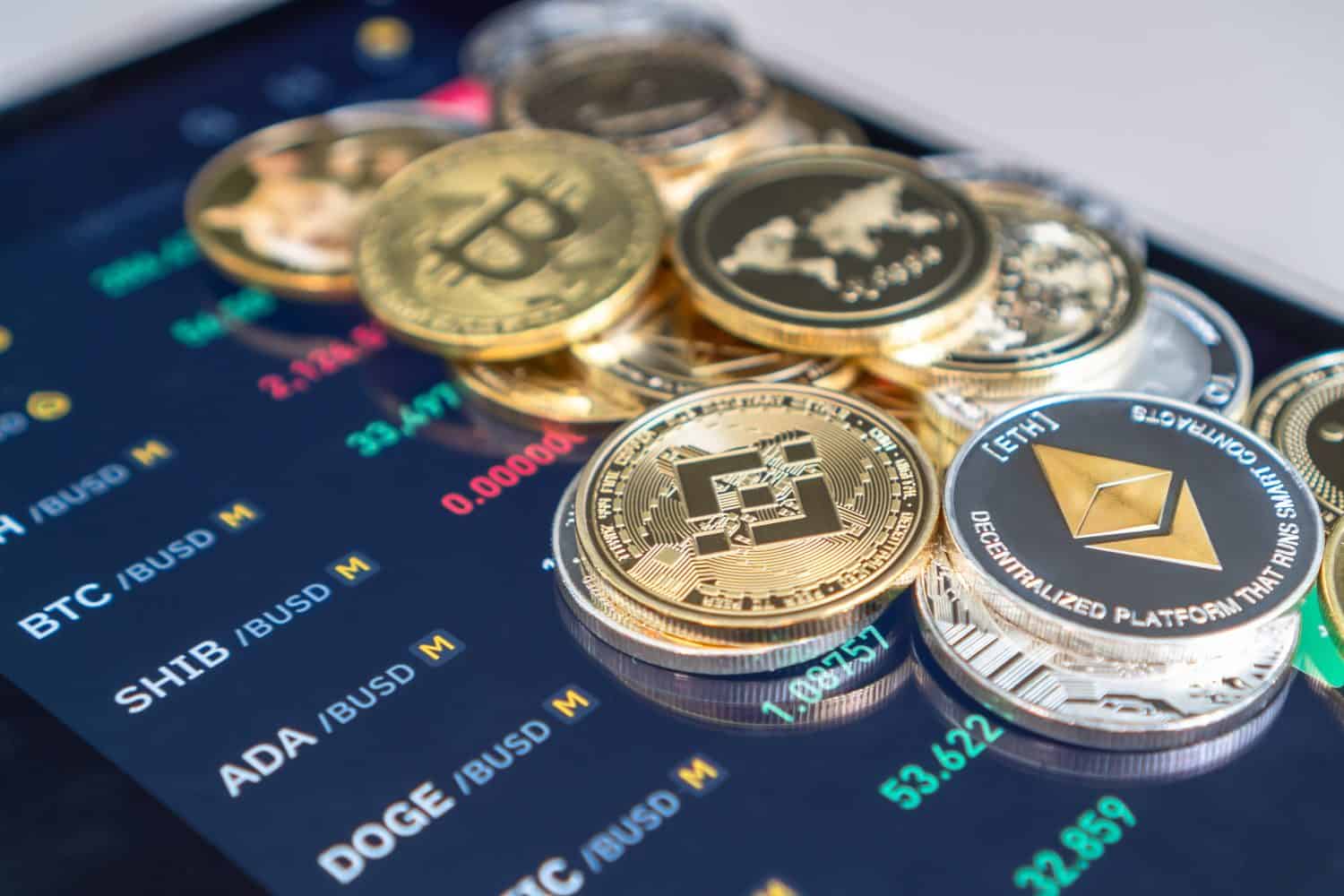
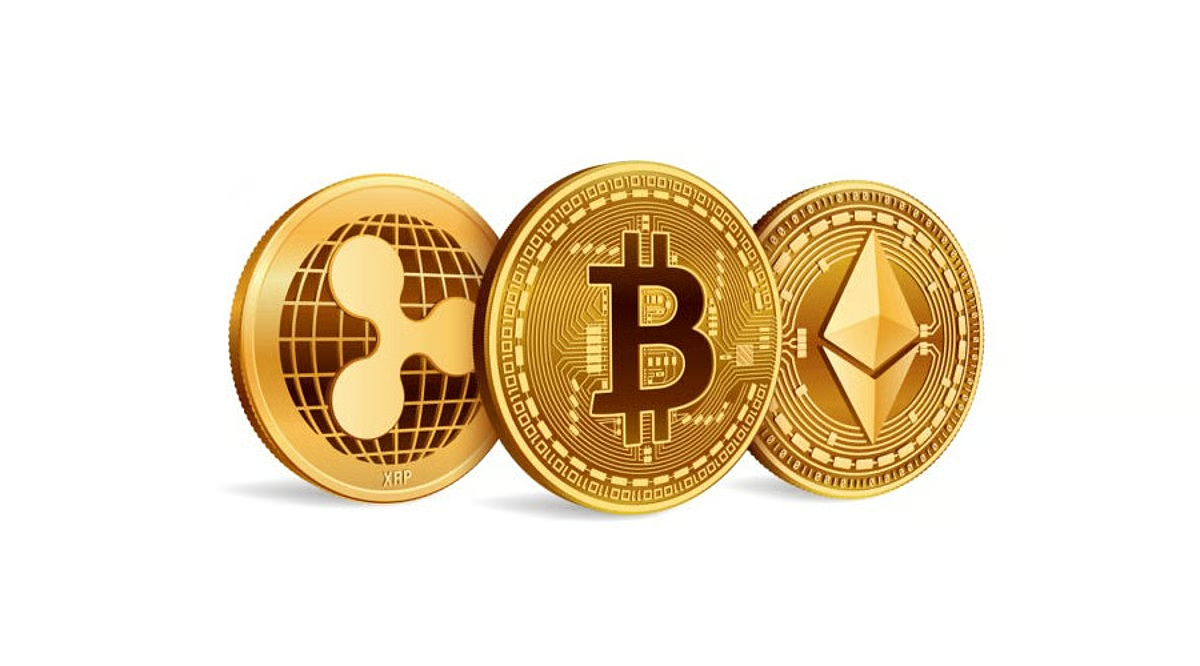
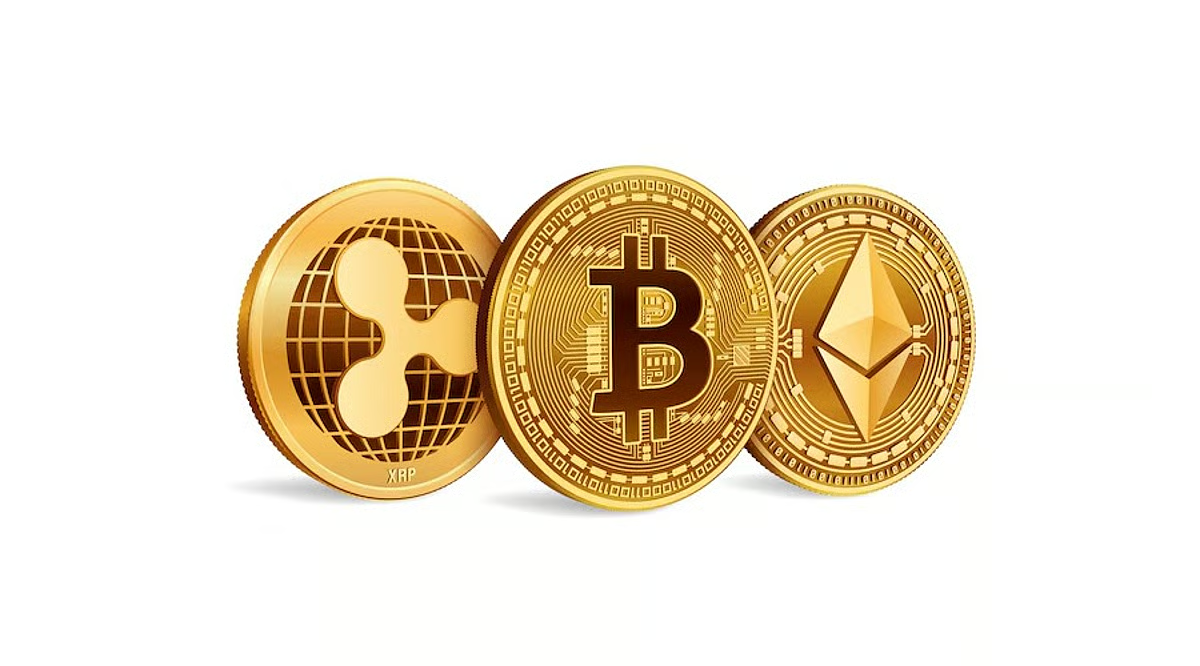
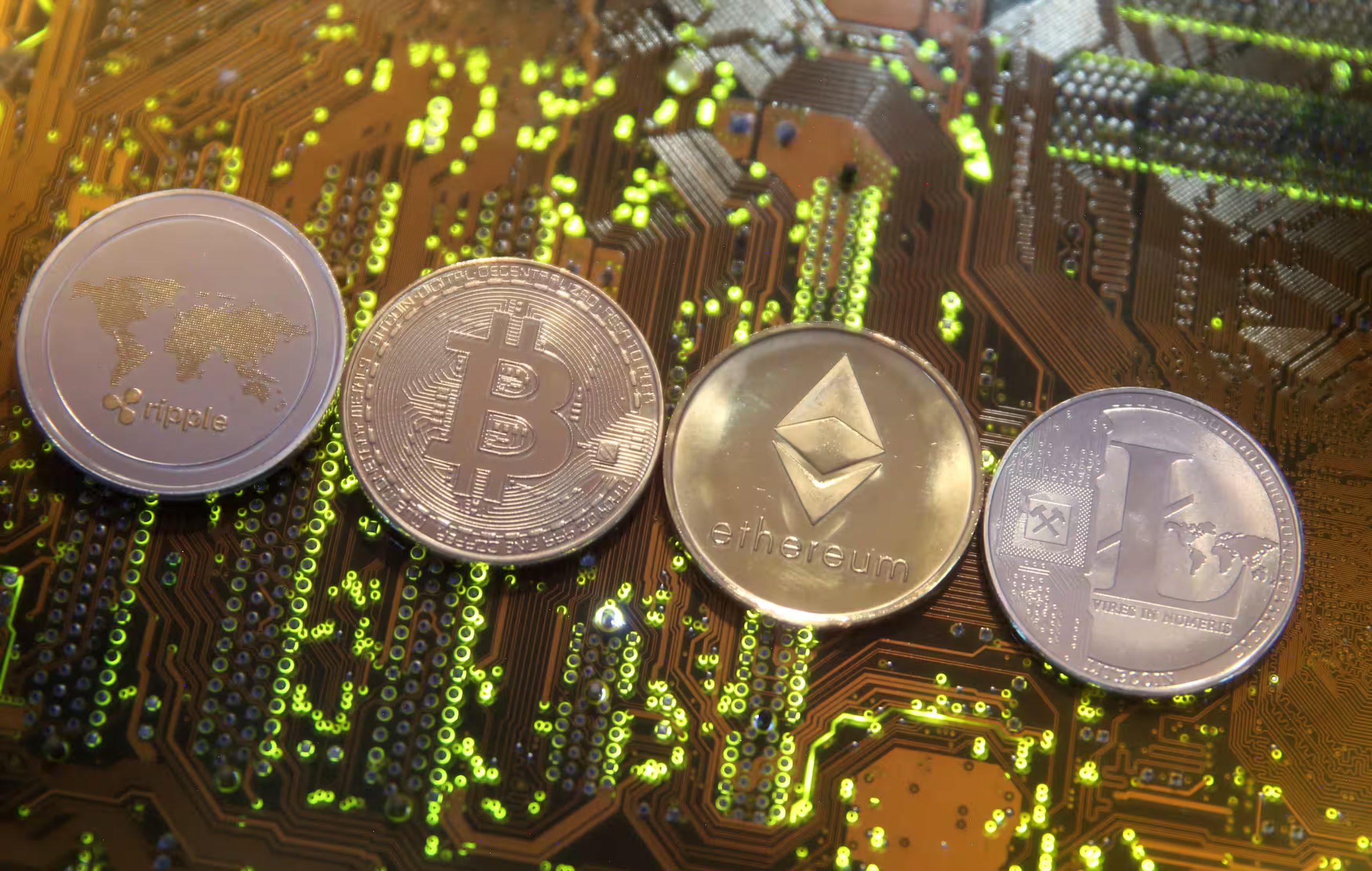
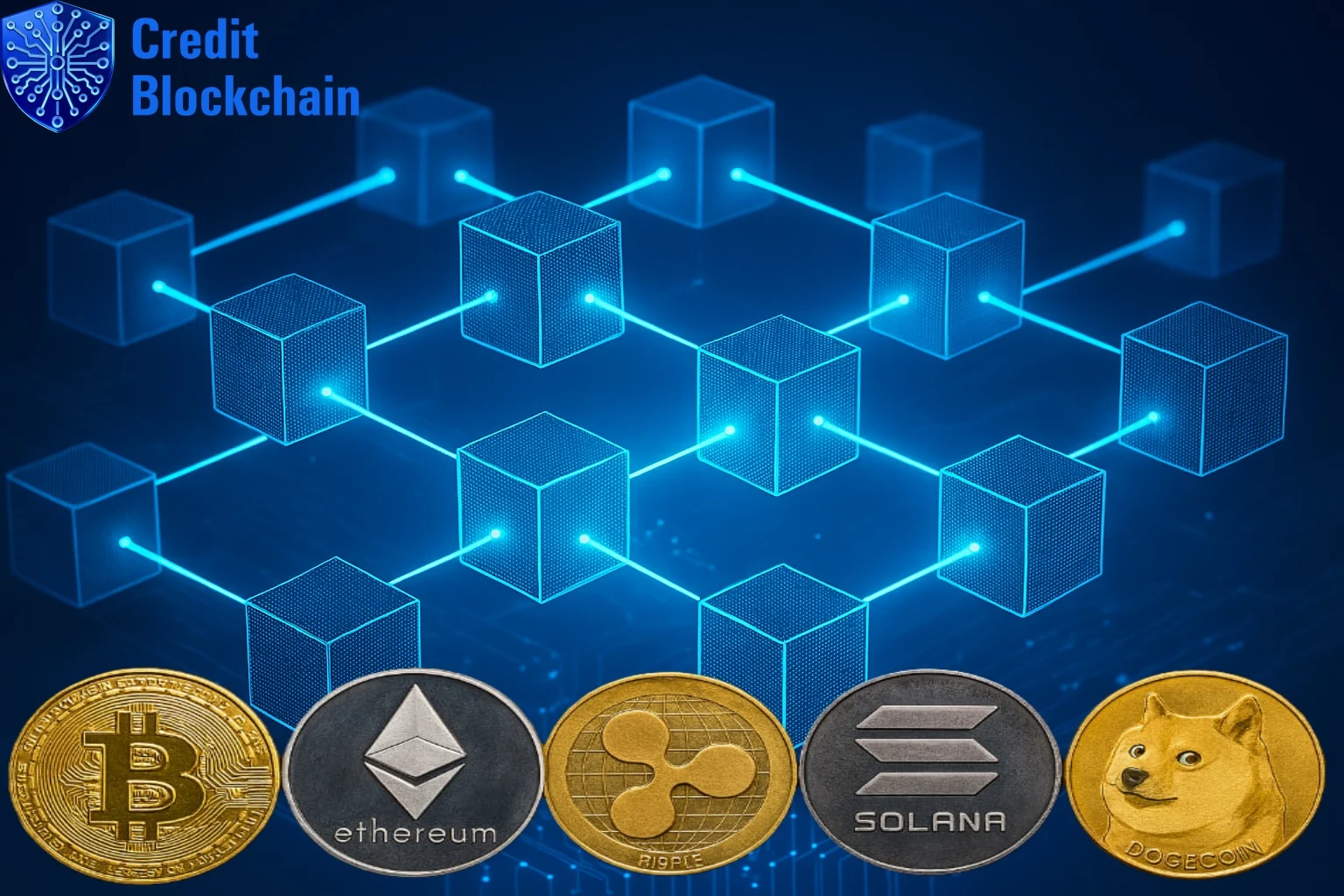
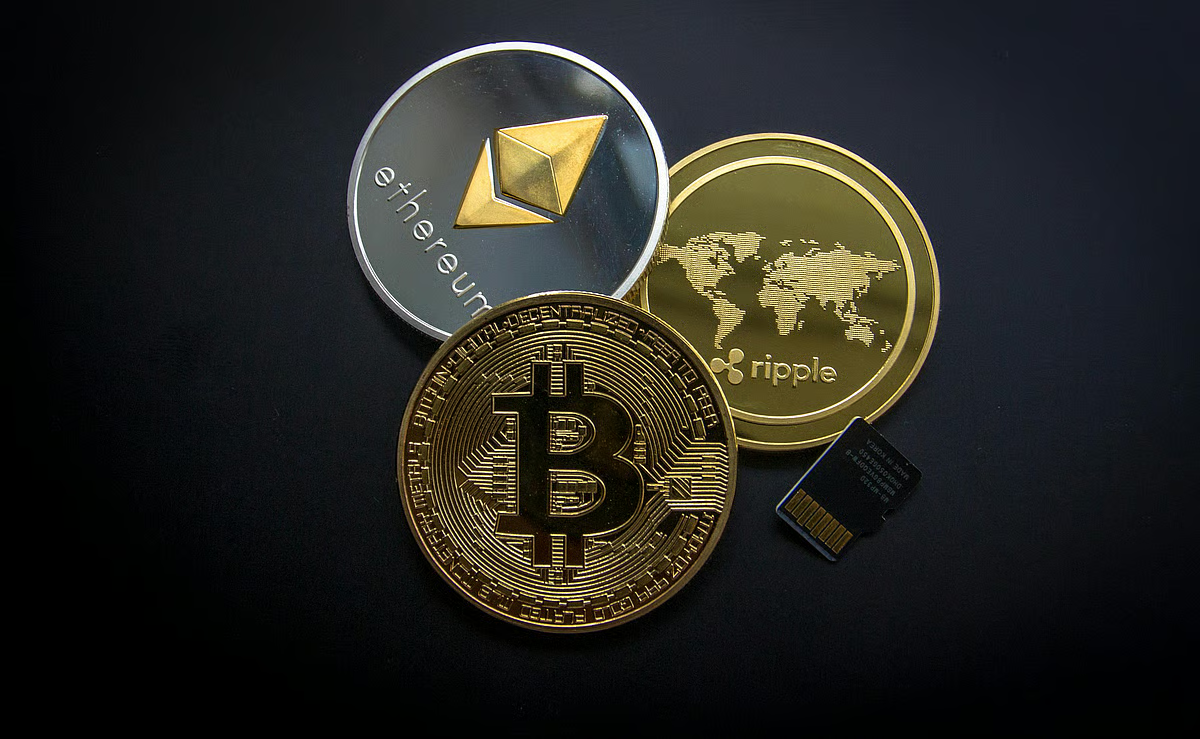
Market makers, decentralized exchanges, stablecoins and bridge assets such as XRP could provide conversion between different digital assets. Their effectiveness will depend on market depth, interoperability and settlement reliability.