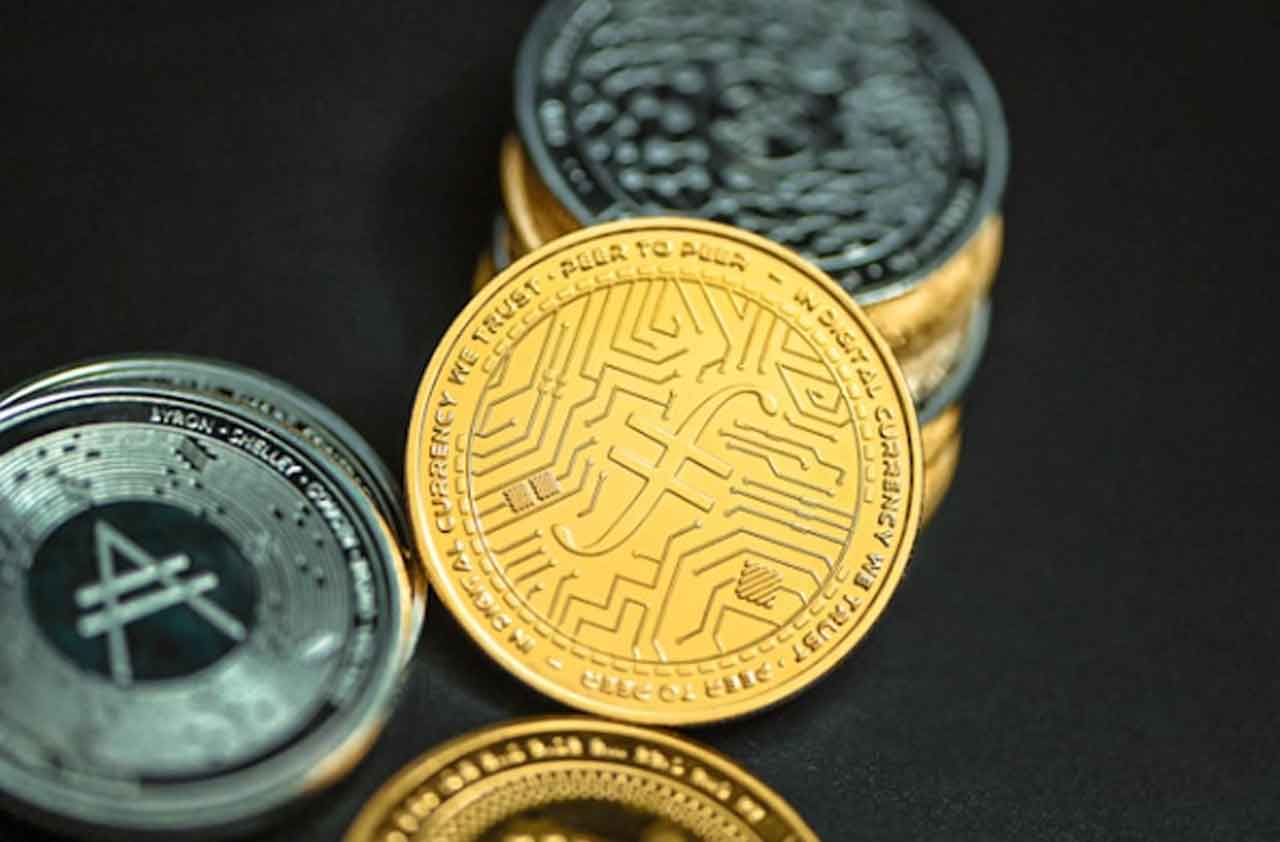
The beauty of Roth IRAs is that they offer increasingly flexible ways for investors to plan for their retirement. Today, it’s entirely possible to incorporate cryptocurrencies into your Roth account if you’re looking to gain exposure to digital assets.
Because Roth IRAs don’t come with the same tax deductions on contributions as traditional IRAs, they’ve become one of the most effective ways to hold cryptocurrency-focused funds without applying the same taxation rules as directly built crypto portfolios. Contributions are made with after-tax dollars, but withdrawals after age 59 1/2 from accounts that are at least five years old can be taken tax-free, with investors paying nothing on capital gains.
Since their introduction in January 2024, spot crypto ETFs have served as an excellent entry point for investors looking to incorporate cryptocurrencies into their portfolios without the added risks of buying directly from exchanges or holding assets in digital wallets, both of which have been exposed to security concerns in recent years.
But adding crypto to your Roth IRA can be an innovative way to rebalance your risk appetite and to add more speculative investments to your retirement mix.
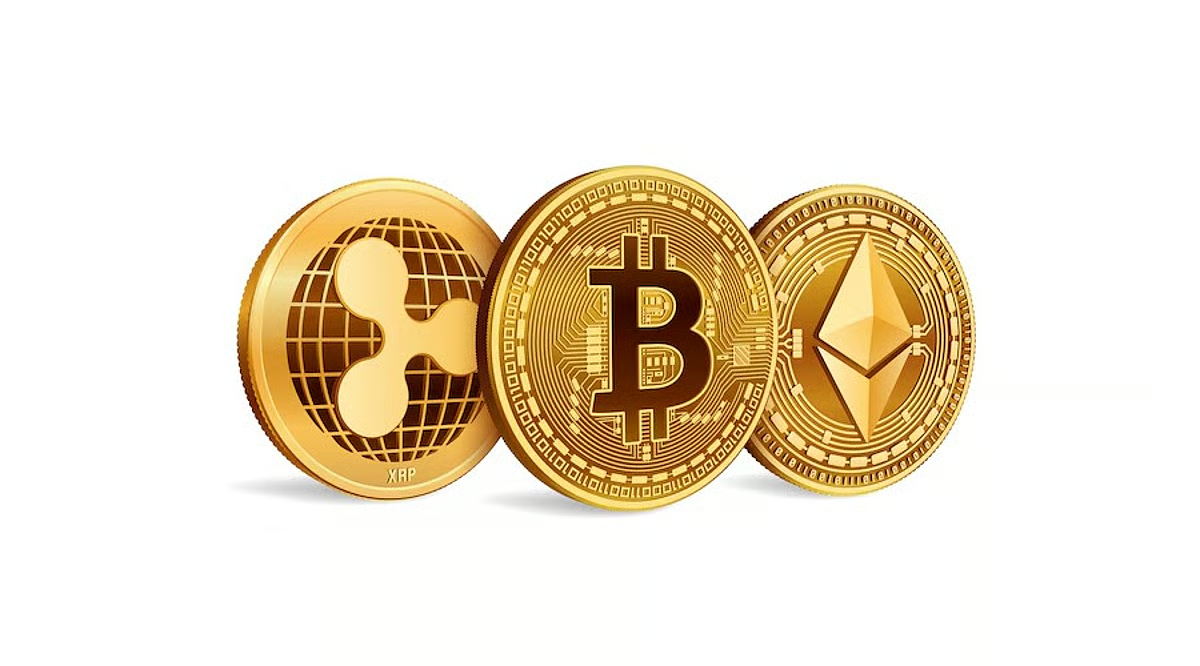
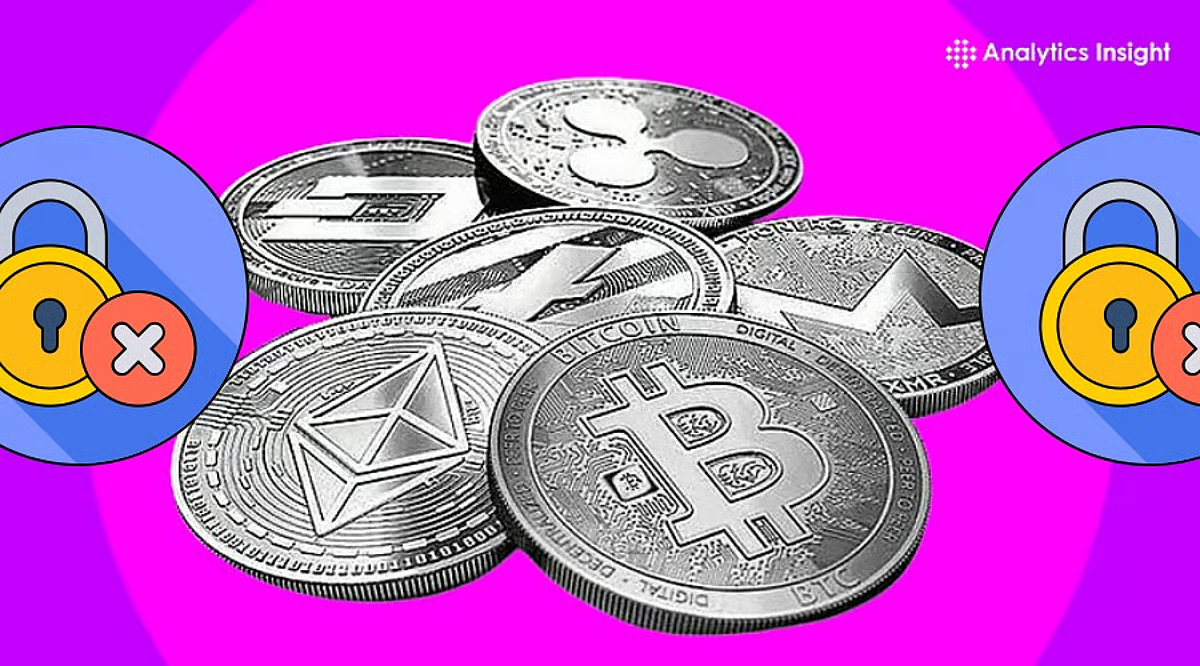
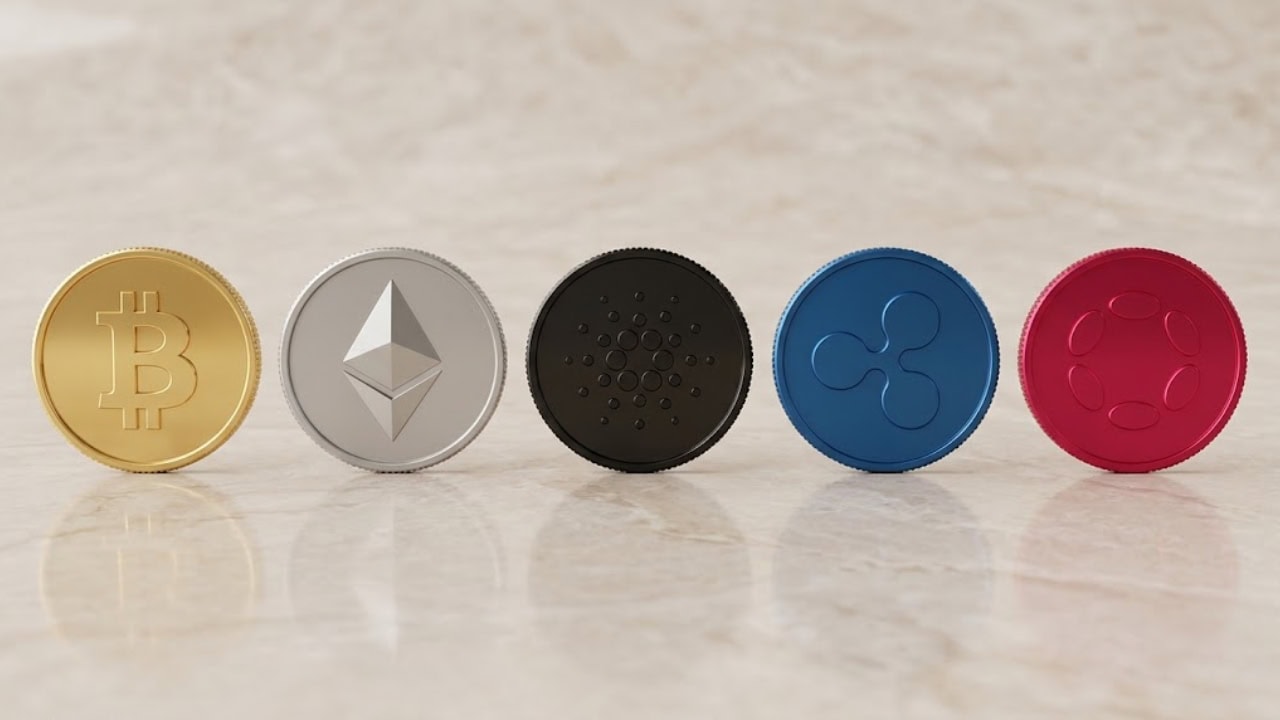
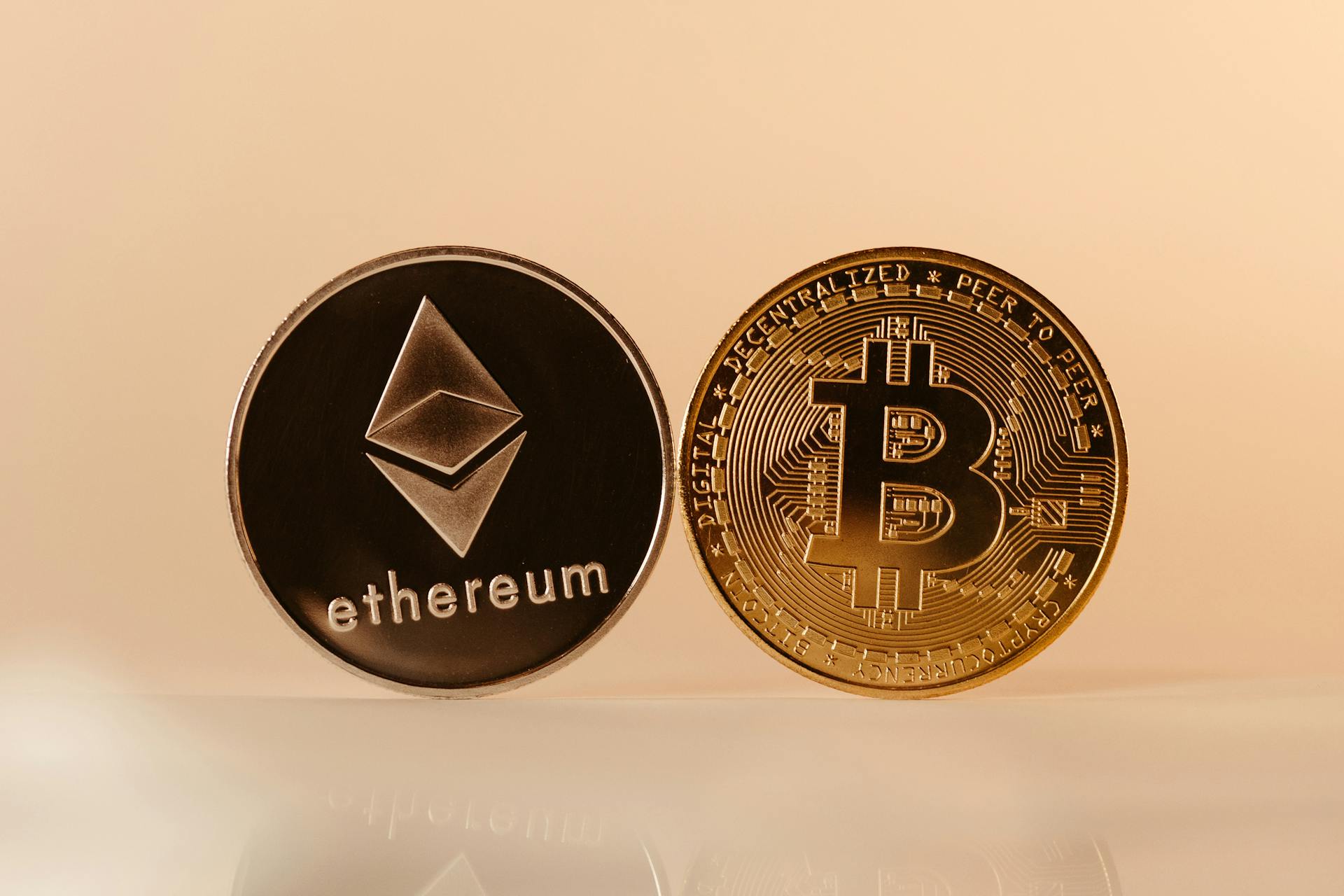
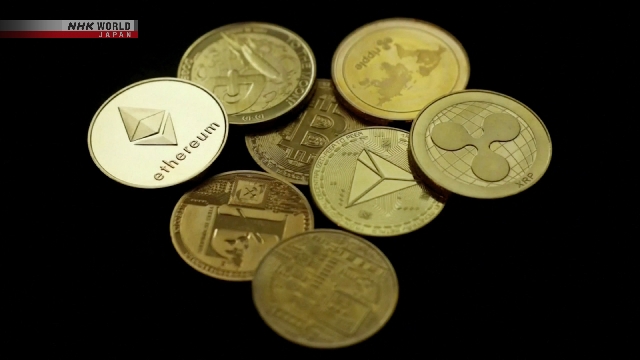
While spot Bitcoin (BTC) ETFs were the first of their kind to arrive on Wall Street, investors can now buy and hold funds that are focused on other digital assets, such as Ethereum (ETH), Solana (SOL), Ripple (XRP) and Polkadot (DOT).
But which cryptocurrency investments are the best for your Roth IRA? Let’s take a deeper look at some of the most practical additions to consider in your Roth IRA:
iShares Bitcoin Trust ETF (IBIT)
Equipped with a low expense ratio of 0.25%, the iShares Bitcoin Trust is an ETF backed by world-renowned investment firm BlackRock Inc. (BLK).
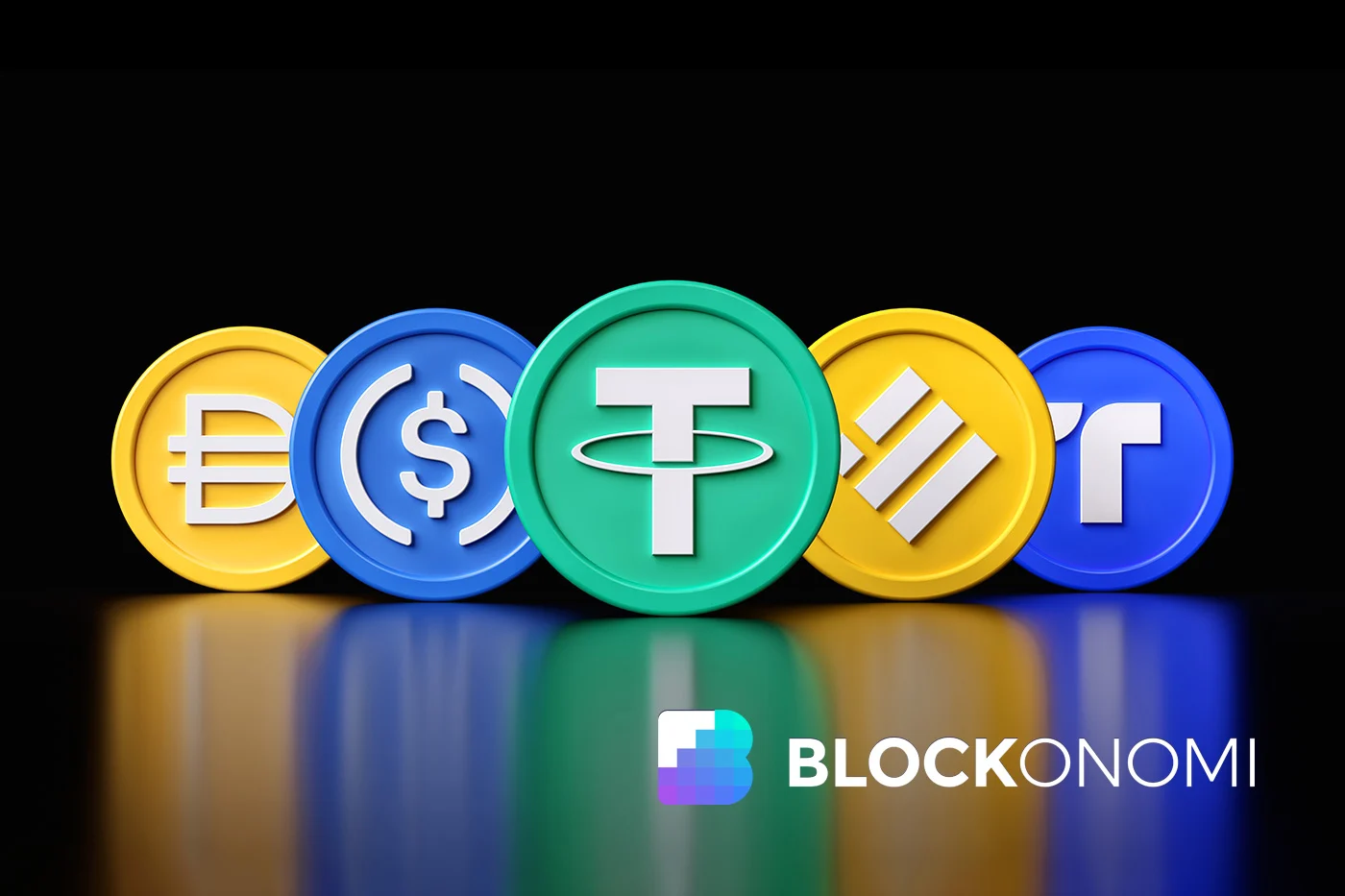
The fund provides liquid exposure to the world’s largest cryptocurrency, Bitcoin, at a competitive rate, making it a solid option for investors who want to hold the longest-tenured cryptocurrency for the long term. (Stablecoins, by the way, are the most stable crypto, many of which are designed to simply maintain a value of $1.)
With a seismic $48 billion in net assets, IBIT has plenty of liquidity, but it will continue to move in line with the performance of Bitcoin, which means that you’ll still see the major price fluctuations that the cryptocurrency has become famous for throughout its existence.
Amplify Blockchain Technology ETF (BLOK)
Although not a pure-play cryptocurrency fund, the Amplify Blockchain Technology ETF provides a more diversified level of exposure to public companies that are heavily involved in blockchain development and mining.
This means that the fund should still benefit from upturns in the crypto market, but it will offer some form of resilience against the high level of volatility that comes with crypto. With this in mind, BLOK could offer a more stable alternative for investors who may be looking to avoid the greater risks that crypto ETFs pose.
The fund’s expense ratio of 0.7% is still somewhat competitively priced, and perhaps most importantly, BLOK has managed to remain above water so far in 2026 as the wider crypto market struggles with investor sell-offs.
With assets under management of $1.1 billion, this fund is an established option for inclusion in your Roth IRA, and possibly the best solution if you’re closer to reaching retirement age and seeking better levels of resilience.
Grayscale Bitcoin Mini Trust ETF (BTC)
Weighing in as the most cost-effective cryptocurrency ETF to add to your Roth IRA, the Grayscale Bitcoin Mini Trust boasts an expense ratio of just 0.15%. Coupled with the tax efficiency of your retirement savings, it can be tough to find a less expensive way to hold crypto.
In terms of gaining direct exposure to Bitcoin, the Grayscale Bitcoin Mini Trust offers an affordable, well-grounded solution. With total assets under management around $3.7 billion, this serves as a solid spinoff from the Grayscale Bitcoin Trust ETF (GBTC) that was designed to help investors transition assets without triggering a capital gains tax event.
If you’re looking for a way to gain direct exposure to the performance of Bitcoin via your Roth IRA, you’ll be hard-pressed to find a cheaper option than this ETF.
iShares Ethereum Trust ETF (ETHA)
Bitcoin isn’t the only cryptocurrency that you can add to your Roth IRA, and if you’d prefer to gain access to the more practical younger sibling to BTC, BlackRock’s iShares Ethereum Trust ETF provides direct exposure to the second-largest cryptocurrency by market capitalization and crypto’s largest smart contract platform.
With an expense ratio of just 0.25%, this ETF is a great option if you’re looking to either diversify your exposure to digital assets throughout the crypto ecosystem or to embrace the speculative potential of Ethereum.
However, because this cryptocurrency has a far lower market cap (about $232 billion) than Bitcoin’s at $1.3 trillion, there’s a greater risk of volatility for the asset. That could be a cause for concern if you’re approaching retirement age and would prefer stability.
Fidelity Wise Origin Bitcoin Fund (FBTC)
Finally, here’s another cheap ETF option for your Roth IRA, the Fidelity Wise Origin Bitcoin Fund, which offers a robust approach to internal custody via Fidelity Digital Assets.
Operating with a competitive 0.25% expense ratio, FBTC boasts $10.2 billion in assets under management and is a strong option if you’re looking to incorporate a solid pure-play Bitcoin fund into your retirement portfolio.
The biggest advantage that FBTC holds over its peers is its security. Because the underlying Bitcoin is held in cold storage by Fidelity Digital Assets, you can have more confidence that your investment is protected, with enterprise-level custody solutions designed to protect against the hacking risks that many exchanges face on a regular basis.
Adding ETFs to Your Roth IRA
While there are different approaches you can take to add crypto exposure to your Roth IRA, the security and competitive expense ratios offered by cryptocurrency ETFs arguably make them the easiest and safest way to add exposure to crypto via your retirement account.
Cryptocurrencies are known for their volatility, so while it’s not recommended to build heavy exposure to digital assets with your retirement in mind, they can certainly offer diversification and provide access to more speculative investments if you’re interested in embracing more risk in a small portion of your portfolio.
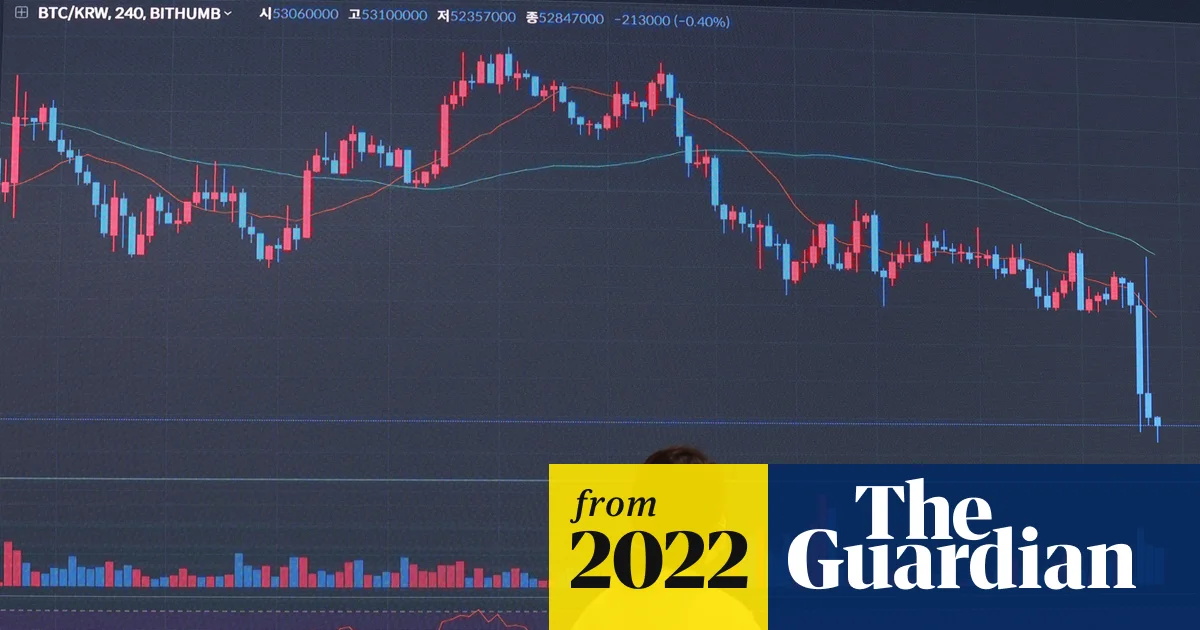
With digital currencies in the midst of a bear market, it may be a good time to buy into crypto ETFs at a lower price – but only if you believe in their long-term future and are willing to endure more than your fair share of volatility along the way.