Click the + Icon To See Additional Sharing Options
A Vietnamese national faces federal money laundering charges in connection with an alleged cryptocurrency “pig butchering” scheme that authorities say defrauded a victim of millions of dollars.
Trung Nguyen Van, 37, was charged in the Western District of Missouri in a two-count criminal complaint alleging money laundering. The complaint was unsealed after Van made his initial appearance in federal court in Los Angeles the previous day.
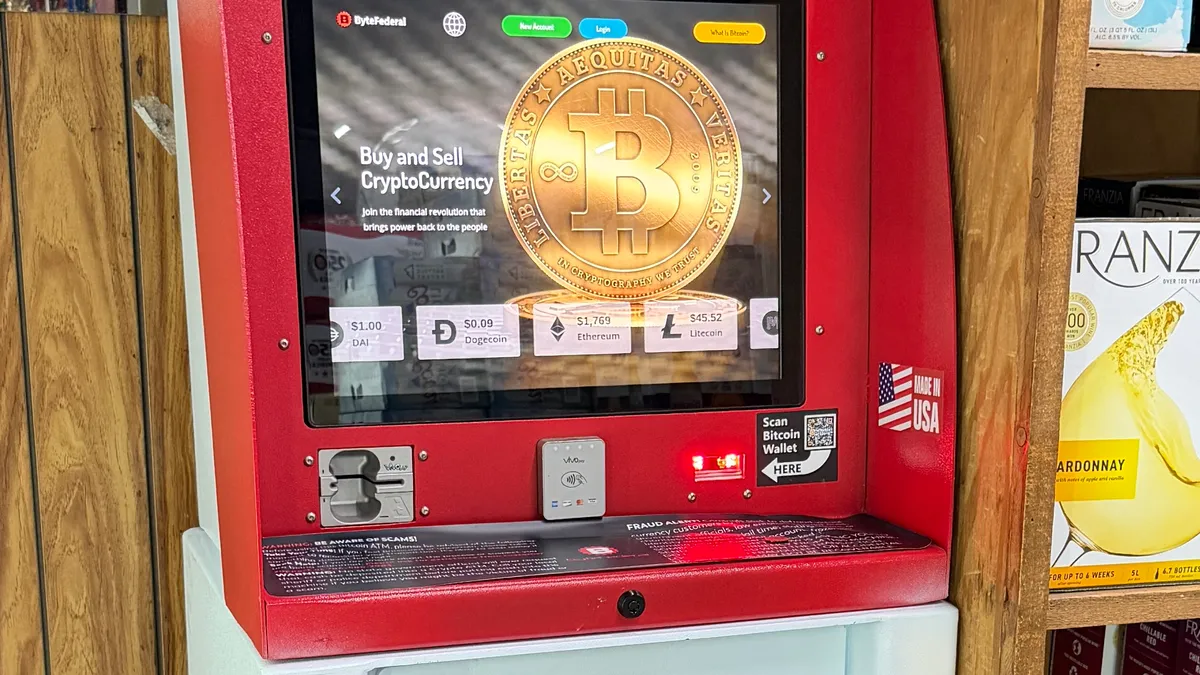
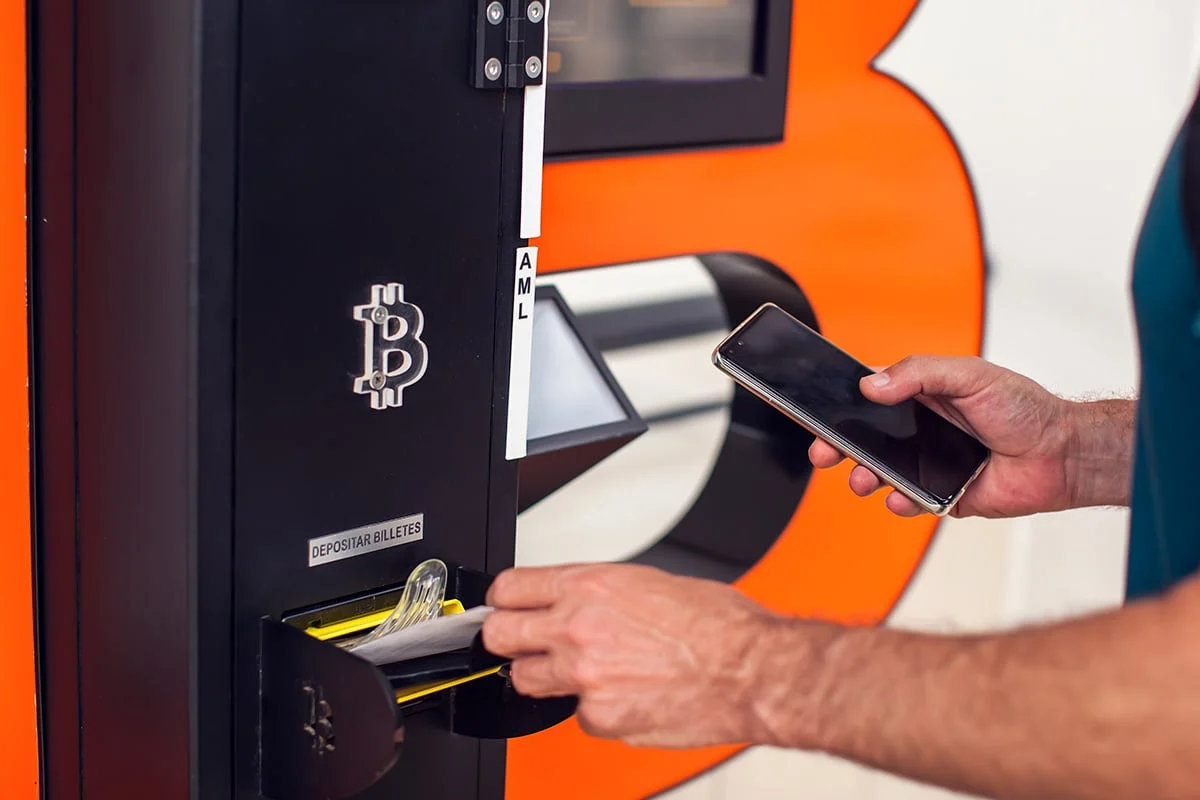
Pig butchering schemes are cryptocurrency and investment fraud operations in which scammers establish relationships with victims, gain their trust, and persuade them to place money into fraudulent investments. Authorities say the schemes have generated billions of dollars in losses and affected millions of Americans.
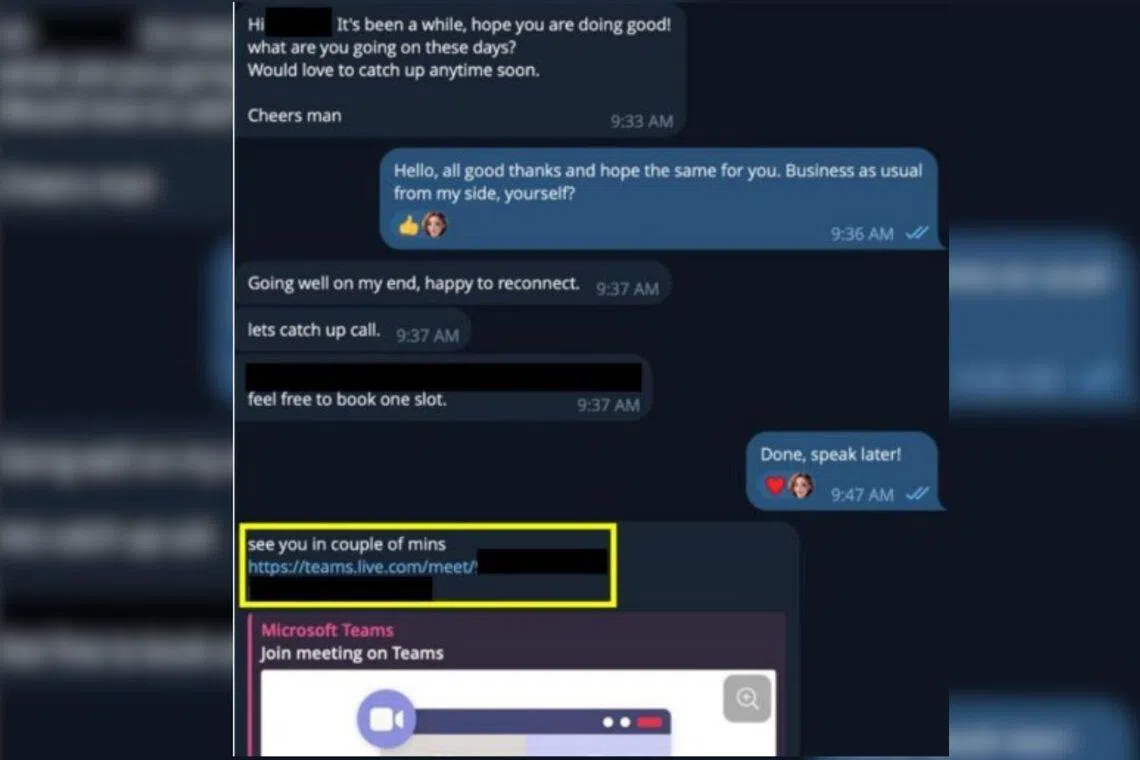
The fraud often begins when a victim meets someone through an online dating service or receives an unsolicited message through social media, text messaging, or another messaging application. Communications may eventually develop into what appears to be a romantic relationship.
The scammer then directs the victim toward what is presented as a cryptocurrency investment opportunity. Early investments may appear to produce substantial profits, encouraging the victim to transfer increasingly larger amounts of money. The investments and reported returns are fraudulent, and victims ultimately can lose the money they transferred.
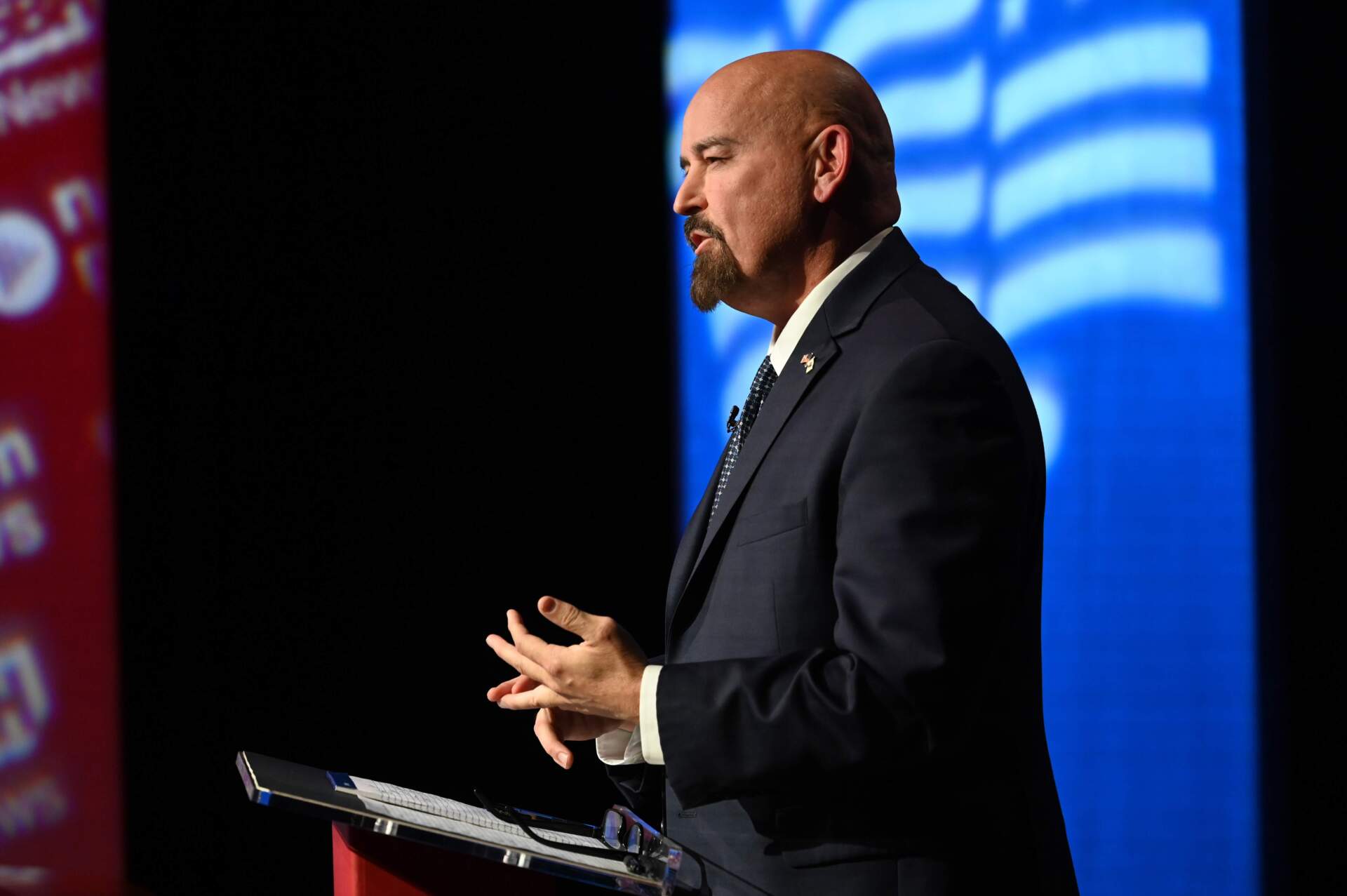
R. Matthew Price, U.S. attorney for the Western District of Missouri, said pig butchering operations have become increasingly common and sophisticated, resulting in billions of dollars in losses worldwide. Price said authorities in the Western District of Missouri worked with law enforcement partners in several jurisdictions to pursue the case, and federal prosecutors intend to use available resources to investigate those accused of targeting victims through fraud.
Chris Ormerod, special agent in charge of the FBI’s Kansas City Field Office, said the FBI worked with law enforcement agencies and private-sector partners to identify and disrupt the alleged operation. He said the investigation prevented additional victims from losing money and demonstrated the FBI’s commitment to pursuing fraud cases regardless of where suspects operate or alleged crimes occur.
According to allegations in an affidavit supporting the criminal complaint, Victim #1 transferred approximately $16 million in cryptocurrency between June and August 2024. The victim believed the cryptocurrency was being invested through a platform called “Triangle.”
Investigators allege that one transfer on Aug. 7, 2024, sent more than $569,000 in cryptocurrency to a wallet directly traceable to Van. Two days later, on Aug. 9, Van’s cryptocurrency wallet received six transfers totaling approximately $569,569 that authorities traced to Victim #1.
Authorities allege that immediately after receiving the funds, Van transferred approximately $567,999 in cryptocurrency through four transactions to a private, unhosted cryptocurrency wallet outside the centralized blockchain network.
Investigators also allege that Van’s cryptocurrency wallets received approximately $53,275,939 in cryptocurrency assets connected to wire fraud schemes targeting U.S. citizens from Feb. 9, 2018, through Dec. 17, 2024. Approximately $53,188,466 in the same cryptocurrency assets was subsequently transferred from the wallet to other accounts outside the centralized blockchain network.
Authorities identified numerous additional victims in the United States who reported combined losses totaling millions of dollars through separate pig butchering schemes. Investigators attributed those losses to several suspicious cryptocurrency wallets that later transferred funds to Van’s wallet.
Although the victims were instructed to transfer cryptocurrency through different websites, authorities said their accounts of the alleged fraud followed similar patterns. In each instance, a victim was directed by someone met online to invest cryptocurrency through a designated website and was promised substantial financial returns.
The victims ultimately were unable to withdraw the money they had invested and later determined that they had been defrauded, according to the allegations.
The charges contained in the criminal complaint are accusations and do not constitute evidence of guilt. Prosecutors must present evidence supporting the charges to a federal trial jury, which is responsible for determining guilt or innocence.
Post Views: 34
Related
Click the + Icon To See Additional Sharing Options