Revolut, Stripe, UniCredit, Deutsche Bank and SumUp are just some of the companies selected for the pilot, which is set to commence in the second half of 2027.
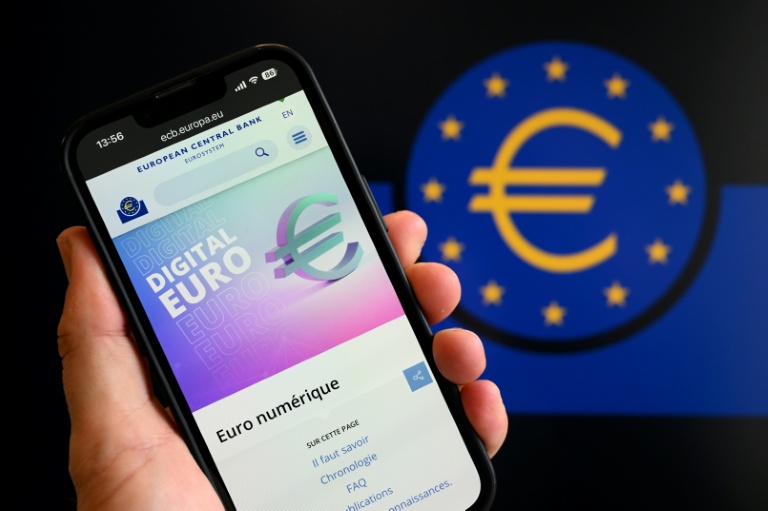
The European Central Bank (ECB) has chosen 36 payment service providers (PSP) to participate in a 12-month digital euro pilot, according to an announcement released today (14 July).
The financial organisations, which include Revolut, UniCredit, Deutsche Bank, SumUp and Stripe Technology Europe, were selected from a pool of 50 PSP applicants, ranging from traditional banks to transaction platforms. The companies come from 16 euro member countries, including France, Germany, Italy, Ireland and Austria.
Interestingly, three of the selected companies – Deustche, DZ Bank and BPCE – were among a group of 14 European lenders that previously voiced reservations about the digital euro, citing concerns such as cost and potentially undermining existing private-sector payments initiatives in the continent.
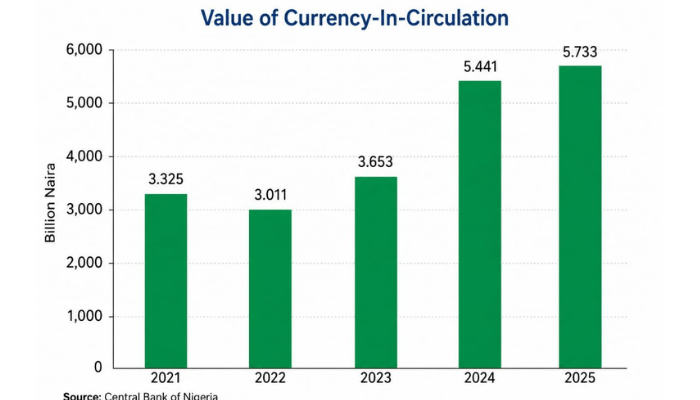
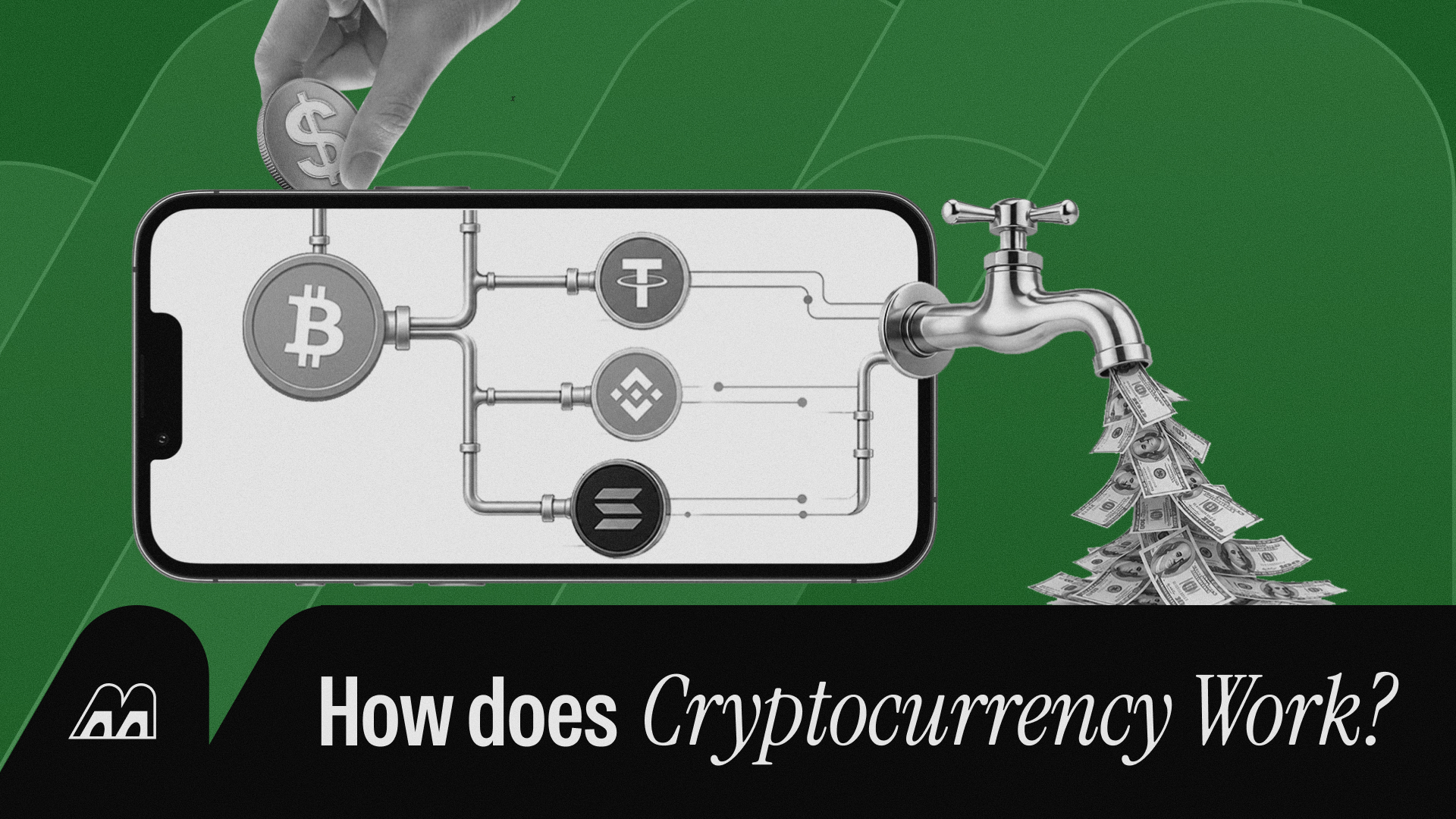
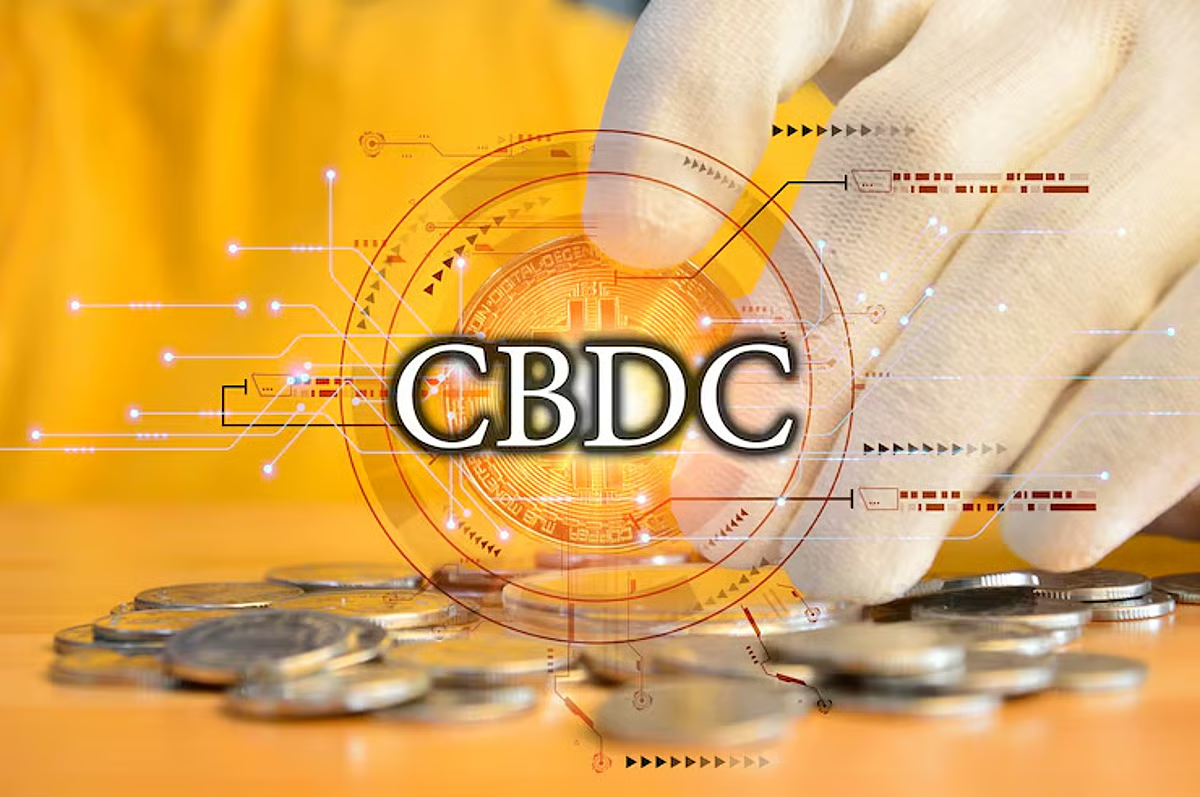
The digital euro is a proposed central bank digital currency (CBDC) – basically a digital version of an official currency – that was first suggested in 2023. To date, only three countries worldwide have officially launched a CBDC: Jamaica, the Bahamas and Nigeria.
The digital euro pilot is due to commence in the second half of 2027, and will be “crucial” for testing the digital euro’s technical functionality and operational processes, as well as for refining user experience, according to the ECB.
The pilot will take place at the ECB and 19 national central banks across the euro area, specifically in Belgium, Germany, Estonia, Ireland, Greece, Spain, France, Croatia, Italy, Cyprus, Latvia, Lithuania, Luxembourg, the Netherlands, Austria, Portugal, Slovenia, Slovakia and Finland.
The programme will use a beta version of the digital euro, which will be “functionally and technically close” to the digital euro as foreseen in the draft legislation – though it will not have legal tender status.
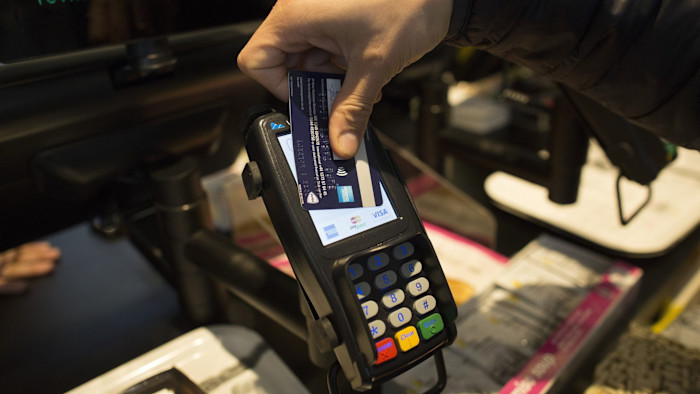
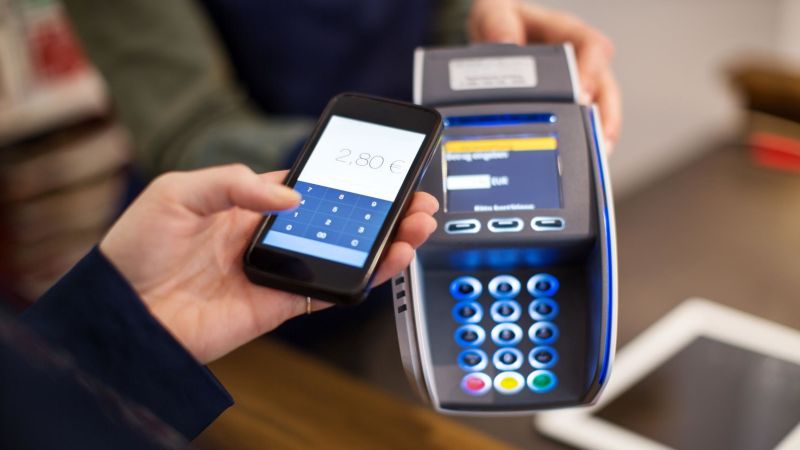
The pilot will involve staff at the ECB and the participating national central banks – as well as e-commerce merchants and vendors operating on their premises, such as cafeterias and restaurants – who will be able to make beta digital euro payments from person to person (both online and offline) and from person to business.
According to the ECB, some of the 36 selected financial organisations will act as ‘distributing PSPs’, which will provide Eurosystem staff with access to beta digital euro services such as account set-up and payments, while others will act as ‘acquiring PSPs’, which will serve selected merchants and enable them to receive beta digital euro payments.
Some PSPs will have a dual role providing both distributing and acquiring services.
“The strong market interest in the pilot shows the private sector’s readiness to engage actively and quickly advance with the digital euro project to strengthen the European payments landscape,” said ECB executive board member Piero Cipollone, who chairs the Digital Euro High-Level Task Force.
“We look forward to deeper engagement as we work with and learn alongside European payment service providers in developing a secure, efficient and inclusive digital euro.”
The digital euro pilot announcement comes after the European Parliament recently officially backed the digital euro. Meanwhile, talks began yesterday (13 July) between the European Parliament, European governments and the European Commission on establishing rules for the digital currency.
The negotiations intend to produce a final law by the end of the year, which would pave the way for formal approval of the digital euro at the start of 2027 – with an official launch intended for 2029.
One of the main arguments put forward by the ECB in support of the digital euro is its potential to reduce European reliance on non-European payment providers. The ECB has also stated that cash would not be replaced by the CBDC – a common concern associated with the project.
Meanwhile, other common doubts about the initiative include concerns about infrastructure reliability and fears of negative impacts on traditional banks.
Last year, BearingPoint’s Martin Deere spoke to SiliconRepublic.com about how Ireland can prepare for the digital euro.
Don’t miss out on the knowledge you need to succeed. Sign up for the Daily Brief, Silicon Republic’s digest of need-to-know sci-tech news.