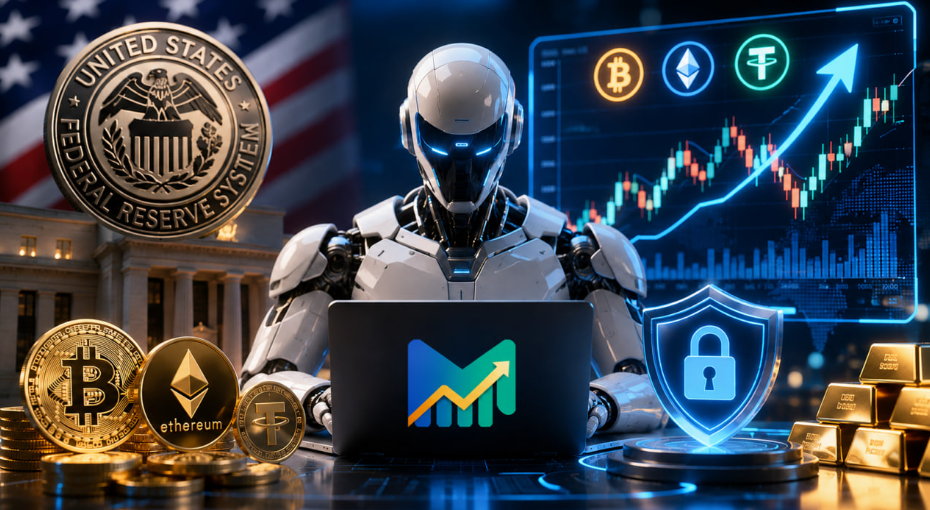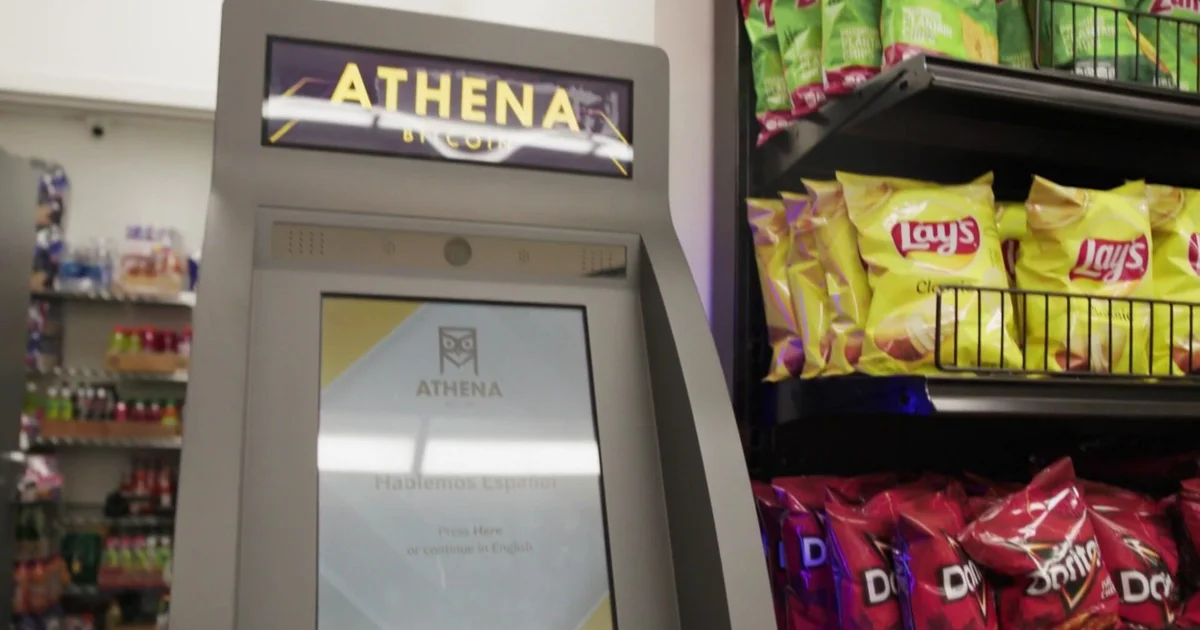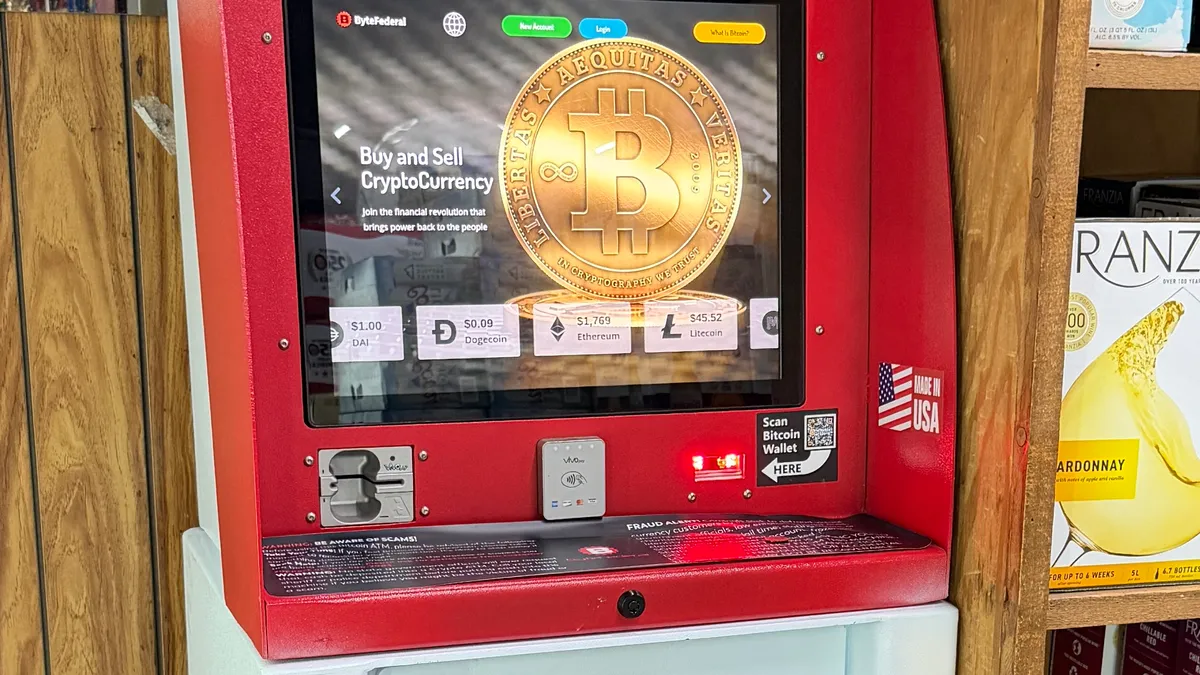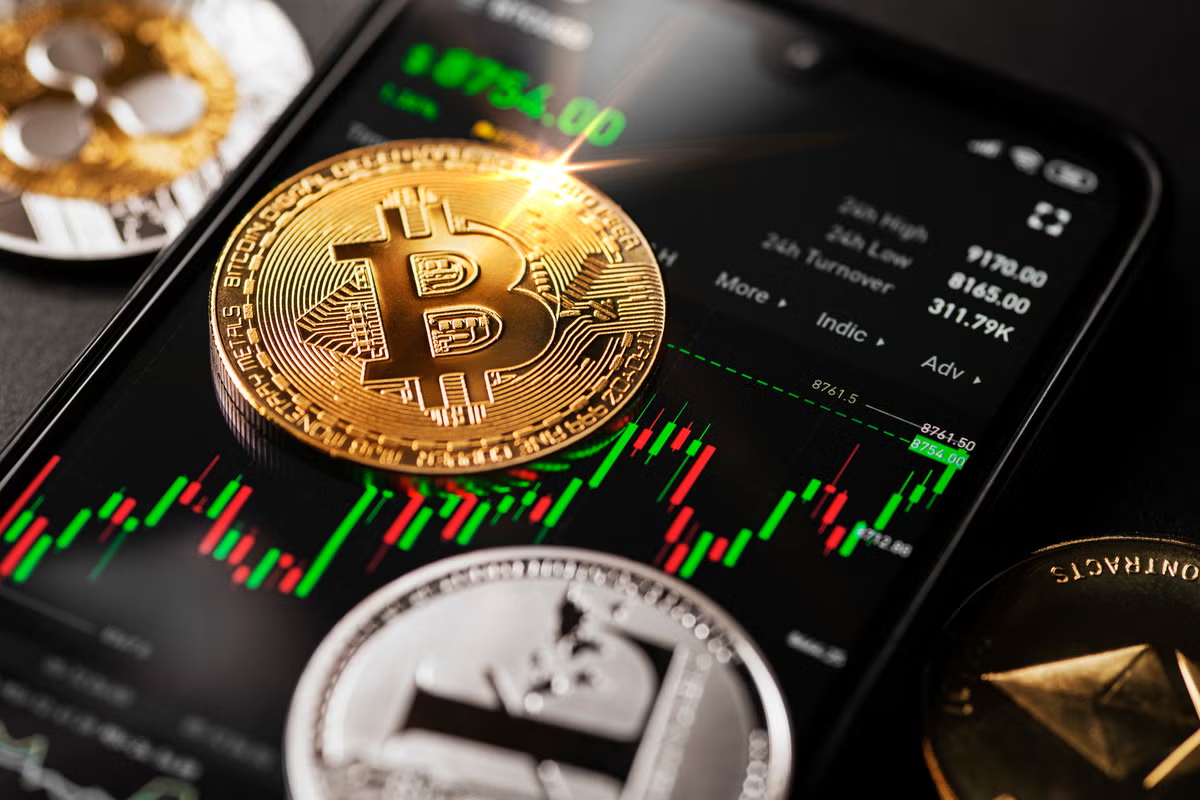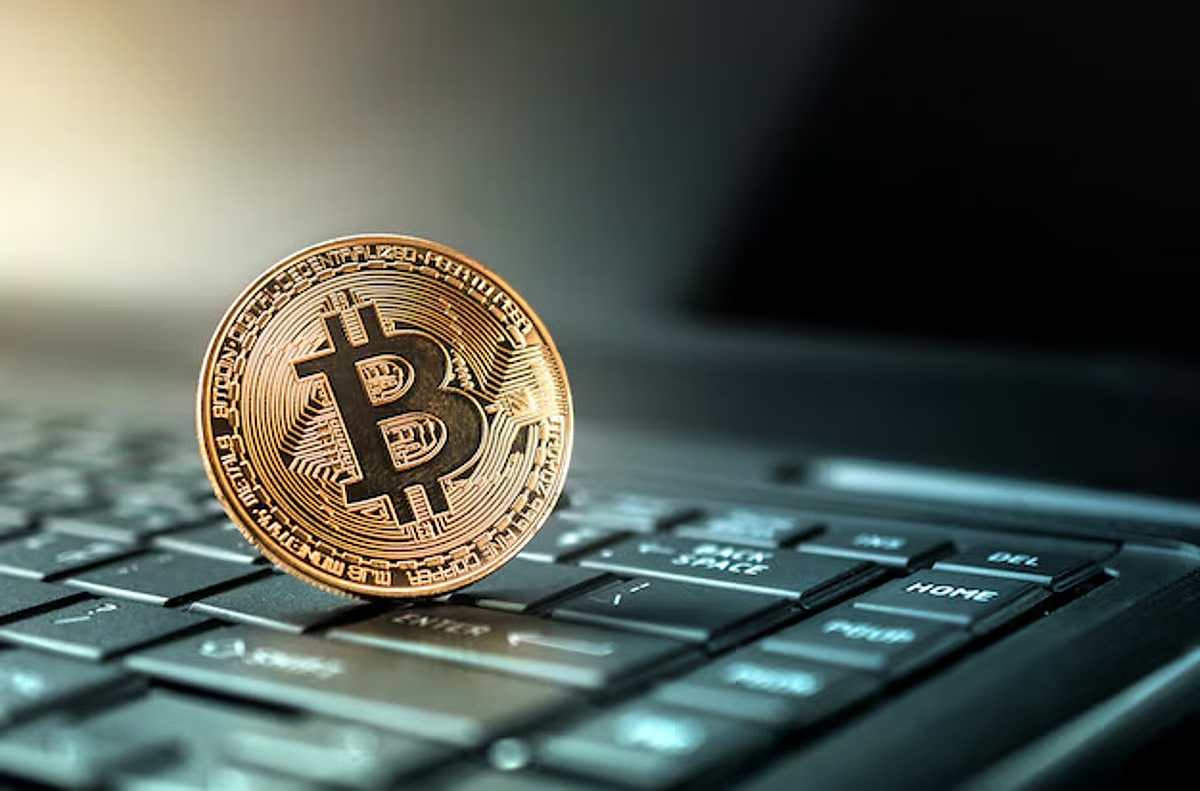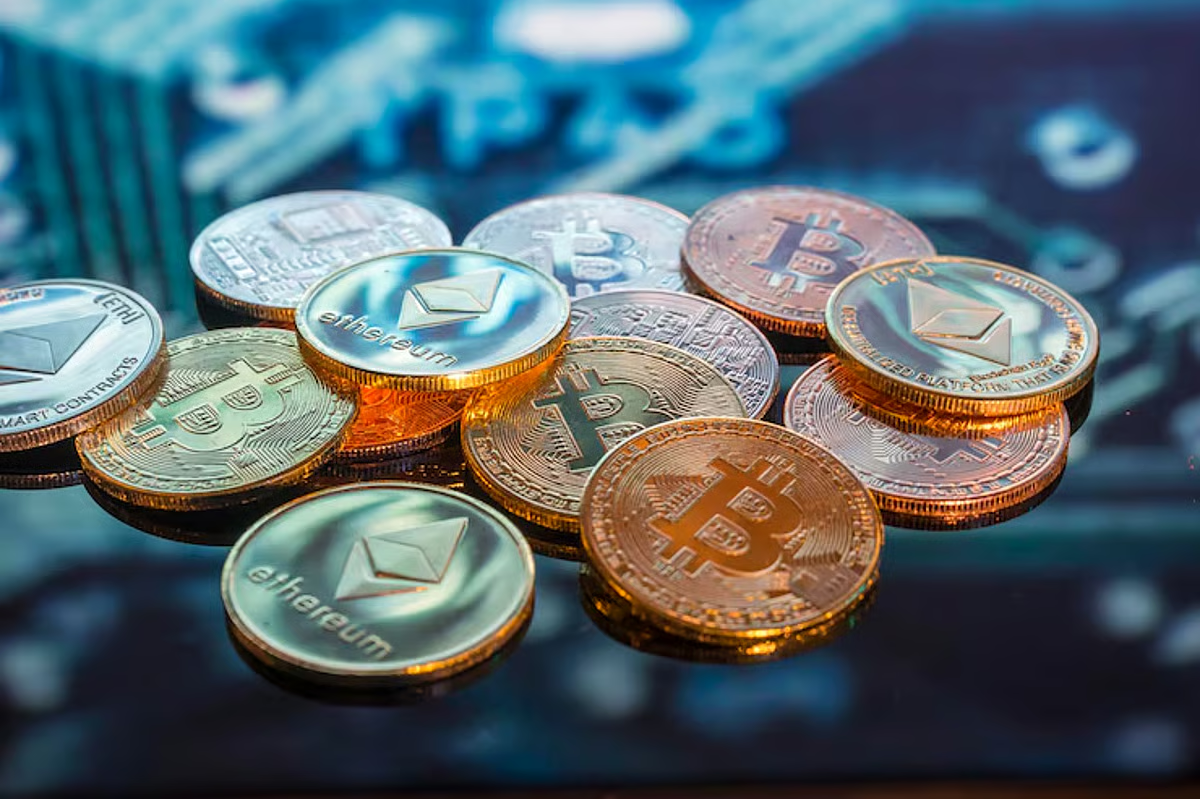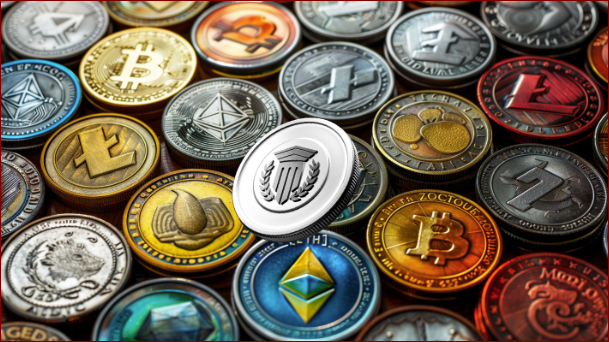
As millions of users trade, invest, and store crypto assets daily, governments and regulators have stepped in to ensure transparency, security, and consumer protection. One of the most critical aspects of this regulatory framework is the cryptocurrency exchange license.
This article explores what a cryptocurrency exchange license is, why it matters, how to obtain one, and how different jurisdictions approach regulation in 2026.
What Is a Cryptocurrency Exchange License?
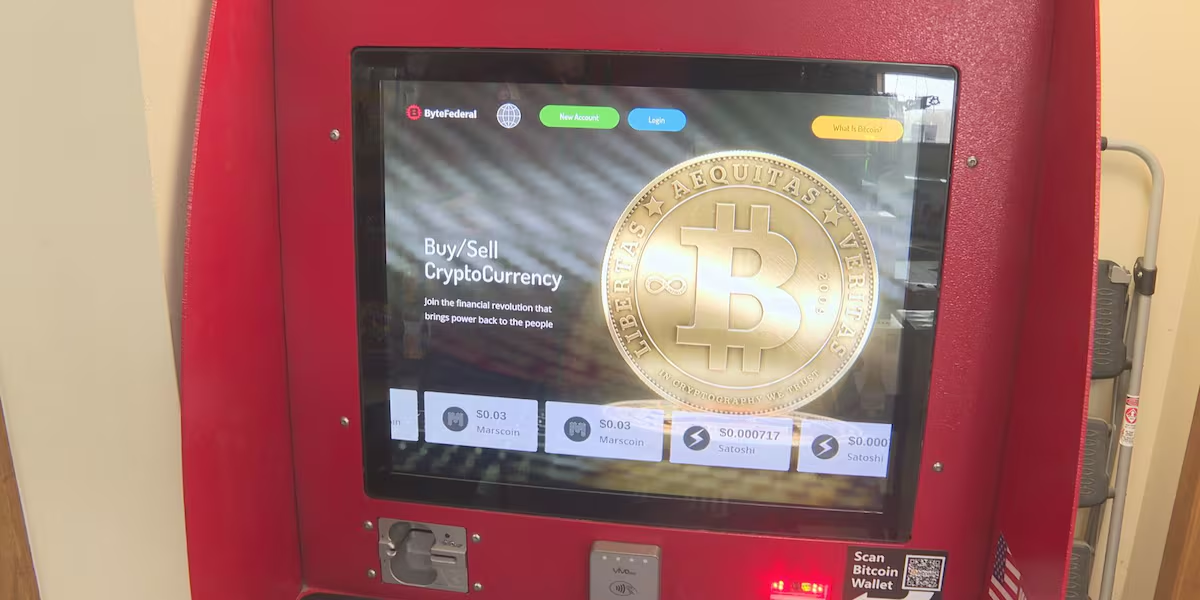
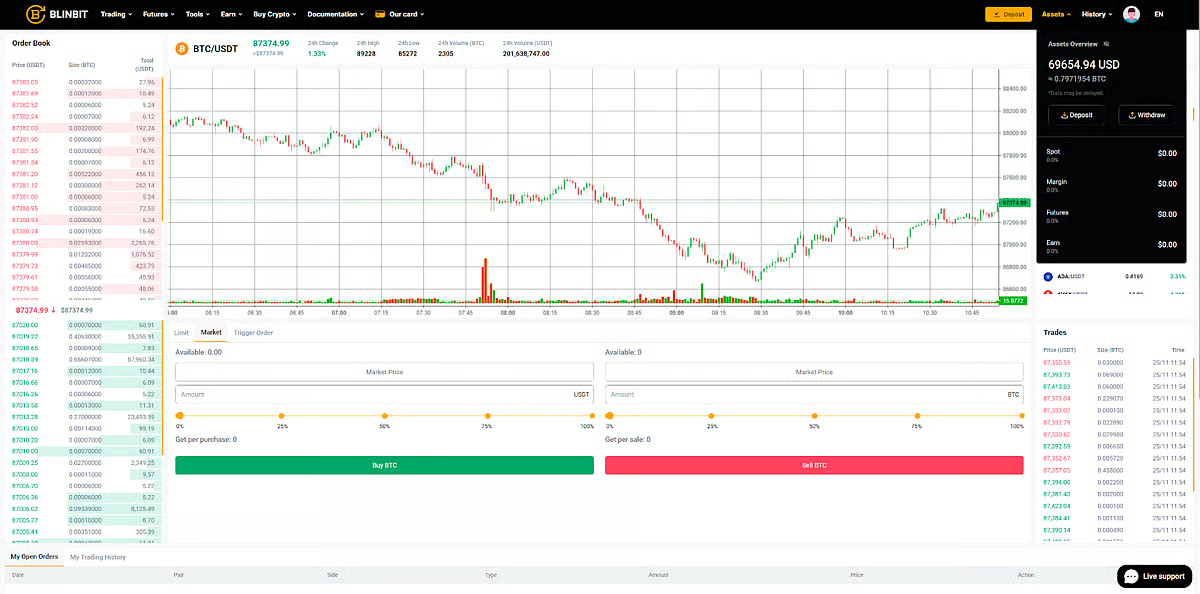
A cryptocurrency exchange license is an official authorization issued by a regulatory authority that allows a company to operate a platform where users can buy, sell, and trade digital assets. These platforms may include:
- Spot exchanges (crypto-to-crypto or crypto-to-fiat)
- Derivatives trading platforms
- Brokerage services
- Custodial wallet providers
Licensing ensures that exchanges comply with financial regulations, including anti-money laundering (AML), counter-terrorist financing (CTF), and know-your-customer (KYC) requirements.
Why Licensing Matters
1. Legal Compliance
Operating without a license in many jurisdictions is illegal and can result in heavy fines or criminal charges. A license provides legitimacy and protects the business from regulatory risks.
2. Consumer Trust
Users are more likely to trust a licensed exchange, knowing that it adheres to strict compliance standards and is subject to oversight.
3. Banking Access
Licensed exchanges have a higher chance of securing relationships with banks and payment providers, which is essential for fiat transactions.
4. Investor Confidence
Institutional investors often require counterparties to be fully regulated before engaging in trading or partnerships.
Types of Cryptocurrency Exchange Licenses
Different jurisdictions offer various types of licenses depending on the scope of services:
- Virtual Asset Service Provider (VASP) License
Covers exchanges, custodians, and transfer services. - Crypto Brokerage License
Allows companies to facilitate trades on behalf of clients. - Digital Asset Exchange License
Specifically for platforms matching buy and sell orders. - Derivatives or Futures License
Required for platforms offering leveraged or futures trading.
Key Requirements for Obtaining a License
While requirements vary by country, most regulators follow similar principles. Companies must typically meet the following criteria:
1. Company Registration
The business must be incorporated in the jurisdiction where it seeks licensing.
2. Minimum Capital Requirements
Regulators often require proof of sufficient capital to ensure financial stability.
3. AML/KYC Compliance
Exchanges must implement strict procedures to verify users and monitor transactions.
4. Security Infrastructure
Robust cybersecurity measures are mandatory to protect user funds and data.
5. Qualified Management
Directors and key personnel must pass “fit and proper” tests, demonstrating relevant experience and integrity.
6. Ongoing Reporting
Licensed entities must regularly report financial and operational data to regulators.
Popular Jurisdictions for Crypto Exchange Licensing
1. European Union
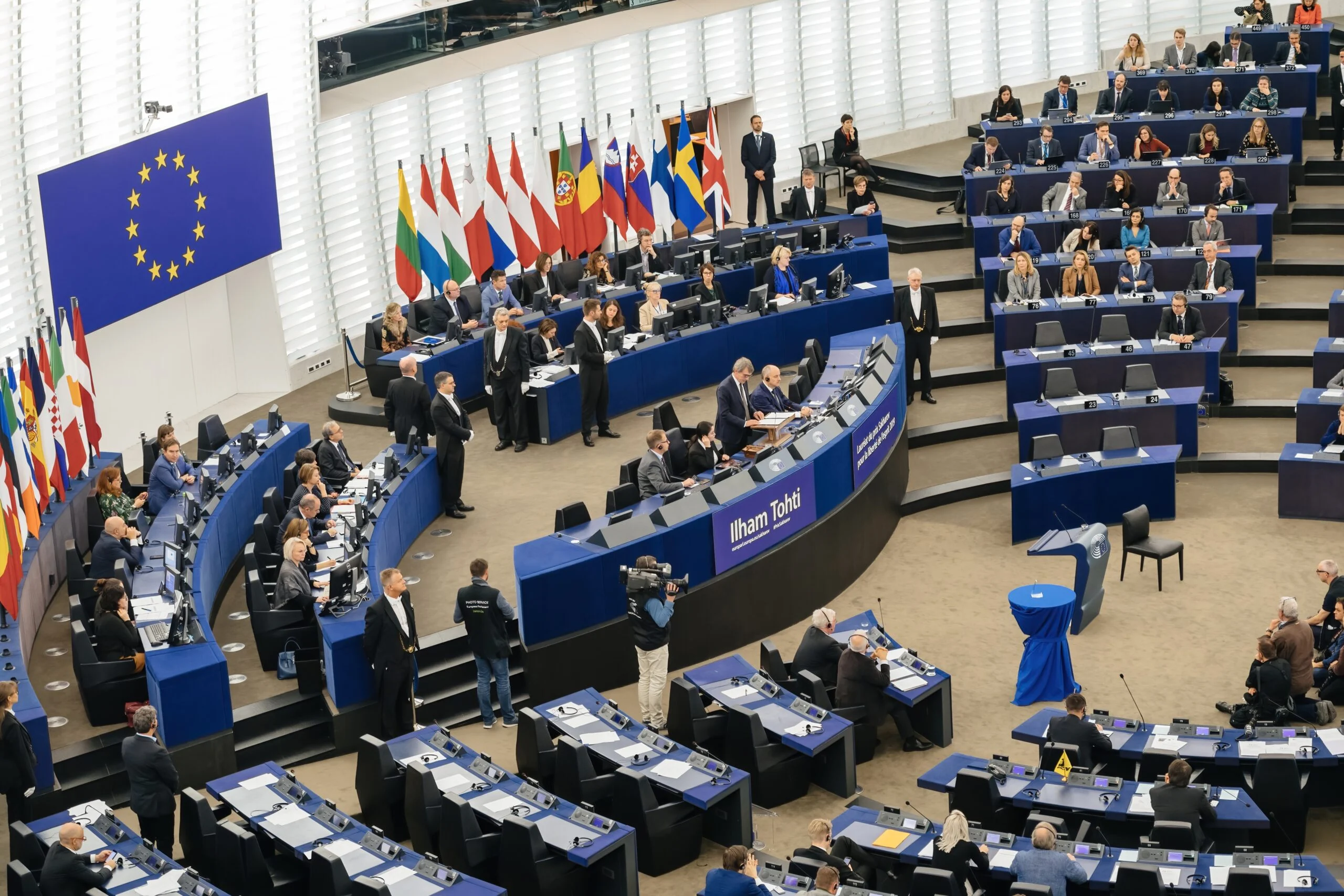
The introduction of the Markets in Crypto-Assets (MiCA) regulation has created a unified framework across EU member states. Companies licensed in one EU country can often operate across the entire bloc.
Advantages:
- Regulatory clarity
- Access to a large market
- Strong consumer protection standards
Challenges:
- High compliance costs
- Strict reporting obligations
2. United States
The U.S. has a complex regulatory landscape, where exchanges may need to register with multiple authorities, including federal and state regulators.
Key Features:
- State-level licenses such as the BitLicense
- Federal oversight for securities and derivatives
- Strong enforcement environment
Challenges:
- Fragmented regulation
- Lengthy approval processes
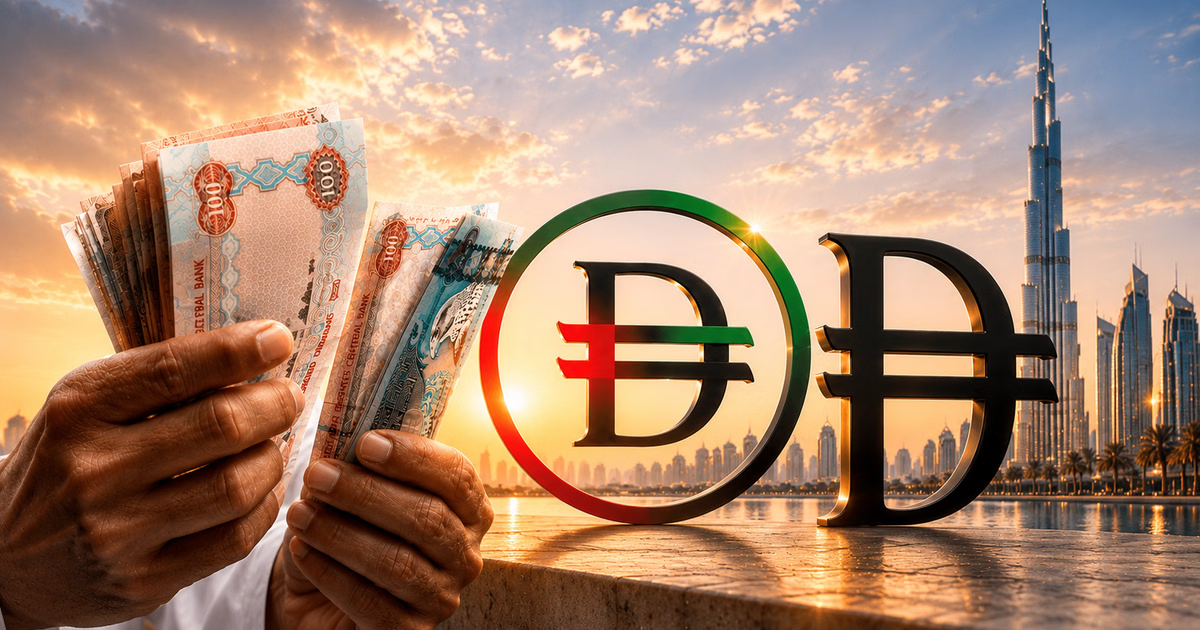
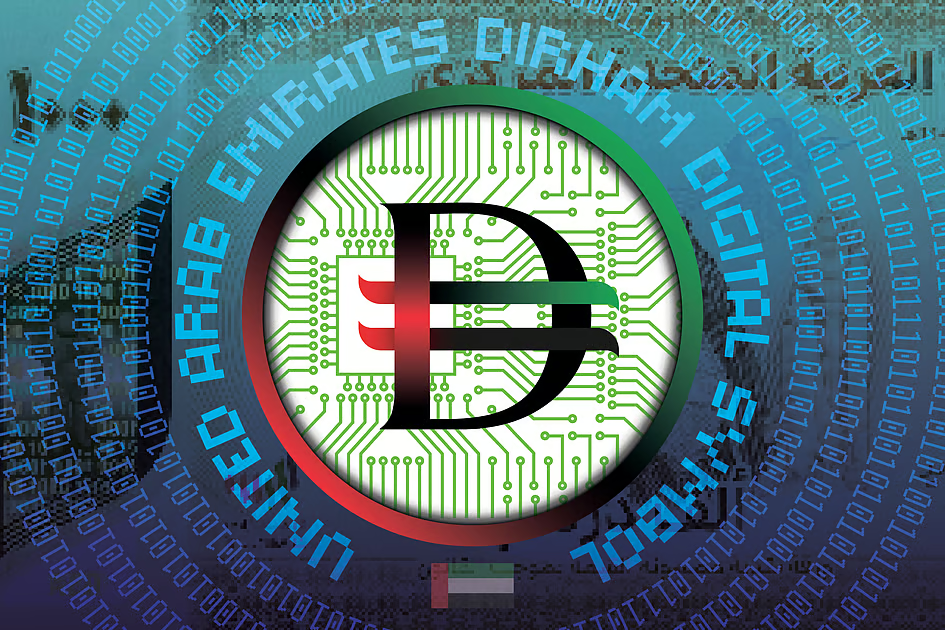
3. United Arab Emirates (UAE)
The UAE has become a major crypto hub, with dedicated regulatory bodies offering clear licensing frameworks.
Advantages:
- Business-friendly environment
- Tax incentives
- Fast licensing procedures
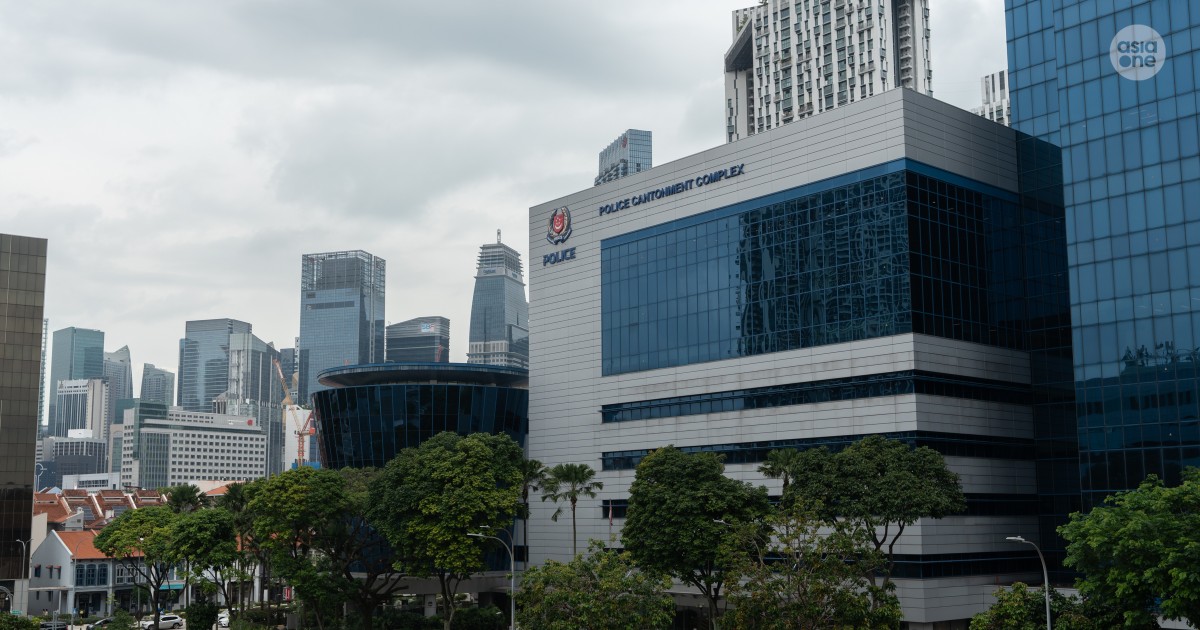
4. Singapore
Singapore remains a leading fintech hub with a well-respected regulatory regime.
Key Highlights:
- Licensing under the Payment Services Act
- Strong emphasis on AML compliance
- Global reputation for transparency
5. Offshore Jurisdictions (e.g., Seychelles, Belize)
Some companies choose offshore jurisdictions for faster and more cost-effective licensing.
Pros:
Cons:
- Lower credibility
- Limited banking access
Step-by-Step Process to Obtain a License
Step 1: Choose Jurisdiction
Select a country based on your target market, budget, and regulatory preferences.
Step 2: Incorporate a Company
Register a legal entity and establish a physical presence if required.
Step 3: Prepare Documentation
This includes:
- Business plan
- Compliance policies (AML/KYC)
- Risk assessment
- Technical architecture
Step 4: Submit Application
File the application with the relevant regulatory authority.
Step 5: Compliance Review
Authorities will conduct due diligence, including background checks and system audits.
Step 6: Approval and Launch
Once approved, the exchange can begin operations under regulatory supervision.
Costs of a Cryptocurrency Exchange License
The cost varies widely depending on the jurisdiction:
- Low-cost jurisdictions: $10,000 – $50,000
- Mid-tier jurisdictions: $50,000 – $150,000
- Top-tier jurisdictions: $150,000 – $500,000+
Additional costs include legal fees, compliance staff, and ongoing reporting expenses.
Challenges in 2026
1. Increasing Regulation
Governments are tightening rules, especially around stablecoins, DeFi, and cross-border transactions.
2. Global Compliance
Exchanges operating internationally must comply with multiple regulatory regimes simultaneously.
3. Cybersecurity Threats
As exchanges grow, they become prime targets for hackers, making security investments essential.
4. Banking Restrictions
Even licensed exchanges may struggle to maintain stable banking relationships.
Future Trends
1. Global Regulatory Harmonization
Efforts are underway to create more consistent international standards for crypto businesses.
2. Integration with Traditional Finance
Licensed exchanges are increasingly partnering with banks and financial institutions.
3. Rise of Institutional Trading
More institutional players are entering the market, increasing demand for regulated platforms.
4. Focus on Transparency
Proof-of-reserves and real-time auditing are becoming industry standards.
A cryptocurrency exchange license is no longer optional for serious players in the digital asset industry—it is a fundamental requirement for operating legally, building trust, and scaling globally. While the process can be complex and costly, the benefits far outweigh the challenges.
As regulation continues to evolve, businesses that prioritize compliance, transparency, and security will be best positioned to succeed in the competitive world of cryptocurrency exchanges. Whether entering the market or expanding operations, obtaining the right license is a critical step toward long-term sustainability and growth.
Disclaimer: The information provided in this article is for general guidance only and should not be relied upon as legal, financial, or regulatory advice. Laws and requirements relating to cryptocurrency exchanges vary significantly between jurisdictions and may change over time. Always consult qualified professionals before taking action.