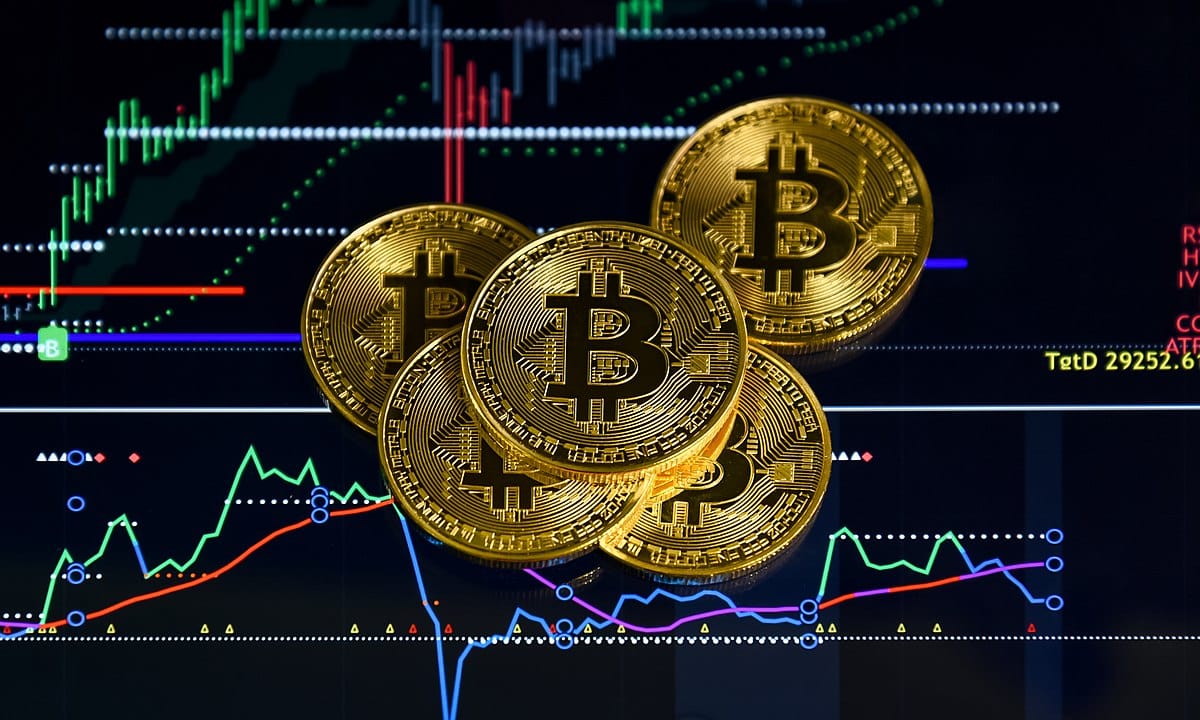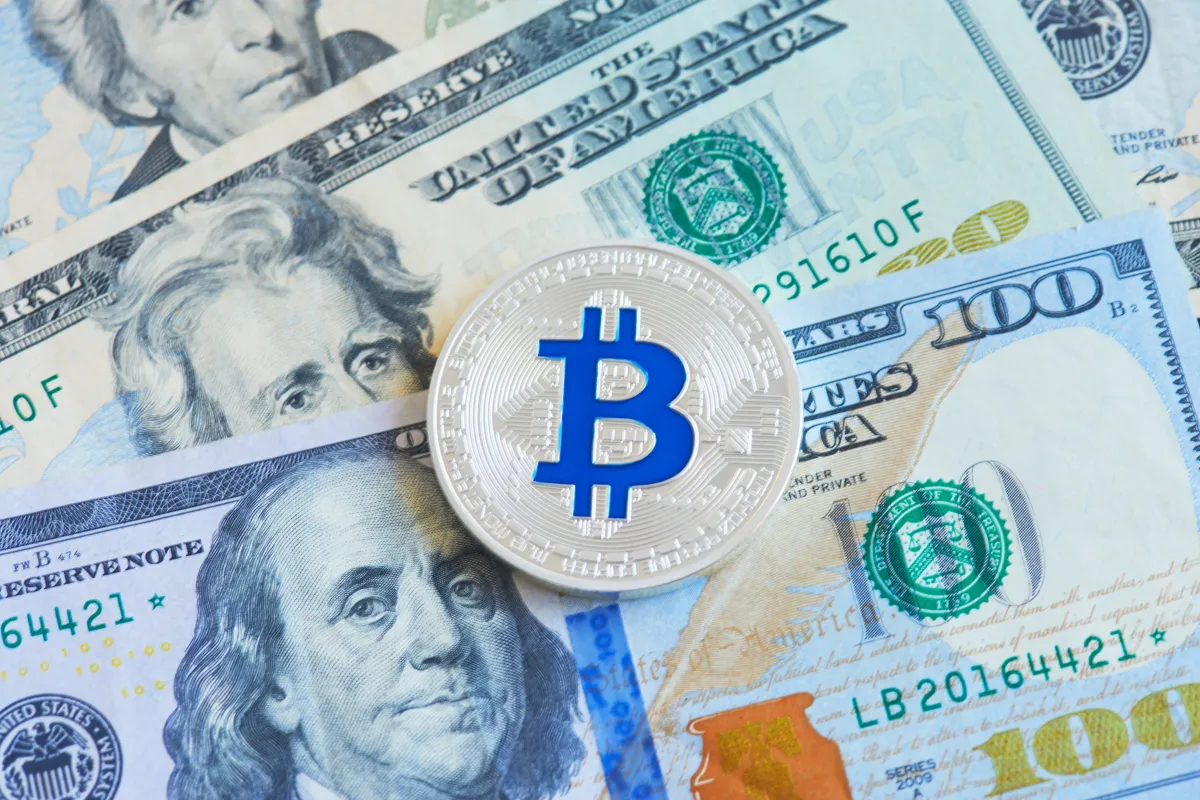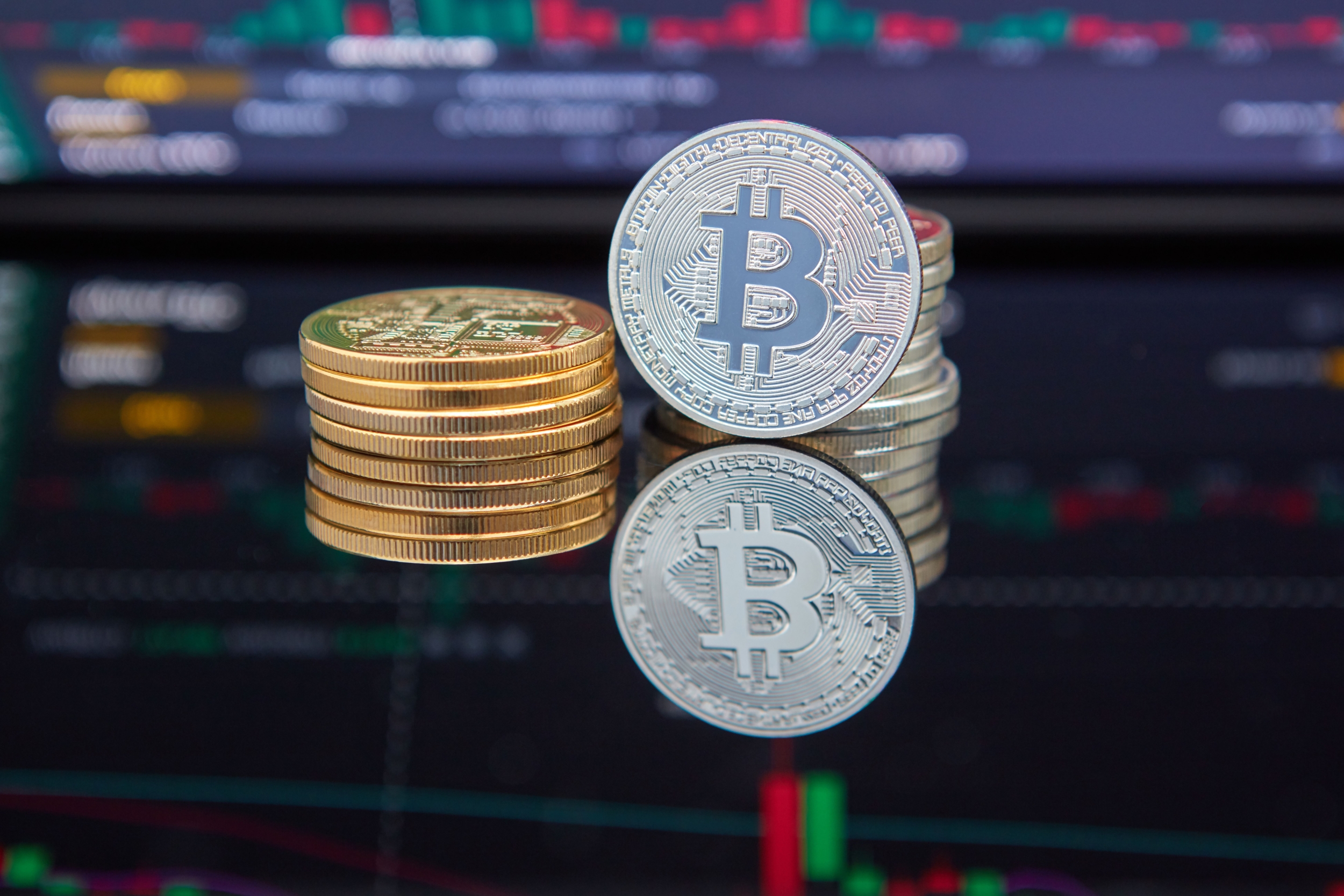
The Bitcoin price has fallen to a multi-month low, extending a sharp selloff that has rattled investors across the cryptocurrency market. The decline comes amid growing ETF outflows, geopolitical uncertainty, and a broader shift away from riskier investments. As BTC continues to slide, many traders are questioning whether the latest downturn represents a temporary correction or the beginning of a deeper cryptocurrency market crash.
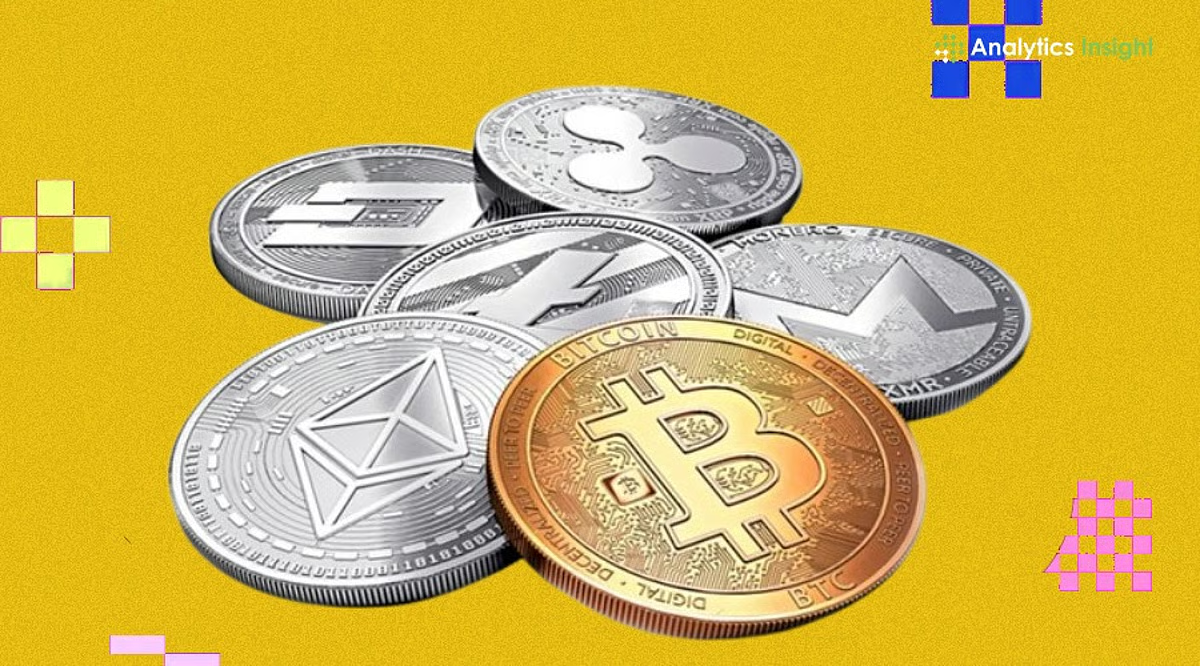
Bitcoin remains the largest and most influential digital asset, meaning its movements often impact the entire crypto sector. When BTC experiences a significant decline, other cryptocurrencies frequently follow, creating ripple effects throughout the market.
Bitcoin Price Falls to Multi-Month Low
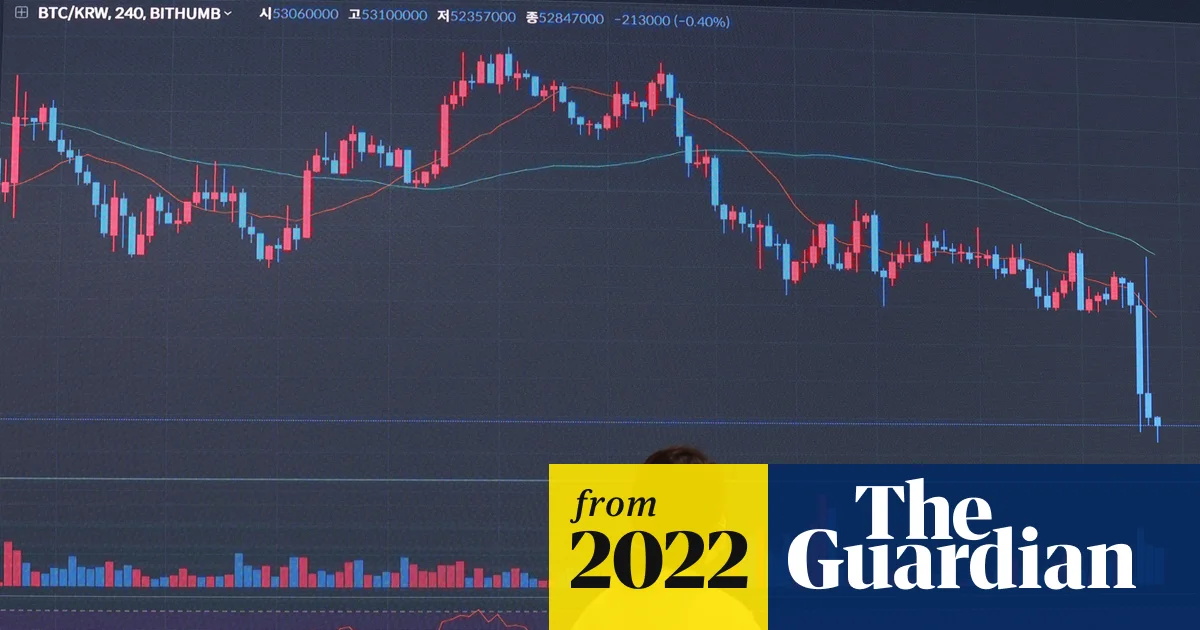
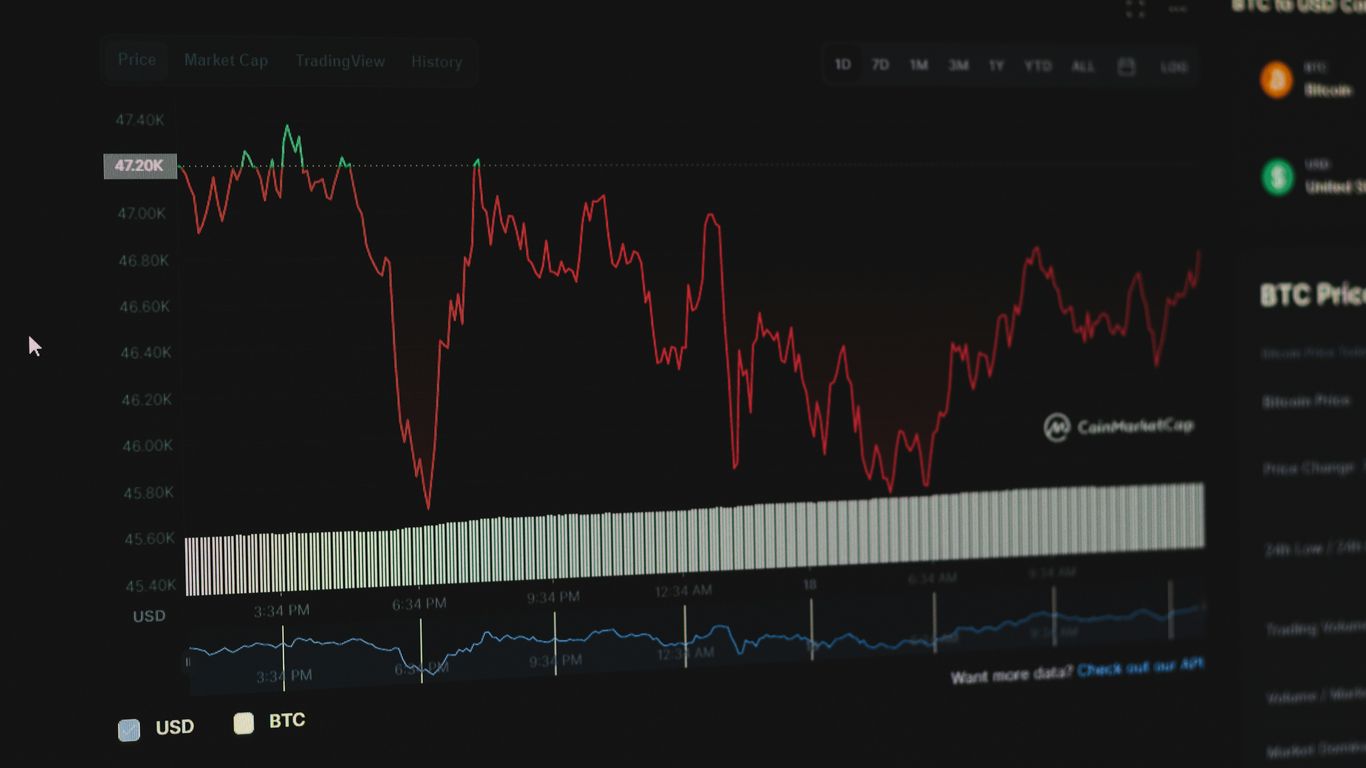
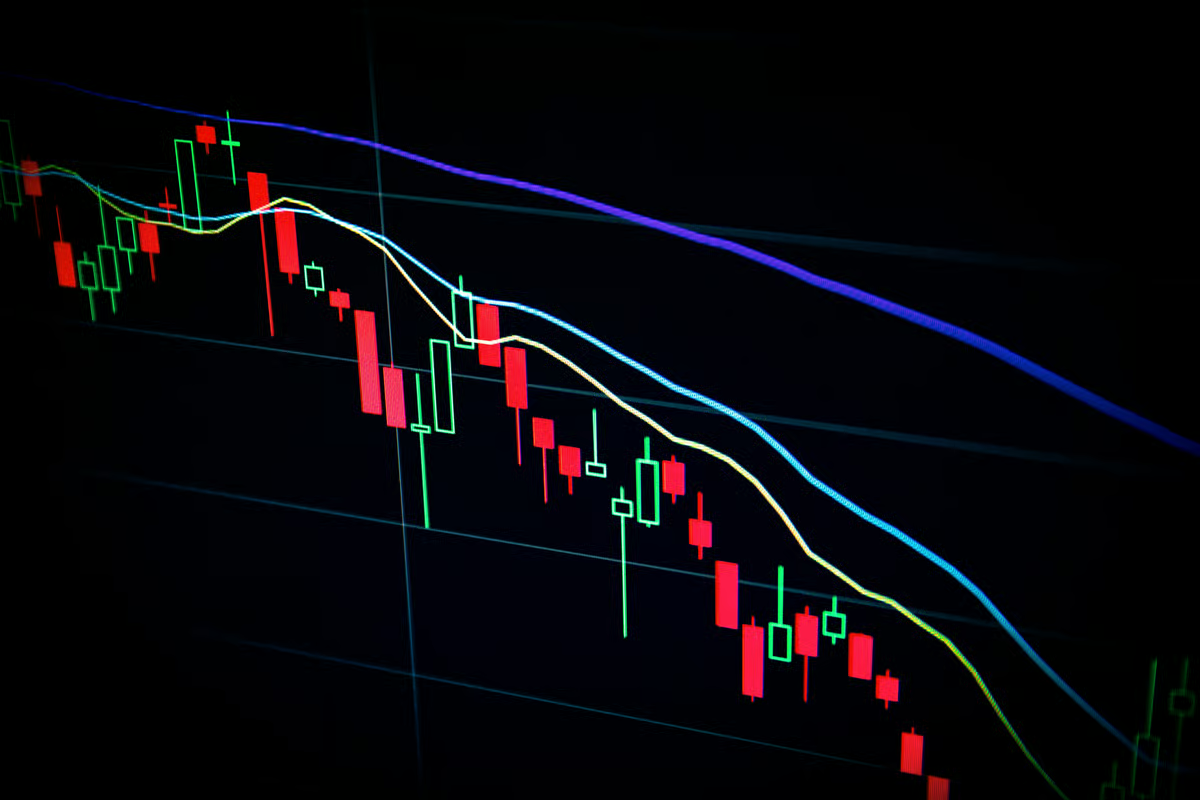
The latest Bitcoin crash has pushed prices to levels not seen in several months. After spending much of the year attempting to maintain momentum, BTC has come under pressure from multiple directions at once.
Several factors have contributed to the decline:
- Large ETF outflows reducing institutional demand.
- Increased market uncertainty linked to global events.
- A stronger move toward traditional safe-haven assets.
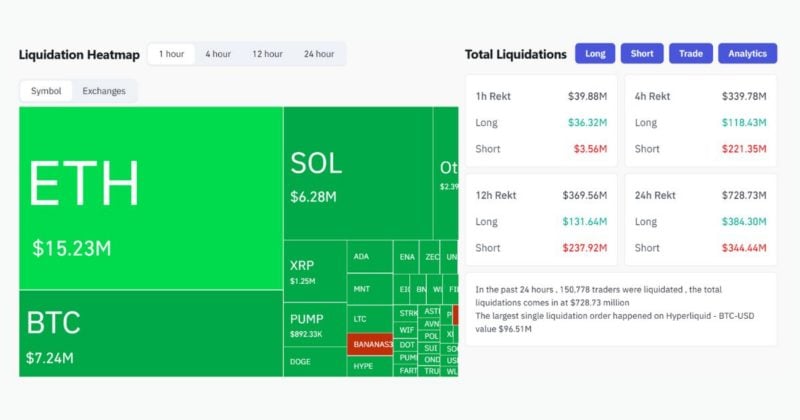
- Liquidation of leveraged cryptocurrency positions.
The combination of these developments has led to one of the most significant Bitcoin pullbacks of 2026 so far.
According to Bloomberg’s recent reporting, Bitcoin erased gains that followed optimism surrounding easing geopolitical tensions, only to reverse course as market fears intensified.
ETF Outflows Become a Major Concern
One of the biggest stories behind the recent Bitcoin price decline is the rise in ETF outflows. Spot Bitcoin ETFs have played a major role in attracting institutional investors into the cryptocurrency market since their approval.
When money flows into these products, ETF providers often purchase additional Bitcoin, creating buying pressure that can support higher prices. The opposite happens when investors withdraw funds.
Recent ETF outflows have raised concerns because they signal weaker institutional demand at a time when the market is already facing uncertainty.
Key impacts of ETF outflows include:
- Reduced buying support for Bitcoin.
- Increased selling pressure from fund managers.
- Lower confidence among institutional investors.
- Greater short-term market volatility.
Many analysts believe ETF activity will remain one of the most important indicators for future BTC price movements.
Risk-Off Sentiment Spreads Across Financial Markets
The cryptocurrency market is increasingly influenced by developments outside the digital asset industry. Economic uncertainty, interest rate expectations, and geopolitical tensions all affect investor behavior.
Recent market conditions have encouraged a risk-off environment, where investors move capital away from volatile assets and toward more defensive investments.
During these periods, assets such as:
- Gold
- Government bonds
- Cash equivalents
- Defensive stocks
often receive increased attention.
Meanwhile, digital assets frequently experience selling pressure as investors prioritize stability over potential returns.
Reuters recently noted that broader market uncertainty and geopolitical developments have contributed to a wave of risk reduction across several asset classes, including cryptocurrencies.
How Other Digital Assets Are Reacting
Bitcoin’s decline has not occurred in isolation. The broader cryptocurrency market has also experienced significant losses.
Ethereum, Solana, Cardano, and several other major cryptocurrencies have moved lower alongside BTC. While each project has unique fundamentals, market sentiment often causes digital assets to trade in the same direction during periods of heightened volatility.
Several trends have emerged:
- Increased trading volume across major exchanges.
- Higher levels of market fear among investors.
- Declining prices for many leading cryptocurrencies.
- Elevated liquidation activity in leveraged markets.
Historically, Bitcoin acts as the primary market driver, making its performance especially important for traders and investors monitoring the cryptocurrency sector.
What’s Causing the Cryptocurrency Market Crash?
The current cryptocurrency market crash is the result of several overlapping factors rather than a single event.
ETF Outflows
Institutional investors have reduced exposure to Bitcoin ETFs, creating downward pressure on prices.
Geopolitical Tensions
Uncertainty surrounding global events has encouraged investors to reduce risk exposure.
Leveraged Position Liquidations
As prices fall, leveraged positions are automatically closed by exchanges, accelerating declines.
Weak Investor Sentiment
Market participants have become increasingly cautious amid uncertainty regarding economic conditions and future price direction.
According to CoinDesk, traders have closely linked recent Bitcoin weakness to a combination of ETF-related selling and broader macroeconomic concerns affecting risk assets.
What This Means for Bitcoin Investors
While the recent decline has attracted significant attention, market corrections are not uncommon in Bitcoin’s history. BTC has experienced numerous pullbacks over the years before recovering and reaching new highs.
Investors are currently watching several important indicators:
- Future ETF inflows and outflows.
- Institutional participation levels.
- Global economic developments.
- Cryptocurrency trading volumes.
- Market sentiment indicators.
Some analysts view the latest decline as a healthy correction following previous gains, while others believe additional downside remains possible if selling pressure continues.
Regardless of short-term volatility, Bitcoin remains one of the most closely watched assets in global financial markets.
Could Bitcoin Recover From This Decline?
Bitcoin has historically demonstrated resilience following major downturns. Previous market cycles have included substantial corrections followed by periods of recovery and growth.
Several factors could support a rebound:
- Return of ETF inflows.
- Improved investor sentiment.
- Reduced geopolitical uncertainty.
- Increased institutional demand.
- Stronger overall cryptocurrency market conditions.
However, recovery timelines can vary significantly depending on broader market conditions and investor confidence.
Why Bitcoin Remains Central to the Cryptocurrency Market
Despite the latest crash, Bitcoin continues to serve as the benchmark asset for the cryptocurrency industry. Its market capitalization, institutional adoption, and global recognition make BTC a key indicator of overall market health.
As investors monitor ETF outflows, geopolitical developments, and economic trends, Bitcoin’s next move will likely influence the direction of the broader cryptocurrency market. Whether the current decline proves temporary or evolves into a longer correction, BTC remains the dominant force shaping digital assets worldwide.
Frequently Asked Questions
1. Why is the Bitcoin price falling?
The Bitcoin price is falling due to a combination of ETF outflows, geopolitical uncertainty, weaker investor sentiment, and increased selling pressure across the cryptocurrency market.
2. How do ETF outflows affect BTC?
ETF outflows can lead fund managers to sell Bitcoin holdings, increasing supply in the market and potentially pushing prices lower.
3. Are other digital assets affected when Bitcoin crashes?
Yes. Bitcoin often influences the broader cryptocurrency market, causing many digital assets such as Ethereum and Solana to move in the same direction.
4. Can Bitcoin recover after a major crash?
Historically, Bitcoin has recovered from several significant corrections. Future performance will depend on investor demand, ETF activity, market conditions, and broader economic factors.