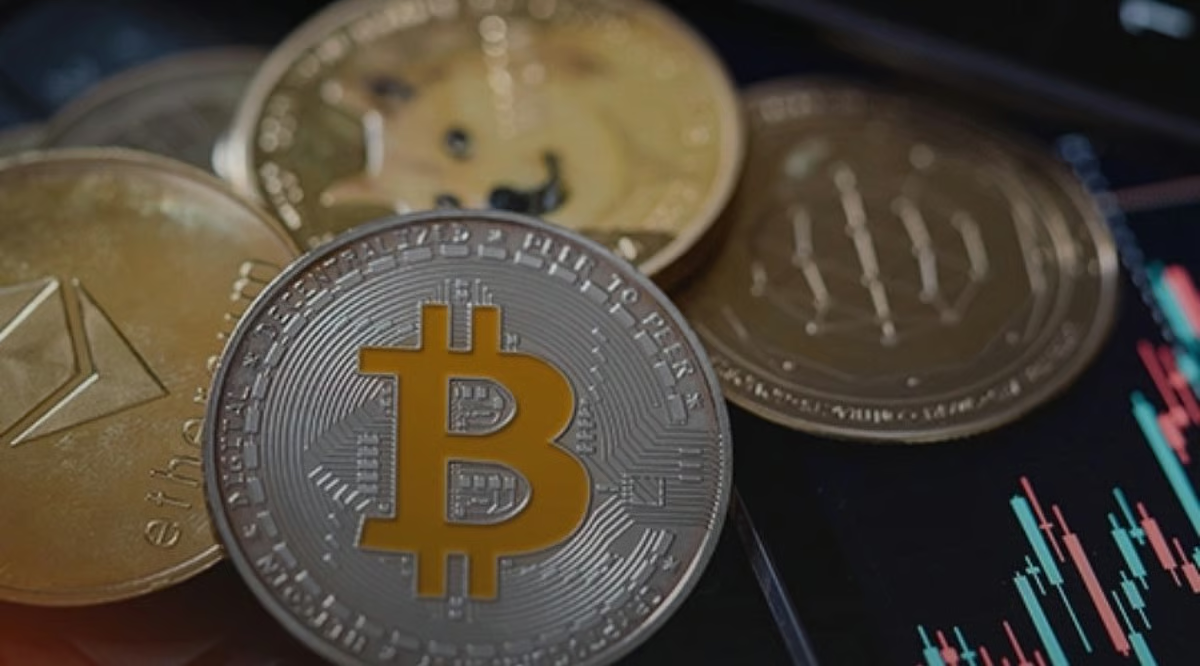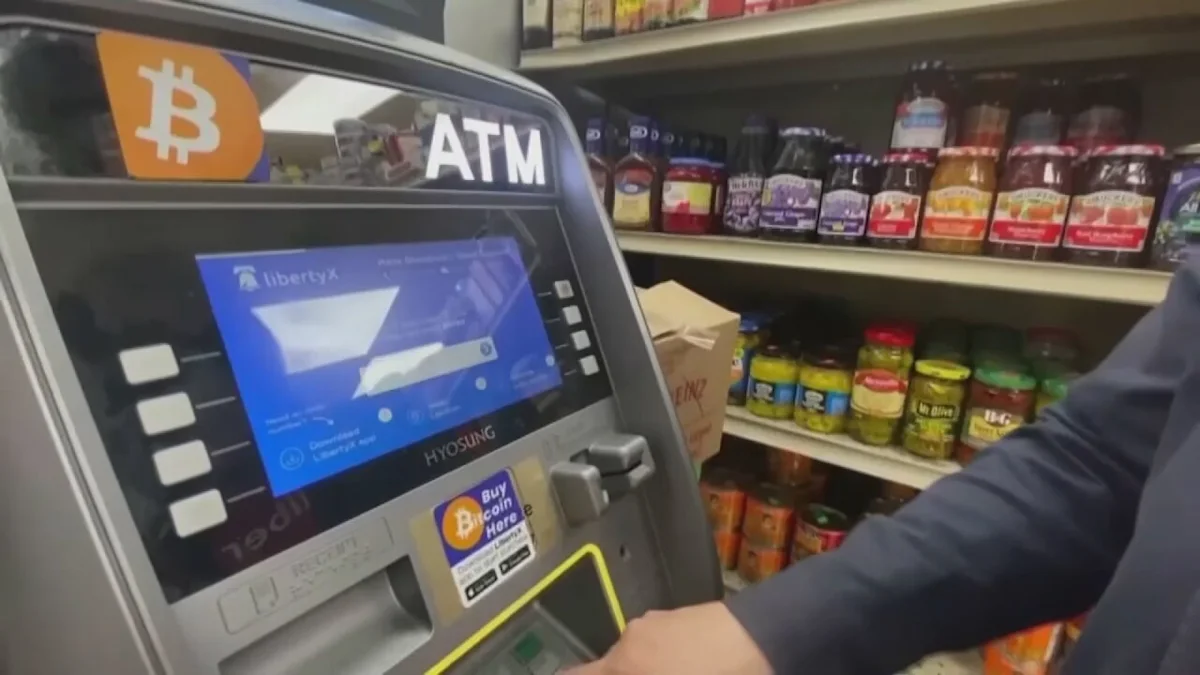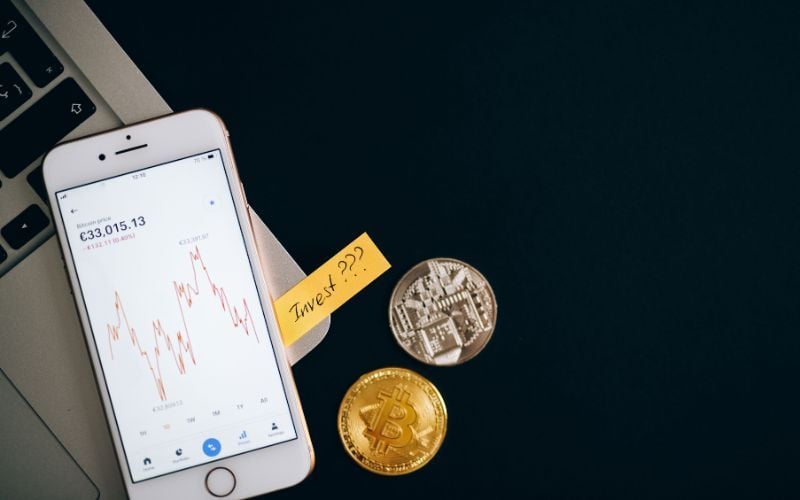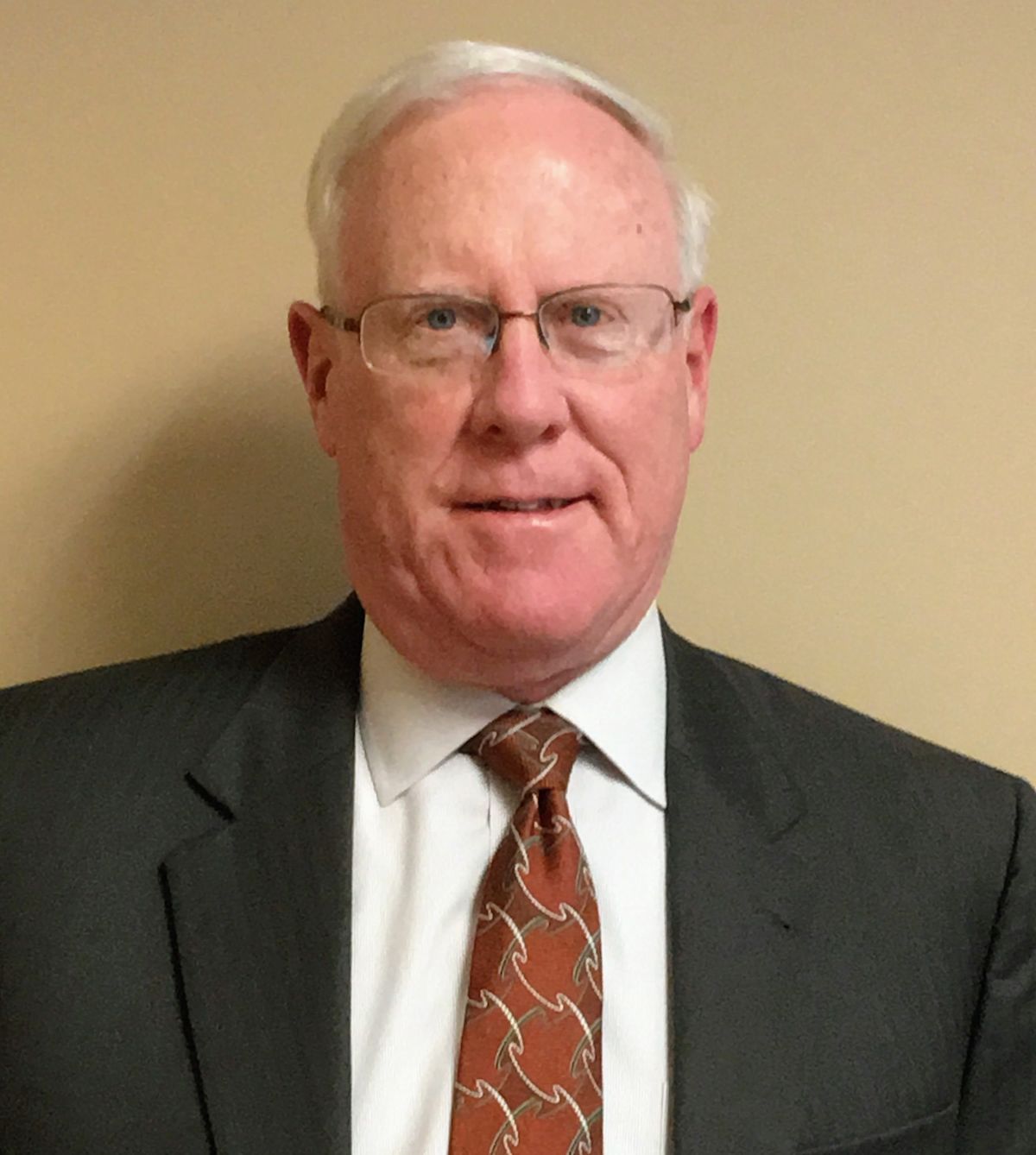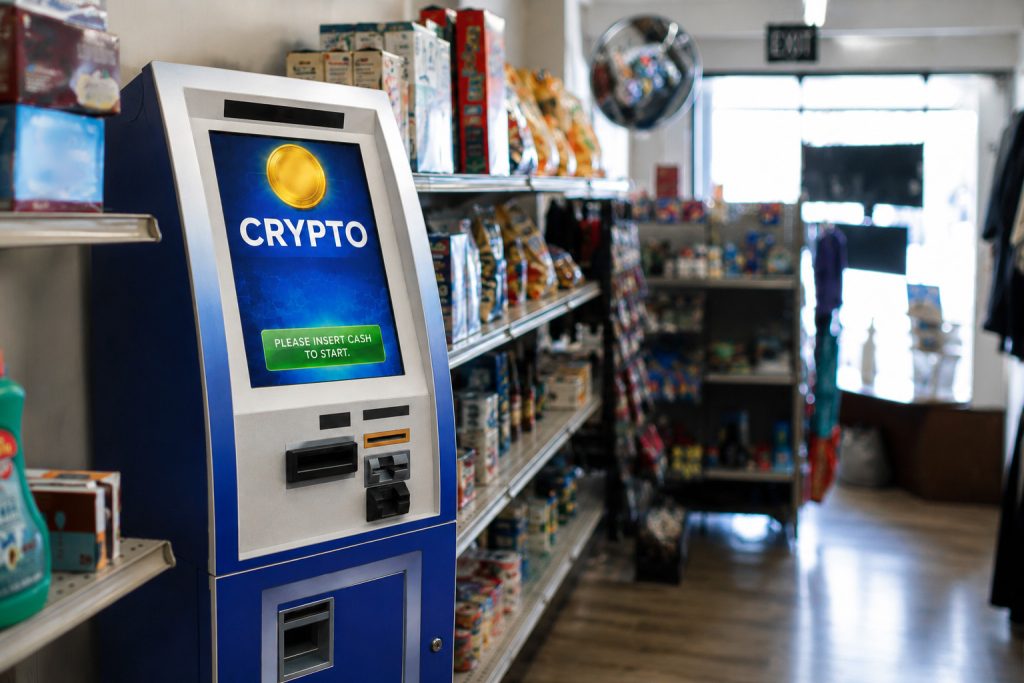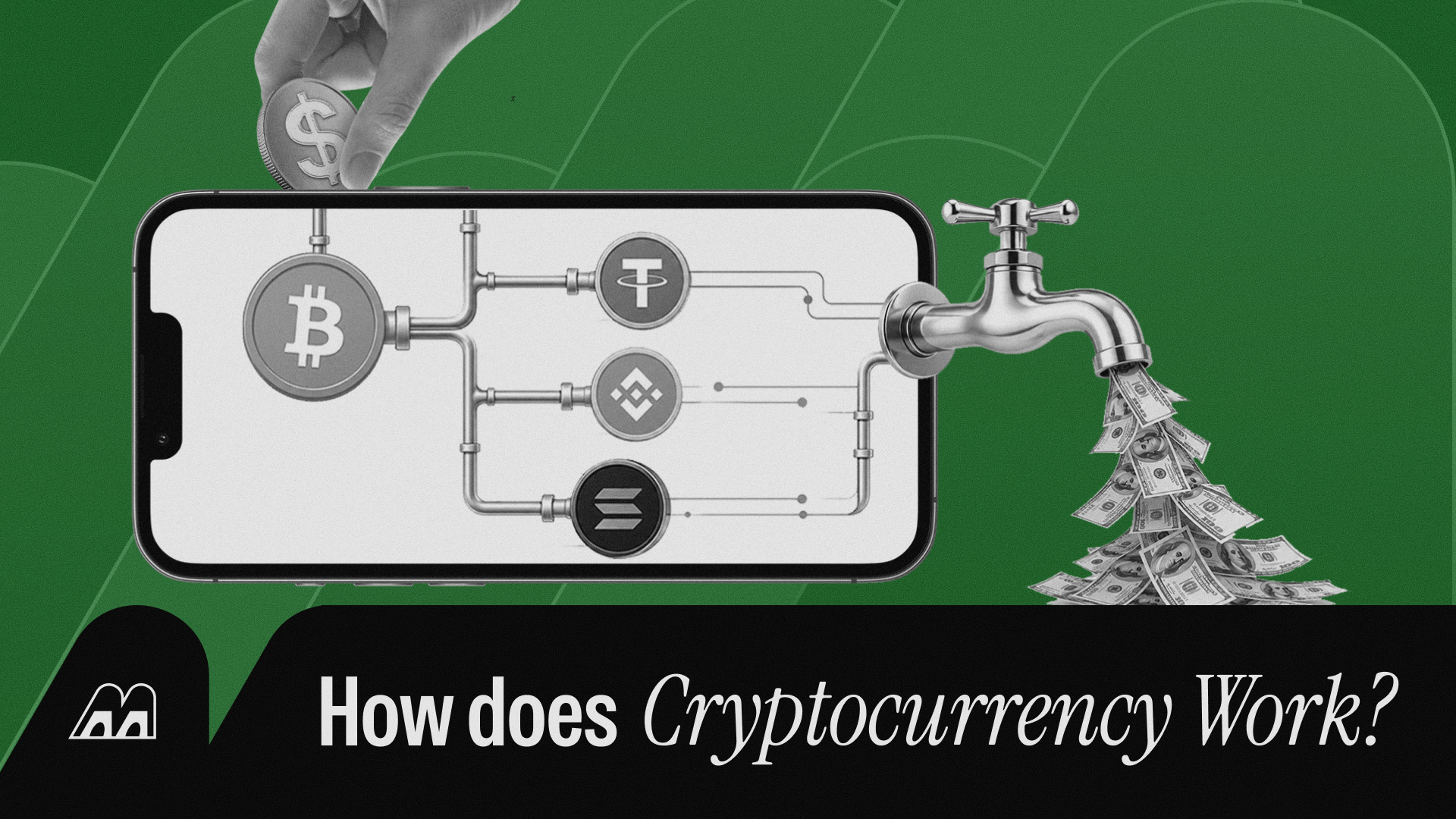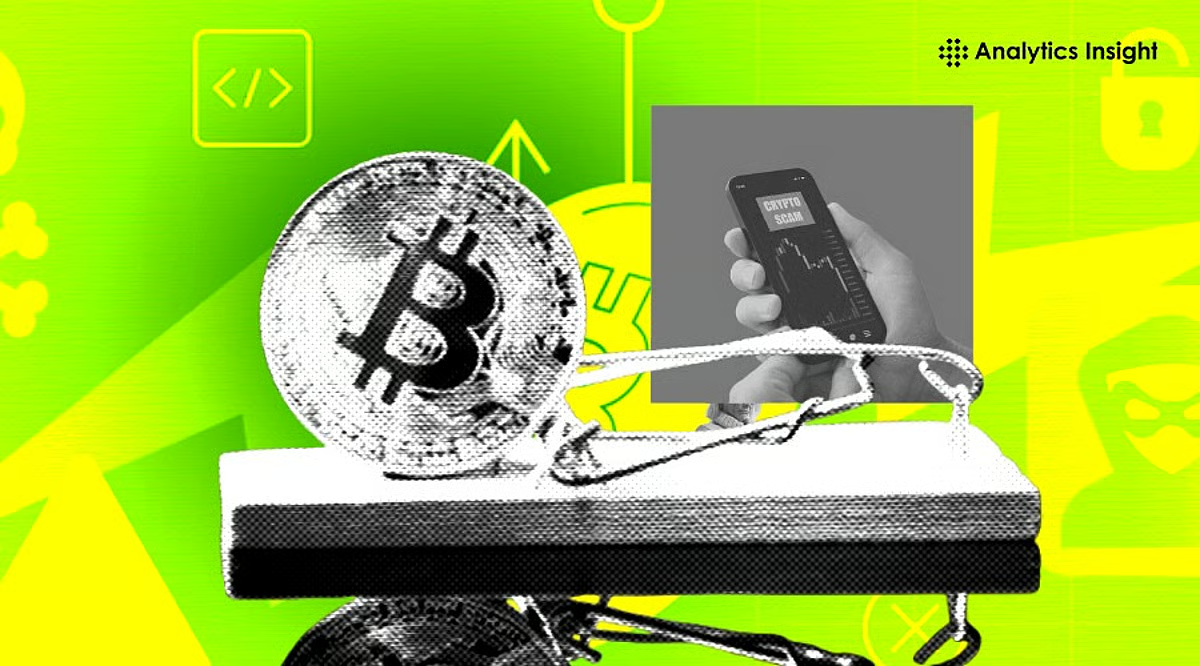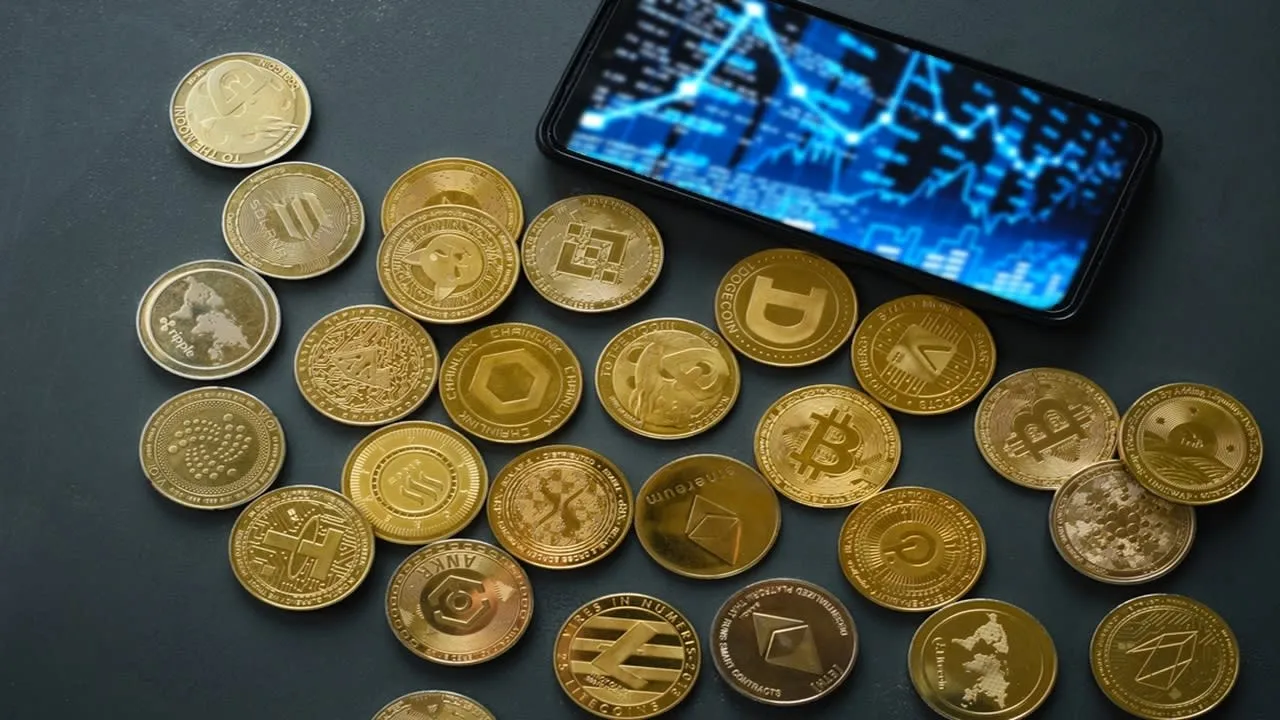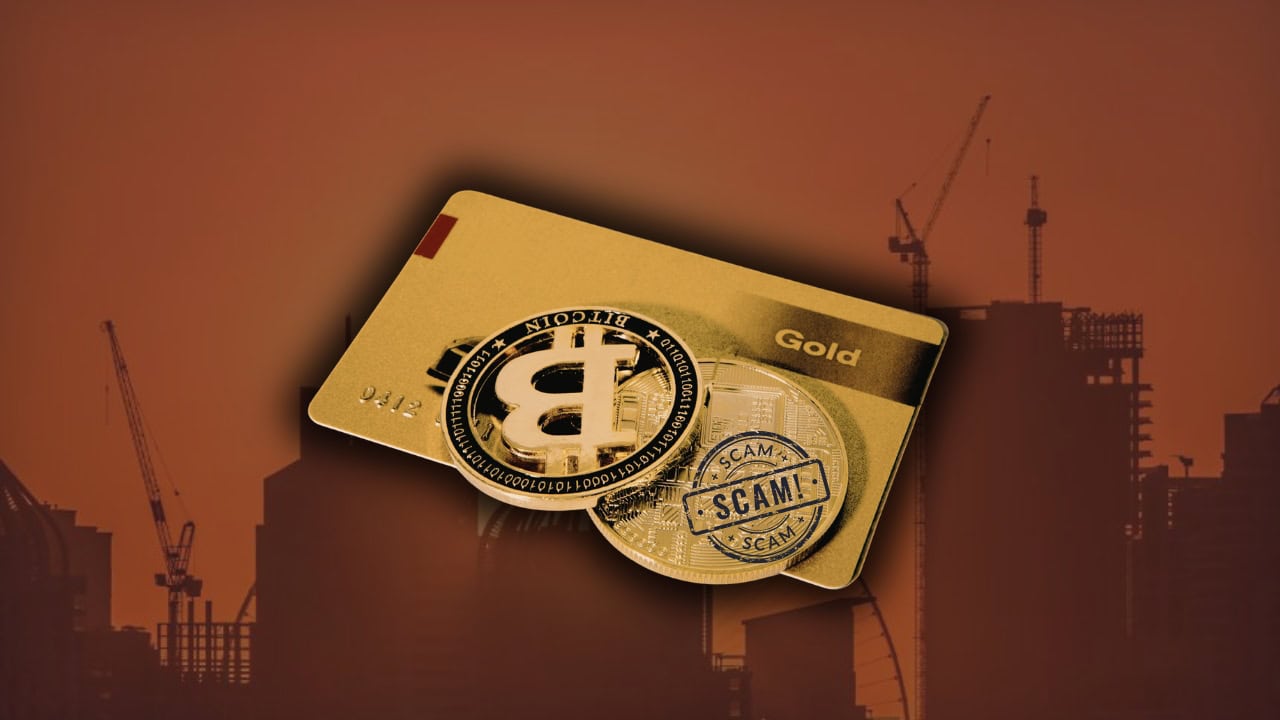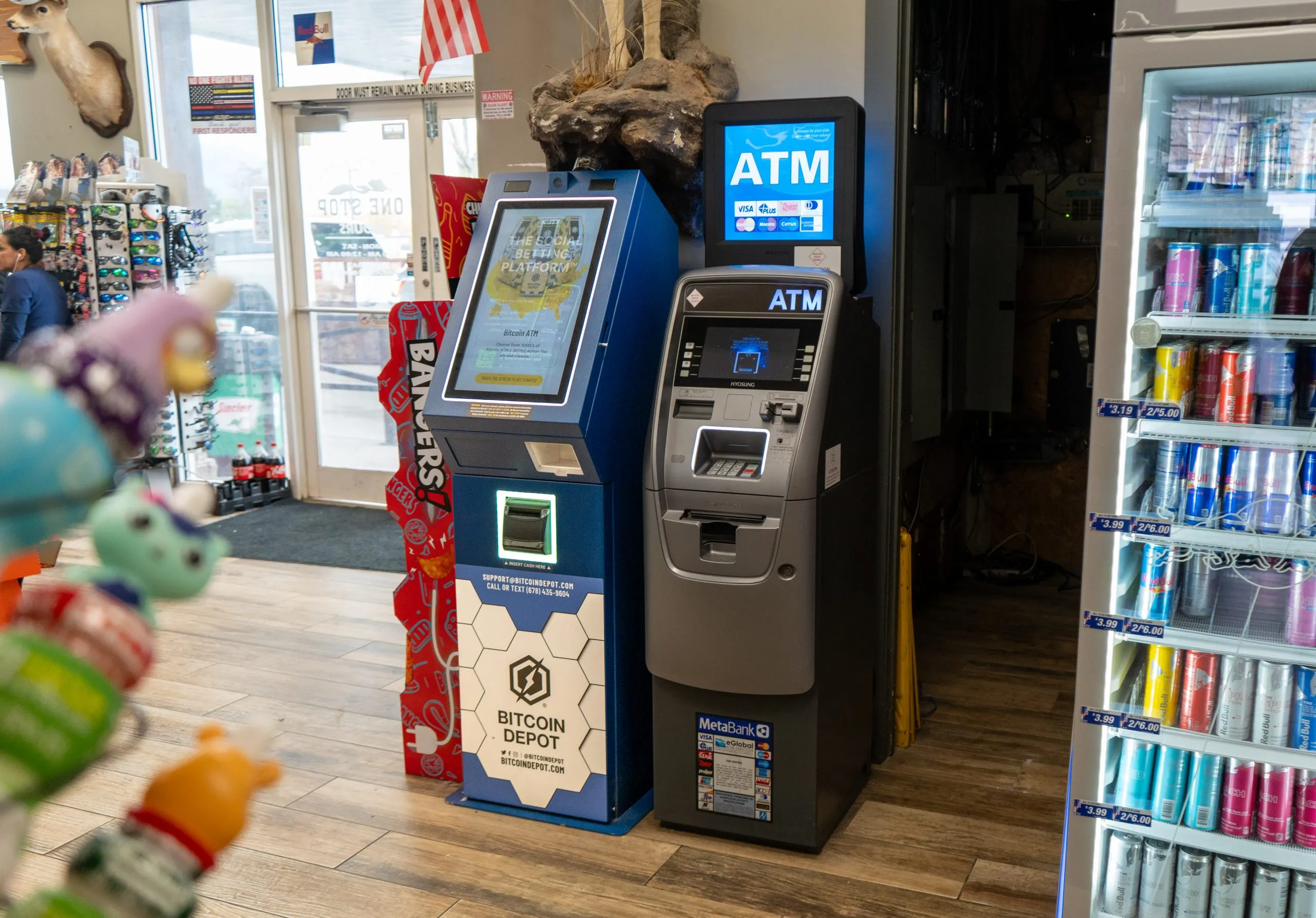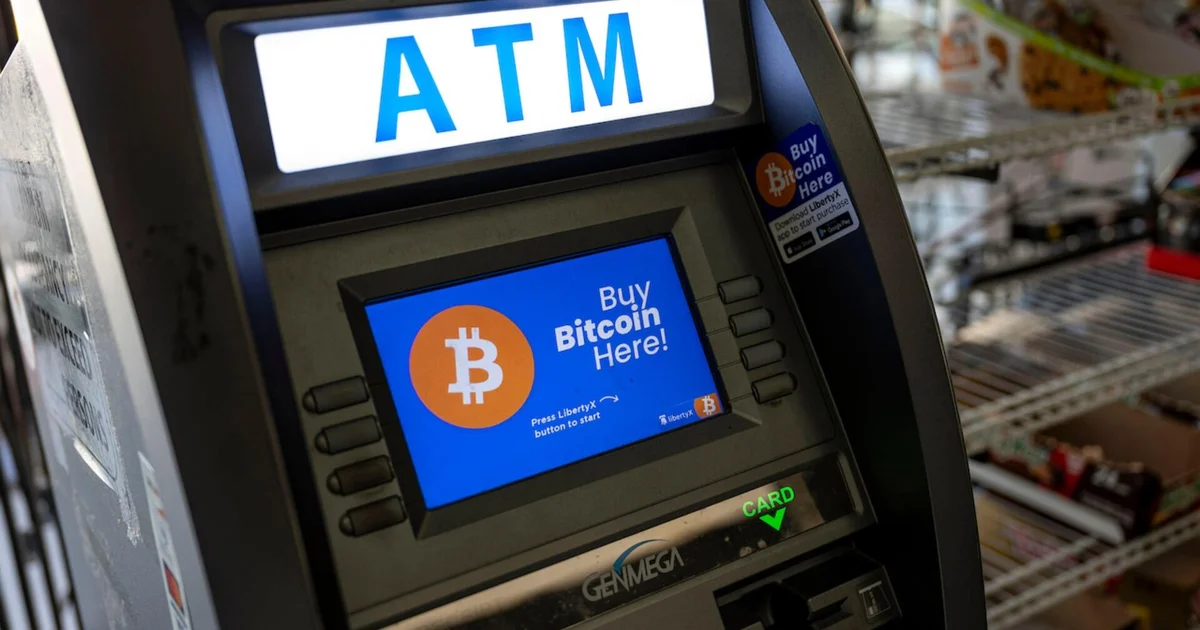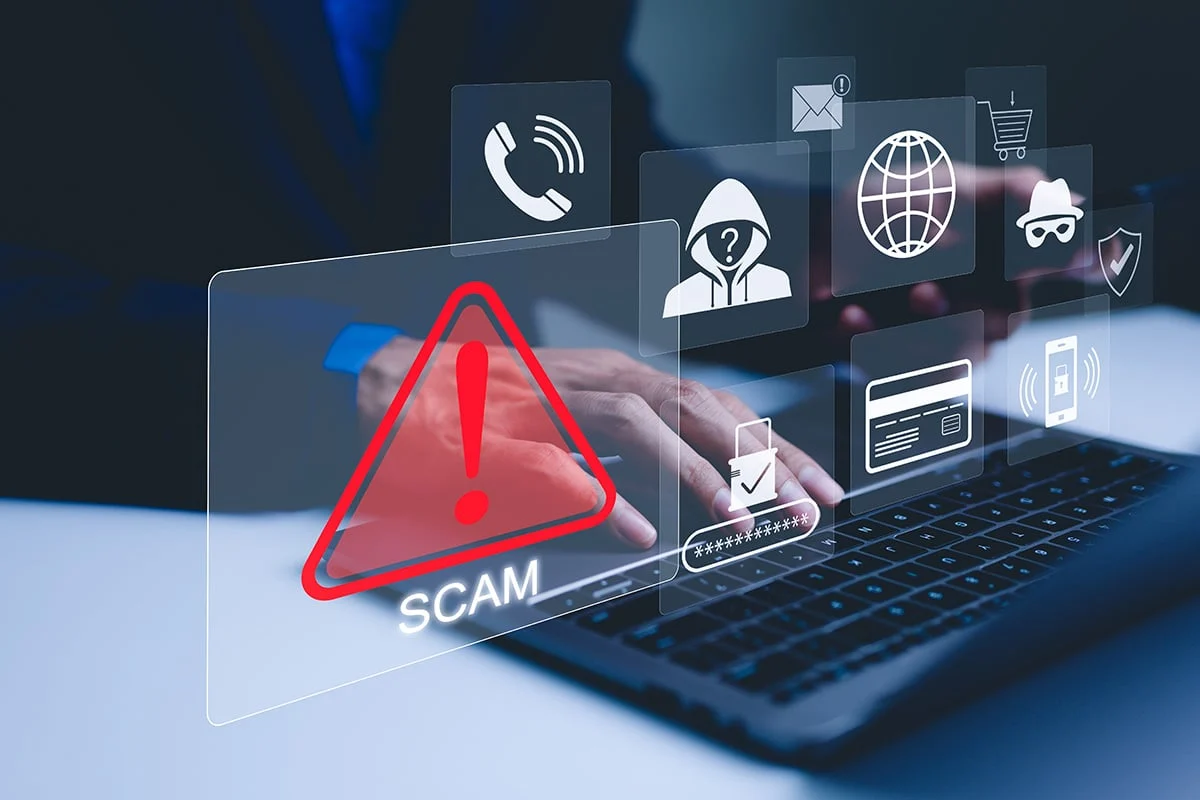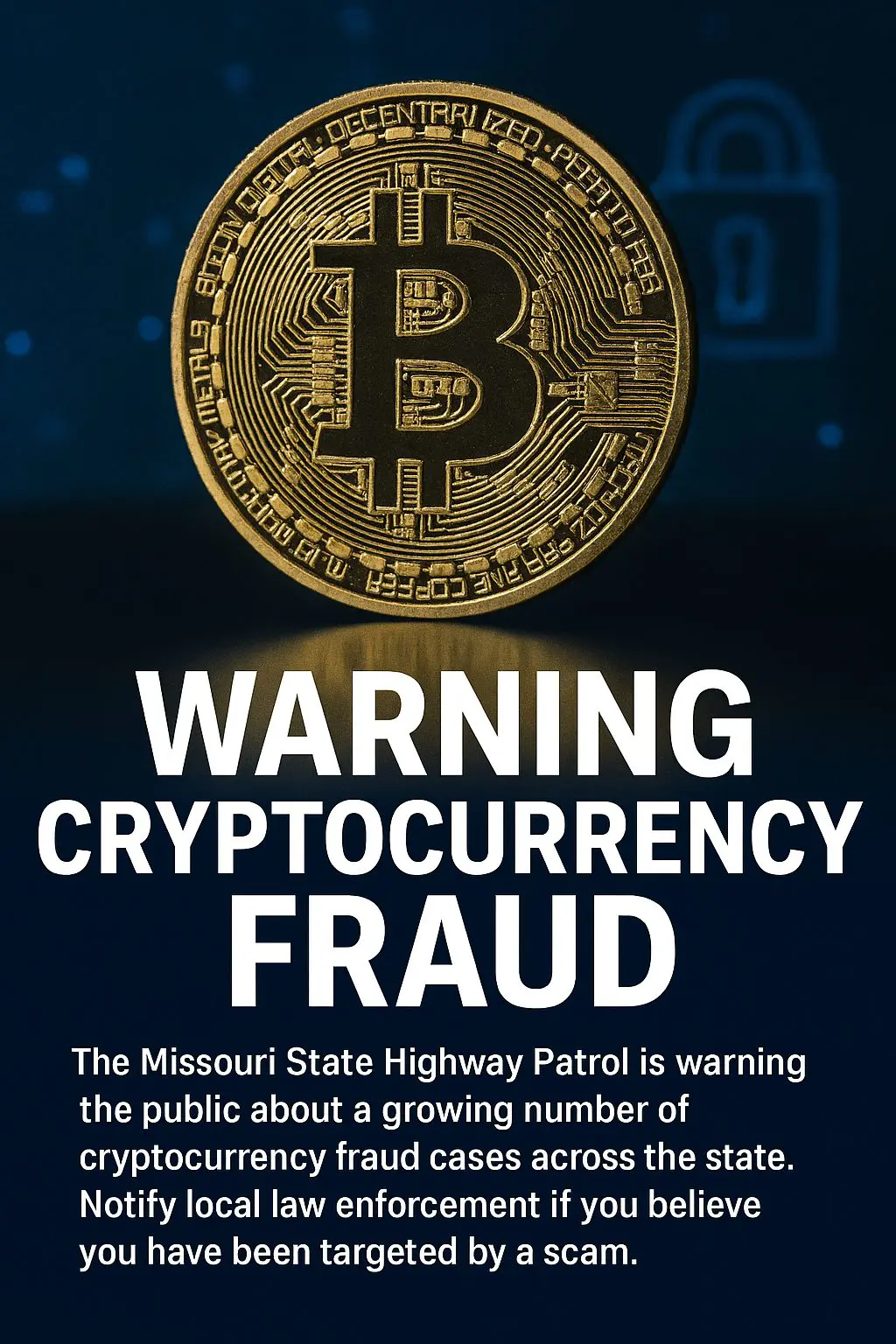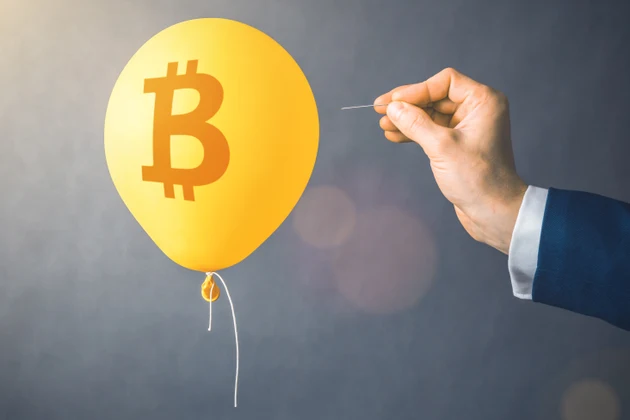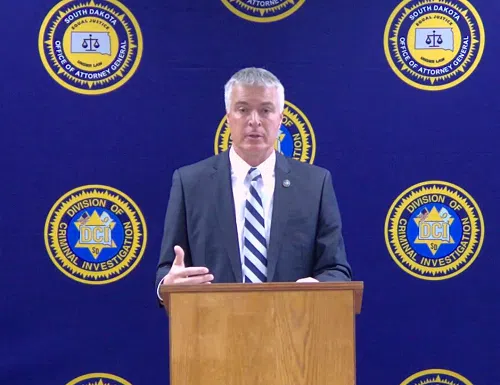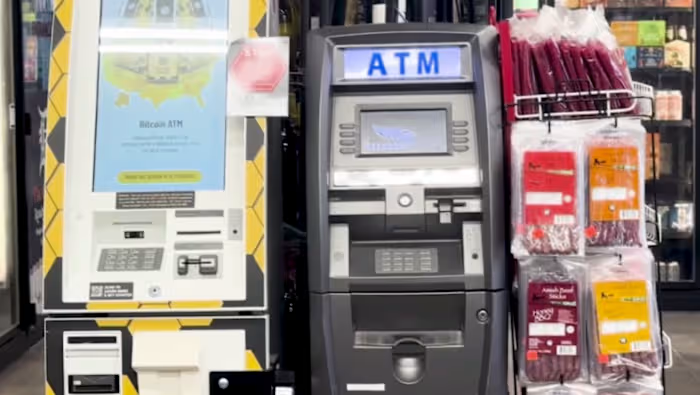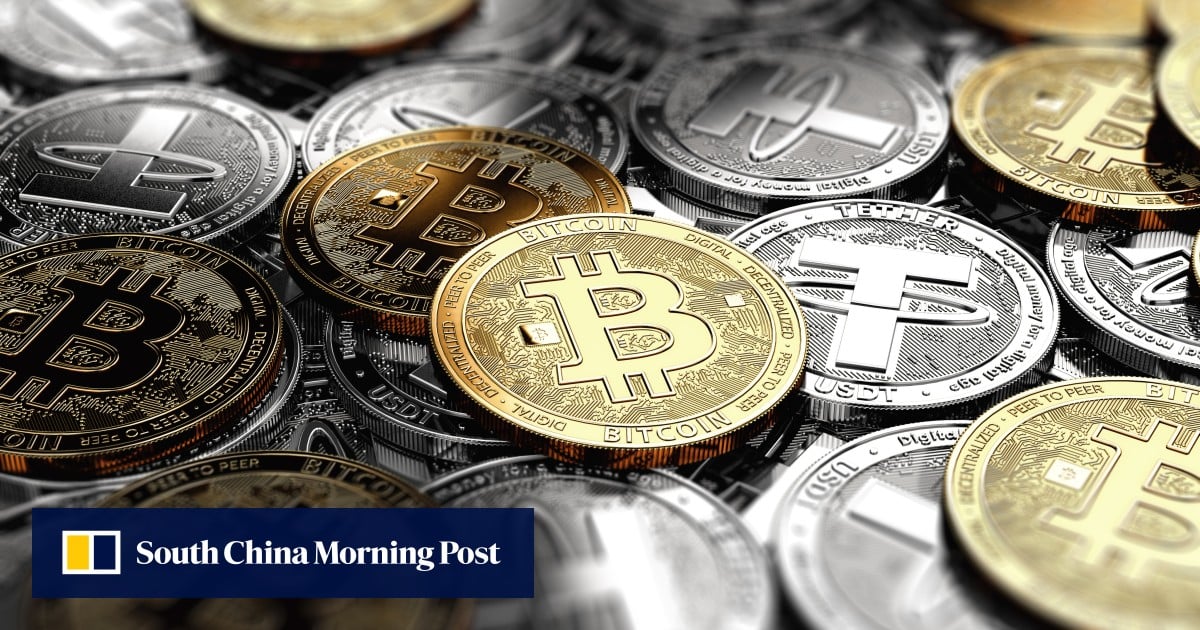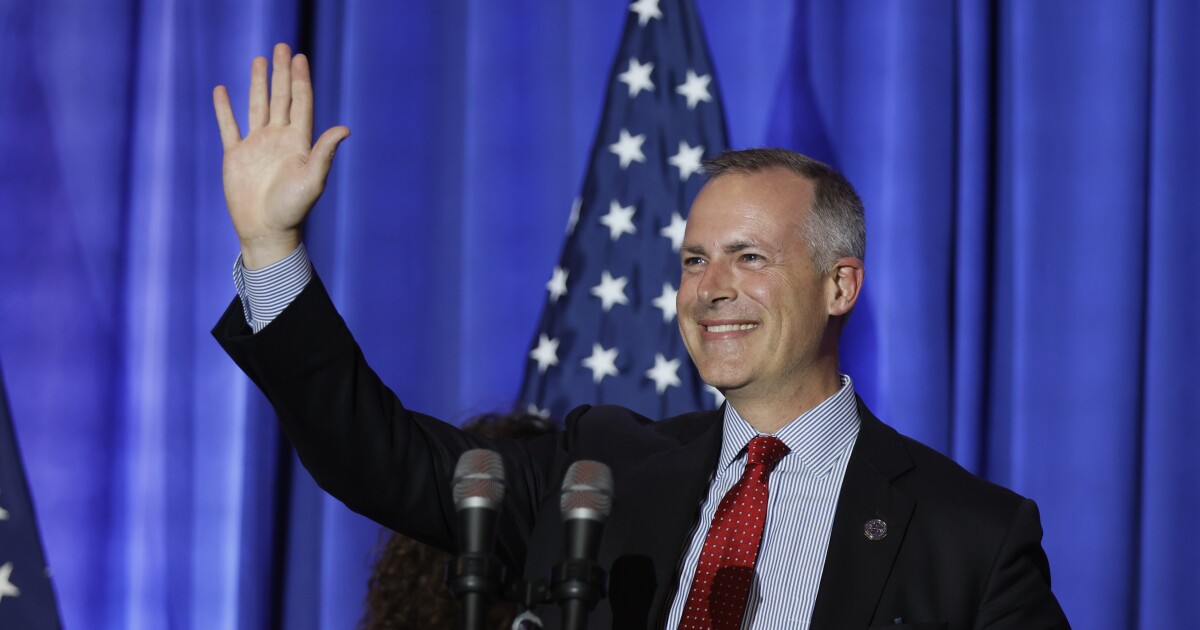


Pennsylvania Attorney General Dave Sunday has launched a campaign encouraging businesses to display warning signs at cryptocurrency ATMs to help prevent fraud involving threats of arrest, fake investments and online relationships.
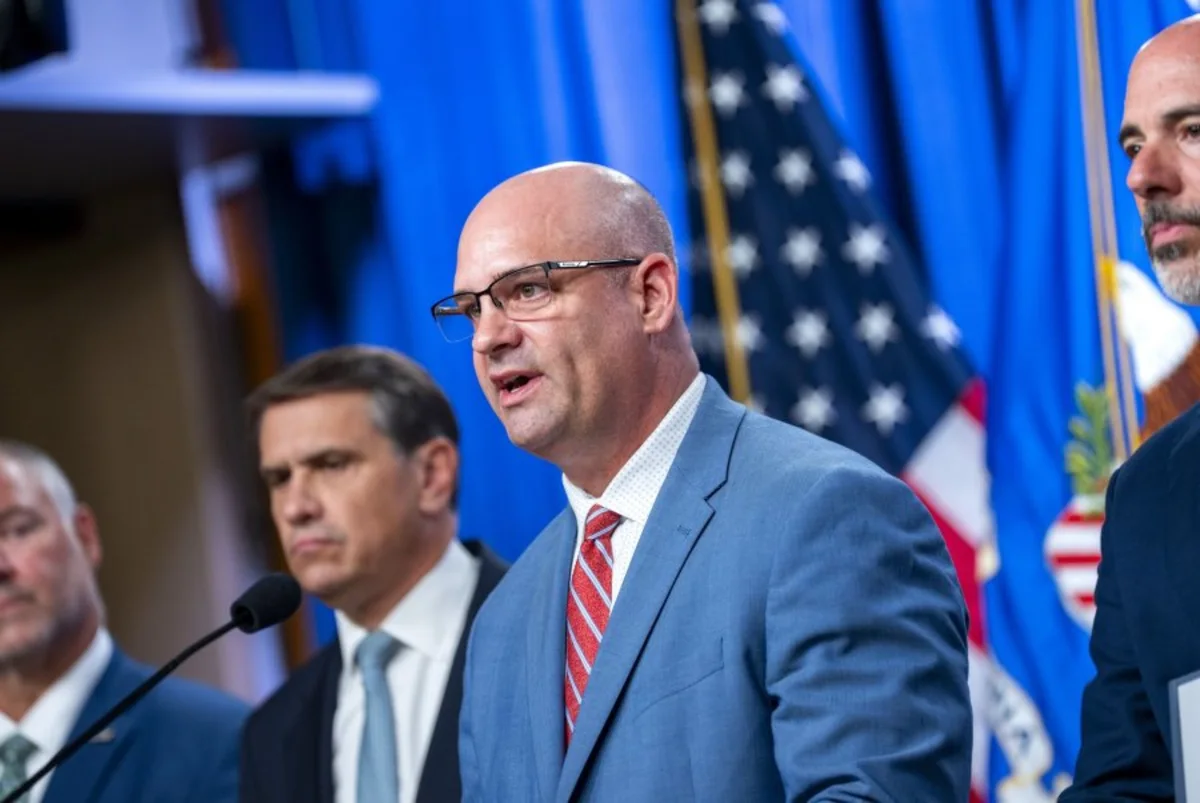
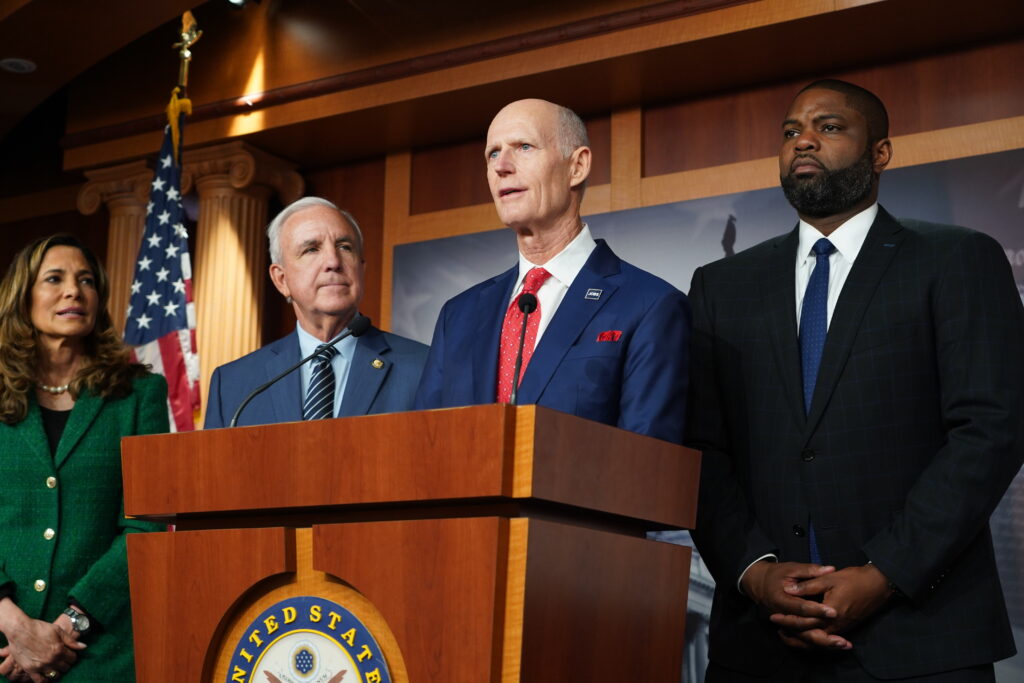
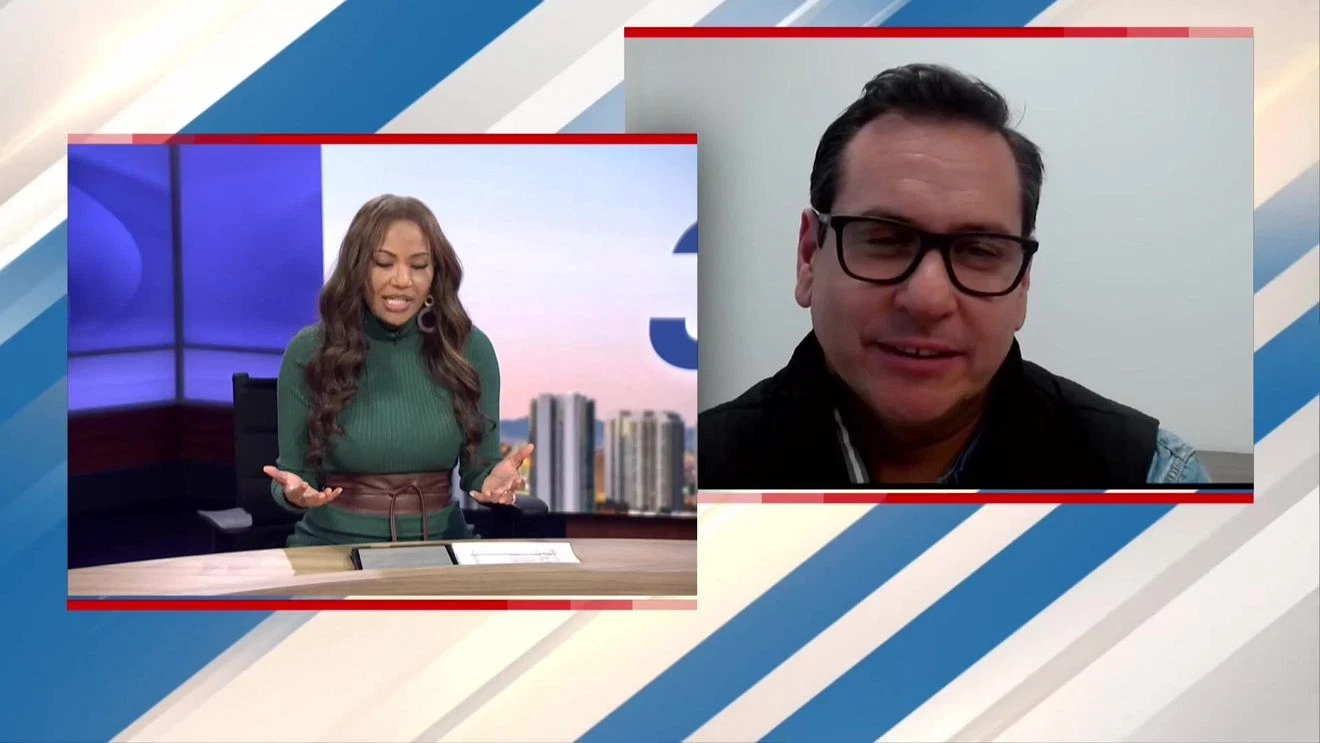
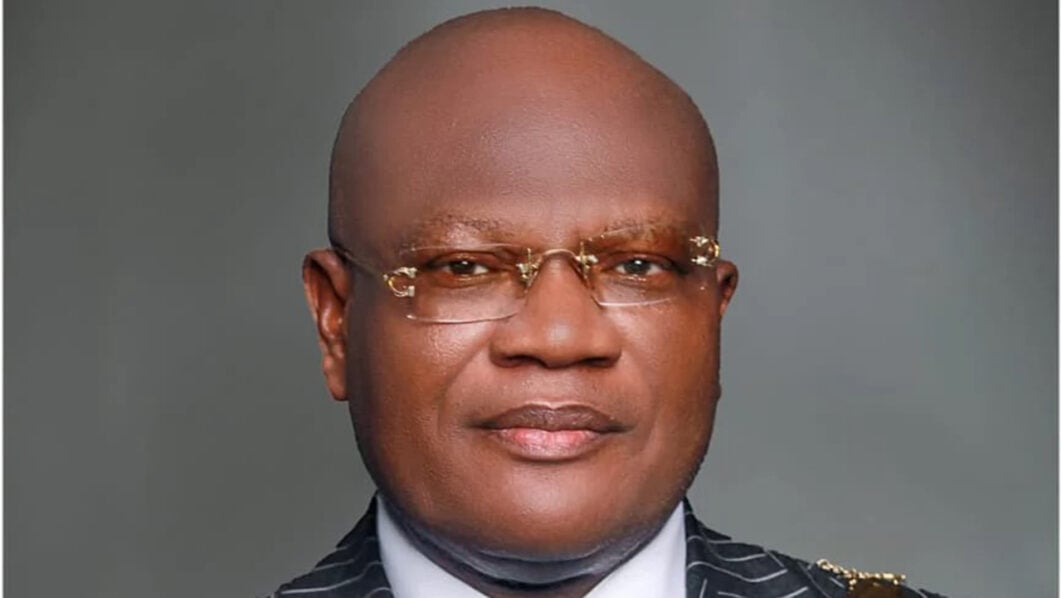
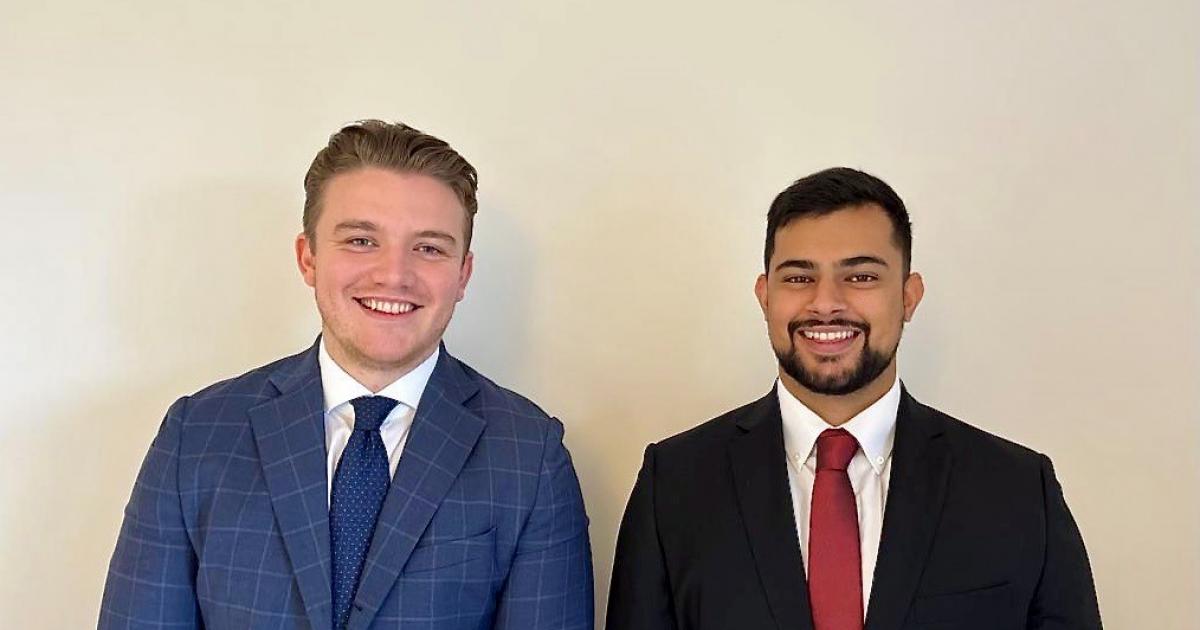
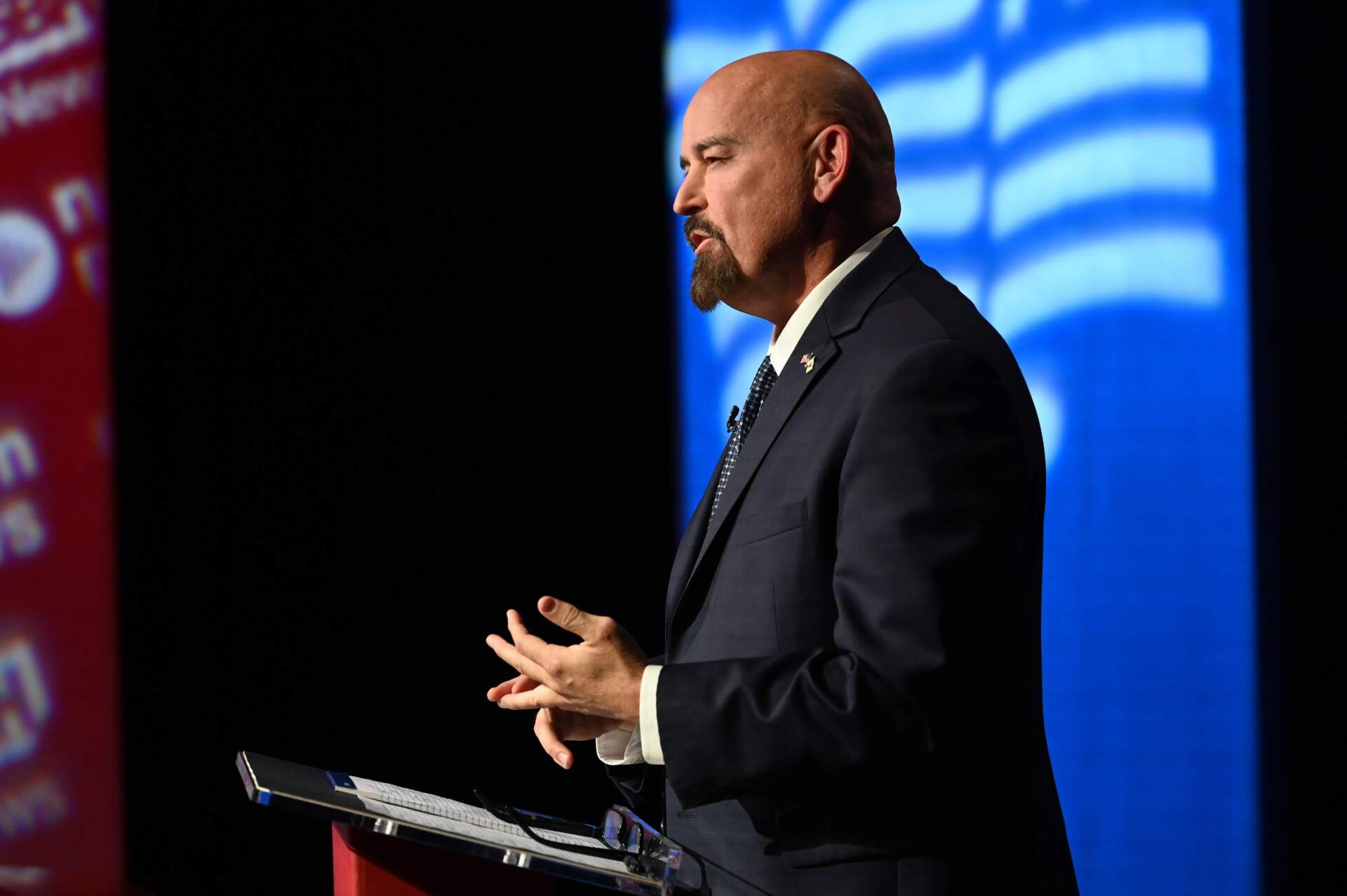
Sunday announced the STOP sign campaign during a community event in East Stroudsburg with state Sen. Rosemary Brown, R-40, during National Cryptocurrency Month in October.
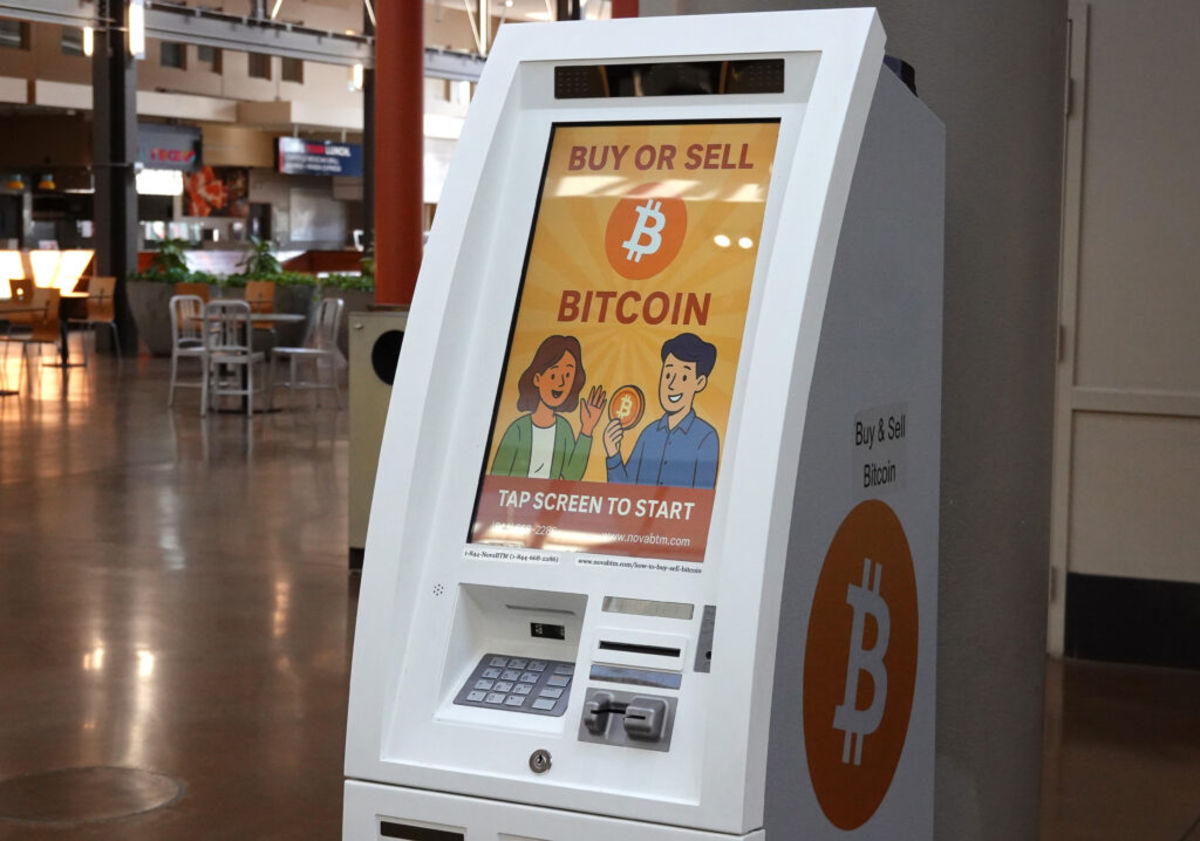
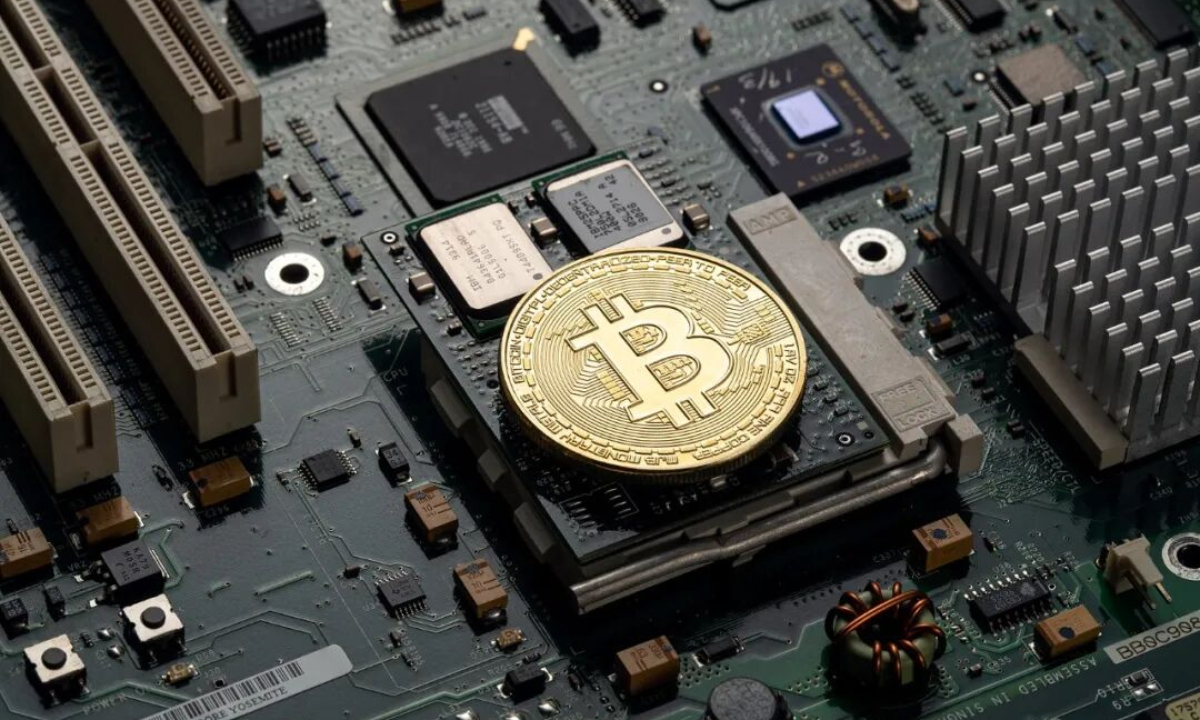
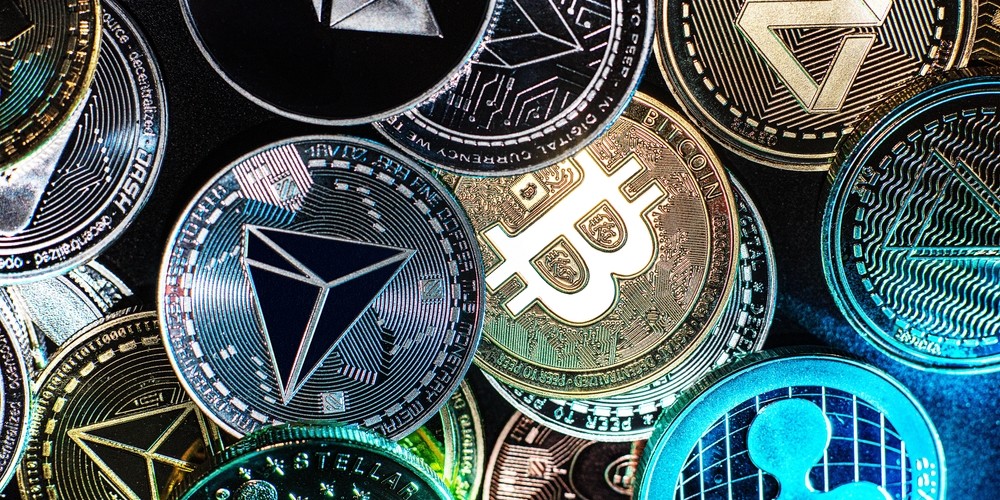
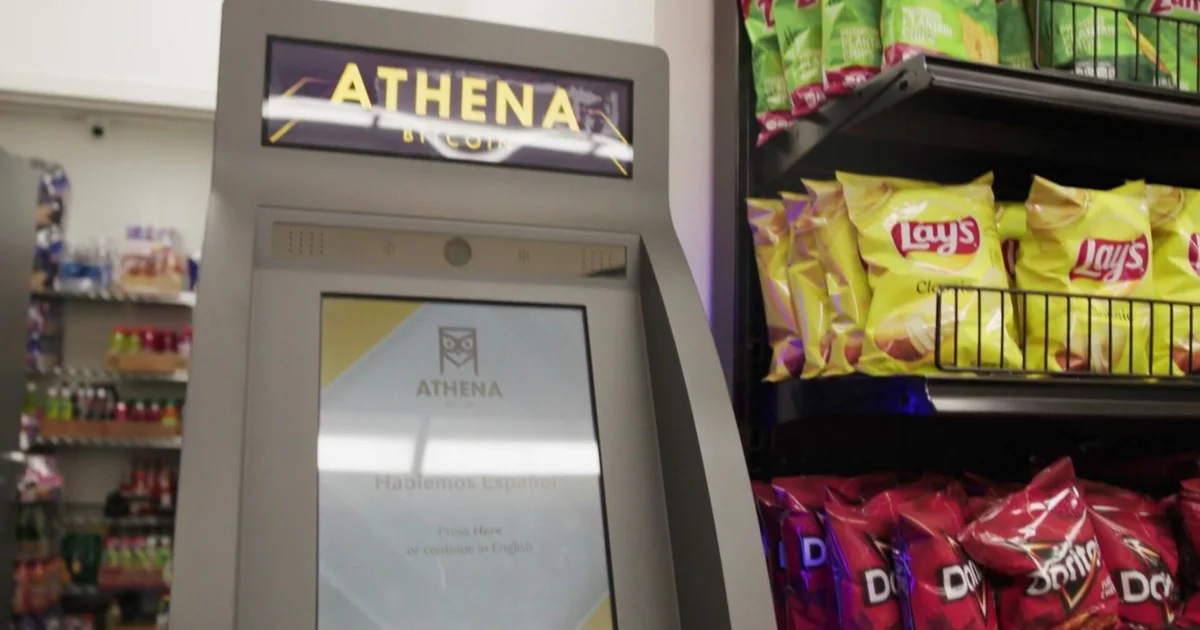
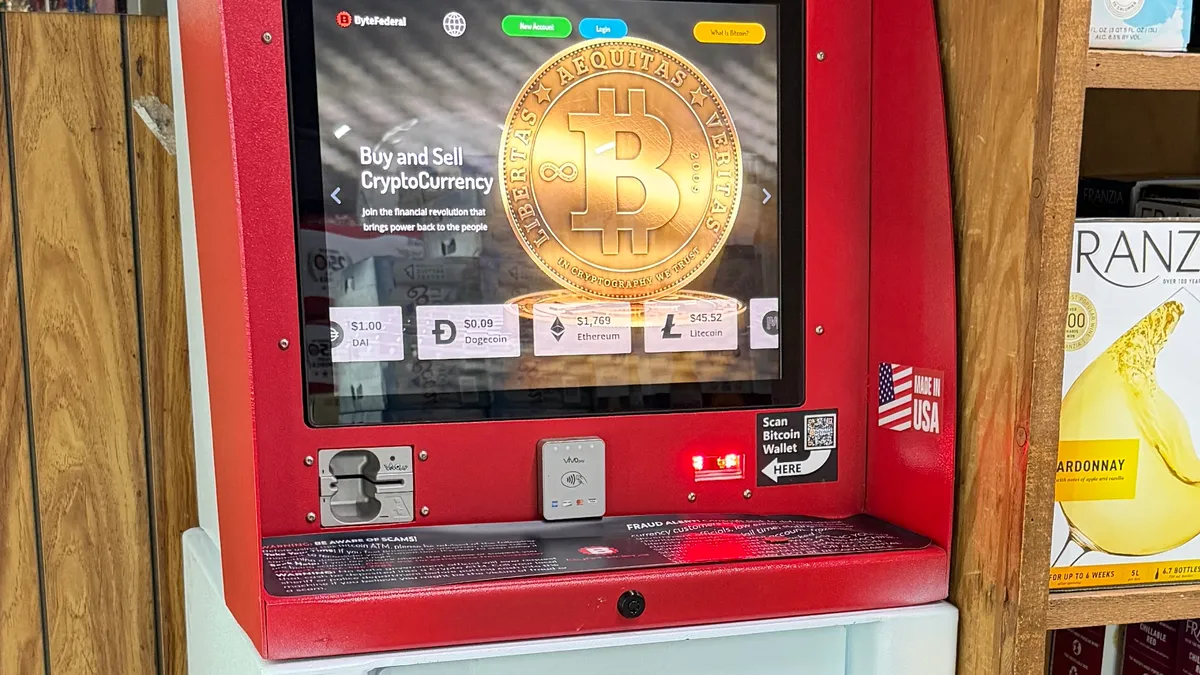
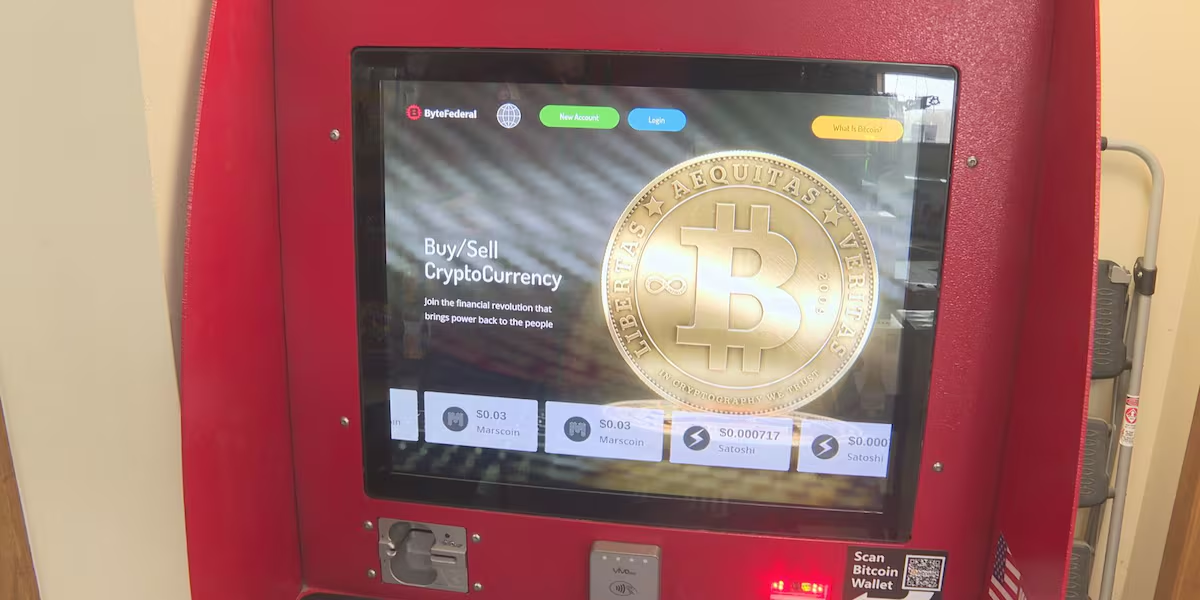
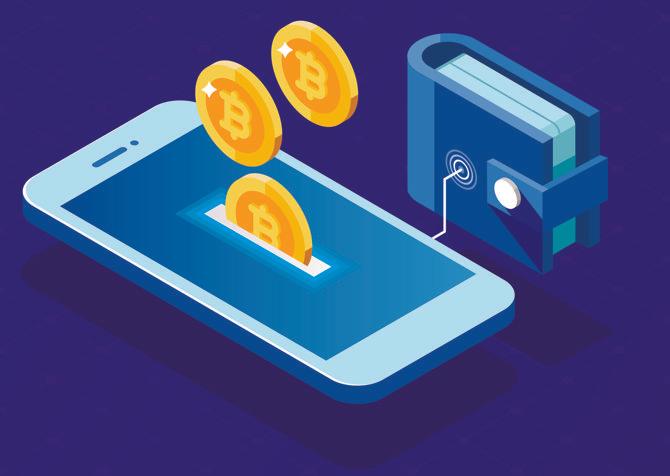
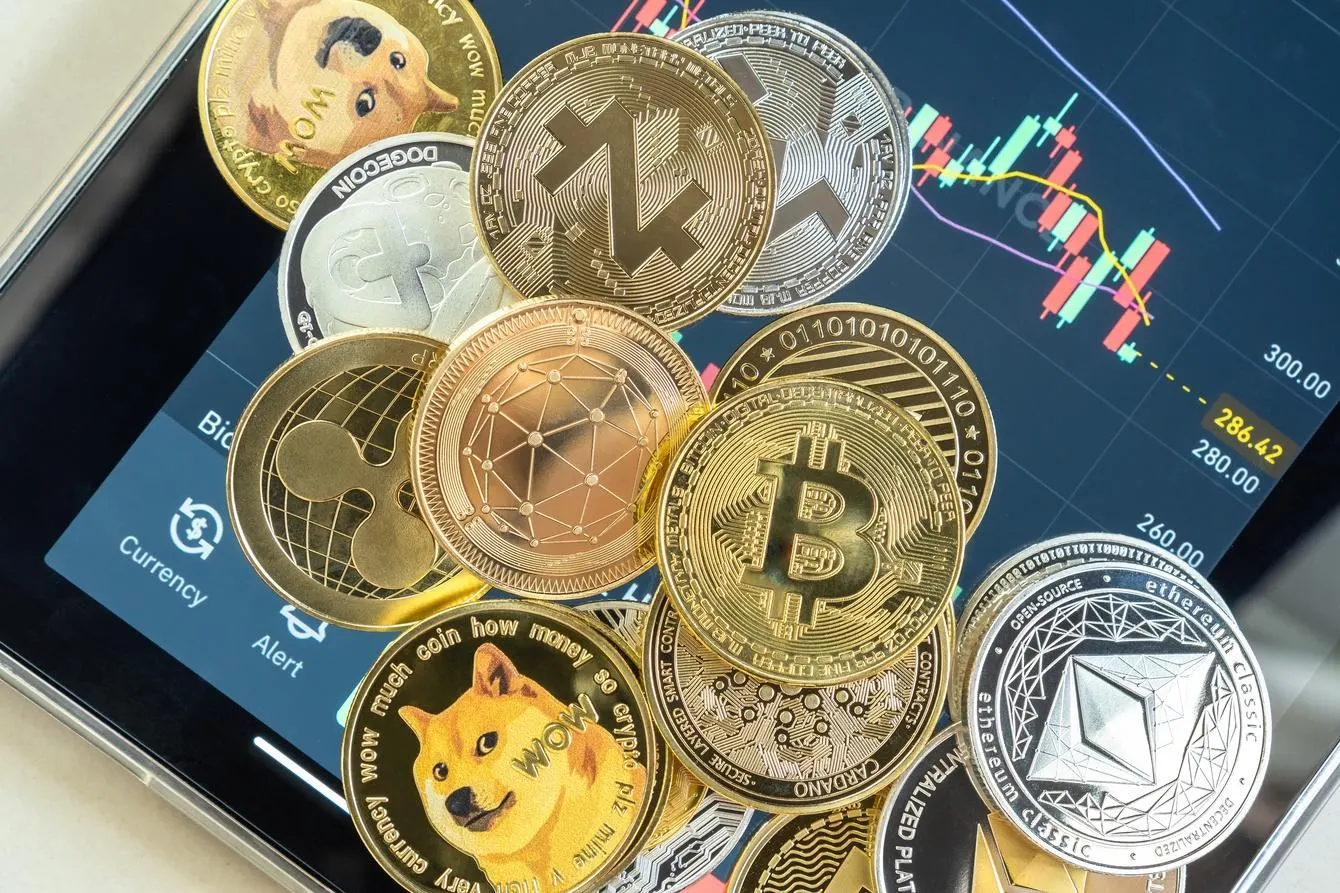
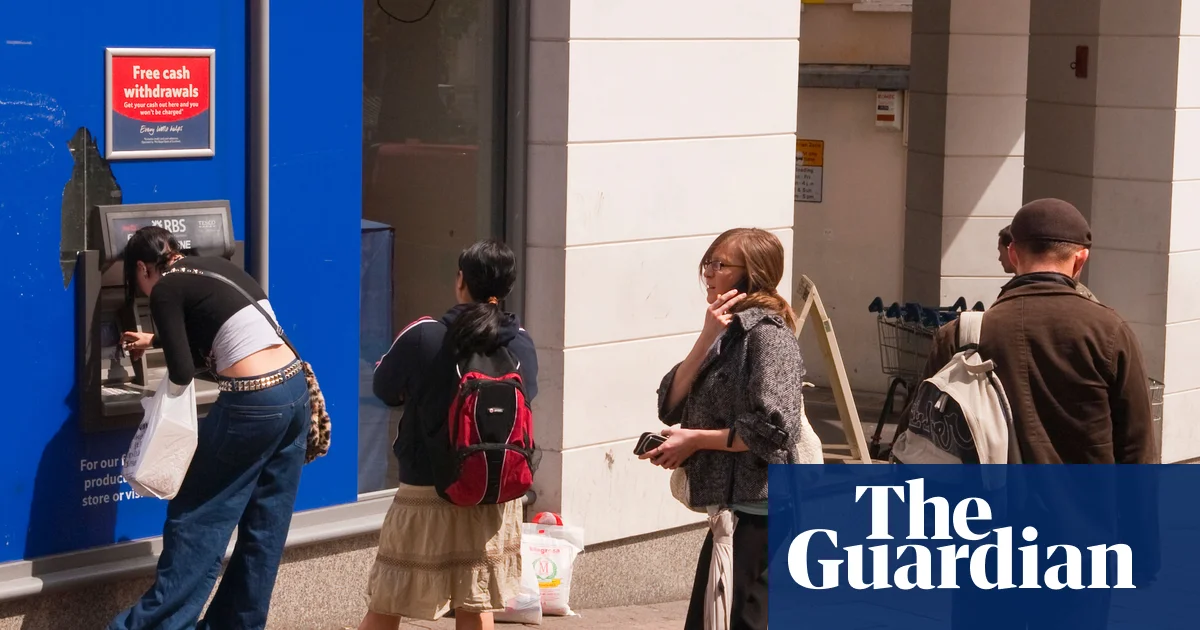
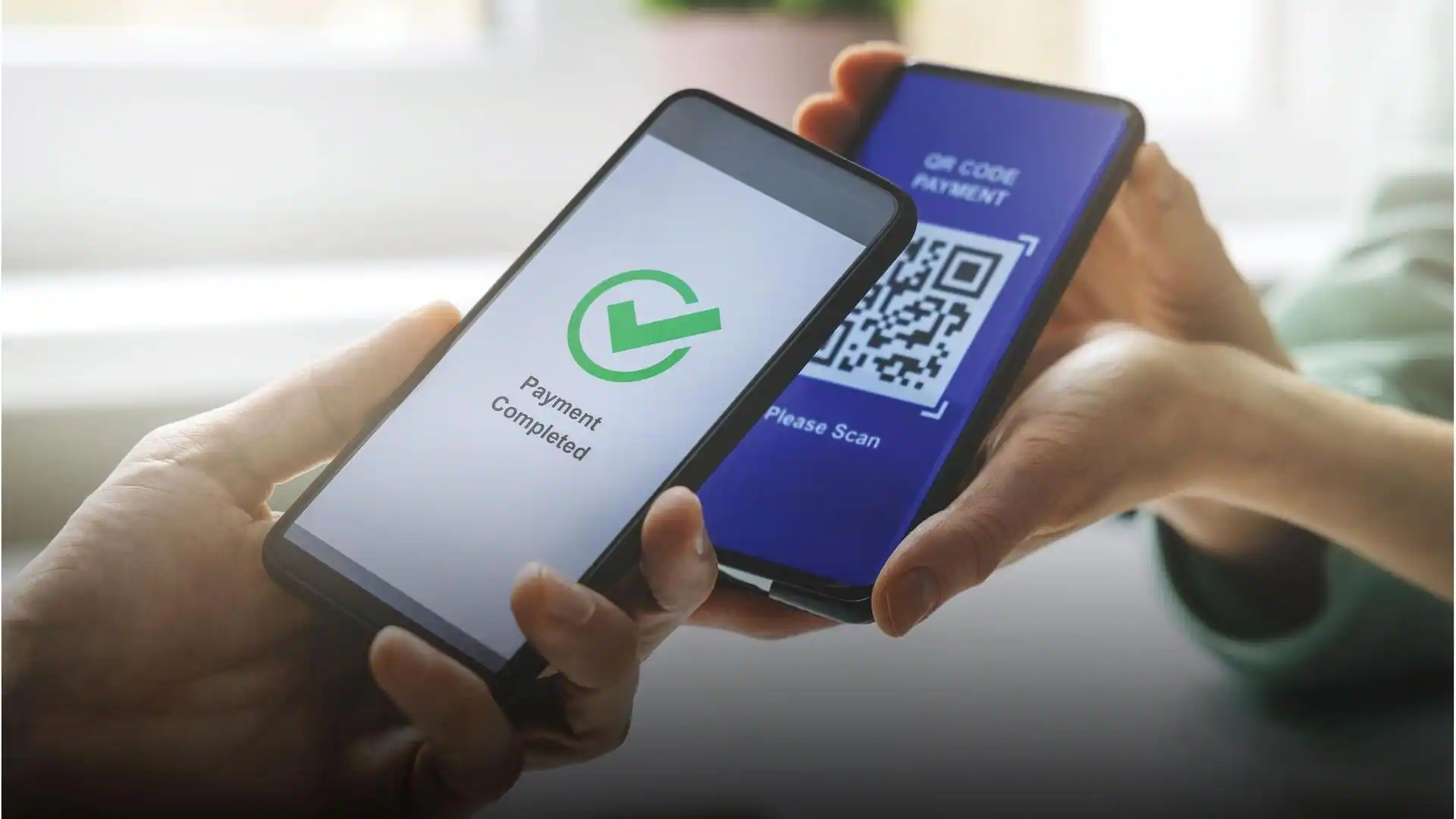
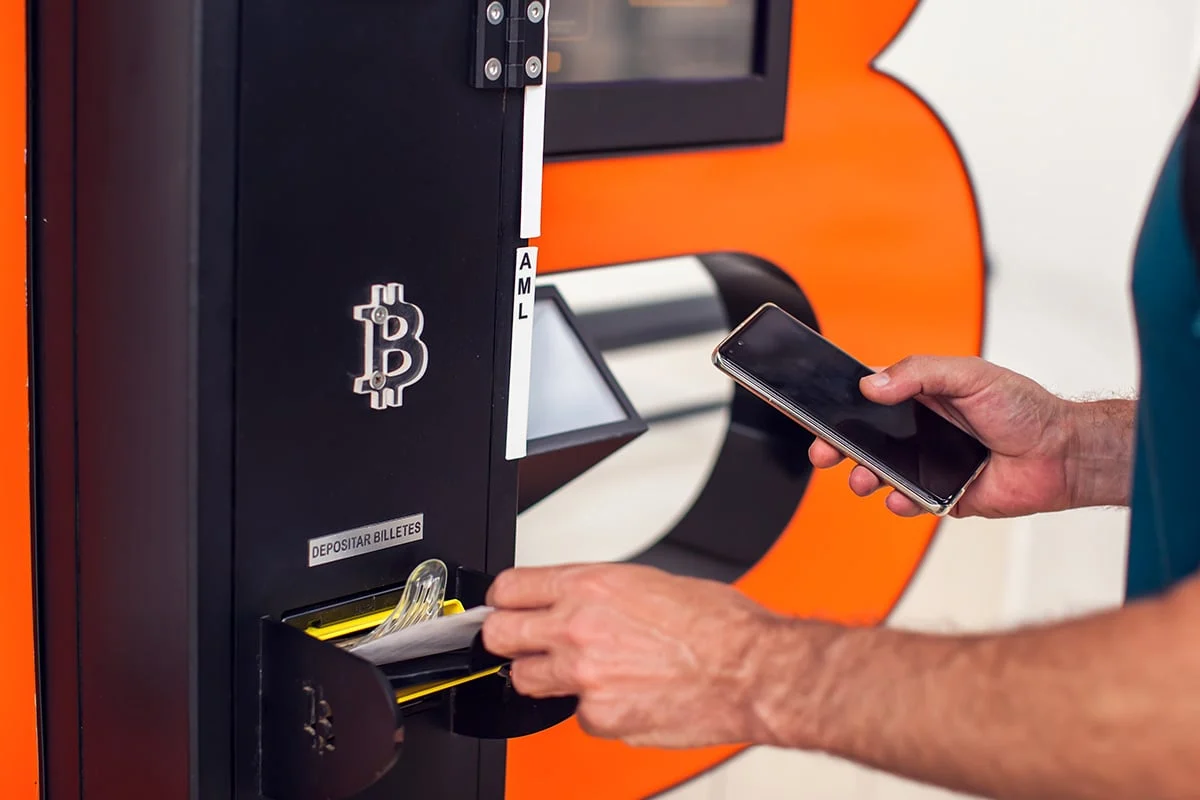
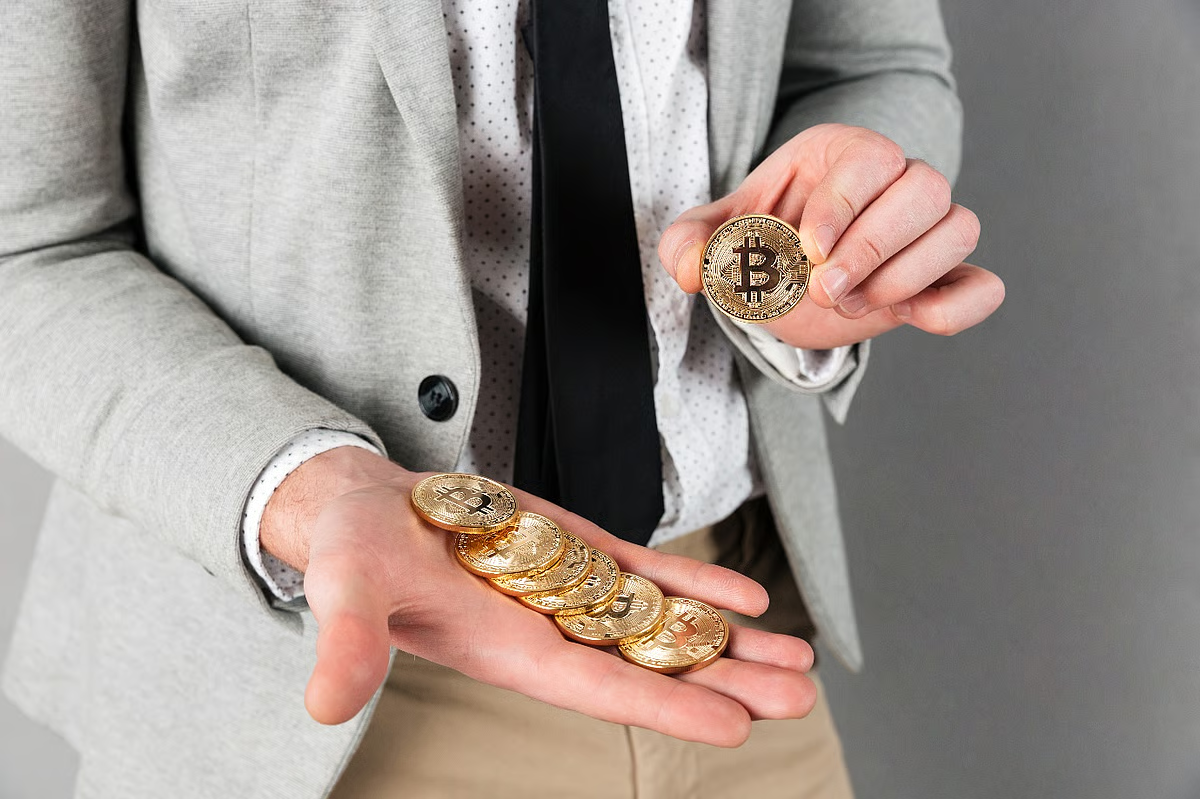
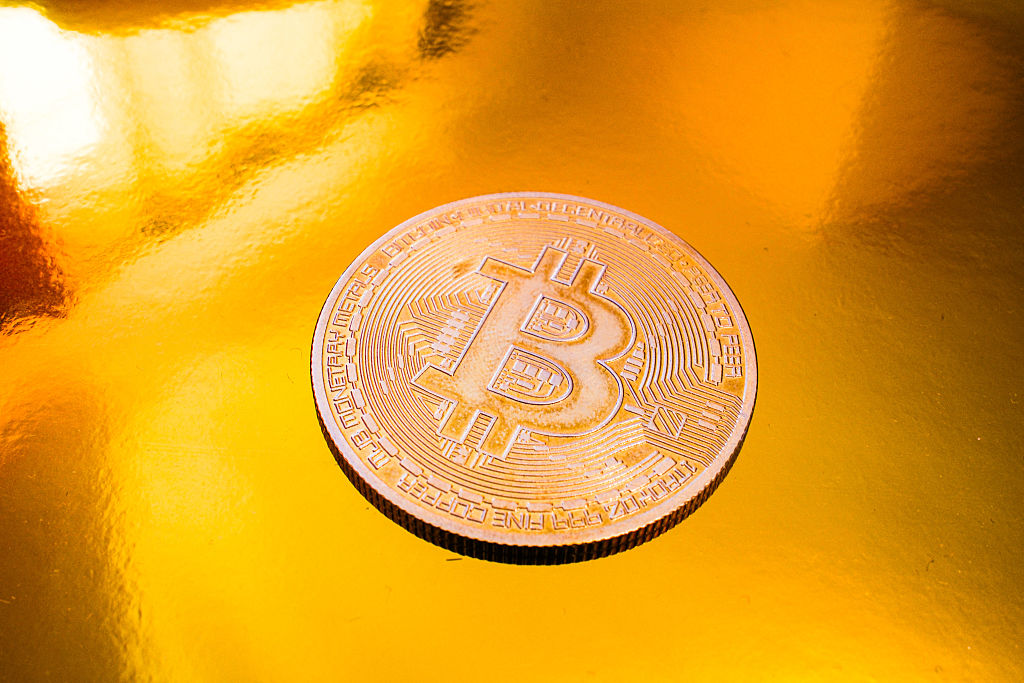
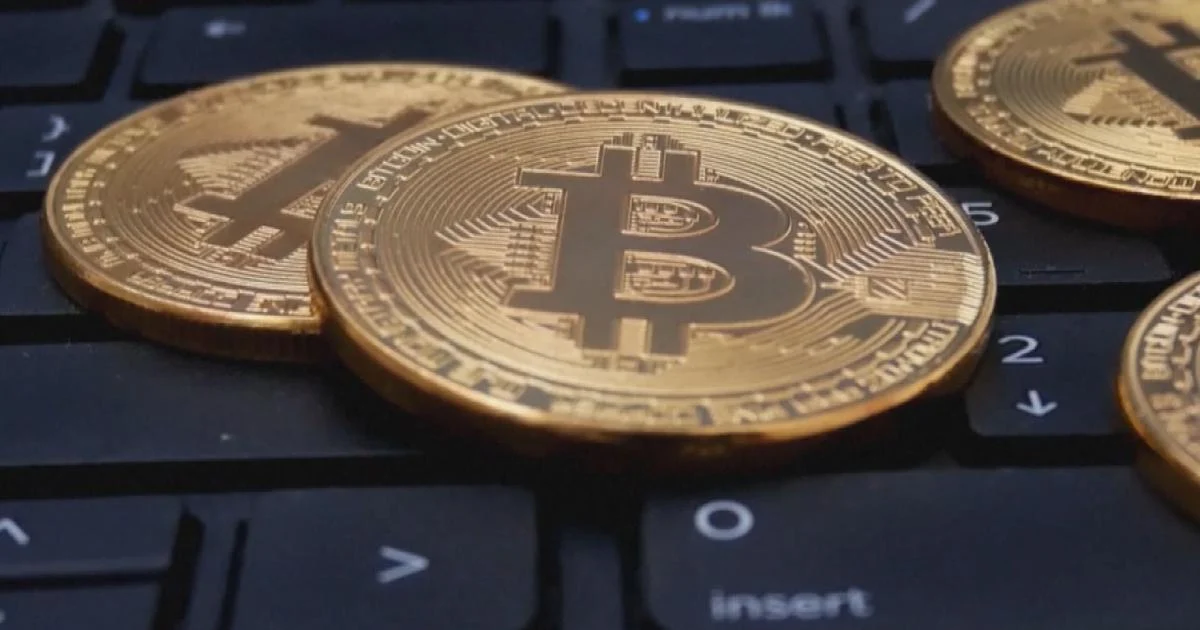
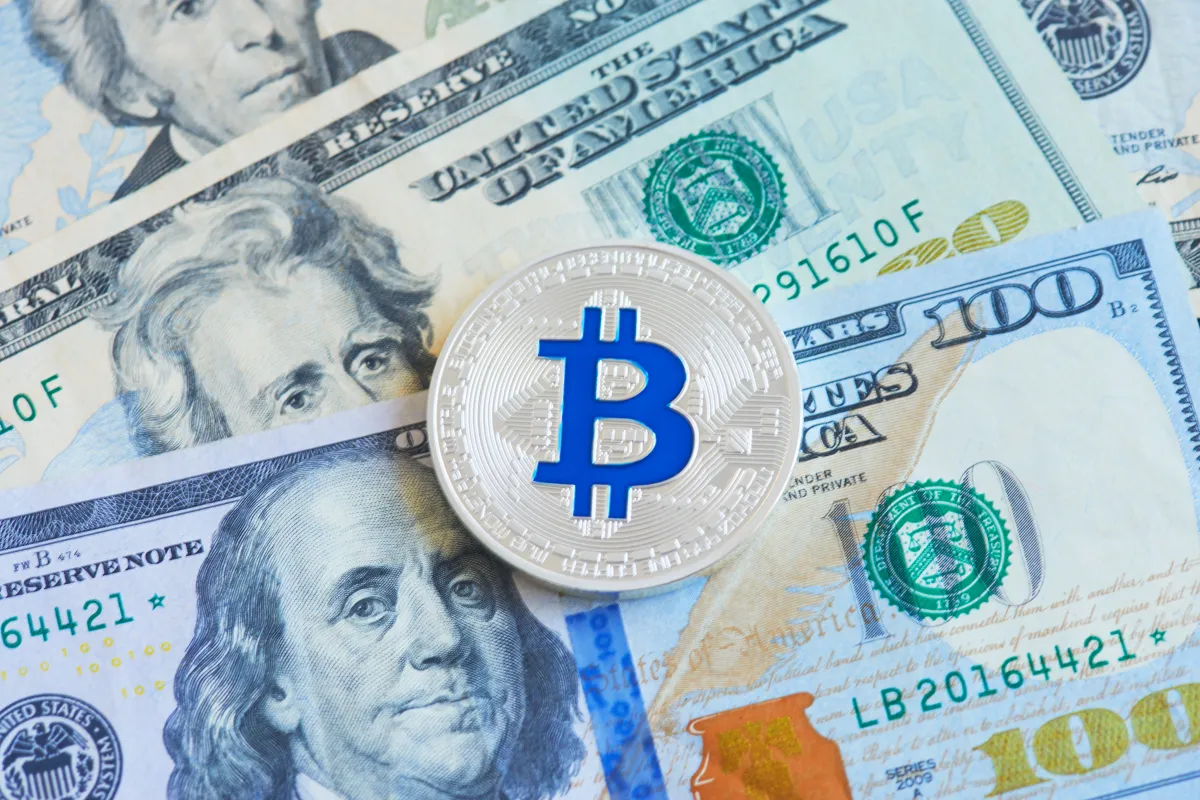
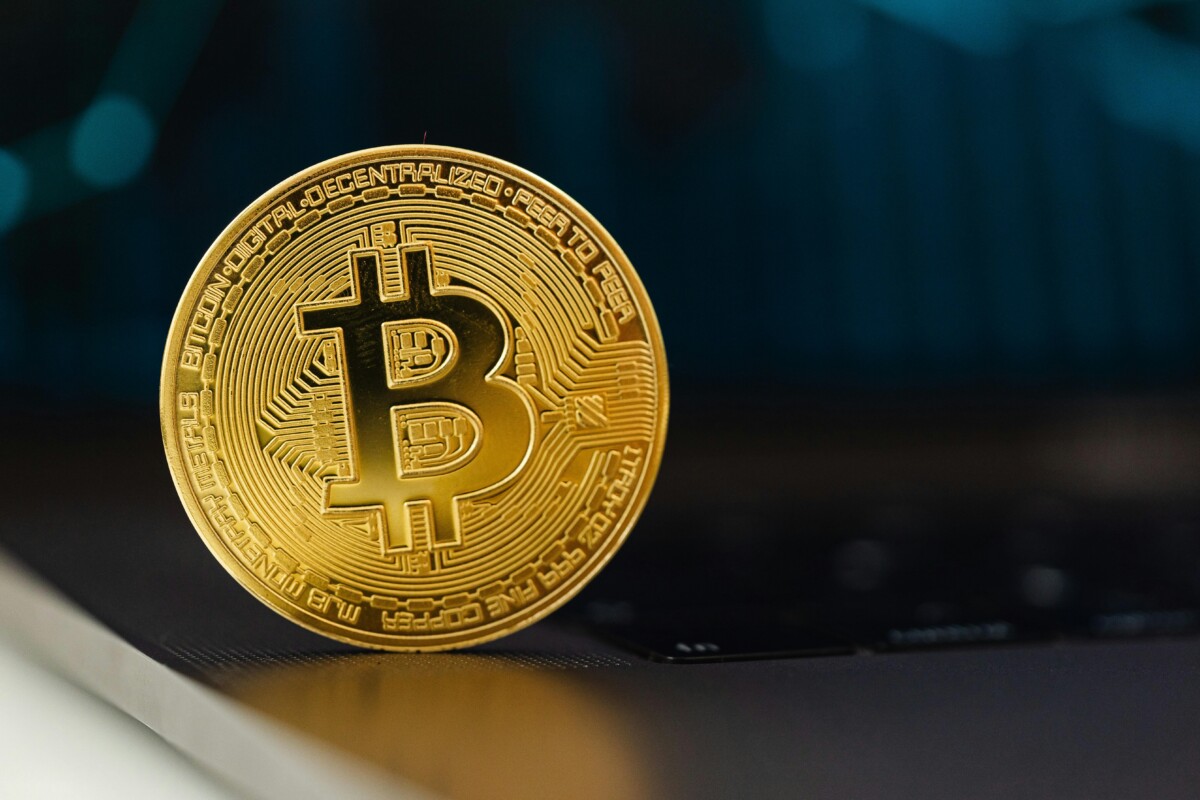
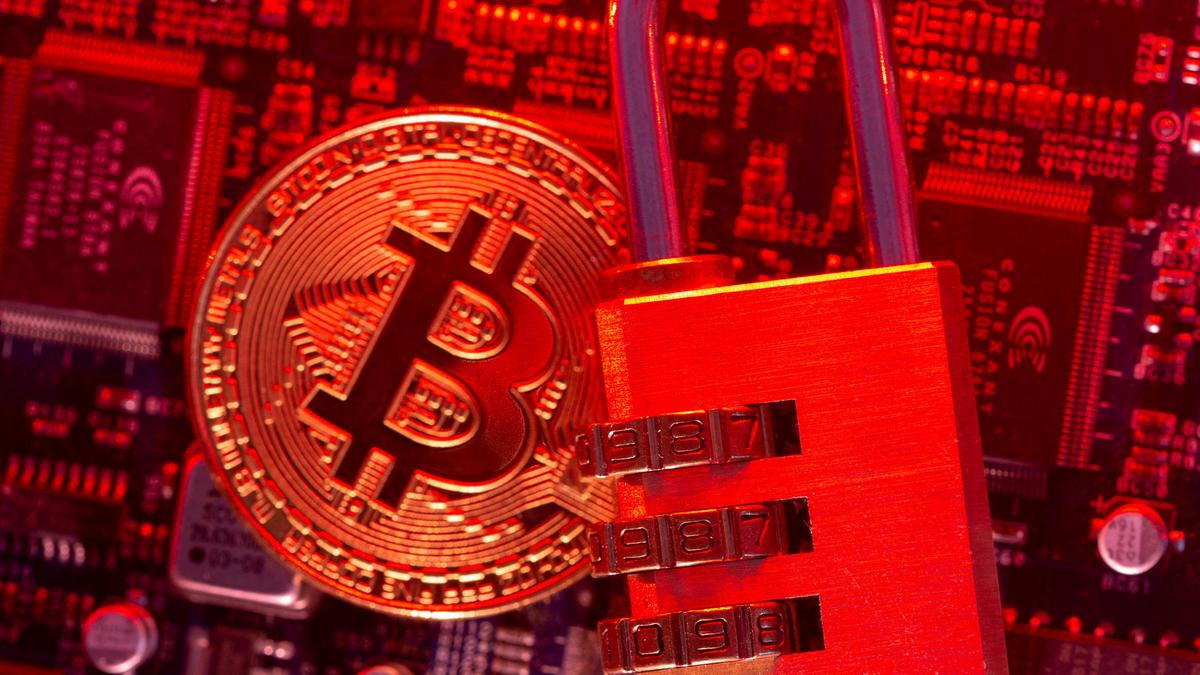
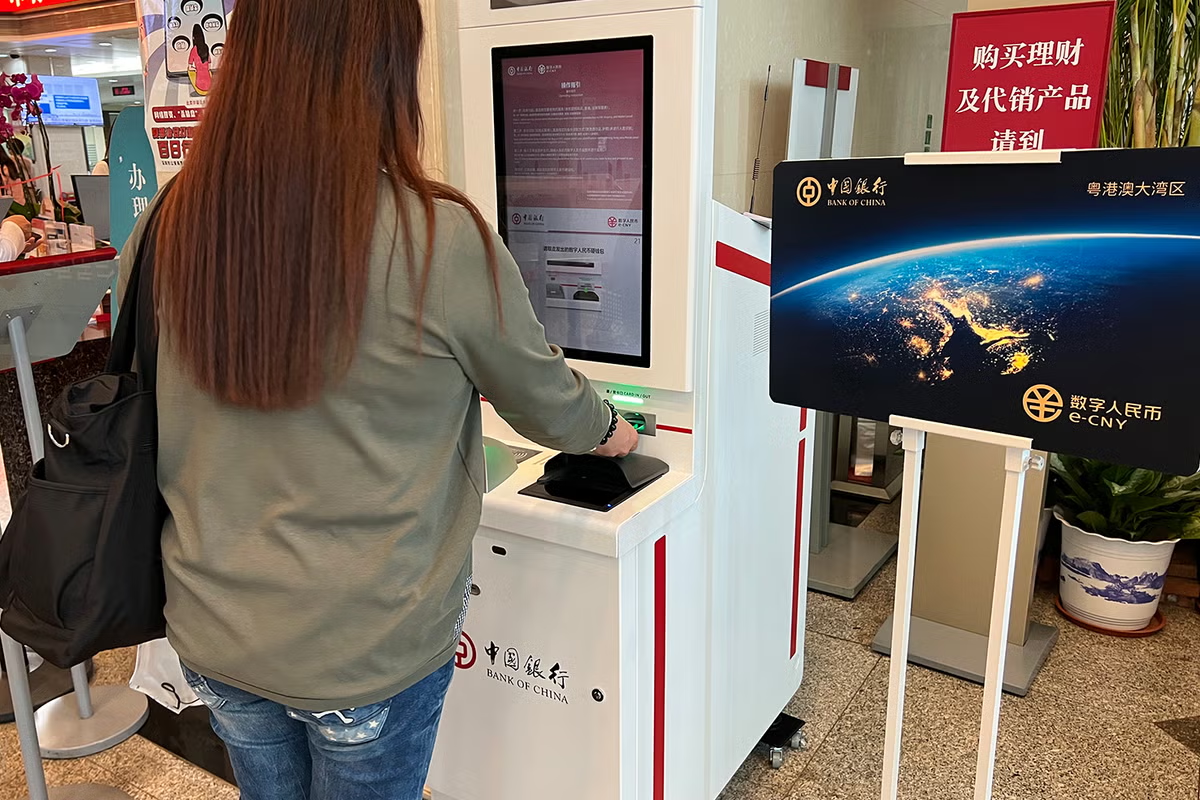
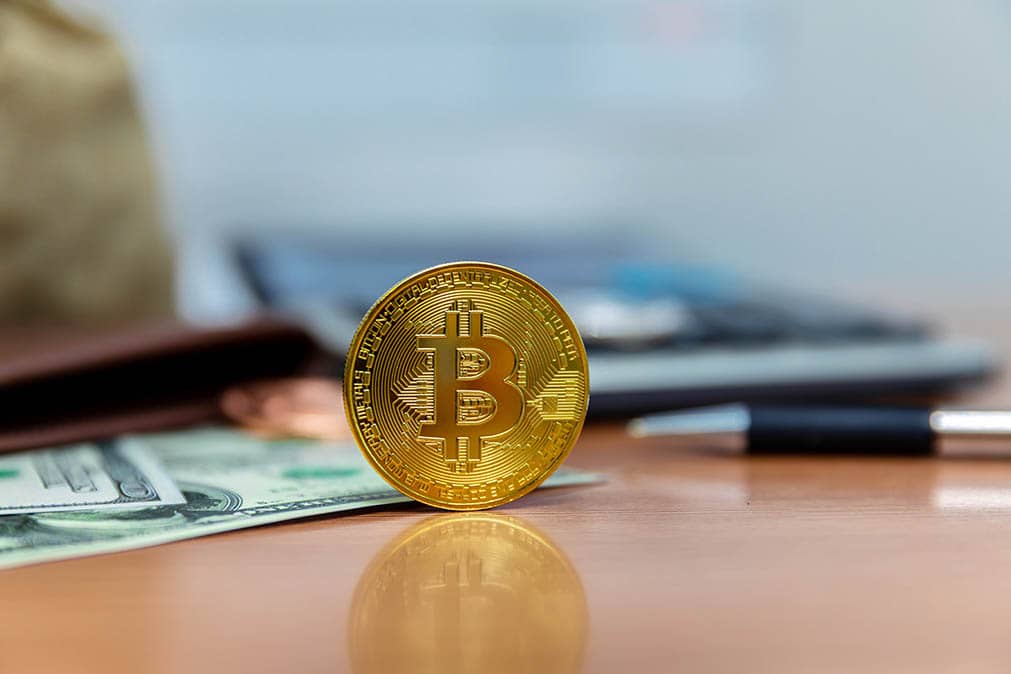
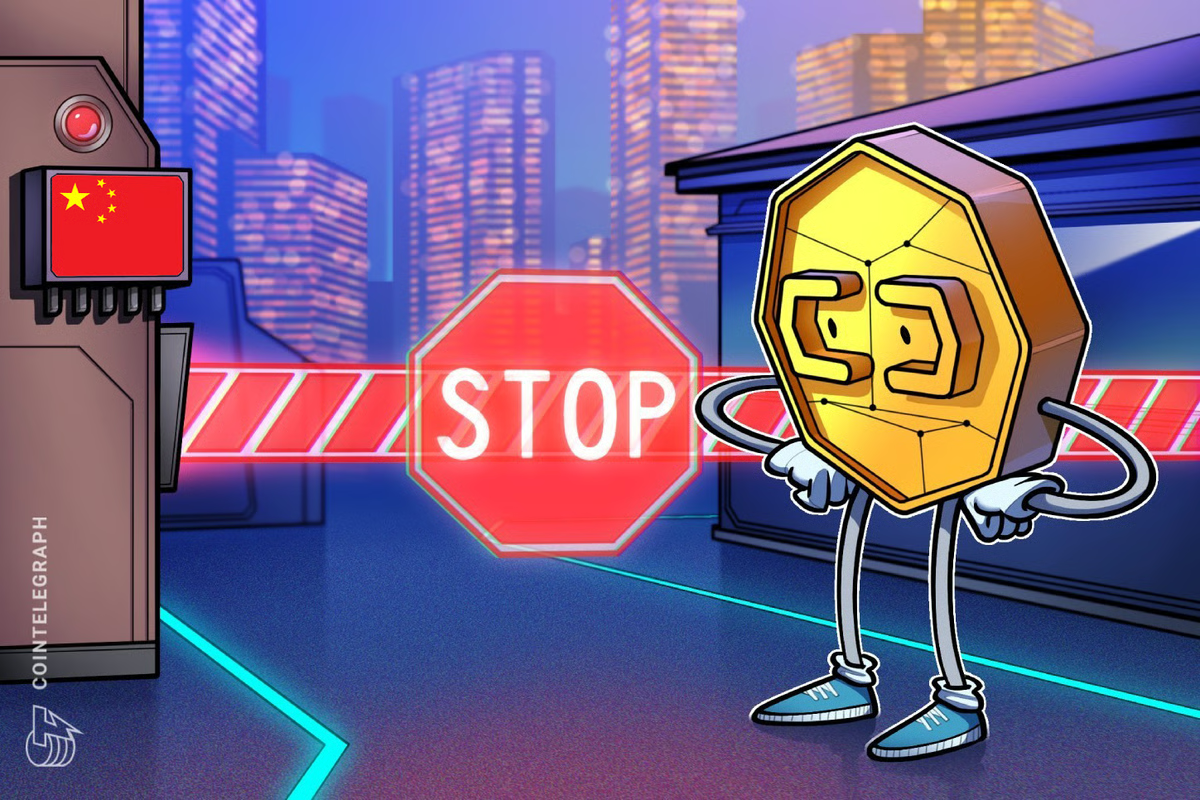
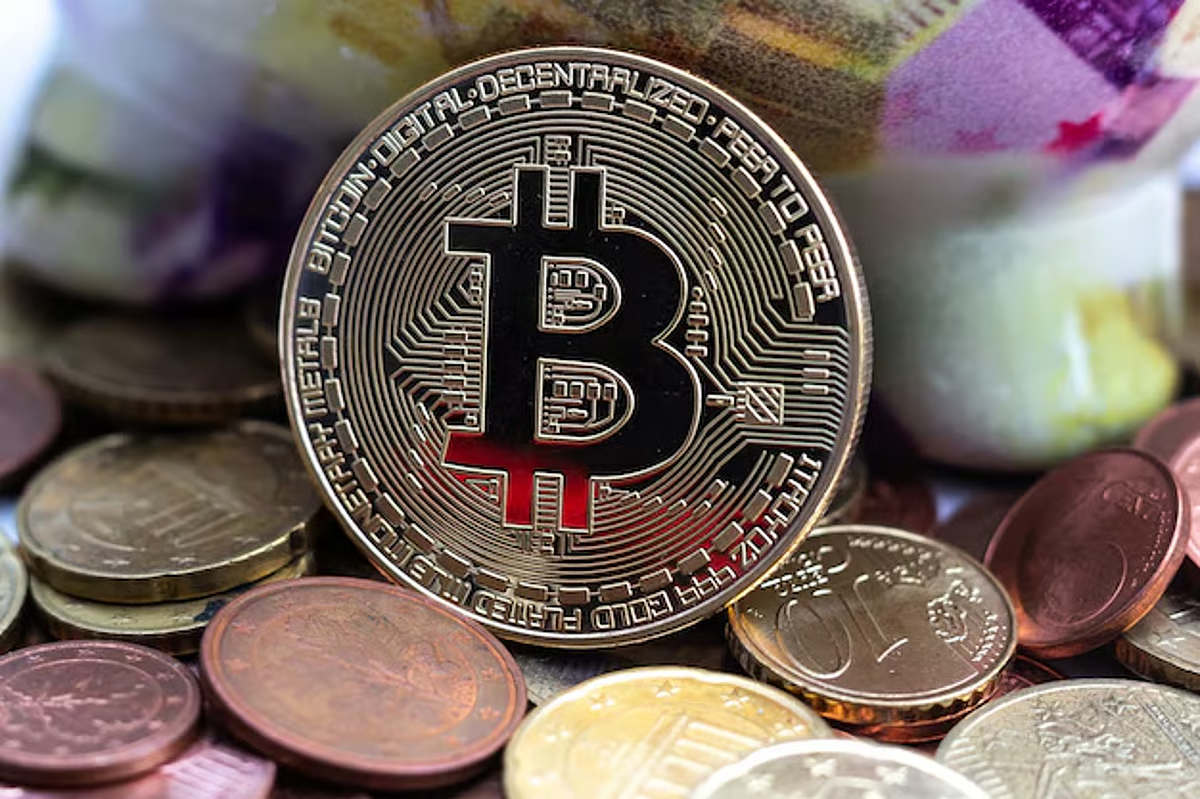
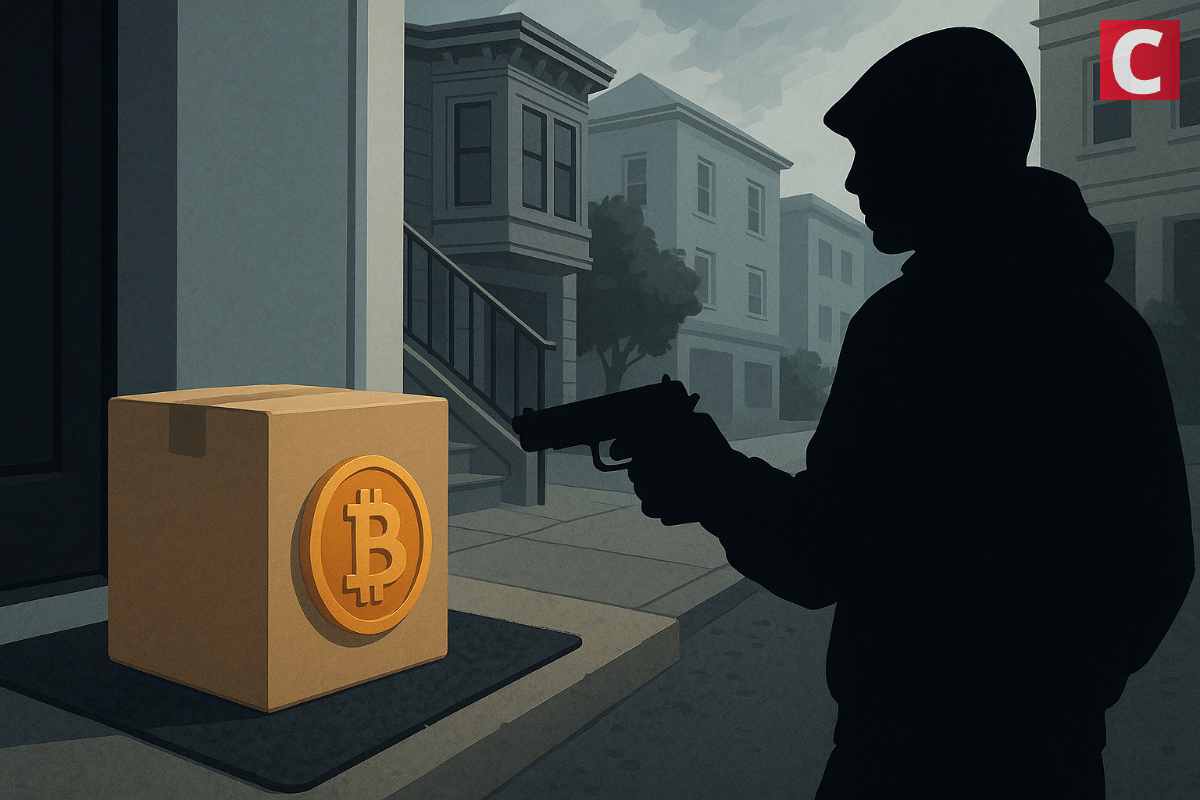
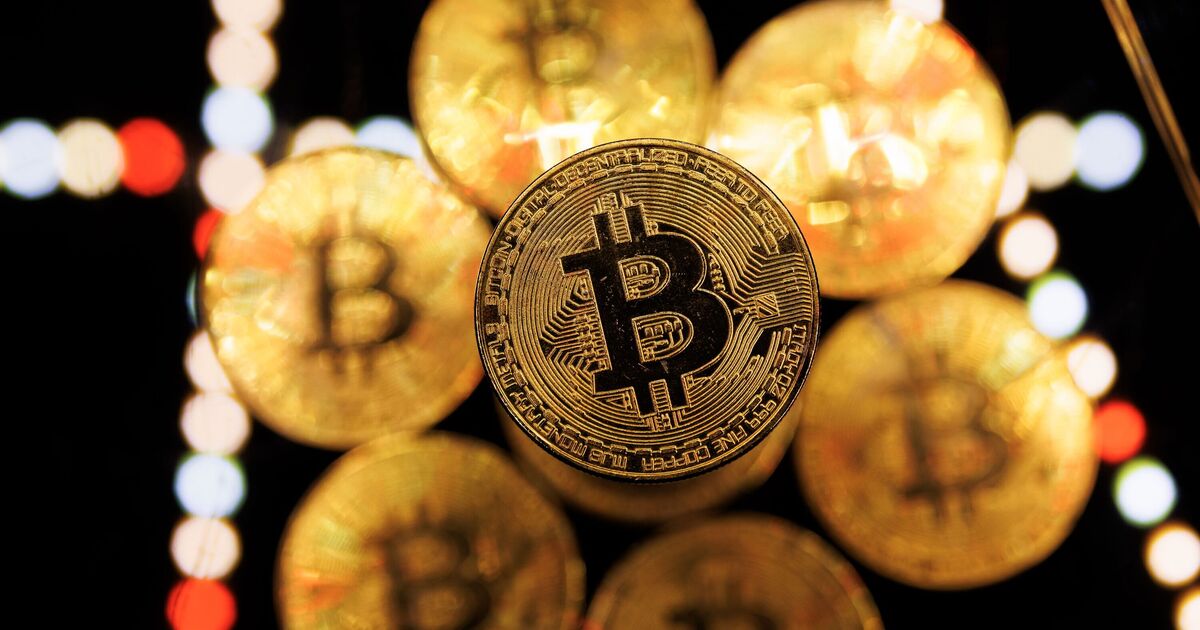
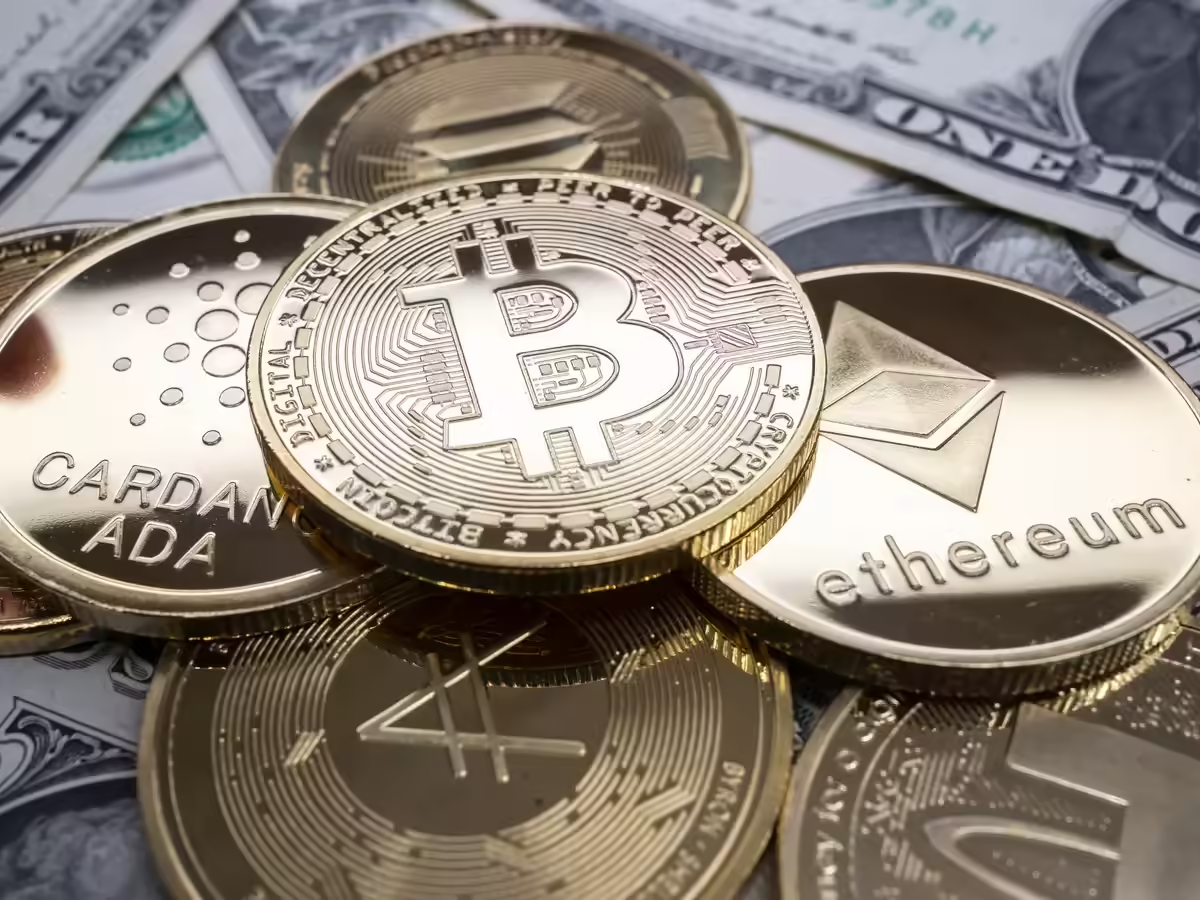
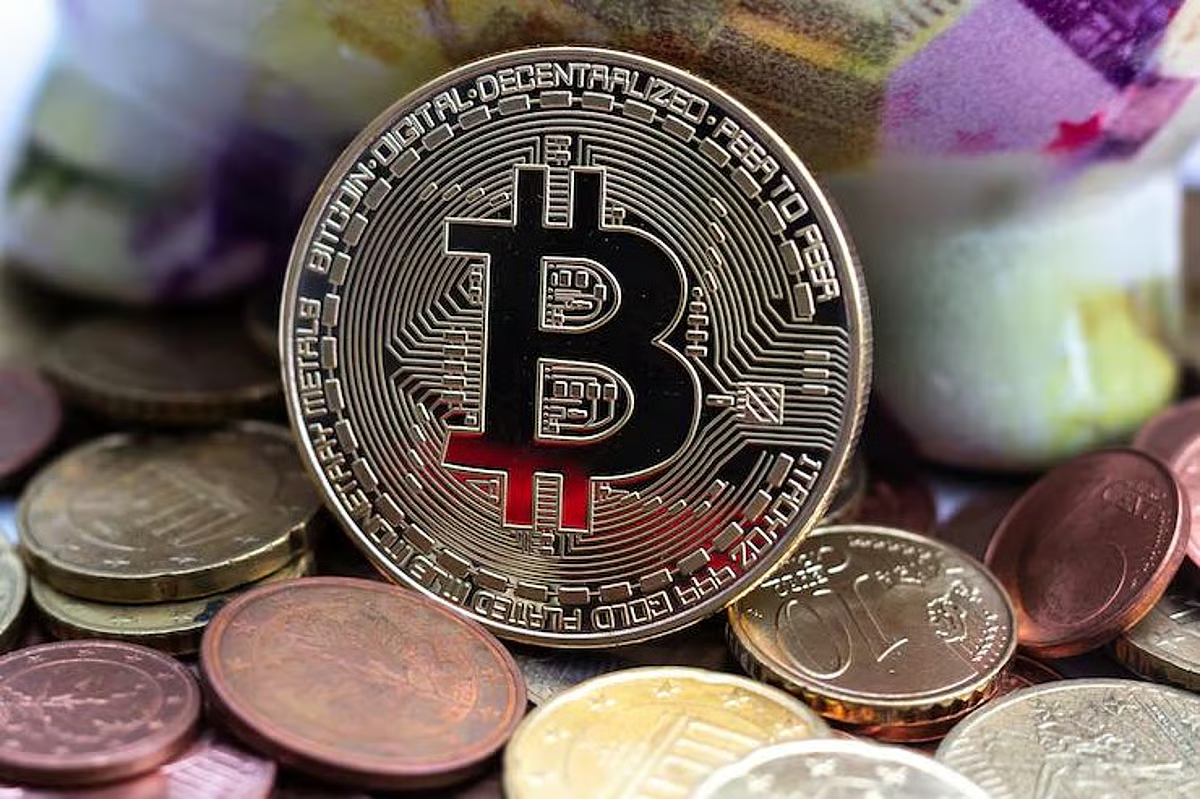
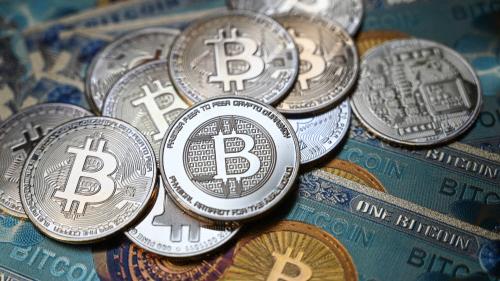
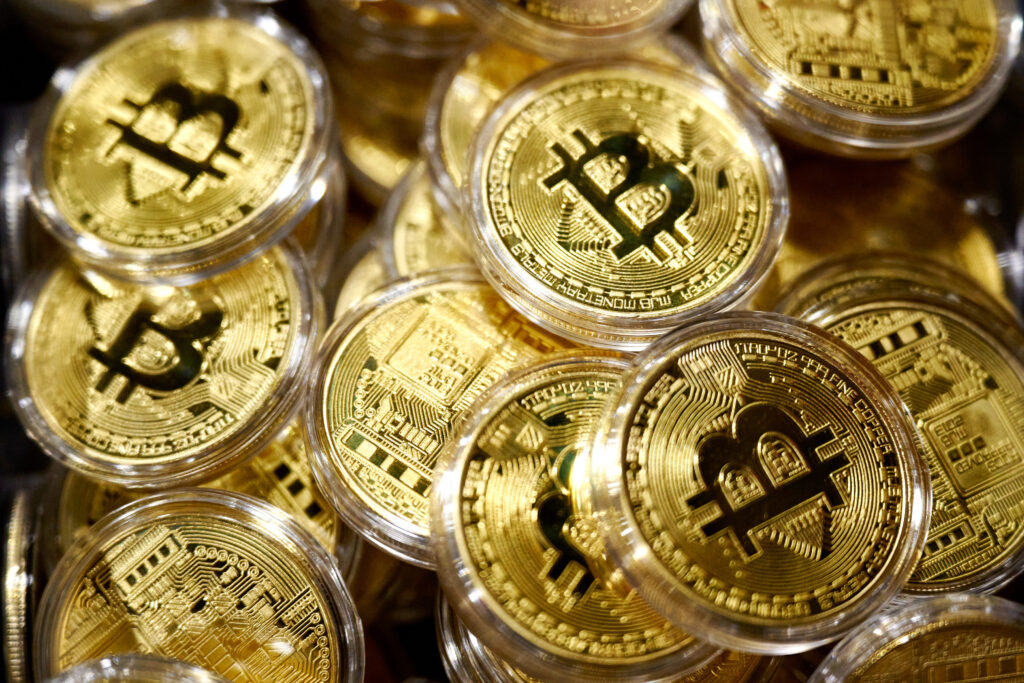
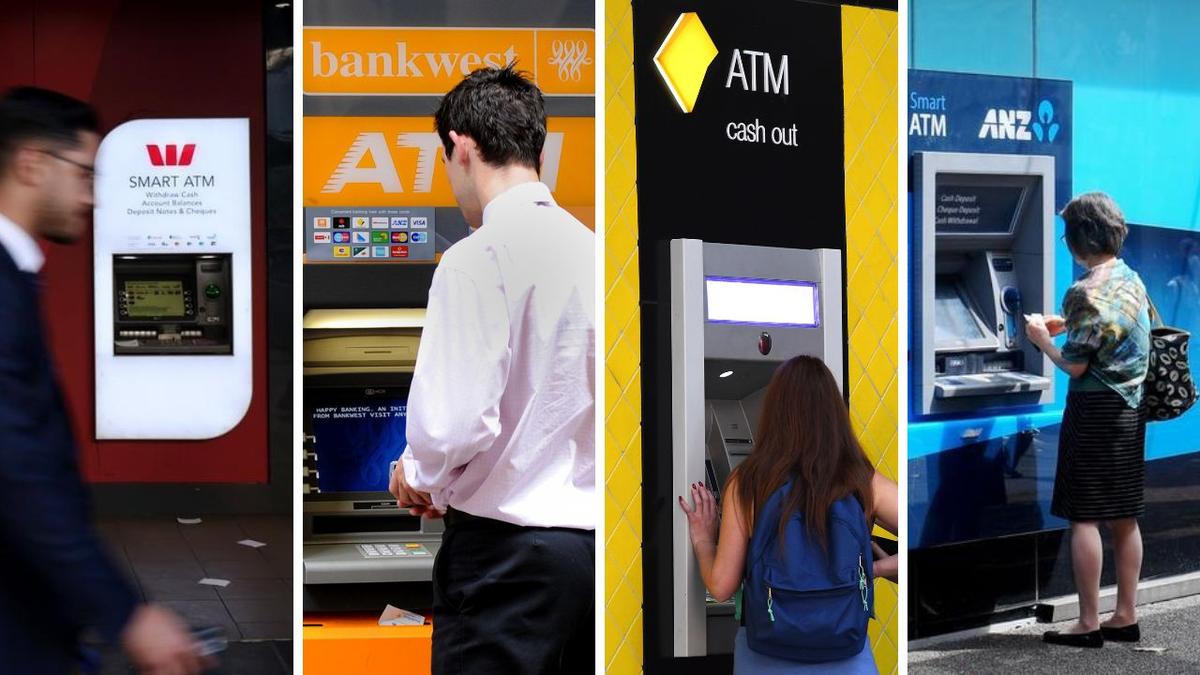
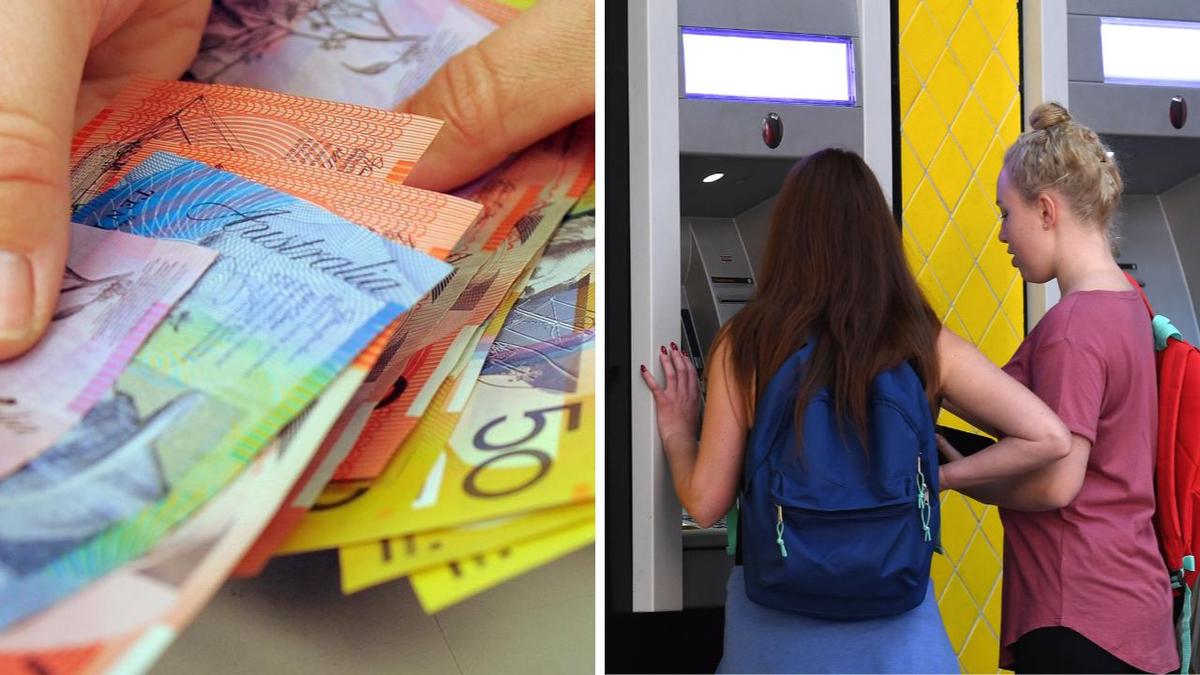
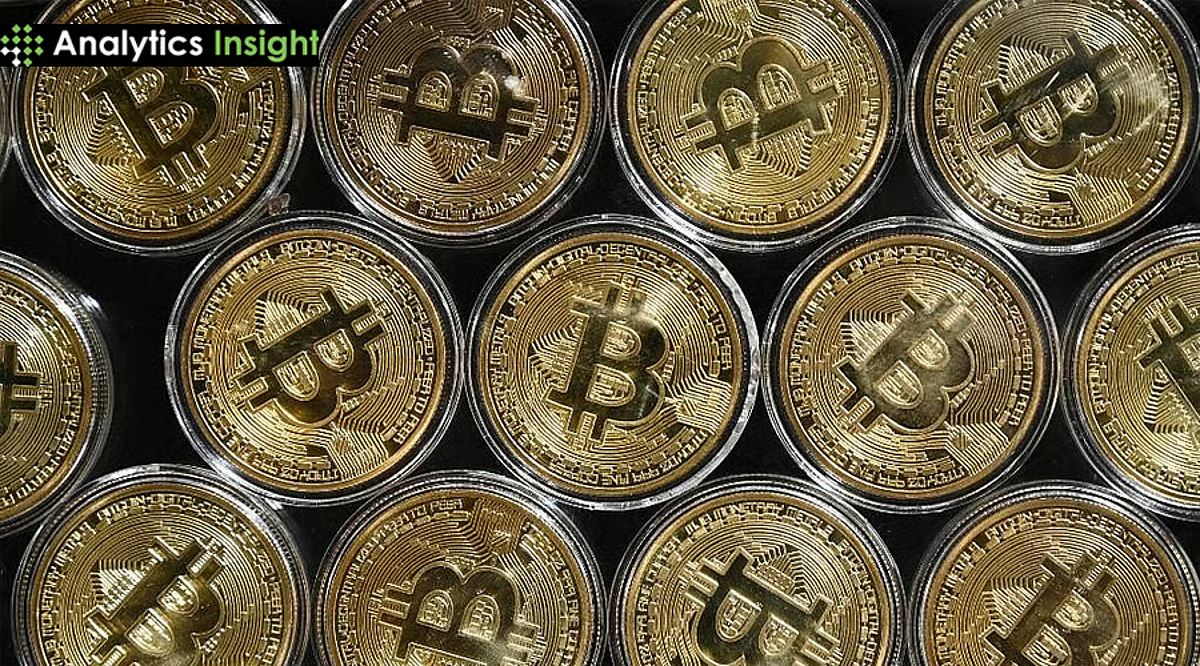
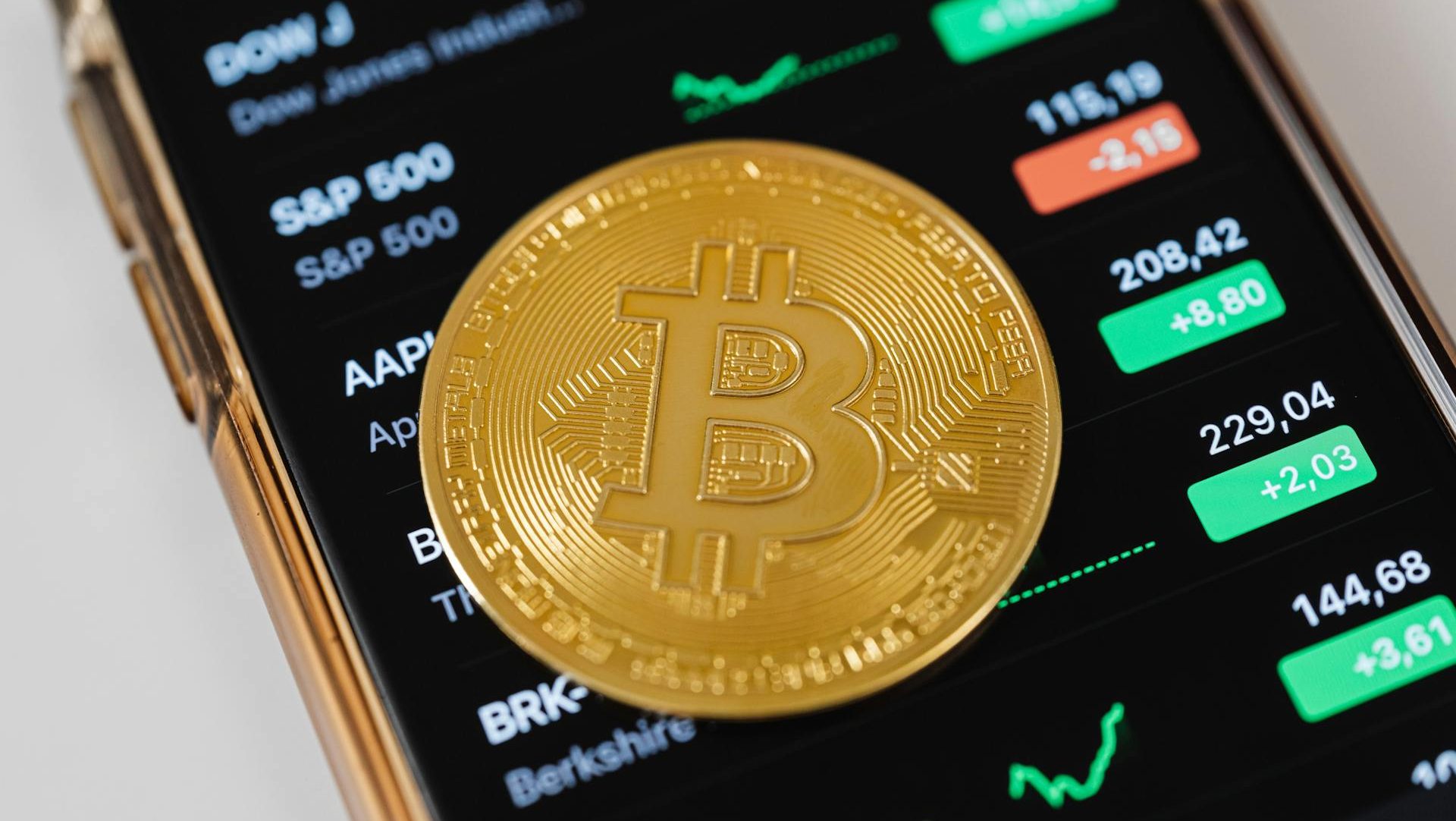
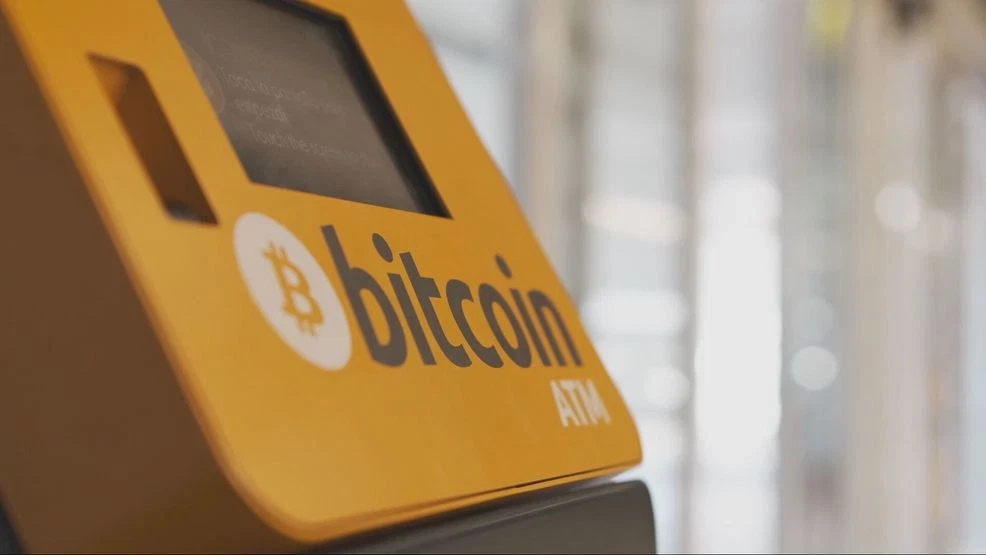
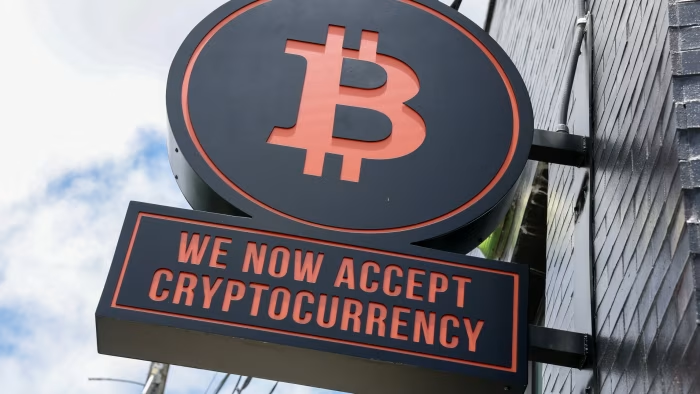
The Office of Attorney General is urging businesses with cryptocurrency kiosks, also called Bitcoin ATMs, to prominently display signs reminding consumers to stop before following instructions from unexpected callers, scanning QR codes or sending money under pressure.
The office’s Bureau of Consumer Protection received about 290 cryptocurrency-related scam complaints last year. Investment and romance scams were the most common, while others involved threats and scare tactics.

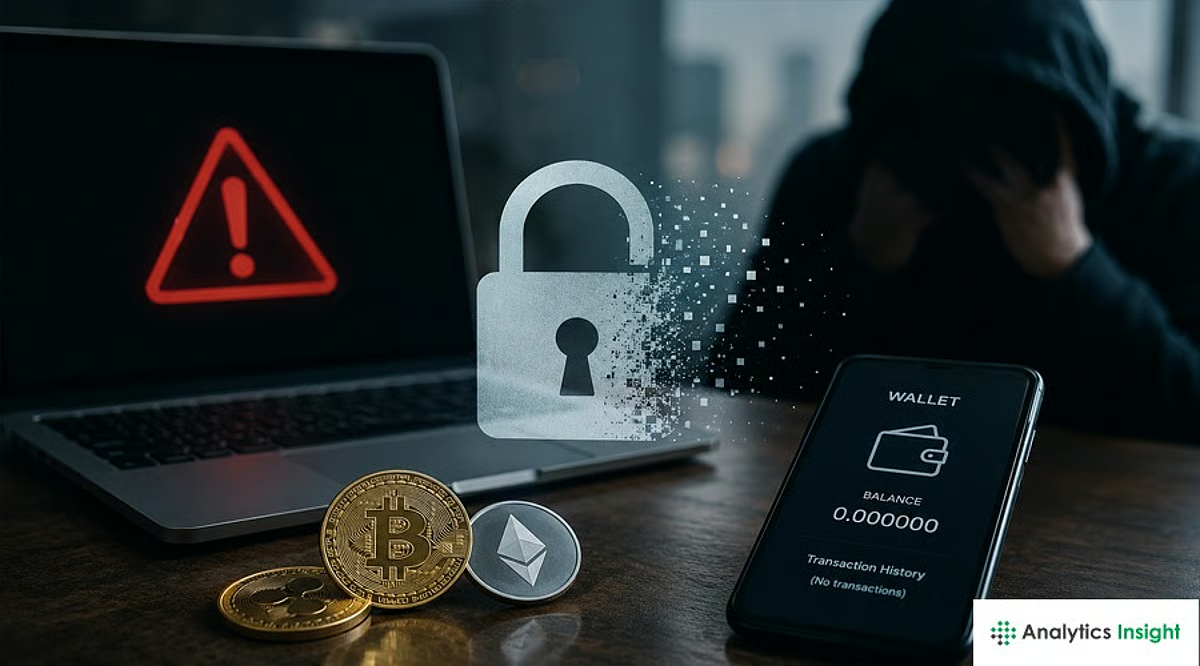
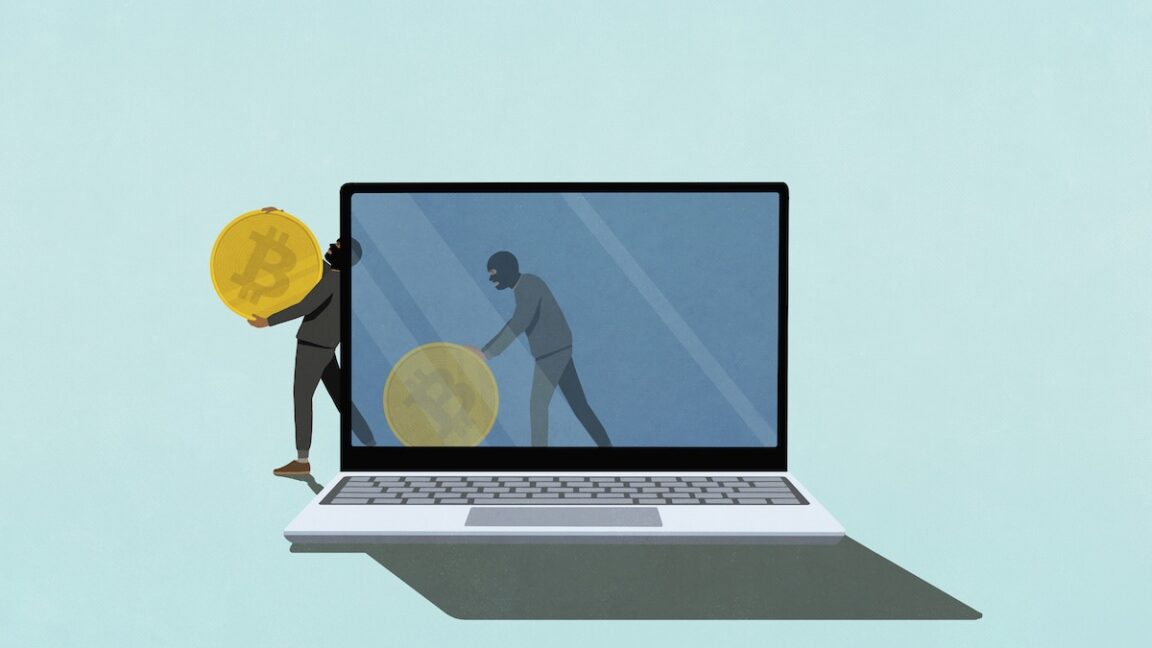
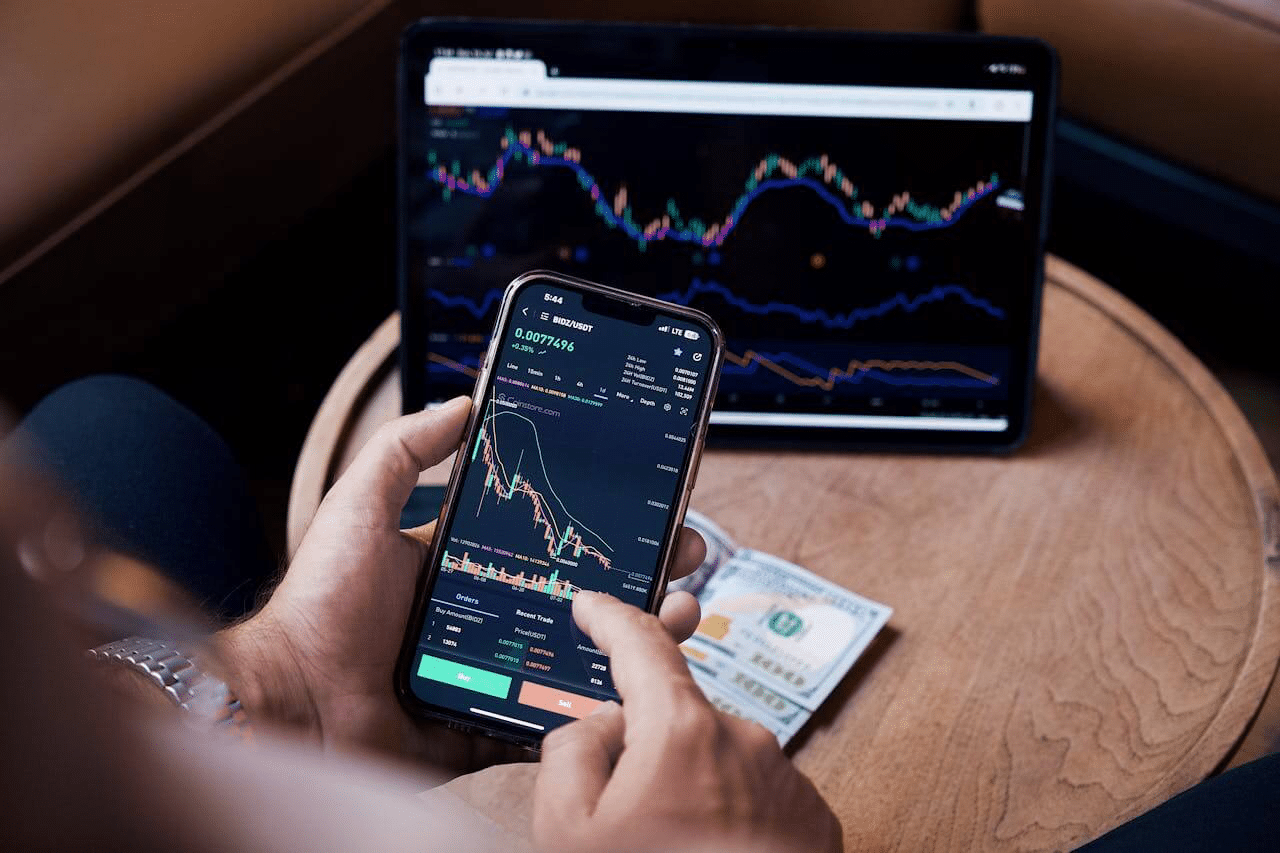
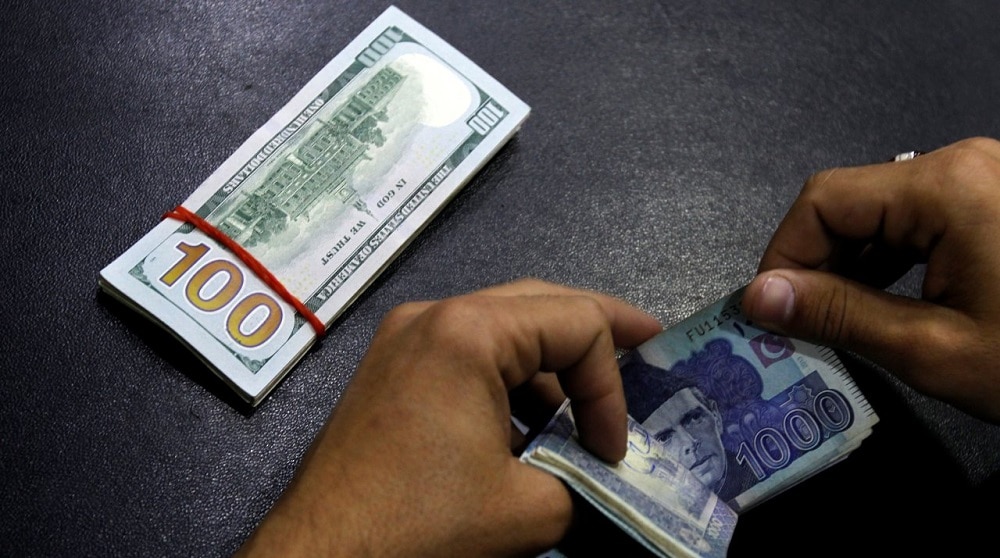
Scammers direct victims to convert cash into cryptocurrency at kiosks and send it to wallets controlled by the scammers. The speed of these transactions and difficulty tracing them can make recovering money challenging.
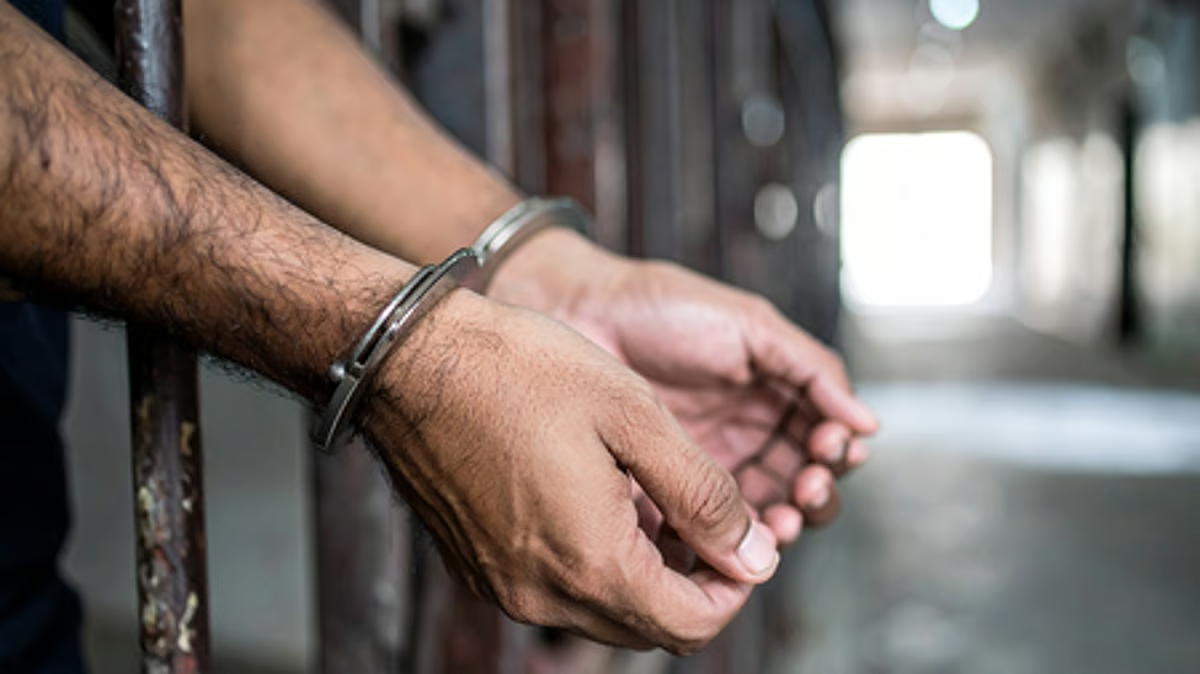
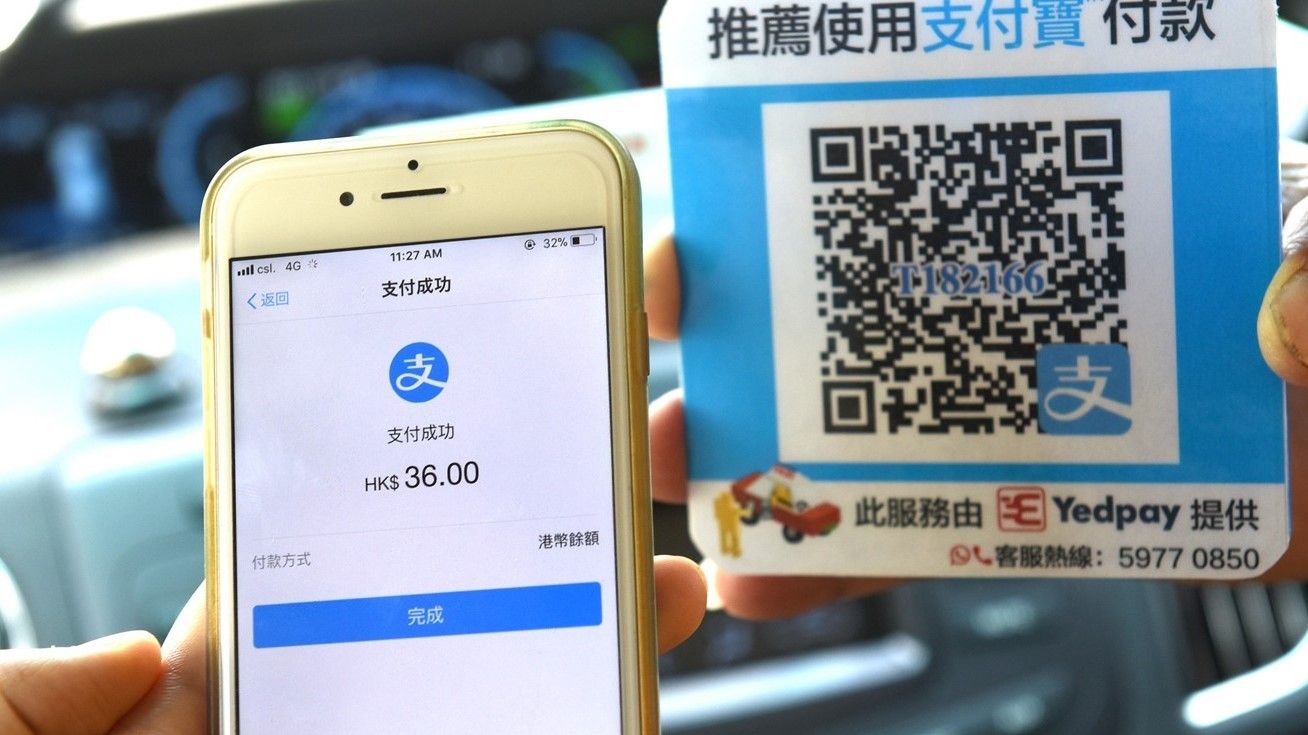
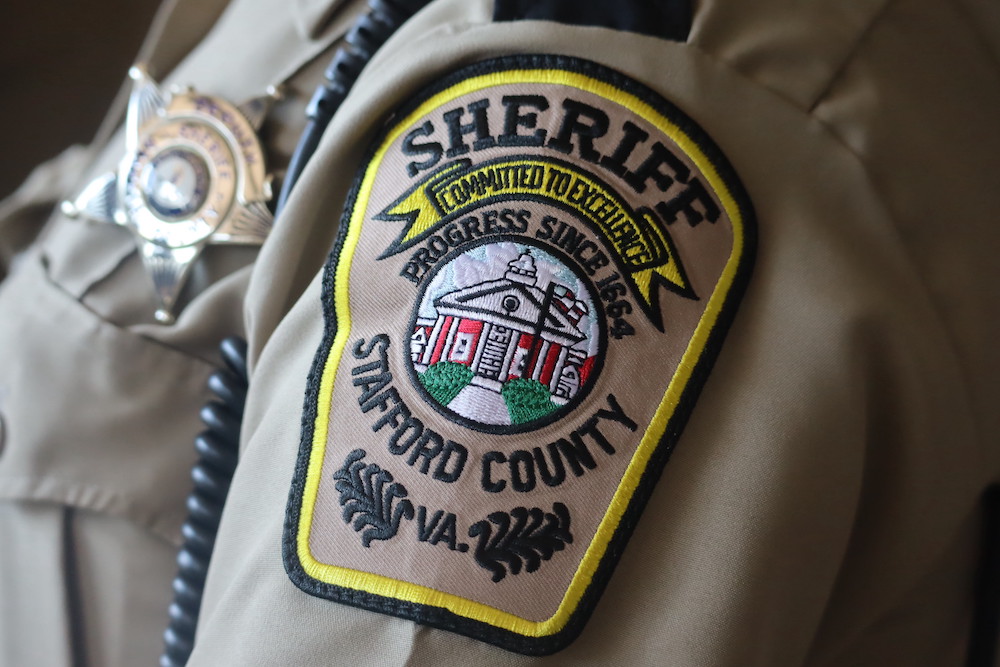
The bureau has seen an increase this year in government impersonation scams involving callers posing as county sheriff’s office representatives. Callers threaten arrest and demand deposits at Bitcoin ATMs using QR codes they provide.
No legitimate law enforcement agency or court will direct someone to a cryptocurrency kiosk to pay a fine, resolve a warrant or avoid arrest, according to the attorney general’s office.

In one reported case, a Pennsylvanian received a fraudulent call appearing to come from a local police department about an outstanding warrant. The victim purchased and sent $4,000 in cryptocurrency. The attorney general’s office recovered some of the money.
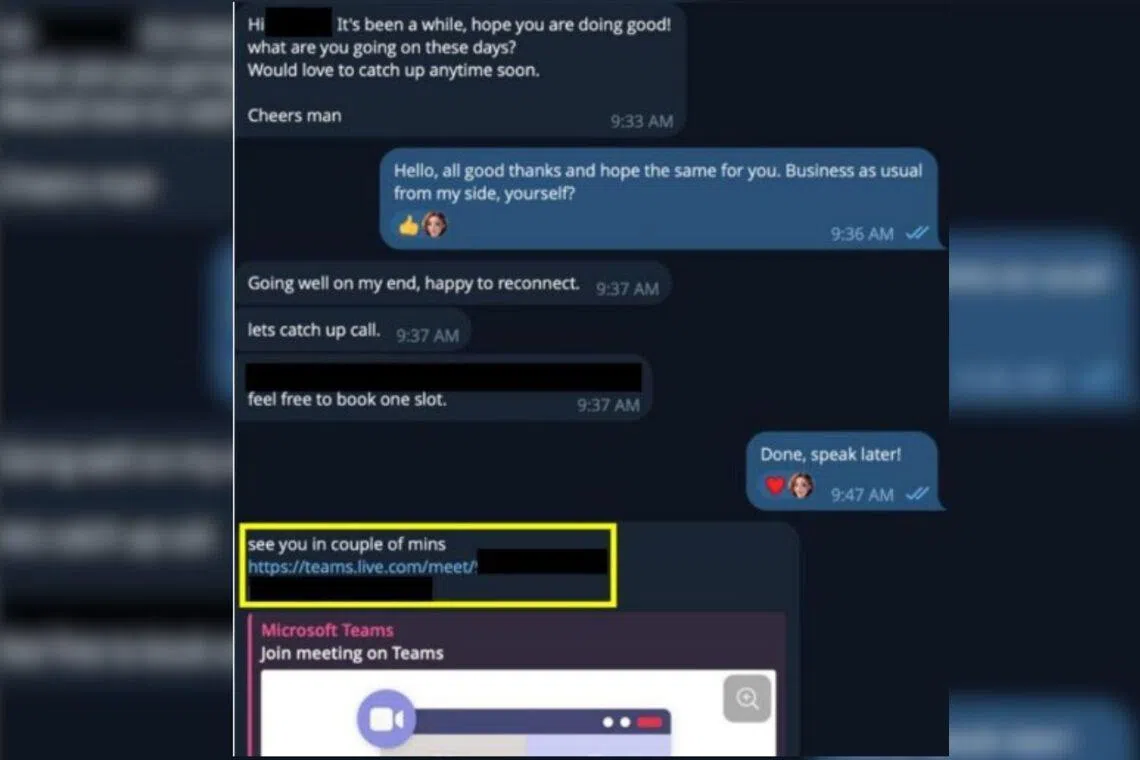
In another case, a consumer reported sending $81,000 through wire transfers for supposed cryptocurrency investments after developing a romantic relationship with someone on WhatsApp. The consumer recognized the scam after being told additional payments were required to withdraw the money.
The attorney general’s office advises consumers to independently verify unexpected calls using official contact information, avoid investment pressure from people they have never met and watch for guaranteed profits or demands for additional payments. Consumers should also use two-factor authentication and never share passwords, private keys or wallet recovery phrases.
Anyone who suspects a scam should stop sending money and preserve messages, receipts, wallet addresses and QR codes.
Reports can be submitted to the Bureau of Consumer Protection at www.attorneygeneral.gov, by email at scams@attorneygeneral.gov or by calling 1-800-441-2555.