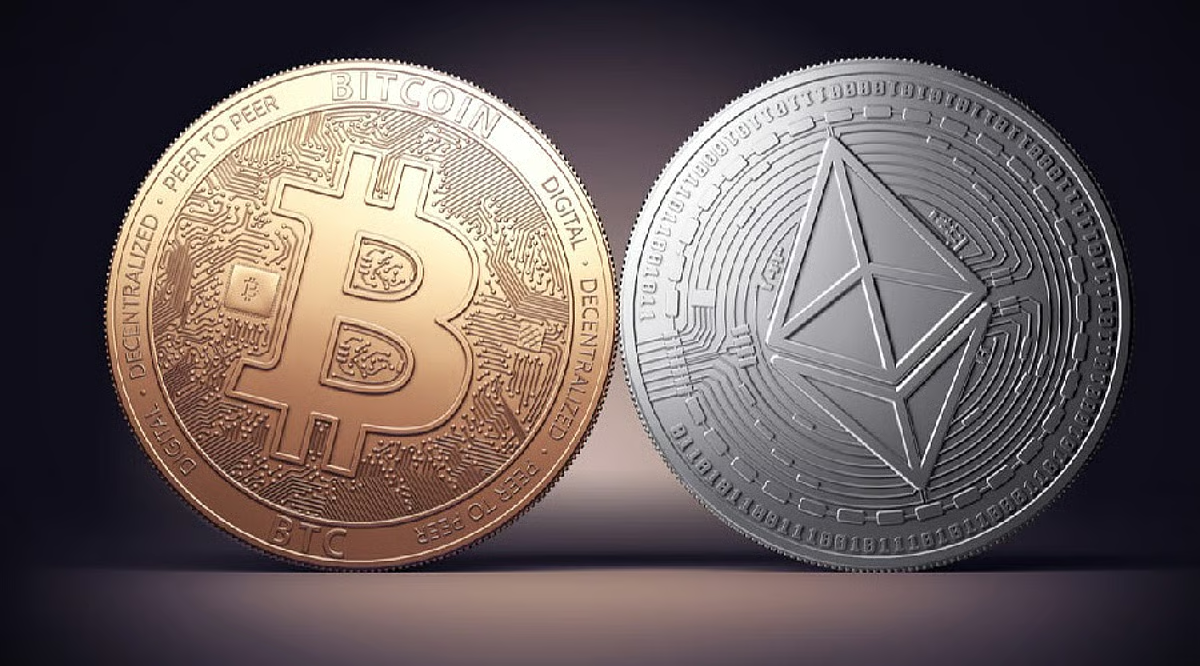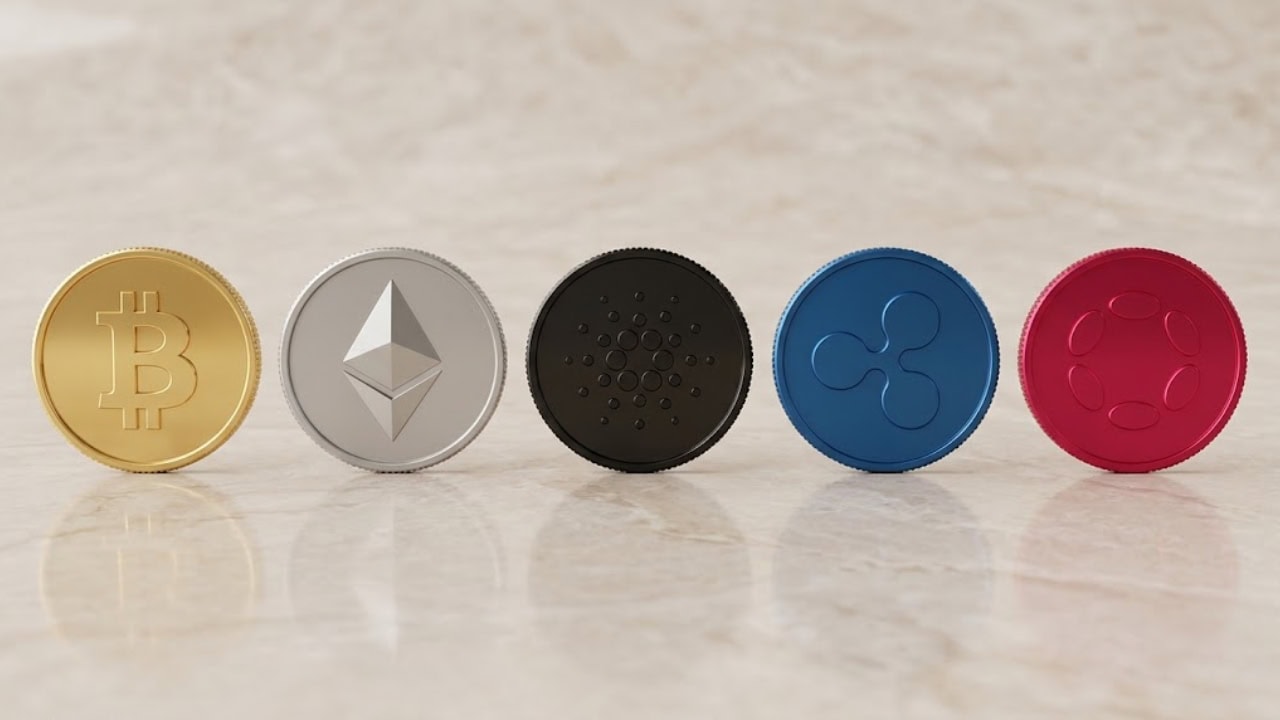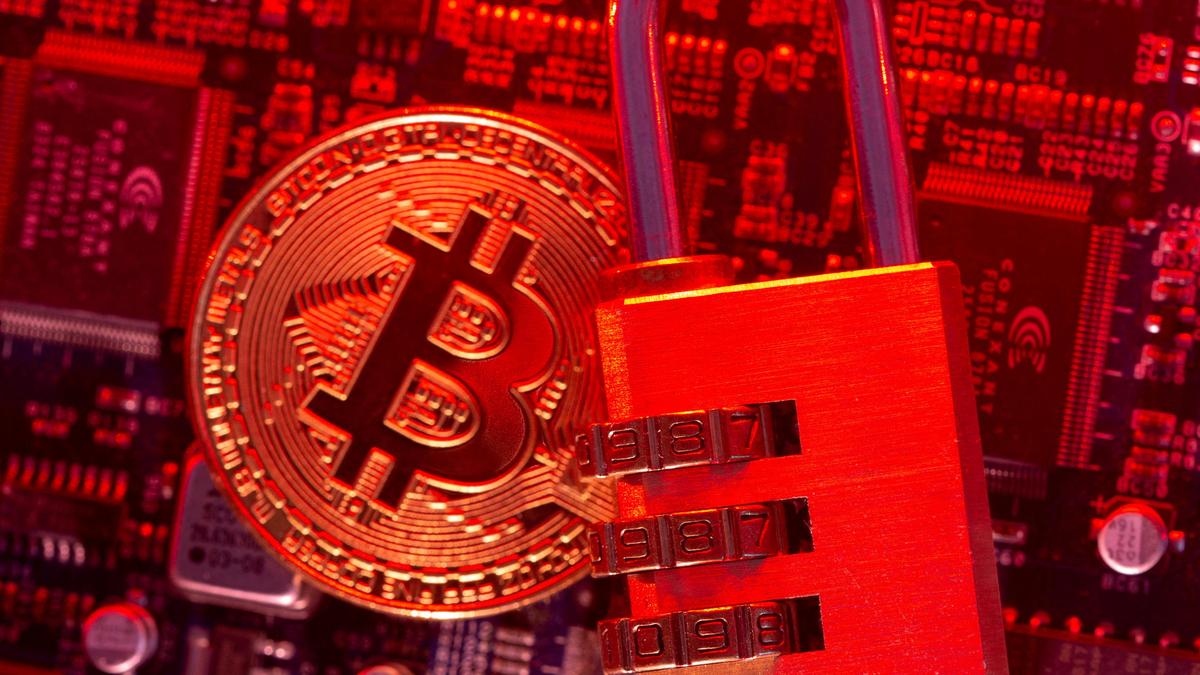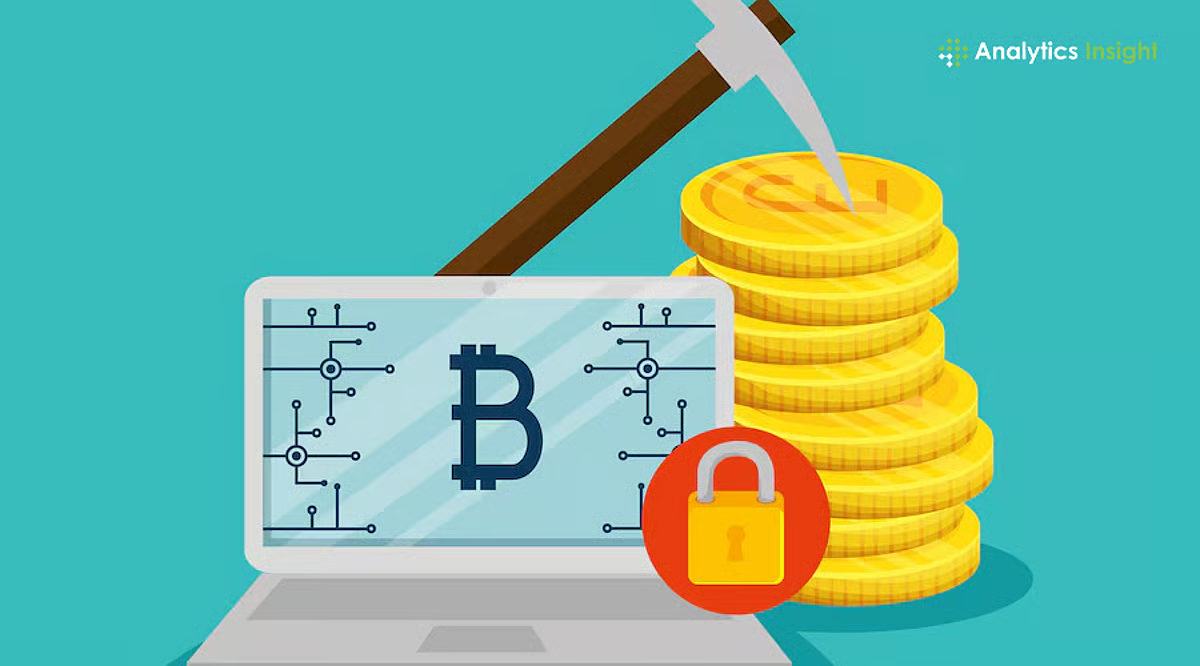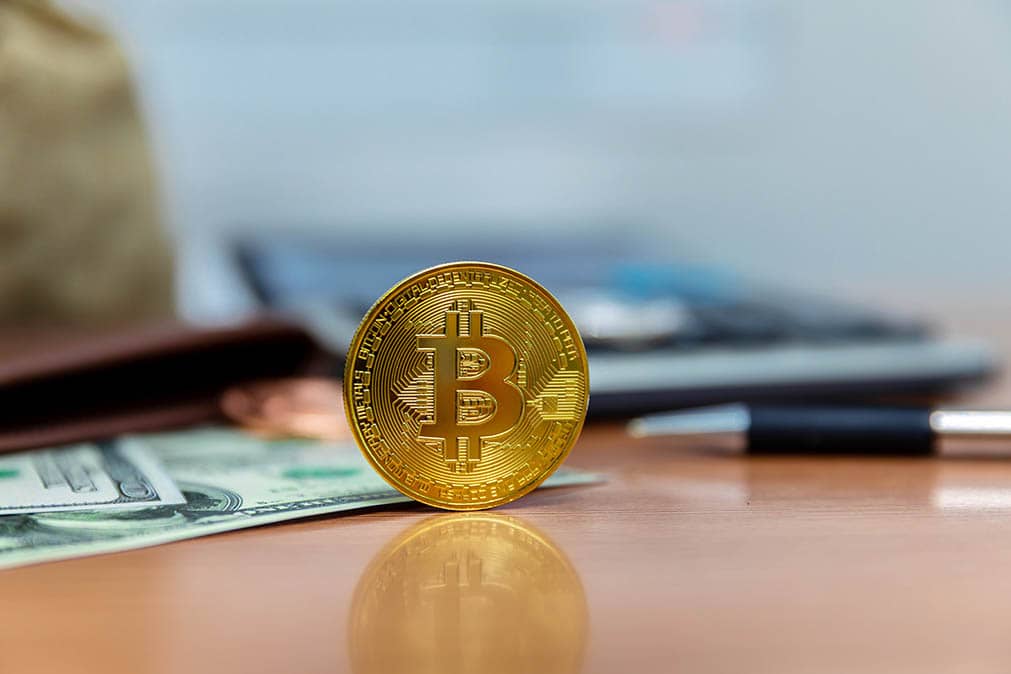
The rise in the adoption of cryptocurrencies has resulted in increased importance placed on securing digital assets again theft, hacking, and frauds occurring over the internet. Even though purchasing cryptocurrencies such as Bitcoin and Ethereum use to be very challenging; these digital currencies have become quite easy to purchase, but storing them in a safe manner is one of the greatest challenges facing investors. Most new entrants to this market will leave their assets on a cryptocurrency exchange or may store them in a software wallet connected to the internet without being aware of the associated risks involved in storing their digital currency in this manner. A hardware wallet is the next logical step for the long-term or short-term crypto enthusiast seeking to protect their digital assets as it is the safest manner in which to store cryptocurrency since all of your private keys are stored offline making it virtually impossible for a cyber-attack to exploit them. Having an understanding of hardware wallets and how they operate as a method of protecting your digital assets will benefit both long- and short-term cryptocurrency investors alike by helping them reduce their overall risk of loss due to theft or hacking.
What Is a Hardware Wallet?
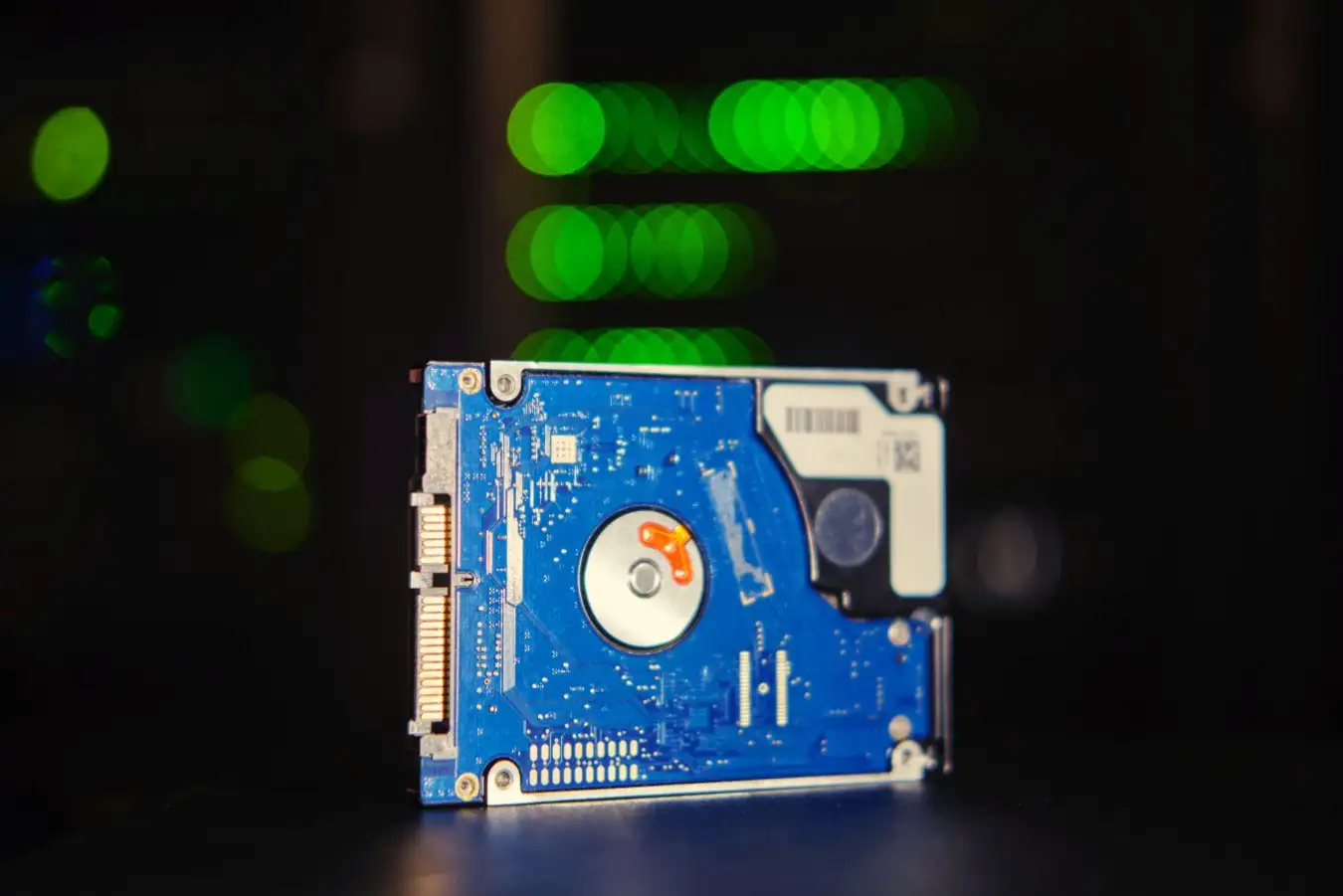
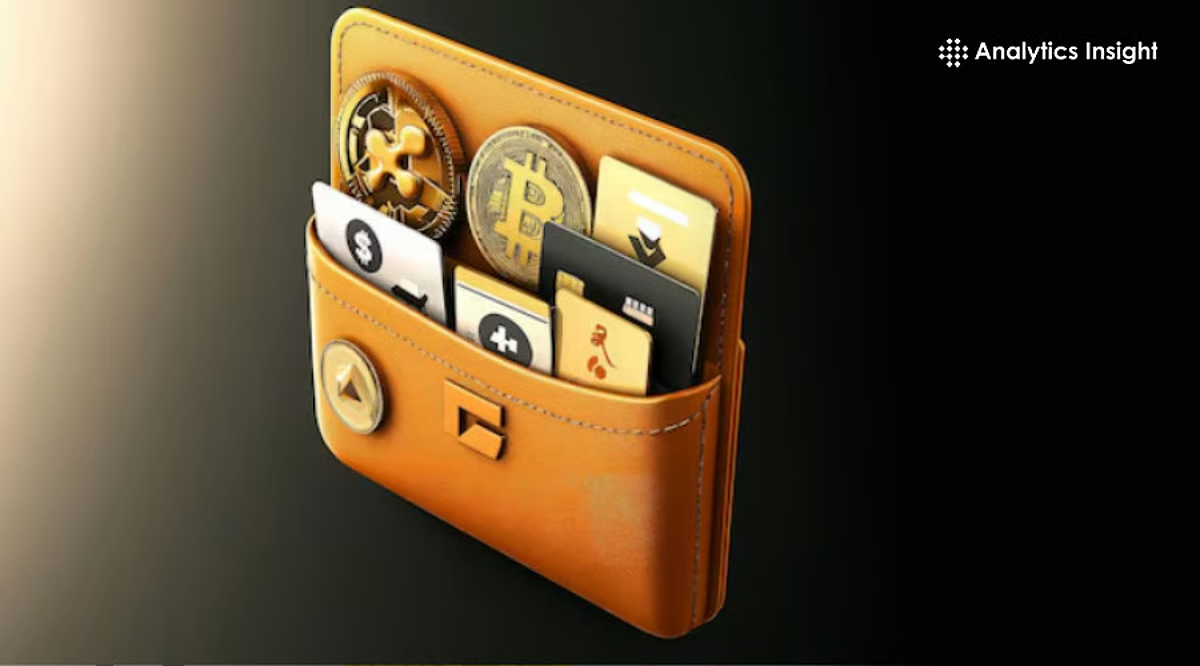
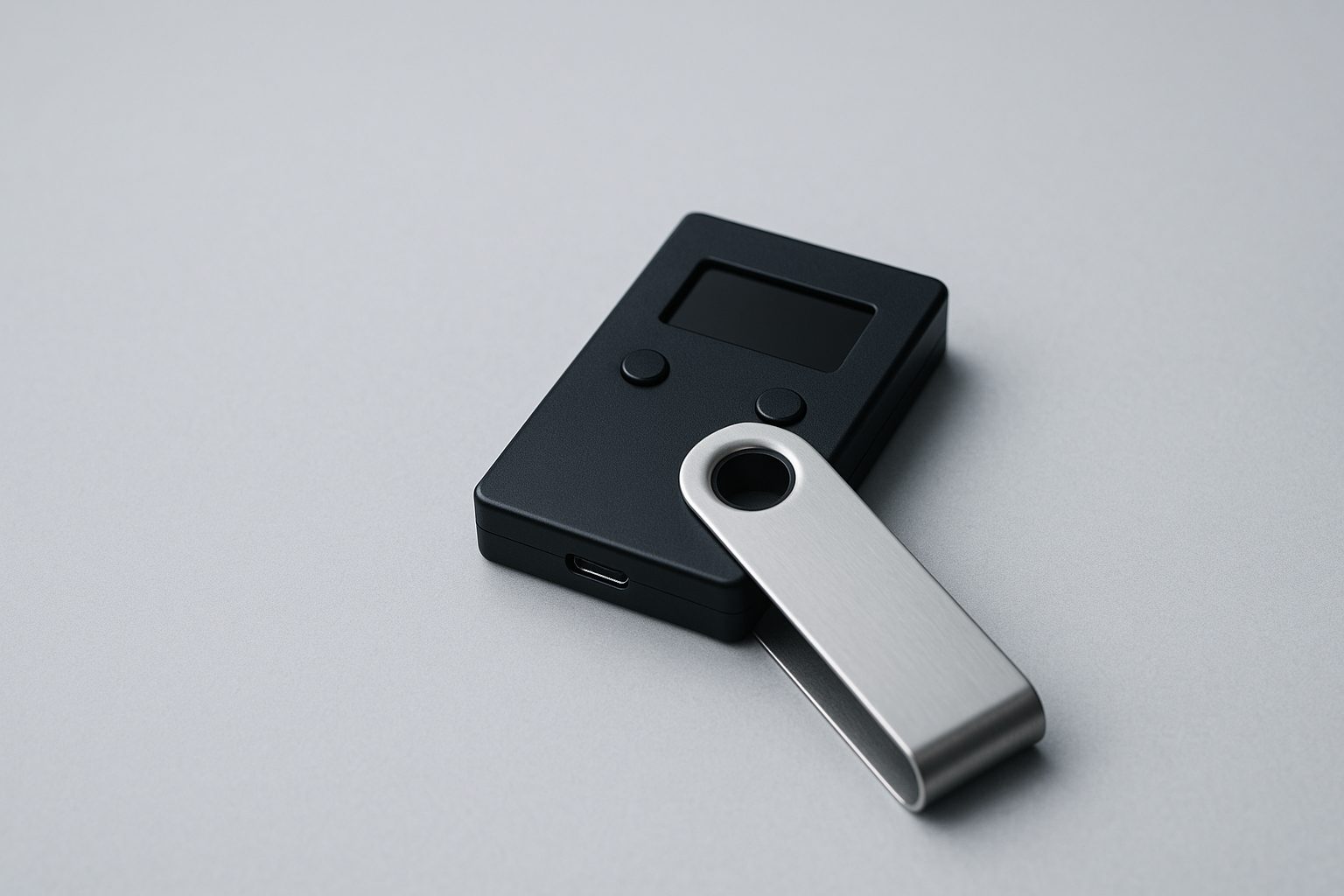
A hardware wallet is a tangible electronic device intended to securely store private keys which give consumers access to their cryptocurrency. This type of wallet is different from a software wallet hosted on a computer or phone because it will provide a method of safely storing private information away from the internet (as opposed to an online method of storage, ie. a software wallet). The hardware wallet does connect to a computer or mobile device when you want to send cryptocurrency; however, your private key(s) do not leave your hardware wallet.
Instead of sending your private key(s) to the internet in order to perform transactions (via your computer or mobile device), the hardware wallet will perform the transaction signing internally and send the signed transaction to the blockchain. As such, even if a malware program has infected the computer that is being used to send the cryptocurrency, the private key(s) remain protected. Because of this level of security, hardware wallets are one of the safest ways for cryptocurrency users to store their cryptocurrency.
How Does a Hardware Wallet Work?
A hardware wallet has the main job of making the private keys and keeping them safe. When you set it up for the first time, you will get a recovery seed phrase made up of 12 or 24 random words. This seed phrase is your backup for any cryptocurrency that has been received on your wallet. If you lose, steal, or damage your hardware wallet, you may restore the funds that were in it by using the recovery seed phrase on another compatible device.
Every time you want to send some of your cryptocurrency to someone, the details of your transaction will be sent to your hardware wallet. The hardware wallet then verifies the transaction and asks you to confirm it by pressing the buttons or using the touchscreen. Once you press the button to approve the transaction, the hardware wallet uses the private key, which is still safely held on the hardware wallet, to sign the transaction and sends only the signed transaction back to the computer or smartphone it is connected to. At no point will the private key be visible on the internet; therefore, this will provide an added level of security.
Why Hardware Wallets Are More Secure
Offline storage of hardware wallet keys is the primary benefit of hardware wallets. Since most hackers require access to the internet to commit their crimes, the likelihood of you being the victim of a hacker is considerably decreased when keys are stored in an offline environment. If a person’s computer were to become compromisedby viruses and spyware or if their keystrokes were stored by a keylogger, the user’s cryptocurrency would still be safe as long as the user has followed all of the proper wallet security procedures.
Additionally, hardware wallets contain many of the same types of built-in security features as cryptocurrency exchanges do – including a PIN, encrypted storage, instinctive delays between transactions, secure chips, and verification of transactions on the screen. Some devices erase all of their data after a predetermined number of incorrect PIN attempts, making it even harder for someone to gain access to your wallet. Overall, these multiple layers of security make hardware wallets far more secure than keeping your cryptocurrency on an exchange or using an internet-based software wallet.
Advantages of Using a Hardware Wallet
The most significant advantage of using a hardware wallet is that it gives you total control of your cryptocurrencies. When you use an exchange, a third party holds your assets for you, while with a hardware wallet you keep possession of your private keys.
The second biggest advantage of using a hardware wallet is that they are usually compatible with many different cryptocurrencies. Most modern-day hardware wallets will support thousands of different cryptocurrencies and tokens that exist on multiple blockchains, meaning they are perfect for an investor who has a wide variety of assets in multiple types of tokens. In addition, hardware wallets are portable, simple to use, and designed for long term storage, making them perfect for individuals looking to invest in digital currencies for years.
Potential Drawbacks
Despite their strong level of security, hardware wallets do have some caveats to consider when determining which type of digital wallet is right for you. Unlike software wallets which are typically free, hardware wallets must be purchased upfront. The cost for high-quality devices can range from $50 — $200 depending on the quality of the device and may seem to be an expensive option for new investors with smaller amounts of cryptocurrency.
Another thing to take into consideration is your responsibility to physically secure the recovery seed phrase. If both your hardware wallet and recovery phrase are lost, you will lose access to any cryptocurrency you may have stored on the hardware wallet since there is no way for you to recover lost funds from a blockchain without centralised authorities to help with customer support or resetting passwords. Therefore, it is important to securely store your recovery phrase and never share it with anyone.
Who Should Use a Hardware Wallet?
Long-term investors who own large amounts of cryptocurrency will find hardware wallets are well-suited for their needs. By using cold storage (hardware wallets), anyone planning to hold digital assets longer than a few months can benefit from the added security of cold storage (hardware wallets).
In addition, hardware wallets are ideal for those concerned about exchange vulnerabilities and/or threats from cyber-criminals. Even if an individual does not have a significant amount of cryptocurrency in his/her portfolio, they often prefer a hardware wallet because the cost of owning the device is minimal, compared to the potential cost of losing many thousands of dollars worth of cryptocurrency. On the other hand, active traders who frequently buy/sell coins may opt for software wallets for convenience purposes, while still holding their longer-term investments in hardware wallets.
Choosing the Right Hardware Wallet
There are many reputable manufacturers that provide hardware wallets with various features and price points. When choosing a hardware wallet, users must consider the amount of crypto currencies supported by the hardware wallet, the types of security methods provided by the hardware wallet, how easy it is to use the hardware wallet, how well the software will work with the hardware wallet, and whether or not there are backup options available for the hardware wallet. To avoid purchasing a hardware wallet that has been tampered with or counterfeited, users are encouraged to only purchase hardware wallets directly from the manufacturer’s official website or through an authorized retailer.
Selecting a hardware wallet that receives frequent firmware upgrades and has a good reputation in the cryptocurrency community is also critical. Having access to a quality support staff and having ongoing improvements in security can provide additional feelings of confidence when storing digital assets that have high value.
Conclusion
The emergence of malware, hacking and thefts online has led to hardware wallets emerging as the leading means of protecting your cryptocurrencies as they offer an secure and highly reliable method of storing your cryptocurrency in a non-internet connected environment by isolating private keys from any device that connects to the internet.
To enhance your storage experience you must be accountable in the initial purchasing as well as how to properly manage or recover your wallet/restore lost wallet. However the level of security and peace-of-mind gained with using a hardware wallet is un-paralleled to most other methods of storage and will ensure the safety of the cryptocurrencies you own while they continue to become a prevalent method of financing worldwide.
Securing your cryptocurrency holdings regardless of how small (one bitcoin) or vast (multiple cryptocurrencies) they may be should be something all serious investors look at doing and it will relieve many of the security related issues associated with all other forms of online cryptocurrency storage. Therefore, if you would like to secure your long-term investments within the cryptocurrency space then your number one option for achieving this goal will be through the use of a hardware wallet.