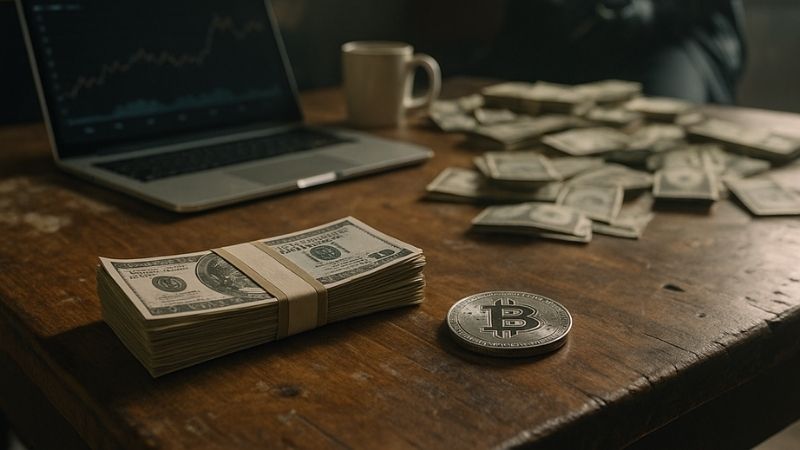

Well, this is quite tough, isn’t it?
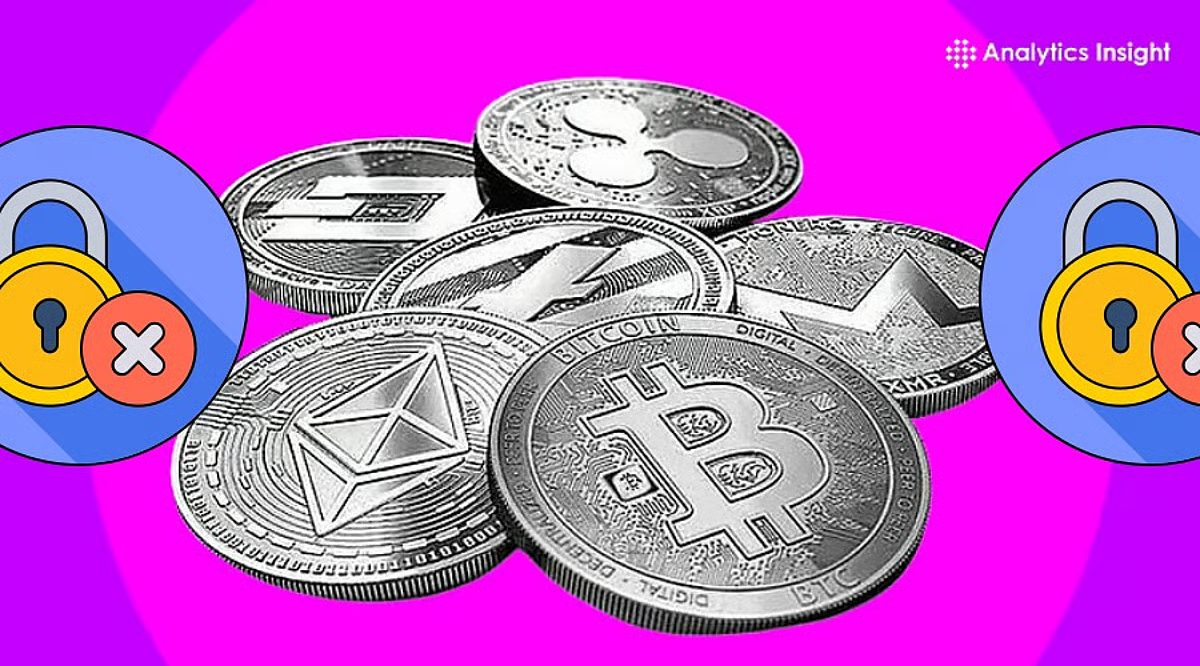
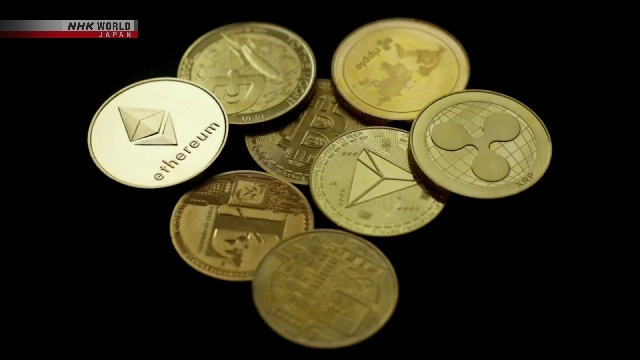
What on earth has happened to cryptocurrency?
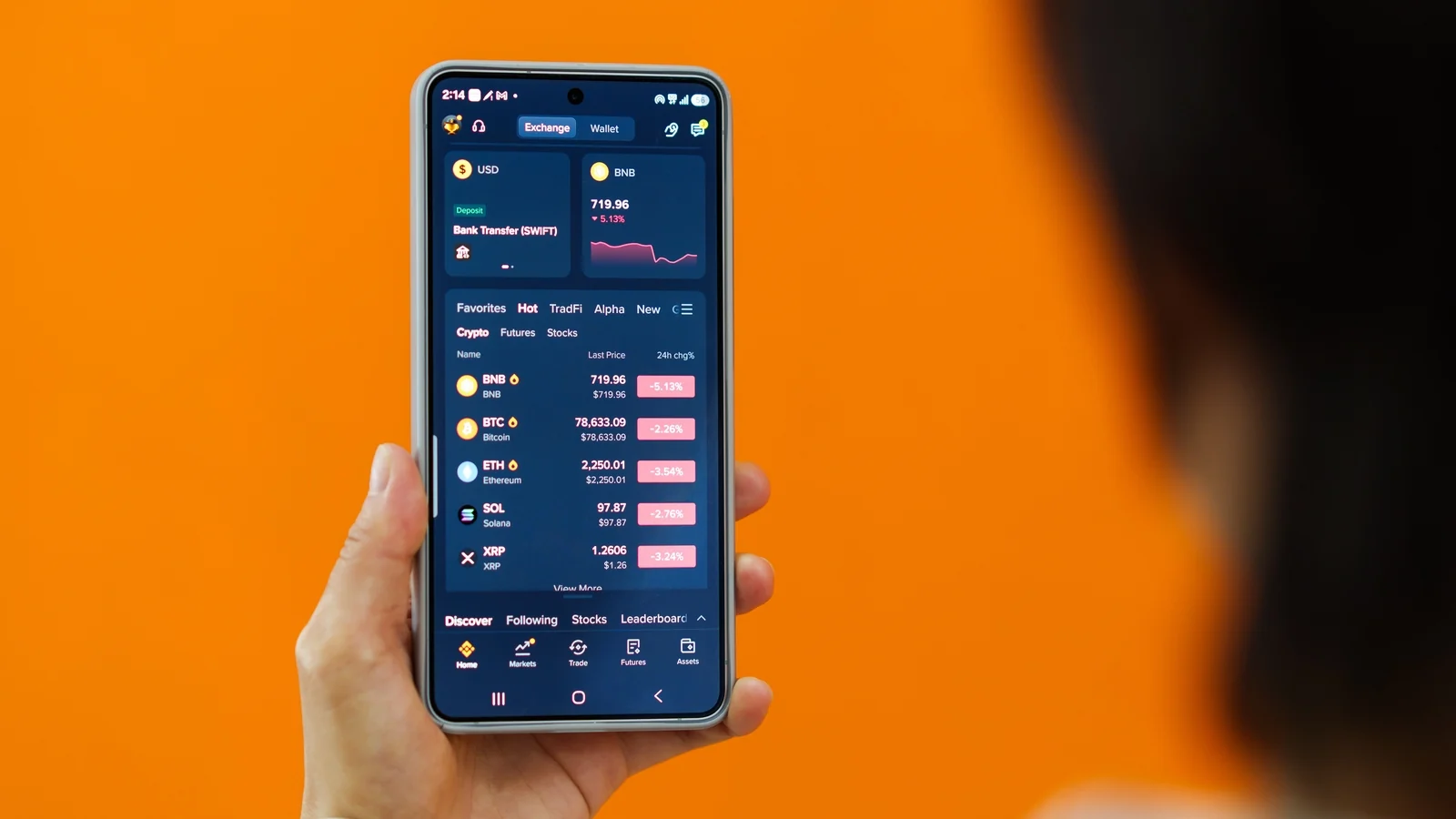
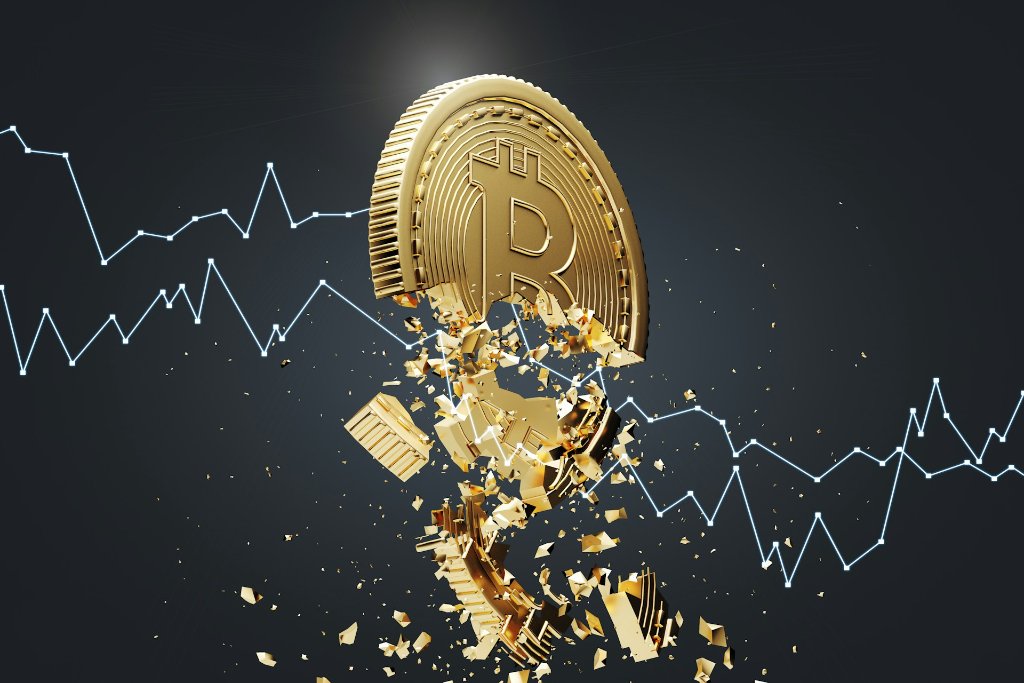
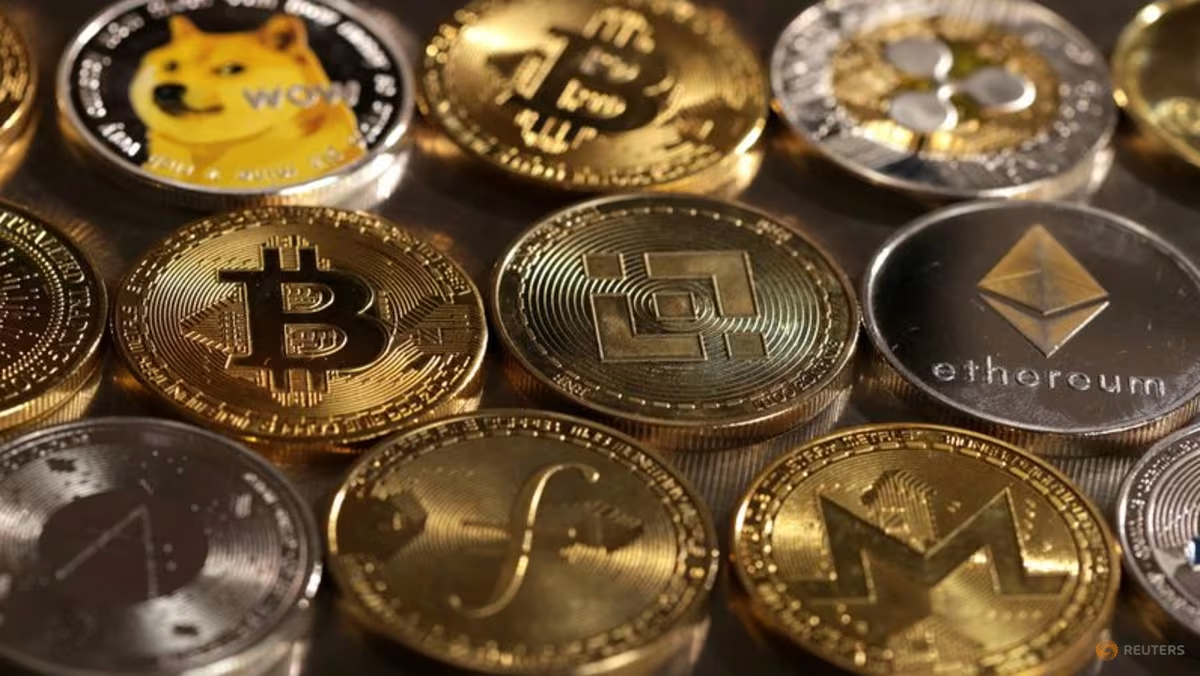
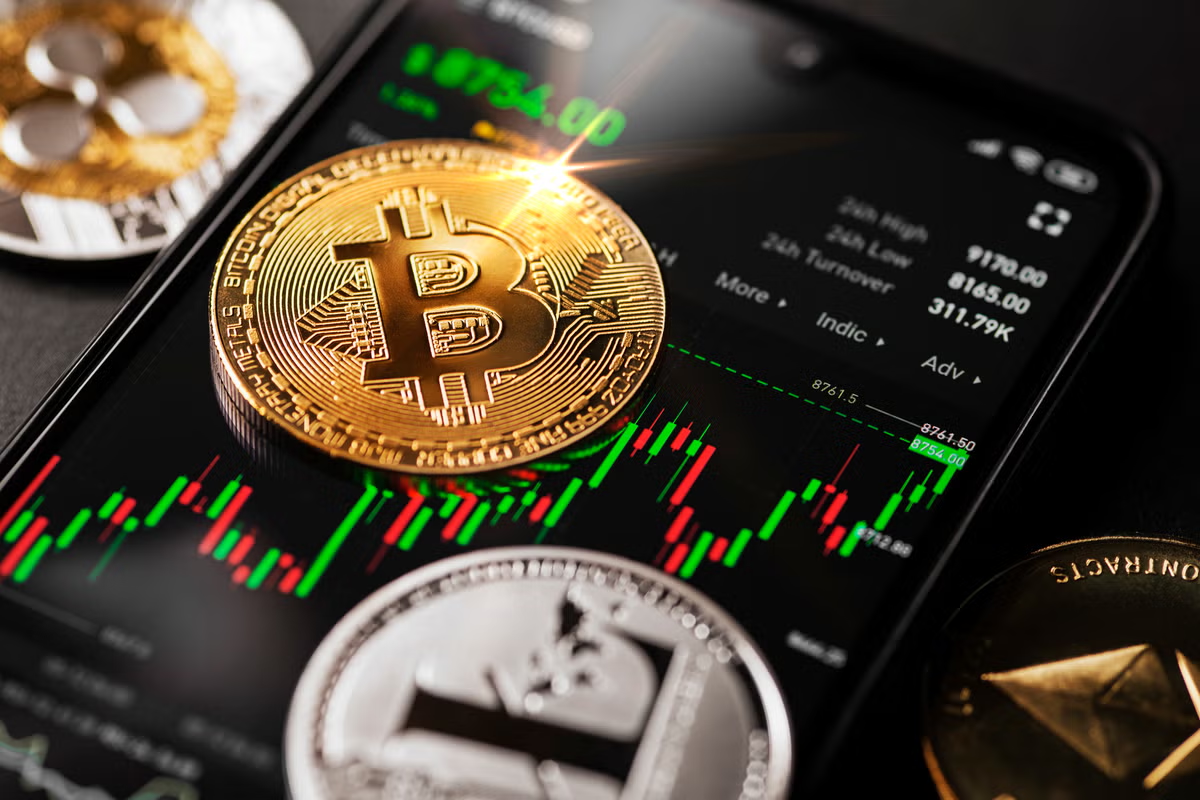
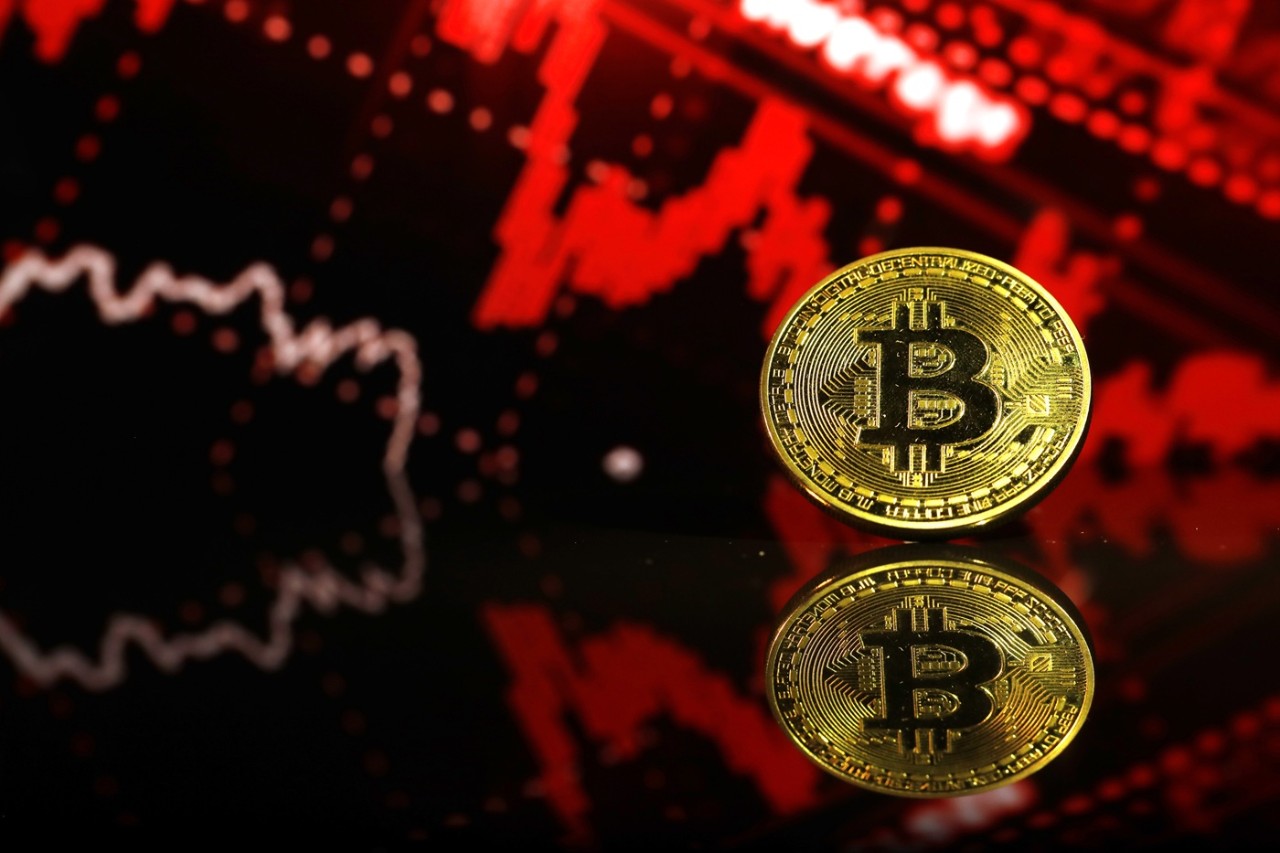
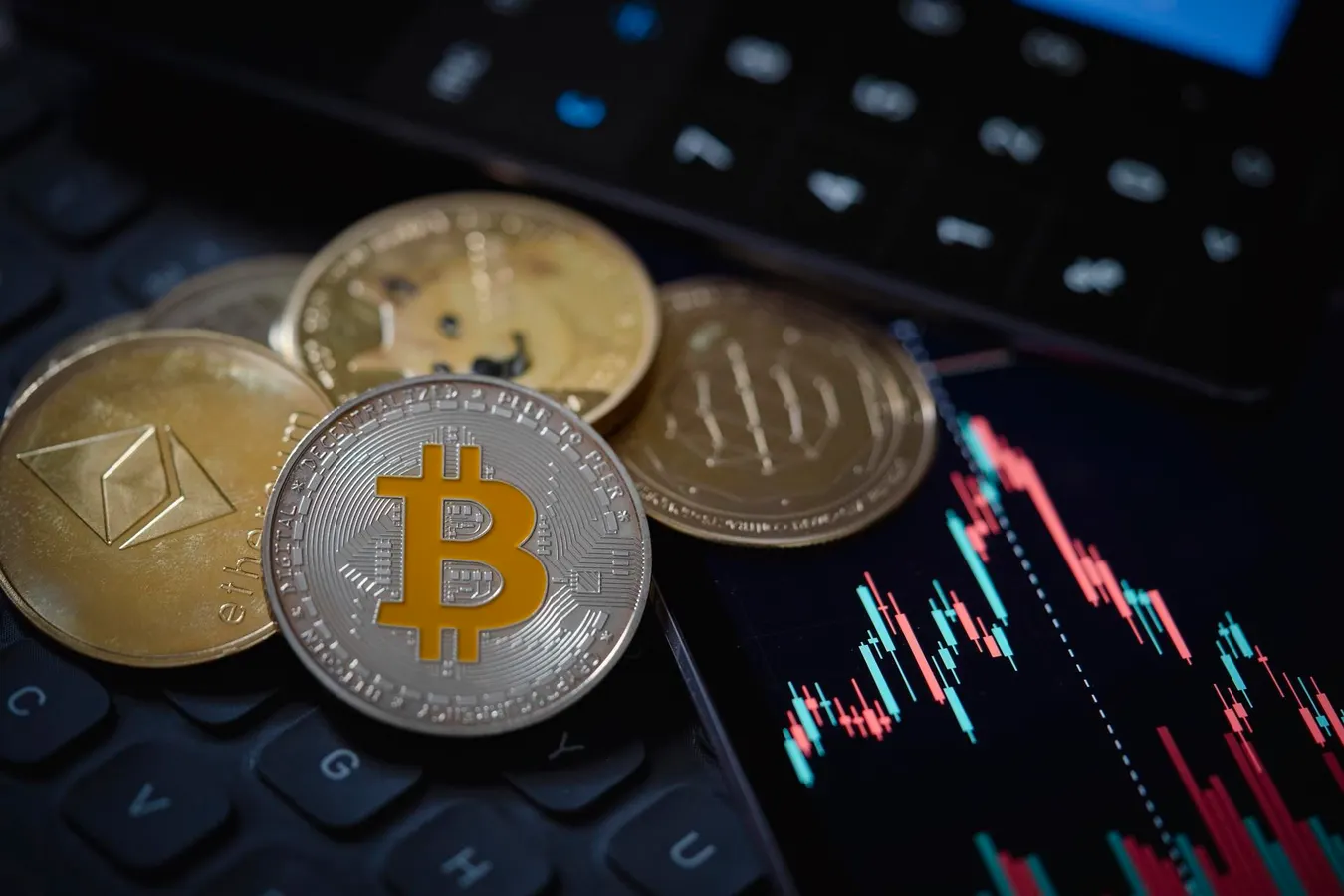
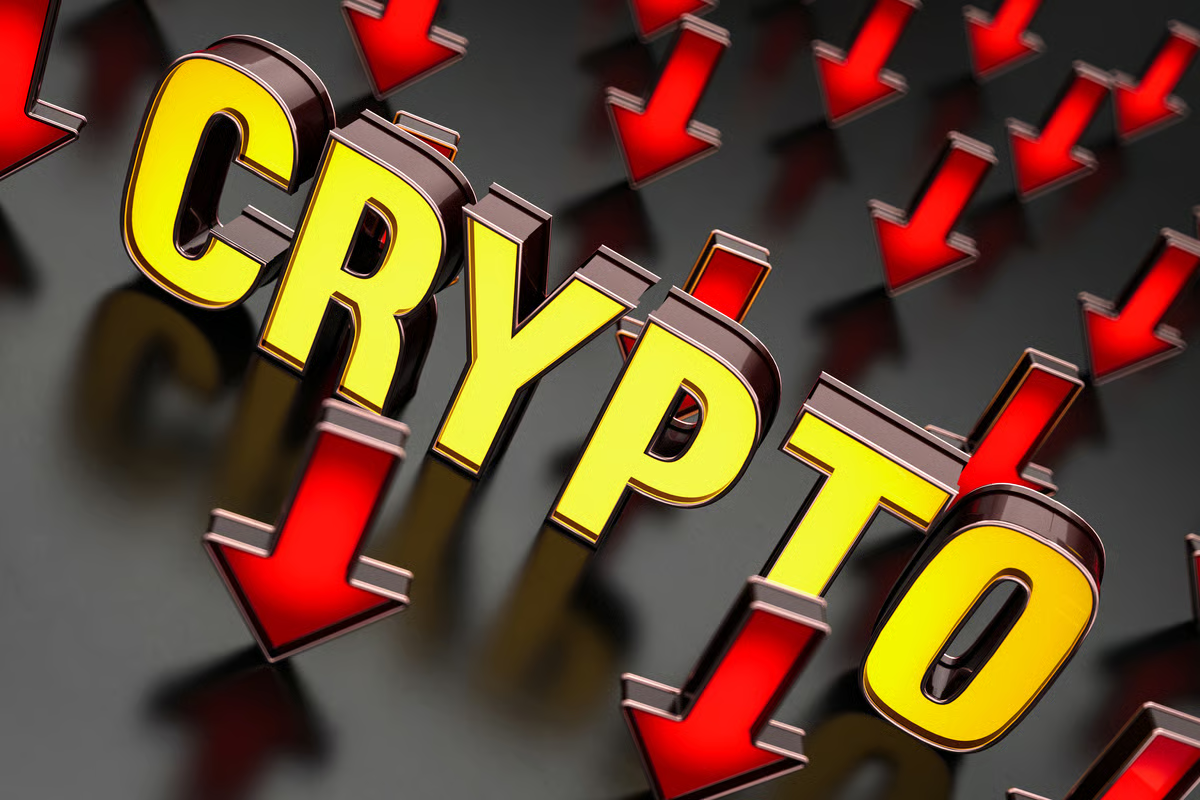
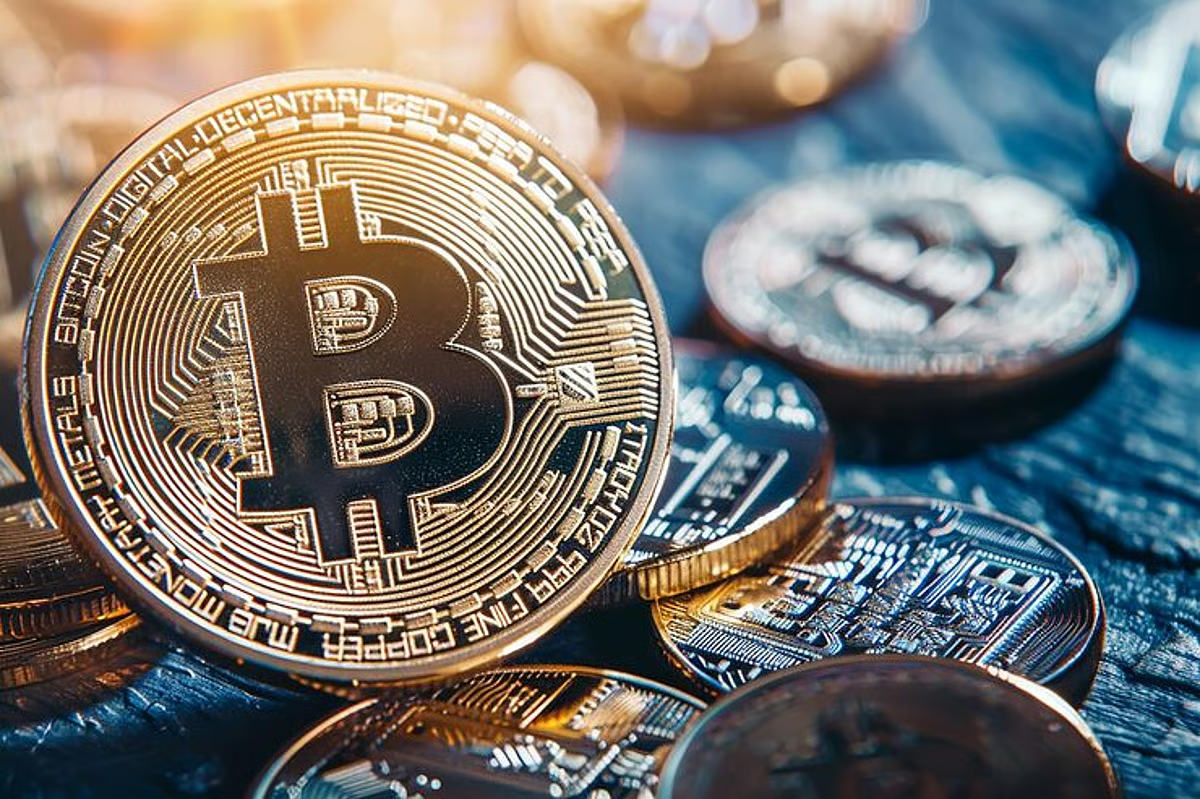
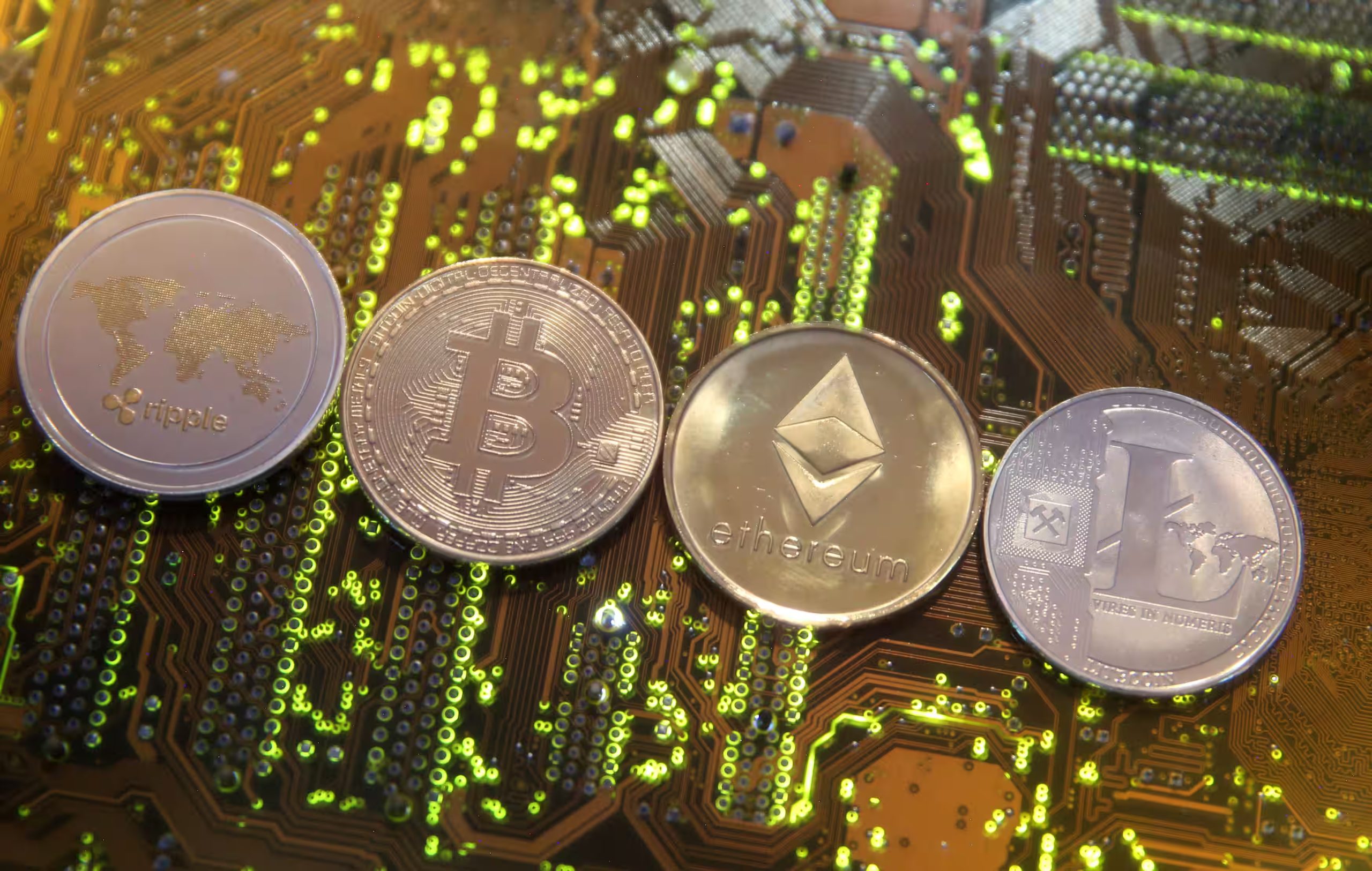
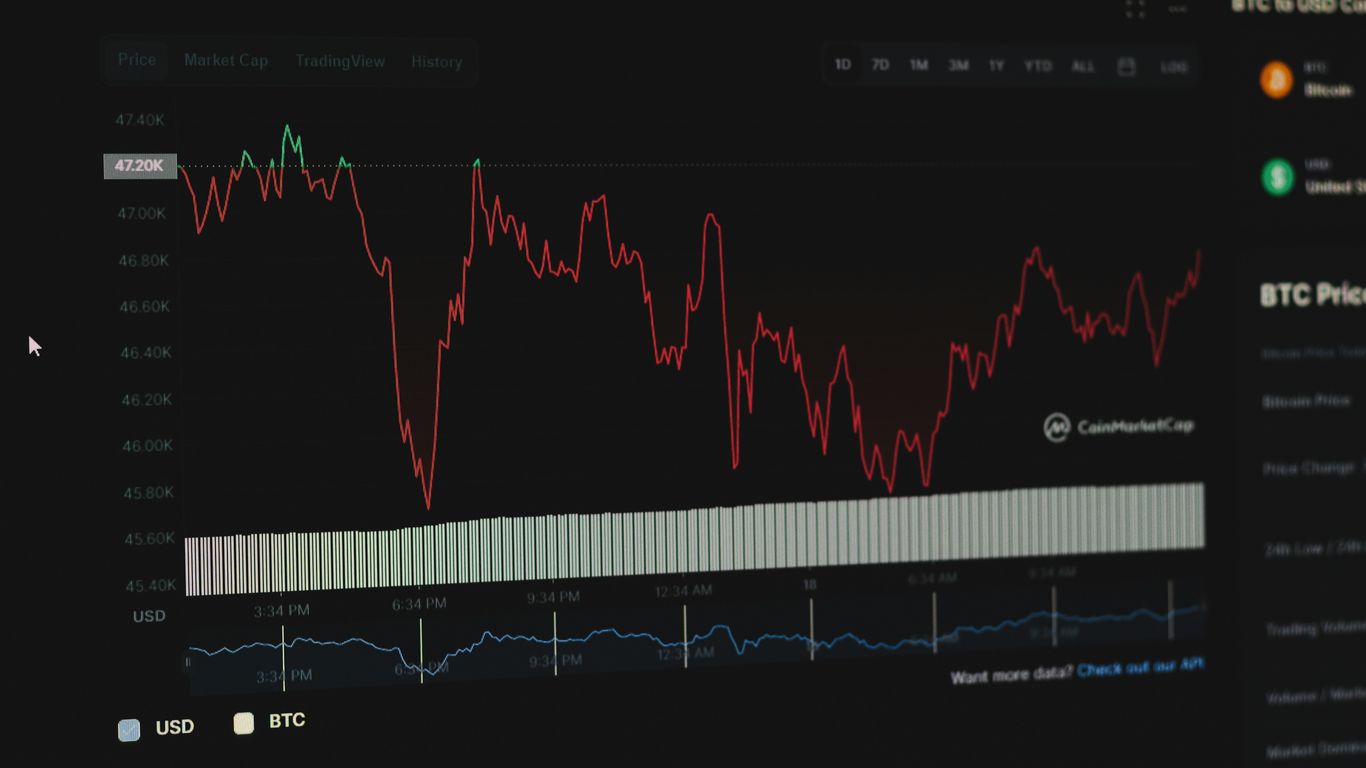
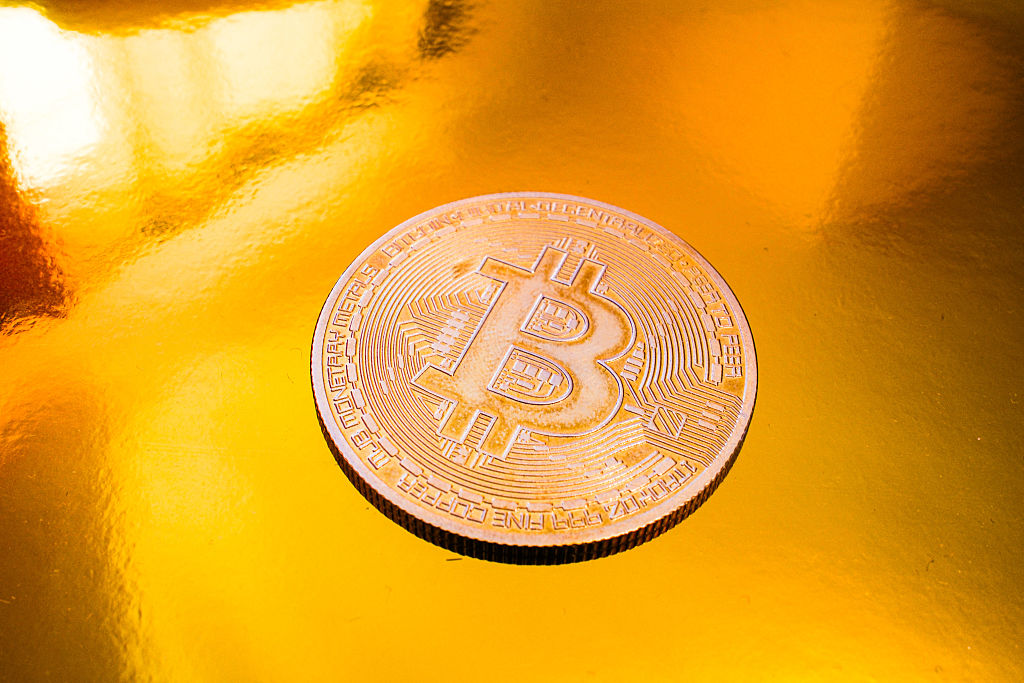
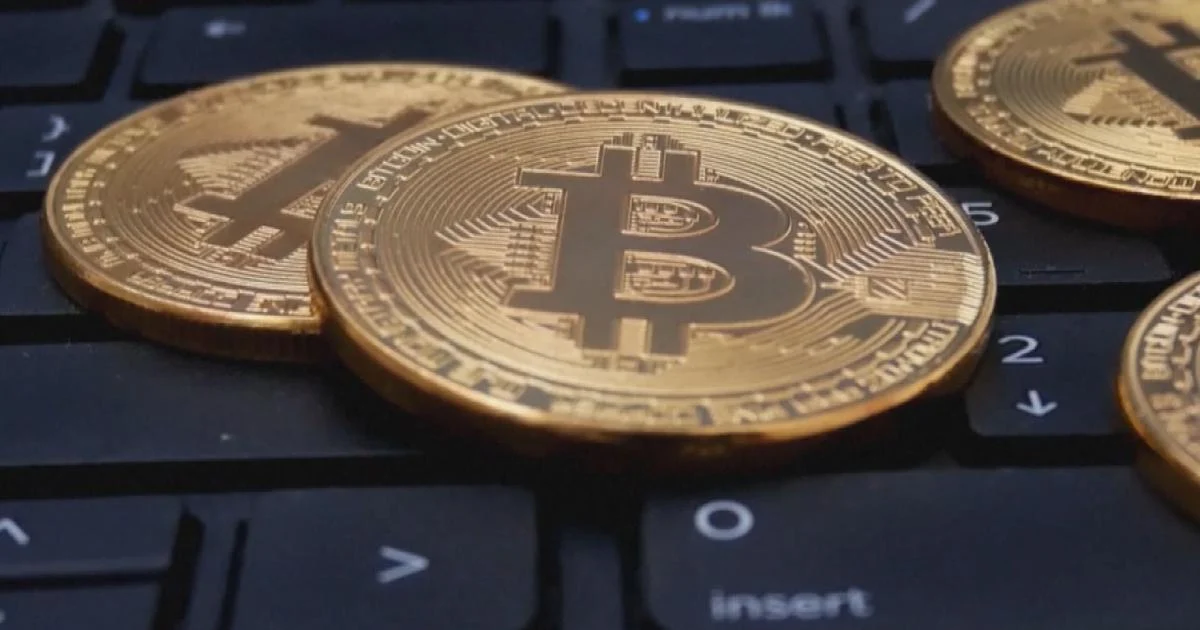
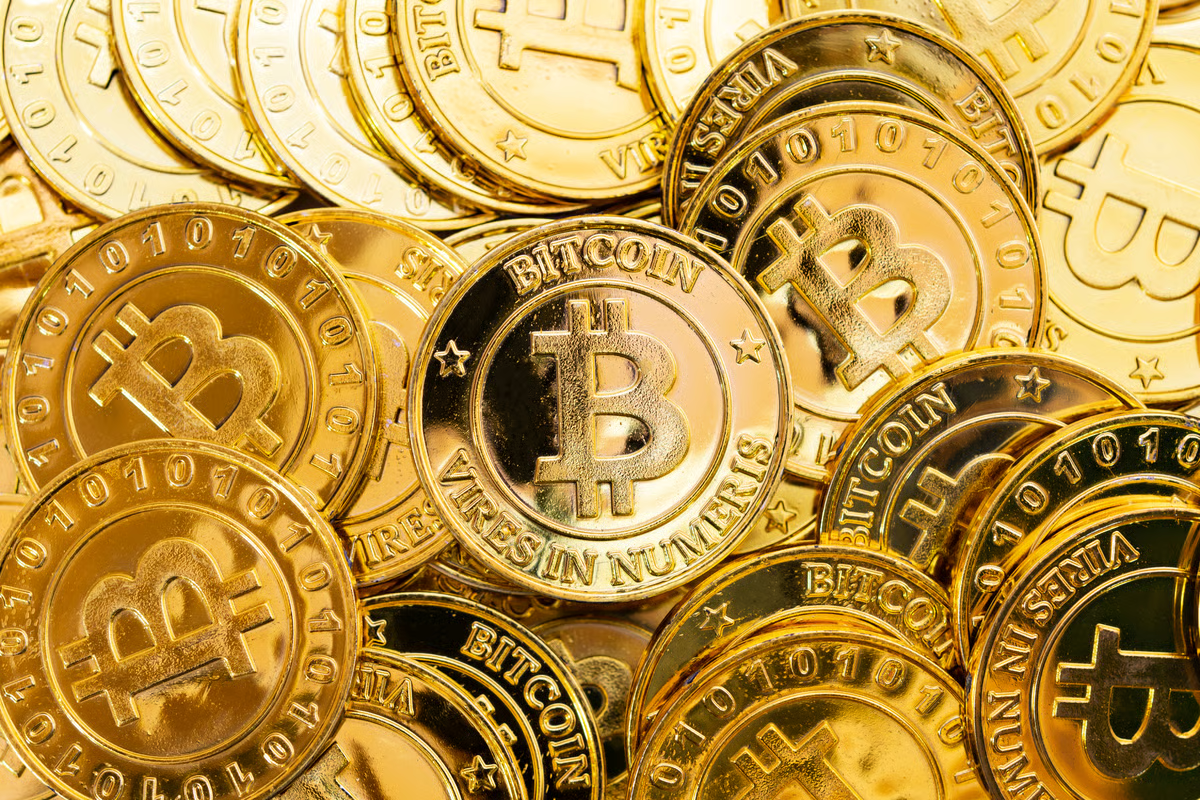
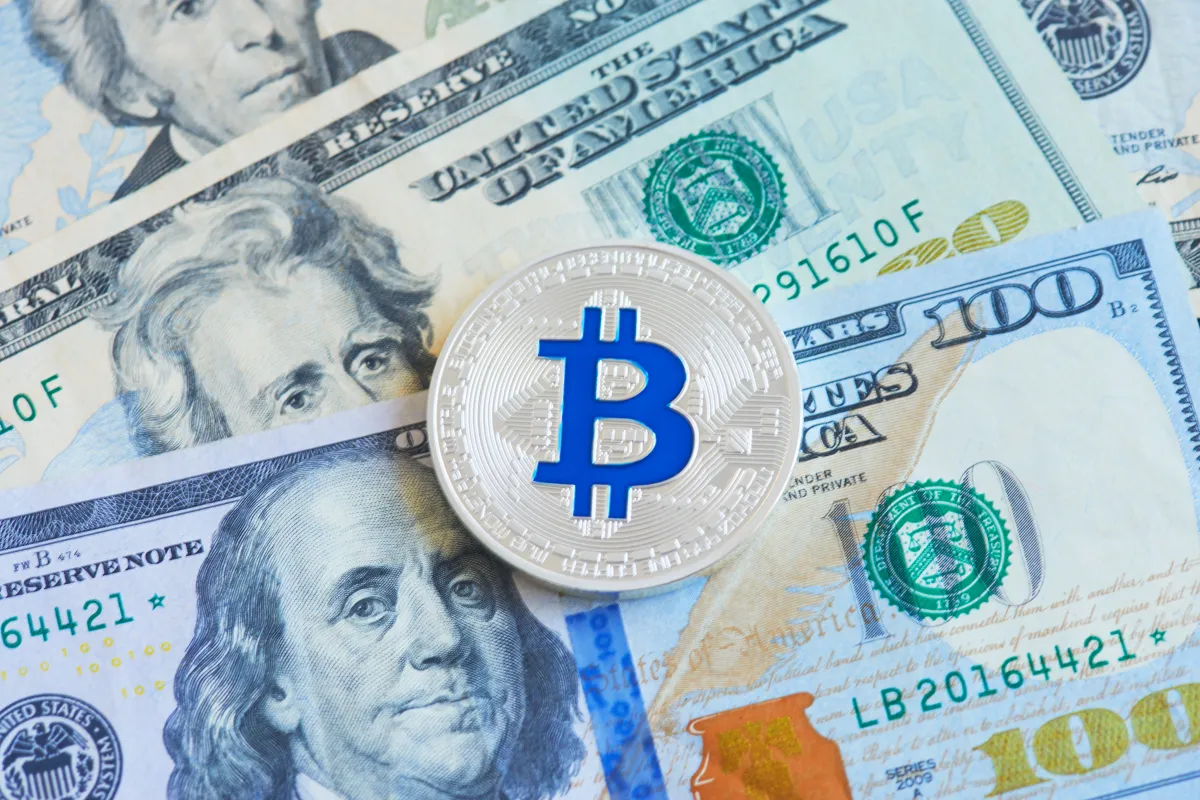
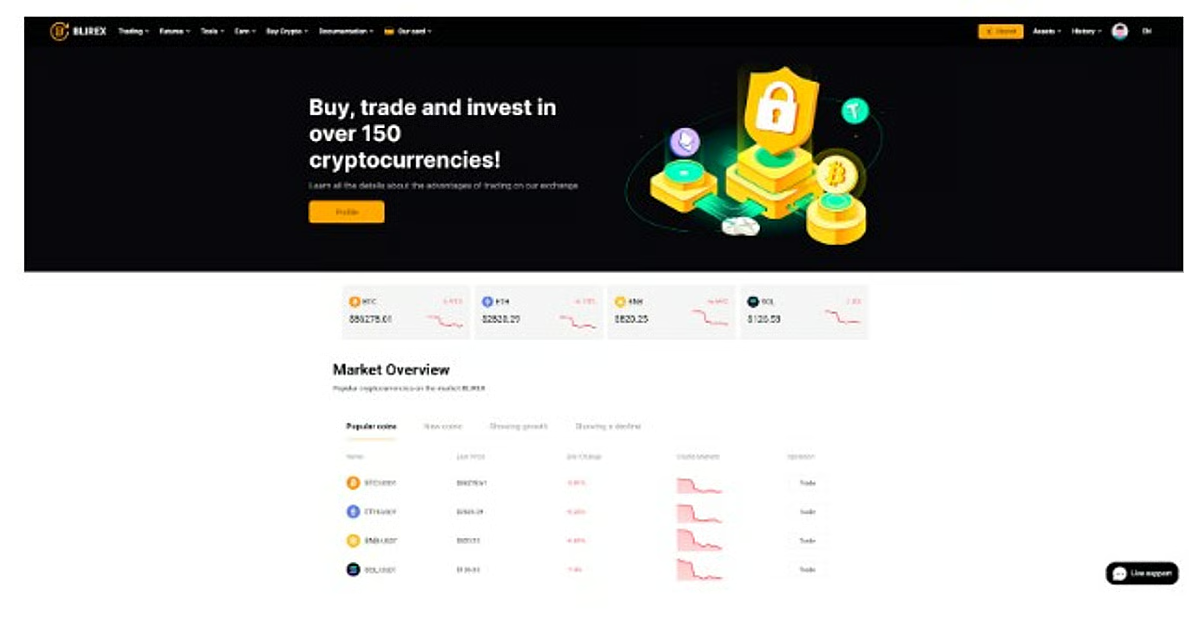
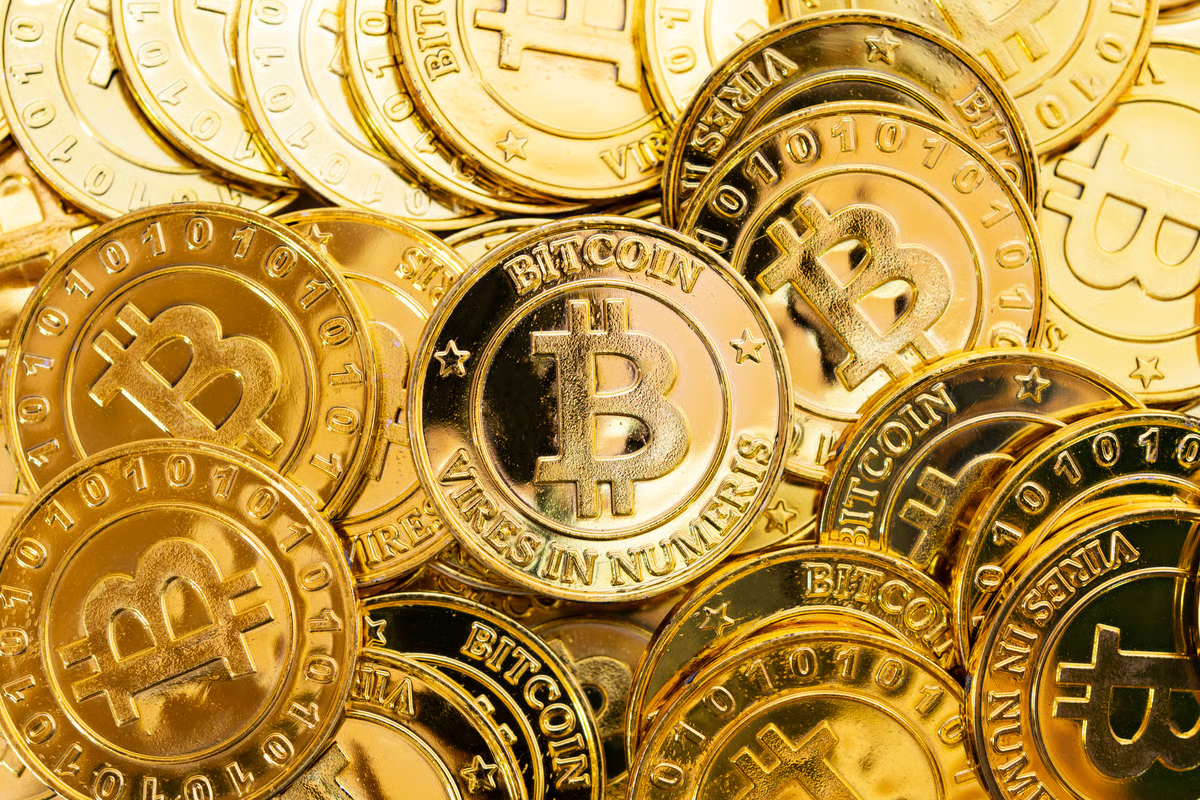
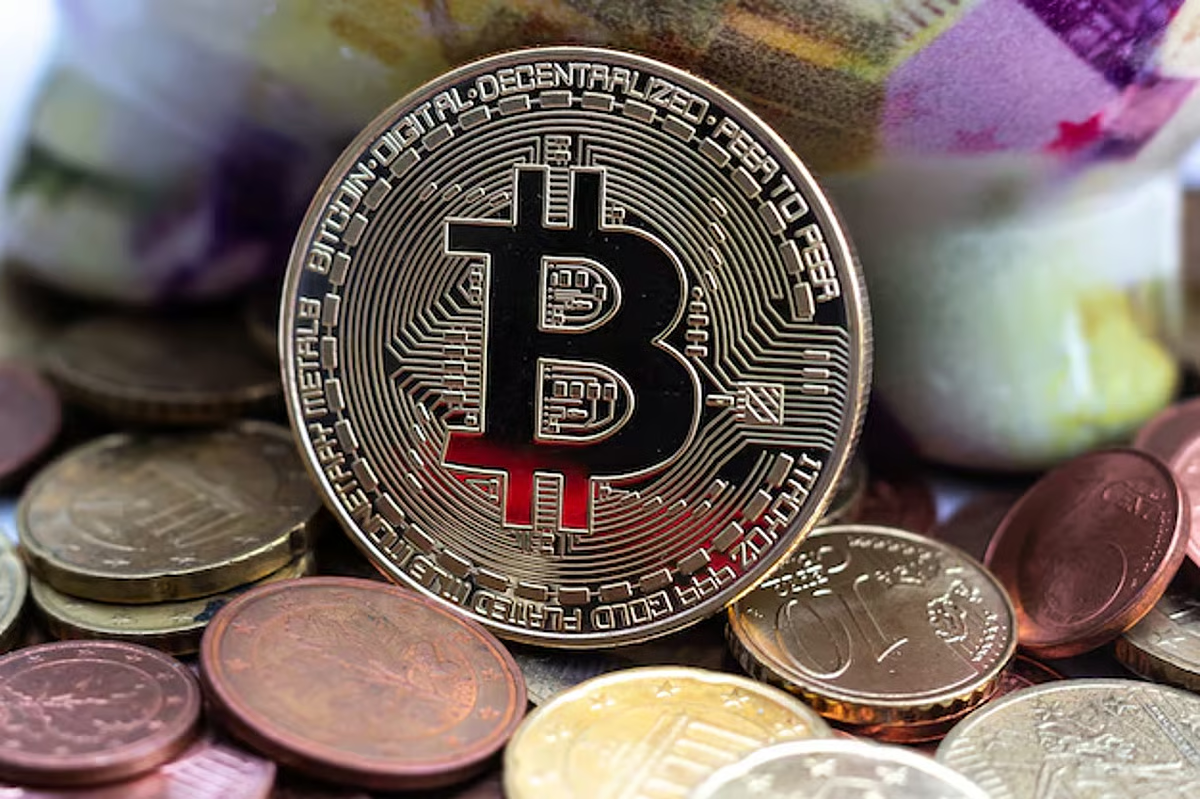
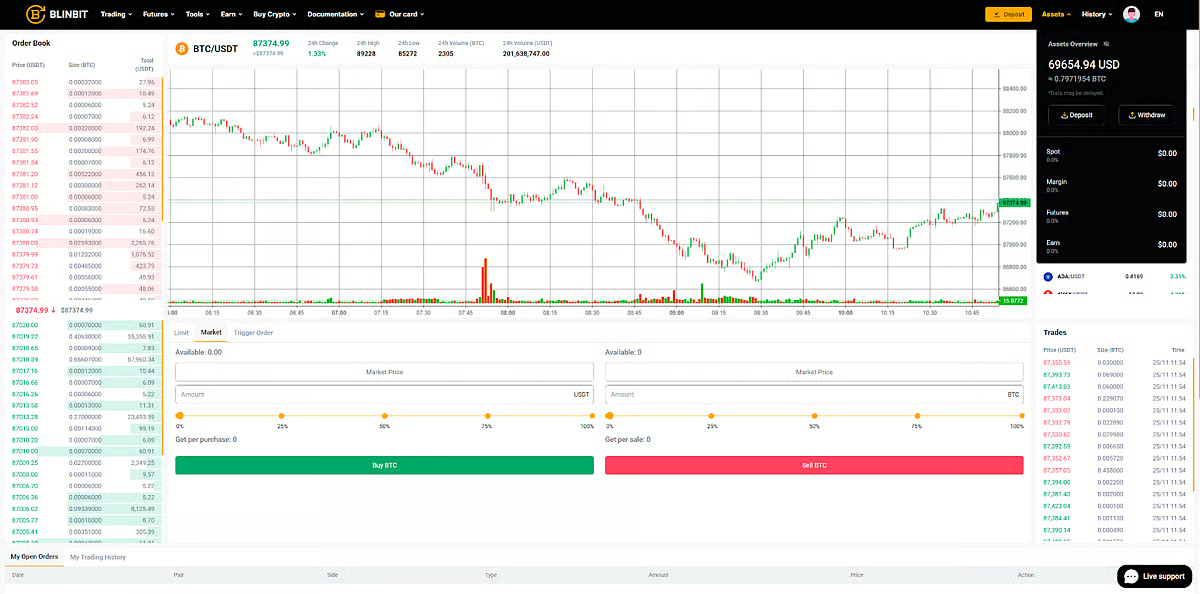
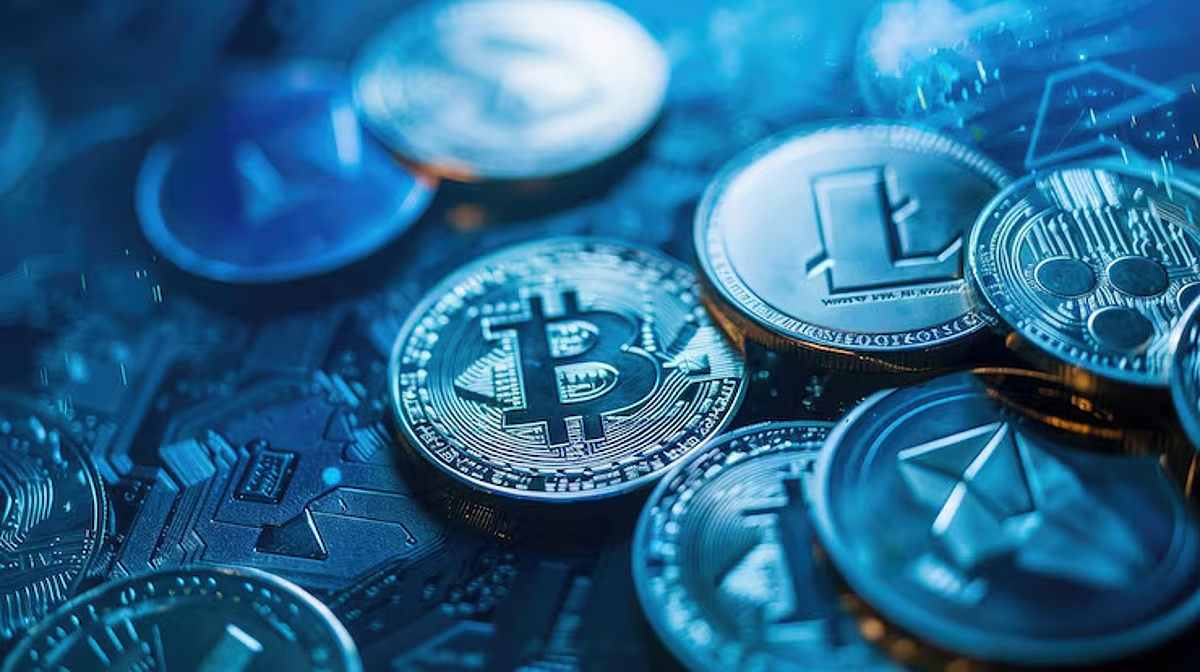
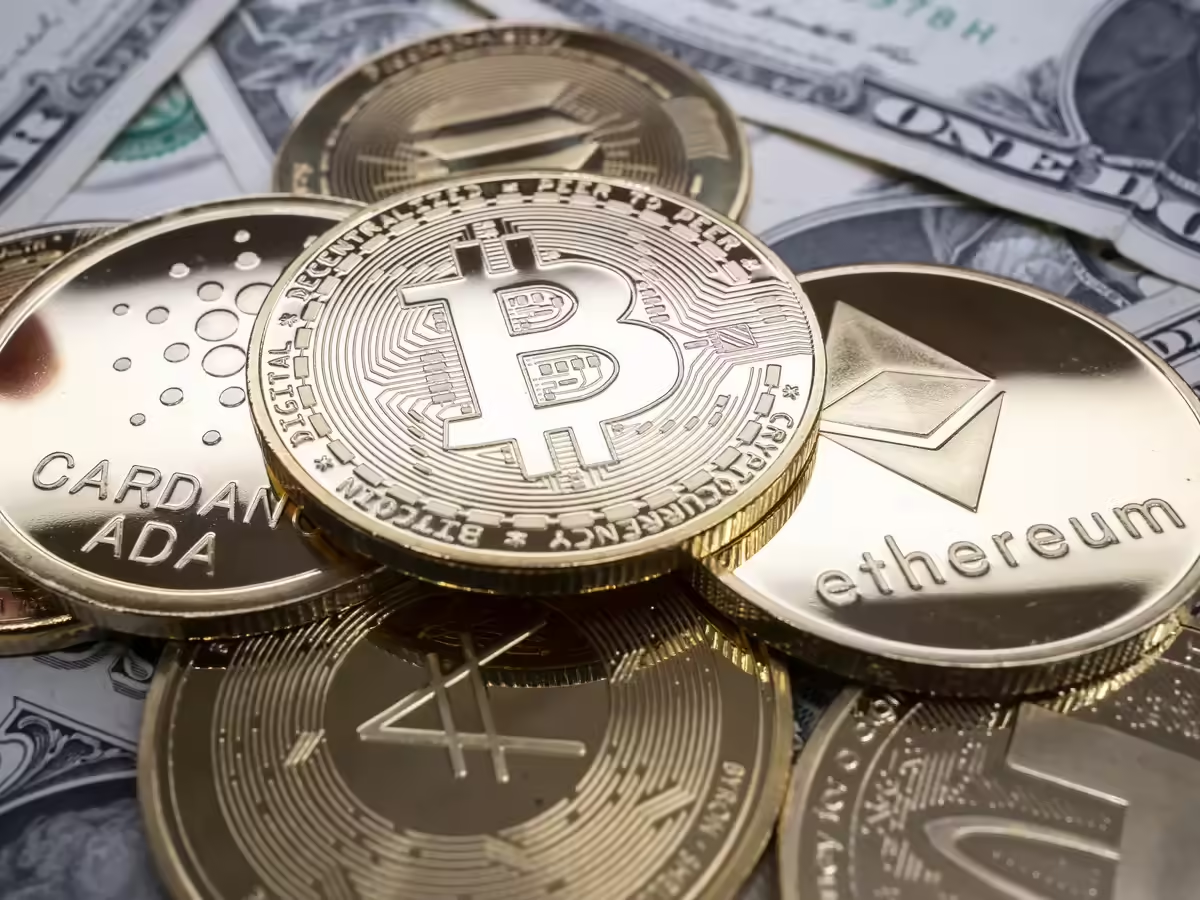
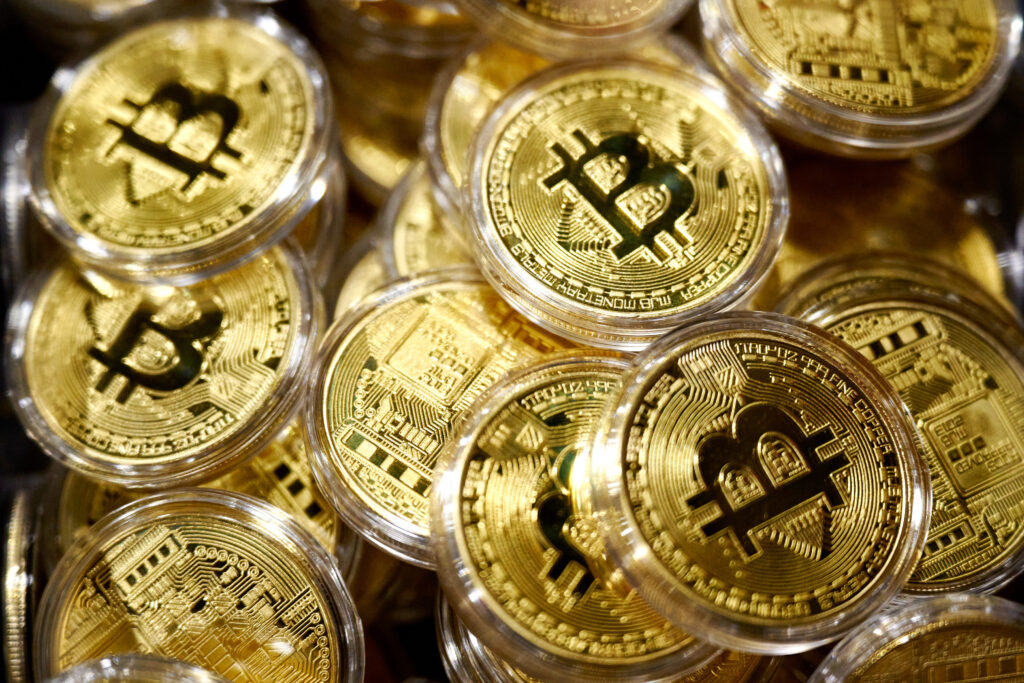
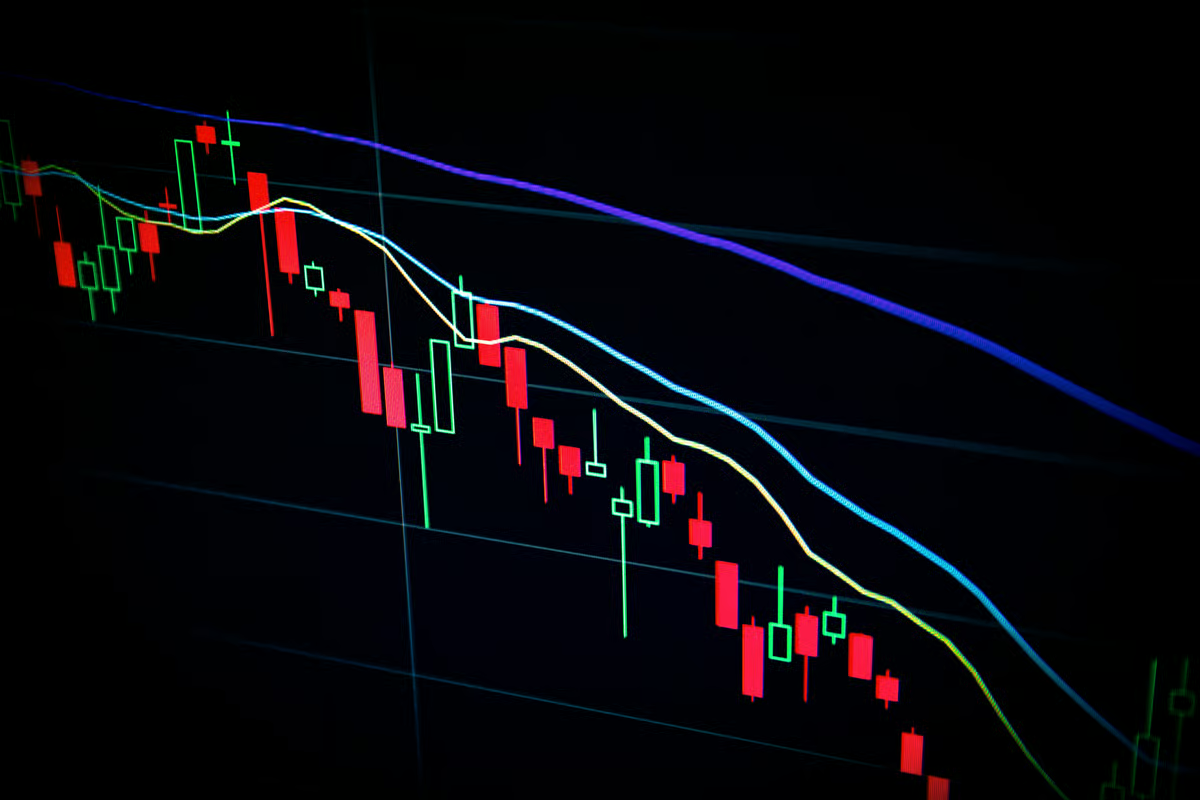
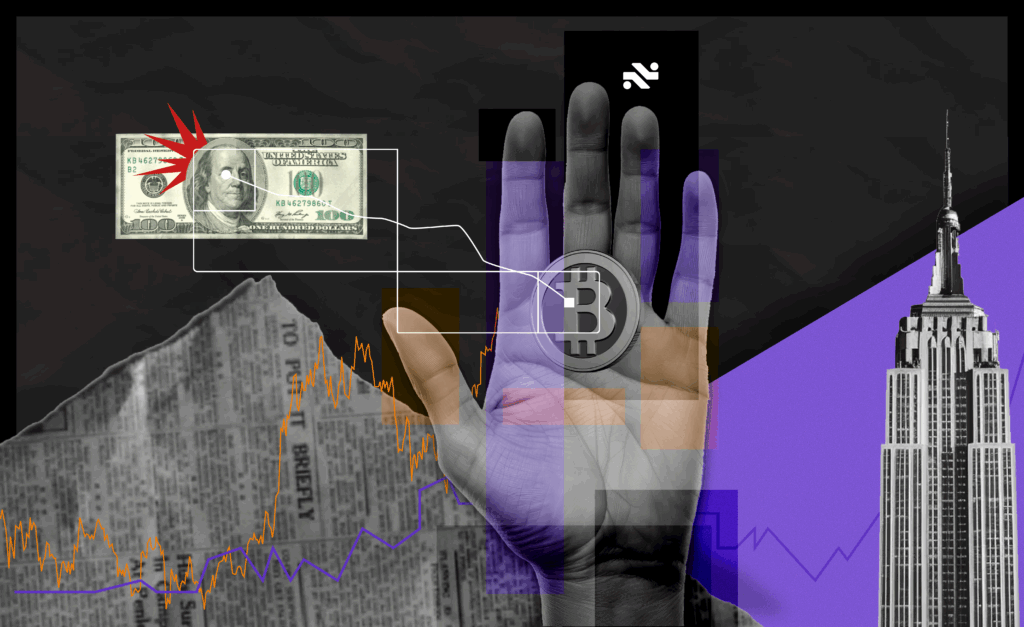
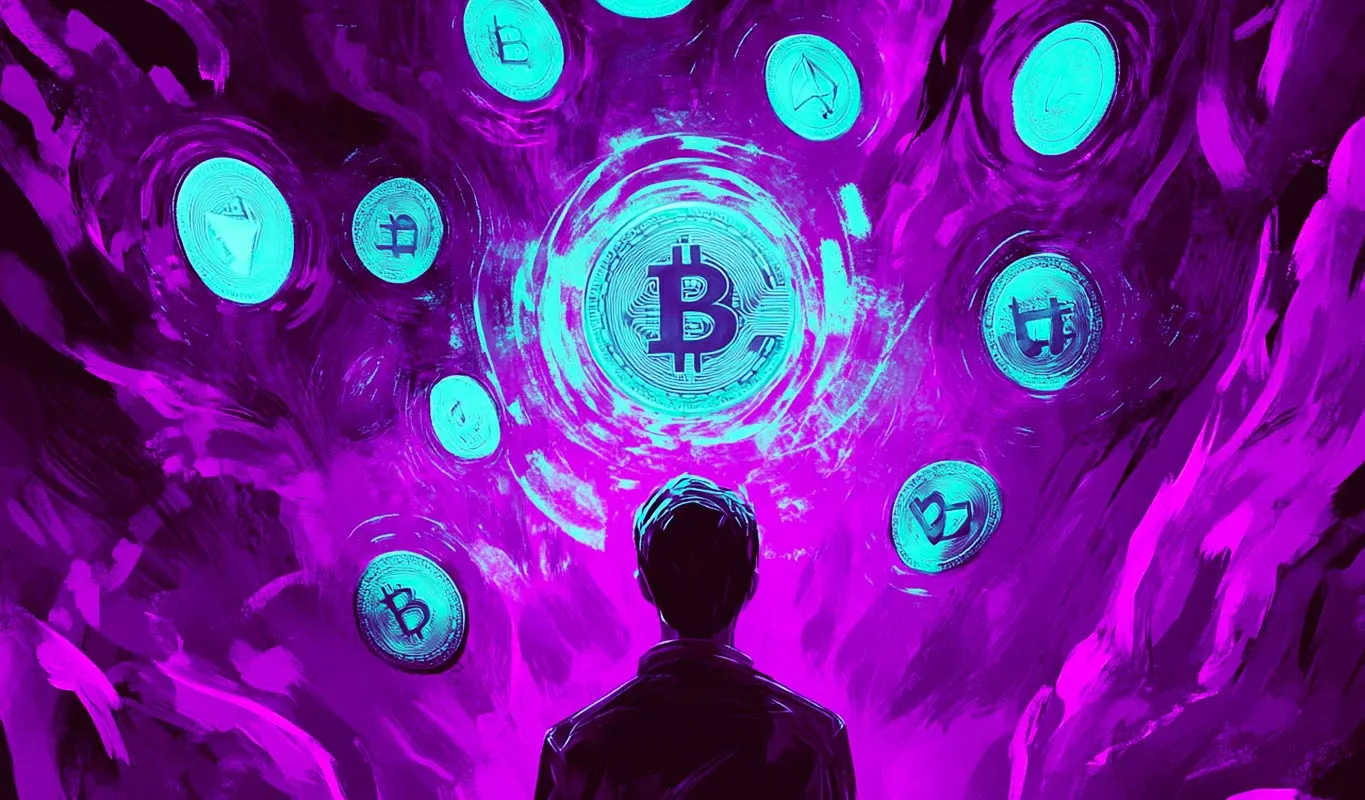
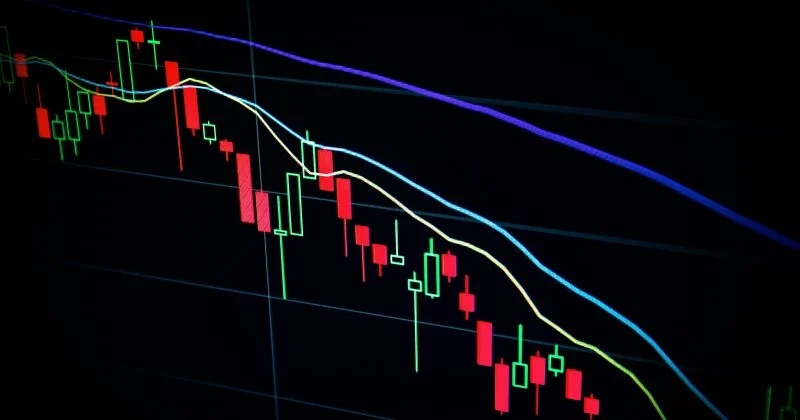
Since the beginning of November, the decline has not stopped, and major cryptocurrencies, starting with Bitcoin, have all seen their values drop significantly.
As someone who started studying cryptocurrency in my 50s, I must admit that I cannot remain calm when the market behaves like this.
However, since I have taken the trouble to step into the world of cryptocurrency, I don’t think it’s right to just end it by saying it’s down, it’s scary, or it’s all over.
This time, while organizing the situation as of November 22, 2026, I have summarized in my own way why it has dropped this much and what developments might be expected by the end of the year.
1. The November cryptocurrency market is tougher than imagined
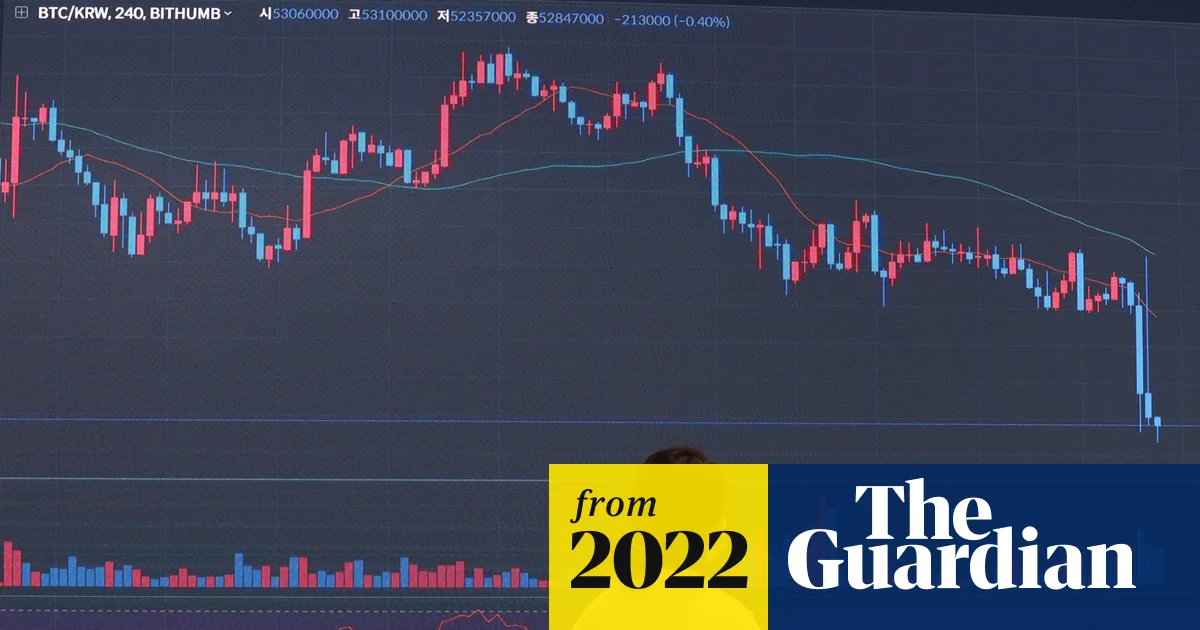
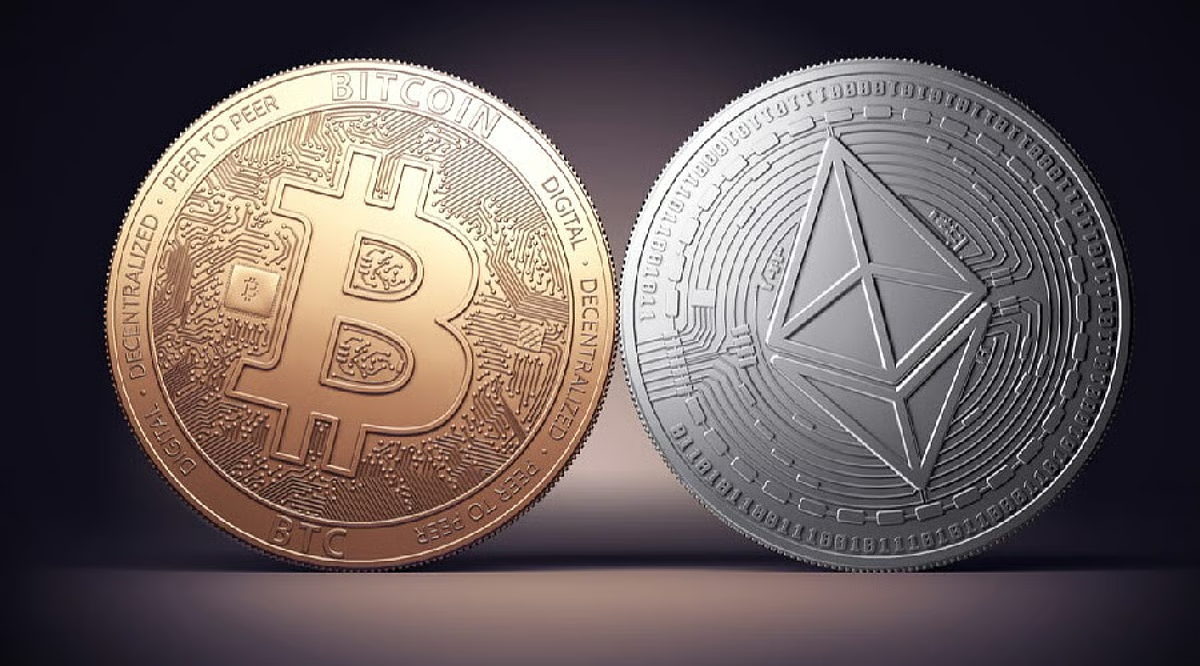
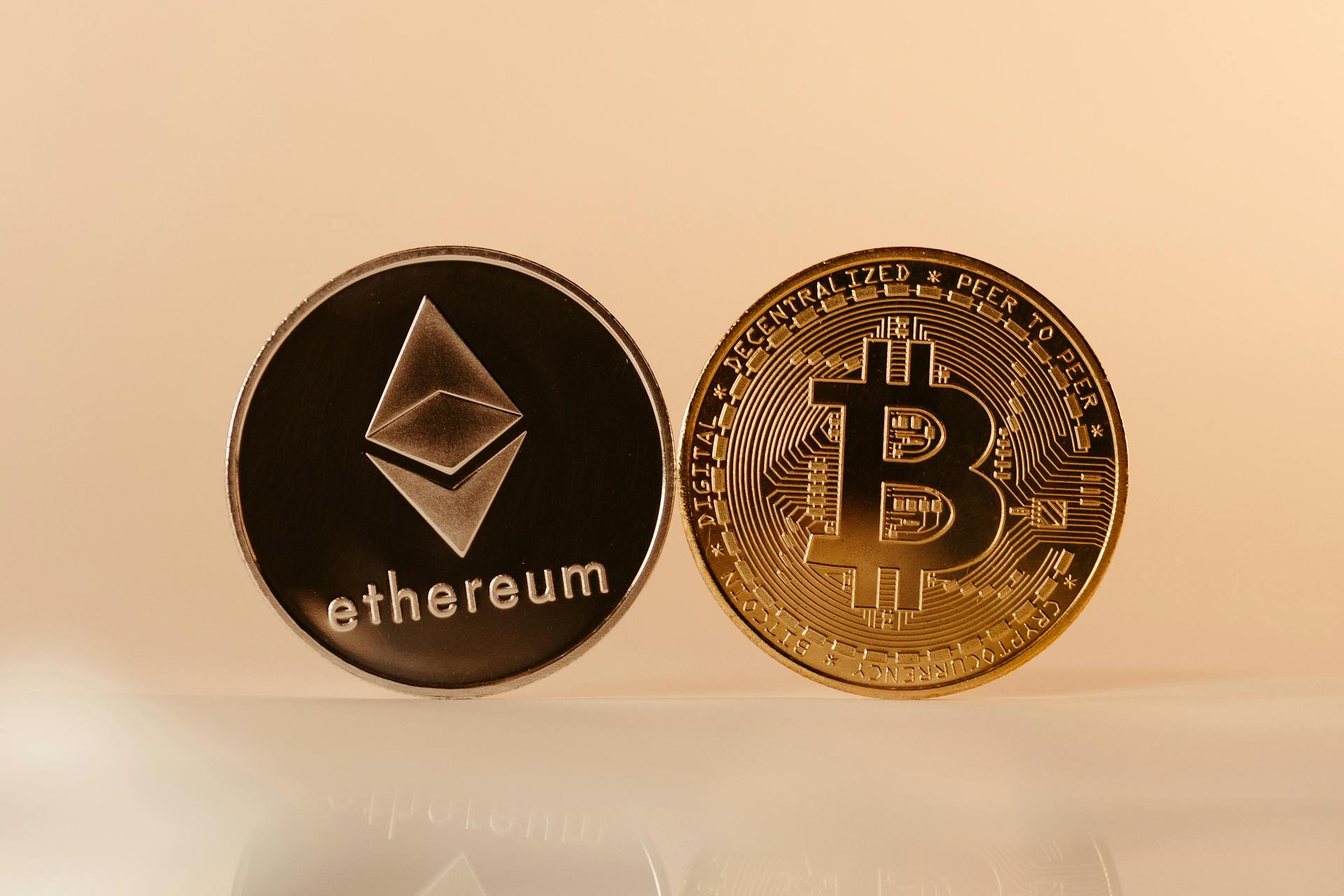
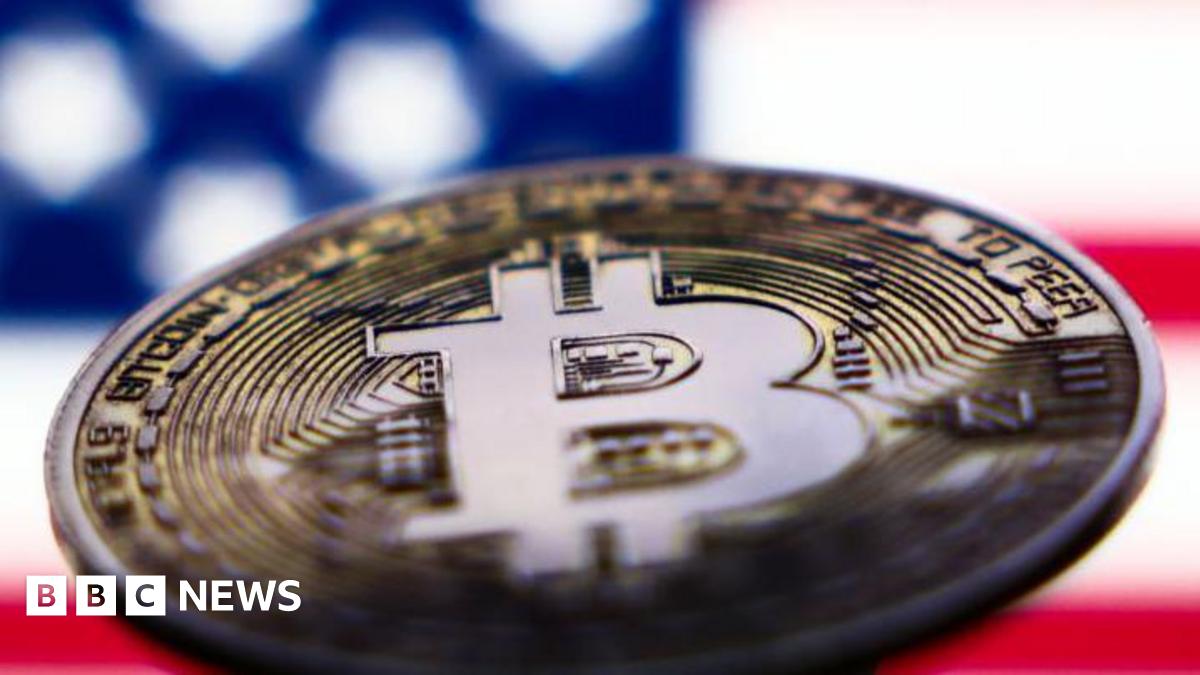
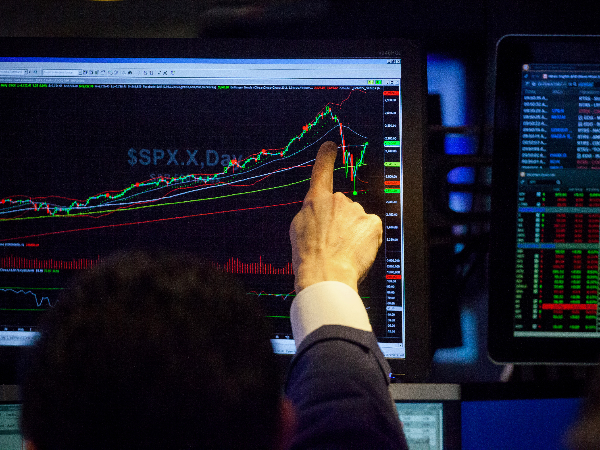
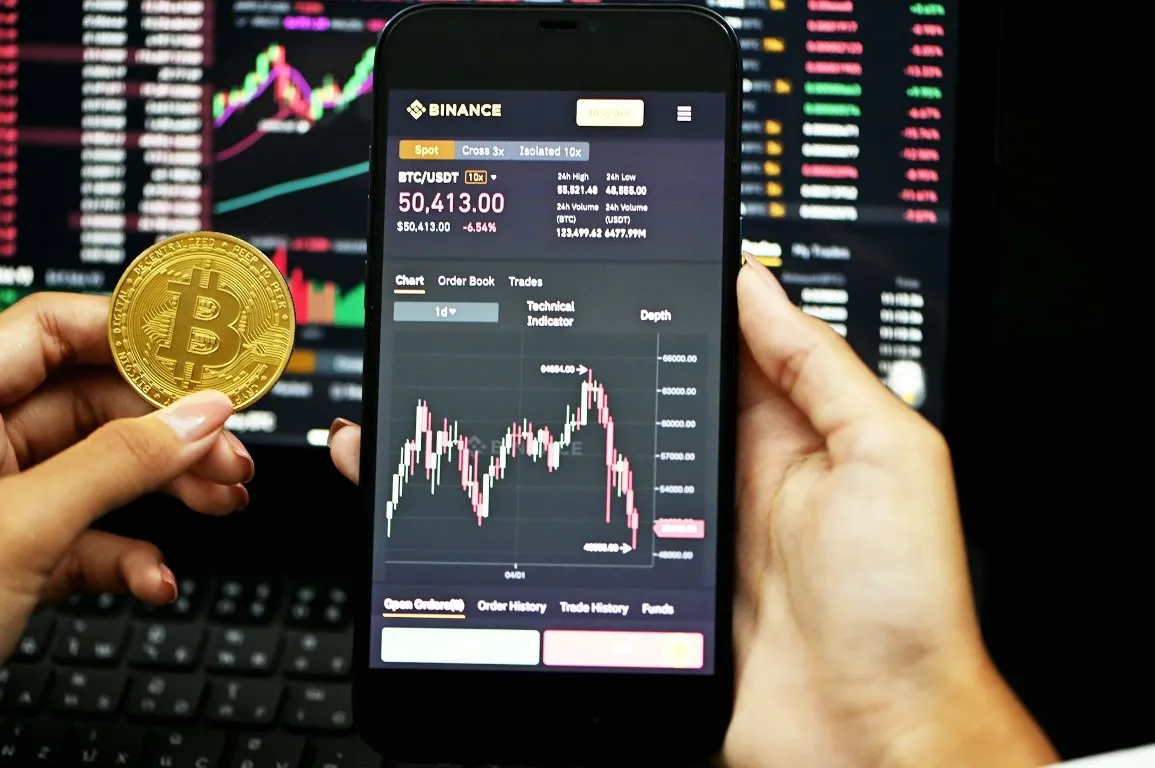
First, the decline in Bitcoin has been quite significant.
On November 21, it temporarily fell to around $55,130.
This is the lowest level since September 2024.
It rebounded to the $60,000 range afterward, but it is not yet a situation where we can feel at ease.
Ethereum also fell to a level below $1,700, and selling has spread across all major coins.
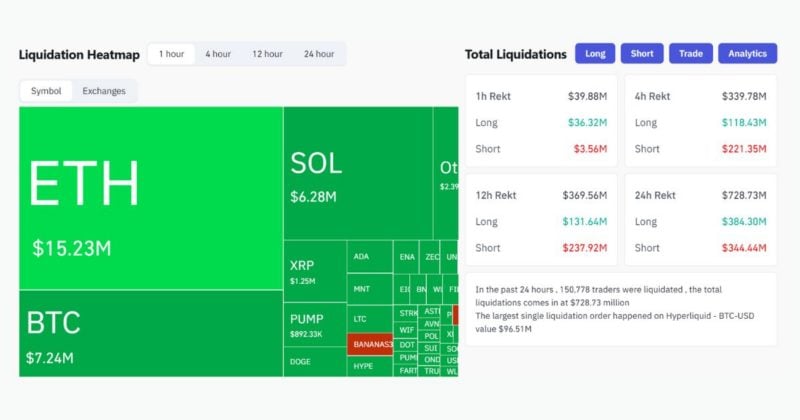
There were also reports that about $1.8 billion in leveraged positions were liquidated in 24 hours during this decline.
In particular, forced liquidations of long positions that were expecting a rise have been prominent.
In other words, it is a vicious cycle where the price drop triggers selling, and that selling lowers the price further.
This is quite troublesome.
2. Why has it dropped this much?
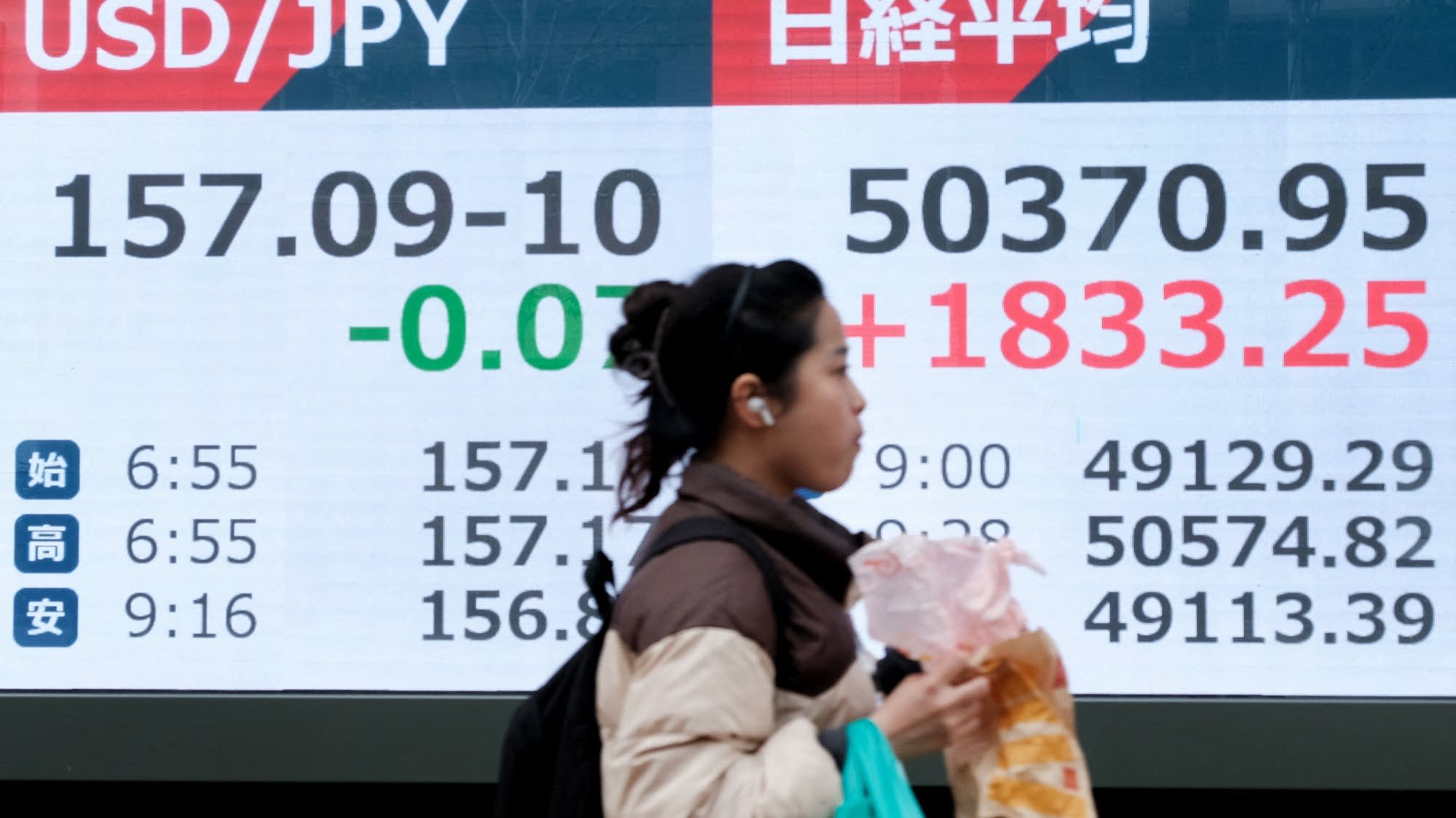
This decline seems to be more influenced by the global financial market as a whole rather than problems occurring within cryptocurrency itself.
Broadly speaking, there are five reasons.
① Expectations of interest rate hikes in the United States
The first thing to be concerned about is US interest rates.
In the market, expectations for a rate hike by the Fed in December are strengthening.
When interest rates rise, investors tend to choose relatively safe, yield-bearing assets over high-risk assets.
This is not a very welcome situation for cryptocurrency.
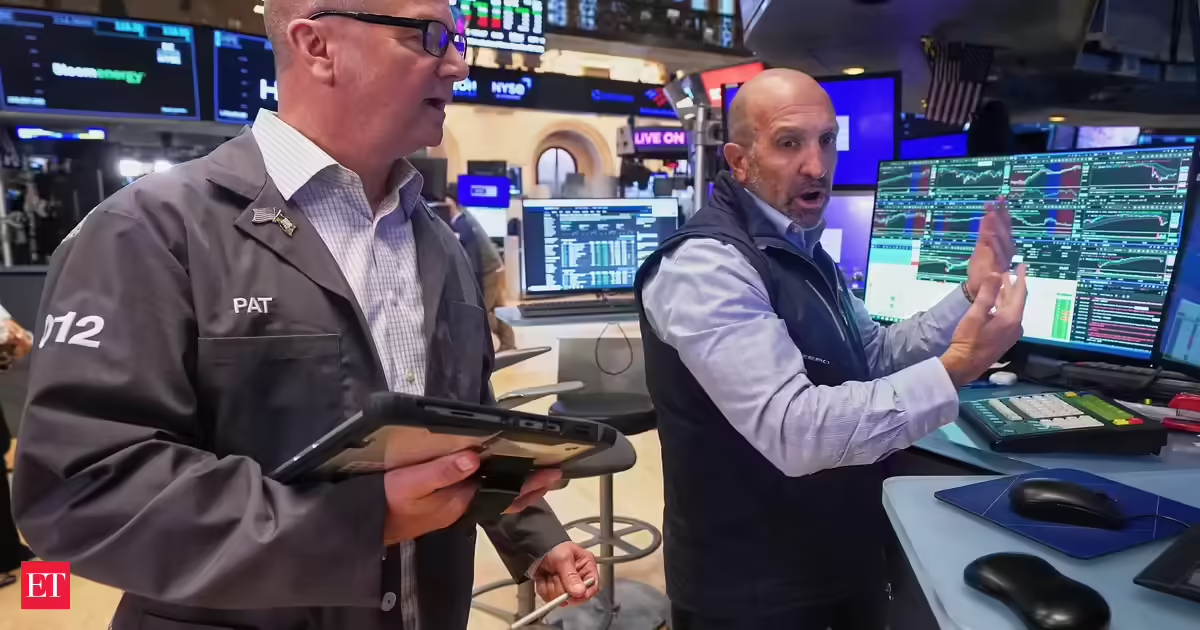
② Decline in high-tech stocks
Selling is also spreading to US high-tech stocks.
In particular, there is growing anxiety regarding massive investments in AI-related companies and their future profitability.
Bitcoin is not unrelated to the stock market.
If investors try to avoid risk, cryptocurrencies are also more likely to be sold off.
③ Capital outflows from Bitcoin ETFs
This is also a major issue.
Previously, the inflow of institutional investor capital into the Bitcoin market through ETFs was a factor pushing up prices.
However, that trend is currently reversing.
If the large capital acting as buyers weakens, the strength to support the market also weakens.
④ Forced liquidation of leveraged trades
When prices plummet, the positions of investors trading with borrowed funds are forcibly liquidated.
If this triggers a chain reaction, the decline can become larger than the actual selling pressure.
It seems this impact was quite significant in this crash as well.
⑤ Deterioration of investor sentiment
Ultimately, it comes down to psychology.
Things you thought would go up keep going down.
Even if you buy thinking it has become cheap, it drops further.
When this happens, no one wants to buy actively.
The current cryptocurrency market might be very close to this state.
3. How will it move until the end of December 2026?
This is the part that is most concerning from here on out.
There is about one month left until the end of the year.
Personally, I think it is a bit too optimistic to believe that it will immediately return to the bull market we saw before.
There are three possible developments.
Scenario A: Further decline
A possibility that cannot be ignored is another leg down.
The Fed implements a rate hike in December, US stocks continue to fall, and capital outflows from ETFs do not stop.
If these situations overlap, it is conceivable that Bitcoin could test the low $50,000 range, or in some cases, even lower.
Altcoins may experience even greater price volatility than Bitcoin.
For beginners, this is a quite difficult situation.
Scenario B: Consolidation in the low price range
Personally, I think this is also quite possible.
People who want to sell have finished selling to some extent due to the sharp drop, and it stops falling for a while.
However, since there are few new investors buying, there is no power to rebound significantly either.
That is the situation.
Even if prices seem to have stabilized, that alone is not enough to determine that the market has bottomed out.
There is a possibility that the market will continue to lack a clear direction until the end of the year.
Scenario C: Rebound toward the end of the year
Of course, there is also a possibility of a rebound.
For example,
・Expectations for US interest rate hikes recede
・US stocks recover
・Capital inflows into Bitcoin ETFs resume
・Buying by large-scale investors returns
If these factors align, a rapid market recovery is conceivable.
However, a slight price recovery alone does not constitute a full-scale uptrend.
Whether capital continues to flow in is what matters.
4. Four points to watch until the end of the year
From now until the end of the year, I am particularly focusing on the following four points.
① December FRB monetary policy
Will an interest rate hike actually take place, or will it be postponed?
And what kind of monetary policy will they signal for 2027?
This is a crucial point that will affect not only cryptocurrency but the entire stock market.
② Bitcoin ETF capital inflows and outflows
Whether large amounts of capital will return.
It is necessary to look not just at prices, but at the flow of money.
③ Bitcoin around the $60,000 level
With the rebound on November 21, it recovered to the $60,000 range.
Will it be able to maintain this level, or will it fall below it again?
I am watching this to gauge short-term market sentiment.
(4) Movements in Altcoins
When Bitcoin drops, altcoins can sometimes fall even further.
Conversely, when the market recovers, some coins will show a significant rebound.
However, not all coins will return to their original prices.
This is something to be careful about.
5. What should cryptocurrency beginners in their 50s do now?
Honestly, looking at the current market, I feel like taking some kind of action.
I want to buy because it has become cheaper.
Should I sell once if it continues to drop?
No, wouldn’t selling here mean letting go at the bottom?
I find myself thinking about many things.
However, I believe the most important thing for beginners to be careful about is acting in haste.
In a market like this, I want to keep the following in mind:
– Do not invest money needed for living expenses or other necessities
– Do not force yourself to buy more just because the price has dropped
– Do not trade using debt or leverage
– Look at interest rates and ETF fund trends, not just prices
– Consider how much loss you can withstand
Especially in your 50s, you may not always have the luxury of waiting for years like younger people.
You also need to ensure the amount you invest is within a reasonable range.
Rather than trying to make a huge profit, focus on staying in the market for the long term.
I want to prioritize that for now.
6. Is cryptocurrency going to end by 2027?
This is also a point of concern.
Looking only at this recent decline, it is natural to feel anxious about the future of cryptocurrency.
However, the fact that prices are falling and the idea that the technology or the market of cryptocurrency itself is ending are two different things.
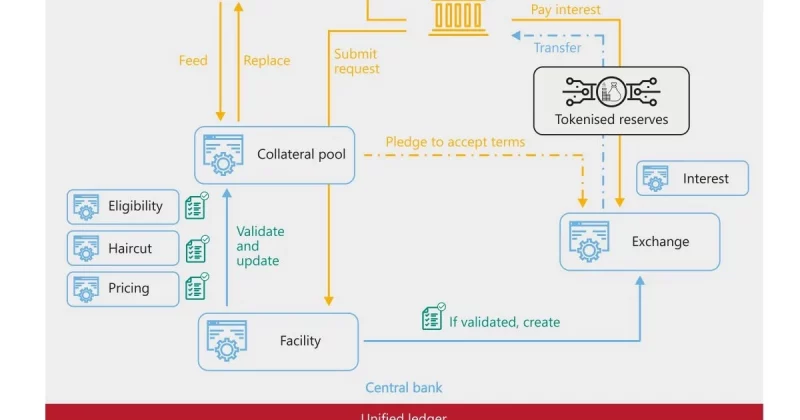
Developments in technology and financial services surrounding cryptocurrency, such as blockchain, stablecoins, and the tokenization of real-world assets, are continuing.
On the other hand, just because it is a promising field does not mean that all cryptocurrencies will survive.
I believe that from now on, it will become more important whether they are actually being used and what kind of value they are creating, rather than just relying on expectations or hype.
If Bitcoin goes up, everything goes up.
Perhaps we are moving away from such a simple era.
Summary: Is the end of 2026 not the time to force a trade?
As of November 22, the cryptocurrency market is in a quite difficult situation.
Regarding developments through the end of the year, I think we need to consider these three possibilities:
・The possibility of further declines
・The possibility of consolidation at low levels
・The possibility of a rebound depending on monetary policy and capital inflows
I think we need to keep these three things in mind.
Personally, rather than expecting a major rebound right now, I would first like to confirm whether the decline is settling down.
There is not much left of 2026.
Looking back at this year’s market, cryptocurrency is truly not easy.
When it goes up, it’s a dream, but when it goes down, it’s relentless.
Still, these experiences are part of the learning process.
My study of cryptocurrency, which I started in my 50s, will continue.
Well, will we be able to hear some brighter news by the end of the year?
Or will we be crossing into the new year with our assets still ‘cremated’ (haha).
I intend to keep watching the market a little longer without rushing or being greedy.
*This article is a personal market analysis based on information as of November 22, 2026. It does not guarantee prices or future developments. Investing in cryptocurrency carries the risk of losing your principal.