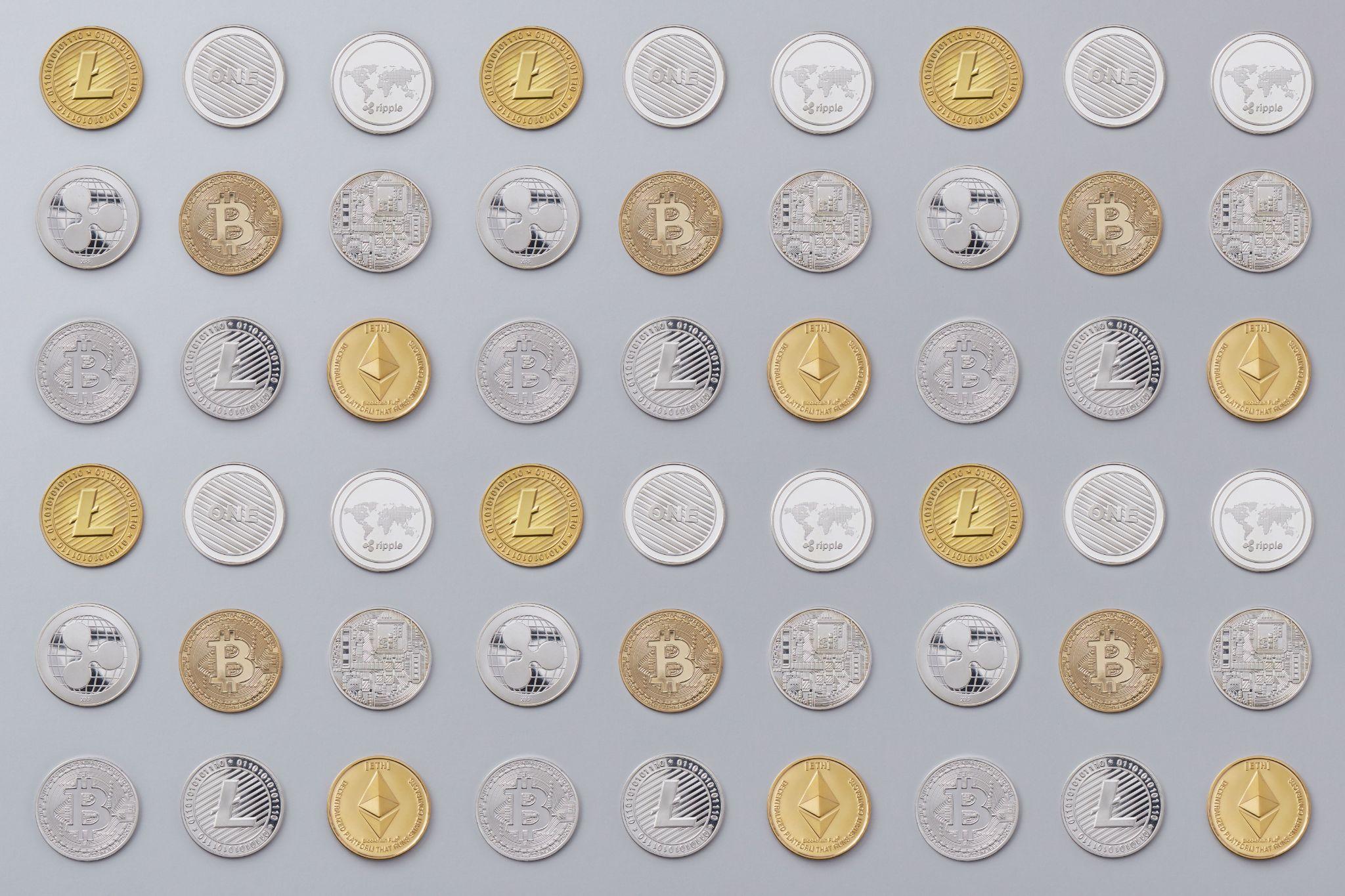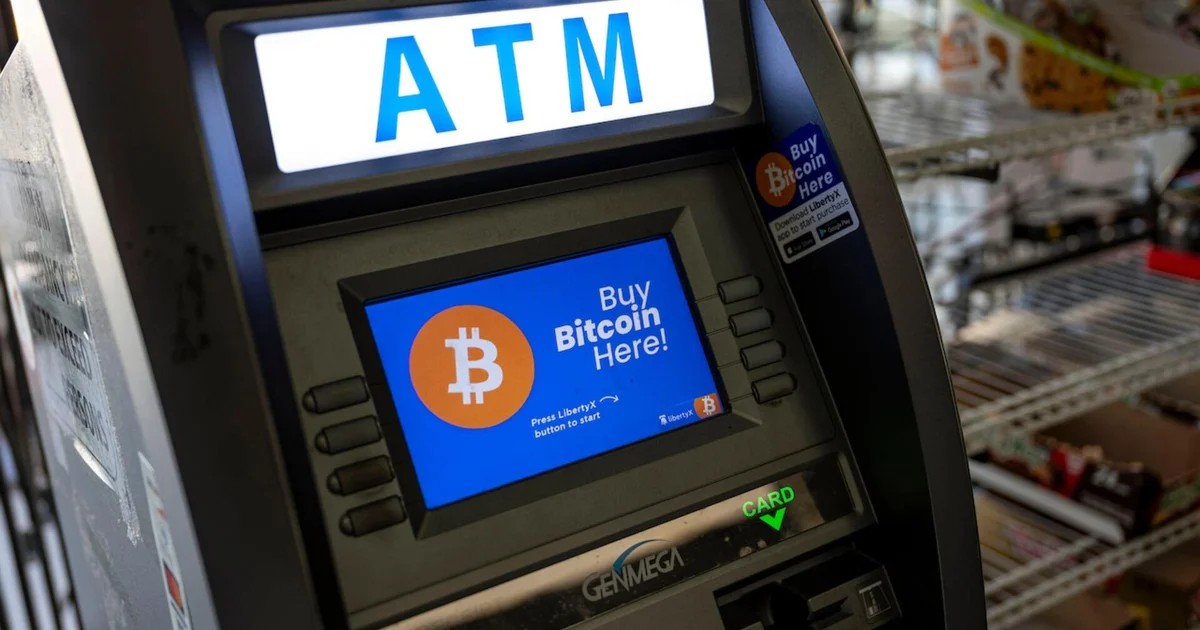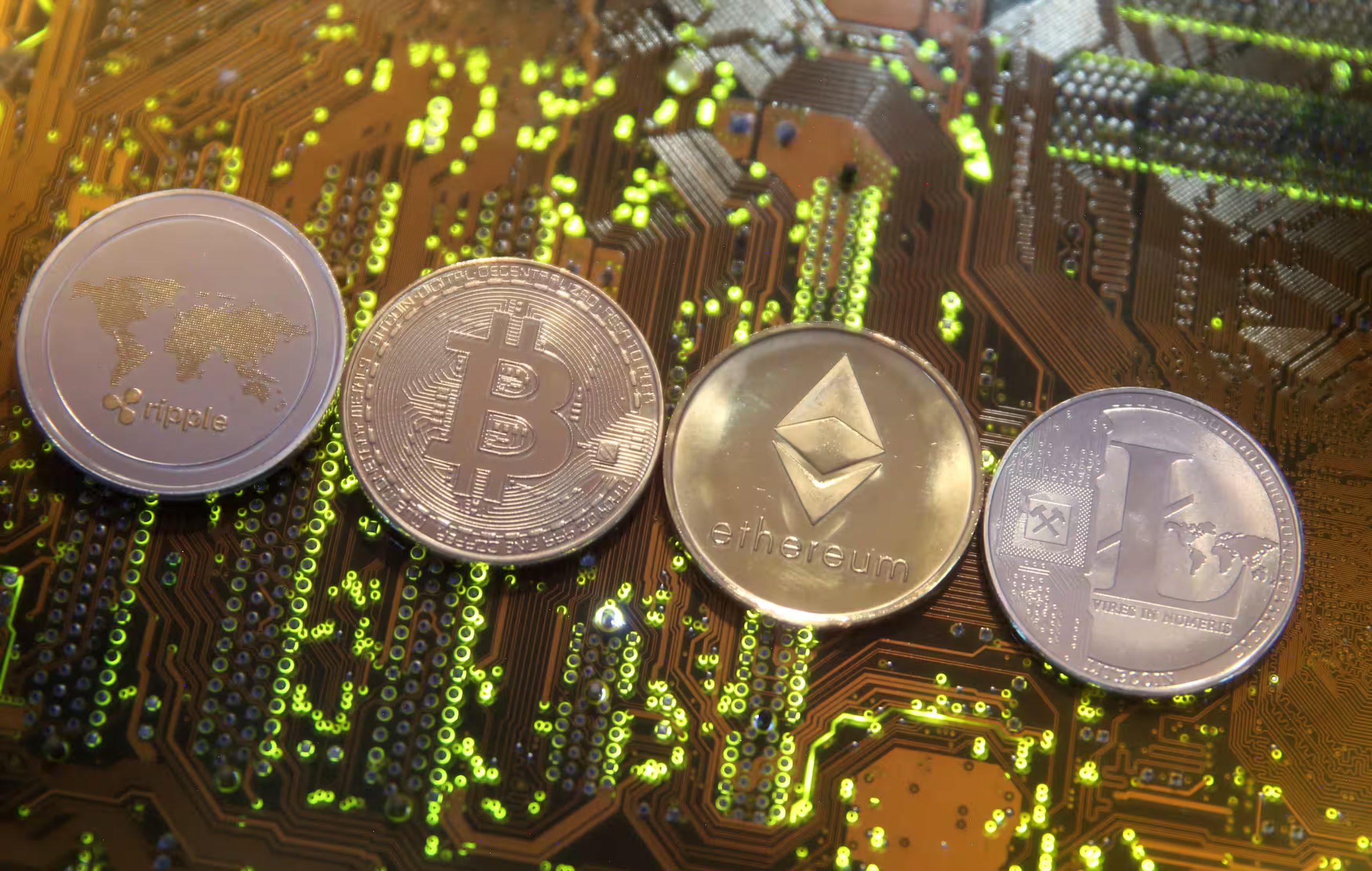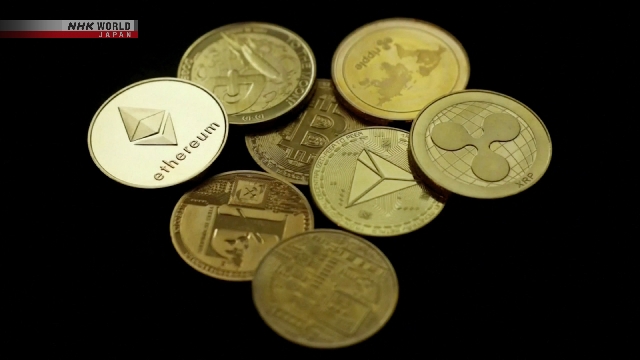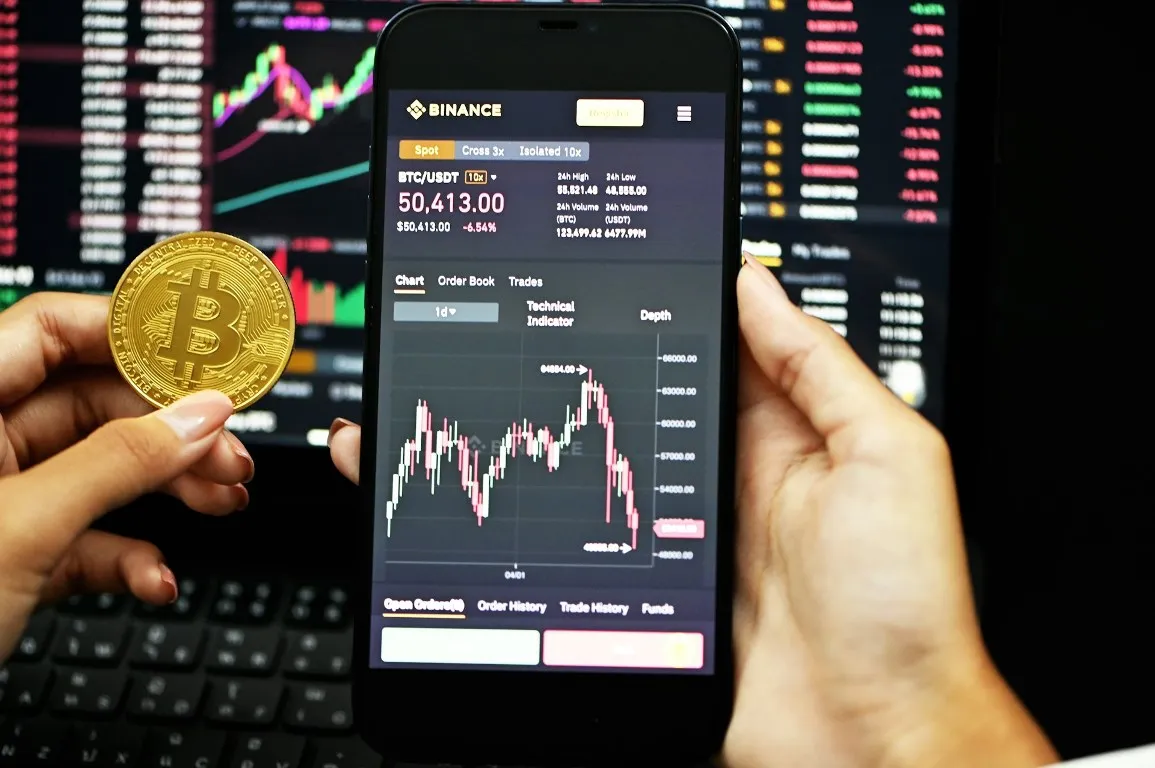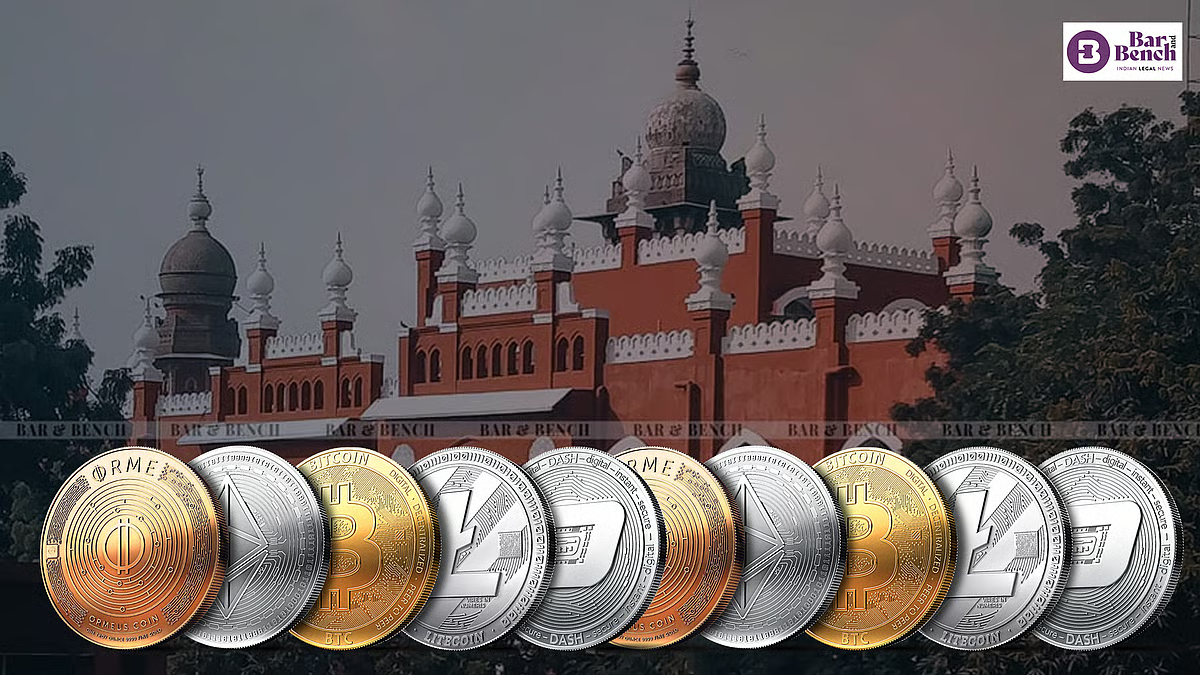
The International Monetary Fund (IMF) says the guidelines and regulations of cryptocurrency in Ghana fall short of comprehensive oversight.
It therefore wants activities-based guidelines to be developed in key areas, including trading, brokerage services, and lending, and rules on Special Contingent Account (SCAs) should be finalised.
In its recommendation on a report titled “Regulation and Supervision of Crypto Markets and Activities, it wants the authorities to ensure they are ready for licensing and supervision to achieve their mandates of consumer protection, market integrity, and financial stability.
With a regime set to go live in December 2026, and several guidelines still to be developed, the Bretton Woods institution whose mission carried out this work, said implementing a transitional regime is important.
“Given the size and dynamism of Ghana’s crypto market, it is likely that many entities will apply for licenses. Although the policy sandbox provides some transition, it’s rightfully used to inform guidelines rather than create a parallel regulatory regime”.
It added, “As many crypto entities are likely to need dual regulation given institutional arrangements, ensuring that licensing processes for crypto entities deliver similar outcomes through comparable formats is important. Licensing forms should be adapted to be activity specific”.
It continued that reporting requirements should be aligned between the relevant authorities to the best extent possible, stating that the mission has developed licensing check lists, risk assessment tables, and reporting templates for Crypto-Asset Service Providers (CASPs) and SCAs.
It concluded that the authorities are making good progress on regulation and preparation for licensing and supervision, and the policy sandboxes have the potential to be extremely effective.
However, they must ensure Ghana is ready to operationalise the regime and must take these recommendations forward.
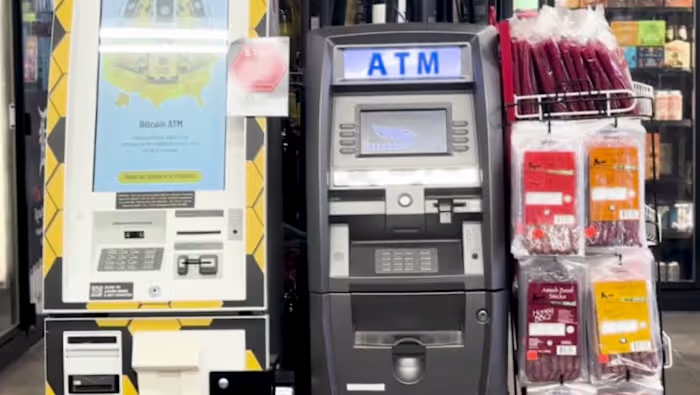
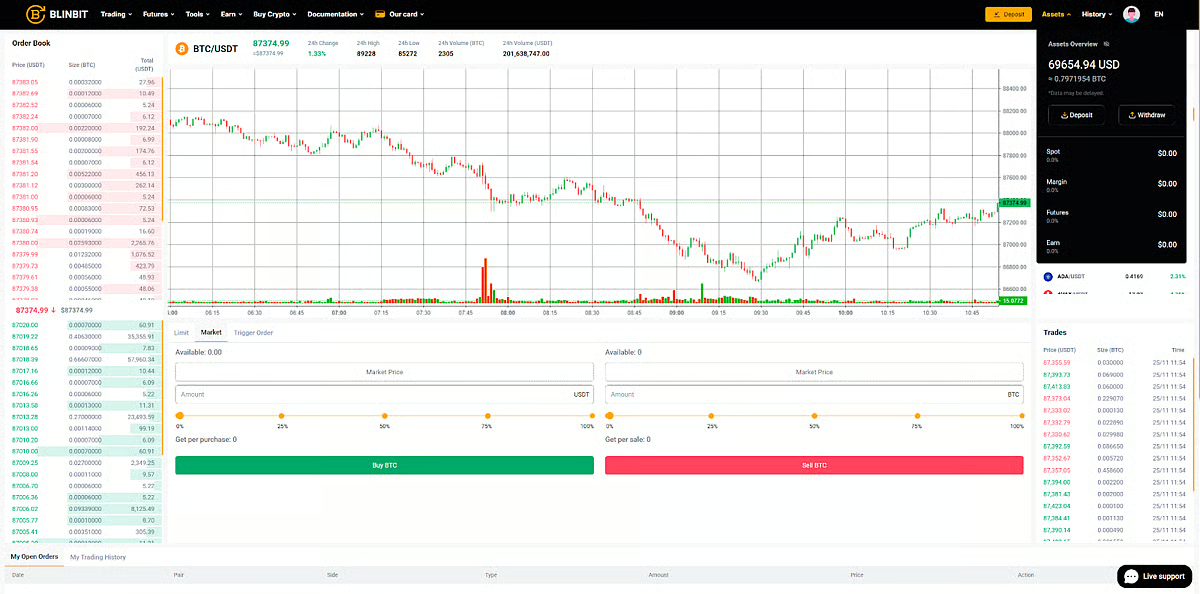
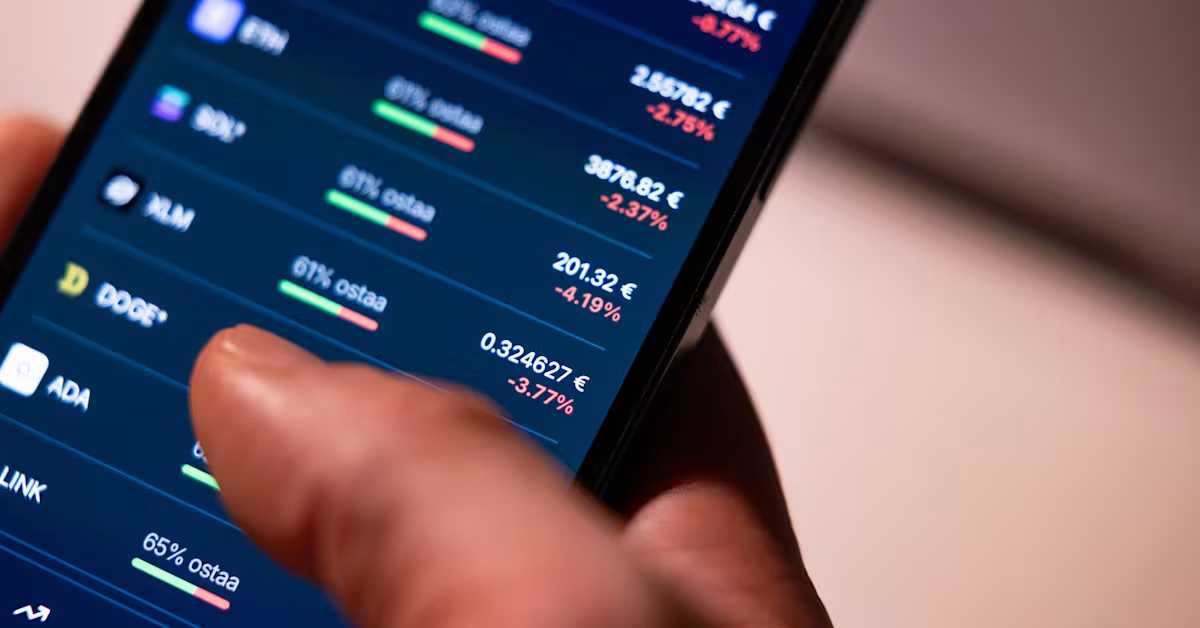
Ghana is the fifth largest crypto market in sub-Saharan Africa with adoption increasing.
Data suggests that between 8% and 17% of the population have bought or sold crypto, with estimated annual crypto transactions around $21 billion.
DISCLAIMER: The Views, Comments, Opinions, Contributions and Statements made by Readers and Contributors on this platform do not necessarily represent the views or policy of Multimedia Group Limited.
DISCLAIMER: The Views, Comments, Opinions, Contributions and Statements made by Readers and Contributors on this platform do not necessarily represent the views or policy of Multimedia Group Limited.
Source link