Key Takeaways
- The digital ruble will officially launch on September 1, 2026, according to Russia’s central bank chief
- This state-backed digital currency will coexist with physical cash and traditional electronic rubles
- All major financial institutions and high-revenue retailers must integrate digital ruble support immediately
- Brussels has included the digital ruble in its 20th round of sanctions against Moscow
- Washington is considering legislation that would prohibit a digital dollar through the end of the decade
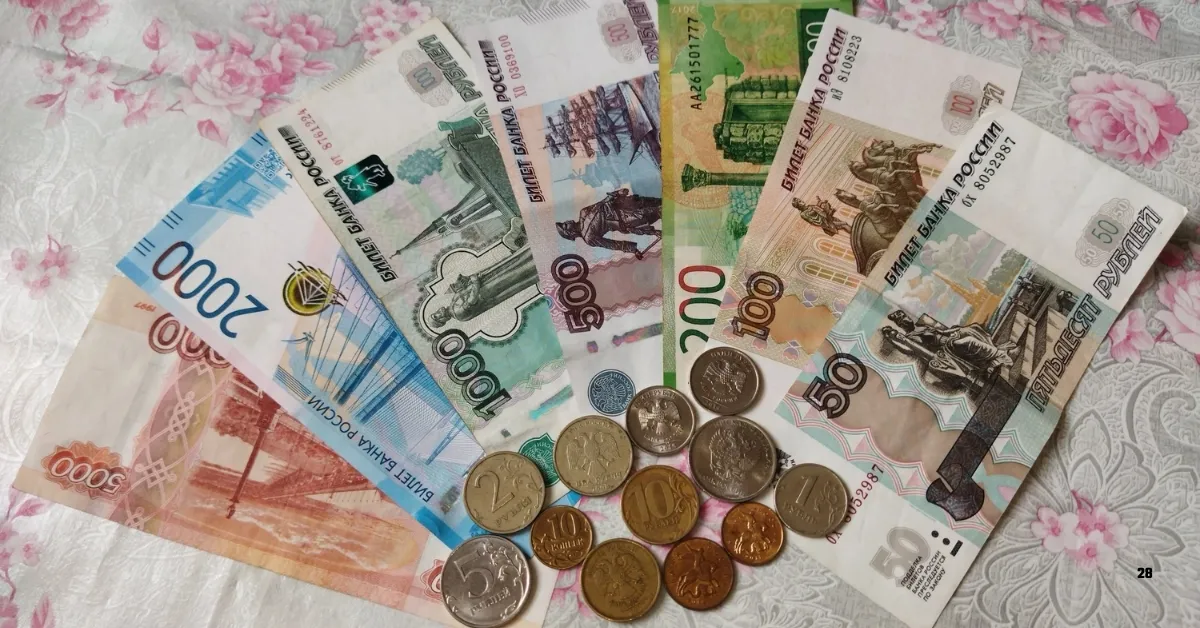
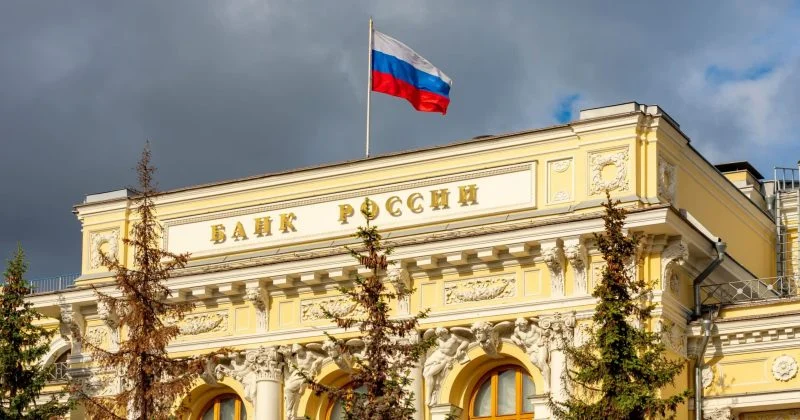
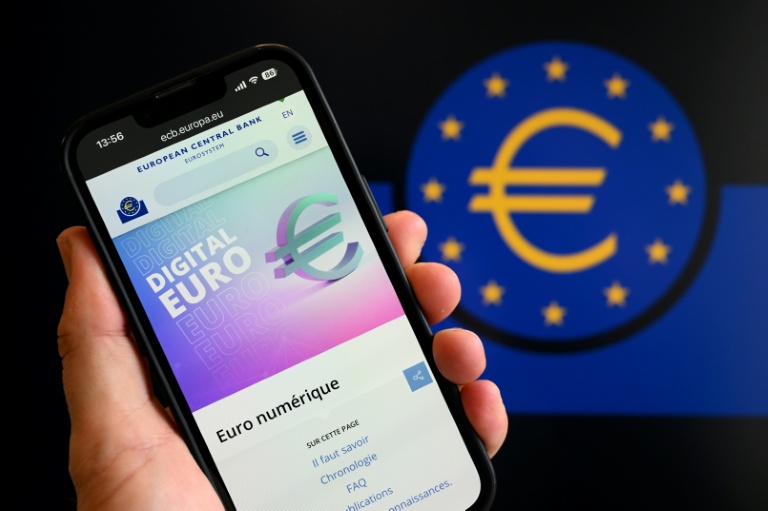
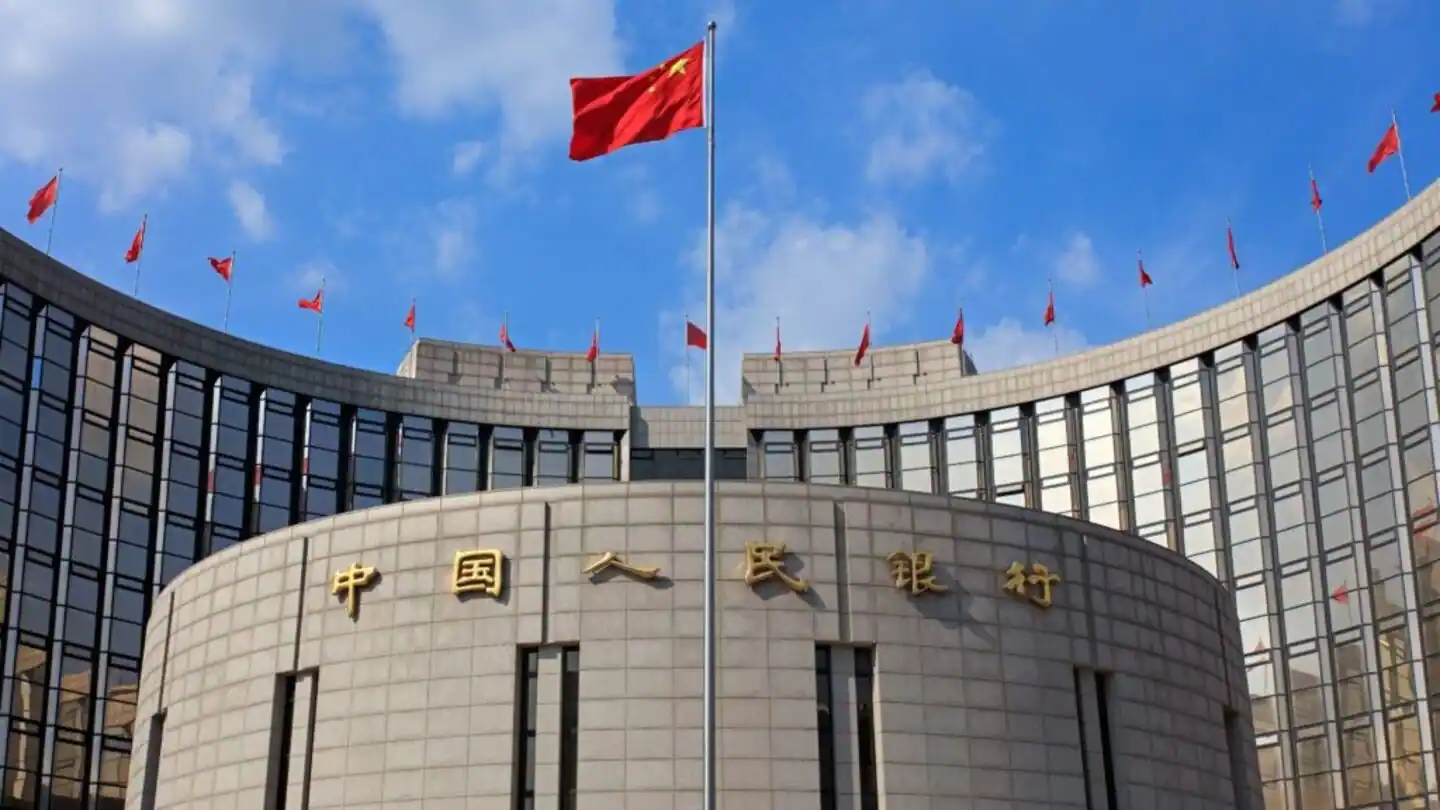
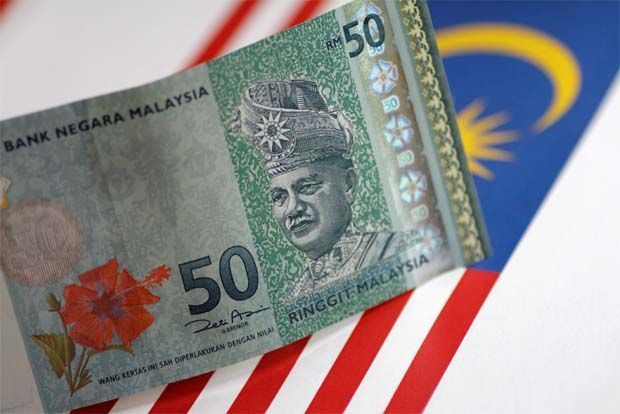
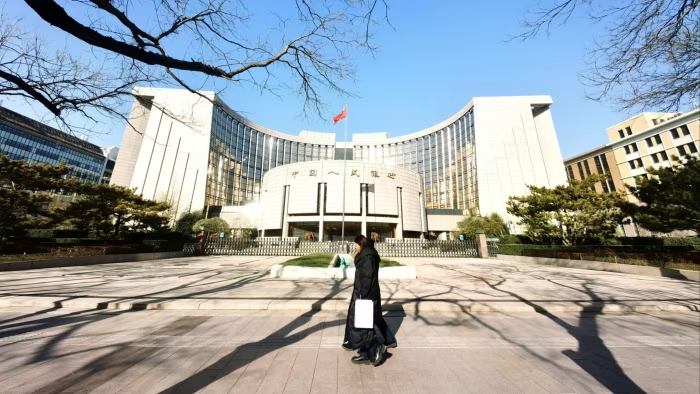
Moscow is just two months from introducing its central bank digital currency to the public. Elvira Nabiullina, who heads Russia’s central bank, announced to state broadcaster RIA Novosti on July 2 that preparations are complete for the September 1 debut.
The digital ruble project has been under development since 2021. Unlike some CBDC proposals elsewhere, Moscow’s version will operate in parallel with paper currency and conventional electronic payments rather than replacing them.
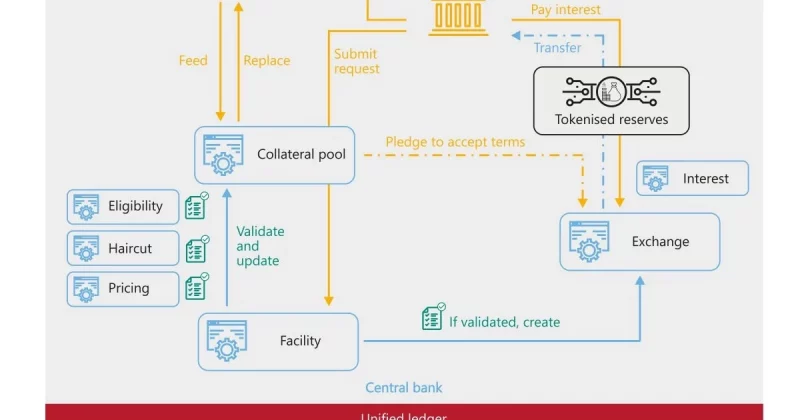
Citizens will access digital wallets via their existing banking applications, which will connect to the central bank’s infrastructure. For ordinary Russians, there will be zero transaction costs when using the digital ruble.
Mandatory Adoption Timeline
Beginning September 1, 2026, Russia’s largest banks and retail businesses generating more than 120 million rubles in yearly revenue must provide digital ruble capabilities.
The mandate expands progressively. Financial institutions holding universal banking licenses and merchants with annual turnover exceeding 30 million rubles face a September 1, 2027 deadline.
Even smaller banks and businesses must comply by 2028. Very small-scale merchants remain exempt under current regulations.
The Bank of Russia has conducted multiple pilot programs. These included testing smart contract functionality for the digital ruble in Tatarstan, with experiments involving conditional disbursement of government funds.
Brussels Has Already Responded with Sanctions
The rollout faces significant international headwinds. In April 2025, the European Union incorporated the digital ruble into its 20th package of sanctions targeting Russia.
Brussels prohibited transactions using RUBx and forbade EU entities from assisting in the digital ruble’s technical development. These measures were explicitly linked to Russia’s ongoing military actions in Ukraine.
The EU has also floated additional restrictions on international cryptocurrency platforms suspected of facilitating Russian sanctions circumvention. Officials believe certain services may be enabling Moscow to transfer capital beyond Western financial surveillance.
Analyst Jack Jarmon released a report in February 2026 suggesting that should the digital ruble project falter, Russia might pivot toward Bitcoin and other proof-of-work cryptocurrencies. However, he emphasized that Russia’s aging electrical infrastructure lacks the capacity to support industrial-scale crypto mining operations.
Jarmon additionally highlighted how Western sanctions have severed Russia’s access to advanced semiconductors, creating heavy dependence on Chinese suppliers for critical technology components.
Washington Takes the Opposite Approach
As Russia advances its government-controlled digital currency, the United States appears poised to restrict its own.
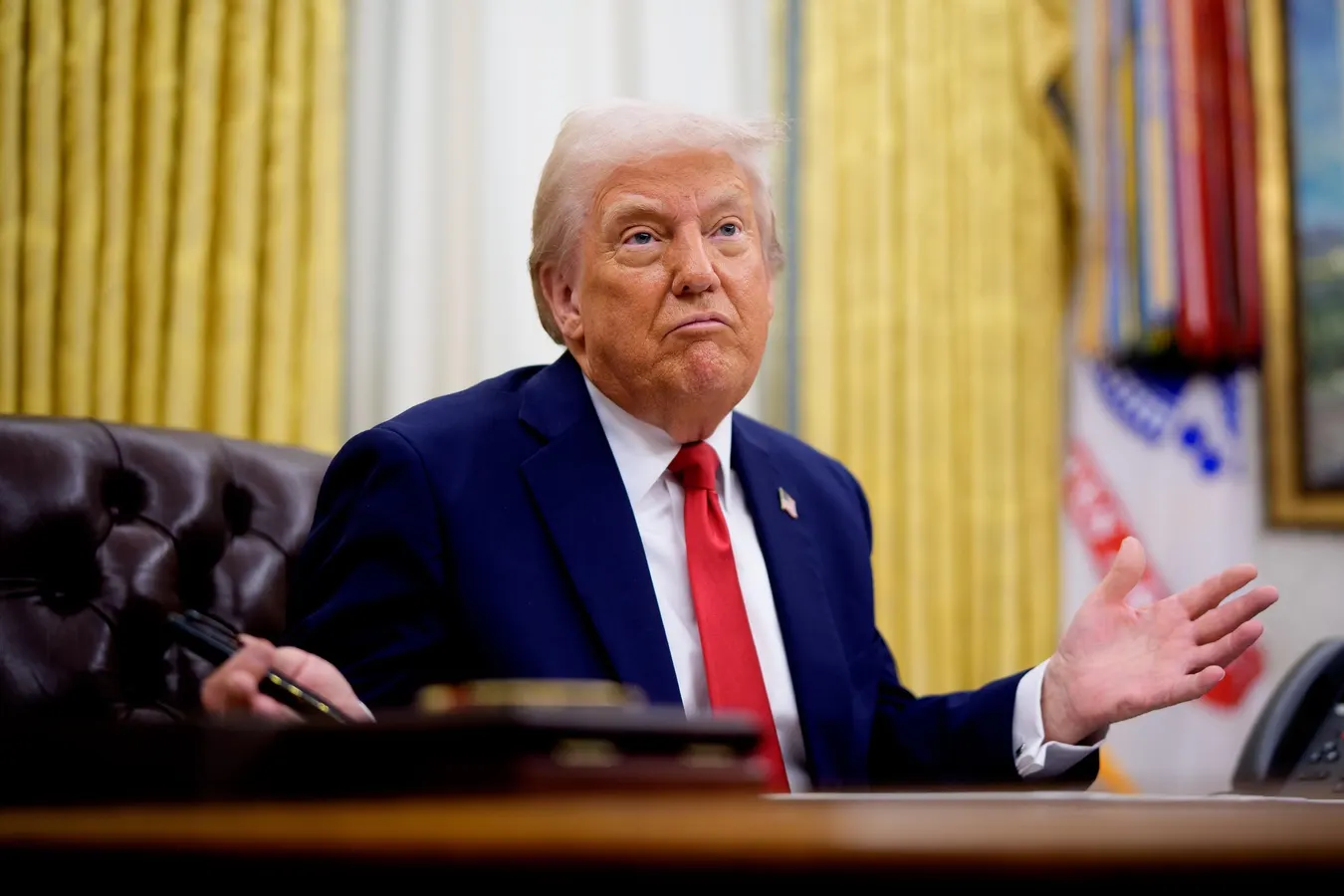
The 21st Century ROAD to Housing Act, currently awaiting President Trump’s signature, contains provisions banning the Federal Reserve from issuing a digital dollar until 2030.
Trump has indicated he will not sign the legislation. Nonetheless, if he neither signs nor vetoes it, the bill automatically becomes law after 10 days.
The American discussion revolves around privacy concerns and fears of excessive government oversight of citizens’ financial activities. Russia’s model represents precisely what many US policymakers oppose — a centralized digital currency under direct state control.
September 1 will mark the crucial moment when Russia discovers whether its banks, merchants, and population will actually adopt the digital ruble in meaningful numbers.