EU consumer protection authorities are taking action against nine video game companies that implement in-game currencies in their games. The games affected include “Minecraft,” “Valorant,” and “Clash of Clans,” the EU Commission announced on Wednesday. German companies Crytek and InnoGames are also under investigation.
The selected games need to be evaluated more closely, according to the Commission’s statement. A coordinated procedure has now been initiated. In the network for cooperation in consumer protection (CPC), national consumer protection authorities work together under the coordination of the EU Commission when a potential violation impacts consumers in several EU states.
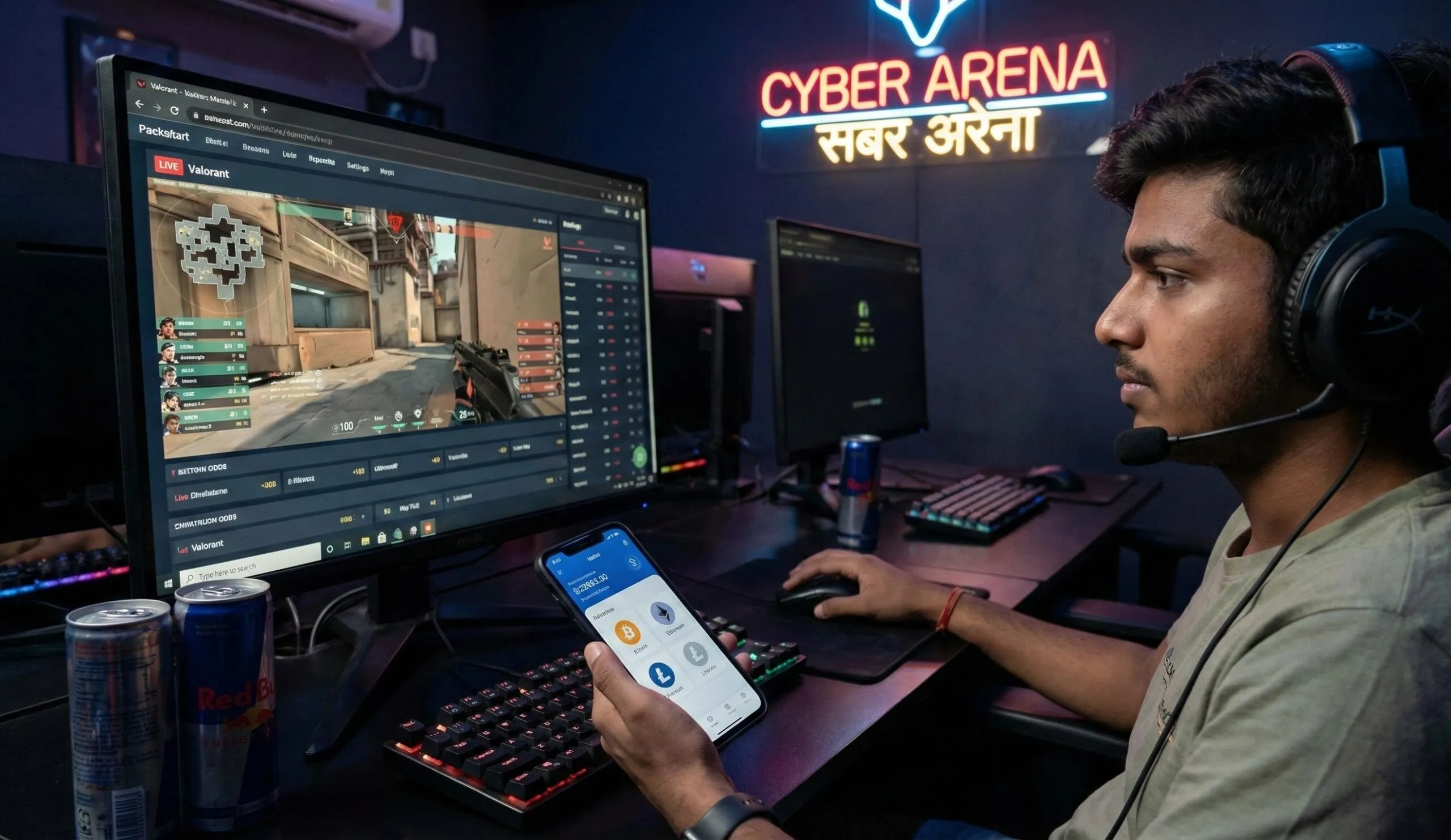
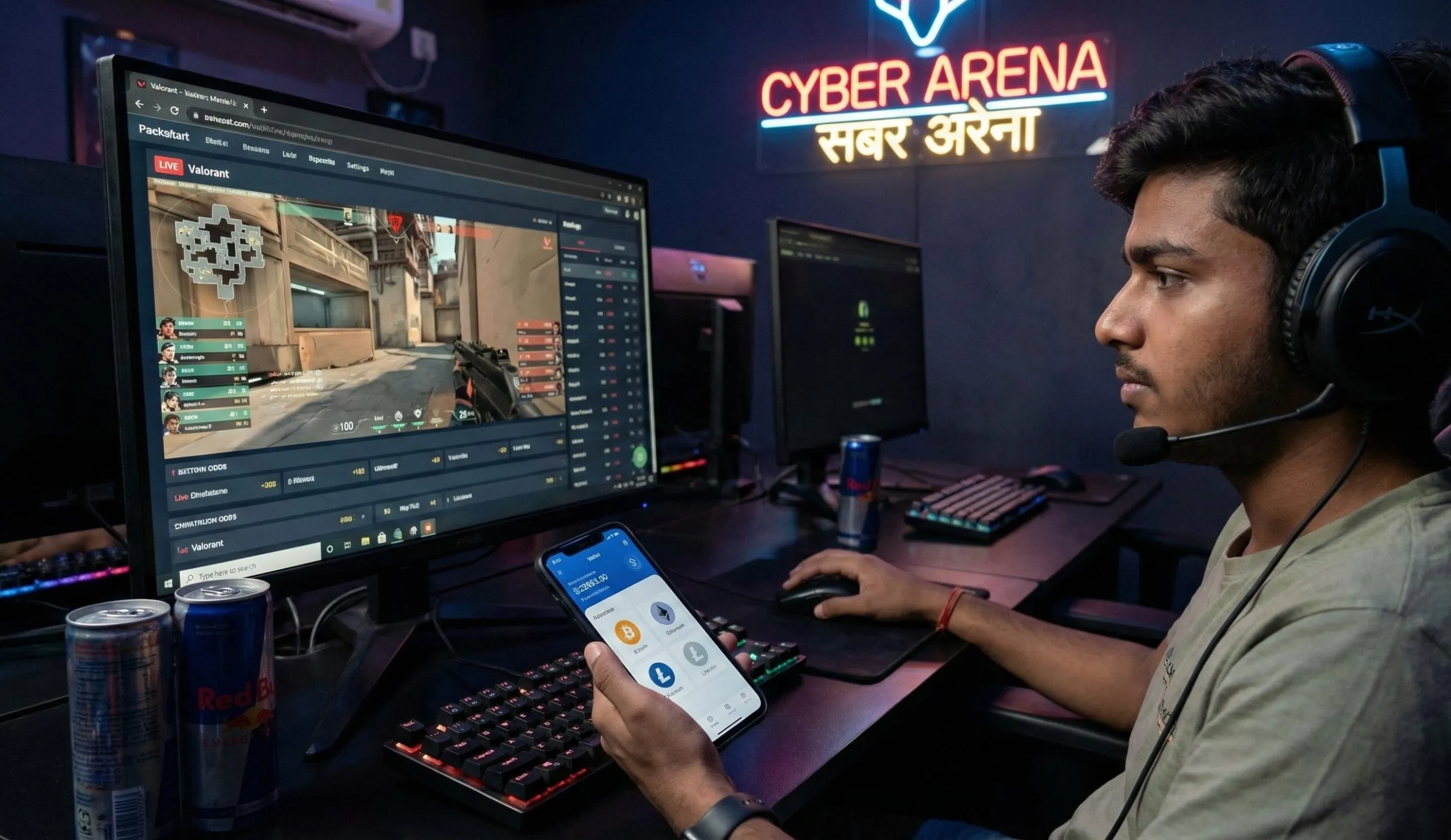
Affected are “Hunt: Showdown 1896” by Crytek, “Forge of Empires” by InnoGames, “Candy Crush Saga” by King, and “Minecraft” by Mojang. The list also includes “Mech Arena” by Plarium, “Gardenscapes” by Playrix, “Valorant” by Riot Games, “Clash of Clans” by Supercell, and “For Honor” by Ubisoft. The games were selected on a random basis to cover different market segments.
Real prices instead of game money
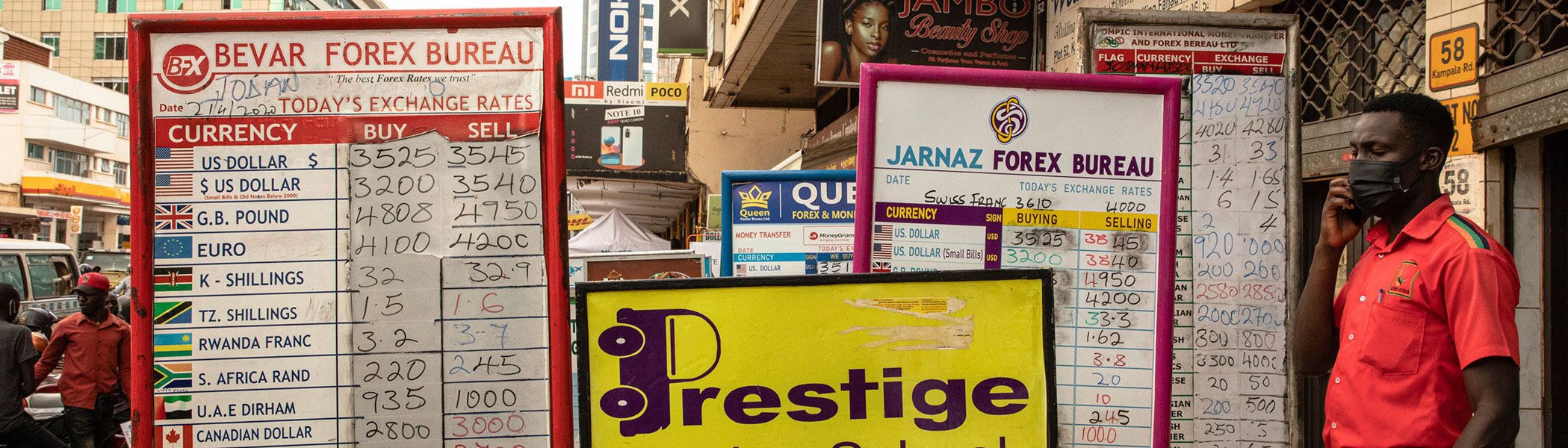
Consumer advocates object to premium currencies that players buy with real money and exchange for in-game items. Because the shops only display their prices in this currency, the actual price can often only be determined by conversion. The offered packages also often provide in-game currency that does not perfectly align with the purchasable items. Often, after a purchase, a remainder is left, encouraging further purchases.
The authorities therefore demand that companies display prices in real money and refrain from using obfuscating multiple currencies or exchange mechanisms. Players should not feel compelled to buy excessive amounts of currency to progress. Furthermore, they must be informed about their 14-day right of withdrawal, which explicitly also applies to unused currency. Fair terms of use and protective measures for children are also among the demands.
The authorities refer to seven principles that the CPC network published in March 2025. They are not new legislation but an interpretation of existing EU directives. According to a joint statement by the CPC network, the authorities are also targeting “Dark Patterns” and direct purchase requests to children in the proceedings. Loot boxes are given special attention.
Activision Blizzard must explain
The authorities are also separately examining “Diablo Immortal” and “Call of Duty: Mobile” from Activision Blizzard. In addition to the sale of in-game currencies, they are concerned with the collection of personal data, potentially addiction-promoting designs, default child safety settings, direct marketing to children, and blocking of game accounts. Three of the affected companies, Activision Blizzard, King, and Mojang, are part of Microsoft. Heise online has requested a statement from Microsoft.
The European consumer organization BEUC initiated the process in September 2024. At that time, BEUC and 22 member organizations filed a complaint with the EU, including against Activision Blizzard, Electronic Arts, Epic Games, and Mojang. The industry associations Video Games Europe and EGDF, in contrast, accused the CPC network of misguided interpretations of EU consumer law after the publication of the principles, as they wrote in a joint statement.
The Commission organized two workshops with the industry associations in 2025, followed by written exchanges. Despite the guidelines and discussions, a large number of game companies have not substantially changed their games, the network’s statement now says. The consumer advocates have not yet specified the deadlines the companies will be given or the consequences they face. The statement is currently primarily a declaration of intent.
Regulations on the monetization of video games could be enshrined in the Digital Fairness Act. The Commission intends to present its draft in the fourth quarter of 2026. Consumer advocates are calling for rules against loot boxes and purchase pressure. However, a power struggle is raging over the law.
(dahe)