The Current20:31OC star turned crypto critic, Ben McKenzie exposes the lies of cryptocurrency
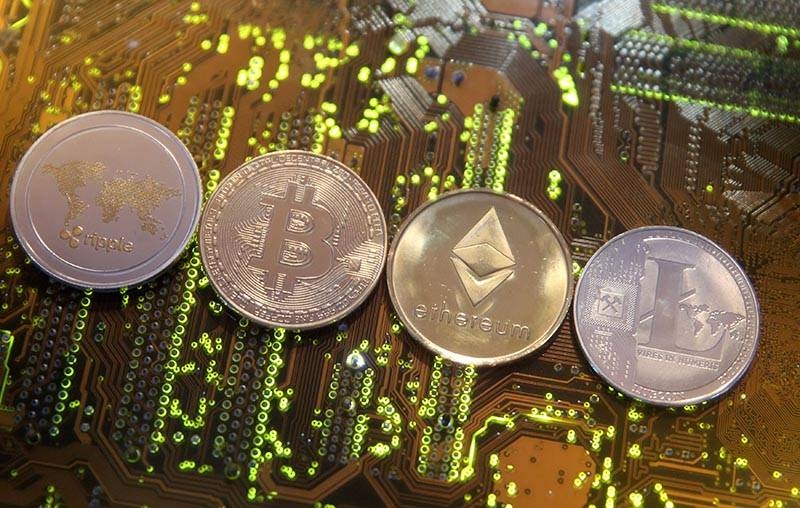
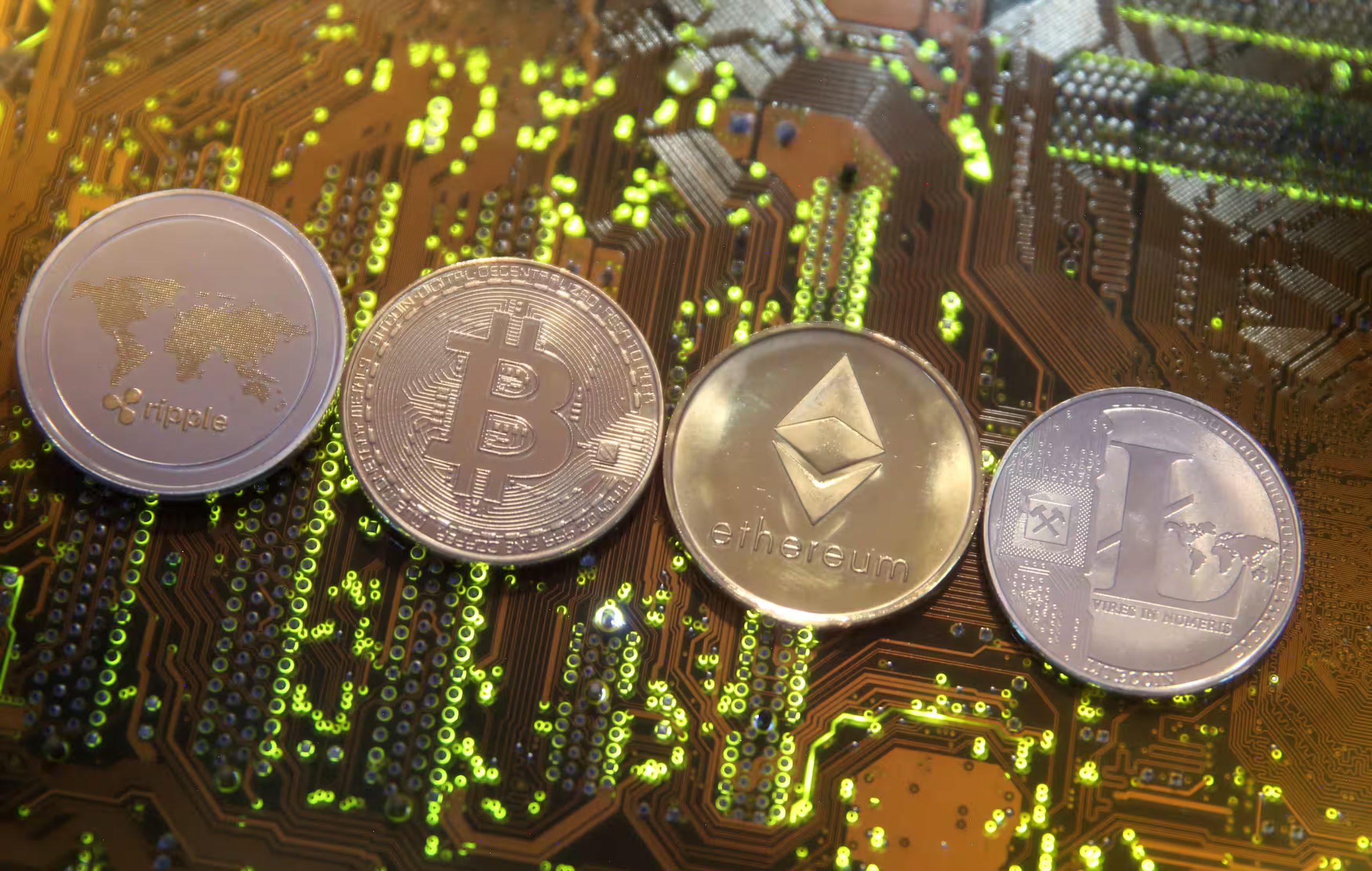
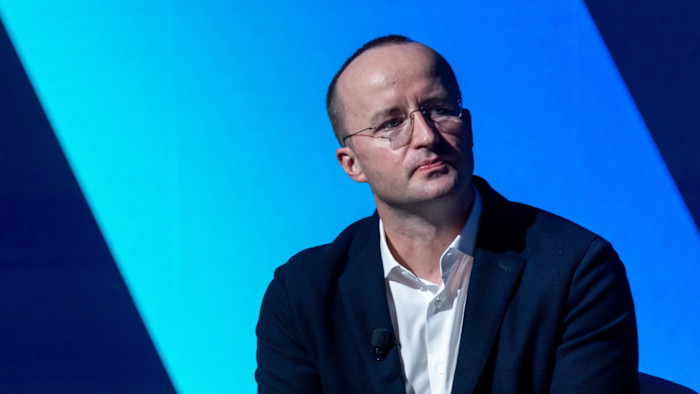
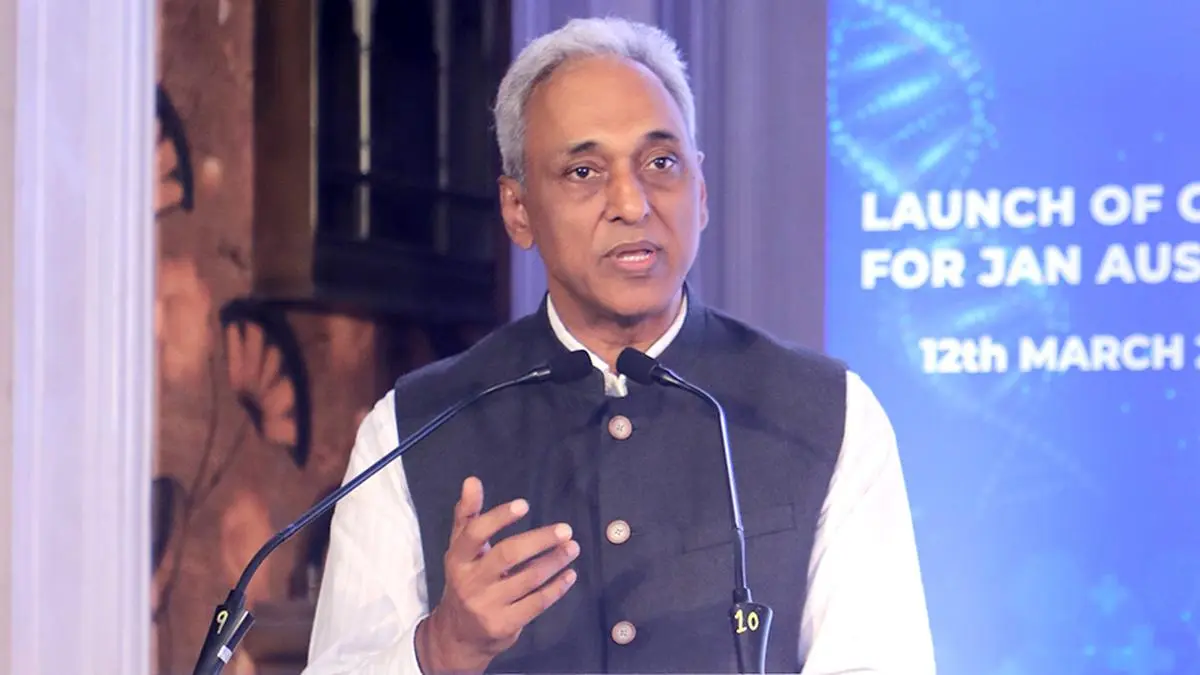
Ben McKenzie rose to fame as Ryan Atwood in the hit teen drama The O.C., but these days he’s turning his attention to what he calls “the largest Ponzi scheme in history”: cryptocurrency.
“What you see over and over again with crypto is that a few insiders make an enormous amount of money, and most of [the] regular investors lose money,” said McKenzie, who investigates the industry in his new documentary Everyone Is Lying to You for Money. The documentary received a limited theatrical release in April.
McKenzie first became interested in cryptocurrency when a friend suggested they both invest in it — but couldn’t really explain what it is or how it works. The actor, who holds an undergraduate degree in economics, started looking into the industry and quickly became fascinated by “just how full of hot air the whole thing was.”
In 2022, McKenzie went on to testify in a U.S. Senate committee hearing on cryptocurrency, and co-author a book, Easy Money: Cryptocurrency, Casino Capitalism, and the Golden Age of Fraud.
While some industry insiders have argued the documentary hypes up harmful narratives around cryptocurrency, McKenzie says he’s just arguing for greater regulation to protect investors.

Ben McKenzie says men are drawn to cryptocurrency’s compelling story of becoming wildly rich, but they’re also less likely to speak up when they lose money. The actor and director, best known for starring in The O.C., investigates cryptocurrency in his new documentary Everyone Is Lying to You for Money.
He spoke to The Current’s guest host Lyndsay Duncombe about the documentary, and why he thinks cryptocurrency is harmful for men in particular.
[Your documentary] starts with a scene. You say you’re in Iraq, where you explain the idea of money started, and then you walk up a hill and it turns out you’re not in Iraq. You’re in West Texas. How does that introduction work for the kind of message you’re trying to get across here?
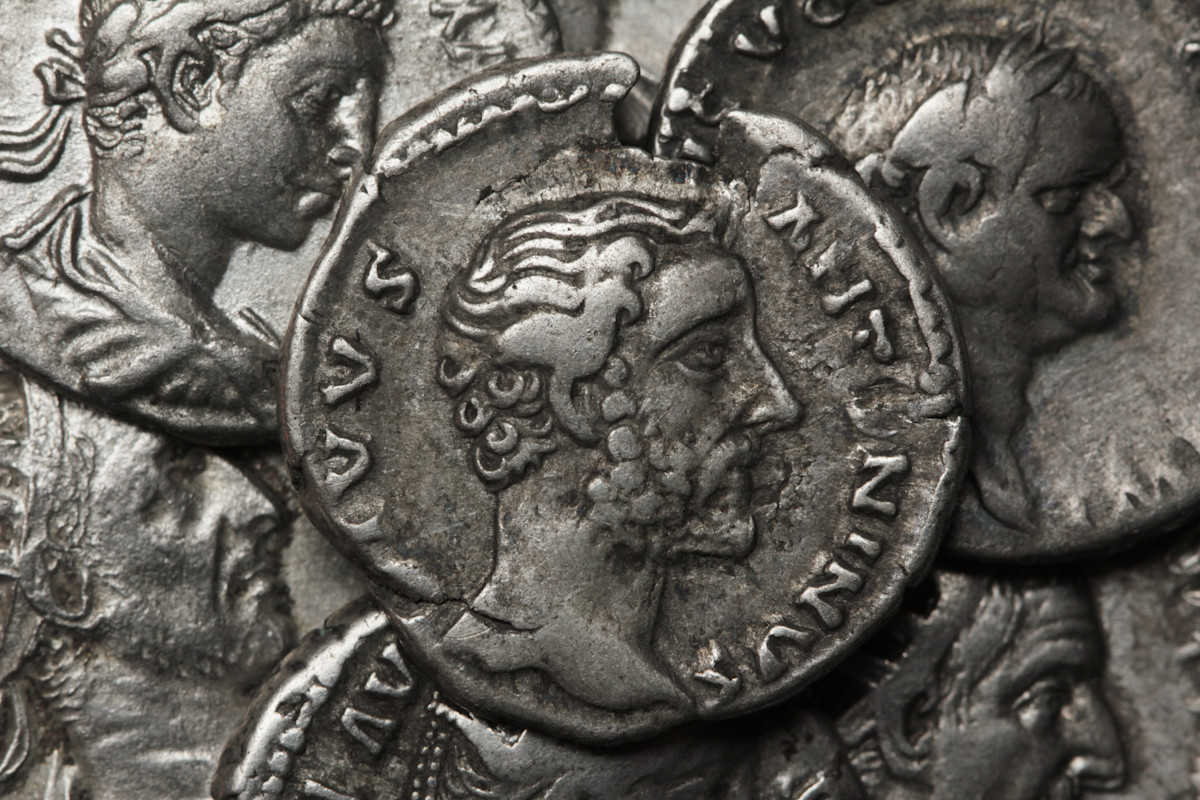
Everyone is Lying to You for Money is the title of the movie — and I too am lying to you for money, and I say so at the top. The reason that lying is such an important part of the story of money itself is that money is made up. It’s what’s called a social construct. People have to believe that something works. It has to work for them. Enough of them have to believe that for the thing to work. Over the years money has taken different forms, whether it’s feathers or coins or, you know, bills. And now digital ones and zeros in bank accounts, but what money really is, at the end of the day, is trust. When you take a dollar bill from me, you take it not because you trust me, but because you trust that you can use that dollar bill for whatever you see fit.
Crypto says we don’t need any of that trust, that human trust. We can privatize it. Corporations can issue money — that’s what cryptocurrency is, it’s privately-issued money. And you can trust that. And the truth is you can’t. You’re really placing the trust or transferring it from the public sphere to the private sphere in a way that I think is very dangerous. Essentially money is trust. And these guys are lying to you for that money.
Some people are getting rich off crypto, right?
Absolutely. What you see over and over again with crypto is that a few insiders make an enormous amount of money, and most of [the] regular investors lose money. That happens over and over again.
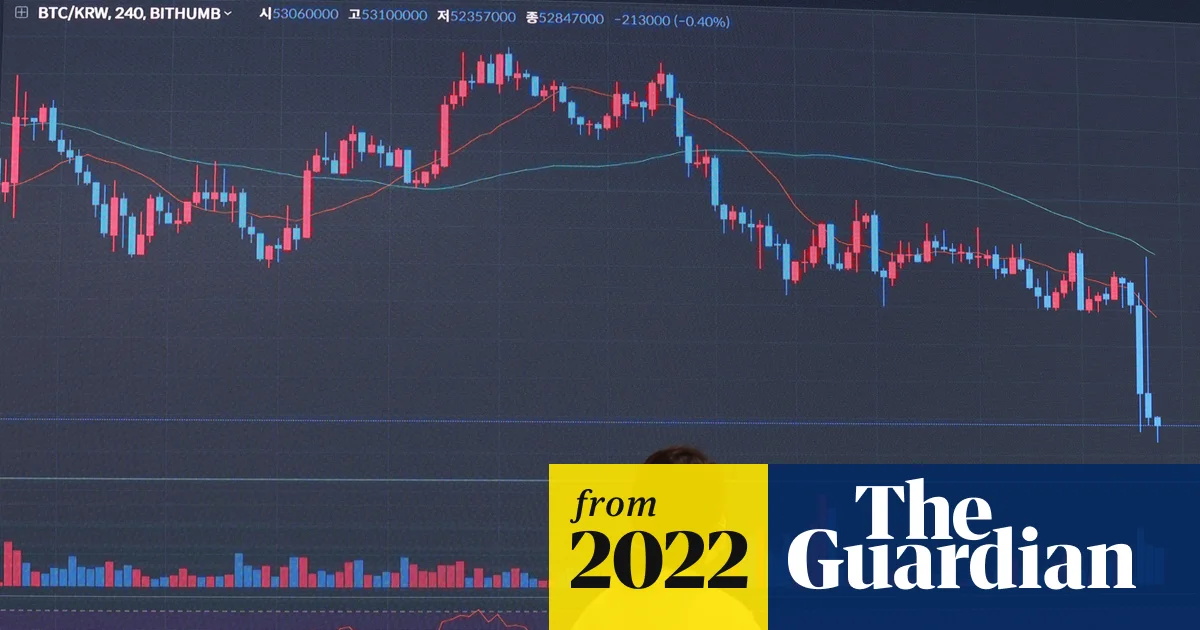
Perhaps the clearest example is Trump coin, the meme coin issued by the president of the United States, where his family made a reported $1.4 billion, and investors lost over $3 billion.
That happens a lot because, again, with the privatized money or privatized issuance of these cryptocurrencies, there’s just a lot of potential for manipulation in the prices of those cryptocurrencies, which can lead to a lot of investors getting scammed and defrauded.
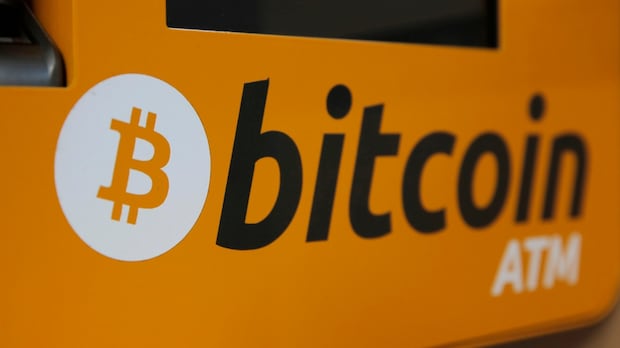
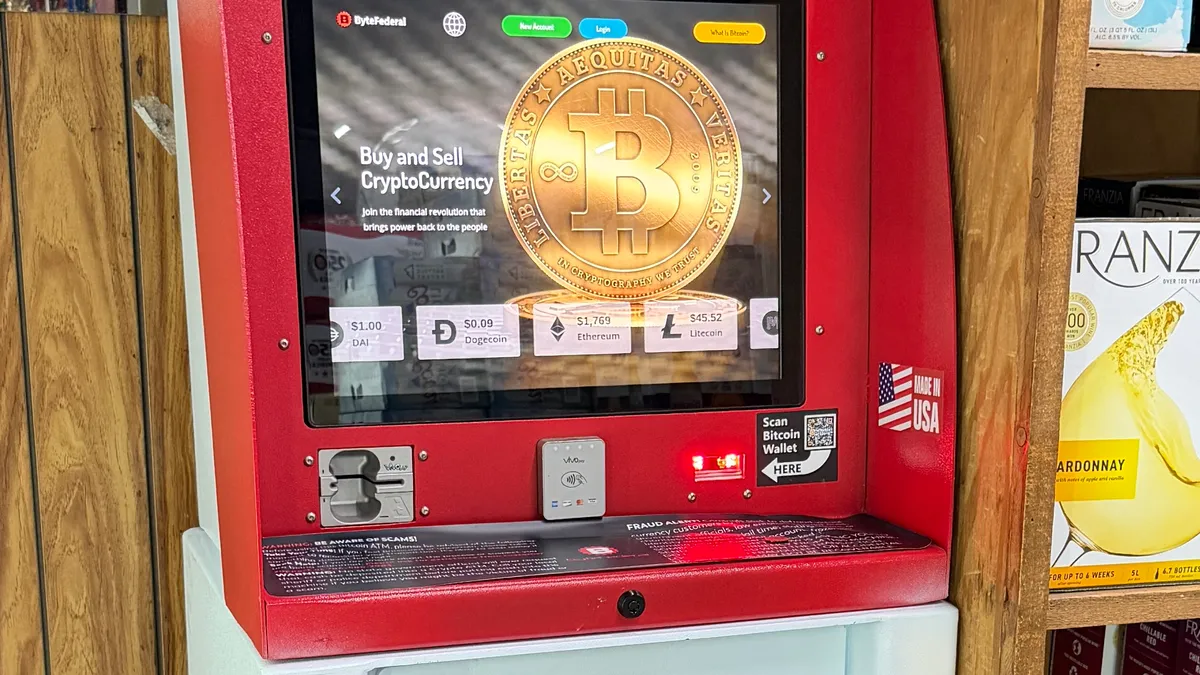
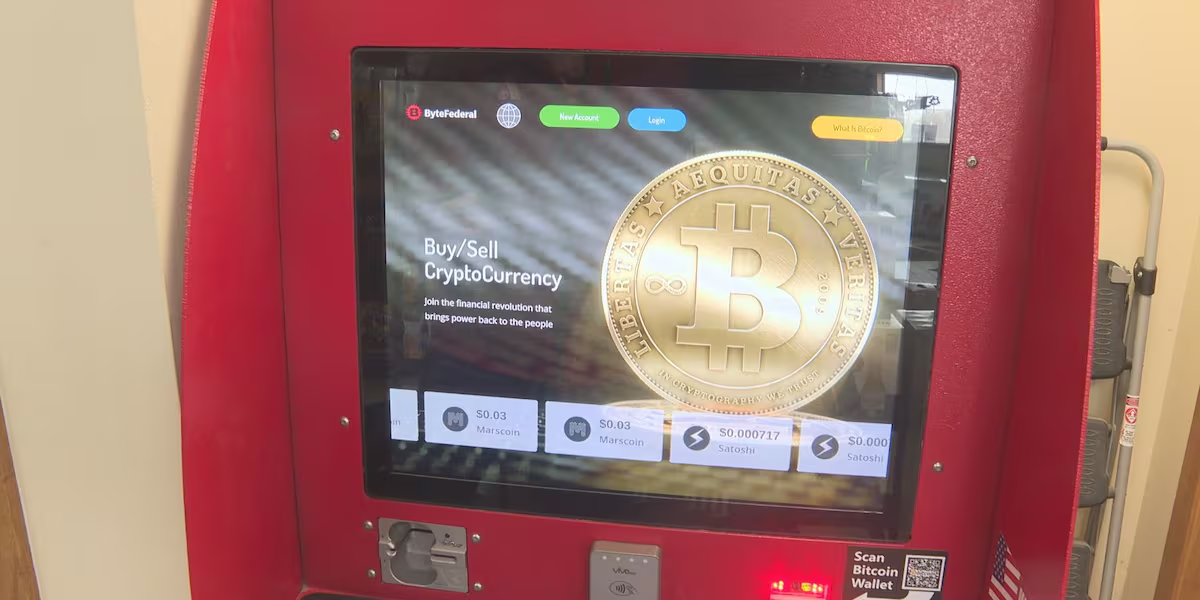
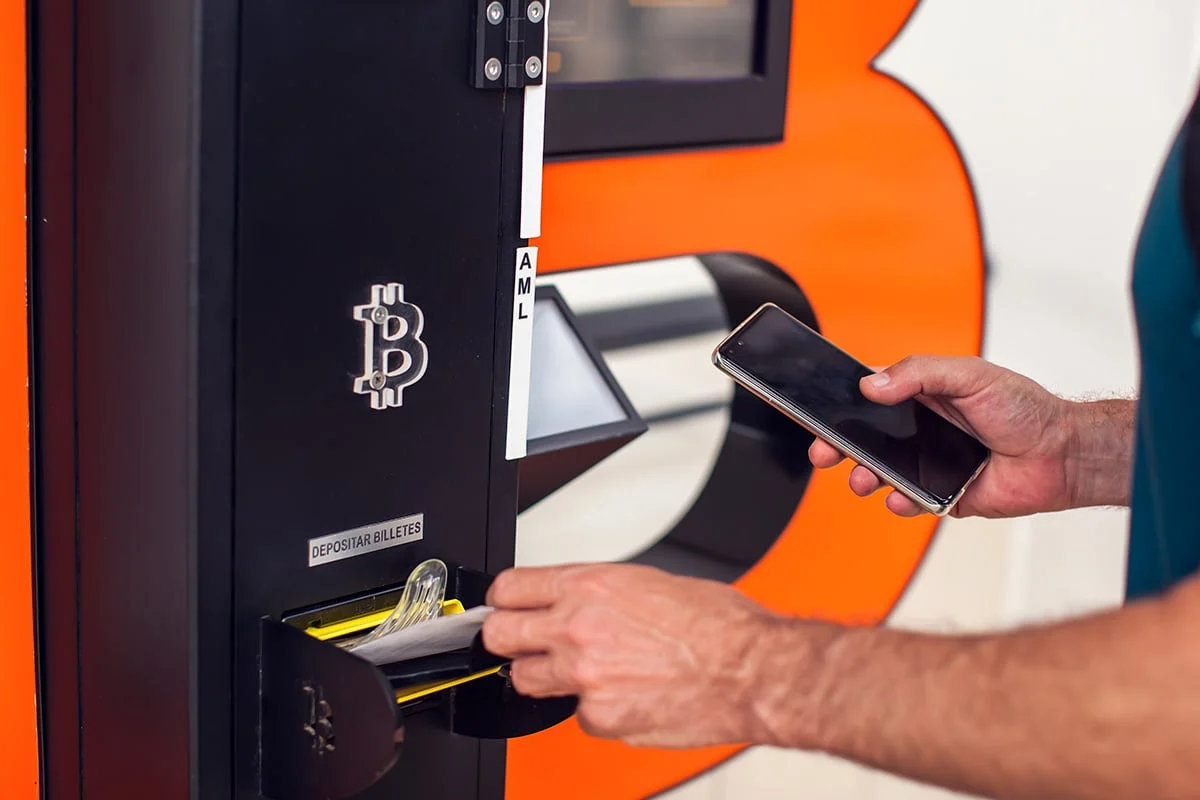
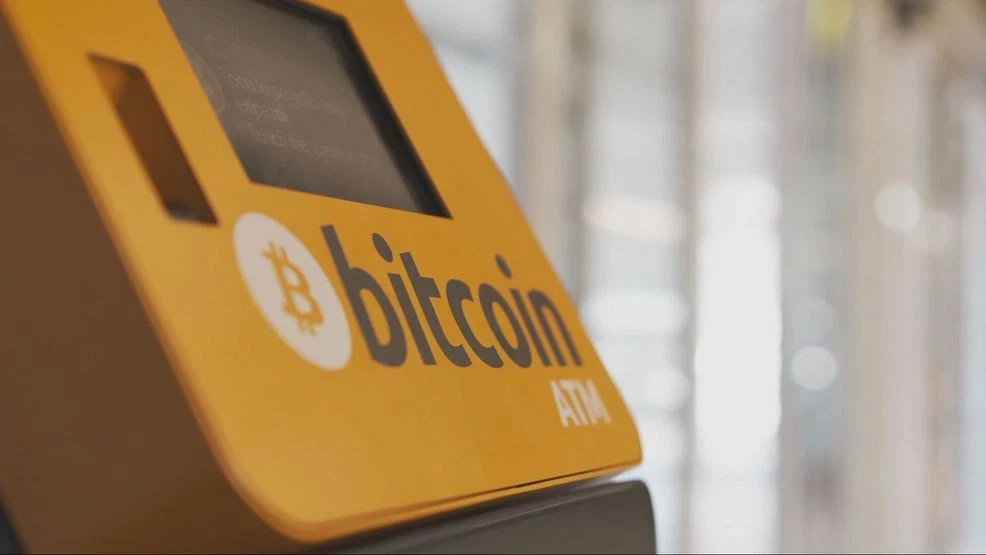
Crypto ATMs are the main way fraudsters are getting money from Canadians, according to a federal report. The CBC’s Angelina King and Farrah Merali dive into the issue in the three-part series Feeding Fraud: The Crypto ATM Problem.
Yet despite that, some of the investors [in different cryptocurrencies] who lost so much spoke to you — and said they keep investing. They still believe in Bitcoin. How do you explain that?
Well, faith and belief are funny things. We are not entirely rational as human beings. I think for a lot of guys — crypto does predominantly appeal to men — the story is so compelling, the idea that you could become wildly rich, rich beyond your wildest imagination, without really much effort. And that you would somehow own this currency privately, you know, the government wouldn’t be able to take it away from you, is the story.
I think that appeals to all sorts of people, but particularly to men who are struggling financially or have, you know, aspirations, understandable aspirations to become wealthy. And crypto really preys on those men. They prey on the fact that men are more likely to gamble, which is really what investing in cryptocurrency is, it’s gambling in an unregulated, unlicensed casino. And men are also taught to hide their feelings when they lose. And you don’t hear guys talking about their sports bets that they didn’t win, right? They talk about the ones that they won. And so guys are taught from a pretty early age, often taught to to feel shame and to not talk about when they lose. The net effect is quite bad.
WATCH | Trailer for Everyone Is Lying to You for Money:
And yet in this documentary, you did get some of those men to open up and talk about their experiences … Yet again, when you ask them if they still believe in cryptocurrency, they say they still do. Did that surprise you when you were talking to them?
It did. It did. In a way, the more they lost, the more they had to believe. I think there’s a sense that the costs have already been sunk. The sunk-cost fallacy is an economic term: the idea that they’ve already spent all of this time and money on this venture and so it would be more painful to admit that they were wrong and that they’ve lost the money. It’s easier psychologically to just continue on and to keep hope alive. I think the thing that’s most tragic to me about it is less the belief and more the fact that they feel they need to gamble on this stuff to begin with. That we have failed them as a society in a sense of providing a quality of life to where they don’t feel that they need to gamble like this.
That’s really the takeaway, one of the main takeaways from crypto is. Crypto talks all the time about the ways in which our current regulated financial system doesn’t work very well for average people. And they’re right about a lot of those criticisms. It is often an insider’s game in the regulated marketplace as well. But crypto is worse. It’s not a better alternative. It’s a worse alternative. And I think that concept can be very hard for investors to grasp, but yet it remains true.