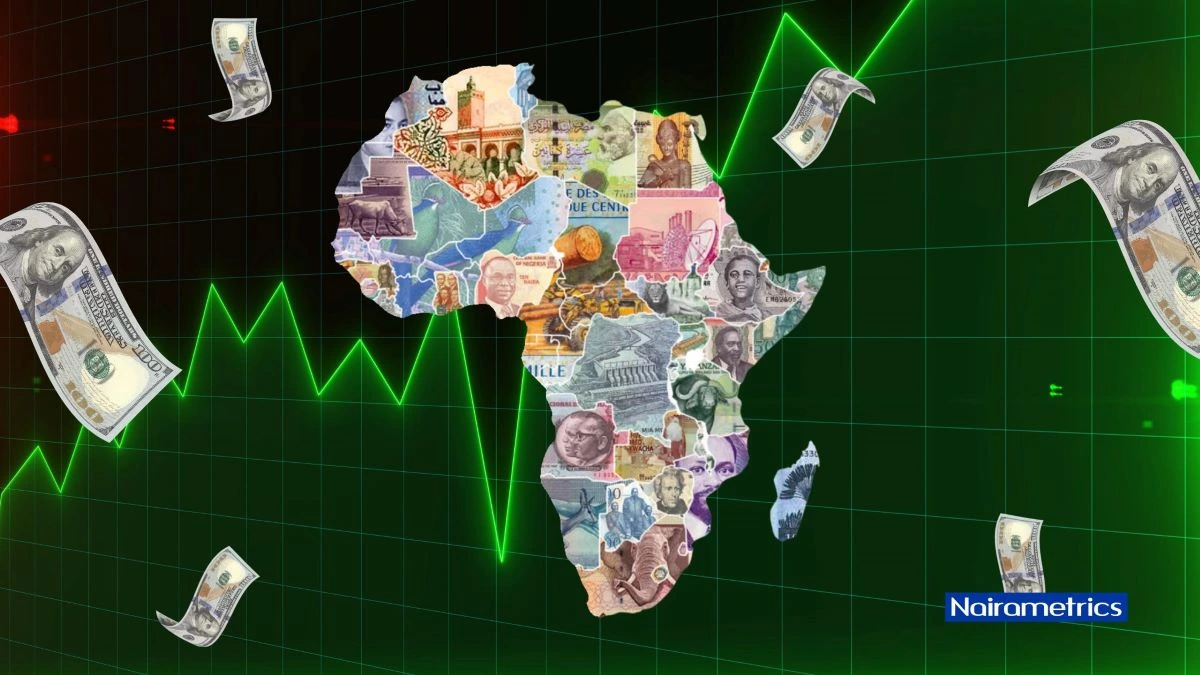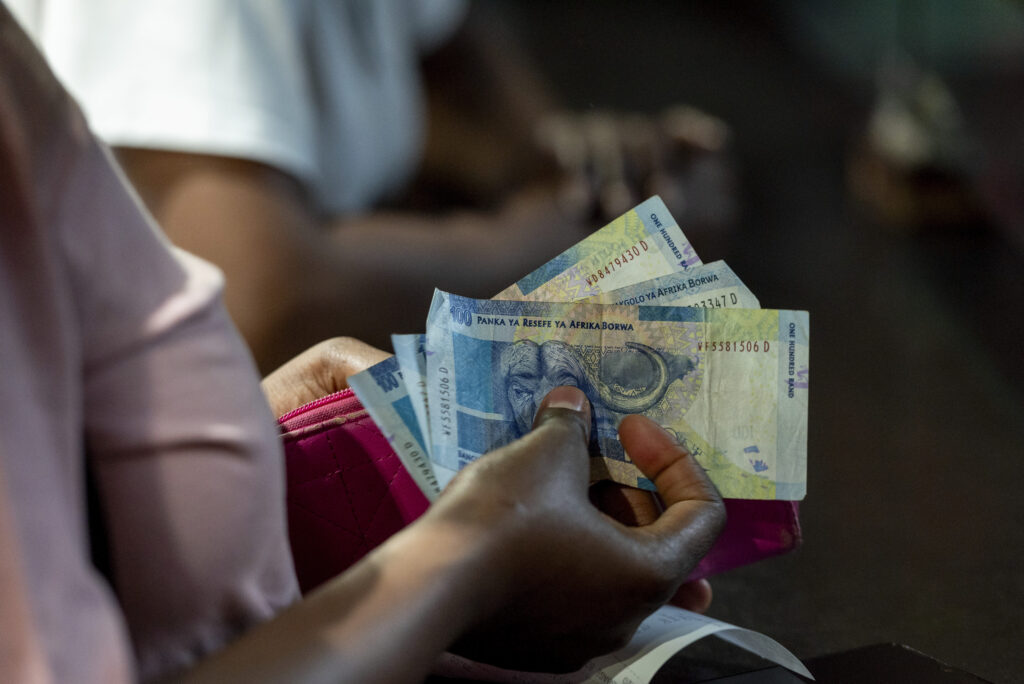
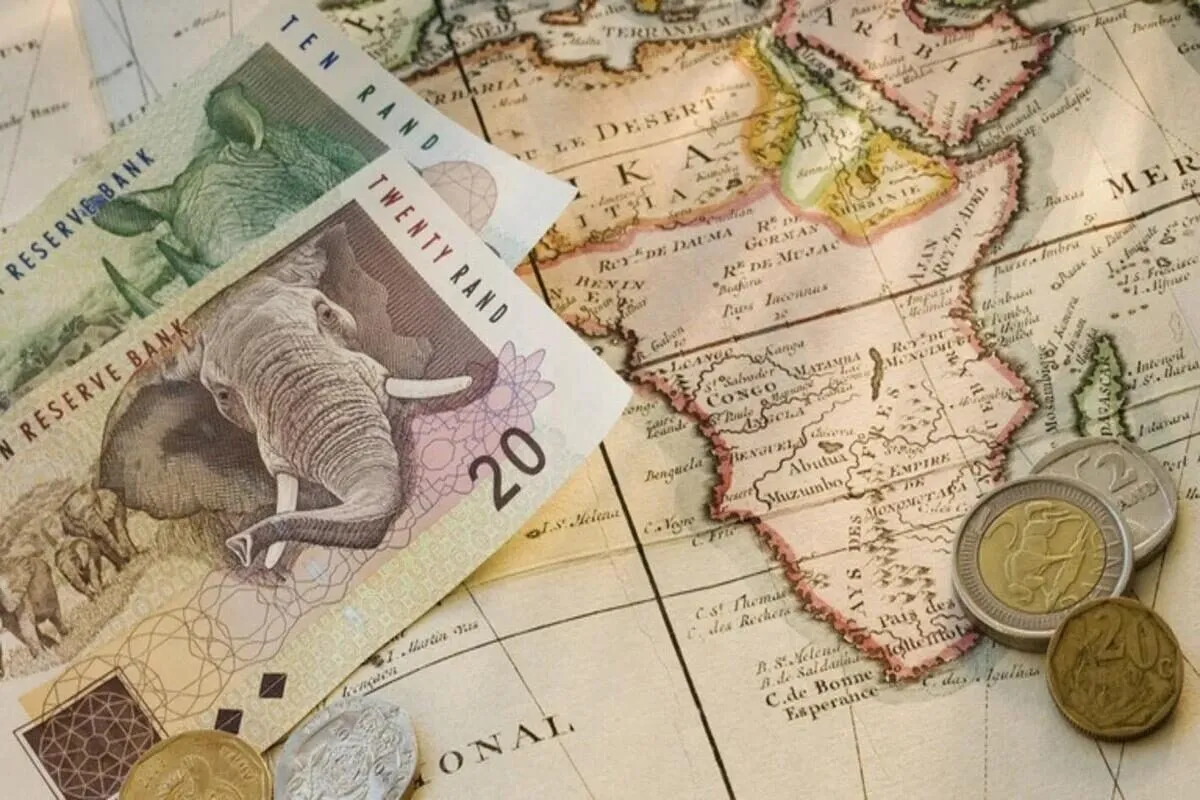
The South African rand remains one of Africa’s most closely watched currencies, however, it is not the continent’s strongest currency when measured against the US dollar.
As September 2026 gets underway, several African currencies continue to trade at a higher nominal value than the rand, with the Tunisian dinar, Libyan dinar and Moroccan dirham among the continent’s strongest.
The ranking is based on how many units of each local currency are needed to buy US$1.
The fewer units required, the higher the currency’s nominal value against the dollar.
So where does the South African rand rank?
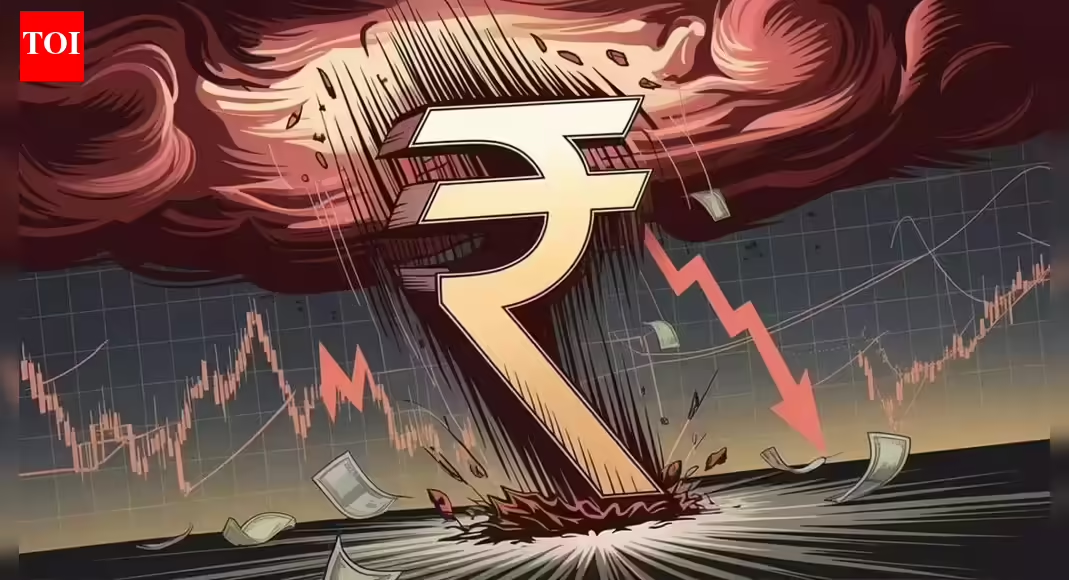
The rand sits around eighth in the latest ranking, with approximately R16.16 to R16.19 required to buy US$1 on 2 September 2026.
The rand’s position also comes as South African markets remain sensitive to global developments.
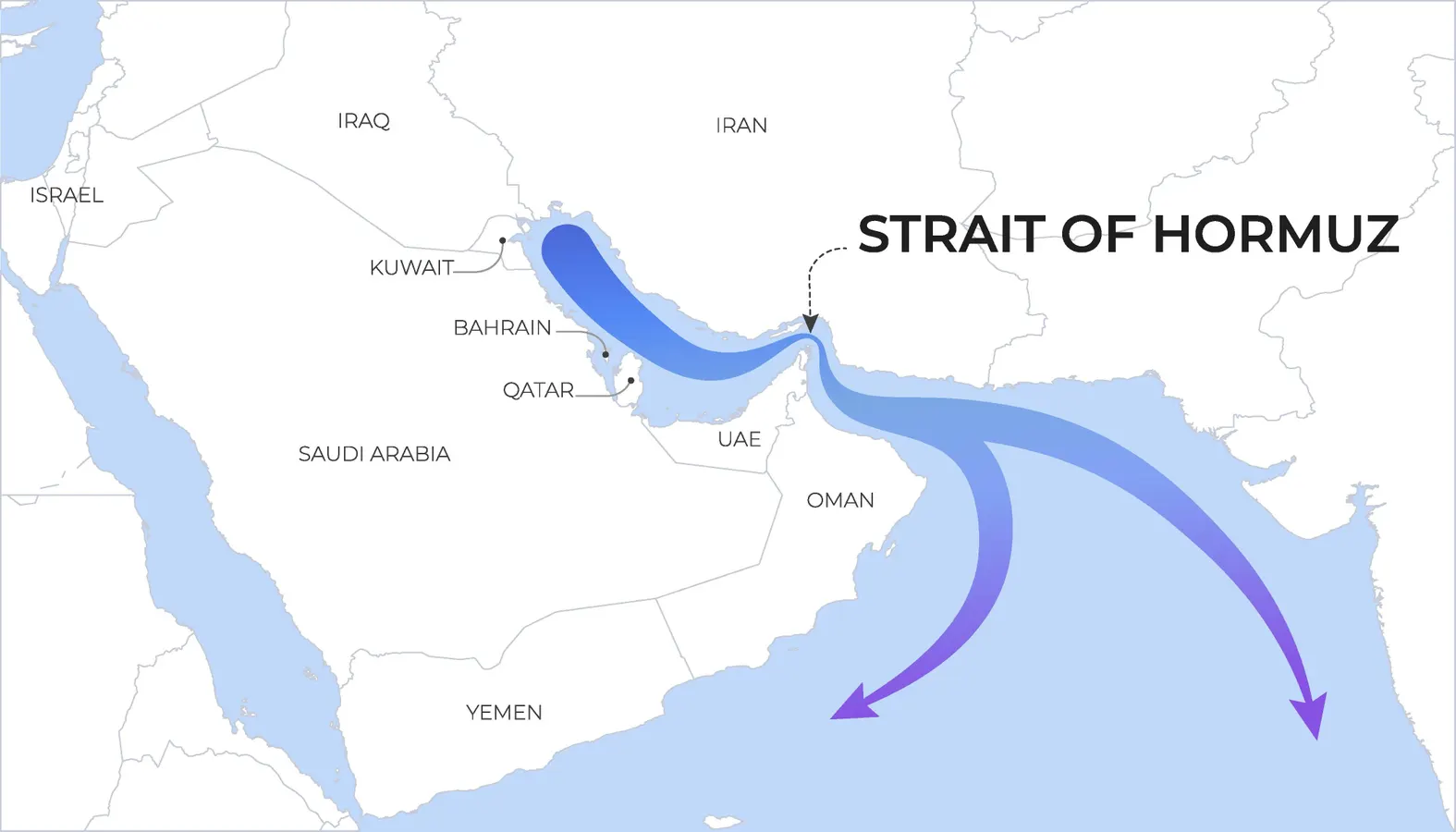
Reuters reported on 2 September that the rand was relatively stable in early trading as investors watched upcoming US jobs data, while higher oil prices and tensions in the Middle East added to market uncertainty.
Africa’s 10 strongest currencies
Based on the latest available exchange-rate data and the August ranking carried into the opening days of September, the list is:
| Rank | Country | Currency | Approx. US$1 |
|---|---|---|---|
| 1 | Tunisia | Tunisian dinar (TND) | 2.9 TND |
| 2 | Libya | Libyan dinar (LYD) | 6.4 LYD |
| 3 | Morocco | Moroccan dirham (MAD) | 9.3 MAD |
| 4 | Ghana | Ghanaian cedi (GHS) | 11.3 GHS |
| 5 | Botswana | Botswana pula (BWP) | 13.4–13.5 BWP |
| 6 | Seychelles | Seychellois rupee (SCR) | about 13.9 SCR |
| 7 | Eritrea | Eritrean nakfa (ERN) | about 15 ERN |
| 8 | South Africa | South African rand (ZAR) | about 16.2 ZAR |
| 9 | Eswatini | lilangeni (SZL) | about 16.1–16.2 SZL |
| 10 | Namibia | Namibian dollar (NAD) | about 16.1–16.2 NAD |
The August ranking published by Business Insider Africa placed Tunisia, Libya, Morocco, Ghana, Botswana, Seychelles, Eritrea, South Africa, Eswatini and Namibia in this order, with only relatively small movements separating several currencies near the bottom of the top 10.
Ranking the top 10 African currencies
1. Tunisian dinar
The Tunisian dinar remains Africa’s highest-valued currency by nominal exchange rate, with around 2.9 dinars needed to buy US$1.
Its position at the top is not new. Tunisia has consistently appeared at or near the top of African currency rankings based purely on nominal value.
2. Libyan dinar
The Libyan dinar comes second, at roughly 6.4 dinars per US dollar.
Libya’s substantial oil resources are an important factor supporting the country’s external finances and currency regime.
3. Moroccan dirham
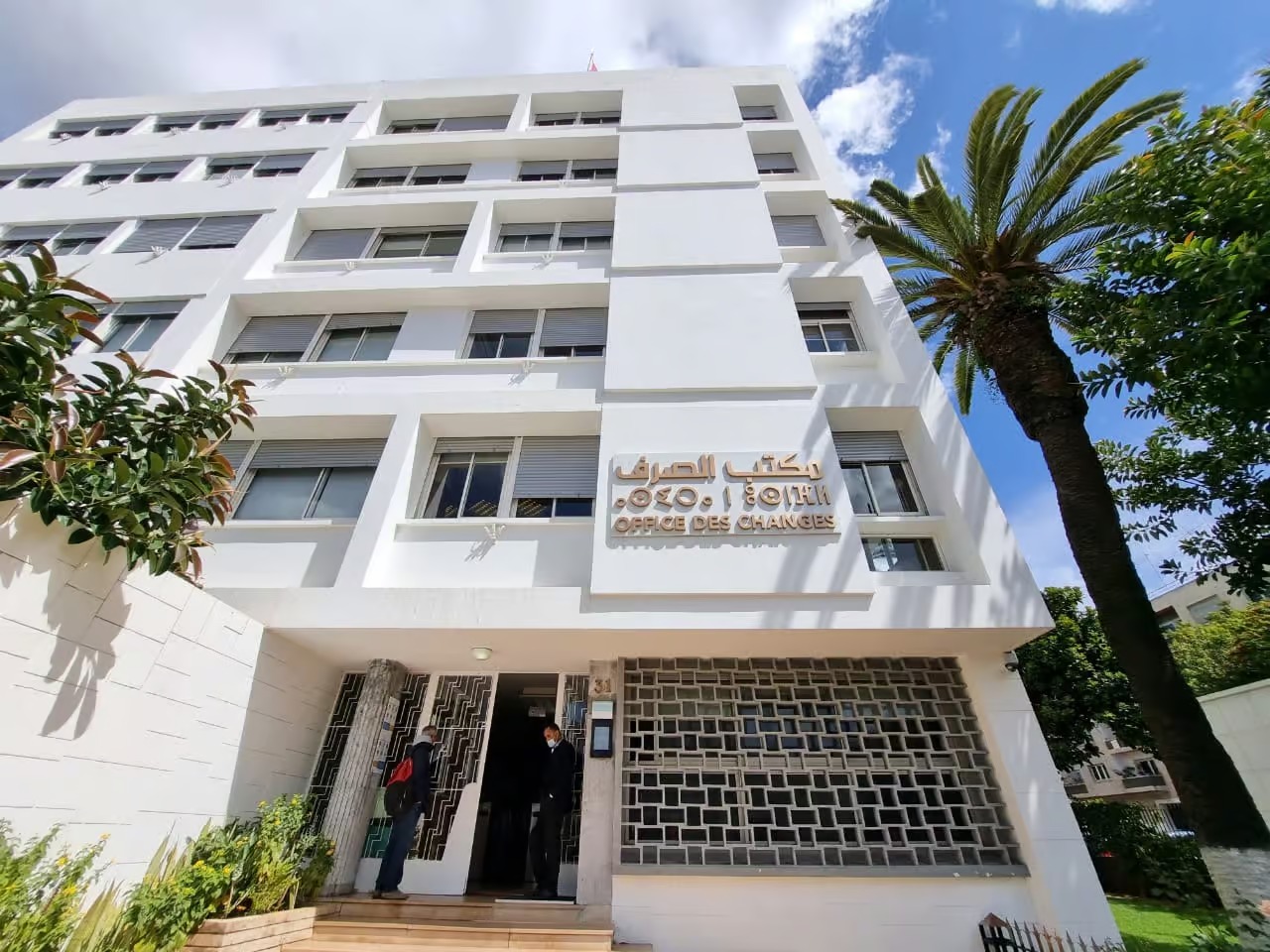
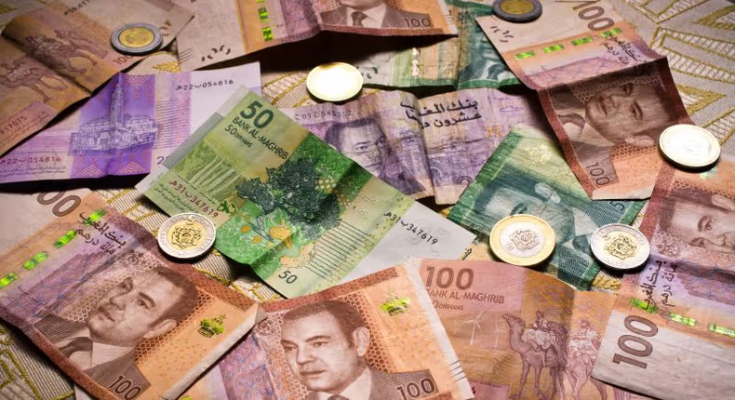
Morocco’s dirham takes third place, with approximately 9.3 dirhams to US$1.
The currency is also one of the more closely watched currencies on the continent because of Morocco’s position as a major North African economy and trading hub.
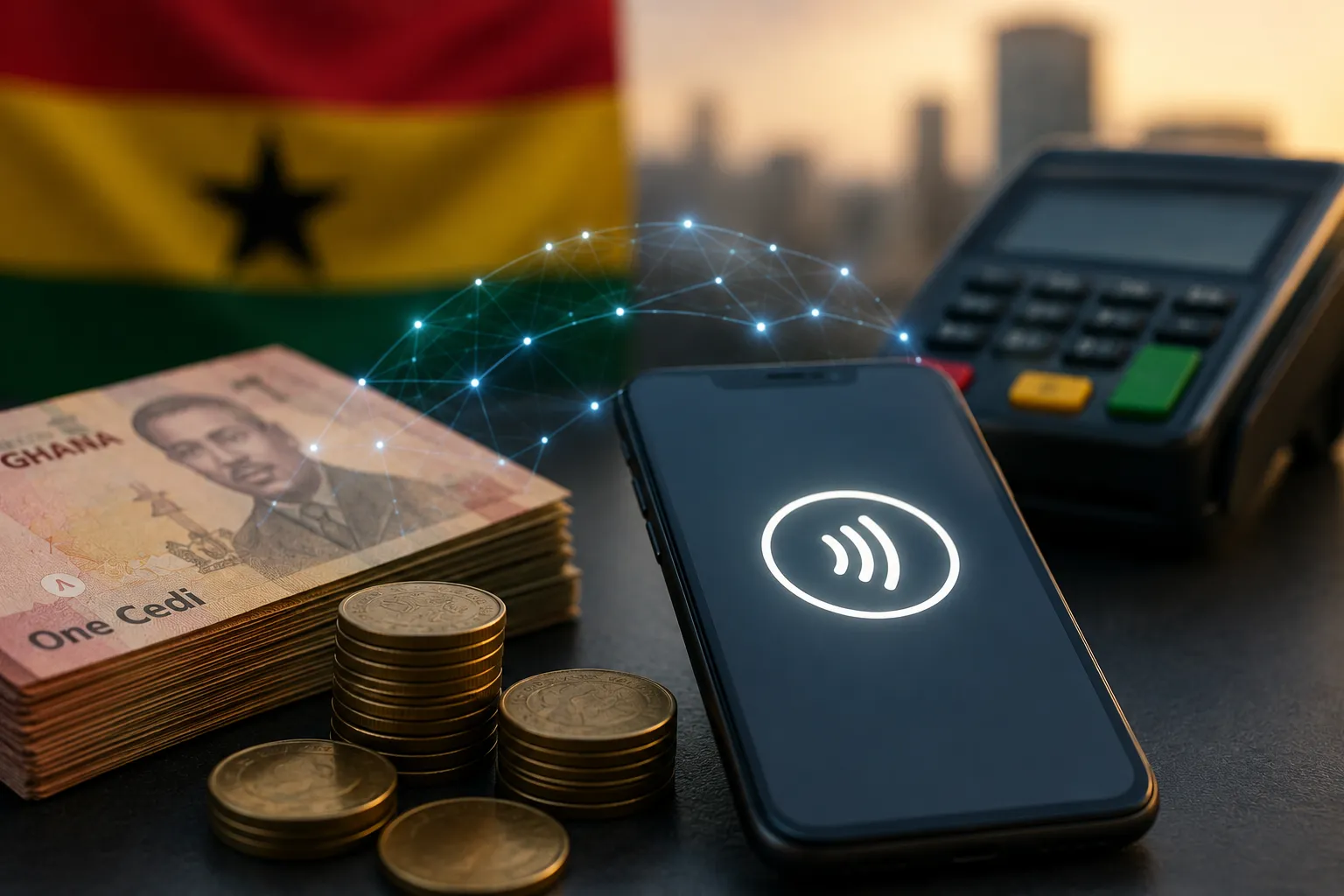
4. Ghanaian cedi
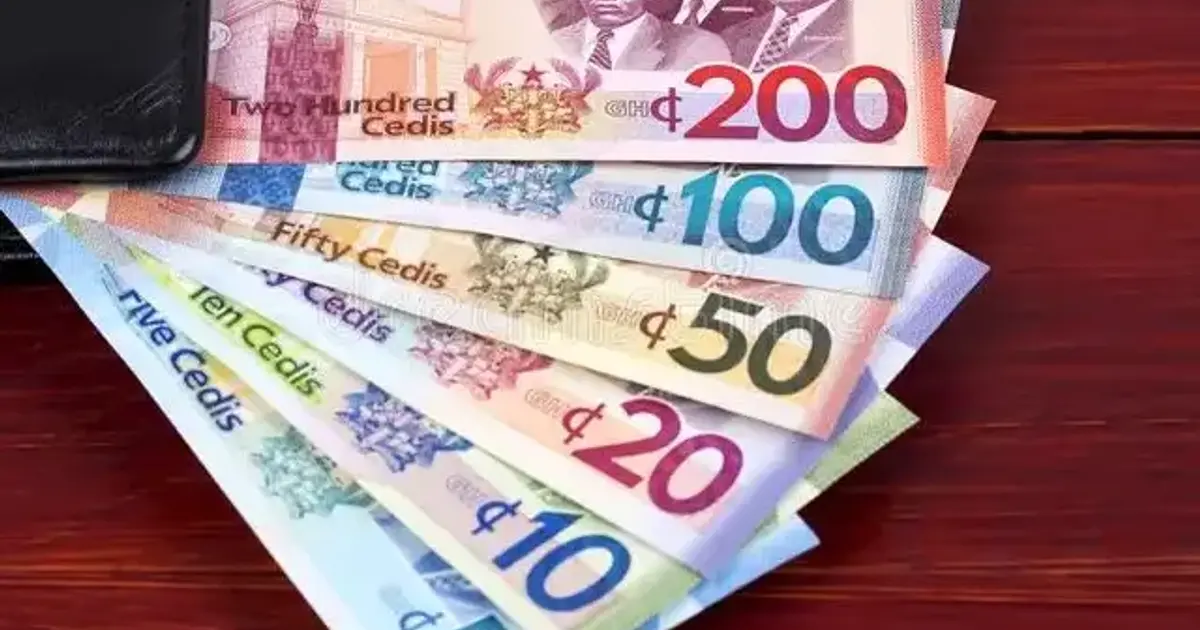
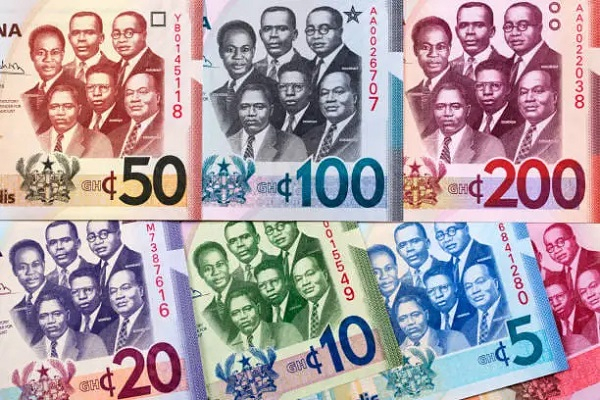
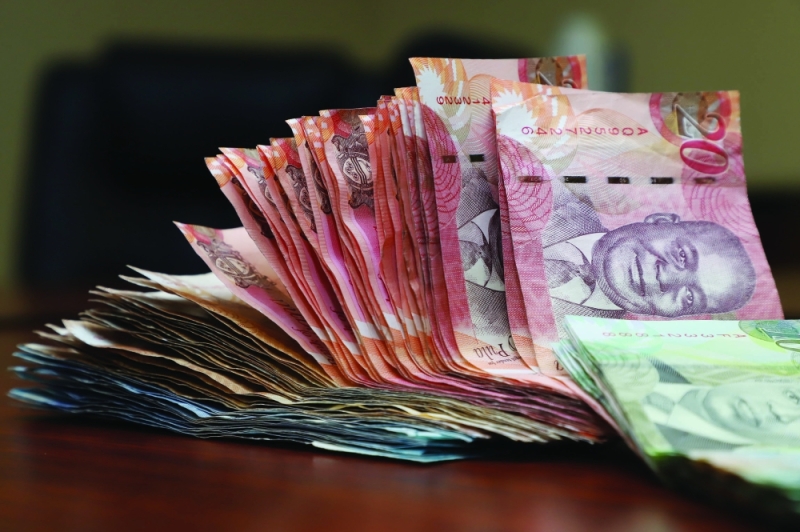
The Ghanaian cedi is one of the strongest-valued currencies in sub-Saharan Africa, with around 11.3 cedis required for US$1.
Its position is particularly notable given the significant volatility that affected the cedi in previous years.
5. Botswana pula
The Botswana pula is the strongest Southern African currency in this ranking, ahead of the rand.
Around 13.4 to 13.5 pula were needed to buy US$1 in the latest available data.
That makes Botswana an interesting comparison for South African readers, particularly because the two countries are major economic partners and share strong trade and travel links.
6. Seychellois rupee
The Seychellois rupee ranks sixth at roughly 13.9 rupees per US dollar.
Despite Seychelles being one of Africa’s smallest countries by population, its currency has a relatively high nominal value against the dollar.
7. Eritrean nakfa
The Eritrean nakfa follows at around 15 nakfa to US$1.
Its position in the ranking puts it ahead of the South African rand when currencies are compared purely by their nominal exchange rate.
8. South African rand
The South African rand takes the spotlight at number eight.
On 2 September 2026, market data showed the dollar trading at around R16.16–R16.19, meaning approximately R16.2 was needed to buy US$1.
The rand’s ranking should, however, be interpreted carefully.
It is one of Africa’s most actively traded currencies and is widely used as a benchmark for financial markets across the continent. Its value can be influenced by global investor sentiment, commodity prices, US interest-rate expectations and developments in South Africa’s economy.
Reuters reported that the rand was steady on 2 September as investors monitored US economic data and rising oil prices linked to tensions in the Middle East.
9. Eswatini lilangeni
The Eswatini lilangeni trades at almost the same level as the rand.
This is because the lilangeni is pegged at par to the South African rand, meaning the two currencies have the same value within the Common Monetary Area arrangement.
As a result, movements in the rand can have a direct impact on the lilangeni.
10. Namibian dollar
The Namibian dollar completes the top 10.
Like Eswatini’s lilangeni, the Namibian dollar is pegged one-to-one to the South African rand.
That means the rand, Namibian dollar and lilangeni generally trade at very similar values against the US dollar.