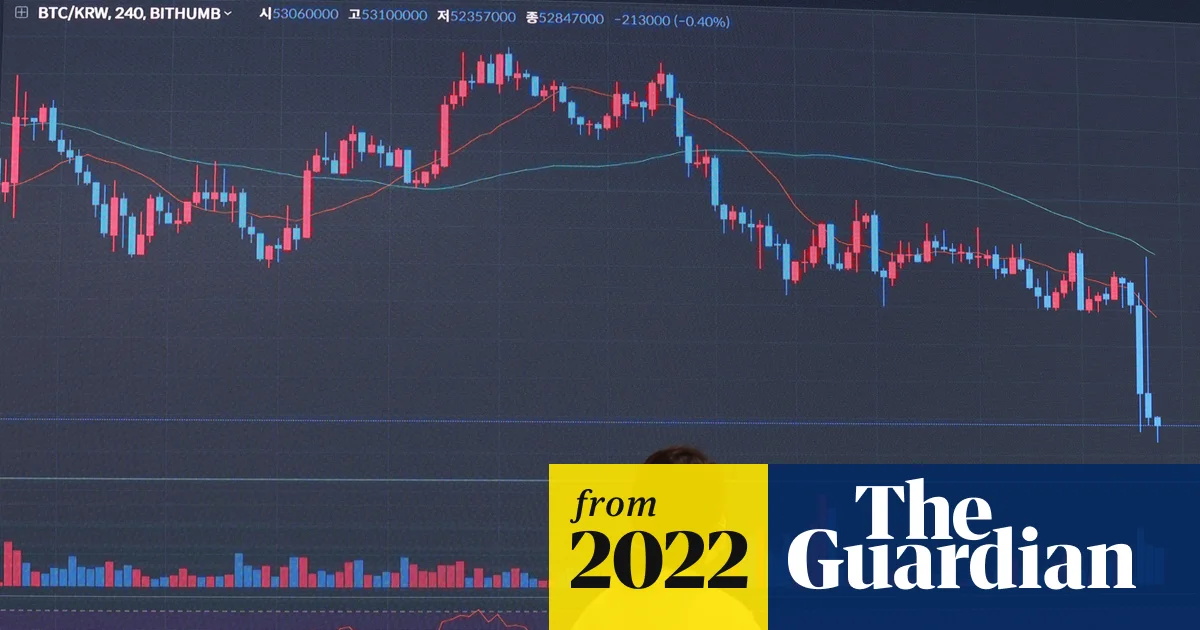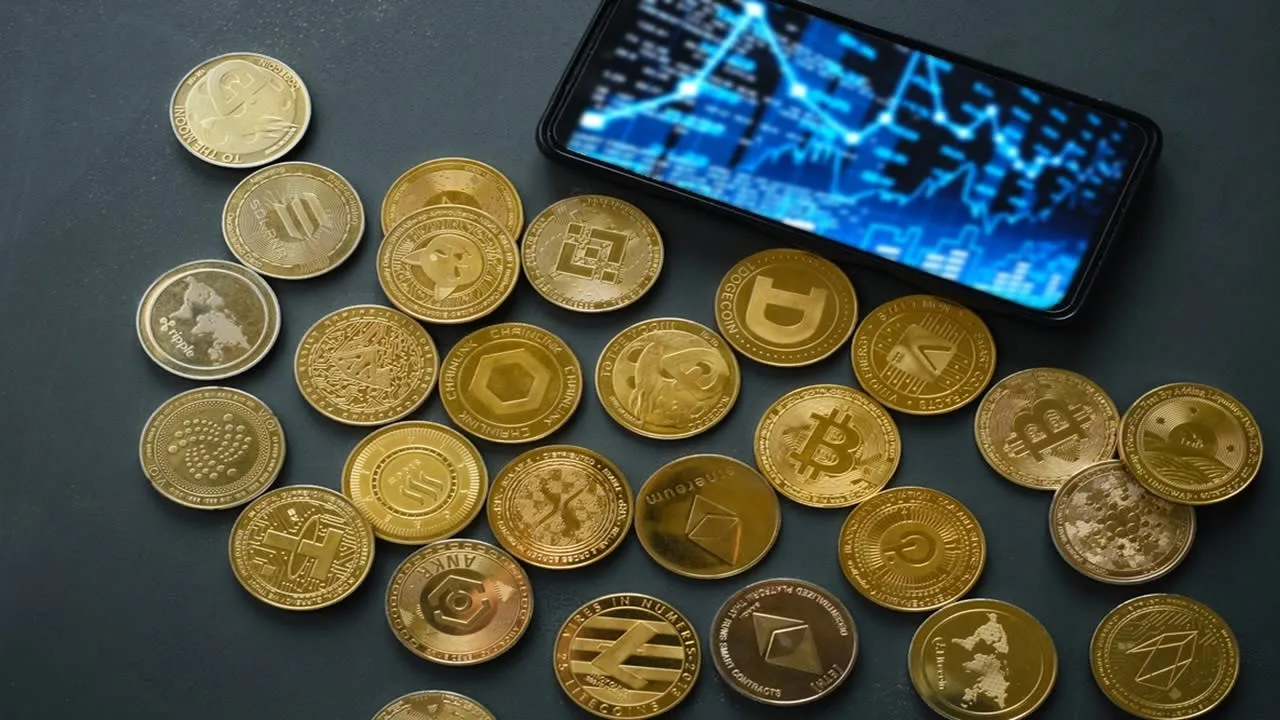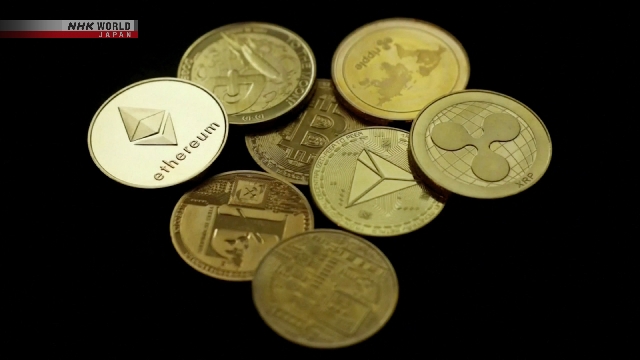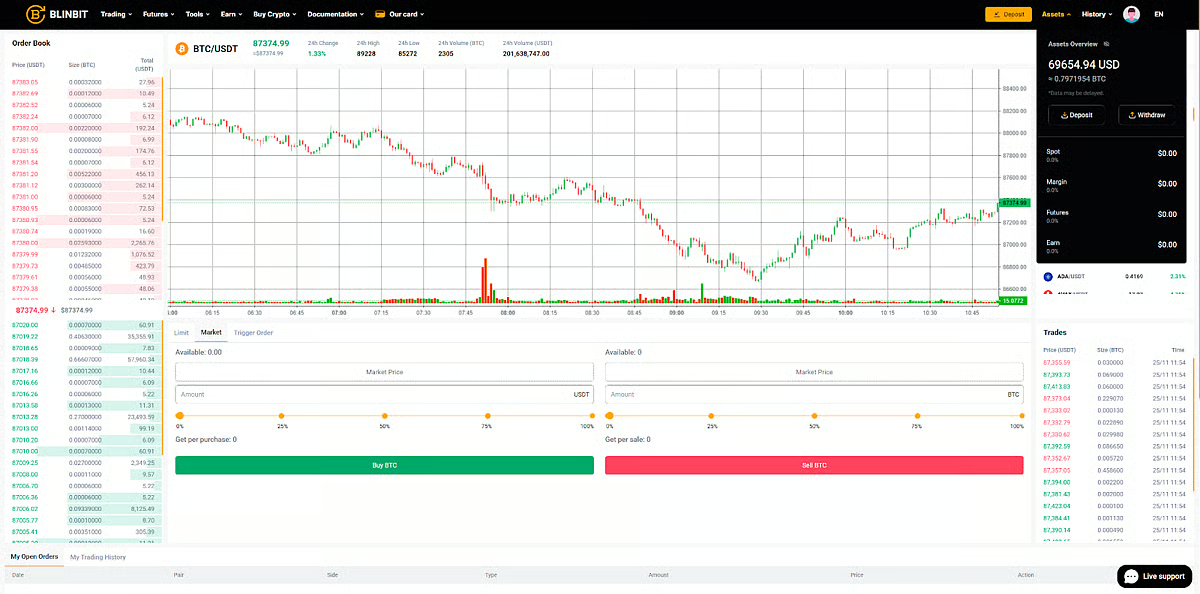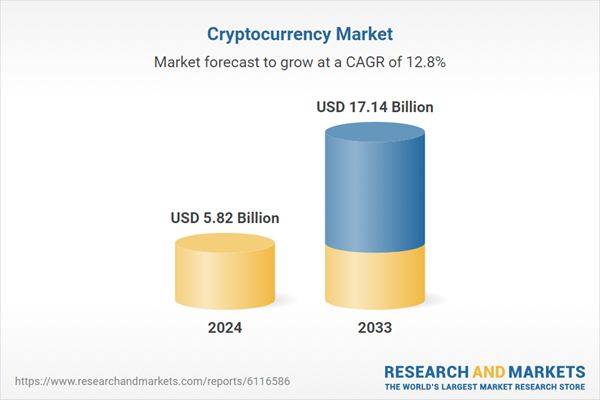
Digital currencies remain a major part of global financial instruments markets, with the total market value reaching $2.75 trillion, following a 1.1% change in the last 24 hours. With trading platforms, portfolio trackers, and digital wallets offering different features, finding the best crypto app for beginners can quickly become confusing. We break down the best options for buying and trading digital assets, tracking your holdings, and storing them securely.
Best Cryptocurrency Apps: Quick Comparison
| App | Category | Best for | Key strength | Main limitation |
| Binance | Trading | Active traders | Wide range of markets and competitive fees | Can be complex for beginners |
| Coinbase | Trading | Beginner crypto traders | Simple buying experience and easy interface | Fees and spreads can be higher |
| Kraken | Trading | Beginners and advanced traders | Simple app plus Kraken Pro tools | Instant purchases can cost more |
| OKX | Trading | Advanced traders | Futures, options, and trading tools | Steeper learning curve |
| Bybit | Trading | Derivatives traders | Futures, perpetuals, and copy trading | Less suited to simple investing |
| MEXC | Trading | Altcoin traders | Large token selection and low fees | Regulatory availability varies |
| Bitget | Trading | Copy traders | Social and copy-trading features | More complex than basic buying apps |
| KuCoin | Trading | Altcoin traders | Broad cryptocurrency selection | Availability varies by region |
| CoinStats | Portfolio tracker | Multi-platform investors | Syncs exchanges, wallets, and DeFi | Some advanced features require paid plans |
| Delta | Portfolio tracker | Multi-asset experienced and institutional investors | Tracks crypto and traditional investments | Does not execute trades |
| CoinMarketCap | Portfolio tracker | Free tracking | Broad market data and free portfolio tracking | Limited account syncing compared with dedicated trackers |
| MetaMask | Software wallet | DeFi users | Strong EVM and decentralised app support | Primarily focused on EVM networks |
| Trust Wallet | Software wallet | Multi-chain users | Broad blockchain and asset support | Security depends heavily on user practices |
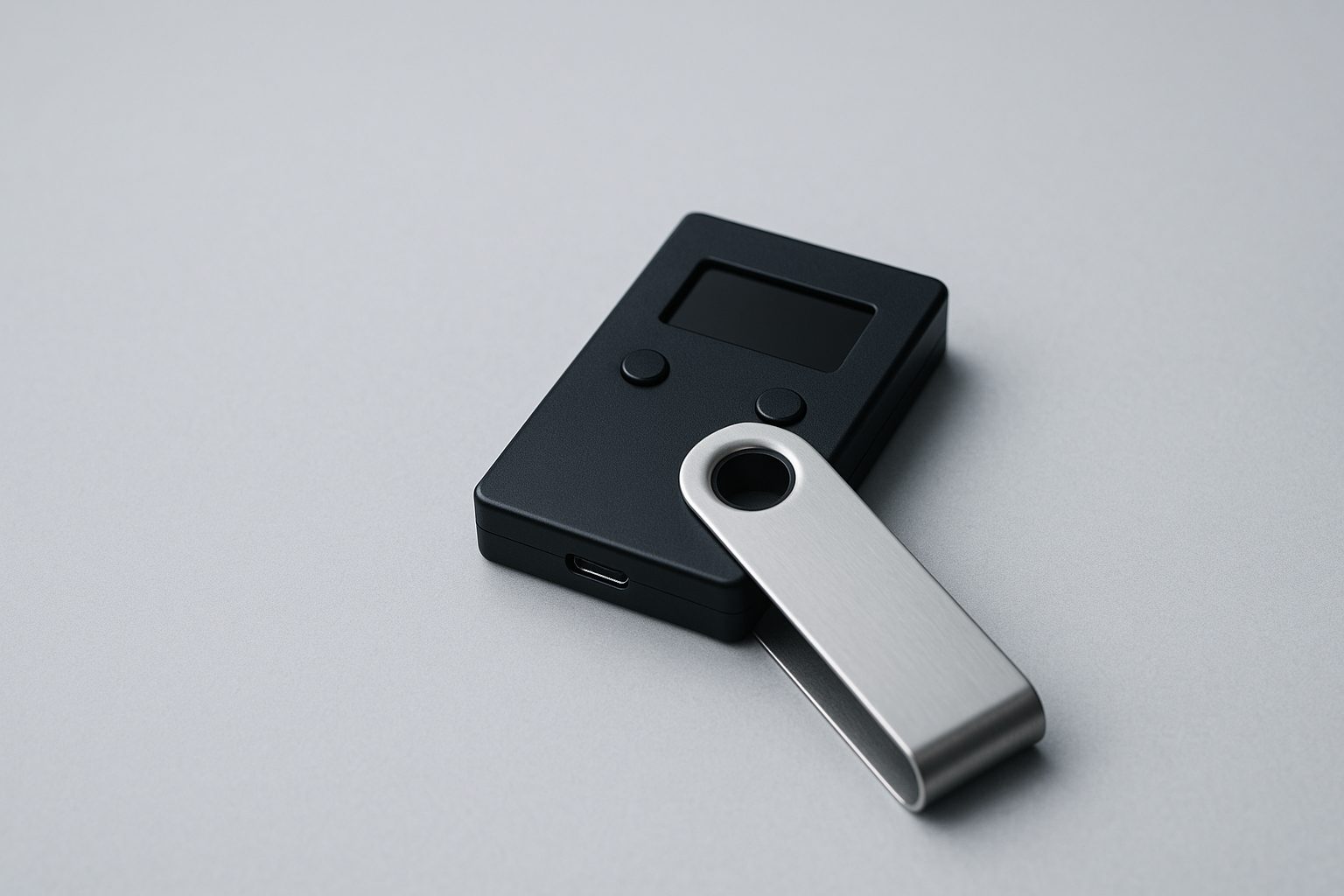
| Ledger | Hardware wallet | Long-term holders | Offline private-key protection | Requires purchasing a hardware device |
| Trezor | Hardware wallet | Security-focused holders | Offline storage and physical transaction confirmation | Requires purchasing a hardware device |
3 Types of Crypto Apps
Crypto apps generally fall into three main categories:
- Trading apps: Let you buy, sell, and trade digital tradable assets.
- Portfolio trackers: Help you monitor prices and track holdings across different exchanges and wallets.
- Wallet apps: Store your crypto and give you control over how you access and use your assets.

Binance Wallet Referral Code
100 USDT Sign-Up Bonus
20% Lifetime Discount on Trading Fees
Code Valid: September 2026
VU790NKG
Best Cryptocurrency Trading Apps in 2026: Expert-Tested & Reviewed
Trading apps are where most people buy, sell, and exchange digital assets, but fees, available key features, and ease of use can vary widely. Below, we compare eight popular platforms based on their costs, safety features, and the type of user they suit best.
1. Binance

Binance offers one of the broadest crypto trading ecosystems, covering spot, futures, margin trading, options, P2P trading, and staking. From our perspective, its biggest advantage is breadth rather than simplicity: active traders can access more products in one place, but beginners may find the platform harder to navigate than Coinbase or Kraken.
Fee: Binance is known for its relatively low trading fees. For standard VIP 0 users, spot trading carries a base fee of 0.1% for makers and 0.1% for takers.
You can reduce this cost by paying fees with BNB, Binance’s native token. This provides a 25% discount on eligible spot trading fees, bringing the standard rate down to 0.075%.
The platform also offers lower rates to higher-volume traders through its VIP programme. For example:
- VIP 0: 0.1% maker / 0.1% taker for spot trading
- BNB discount: Reduces eligible VIP 0 spot fees to 0.075%
- USDⓈ-M futures: Base fees of 0.02% maker / 0.04% taker
- COIN-M futures: Base fees of 0.01% maker / 0.05% taker
- Options trading: 0.03% transaction fee for makers and takers
- P2P trading: Buyers generally pay 0% commission, while seller fees can vary
Regulatory/Safety: Binance operates in a heavily regulated industry, and its availability and legal status vary between jurisdictions. Before account registration, users should check whether Binance is authorised to offer its services in their country and which products are available locally.
Best for: Binance is best for active traders and users who want a wide range of crypto space and tools in one app. Its combination of low spot fees, BNB discounts, advanced trading products, and extensive asset selection makes it particularly useful for people who plan to move beyond simple buy-and-hold investing.

Binance Referral Code
$100 Sign-Up Bonus
20% Lifetime Discount on Trading Fees
Code Valid: September 2026
BINANCEMB
2. Coinbase

Coinbase is built around a simpler buying experience, making it a strong best app to buy cryptocurrency option for beginners. Its main advantage is usability, while Coinbase Advanced gives more experienced users access to direct order-book trading. From our perspective, it works best for users who value simplicity over the lowest possible trading costs.
Fee: Coinbase does not charge one fixed fee across all transactions. Your costs can depend on the payment method, order size, market conditions, location, and asset.
Other fees include:
- Lightning Network: 0.2% processing fee for Bitcoin transfers.
- USDT withdrawals: 0.01% processing fee, capped at 20 USDT, plus network fees.
- USDC conversions: 0.10% processing fee on net conversion amounts above $5 million over 30 days.
- Simple limit orders: 1% execution fee, plus a Coinbase fee of up to 1.875%, depending on the payment method.
- DEX trading: Standard Coinbase fees, plus possible service and network fees.
- Coinbase One: Eligible members may receive zero fees on certain trades, although spreads and other charges can still apply.
Regulatory/Safety: Coinbase operates under different regulatory frameworks depending on where you live, so available services and products can vary by jurisdiction. It offers two factor authentication (2FA), passkeys, authenticator apps, push notifications, and security keys to protect accounts. Security keys can offer stronger protection against remote attacks than SMS-based authentication.
Best for: Coinbase is best for beginners and casual investors who want a straightforward way to buy and manage crypto.

Coinbase Referral Code
$200 Sign-Up Bonus
10% Lifetime Discount on Trading Fees
Code Valid: September 2026
3. Kraken

Kraken combines a beginner-friendly crypto app with Kraken Pro, which offers advanced trading tools and order-book access. The platform’s funded accounts grew 50% to 5.7 million in 2025, reflecting its expanding user base. For a deeper breakdown of the platform, see our Kraken review. The platform sits between simple beginner apps and more complex exchanges, making it suitable for users who want room to move into advanced trading.
Fee: Kraken charges a 1% trading fee on instant and recurring trades and a 1.5% fee on custom orders. Kraken+ members can have trading fees waived on eligible trading volume of up to $10,000 per month.
Advanced traders using Kraken Pro follow a separate maker-taker fee schedule, with lower fees available at higher trading volumes.
Regulatory/Safety: Kraken operates under different regulatory frameworks depending on the user’s location. Available services, including margin and futures trading, can vary by jurisdiction.
The platform provides two-factor authentication (2FA), passkeys, withdrawal controls, and Global Settings Lock to help protect accounts. Kraken also uses cold storage and publishes Proof of Reserves reports, although users still face platform and counterparty risk when holding assets on a centralized exchange.
Best for: Kraken is best for users who want a balance between easy crypto trading and advanced features. Beginners can use the standard app, while active traders can move to Kraken Pro without changing platforms.

Kraken Funded
Trade Up to $10K with Kraken’s Capital
Pass the challenge, unlock a funded account, and keep 80% of your profits with no fees or daily limits.
4. OKX

OKX exchange is geared towards users who want spot trading, derivatives, and advanced crypto tools within one platform. From our perspective, its strength is trading depth, but that also makes it less approachable for first-time buyers. It is better suited to users who already understand order types and derivatives.
Fee: OKX uses a maker-taker fee structure, with rates based on your account tier, assets held, and 30-day trading volume. For standard users, spot trading fees can start at 0.08% for makers and 0.10% for takers. A maker order adds liquidity to the order book, while a taker order is immediately matched against an existing order.
For futures trading, standard-level fees can be as low as 0.02% for makers and 0.05% for takers. However, these are not the only costs users may encounter. Depending on how you trade crypto or withdraw funds, you may also pay spreads or blockchain network fees.
Regulatory/Safety: OKX’s regulatory position varies by jurisdiction, and its services are not available under the same rules in every market. For example, The Investors Centre notes that OKX is not FCA-registered in the UK, which means UK users do not receive the same regulatory protections available through some locally regulated competitors.
On the technical side, OKX provides several security measures, including cold storage, two-factor authentication (2FA), withdrawal whitelisting, anti-phishing codes, and proof of reserves. The Investors Centre reports that OKX keeps more than 95% of client assets in offline cold storage.
Best for: OKX is best for advanced traders who want low fees, deep liquidity, and advanced trading tools in one platform. Its spot, futures, options, copy trading, automated trading strategies, and DeFi features give active users more flexibility than simpler crypto apps.
The main drawback is complexity. Beginners can use OKX, but users who only want a straightforward way to buy and hold digital assets may find simpler platforms easier to navigate.

OKX Referral Code
$10,000 Sign-Up Bonus
30% Lifetime Discount on Trading Fees
Code Valid: September 2026
MEMEBURN
5. Bybit

Bybit focuses heavily on spot and derivatives trading, including perpetual contracts, futures, options, and copy trading. Its reported market capitalization of $1.64 billion reflects the scale of its wider ecosystem. From our perspective, its product range makes more sense for active traders than investors looking for a simple buy-and-hold app.
Fee: Bybit uses a VIP-based maker-taker fee structure, and actual rates can vary by region. A maker adds liquidity to the market by placing an order that does not execute immediately, while a taker matches an existing order.
For VIP 0 users, Bybit lists the following base rates:
Regulatory/Safety: Bybit’s regulatory position depends on the entity serving the user and the country where they live. In the European Economic Area, Bybit EU GmbH received MiCAR authorization from Austria’s Financial Market Authority in May 2025, allowing it
Best for: Bybit is best for active traders who want access to spot markets, derivatives, options, and copy trading from one platform. Its VIP system can also make the exchange more attractive to higher-volume traders because fees fall as account eligibility increases.

Bybit Referral Code
$30,050+ Sign-Up Bonus
30% Lifetime Discount on Trading Fees
Code Valid: September 2026
MEMEBURN
6. MEXC

MEXC stands out for low trading fees and access to smaller and newer cryptocurrencies, including tokens unavailable on some larger exchanges. In our assessment, its strongest use case is altcoin trading rather than long-term storage. For a deeper breakdown of its features, fees, and limitations, check out our MEXC Review.
MEXC is built primarily for trading rather than self-custody. That distinction matters for anyone searching for the best decentralized crypto wallet. A decentralised wallet gives you direct control of your private keys, while assets kept in a standard MEXC account remain under the exchange’s custodial system.
Fee: MEXC’s fees are among its strongest selling points. Based on its published fee ranges, spot trading maker fees can be 0.0000%, while spot taker fees range from 0.0000% to 0.0500%, depending on the trading pair, region, and applicable account conditions.
For futures, the published ranges are:
- Futures maker fee: 0.000% to 0.040%
- Futures taker fee: 0.000% to 0.100%
Regulatory/Safety: MEXC’s regulatory position is one of the platform’s biggest trade-offs. Its availability varies by jurisdiction, and users in several countries cannot access its services. The platform also does not hold authorization under the European Union’s Markets in Crypto-Assets Regulation (MiCA) and does not appear on the European Securities and Markets Authority’s register of authorised crypto-asset service providers.
MEXC has security controls that include multi-signature cold wallets, separation between hot and cold storage, DDoS protection, and a public Proof of Reserves programme. These measures provide useful protection and transparency, but they do not remove the risks of holding assets with a centralised exchange.
Best for: MEXC is best for active traders and altcoin-focused users who prioritise low fees and access to a large selection of tokens.

MEXC Referral Code
$10,000 Sign-Up Bonus
20% Lifetime Discount on Trading Fees
Code Valid: September 2026
mexc-MEMEBURN
7. Bitget

Bitget is a crypto platform offering spot trading, futures, copy trading, and other digital asset services. Its copy-trading tools are a major part of its offering, allowing users to follow and automatically replicate selected traders’ positions.
Bitget’s native token, BGB, has a reported market cap of $1.399 billion, with a fully diluted valuation of $1.82 billion and approximately $11.988 million in 24-hour trading volume. BGB also plays a practical role on the platform because users can use it to reduce eligible spot trading fees.
Fee: Bitget charges no fees for cryptocurrency deposits. Trading fees depend on whether you use the spot or futures market.
For spot trading, the standard fee is:
Users who pay eligible spot trading fees with BGB receive a 20% reduction, lowering the effective fee to 0.08%. The discount can be activated through the account settings by enabling the option to use BGB to offset trading fees.
For futures trading, the standard fees are:
Regulatory/Safety: Bitget’s regulatory status and available services vary by country. Users should check whether the platform is authorised to operate in their jurisdiction before depositing funds or trading.
The platform provides standard account-security tools, including two-factor authentication (2FA) and other controls designed to protect access and withdrawals. Users should activate all available account protections, particularly when using futures or holding significant balances on an exchange.
Best for: Bitget is best for traders who want low-cost spot and futures trading alongside copy-trading features.

Bitget Referral Code
$6,200 Sign-Up Bonus
20% Lifetime Discount on Trading Fees
Code Valid: September 2026
memeburn
8. KuCoin

KuCoin is a global cryptocurrency exchange known for its large selection of digital assets, including smaller altcoins that may not be available on larger platforms. It combines spot trading, futures, trading bots, and other crypto services, giving active users access to more than basic buy-and-sell tools. KuCoin review provides a deeper breakdown of its features, fees, and limitations.
KuCoin also offers custodial storage through its exchange ecosystem, but it should not be confused with the best cryptocurrency wallet app for self-custody. Assets held in a standard exchange account remain under KuCoin’s custody, meaning the platform controls the private keys rather than the user.
Fee: KuCoin uses a tiered maker-taker fee system. Standard VIP 0 Class A spot pairs carry a base fee of 0.10% for makers and 0.10% for takers. A maker places an order that adds liquidity to the market, while a taker fills an existing order.
Users can receive a 20% spot trading fee discount by paying eligible fees with KCS, KuCoin’s native token. Based on the standard 0.10% Class A rate, that reduces the fee to 0.08%. Higher VIP levels can unlock lower fees through trading volume or KCS holdings.
For futures trading, the standard VIP 0 rate is 0.02% maker and 0.06% taker. KuCoin has adjusted some higher-tier fees in 2026, so active traders should check their current VIP rate before trading.
Regulatory/Safety: KuCoin’s availability and regulatory status vary by jurisdiction. The platform has restrictions in several markets, and users may face different product availability depending on where they live. Identity verification requirements and local regulations can also affect access to KuCoin services.
Best for: KuCoin is best for altcoin traders who want access to a wide selection of cryptocurrencies and lower trading fees. Its large asset catalogue and KCS fee discount make it attractive to users who trade beyond major assets such as Bitcoin and Ethereum.

KuCoin Referral Code
$11,000 Sign-Up Bonus
10% Lifetime Discount on Trading Fees
Code Valid: September 2026
MEMEBURN
Best Portfolio Trackers
Trading apps show where you buy and sell crypto, but they do not always give you a complete view of assets spread across multiple exchanges and wallets. The portfolio trackers below help you monitor holdings, track performance, and manage crypto activity from one place.
9. CoinStats

CoinStats is an all-in-one crypto portfolio tracker that brings holdings from exchanges, wallets, DeFi protocols, and NFT collections into one dashboard. It supports 300+ wallets and exchanges, along with thousands of DeFi protocols and multiple blockchains.
Sync: You can connect exchanges through read-only API access, link wallets using public addresses, or import transactions through CSV files. This allows you to track assets across multiple platforms without moving them into CoinStats.
Extra feature: CoinStats offers portfolio analytics, price alerts, DeFi and NFT tracking, news, and portfolio performance tools. Its analytics can show allocation, diversification, profit and loss, and fees paid.
Tax reporting: CoinStats supports tax reporting through an integration with CoinLedger, allowing users to select connected portfolios and generate reports from their transaction data.
Best for: Investors with crypto spread across multiple exchanges, wallets, and DeFi platforms who want to view their complete portfolio in one place.
10. Delta

Delta by eToro is a read-only investment portfolio tracker that brings crypto, stocks, ETFs, funds, wallets, exchanges, and brokers into one dashboard. It does not hold assets or execute trades, so users still buy and sell through their connected platforms.
This distinction matters when comparing Delta with the best crypto trading app or the best app to buy cryptocurrency. Delta is designed to track investments after you make them, not to replace an exchange or brokerage.
Sync: Delta connects to wallets, exchanges, and brokers using read-only connections and can also import data through CSV files or manual transactions. Its auto-sync feature updates portfolio data across connected accounts and devices.
Background: Delta provides portfolio performance data, price alerts, portfolio insights, asset analytics, and real-time market updates. Paid plans add deeper analytics, including gains reporting and advanced performance metrics.
Price: Delta Basic is free and includes up to 10 tracked assets and one portfolio. Delta PRO starts from $4.49 per month when billed yearly ($6.99 monthly), while PRO+ starts from $8.99 per month when billed yearly ($13.99 monthly) and includes unlimited assets and portfolios. Pricing can vary by market.
Best for: Investors with crypto and traditional assets spread across multiple platforms who want one place to track balances, performance, gains, and portfolio allocation. It is a tracker, not an alternative to the best crypto exchange.
11. CoinMarketCap

CoinMarketCap is a crypto market-data platform with a built-in portfolio tracker. Users can monitor holdings, prices, market capitalization, and portfolio performance without using it as a trading platform.
The platform also records substantial market activity, with a reported spot trading volume of $1,620 billions. This figure can change as market activity and exchange data update.
Sync: CoinMarketCap lets users manually add and manage holdings in its portfolio tracker. This makes it useful for people who prefer not to connect best overall crypto exchanges accounts or share wallet credentials.
Coverage: The platform tracks thousands of cryptocurrencies, along with exchanges, market pairs, decentralised finance projects, and other crypto market data.
Price: The CoinMarketCap Portfolio Tracker is free to use with a CoinMarketCap account.
Best for: Crypto investors who want a free, simple portfolio tracker and access to broad market data without linking exchange or wallet accounts.
Best Cryptocurrency Wallet App
Trading and portfolio tracking are useful, but they do not give you direct control over your crypto. The wallet apps below focus on storing assets, managing private keys, and interacting with blockchain networks.
12. MetaMask

MetaMask is a self-custody crypto wallet designed primarily for interacting with Ethereum and other compatible blockchain networks. It is available as a mobile app and browser extension and supports crypto storage, token swaps, NFT management, and access to decentralized applications.
Custody: Self-custody. You control your wallet’s private keys and recovery phrase rather than leaving them with an exchange. This gives you direct control over your assets but also makes you responsible for protecting your recovery phrase.
Chains: MetaMask allows Ethereum and Ethereum-compatible networks, including major EVM chains such as Polygon, Arbitrum, Optimism, Base, Avalanche, and BNB Smart Chain. This makes it a strong option for users who interact with DeFi and decentralised applications across multiple networks.
Security feature: MetaMask allows users to protect their wallet with a Secret Recovery Phrase and password. It also supports connections with compatible hardware wallets, adding another layer of protection for users who want to keep private keys offline.
Fee: MetaMask does not charge a fee simply for storing crypto. Users pay blockchain network fees when sending assets or interacting with smart contracts. MetaMask may also charge a service fee for certain built-in features, such as token swaps, depending on the transaction.
Best for: MetaMask is one of the strongest options for users looking for the best decentralized crypto wallet for accessing Ethereum-based assets, DeFi protocols, NFTs, and decentralised applications. Its main limitation is that it is built primarily around EVM-compatible networks rather than supporting every blockchain ecosystem.
13. Trust Wallet

Trust Wallet is a self-custody mobile and browser wallet that supports crypto storage, token swaps, staking, NFTs, and access to decentralised applications.
Custody: Self-custody. You control the wallet’s recovery phrase and private keys, making you responsible for securing access to your assets.
Chains: Trust Wallet enables multiple blockchain networks, including Bitcoin, Ethereum, Solana, BNB Smart Chain, and many other ecosystems.
Security feature: The wallet includes password protection and recovery phrase security and can support additional device-level security features. Users should store their recovery phrase offline and never share it.
Fee: Trust Wallet does not charge a fee for simply storing crypto. Users pay network fees for blockchain transactions, while additional charges may apply to certain built-in services.
Best for: Users looking for a multi-chain self-custody wallet that supports a broad range of cryptocurrencies and decentralised applications.
14. Ledger

Ledger is a hardware wallet ecosystem designed for users who want to keep their private keys offline. Its devices work alongside the Ledger Live app, which allows users to manage supported assets.
Custody: Self-custody. Private keys remain under the user’s control and are stored on the Ledger hardware device.
Chains: Ledger supports Bitcoin, Ethereum, Solana, and thousands of other assets and tokens through Ledger Live and compatible third-party applications.
Security feature: Ledger devices use a Secure Element chip to protect private keys. Transactions must also be physically confirmed on the device.
Fee: Users pay for the hardware device, while blockchain transactions require network fees. Additional fees can apply when using built-in buying, swapping, or staking services.
Best for: Long-term holders who want offline private-key storage and stronger protection than a software-only wallet.
15. Trezor

Trezor is a hardware wallet that stores private keys offline and works with the Trezor Suite app for managing supported cryptocurrencies and transactions.
Custody: Self-custody. You control the wallet’s recovery seed and remain responsible for securing it.
Chains: Trezor supports Bitcoin, Ethereum, and thousands of other cryptocurrencies and tokens, depending on the device and software compatibility.
Security feature: Transactions require physical confirmation on the Trezor device, helping protect against remote access to private keys. The wallet also uses PIN and recovery-seed protection.
Fee: Trezor charges for the hardware wallet, while sending crypto requires blockchain network fees. Extra costs may apply when using integrated third-party services.
Best for: Users who want offline crypto storage and direct control of their private keys, particularly those holding assets for the long term.
Wallet Security: What Actually Causes Losses
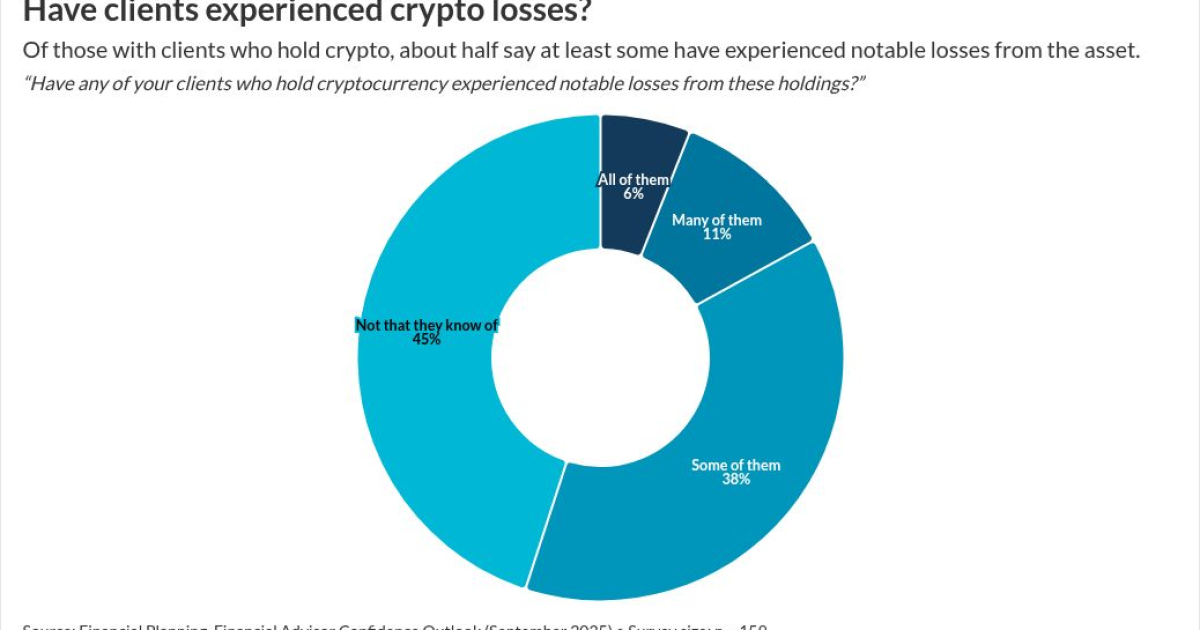
Most crypto losses result from phishing scams, stolen recovery phrases, compromised devices, and users approving malicious transactions. Sending crypto to the wrong address can also result in permanent loss because blockchain transactions are usually irreversible.
The wallet itself is only part of the security equation. Never share your recovery phrase, verify websites before connecting your wallet, and review transaction approvals carefully. For larger long-term holdings, a hardware wallet can reduce exposure to online attacks.
How to Choose the Right Crypto App
When choosing the best cryptocurrency app, focus on what you actually need:
- Trading: Compare fees, spreads, available assets, and order types.
- Portfolio tracking: Check exchange and wallet syncing options.
- Storage: Choose between custodial and self-custody wallets.
- Security: Look for 2FA, passkeys, hardware wallet support, and withdrawal controls.
- Regulation: Check regulatory compliance, whether the platform operates legally in your country.
- Experience: Beginners may prefer simplicity, while experienced and institutional traders may need advanced tools.
Final Verdict
There is no single best cryptocurrency app for every user. Coinbase stands out for simplicity, Binance and Kraken offer more trading depth, while MetaMask, Ledger, and Trezor are stronger choices when controlling your own private keys matters more than convenience. The right approach in 2026 is to separate trading, tracking, and long-term storage rather than expecting one platform to handle every task equally well.
Watch for changes in crypto regulation, exchange availability, and trading fees, as these can affect which apps remain accessible in your region. For now, choose a platform based on your immediate use case, enable every available security feature, and move long-term holdings you do not actively trade into an appropriate self-custody or hardware wallet.
FAQs
Which is the best crypto trading app?
The best crypto trading app depends on your experience and trading style. Coinbase is easier for beginners, while Kraken, Binance, and OKX offer more advanced trading tools. Compare fees, supported assets, security features, and availability in your country before choosing.
Can the IRS see your crypto wallet?
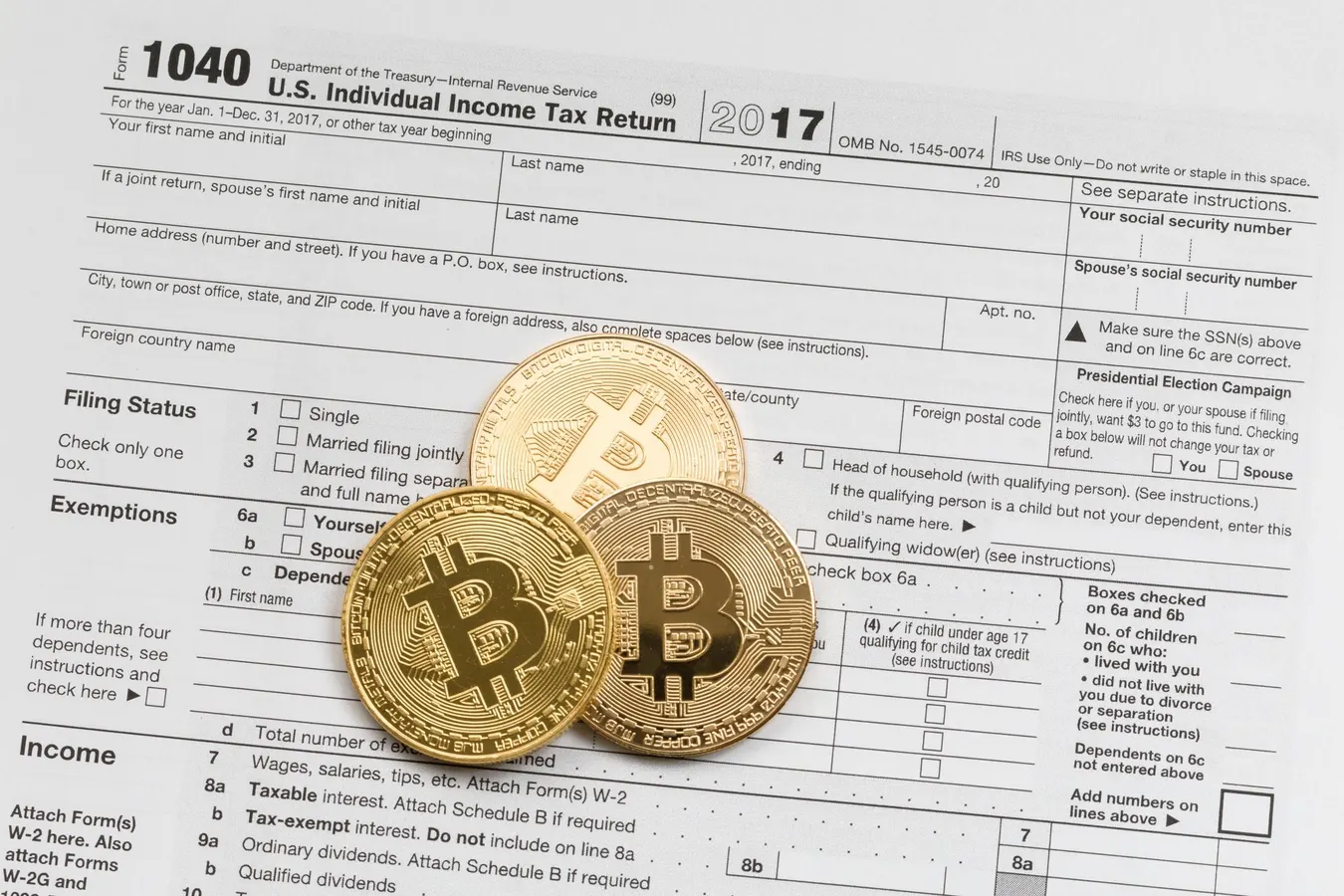
The IRS cannot automatically view every private wallet, but blockchain transactions are recorded on public ledgers. U.S. taxpayers must report taxable digital asset transactions, and brokers may provide transaction information to the IRS through reporting requirements such as Form 1099-DA.
Is Coinbase or Kraken better?
Coinbase is generally better for beginners because of its user-friendly interface and buying process. Kraken is often better for active traders who want more trading tools and competitive fees. The better choice depends on whether you prioritise simplicity or trading flexibility.
What is the best app to buy cryptocurrency?
Coinbase is a strong option for beginners because its app simplifies buying and managing crypto. Binance, Kraken, and Bitget may suit users looking for lower fees or more trading tools. Check availability, payment options, fees, and regulation in your location.
Which is the best app to earn cryptocurrency?
The best app depends on how you plan to earn crypto. Some platforms offer staking, rewards programmes, or promotional bonuses, but availability and returns vary by asset and region. Check the terms, lock-up periods, risks, and fees before committing your crypto.
What is the best free cryptocurrency app?
For free portfolio tracking, CoinMarketCap is a strong option. Its Portfolio Tracker is free, supports thousands of cryptocurrencies, and provides real-time price data without requiring users to connect wallet credentials.